Warsaw – The Phoenix City
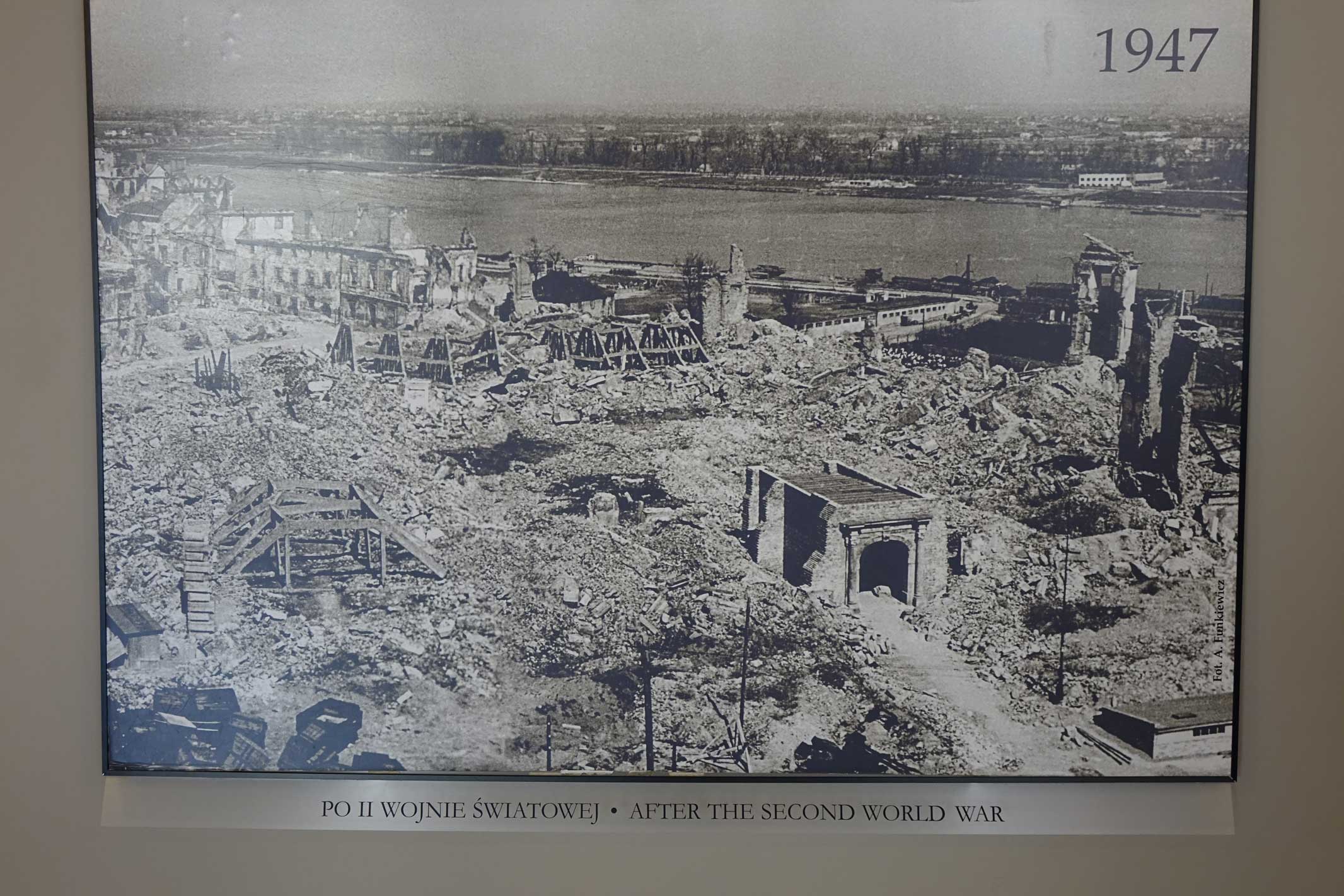
Which is how, if Kraków came through the war, Warsaw had been barely out. After the failed Warsaw Uprising of 1944 the Nazis razed the city to the ground by destroying more than 85% of all buildings. And out of those ashes Warsaw rebuilt herself — Phoenix City, they called it.This picture of Warsaw after the war stands as a powerful symbol of destruction but also of resilience. Almost completely rebuilt from ruins, the city’s remarkable resurrection reflects the determination and spirit of its people.
Over 400,000 Jews were trapped in what became the largest Jewish ghetto in Nazi-occupied Europe — the so-called Warsaw Ghetto. Its numbers were wiped out by starvation, illness and deportations to Treblinka. In 1943 desperate fighters in the Warsaw Ghetto defended themselves against overwhelming Nazi forces—the first urban insurrection against the Nazis—holding out for three weeks before being destroyed.
Today, memorials cover these sites in Warsaw: the Heroes Monument, the Umschlagplatz (the place from which Jews were shoved onto cattle wagons), and pieces of ghetto wall tucked between modern buildings. There is now the POLIN Museum of the History of Polish Jews on the site of the former ghetto, tracing a thousand years of Jewish life in Poland, not just its annihilation.
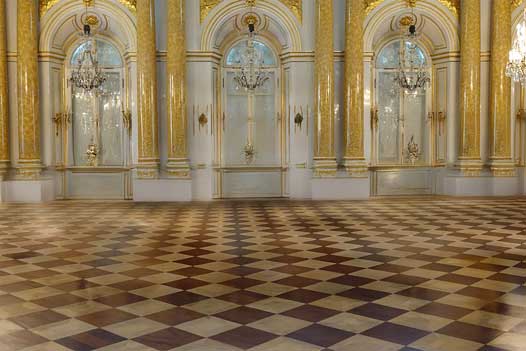
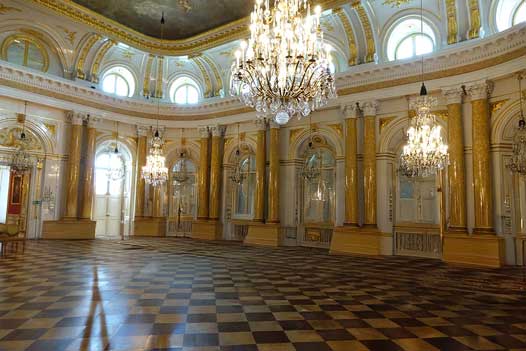
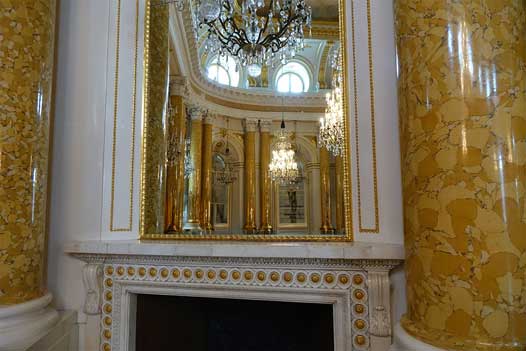
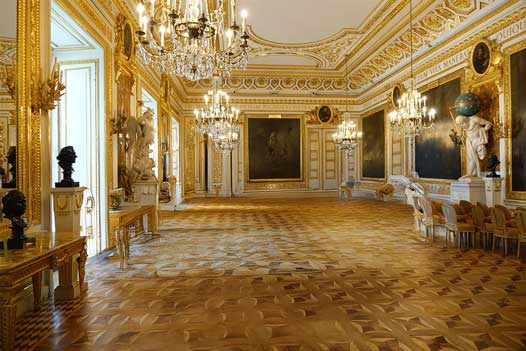
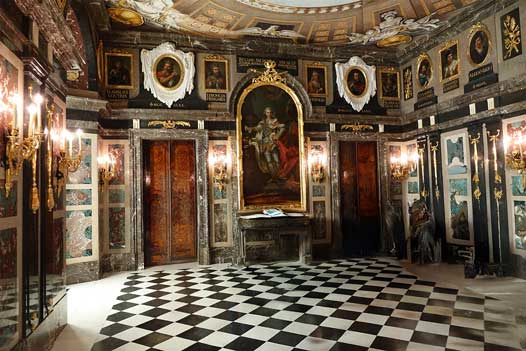
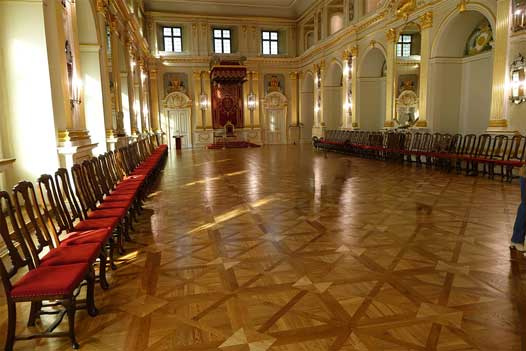
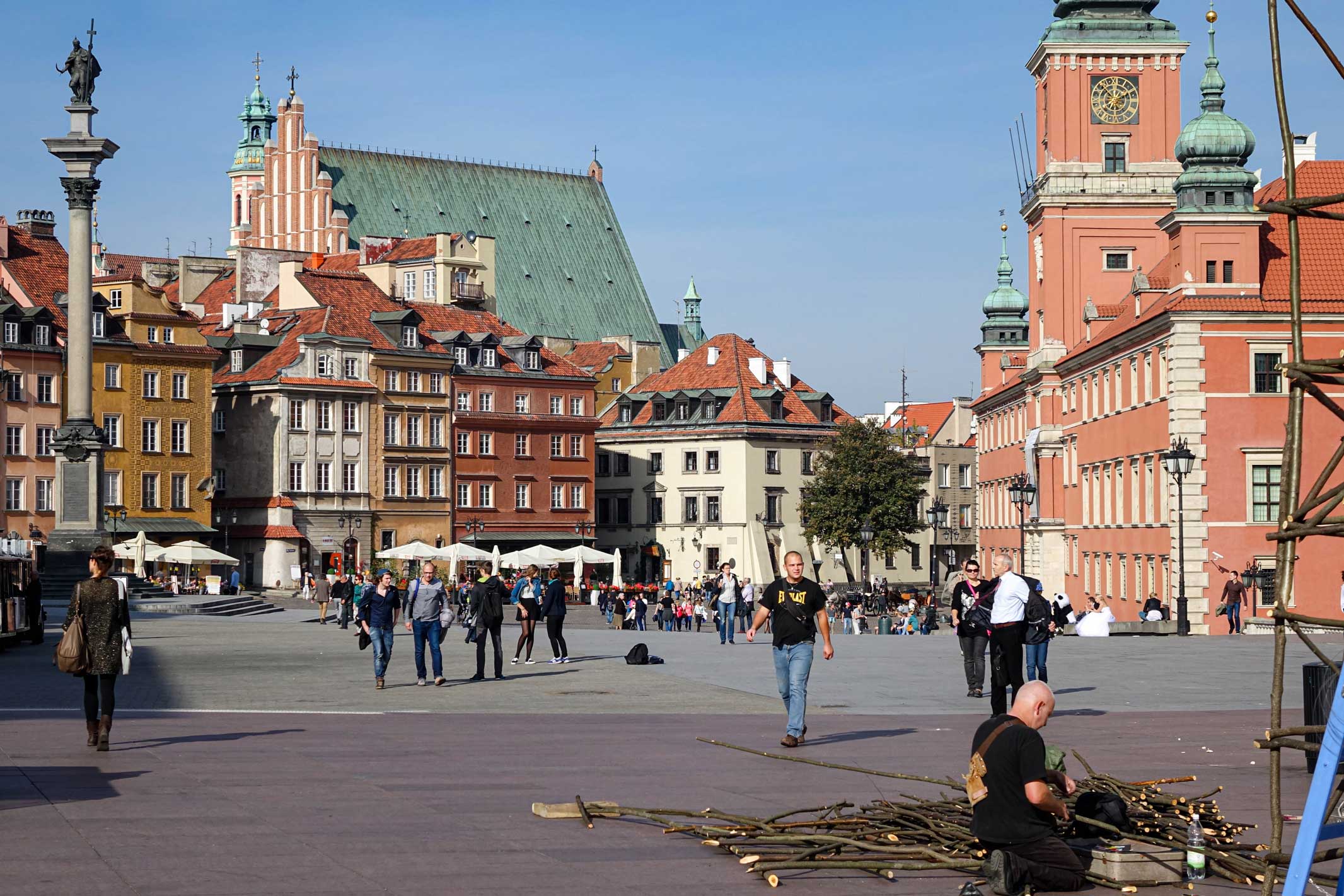
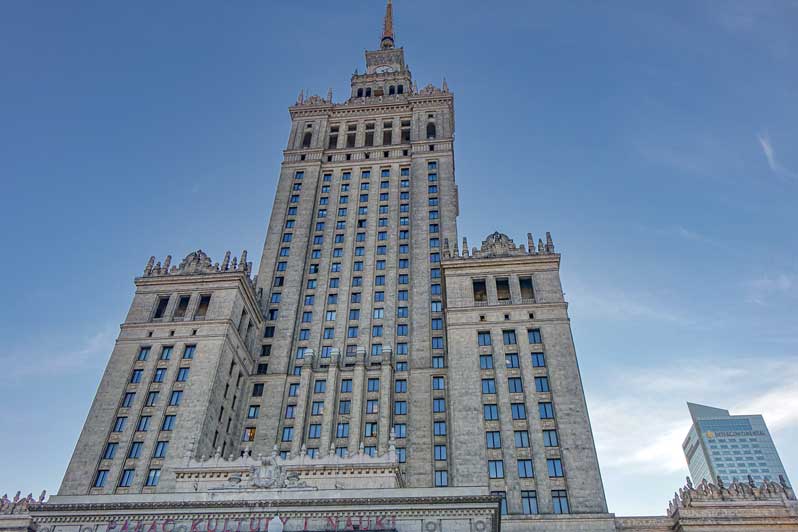
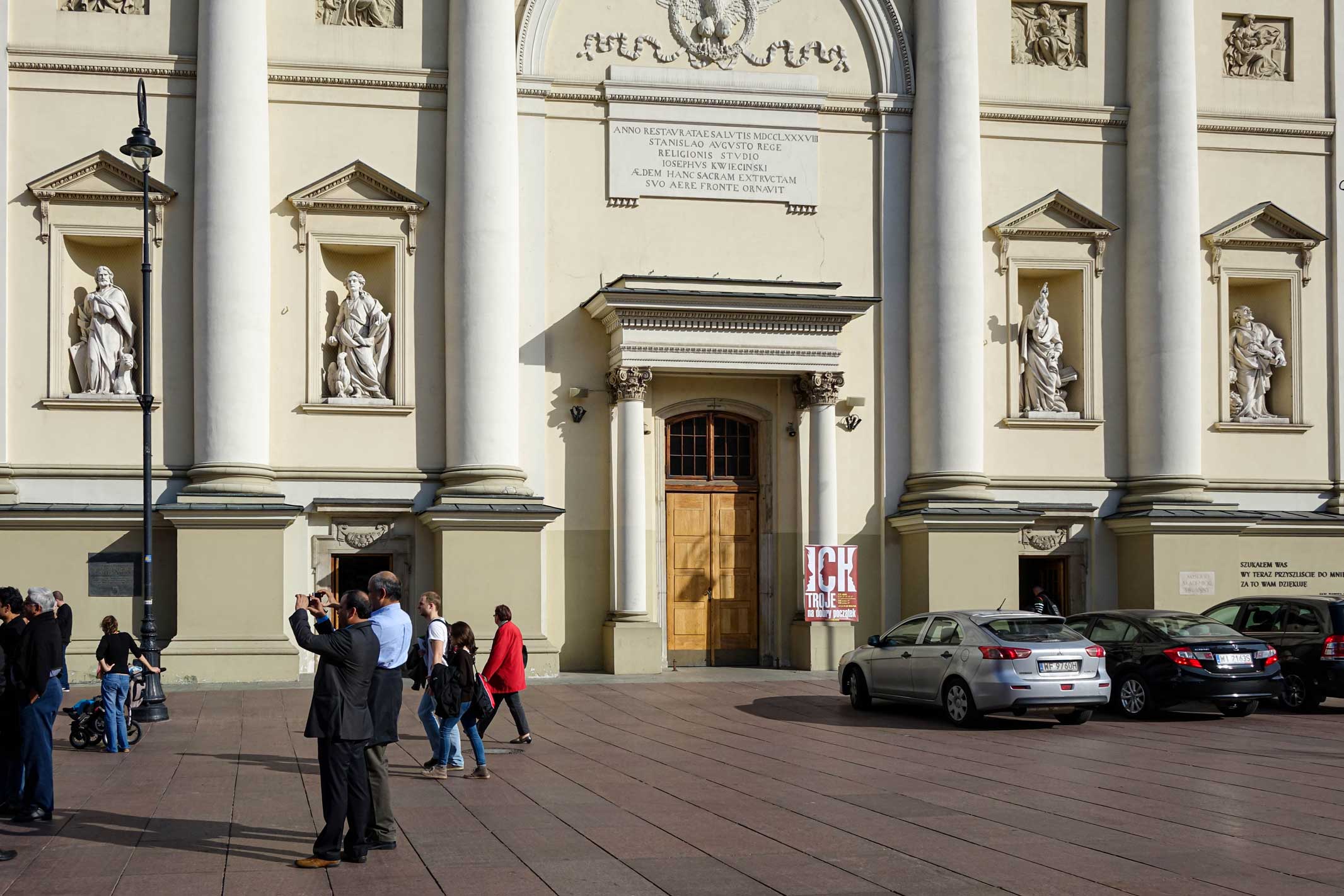
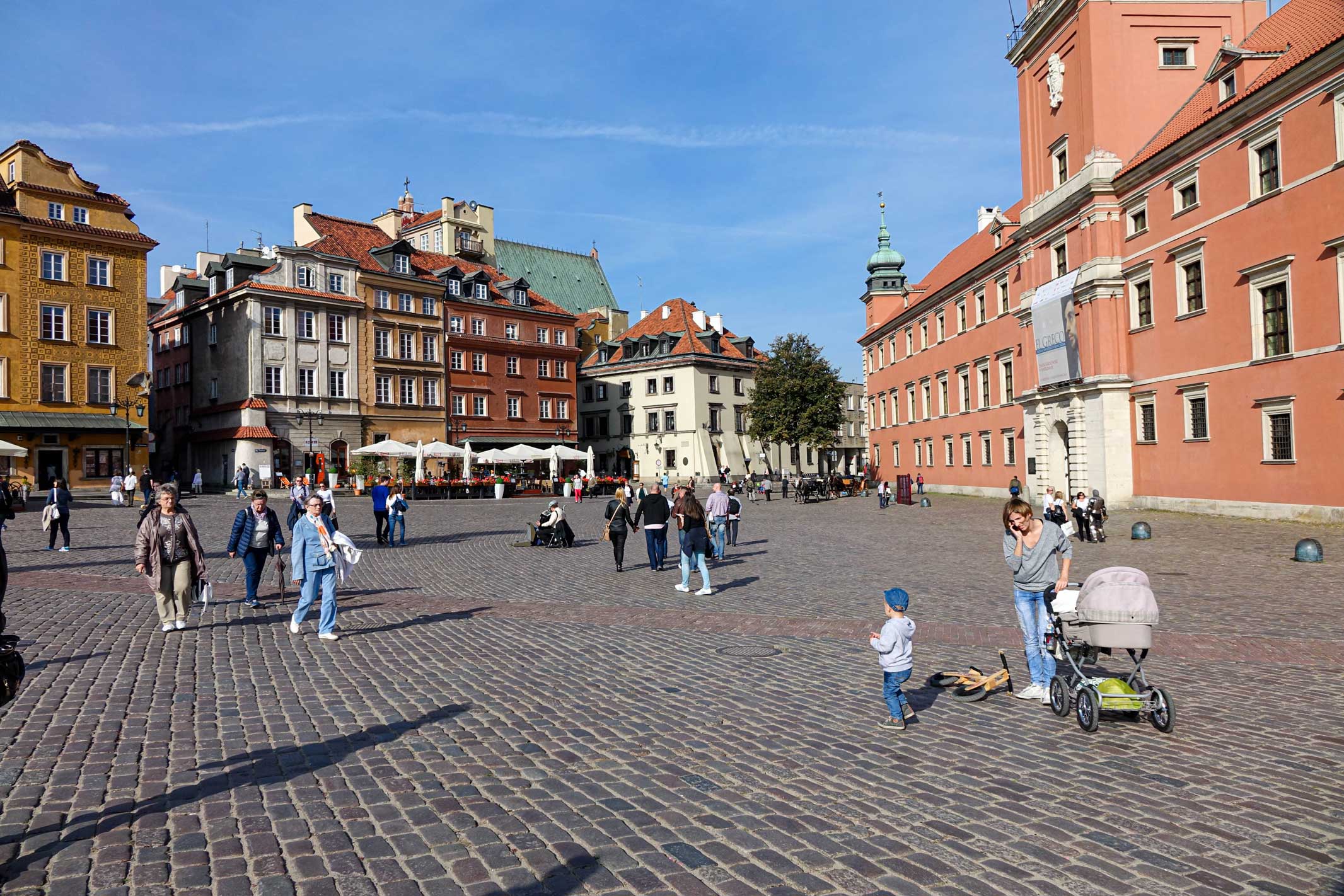
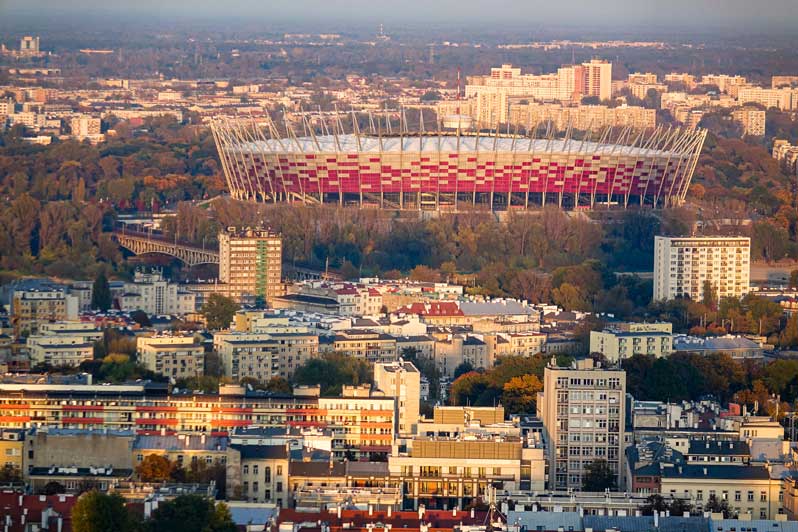
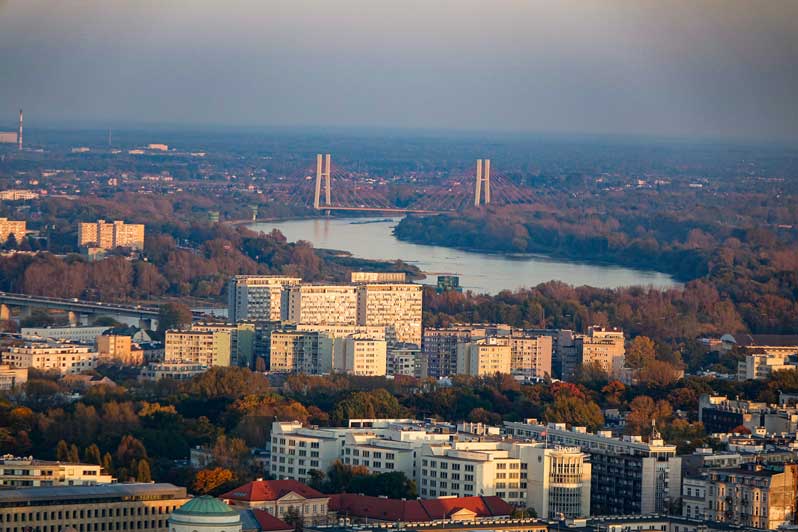
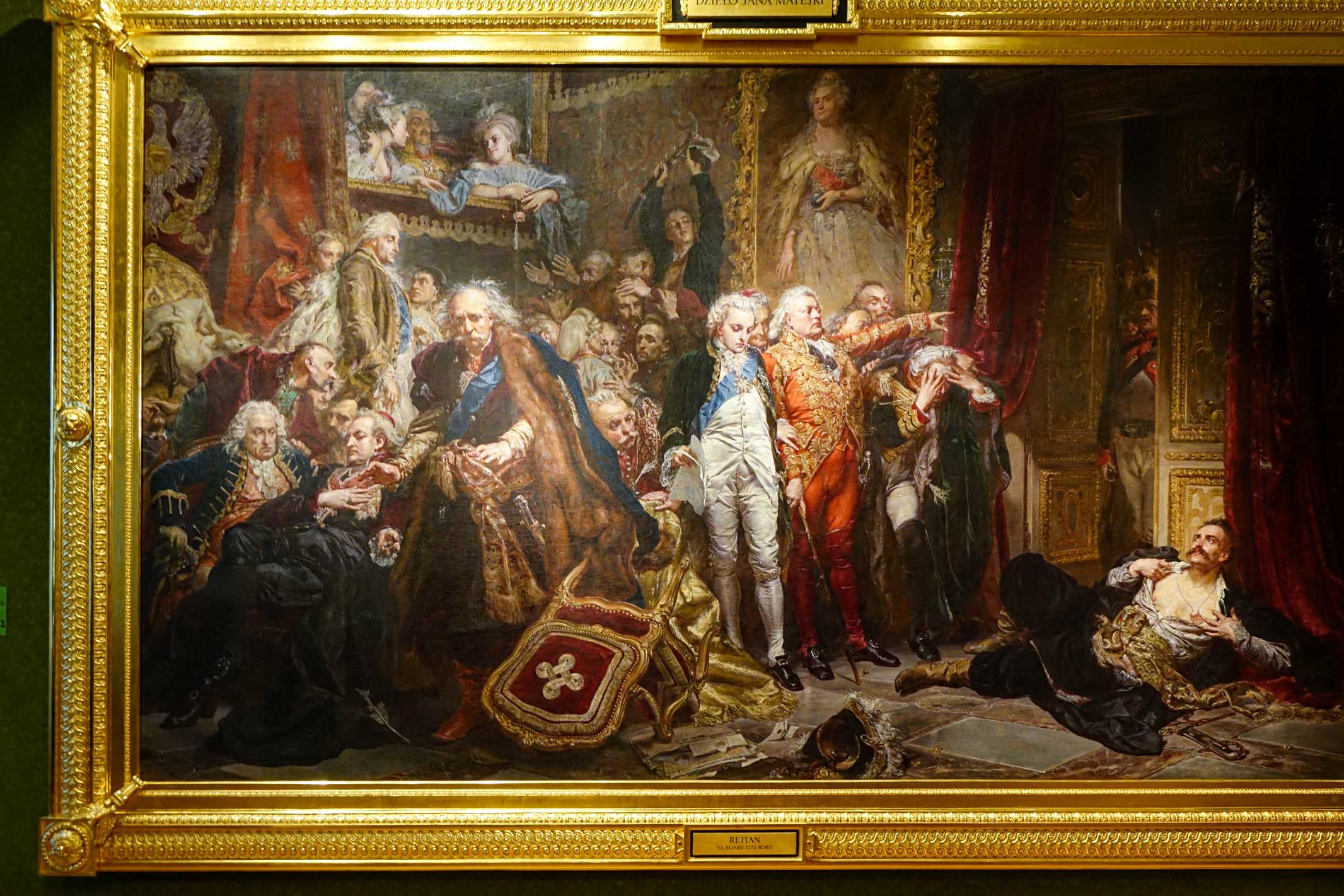
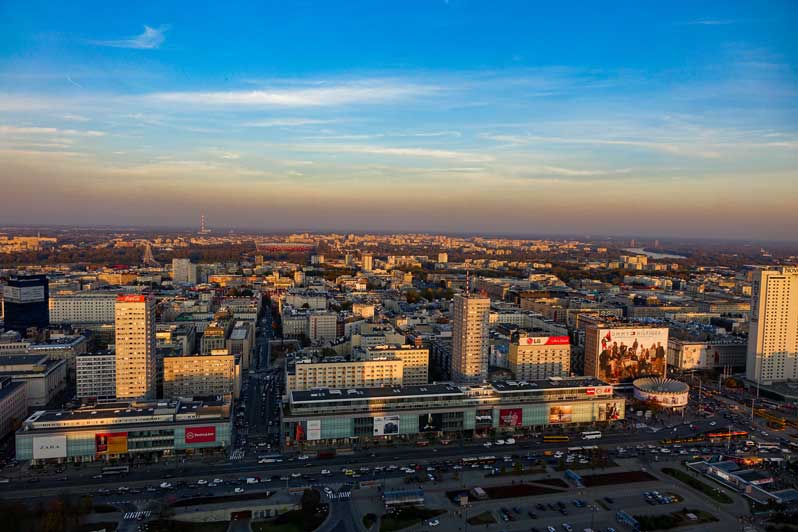
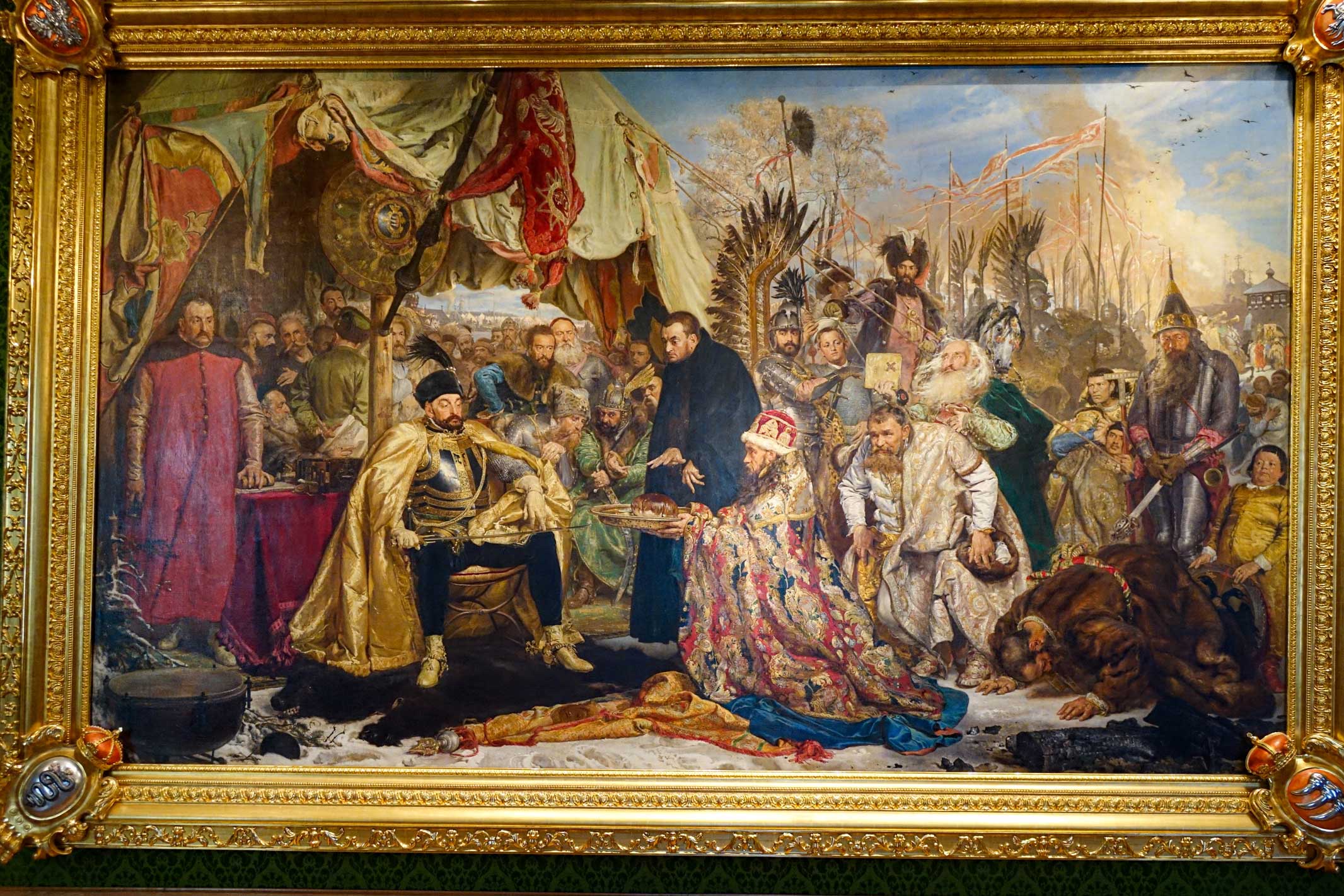
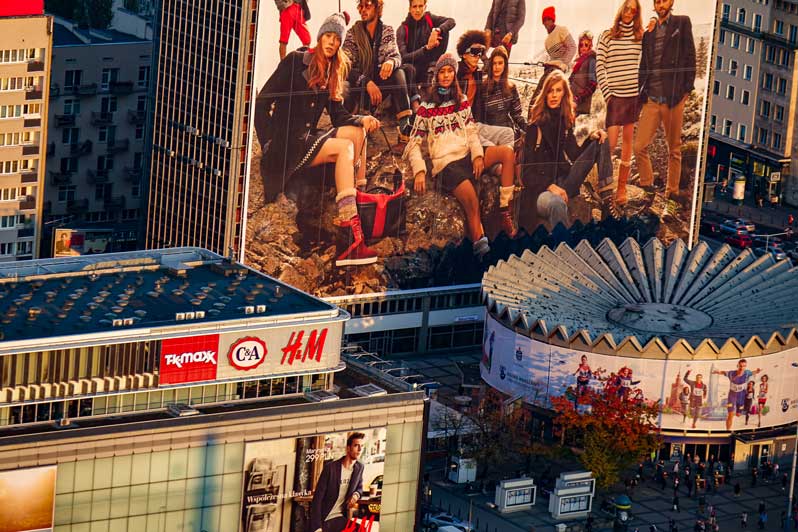
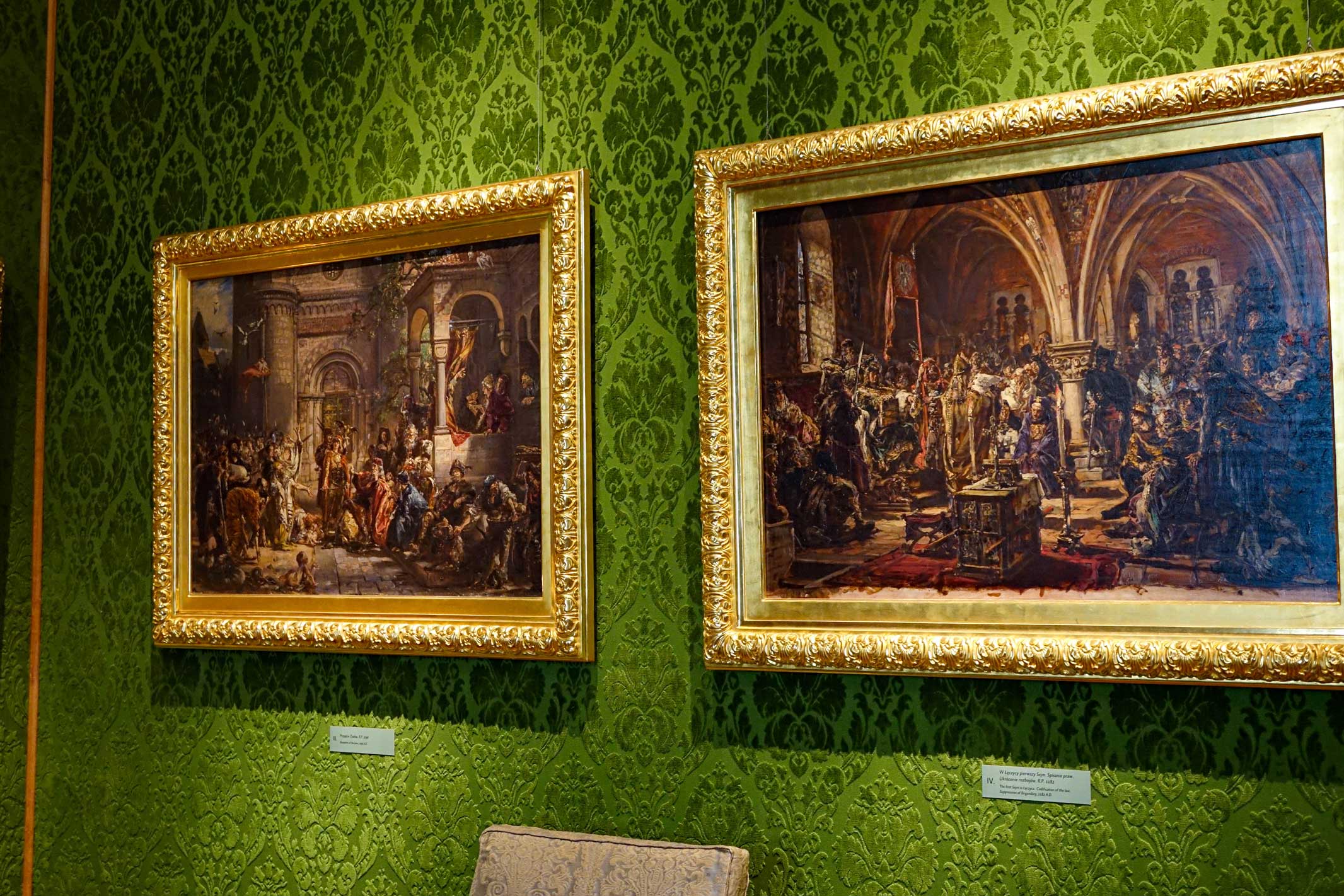
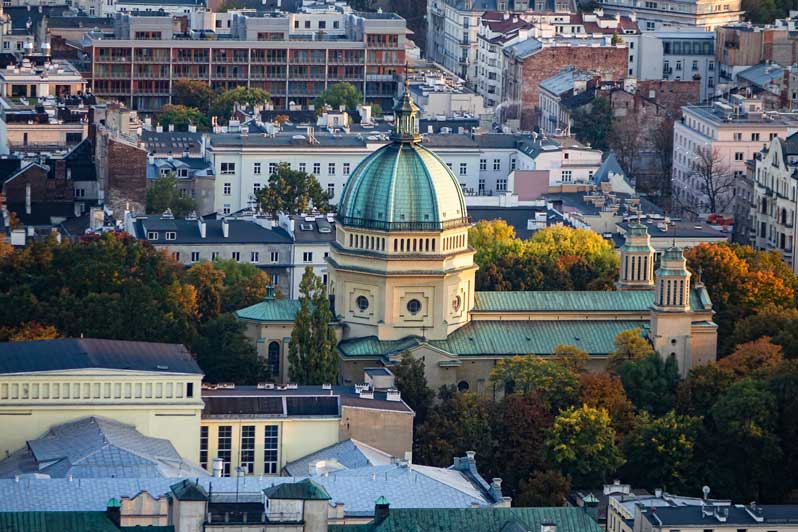
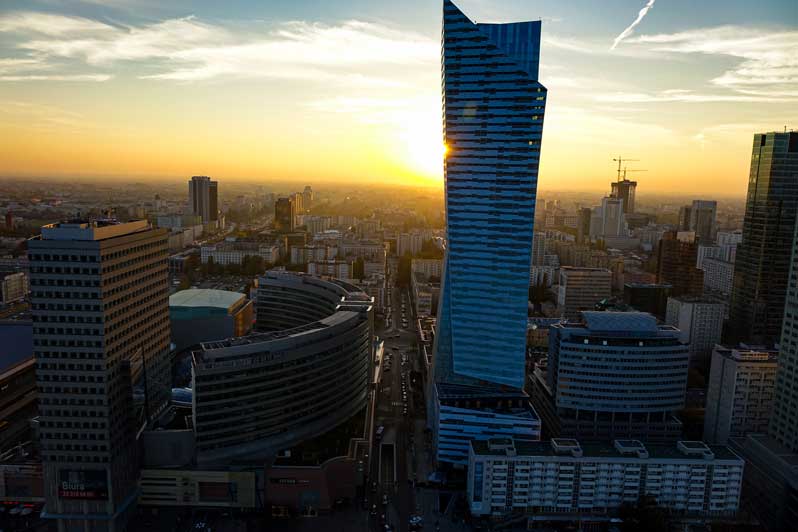
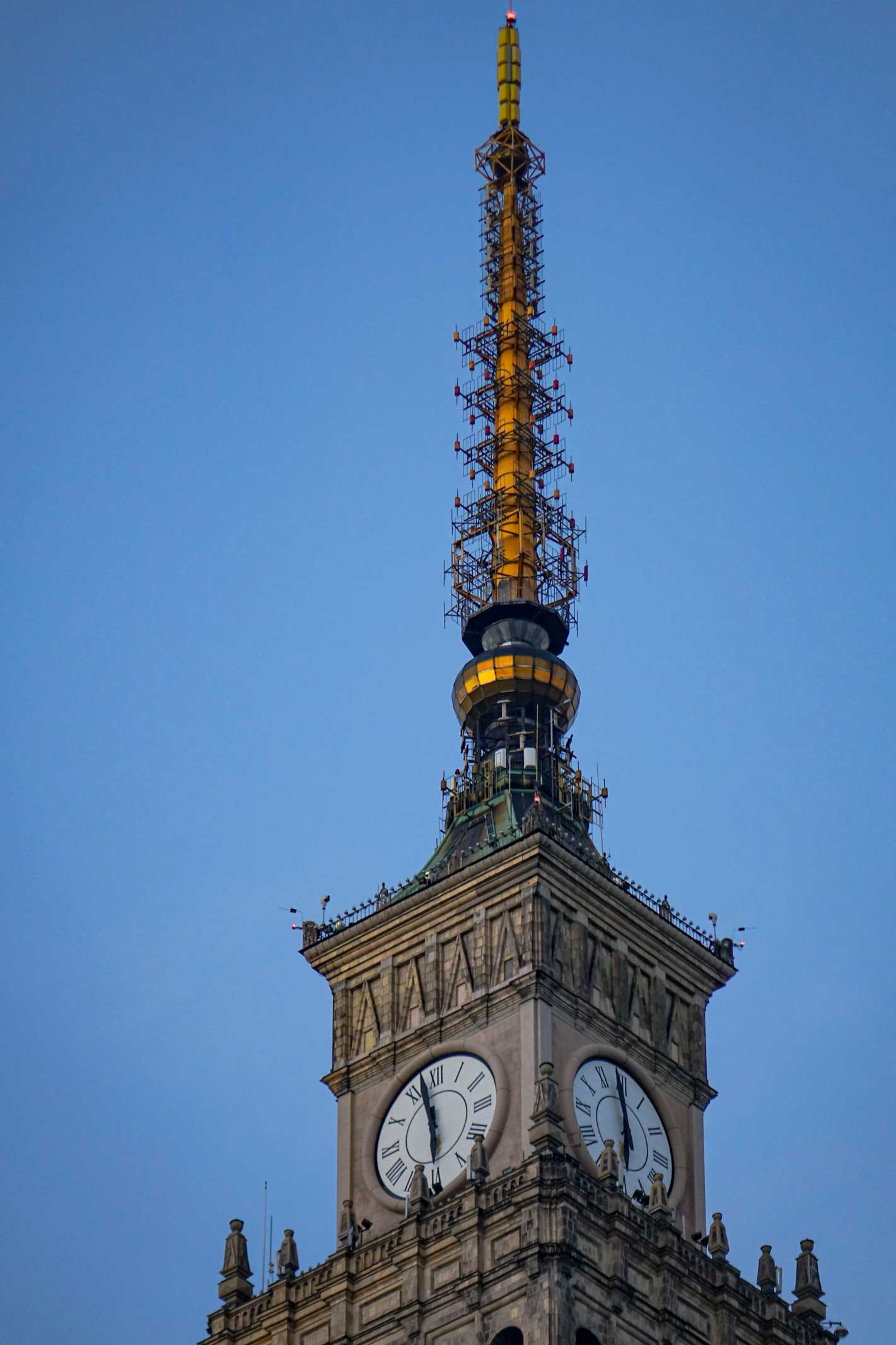
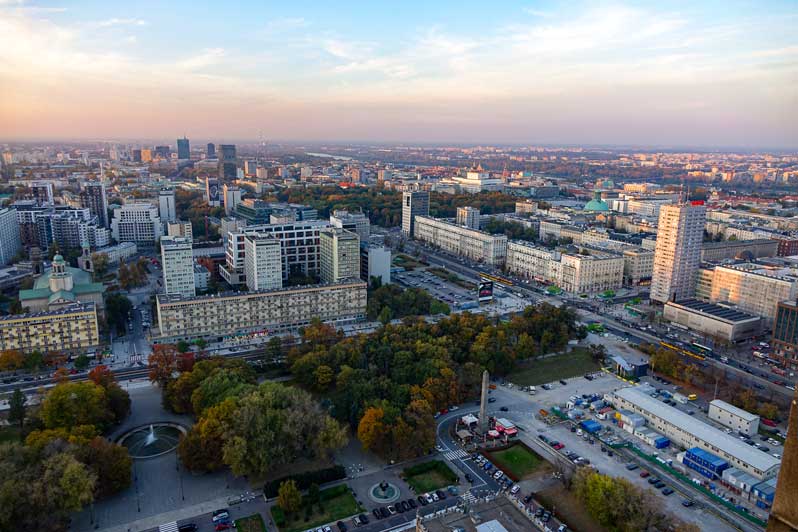
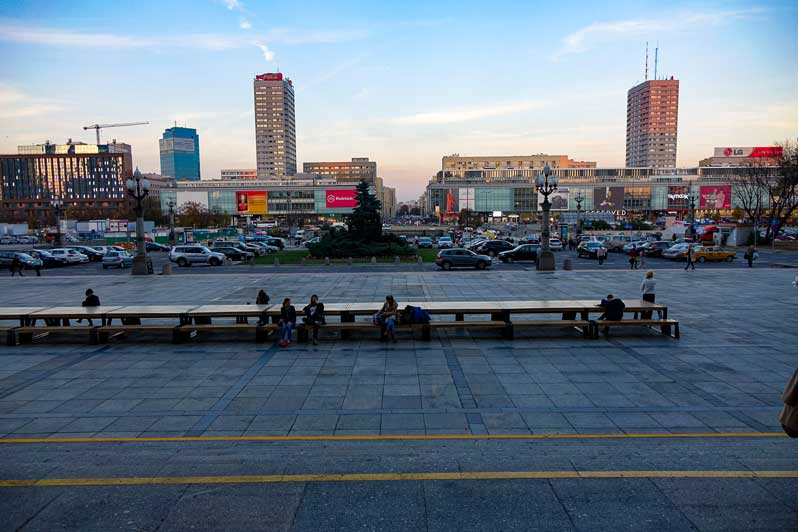
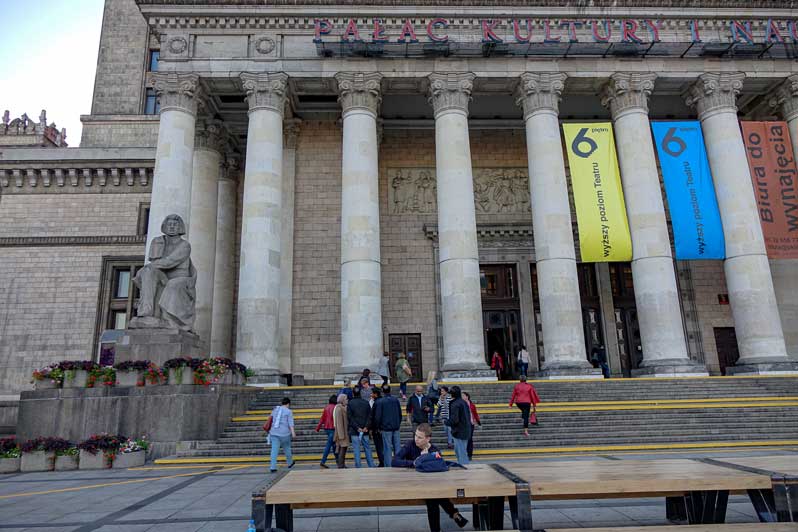
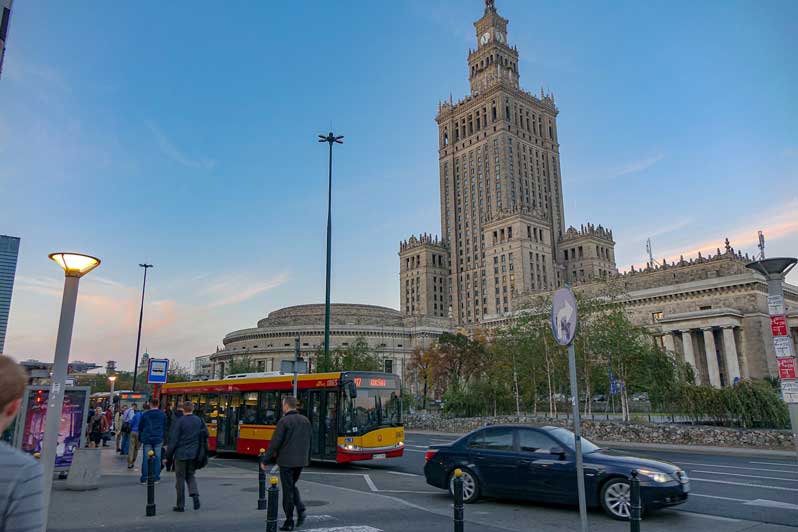
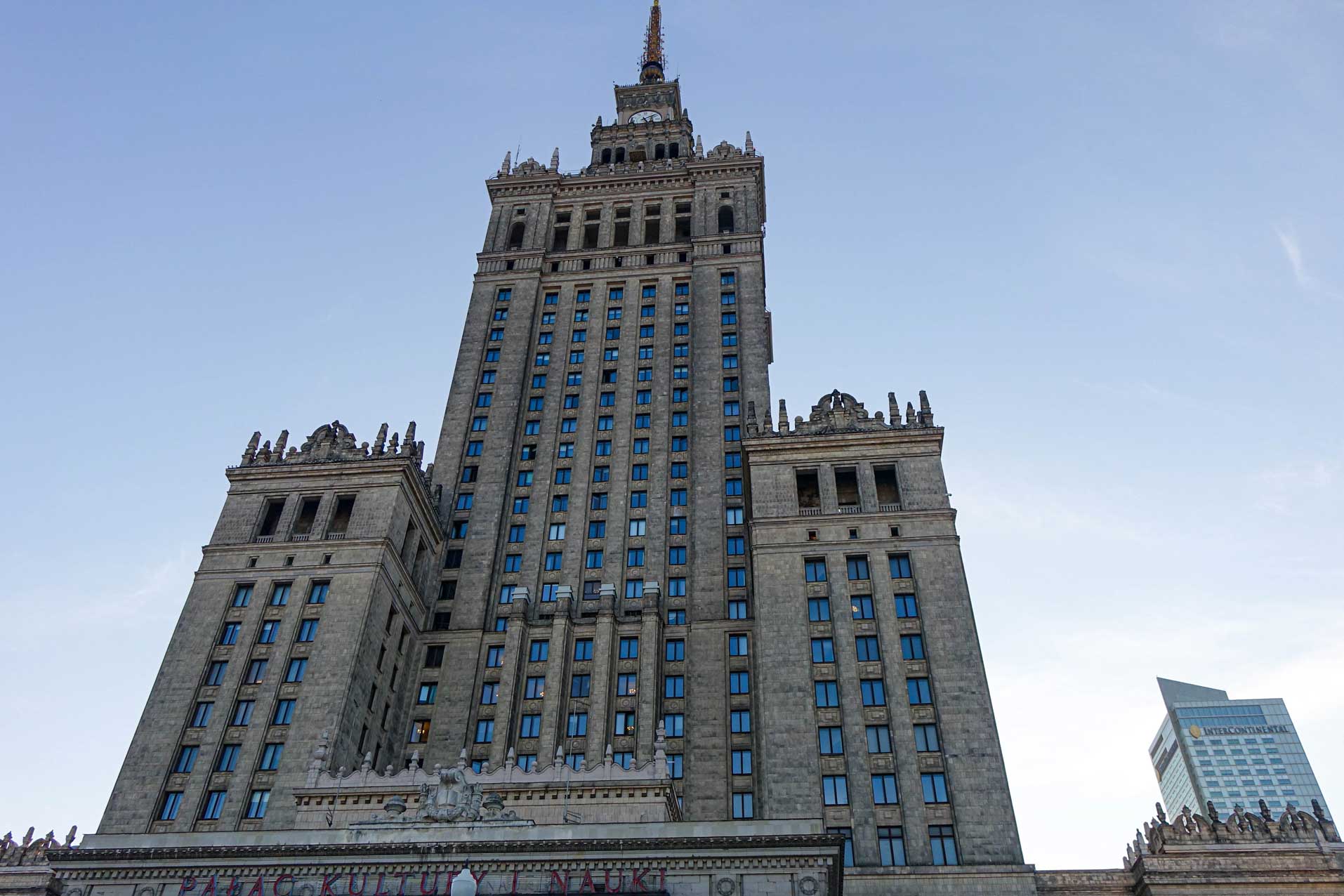
This building today houses the Ministry of Culture. However, many locals in Poland dislike it, as it was built using money looted by the Russians from Poland. Its Old Town, painstakingly rebuilt according to Canaletto paintings after the war, is a UNESCO World Heritage site: memory as a mode of survival. The Royal Castle, destroyed to the ground, reconstructed, filled with Polish art and history.But Warsaw also has an air of modernity to it, as well. It speaks in wide boulevards, crowded cafes, Zlote Tarasy, The Palace of Culture and Science (Pałac Kultury i Nauki), Chopin concerts in Łazienki Park, contemporary art galleries, and many skyscrapers grow up with reconstructed palaces—all the things to say that Warsaw is not a destruction, but a renewal.