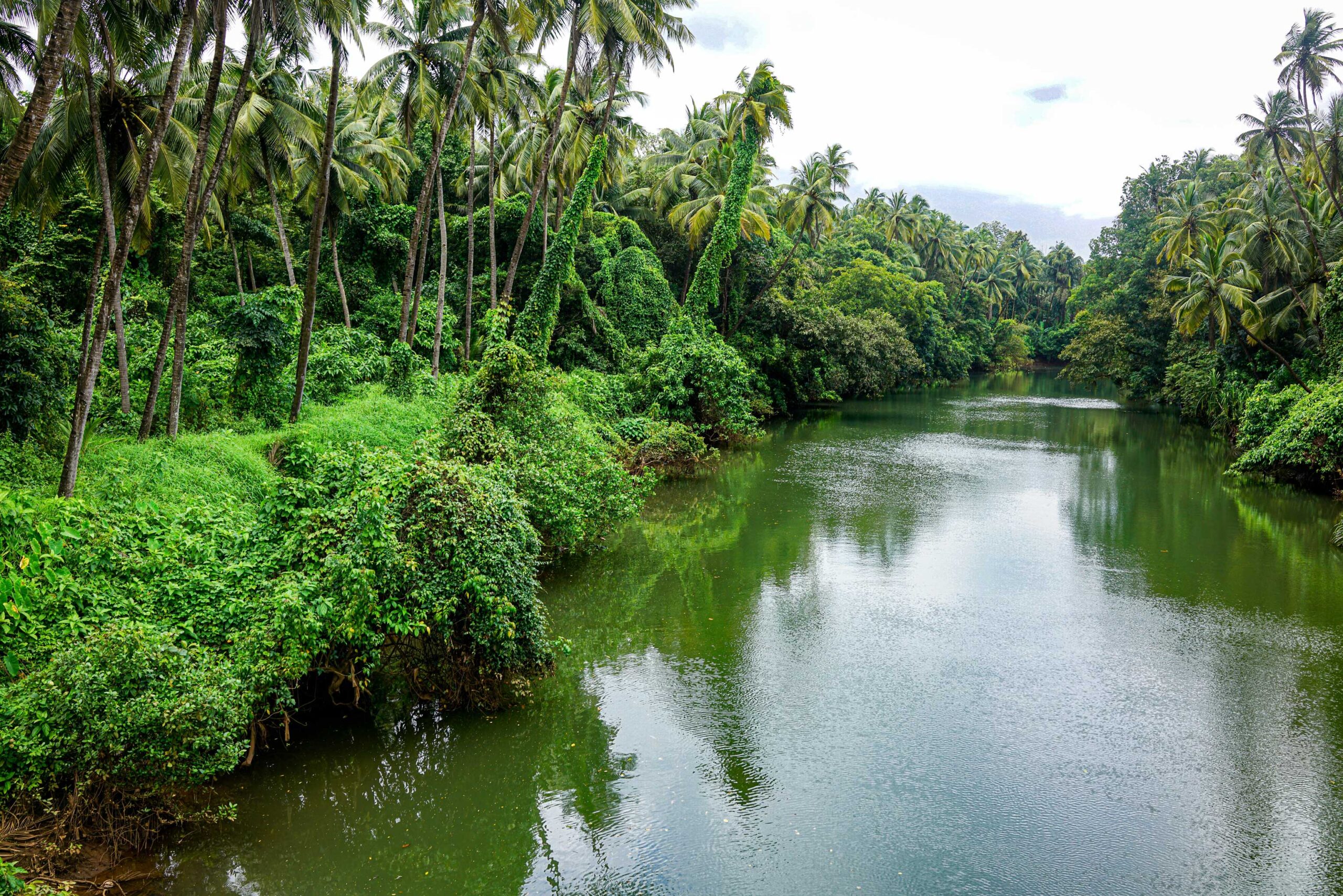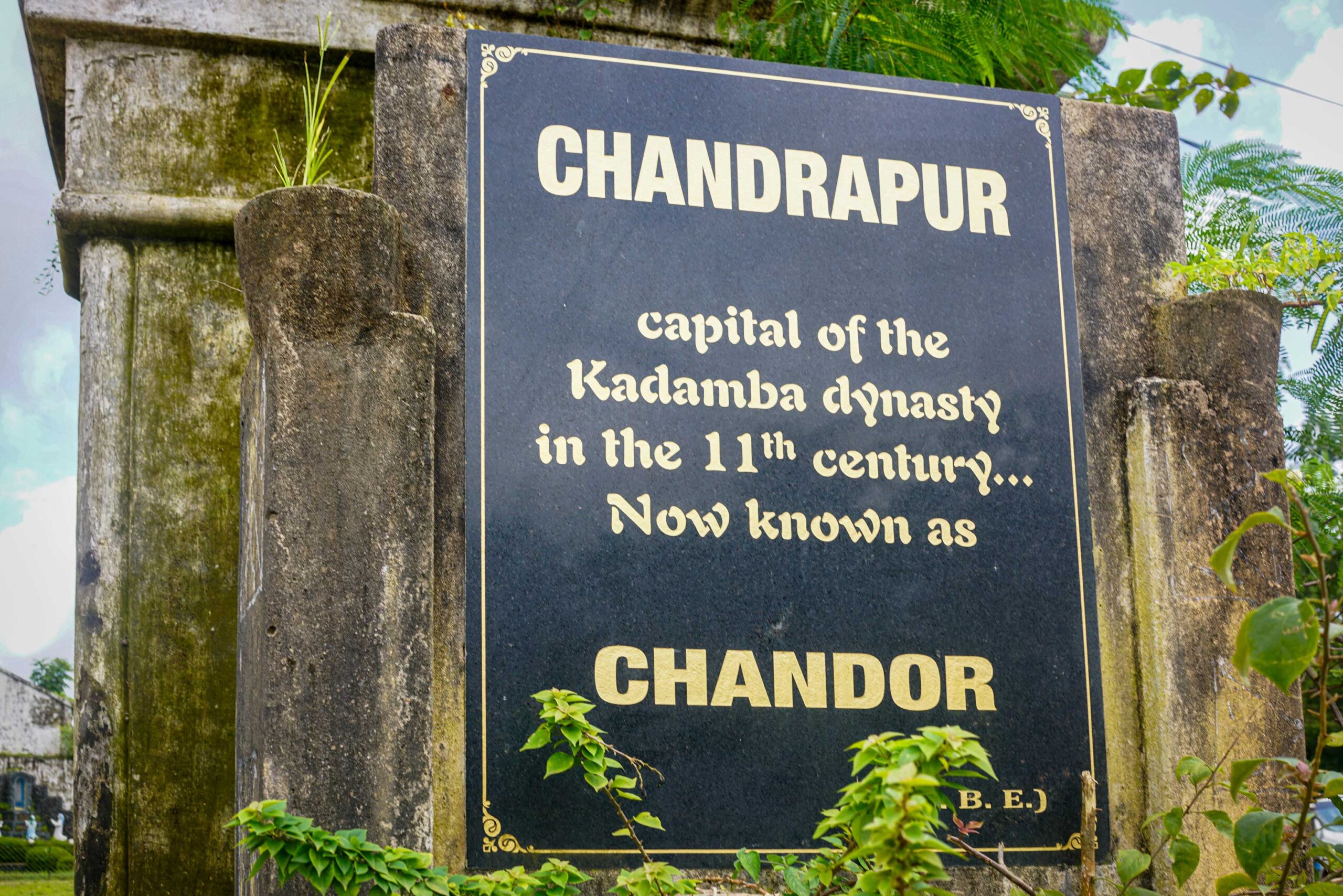
f the beaches of Goa are the state’s eternally restless edges, then Chandor is its still heart—a village where history has accumulated in layers, where rice fields unfurl like swaths of emerald silk, and the river Kushavati cradles whispers of a forgotten kingdom. Chandor, formerly known as Chandrapur, served as the capital of the Kadamba dynasty. Long before Portuguese caravels sliced across the Arabian Sea, this land was a centre of stability and strength; kings constructed temples for the moon-god Chandreshwar and dispatched merchants downriver in search of commerce. The walls were old and had been worn down by the passage of time, but Chandrapur’s memory whispers from beneath their ruins into the present time.
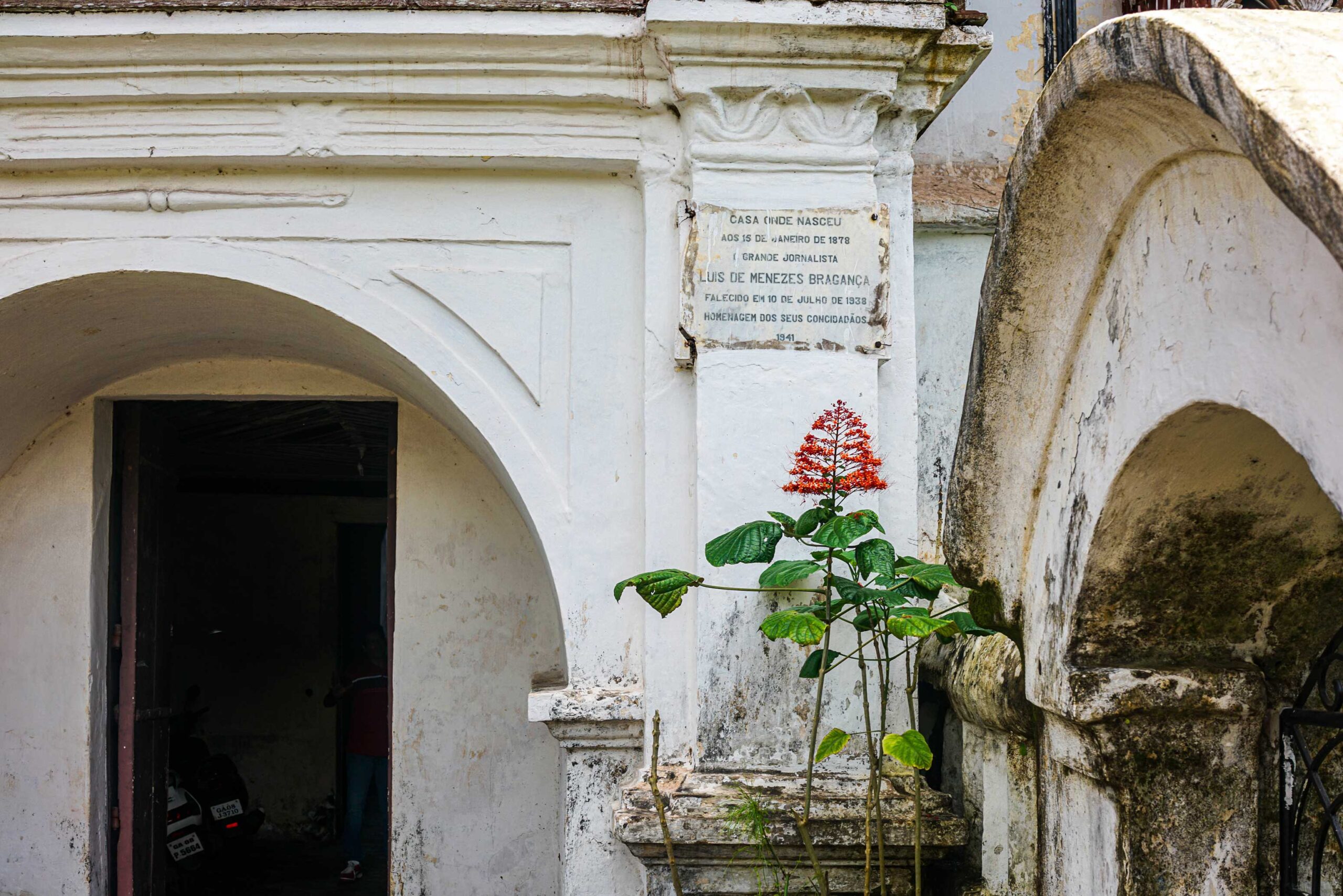
Chandor was caught up in another era when the Portuguese conquered Goa in the 16th century. The temples were demolished or used for other purposes, and the village folded into the new colonial order. But it never quite lost its sense of self-importance—powerful families erected grand houses along its lanes, a mix of European elegance with Goan workmanship. Of these, the most outstanding is the Braganza House, a mansion that straddles the village square like a piece of some other planet.
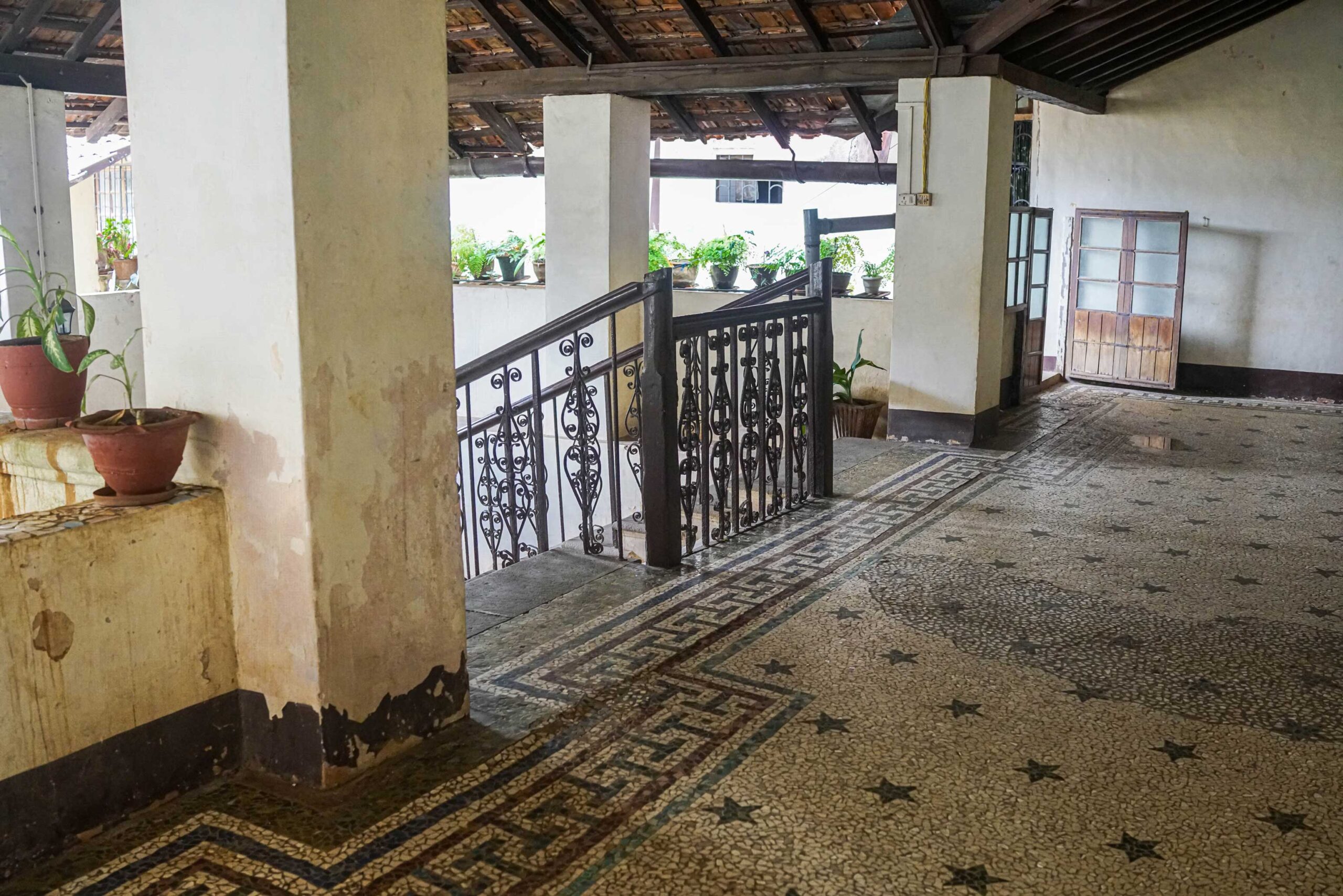
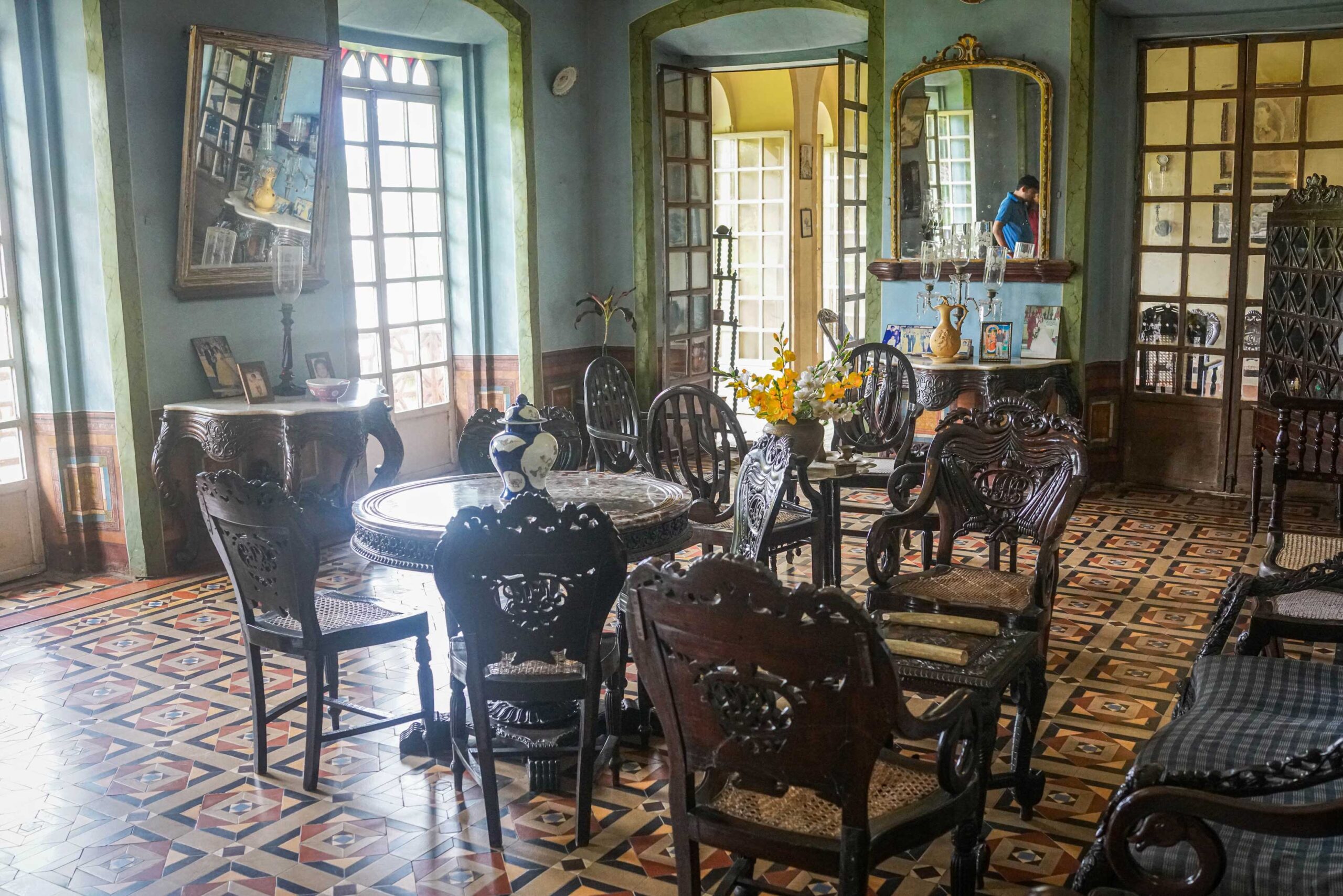
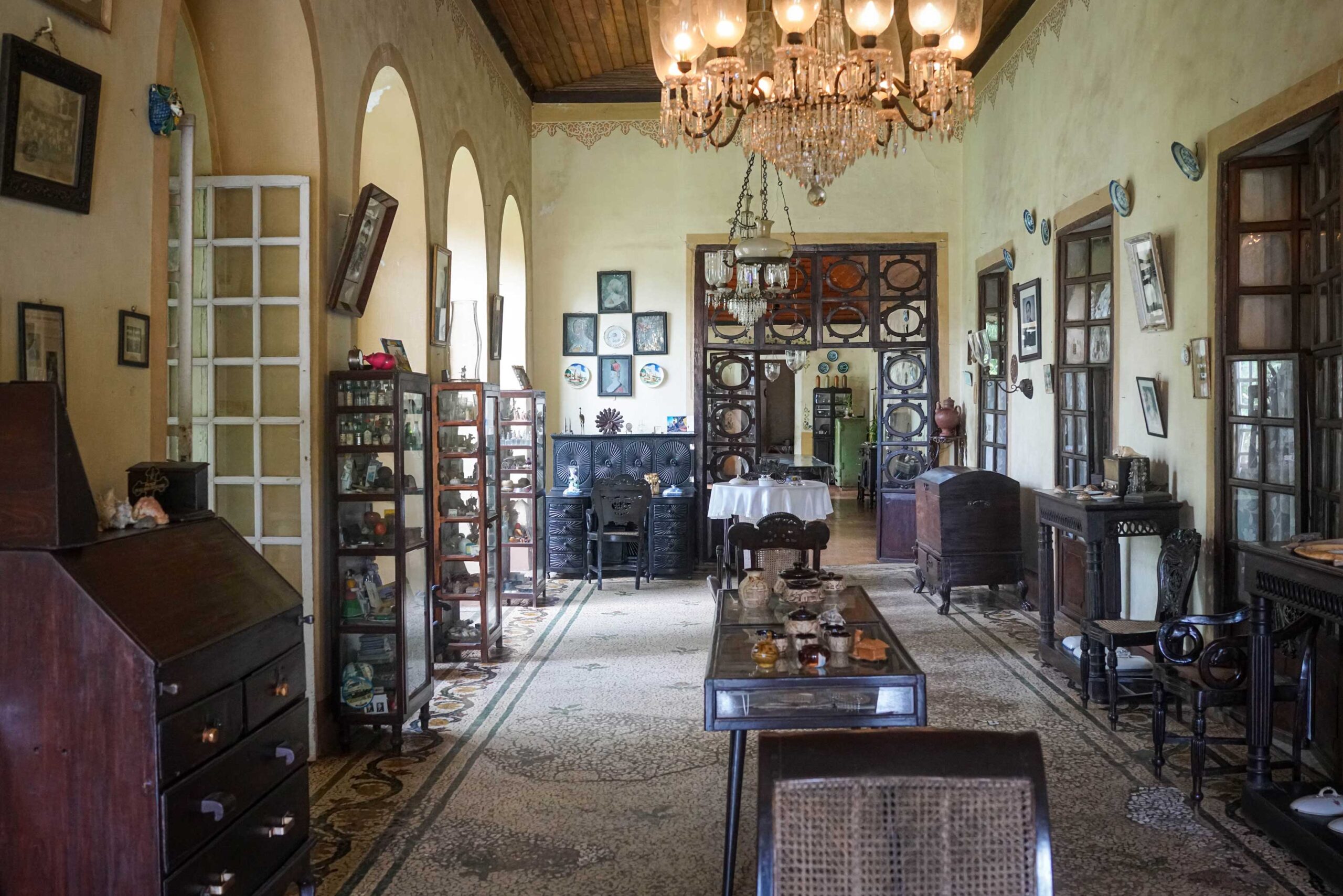
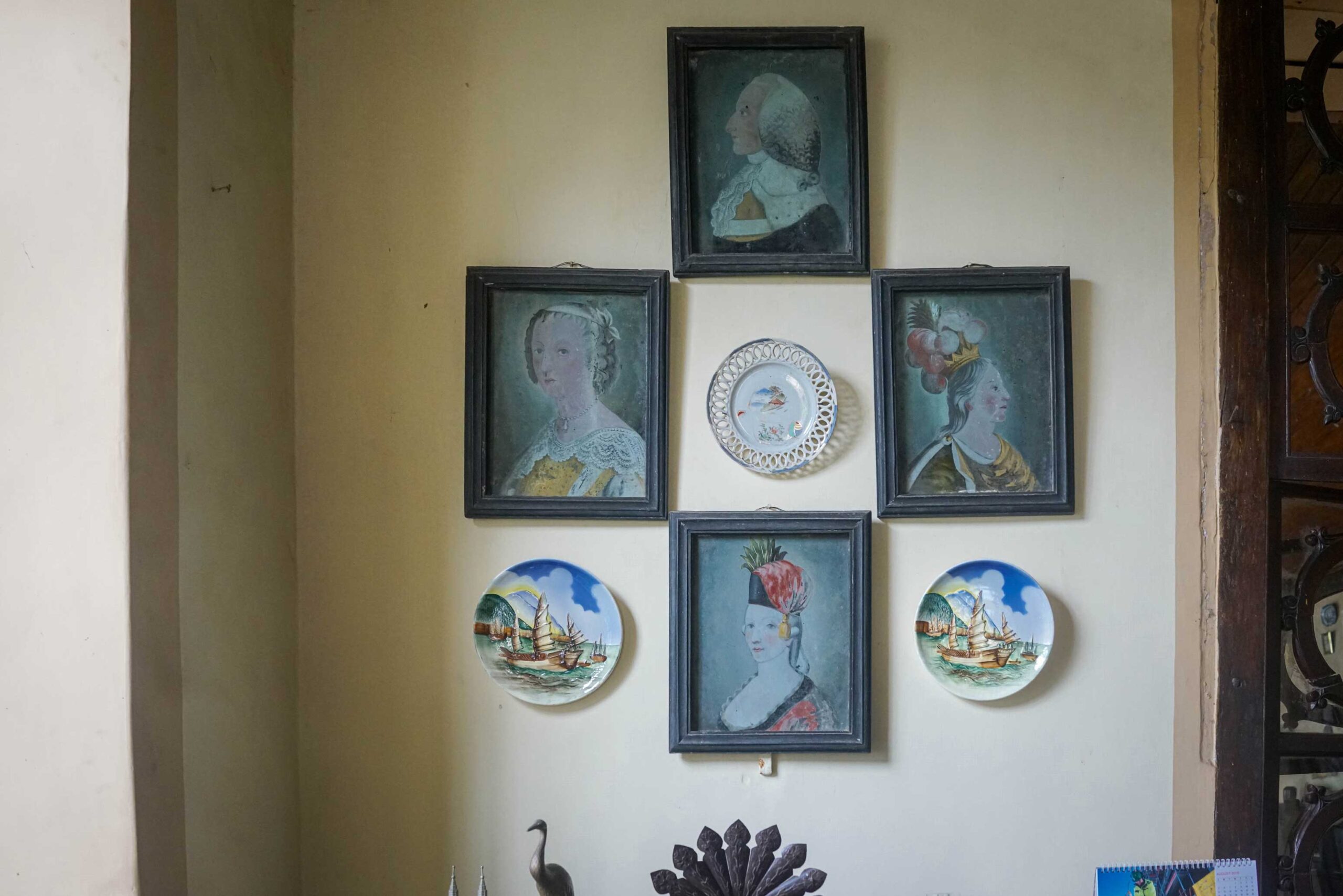
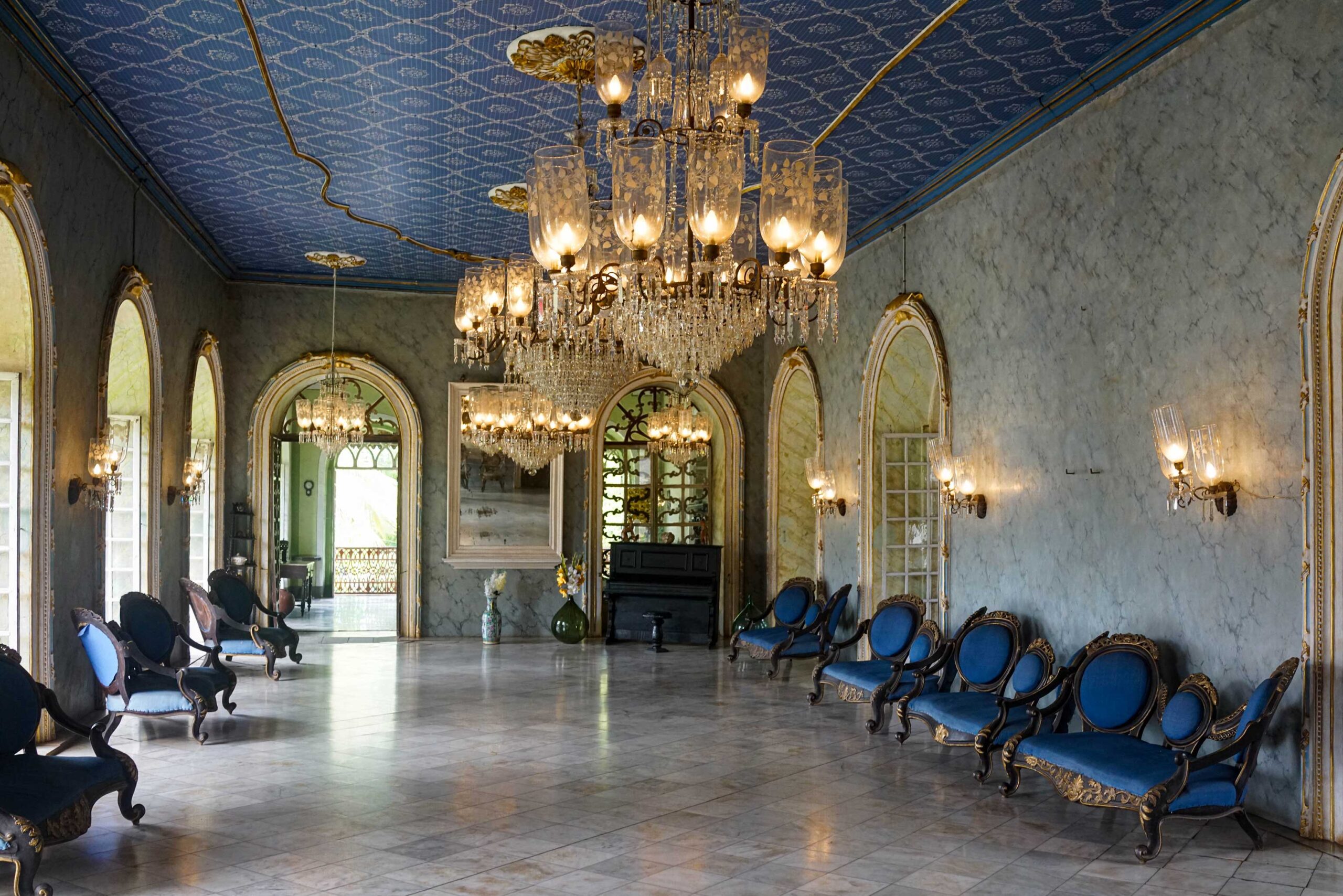
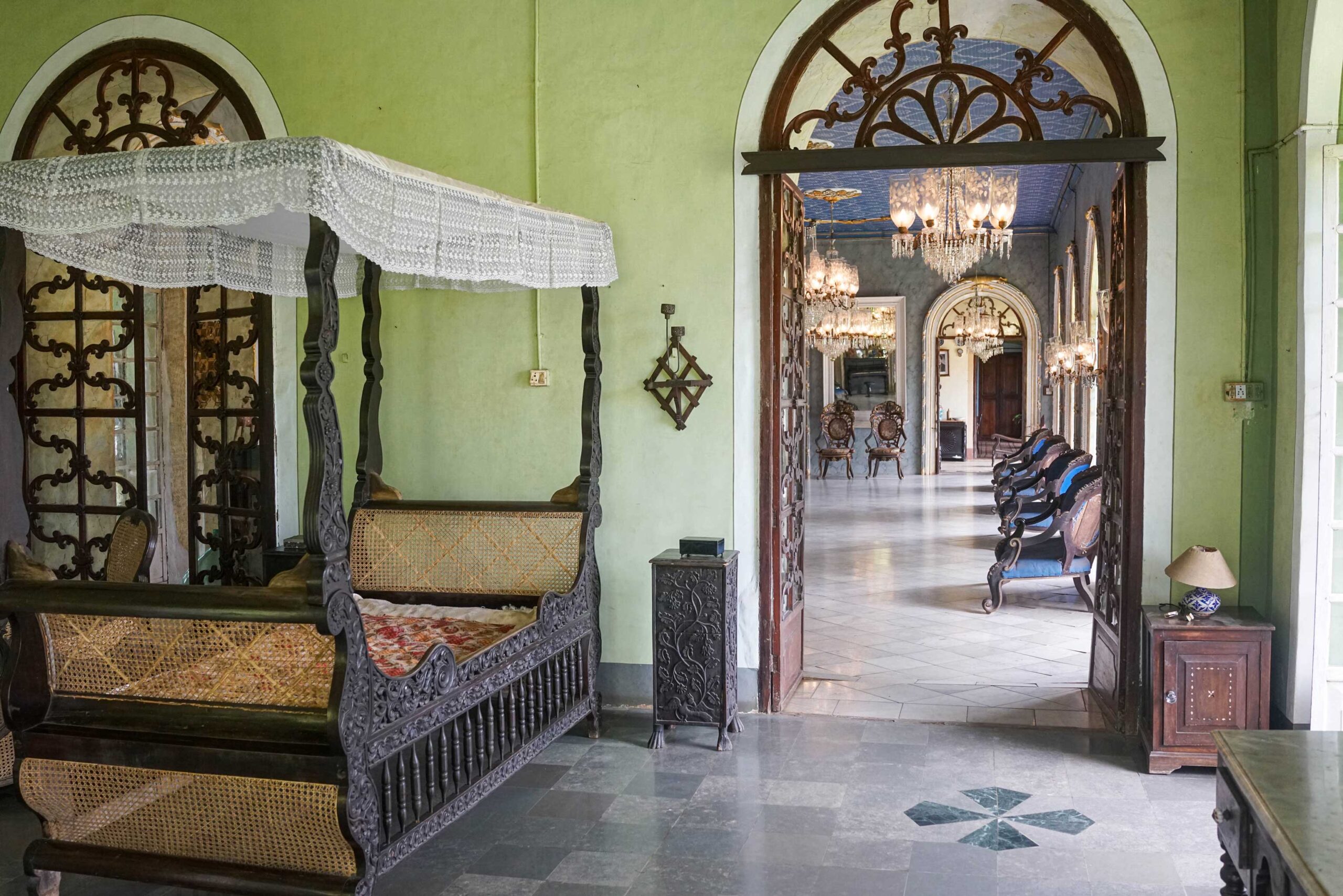
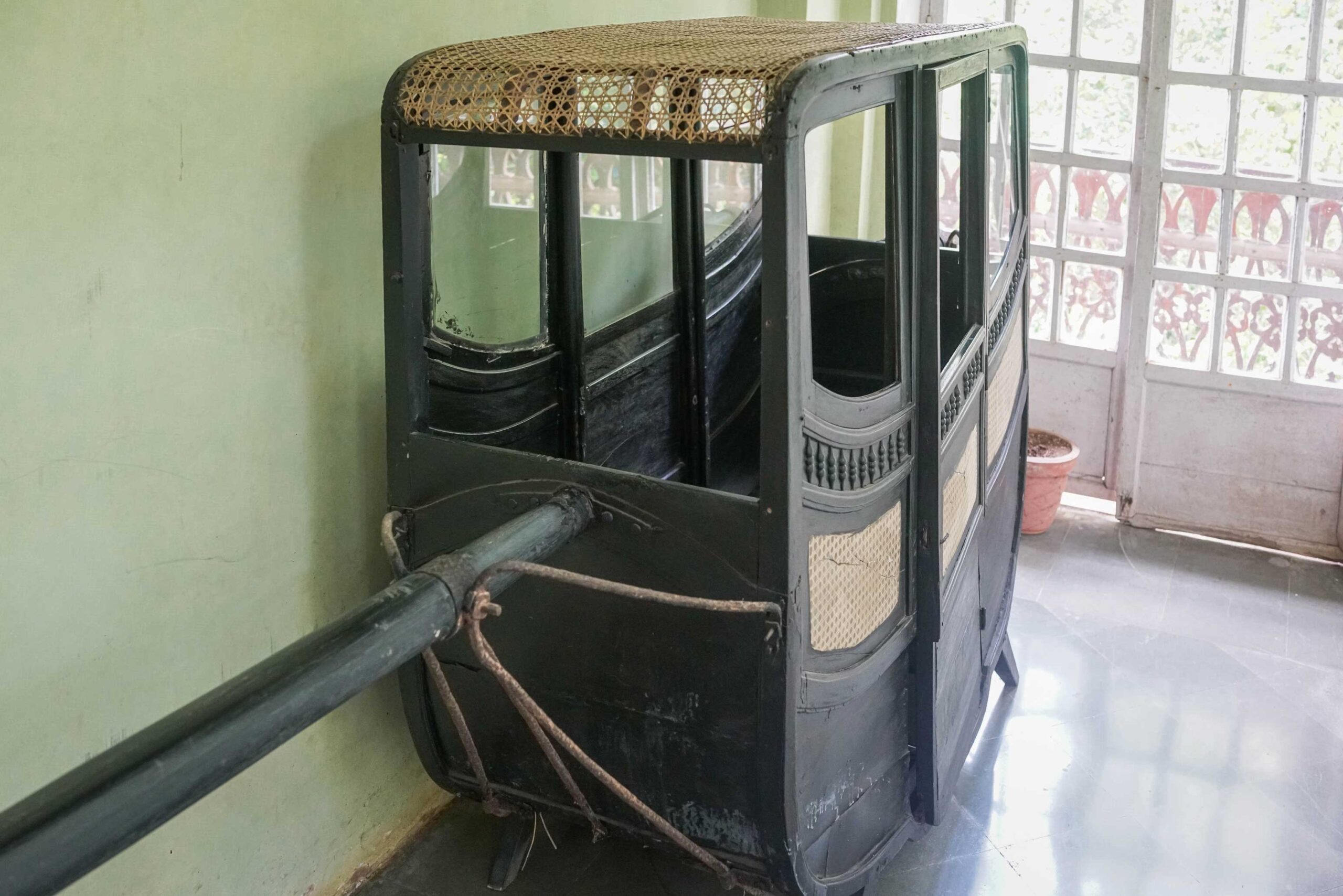
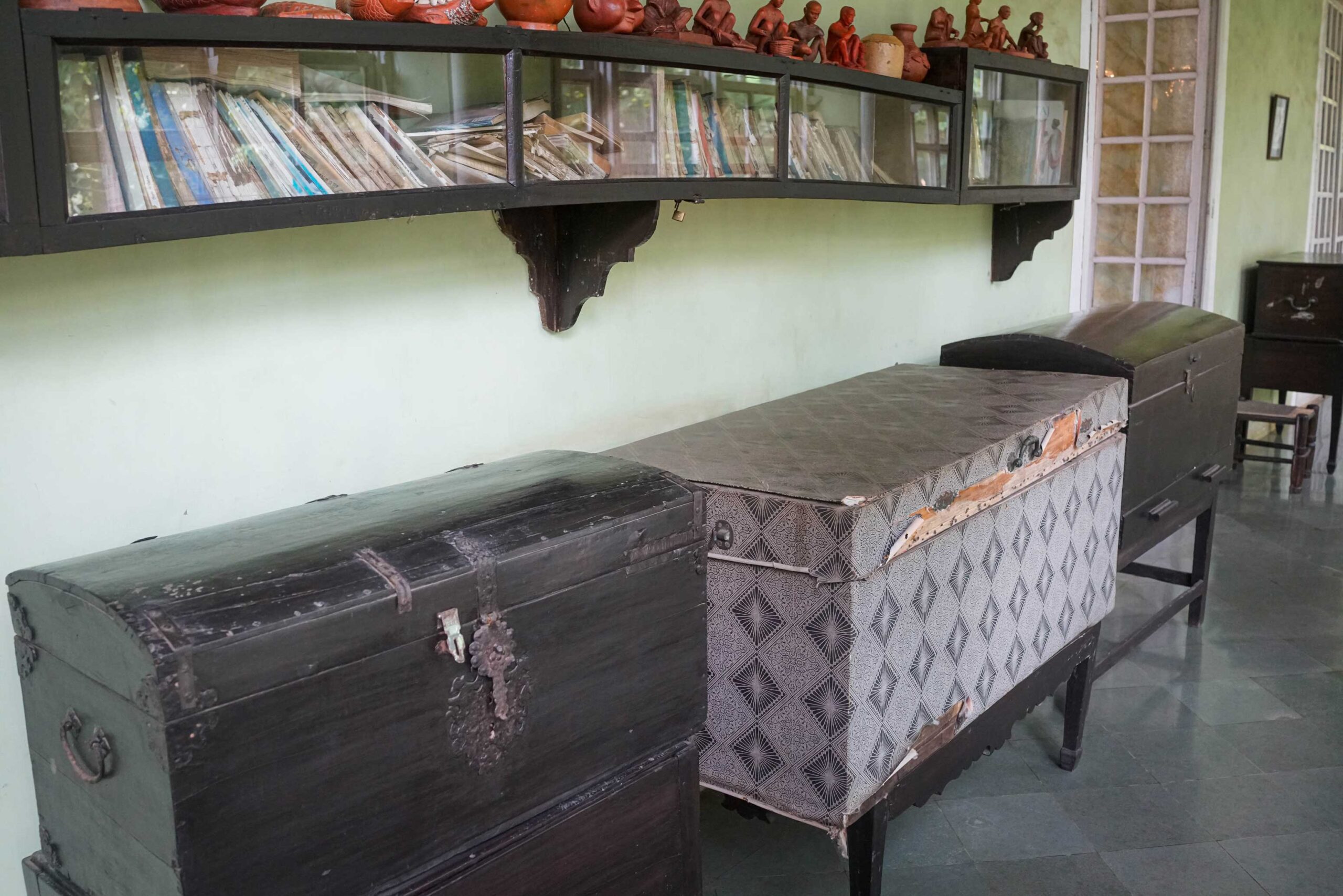
The Braganza Manor, which is split into East and West wings, was once a single large house owned by the Braganza family, who made their wealth as part of the Portuguese royal court. Meandering through its halls is like strolling through the memory of an aristocrat. There are barely glimmering chandeliers from Belgium, vestiges of the past caught in the light as it recedes; Venetian mirrors streaked with agelessness but catching enough shine; and there is carved Indo-Portuguese furniture. In gold-ornamented frames, portraits of ancestors gaze from the past, their Western garb at odds with the Goan breeze wafting in through broad balconies.
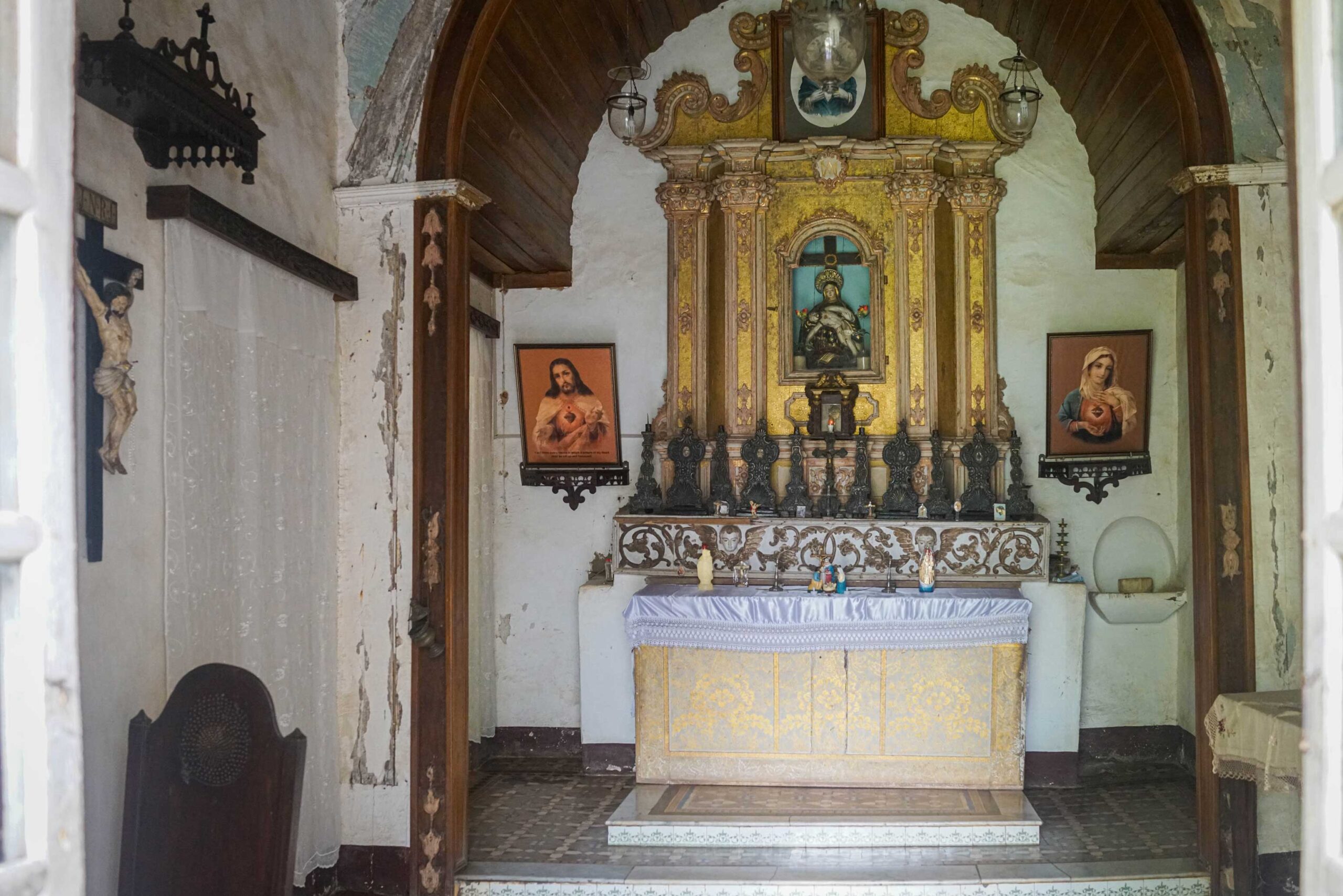
The west wing, which is still inhabited by the descendants of the Menezes-Braganza family, has an impressive library—reportedly one of the biggest private libraries in Goa. Old volumes with brittle spines contain centuries of thought, law, and devotion—collected in an era when books were jewels brought across oceans. The east wing, in contrast, houses a chapel with a relic of St. Francis Xavier and an altar that’s glistening Baroque from top to bottom.
But past its grandeur, the Braganza House tells a story of Goa’s stratified essence. Though the family’s riches and allegiance to the Portuguese crown bound them to the colonial state, the house itself, set in rice fields and village lanes, is of Goa’s soil. Its rosewood furniture was hand-carved from Goan forests; its tiles were fired in Goan kilns; its halls hung with echoes of the songs and footsteps of generations that had lived between worlds.
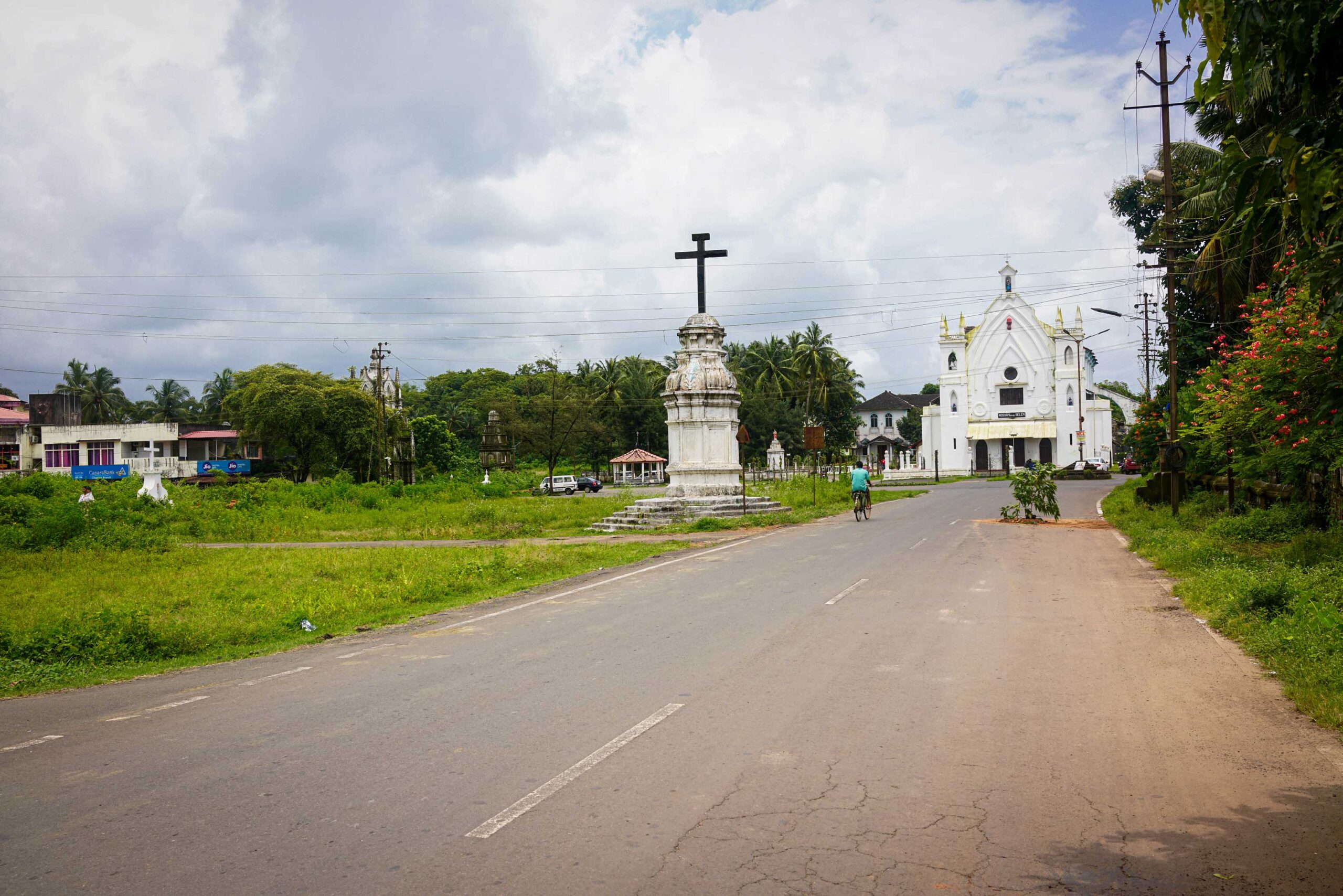
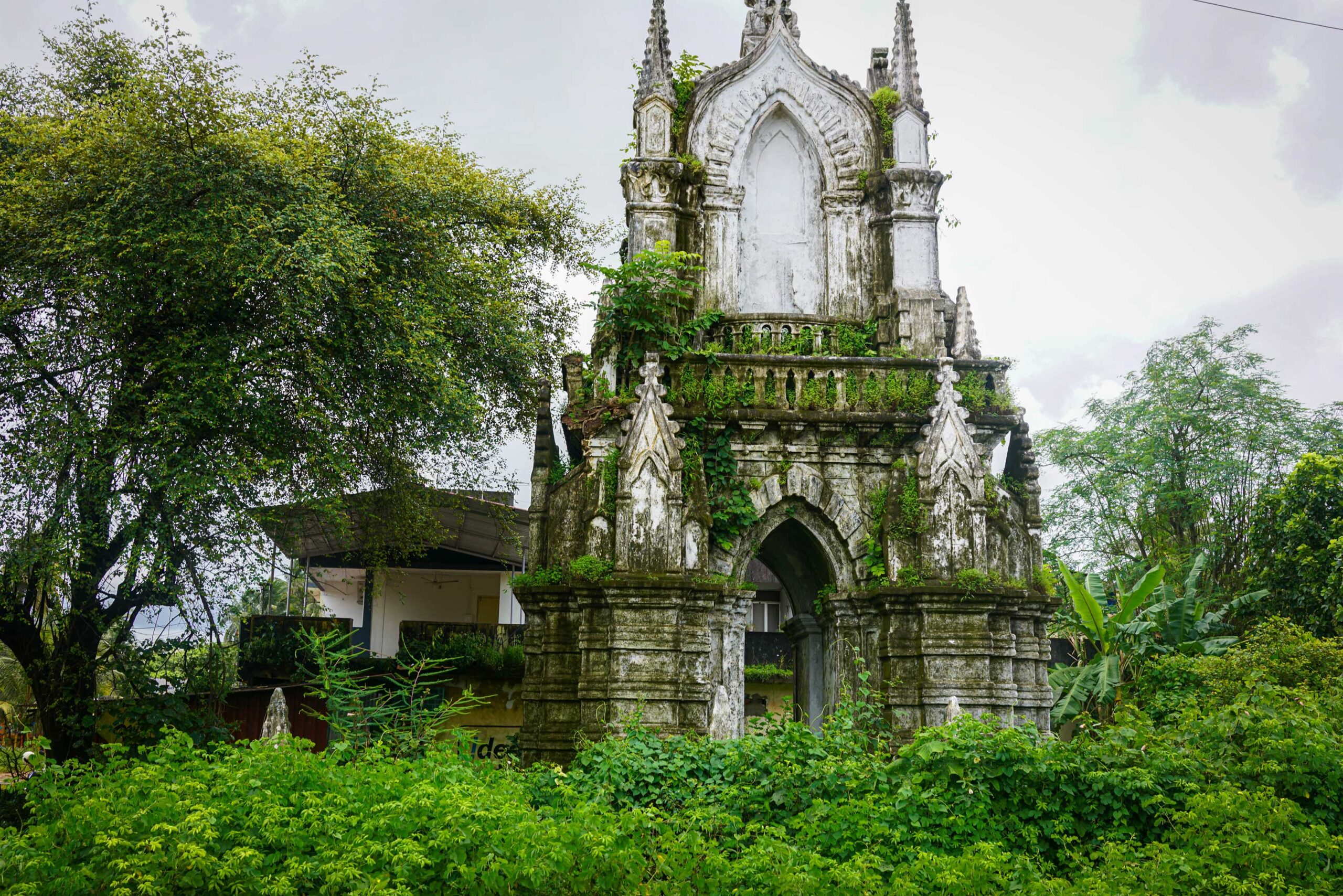
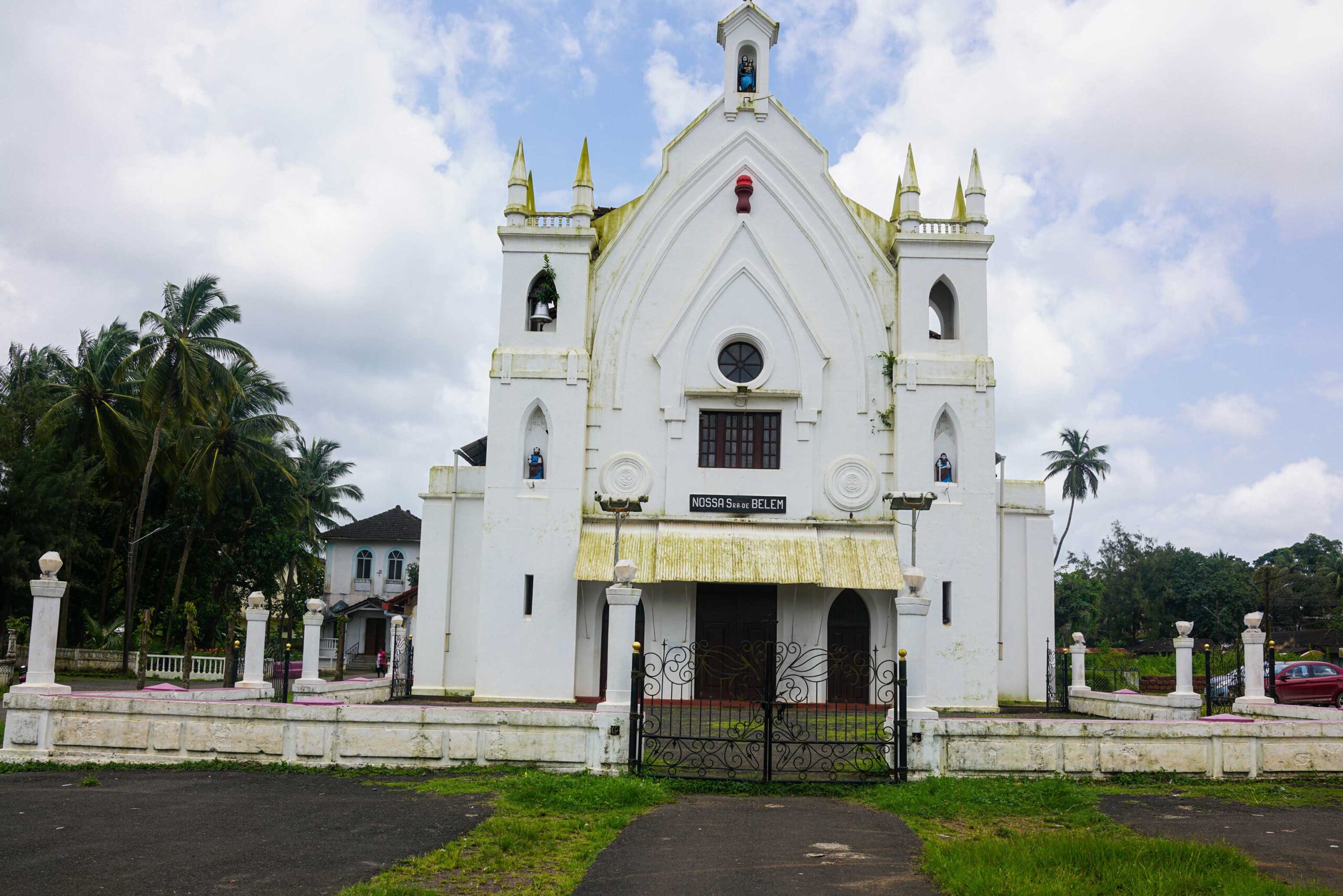
Just outside the manor, Chandor is as placid as ever. Villagers pedal by on bicycles, children play cricket in the square, and in the evenings, bells of small chapels ring out over fields of grass. But if you stop, you can feel the strata beneath: the Kadamba capital, the Portuguese conquests, the aristocratic age, and now the slow hum of village life. Chandor, however, brings them not as ruins or relics but as atmosphere.
It’s not about seeing things in Chandor as much as it is about listening—to the hush in corridors heavy with history, to the quiet of fields watered by centuries, to the echo of a house that is part museum, part home. The Braganza houses are not just architectural fossils; they have histories that speak of Goa’s long journey through dynasties, empires, and ages.
And so, through Chandor, history is not only distant. It rests in carved chairs, glints in dusty chandeliers, and flows like the Kushavati itself—steady, reflective, carrying centuries to the sea.