Pratap Vilas Palace
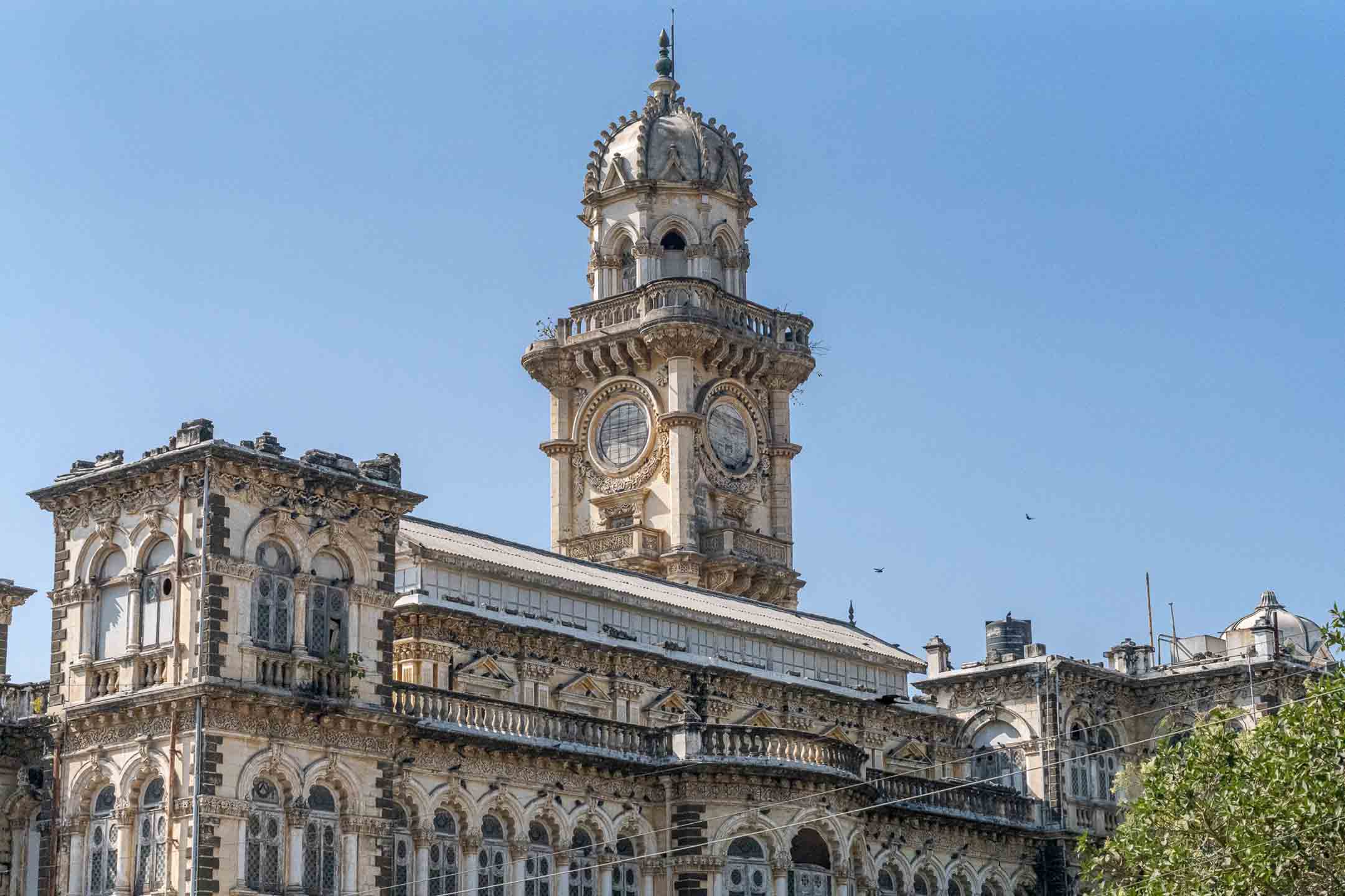
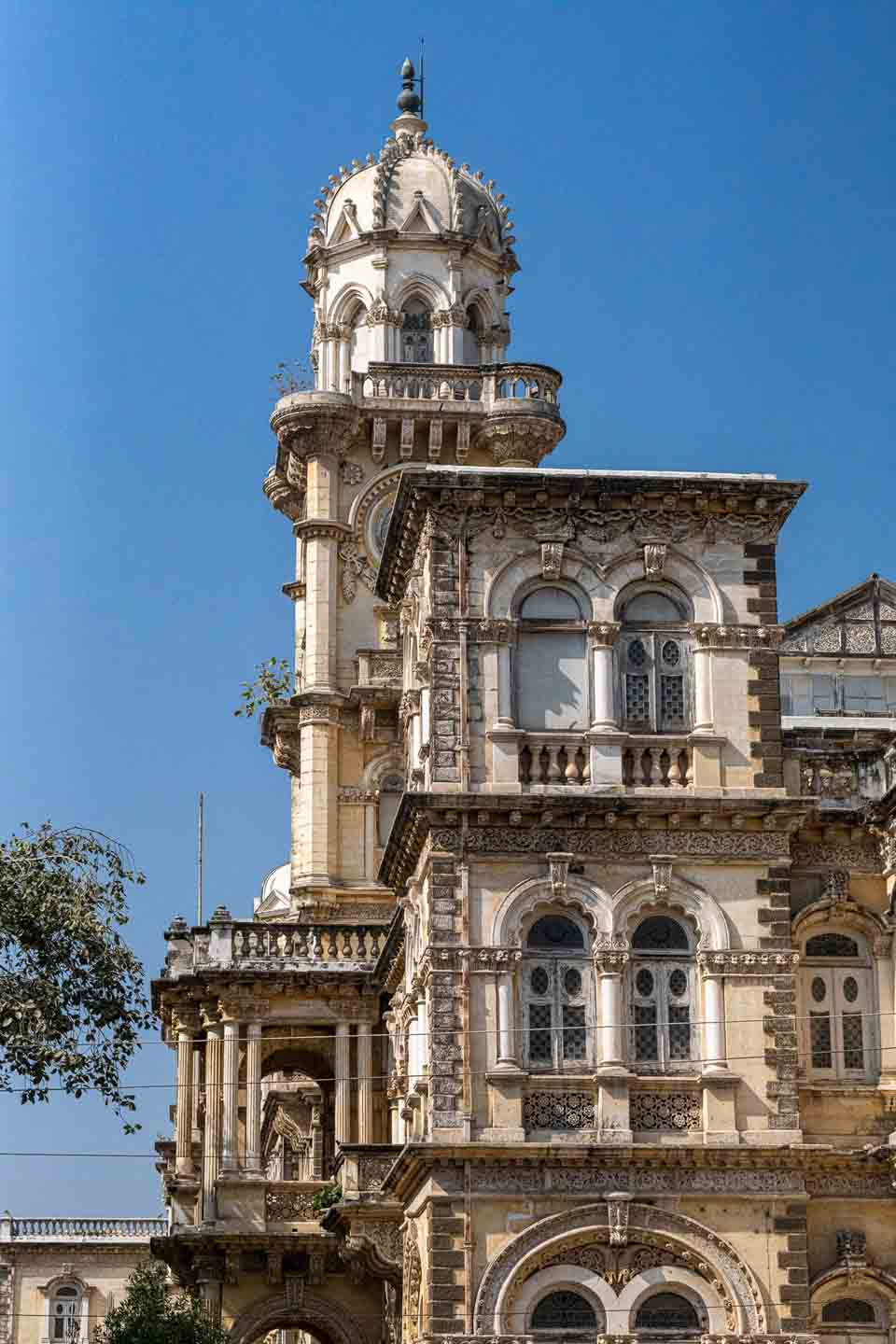
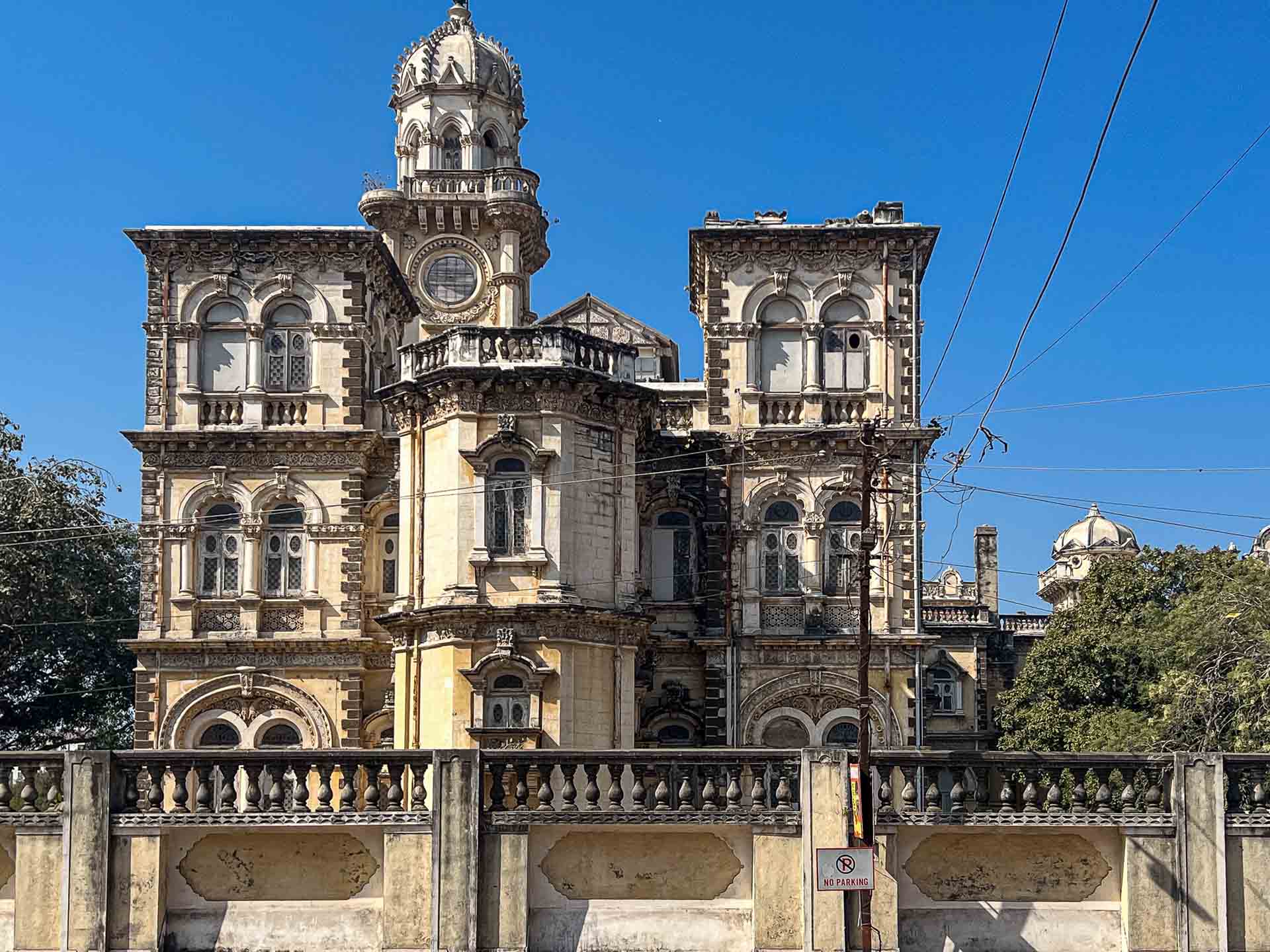
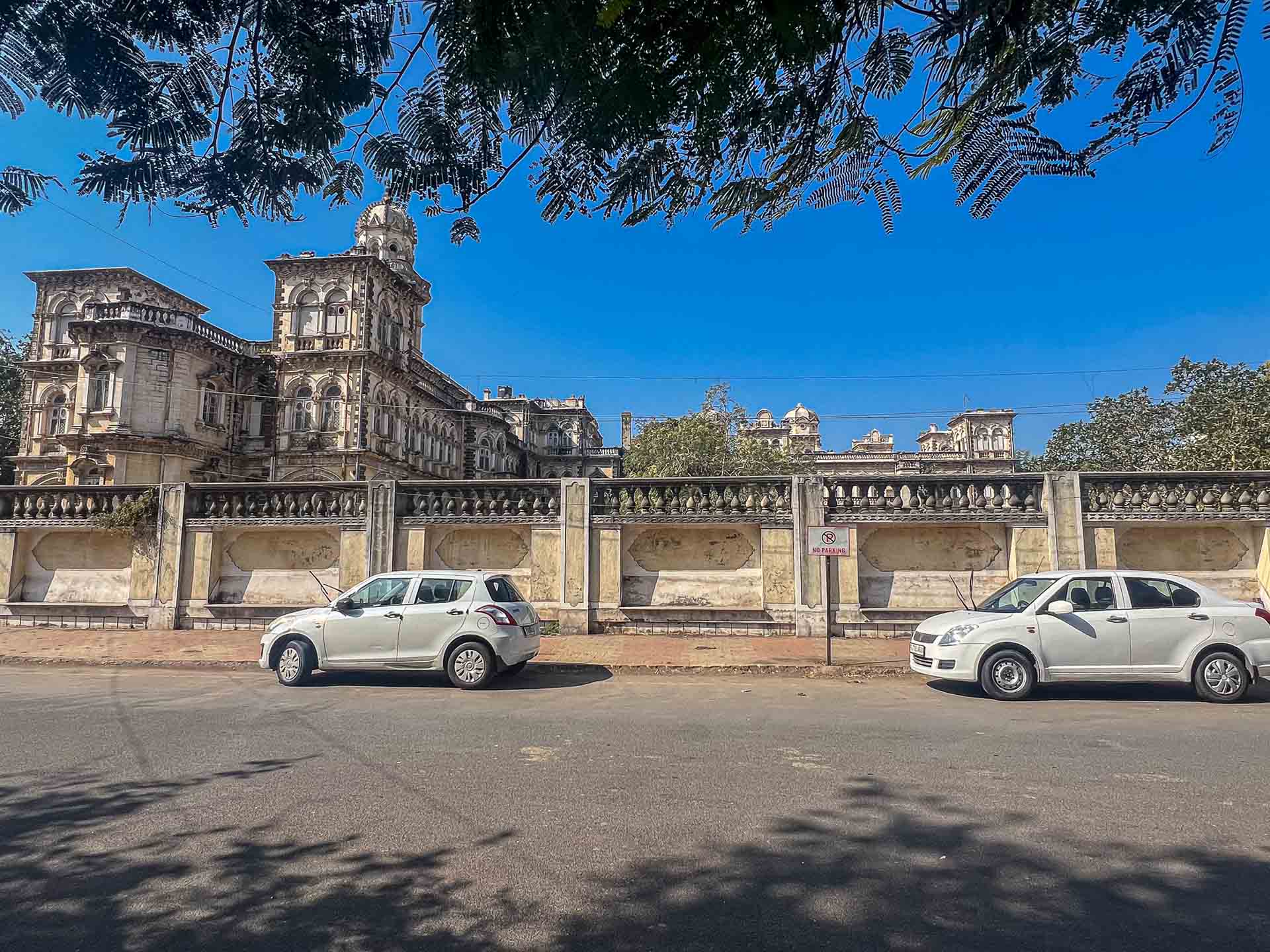
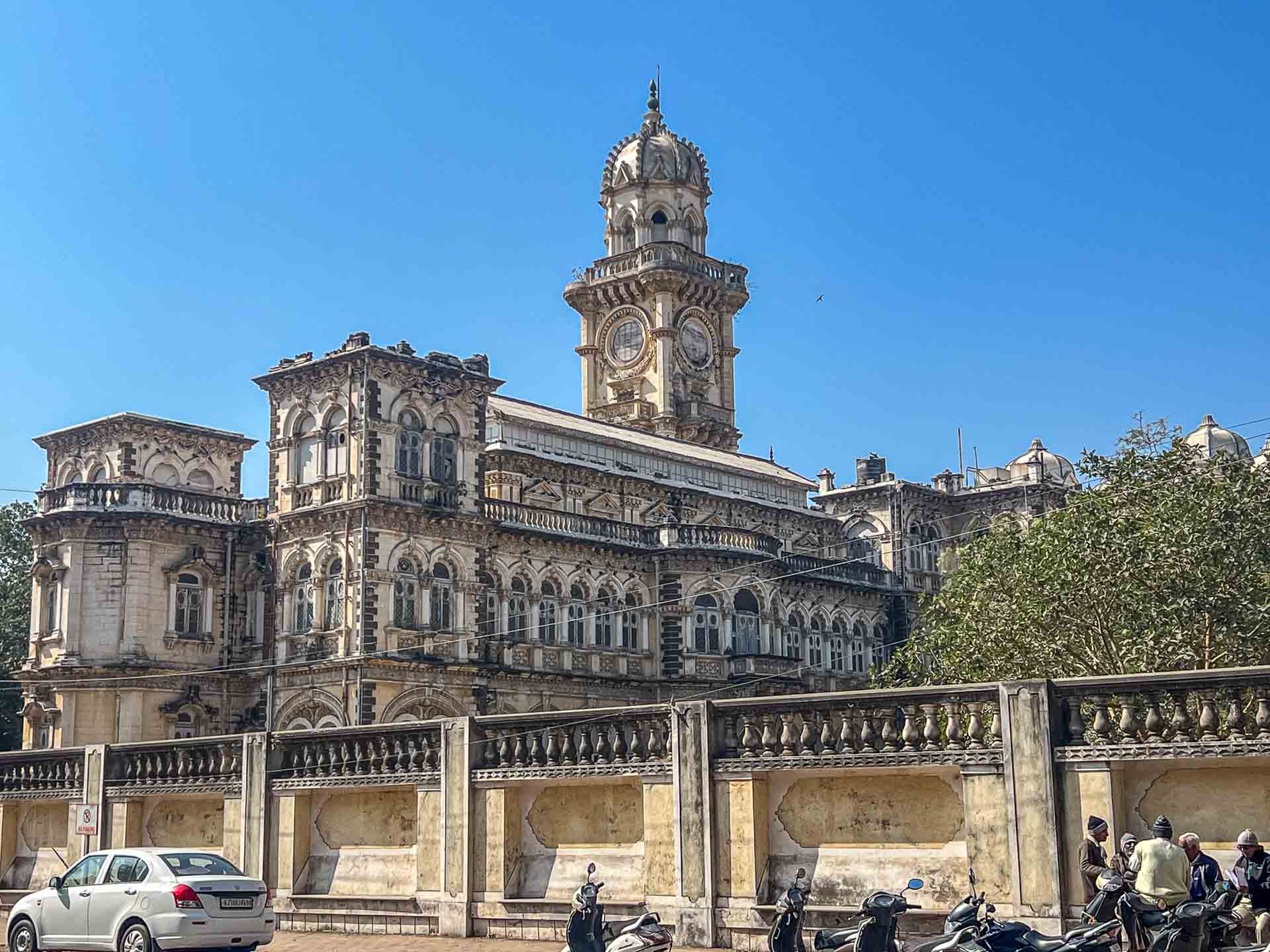
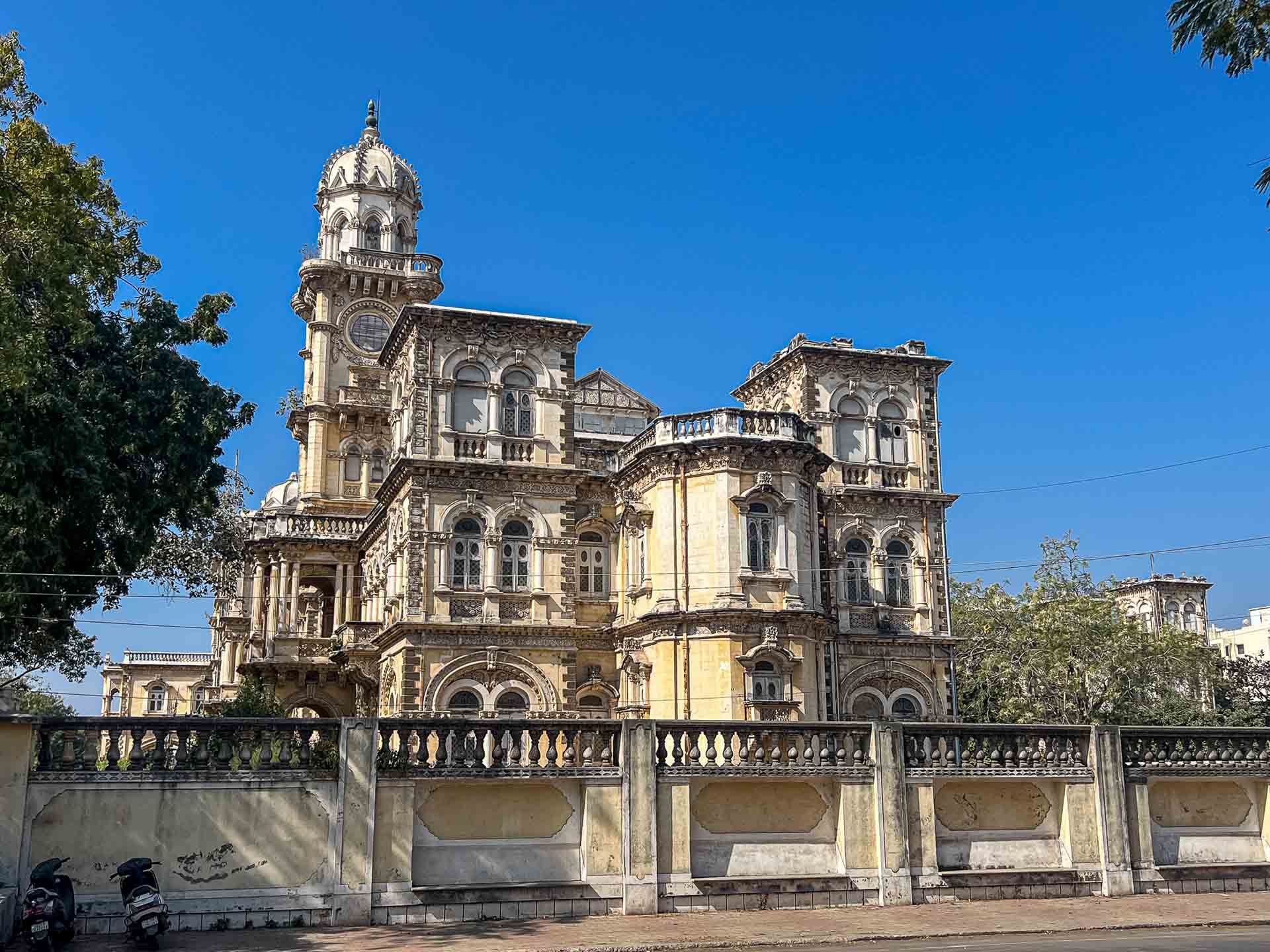
Pratap Vilas Palace in Jamnagar is a unique injection of the French in princely India during the late 19th and early 20th centuries. Constructed under the Jam Sahebs of Nawanagar, the palace demonstrates a broader change in regal sensibilities, moving further away from traditional Rajput styles toward Western or hybrid designs.
It was the palace built by Jam Ranjitsinhji, one of the most famous rulers of Jamnagar, who is often credited for good administrative habit and known internationally for his prominence in cricket. There was a tentacle of his rule which was about modernizing parts of the state intentionally, and architecture became one of the elements in which the shifting of that state was expressed. From this era, Pratap Vilas Palace took shape as a residence.
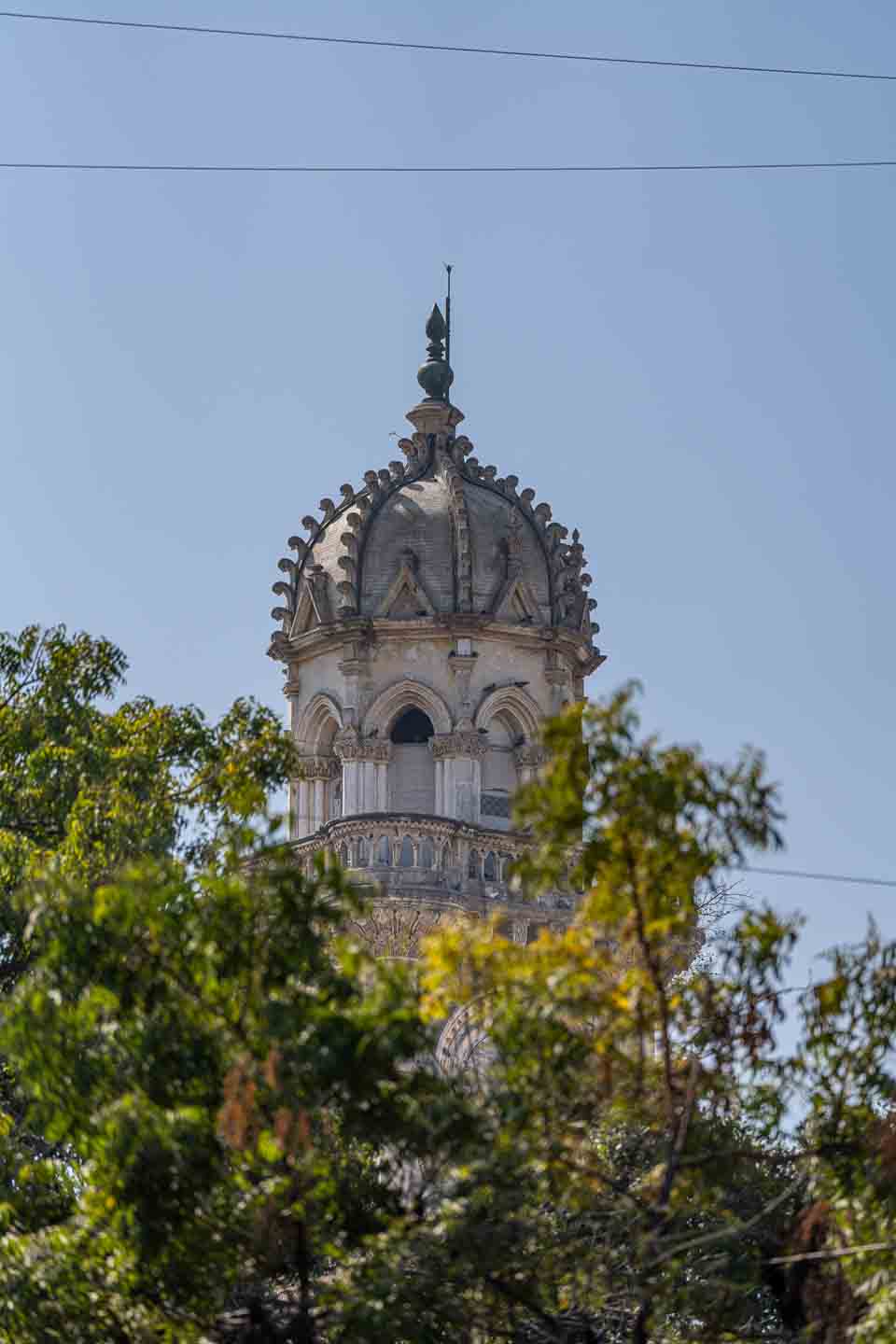
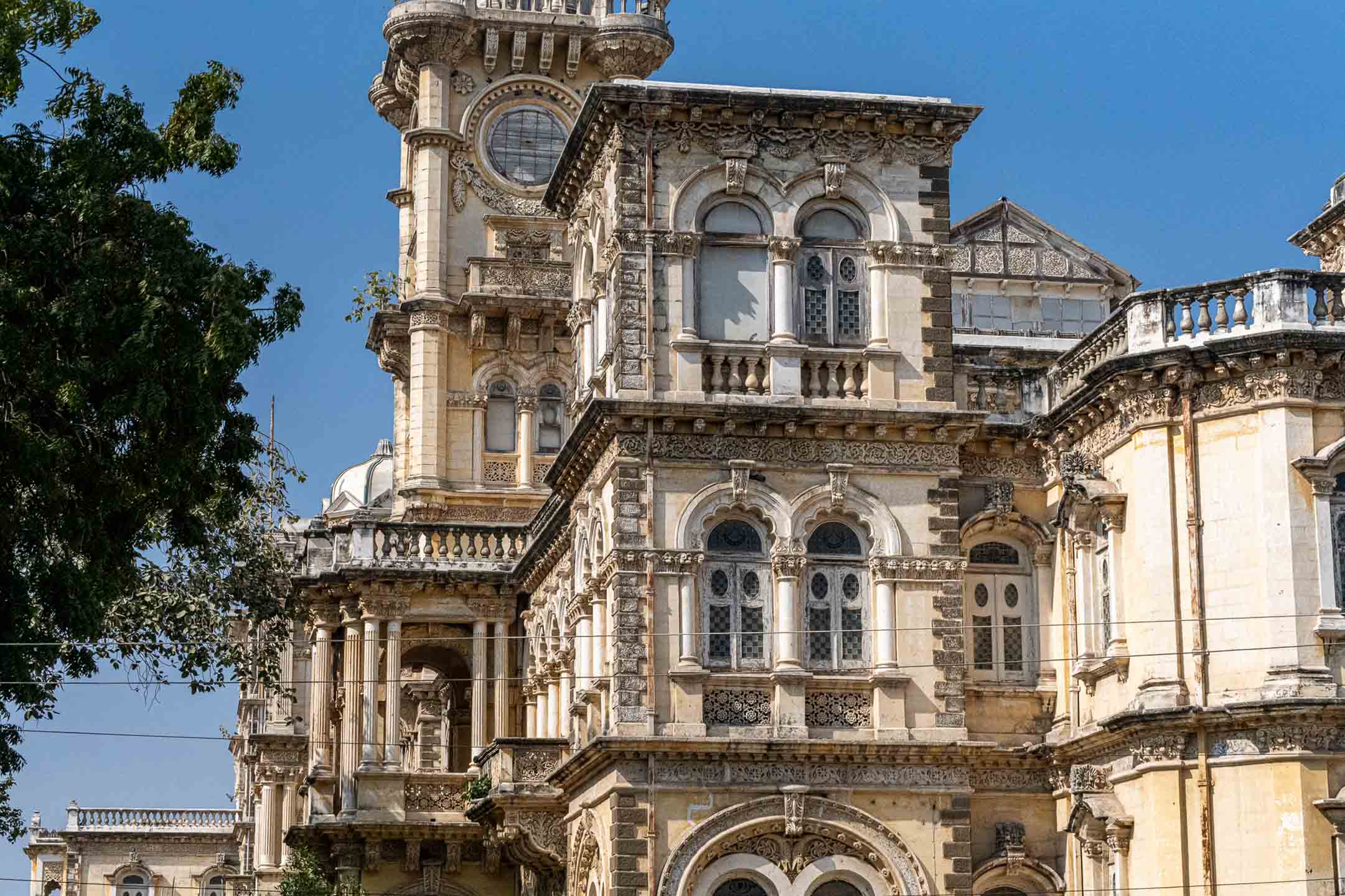
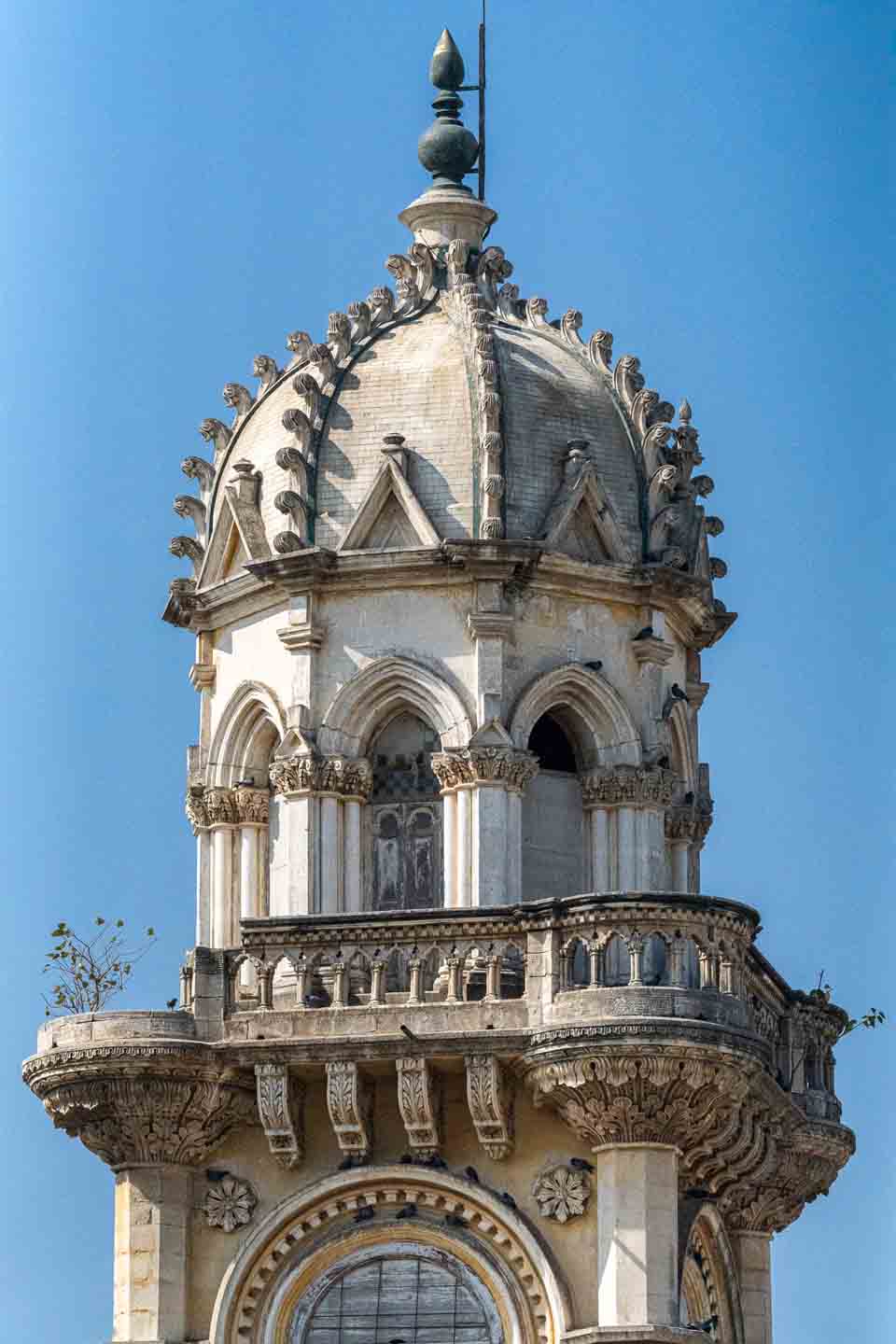
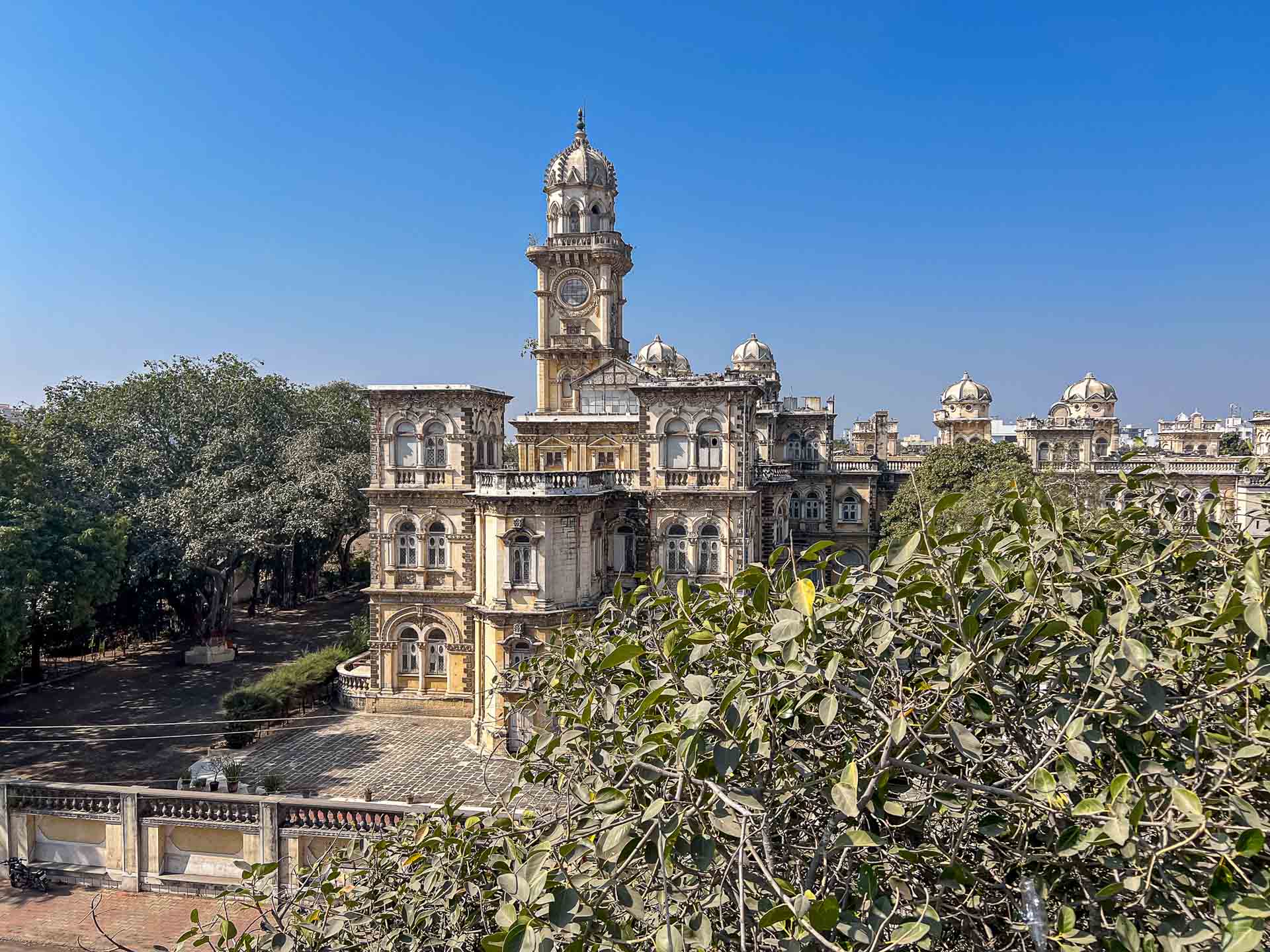
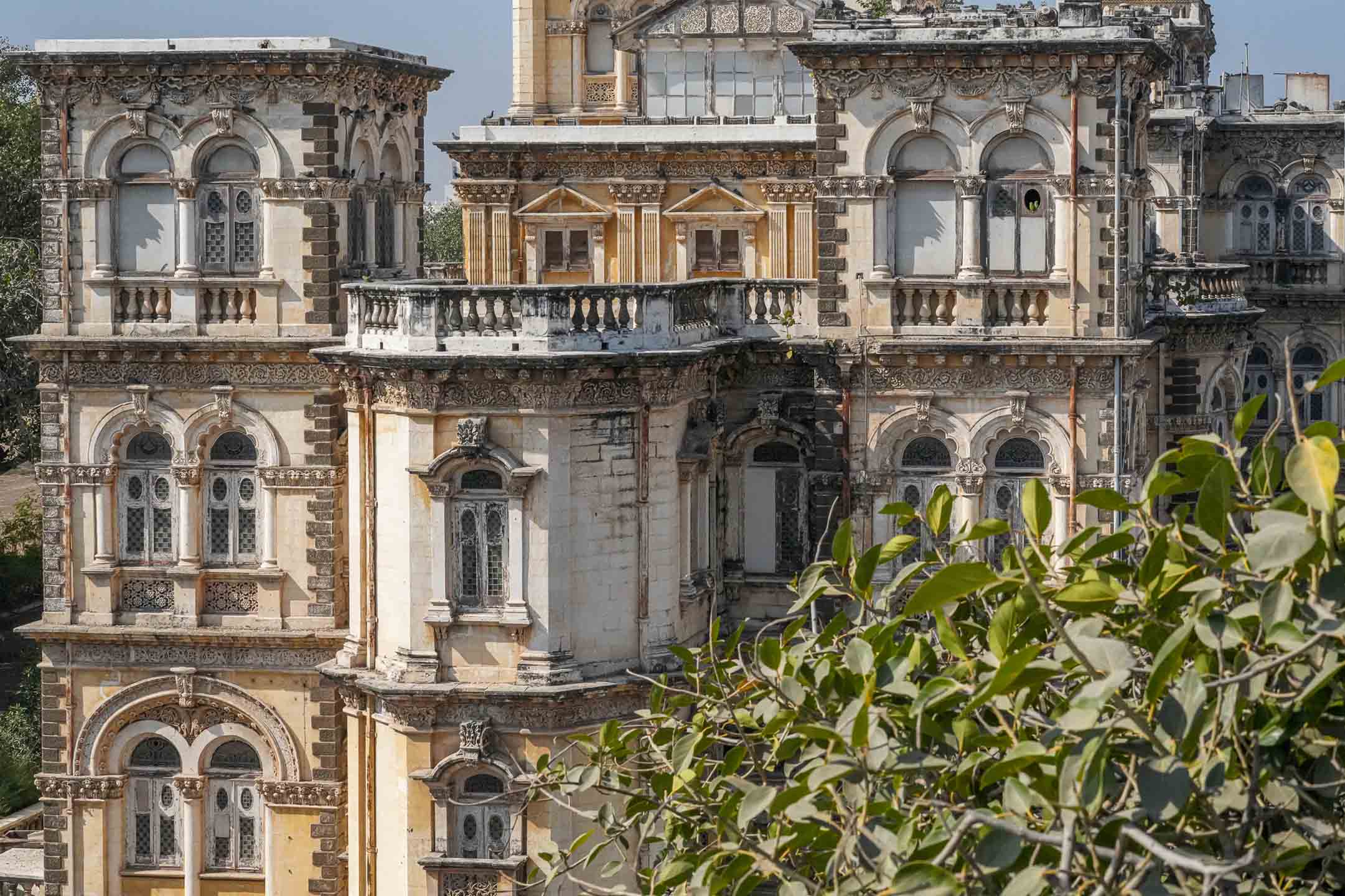
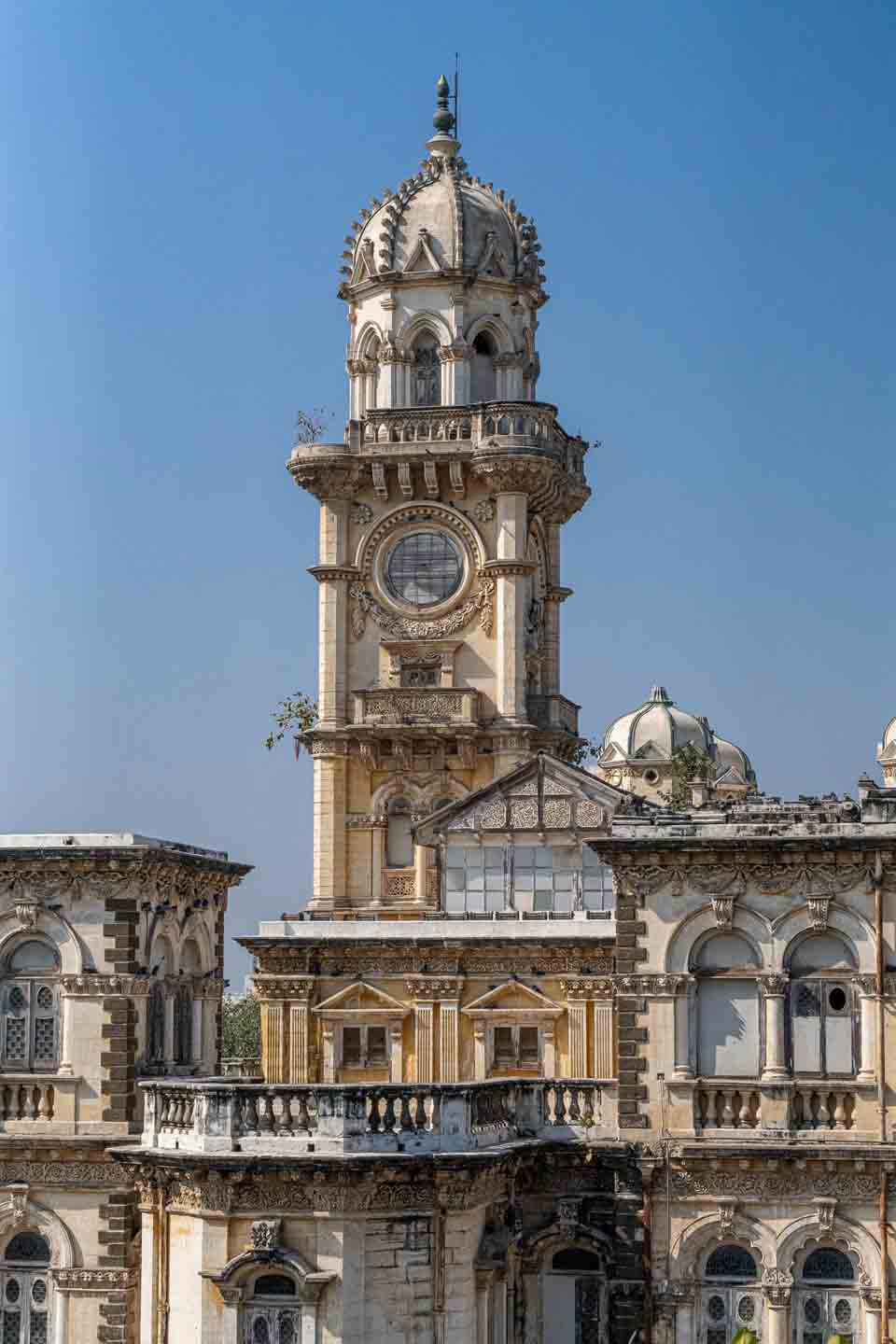
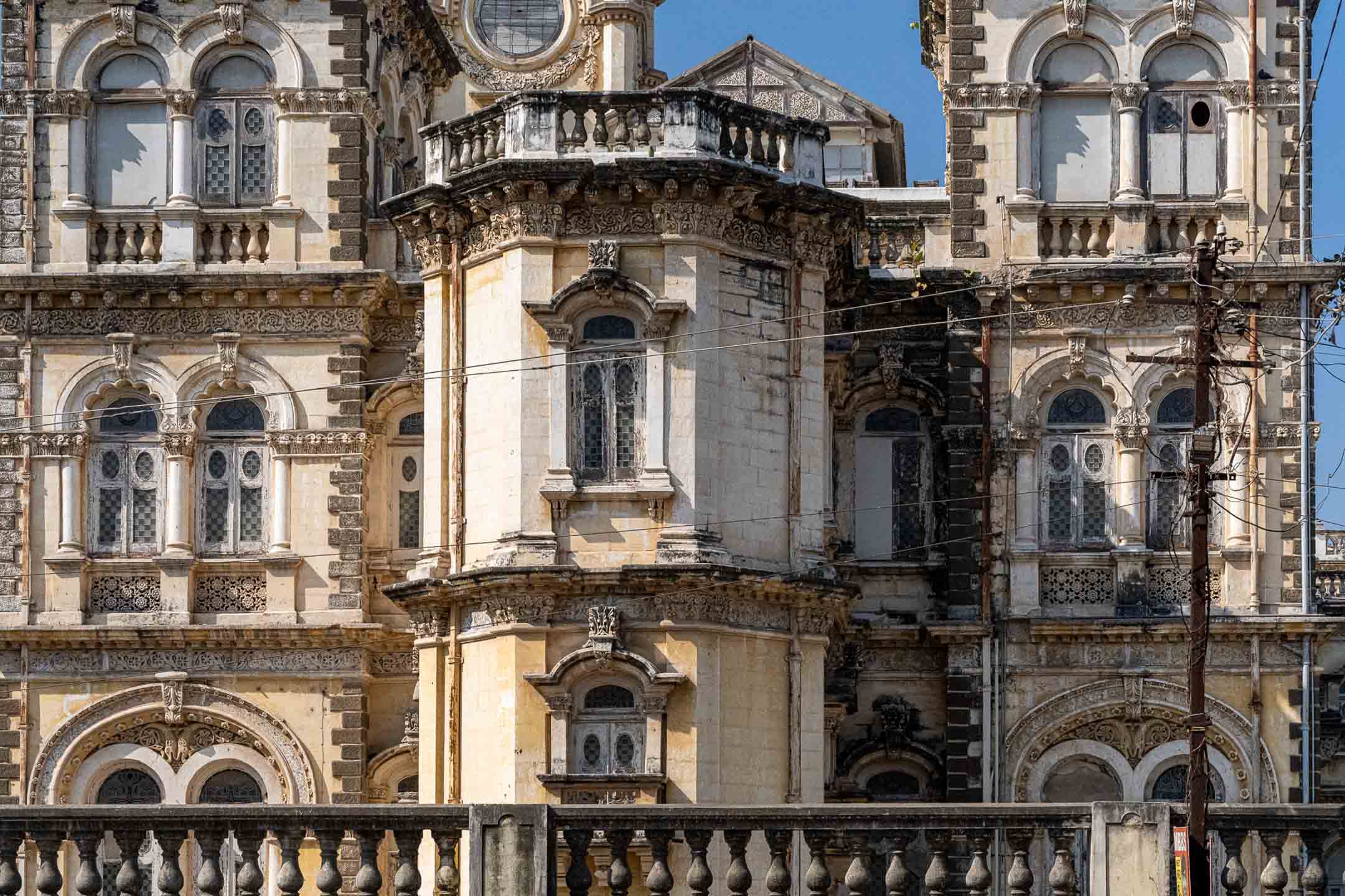
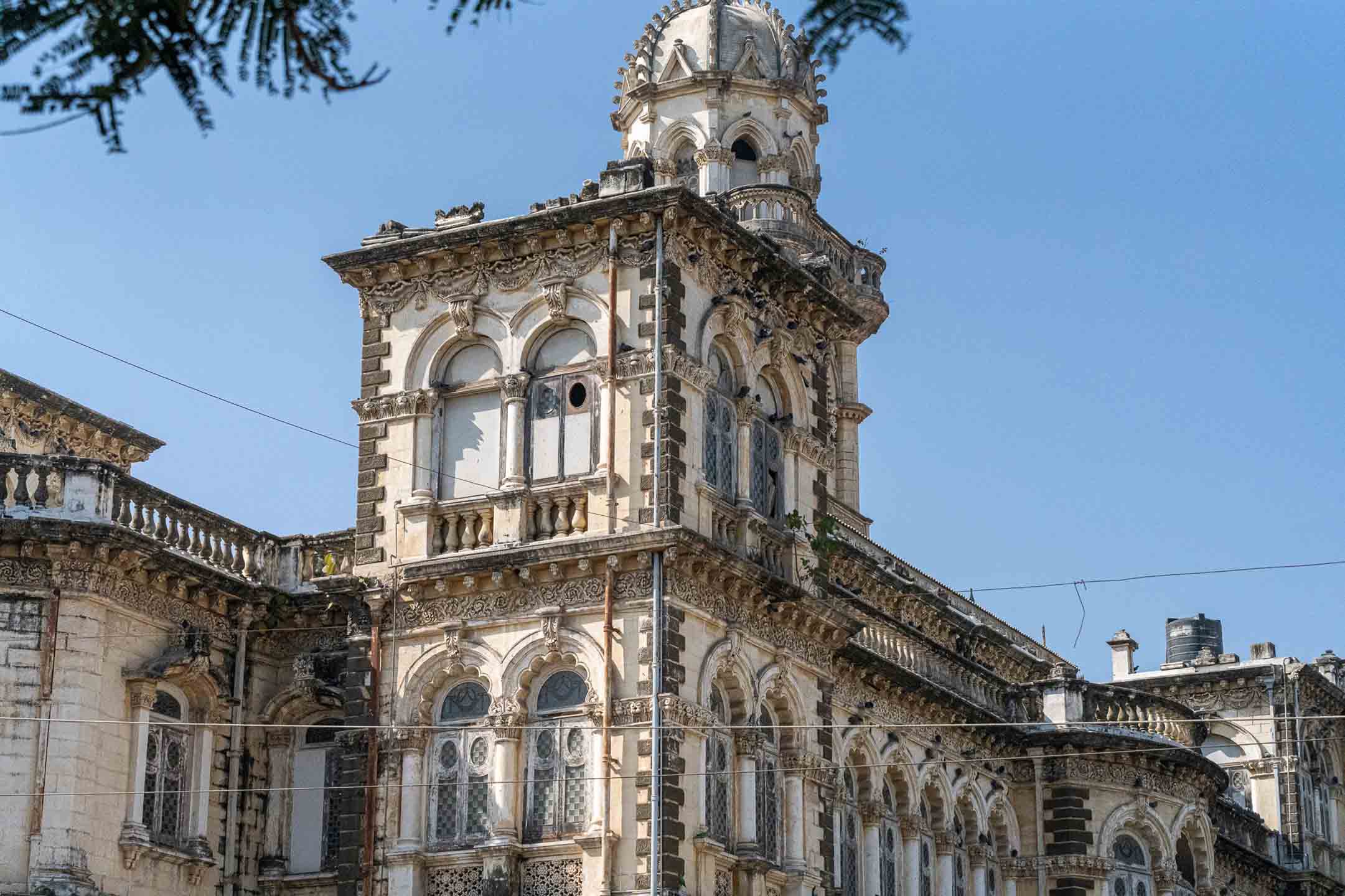
The palace has been likened to European architecture, particularly in its symmetry, façade, columns, and domes. It reportedly took inspiration from European palaces and incorporated characteristics of Renaissance and colonial-era buildings. The façade introduces broad staircases, lofty pillars, and harmonious proportions, but it differs from the inward-facing courtyards that were a staple of Indian palaces before it.
All the same, this palace retains a link to local sensibility. The decorative detailing, planning, and some structural decisions remain regional. It carries a combination between something
very European but very Indian, very traditional but with the features from the era in it was built in. The greenery also added an architectural sense of aesthetics, while facilitating movement and open assembly and rituals. Like many royal estates of its time, the palace functioned not only as a residence but also as a venue for entertaining guests and undertaking state business.
Pratap Vilas Palace used to be open for public in the earlier days, but over the years it has become limited, and also sometimes not open to the general public. Thus, compared to many more landmarks of Jamnagar, this one is less visited.
It is easier to grasp the significance of Pratap Vilas Palace through the lens of Jamnagar’s larger evolution. It stands at a juncture in time, between modern structures and older ruins and fortresses and palaces. It is indicative of evolving aspirations, exposure to international trends, and an attempt to come to terms with royal expression in a changing world.