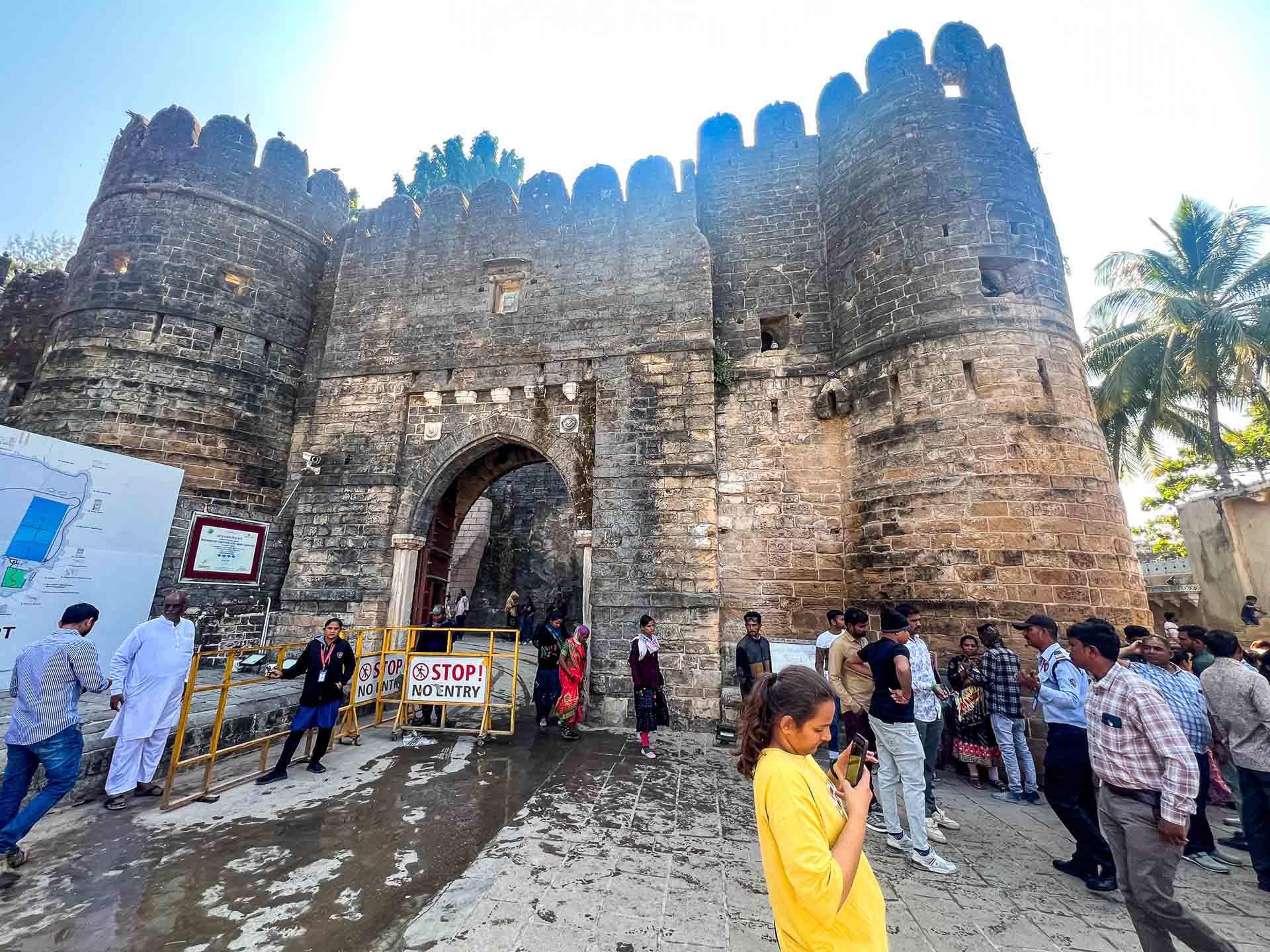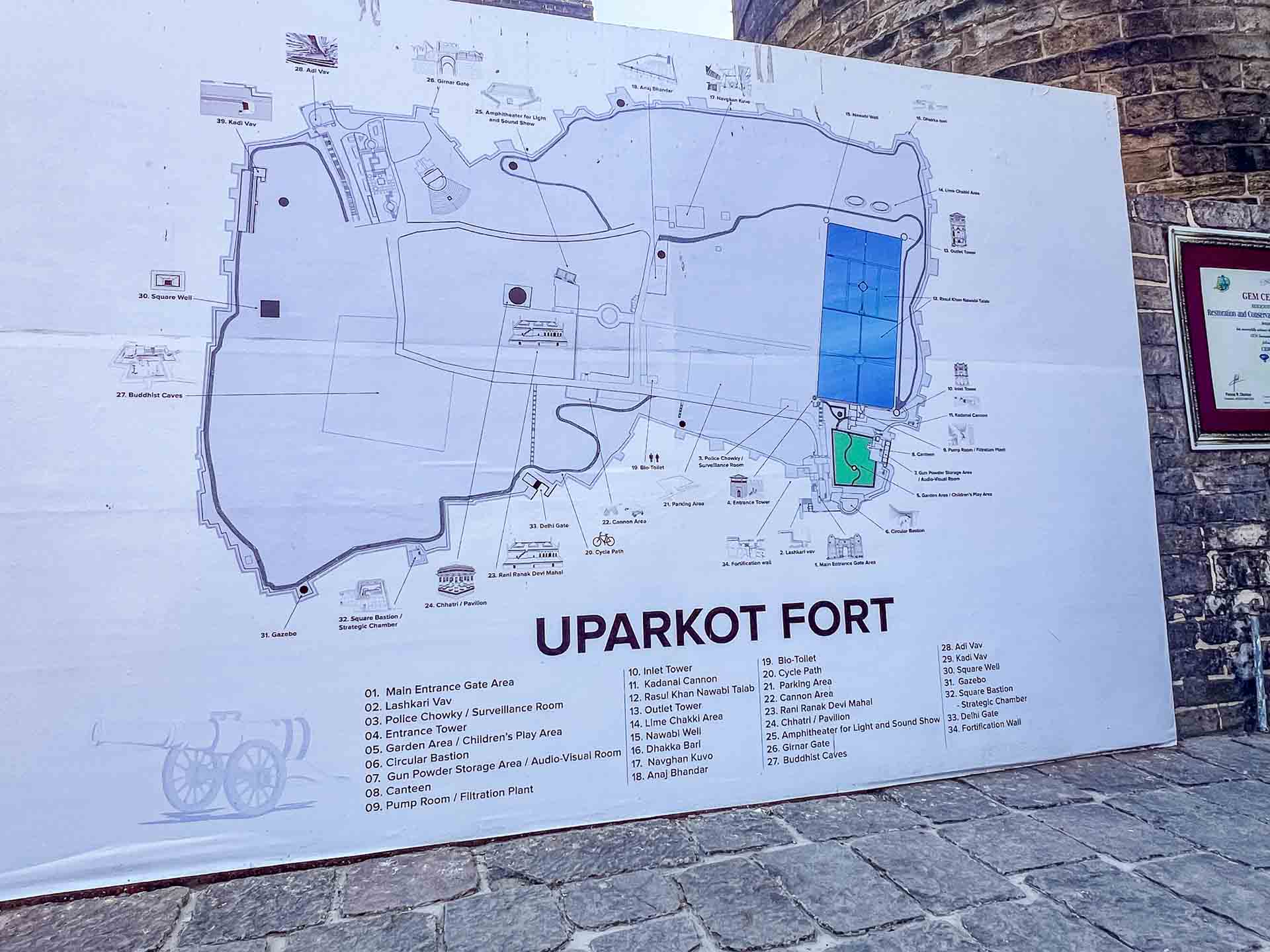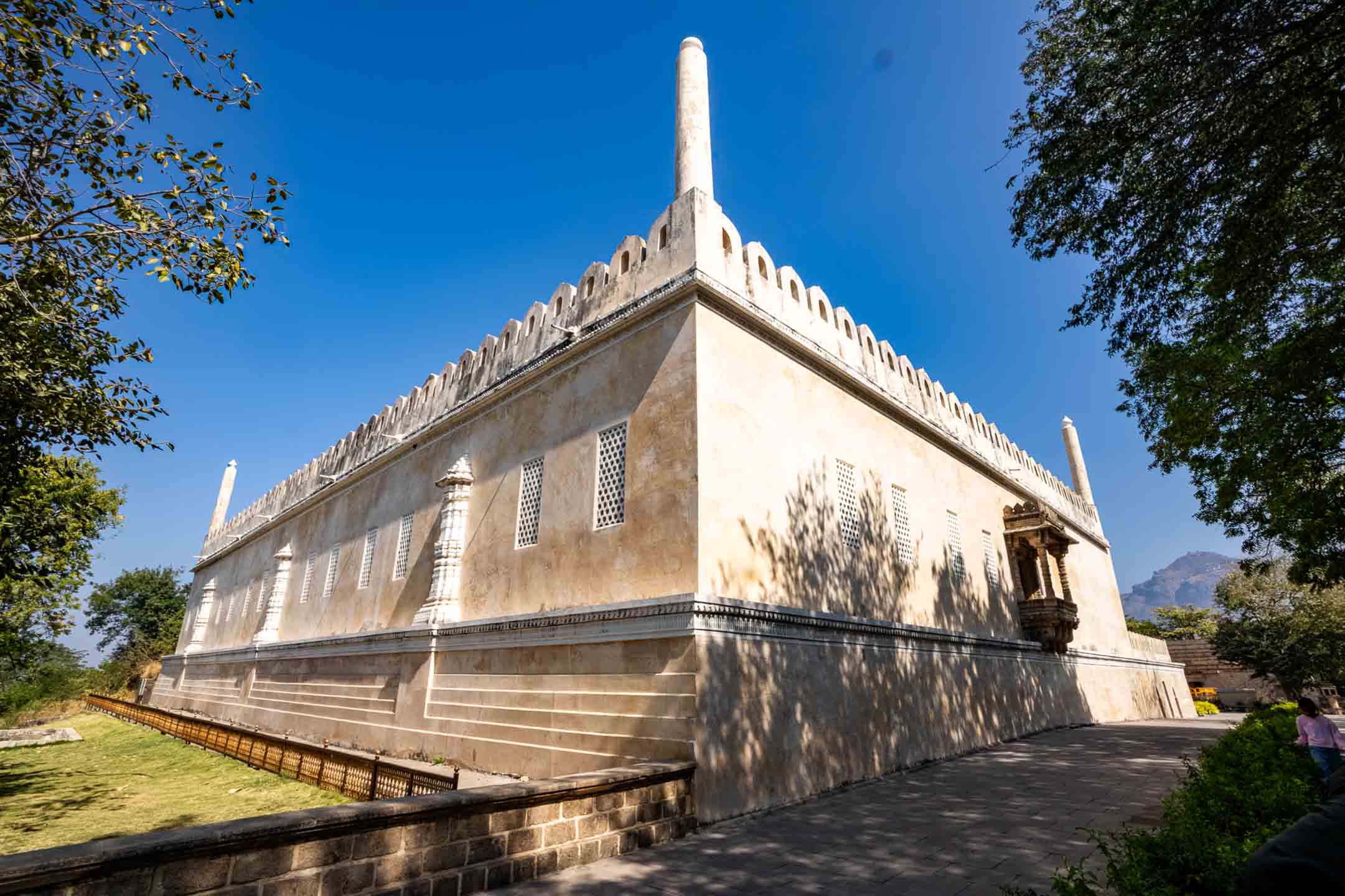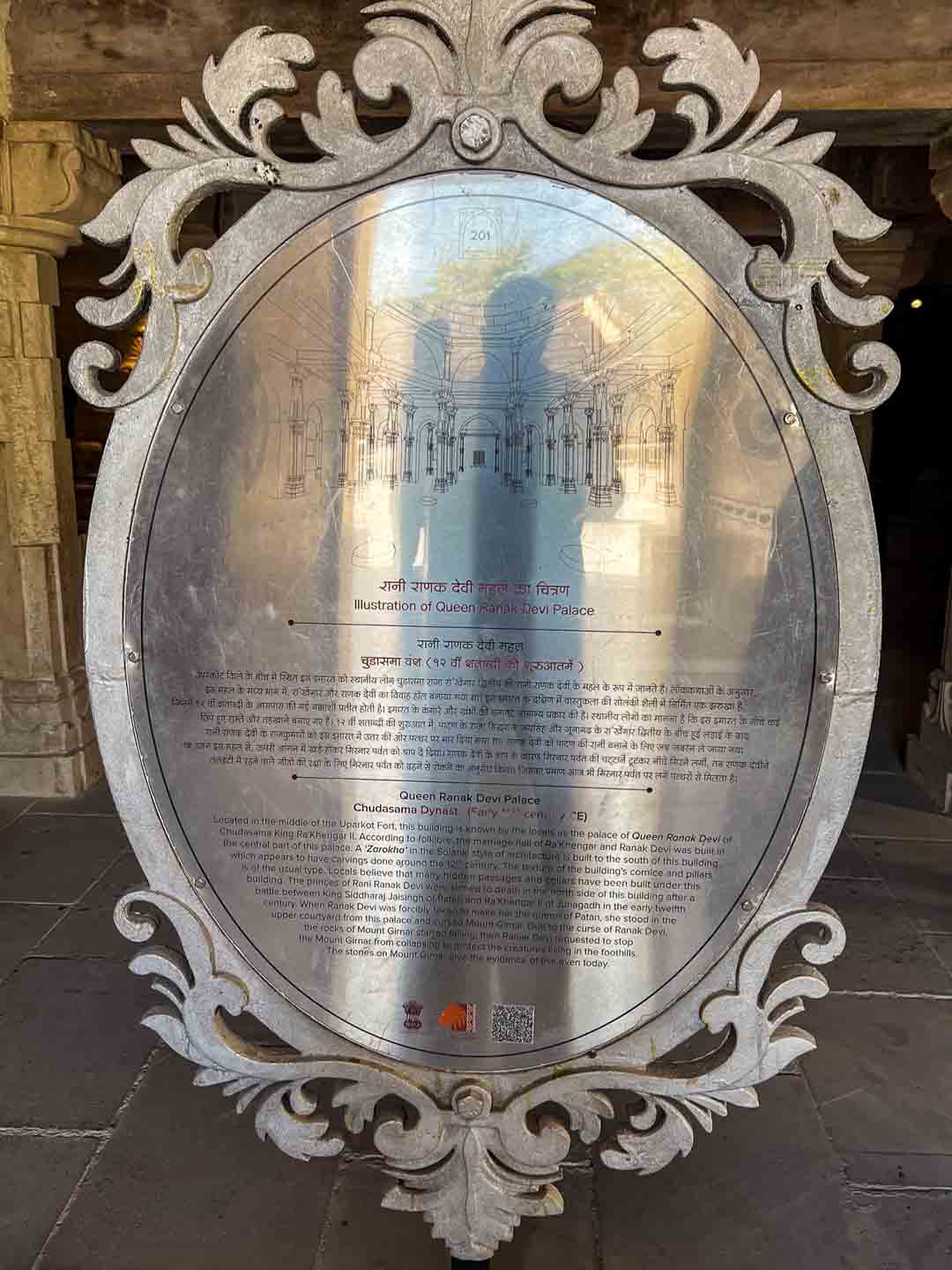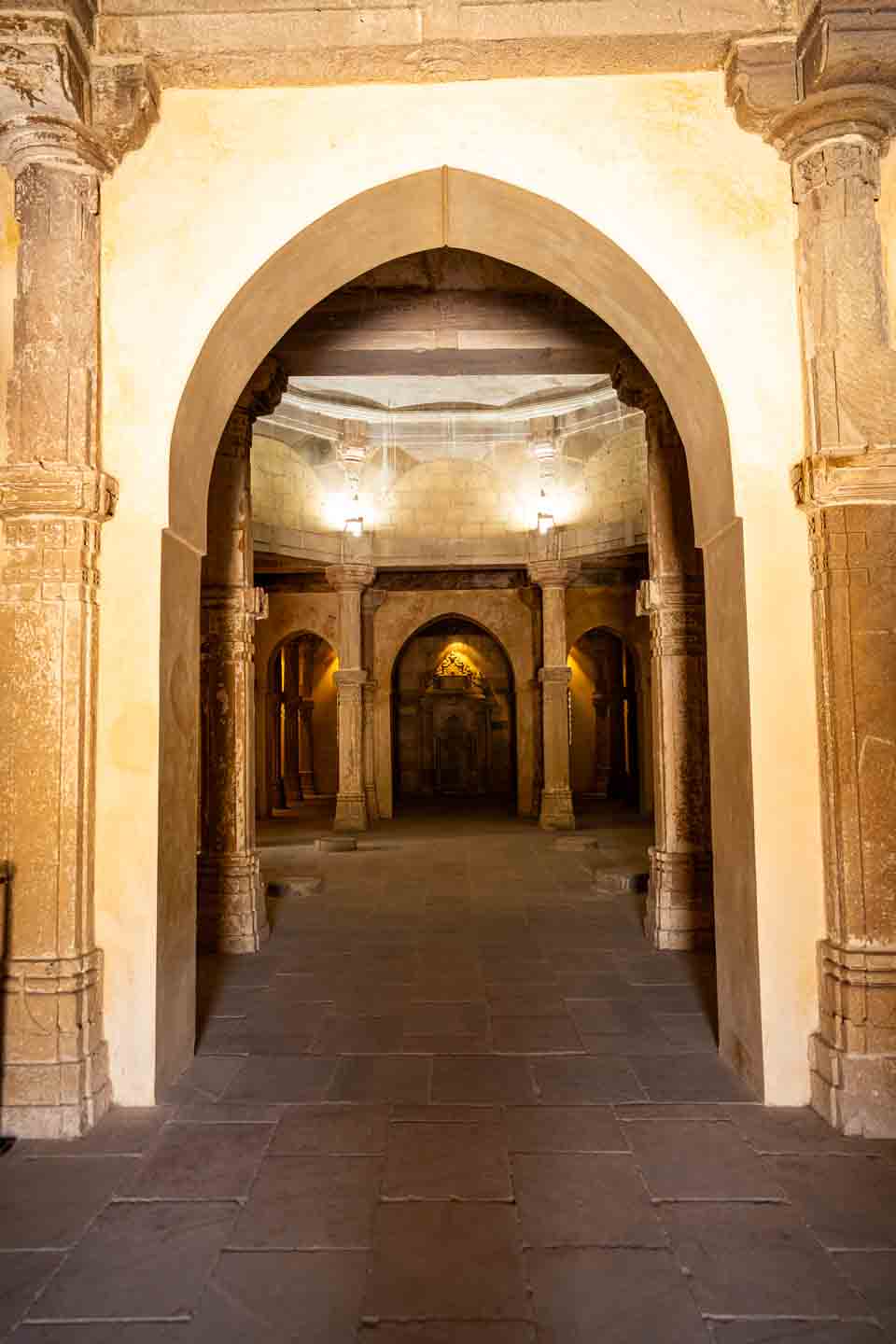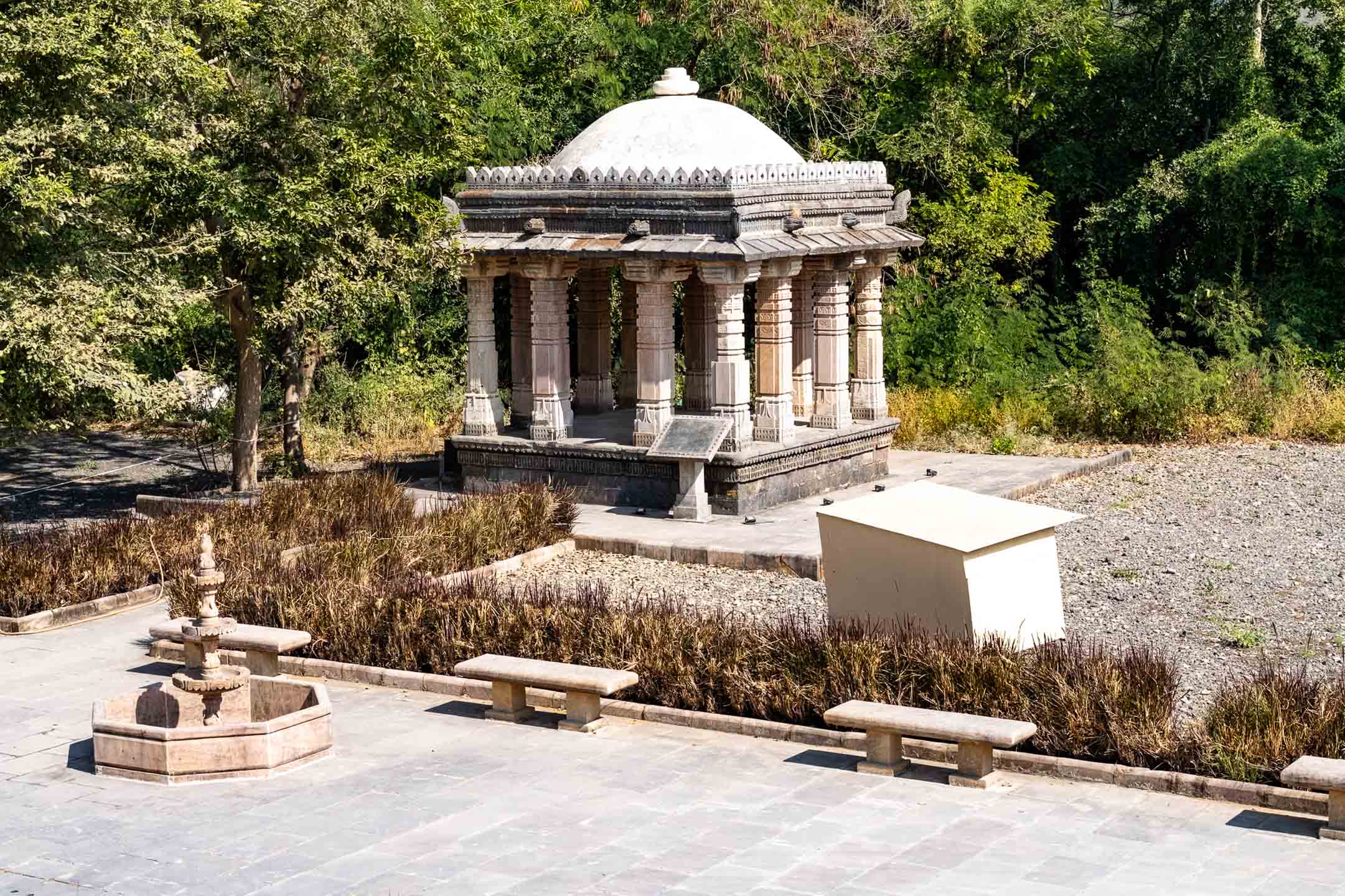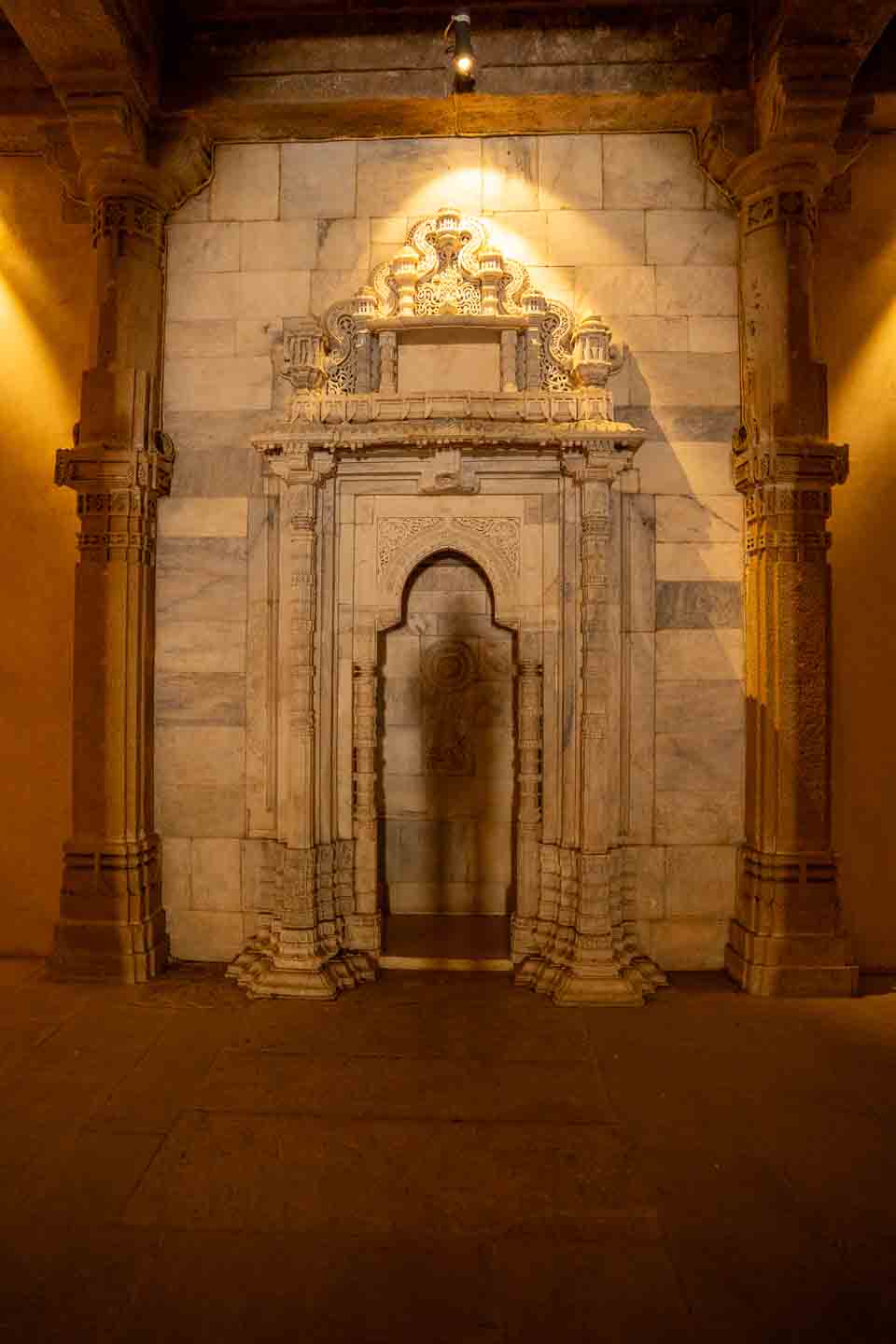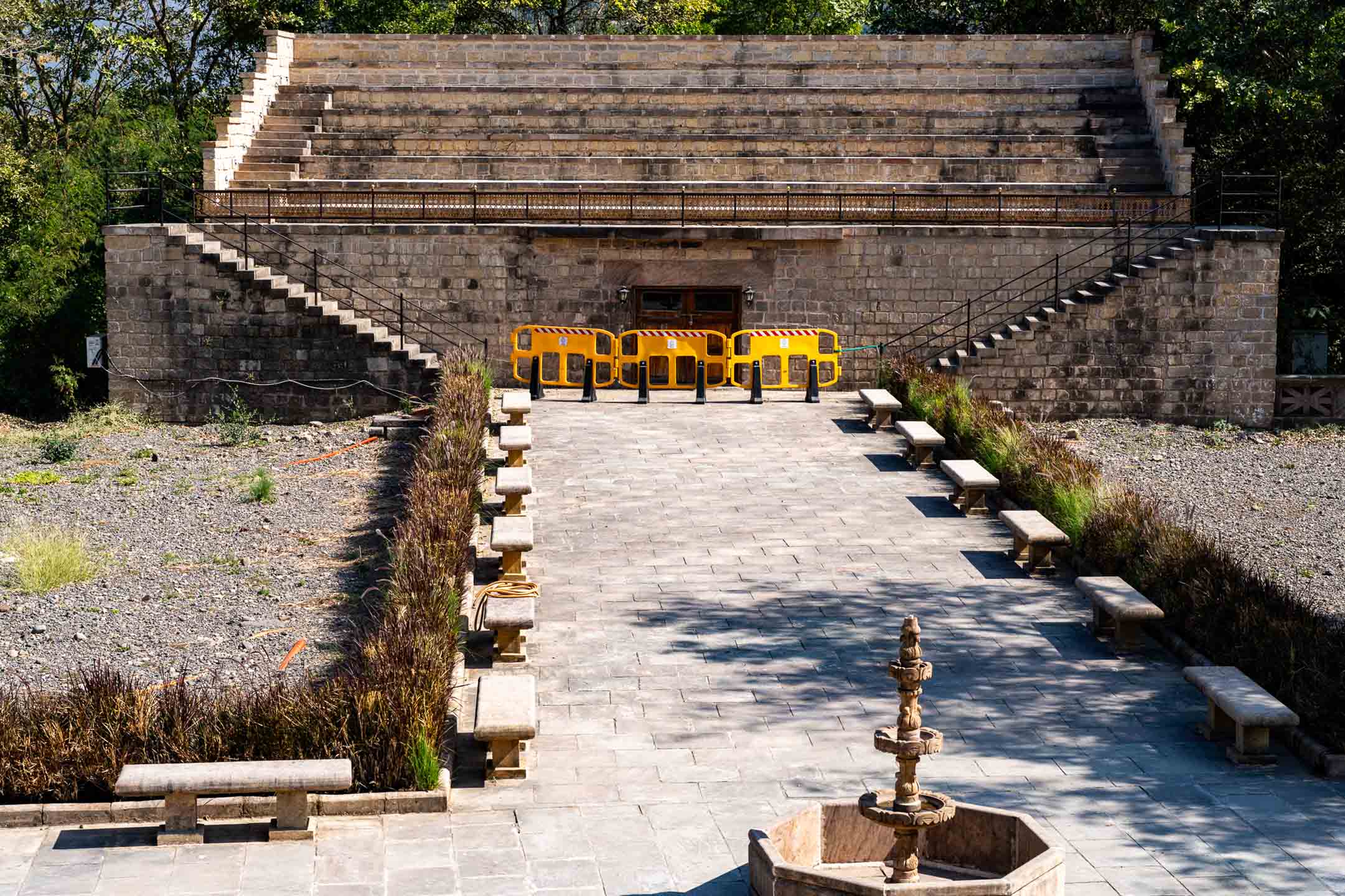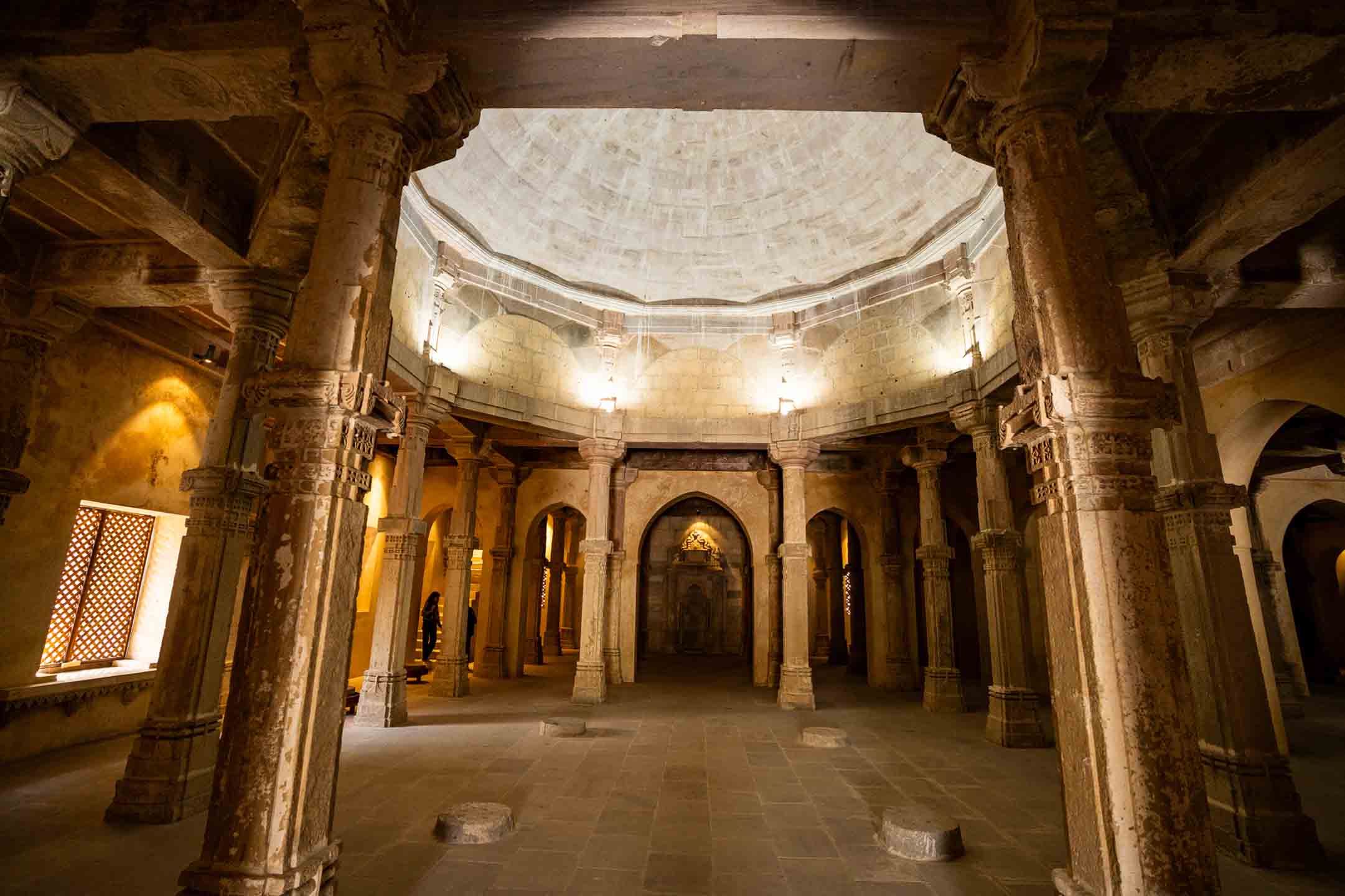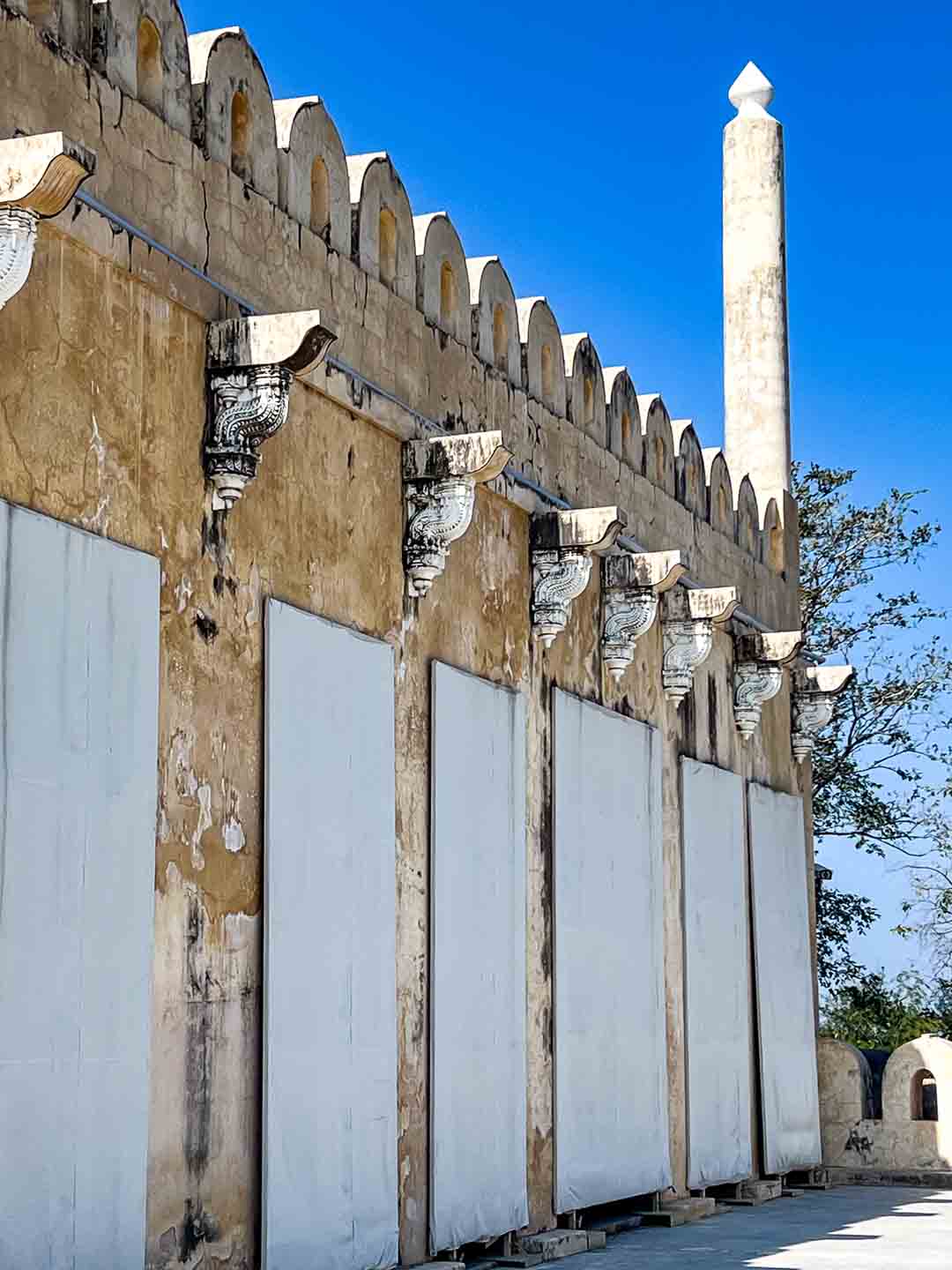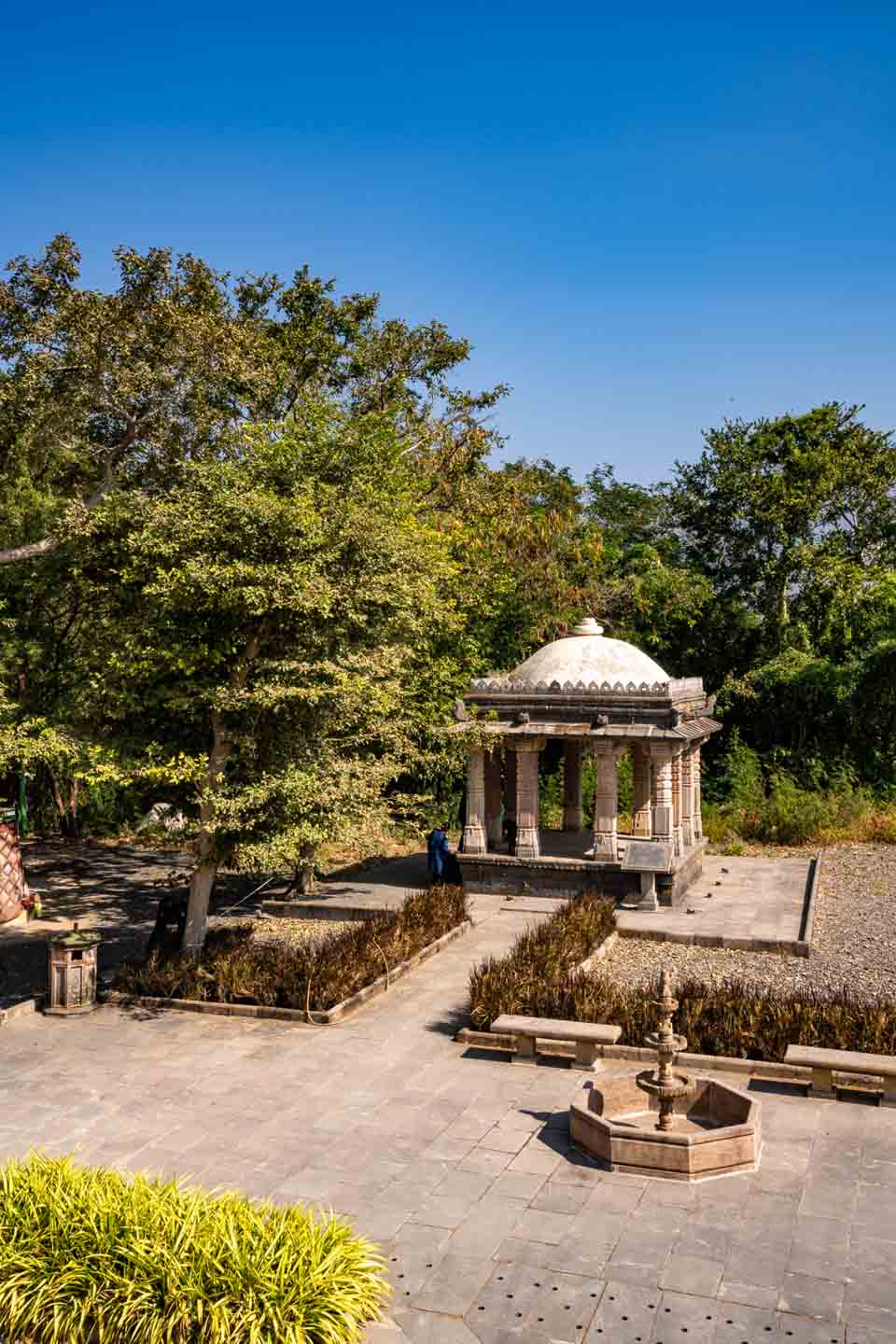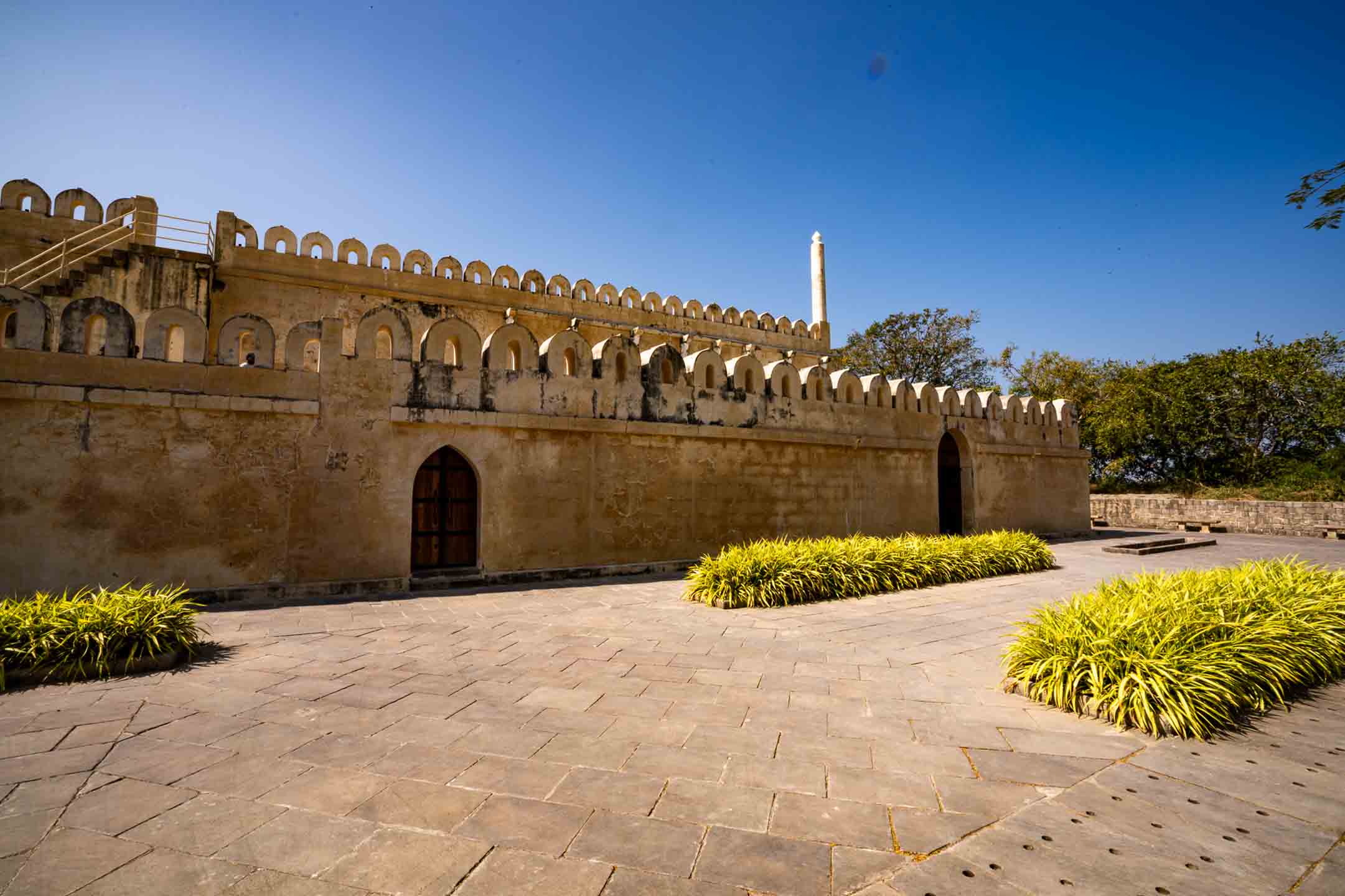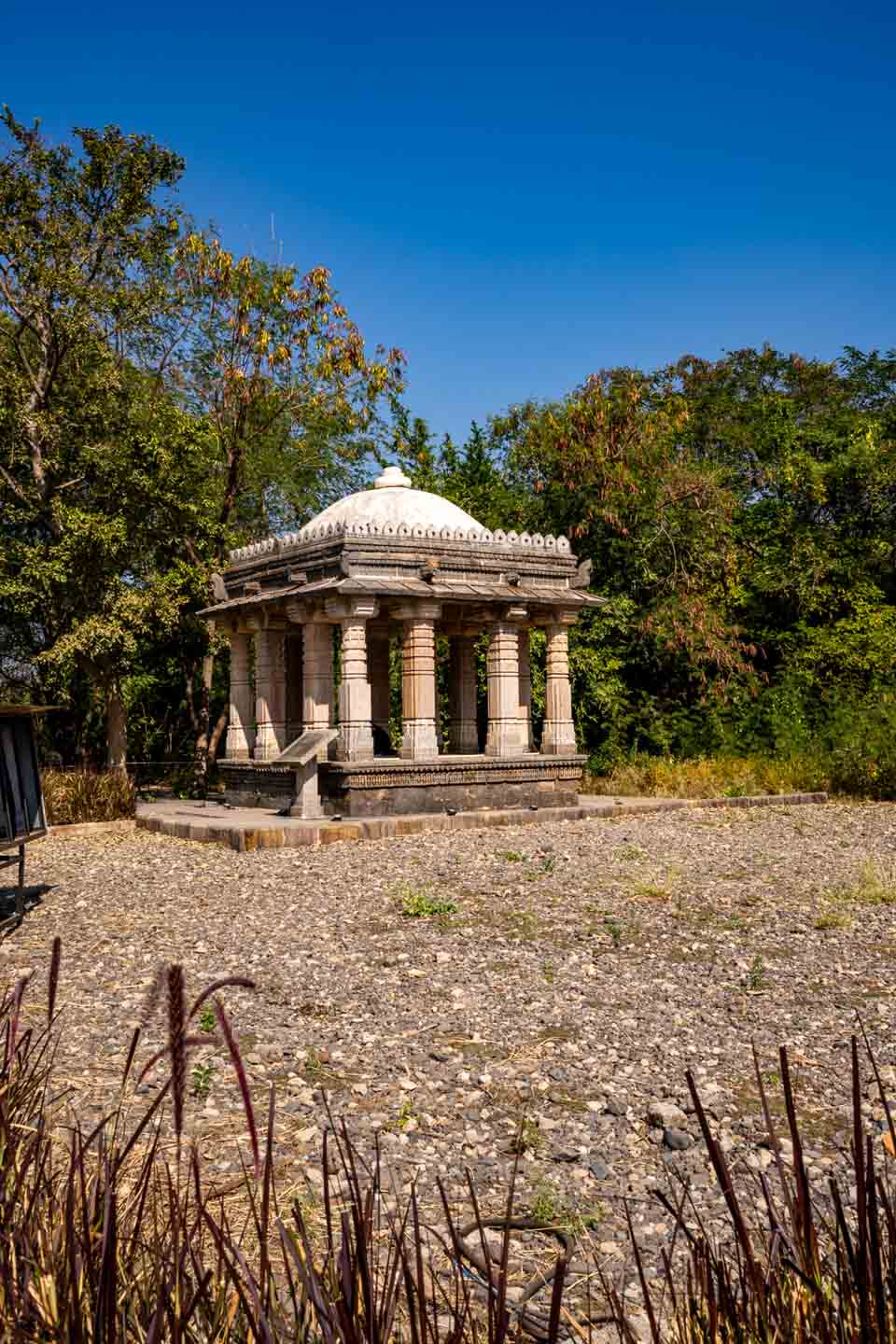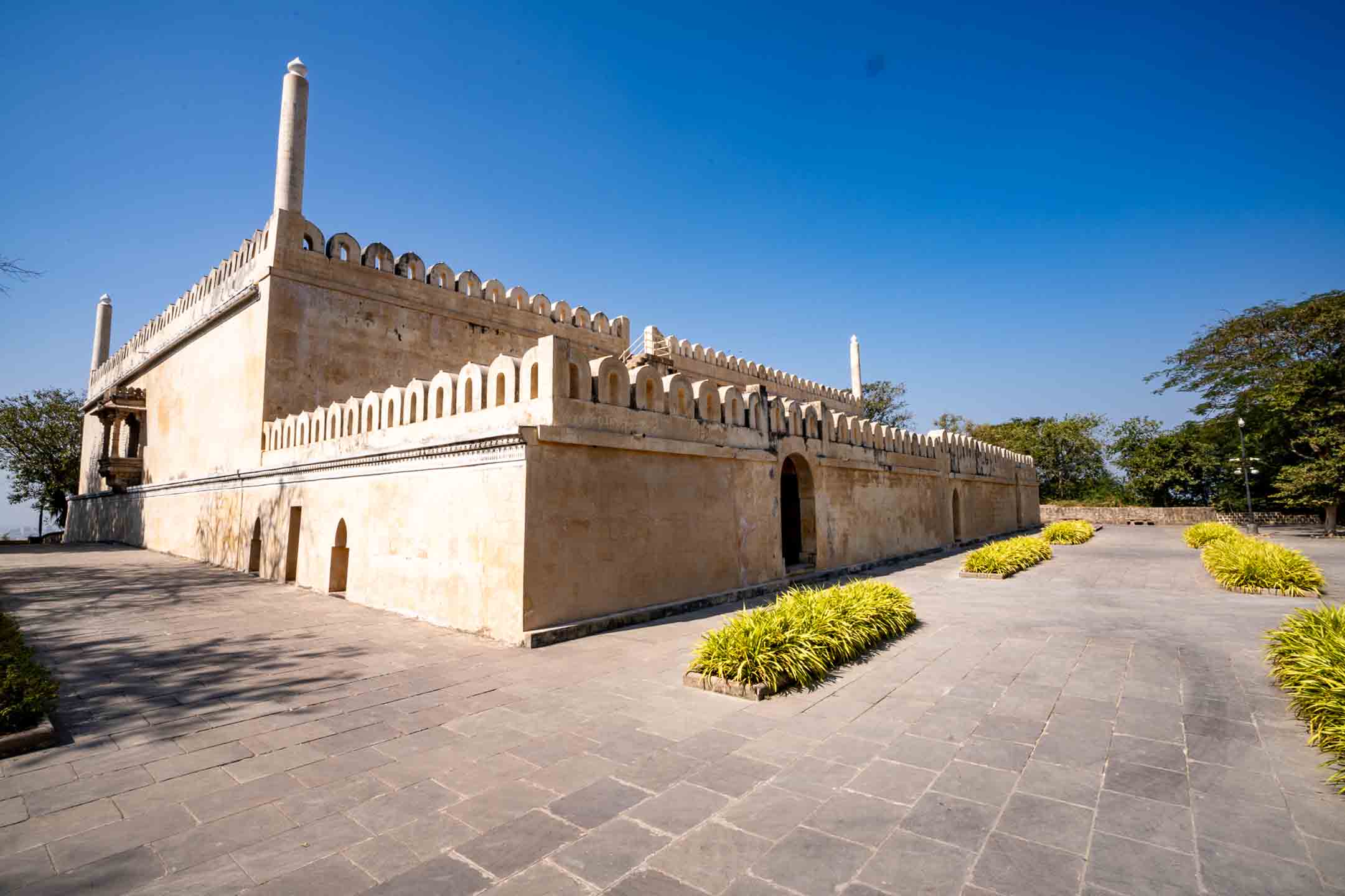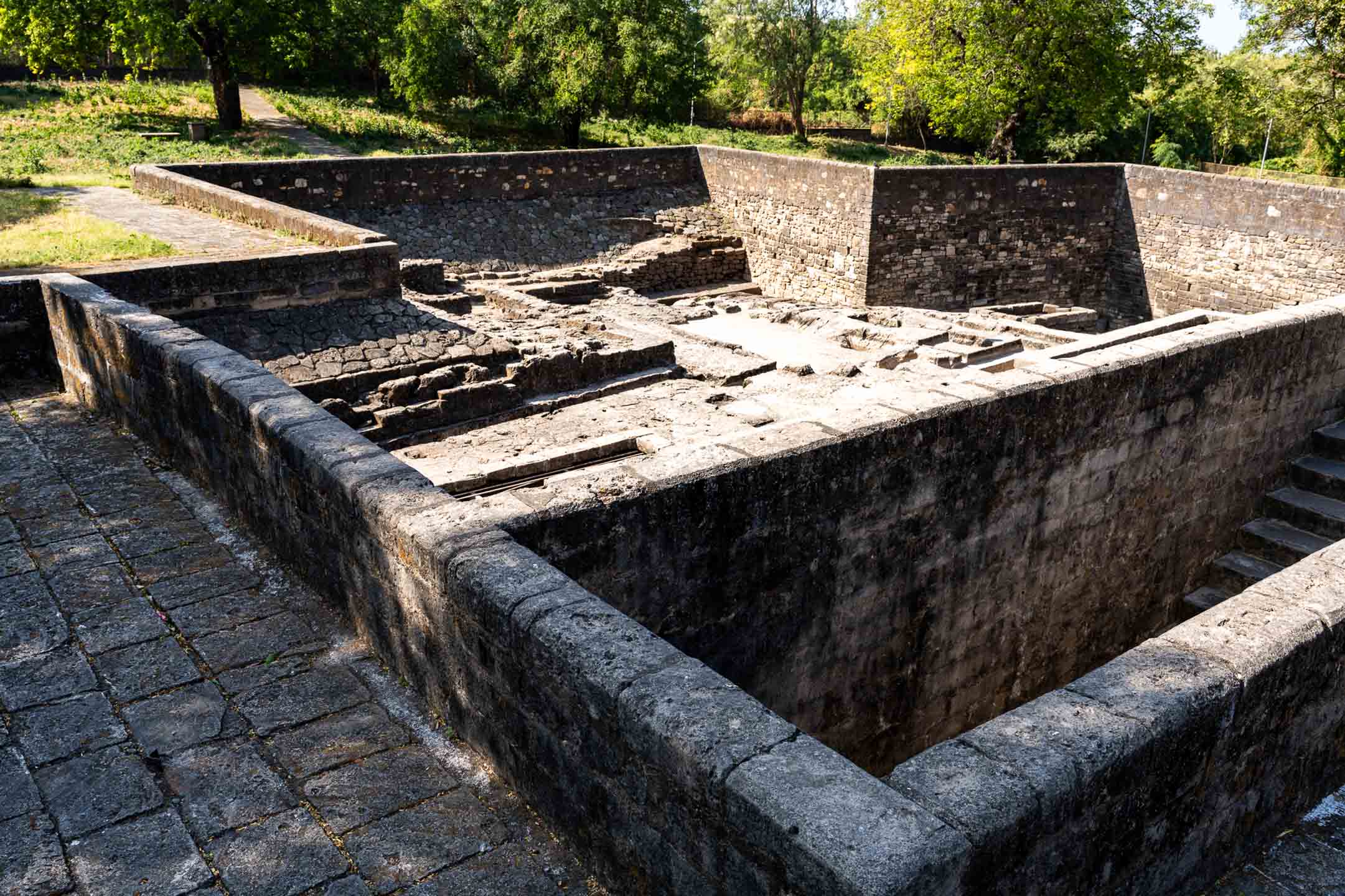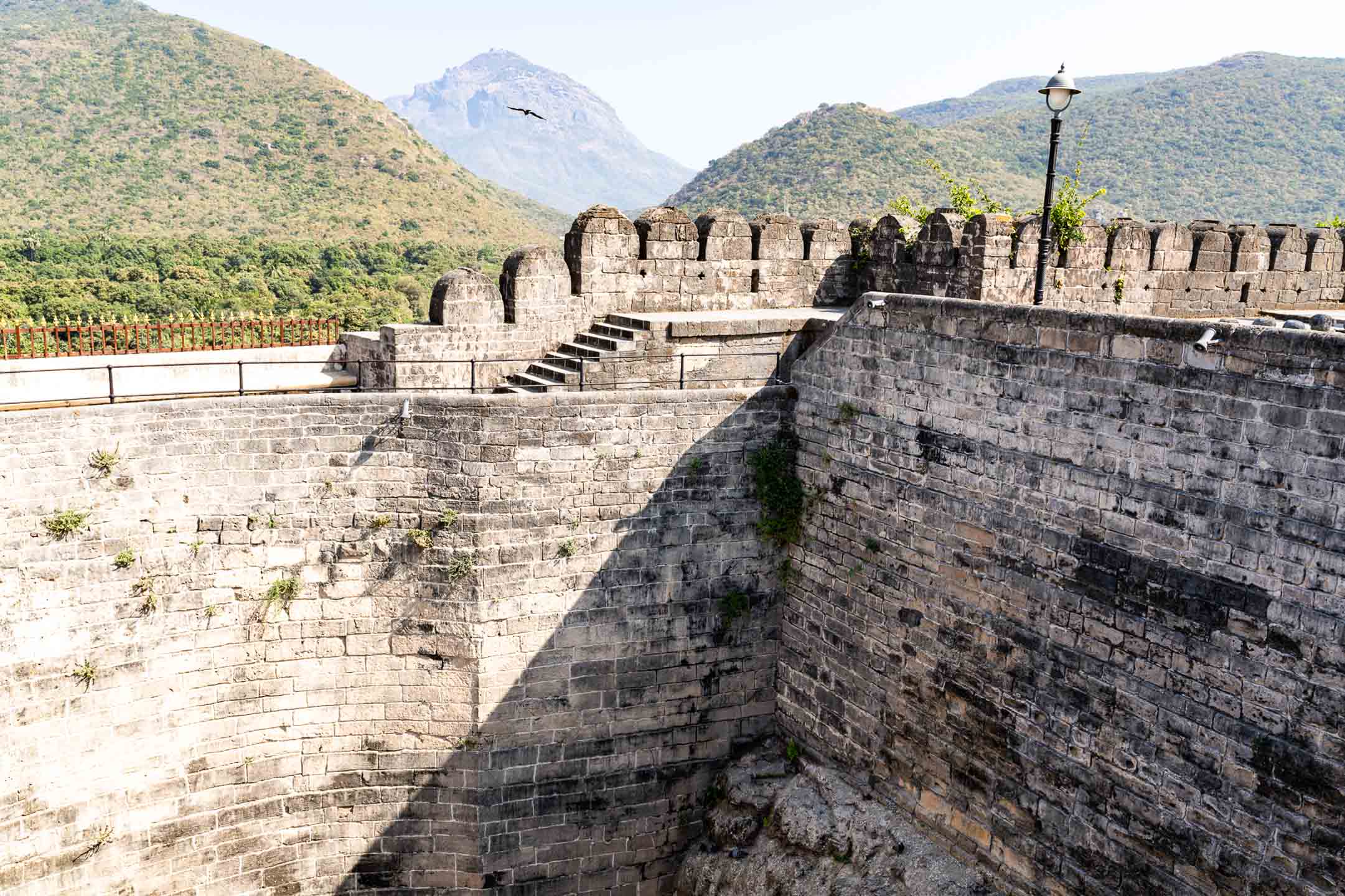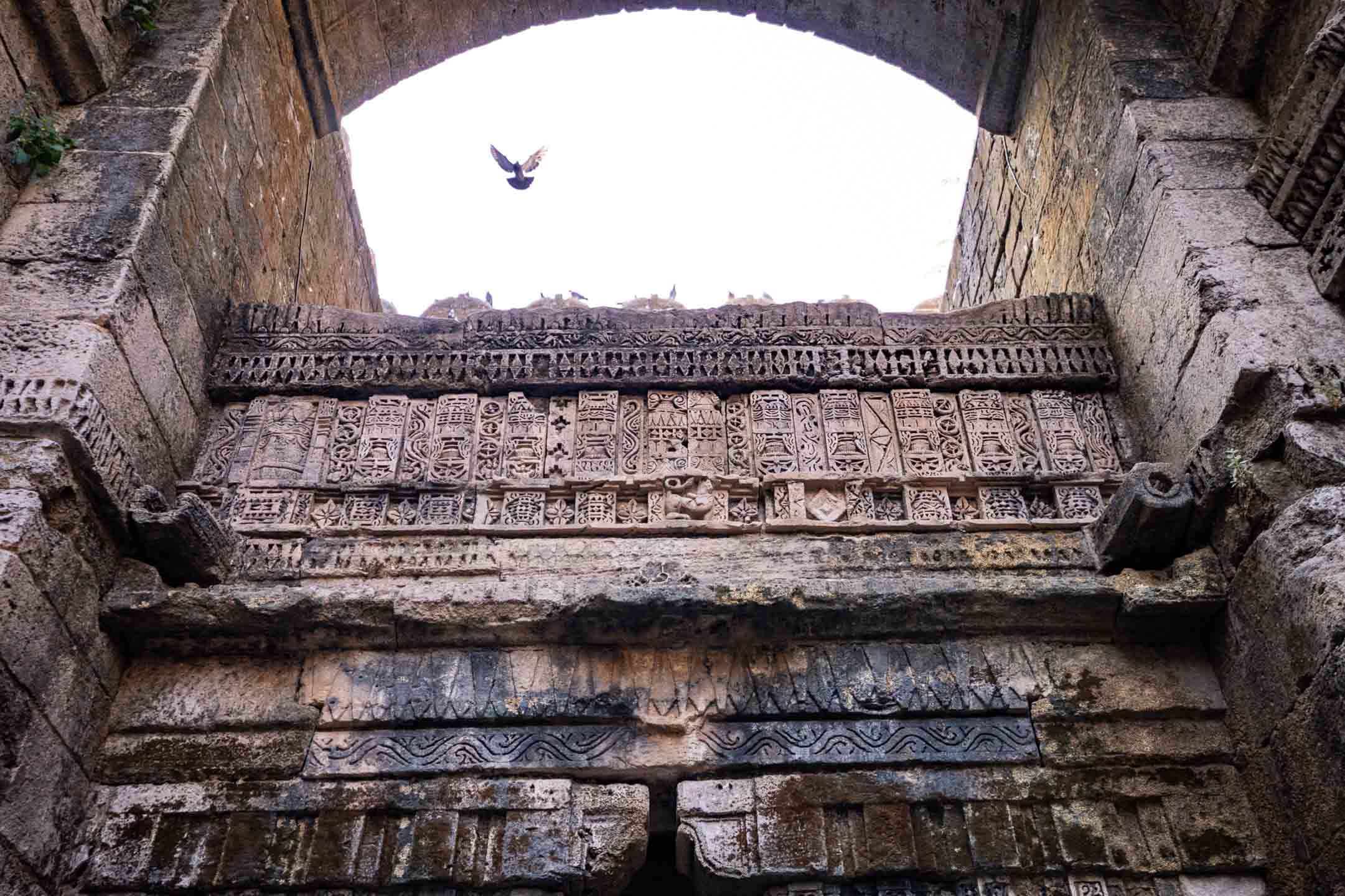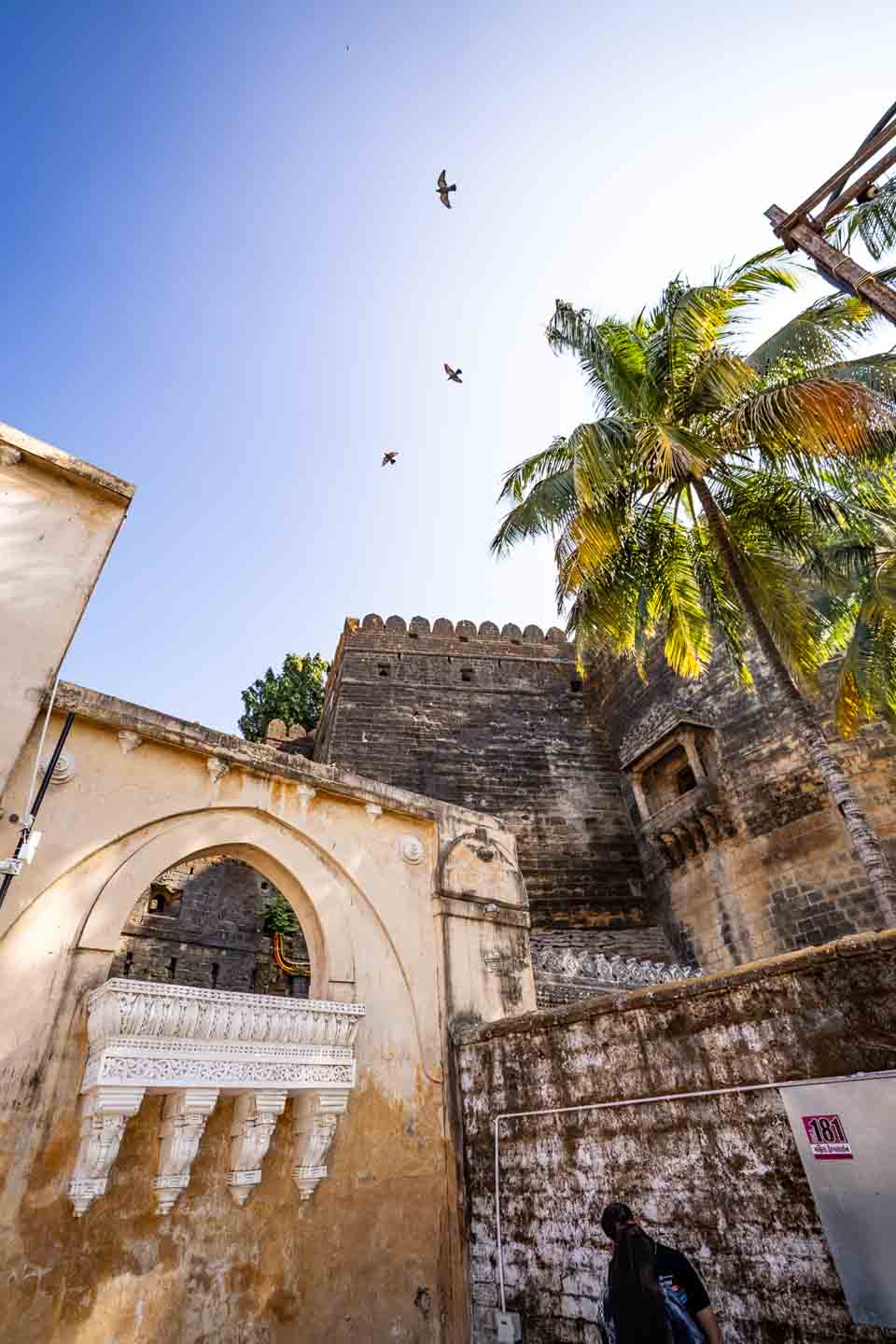
One of Junagadh’s most significant historical landmarks is the ancient Uparkot Fort, often referred to simply as Junagadh Fort. Believed to have origins dating back more than two thousand years, the fort stands on elevated ground overlooking the city.
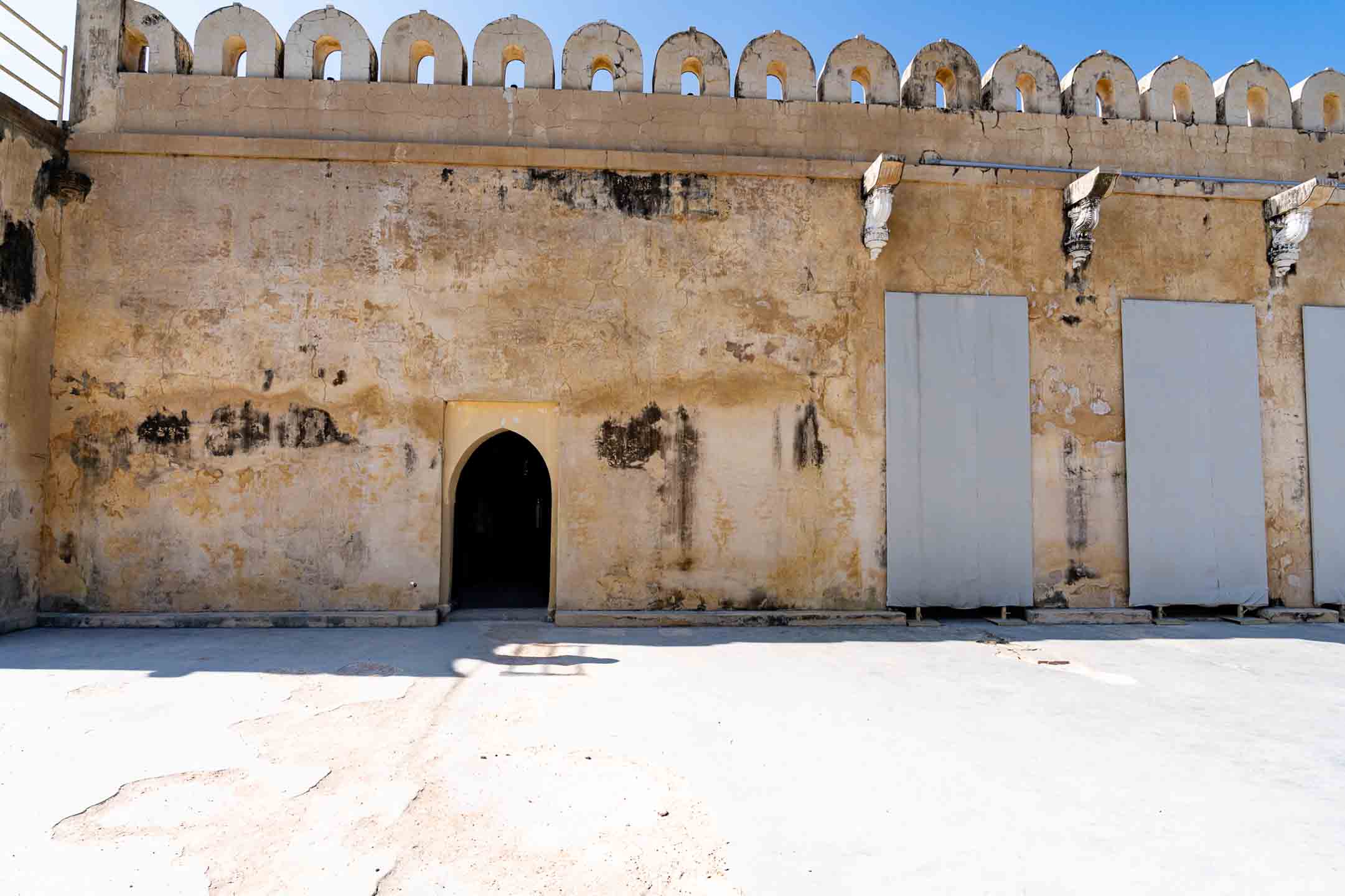
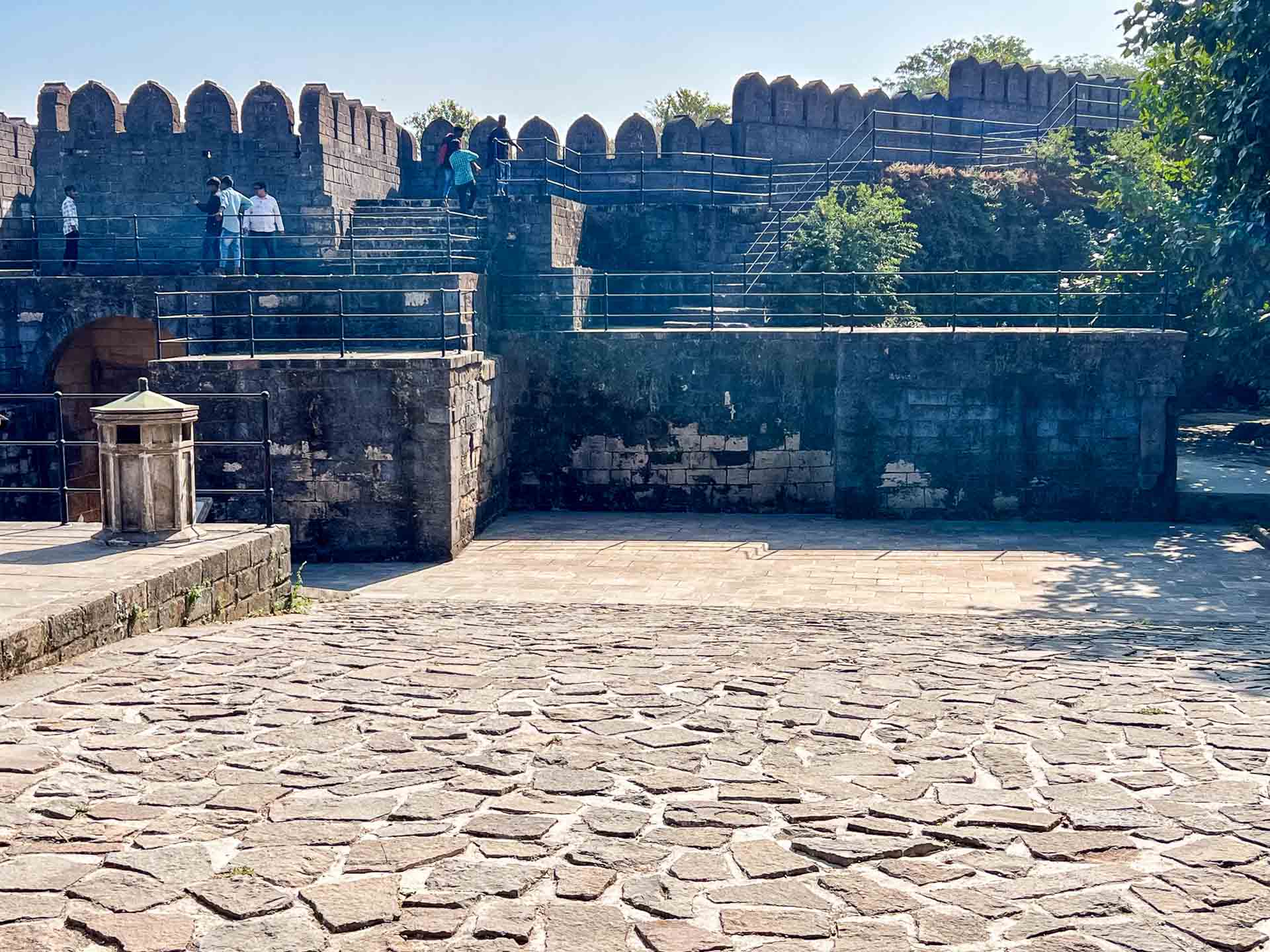
The fort survived repeated sieges, changing dynasties, and periods of abandonment. Its massive defensive walls continue to dominate the surrounding landscape, reflecting the strategic importance of the site across centuries.
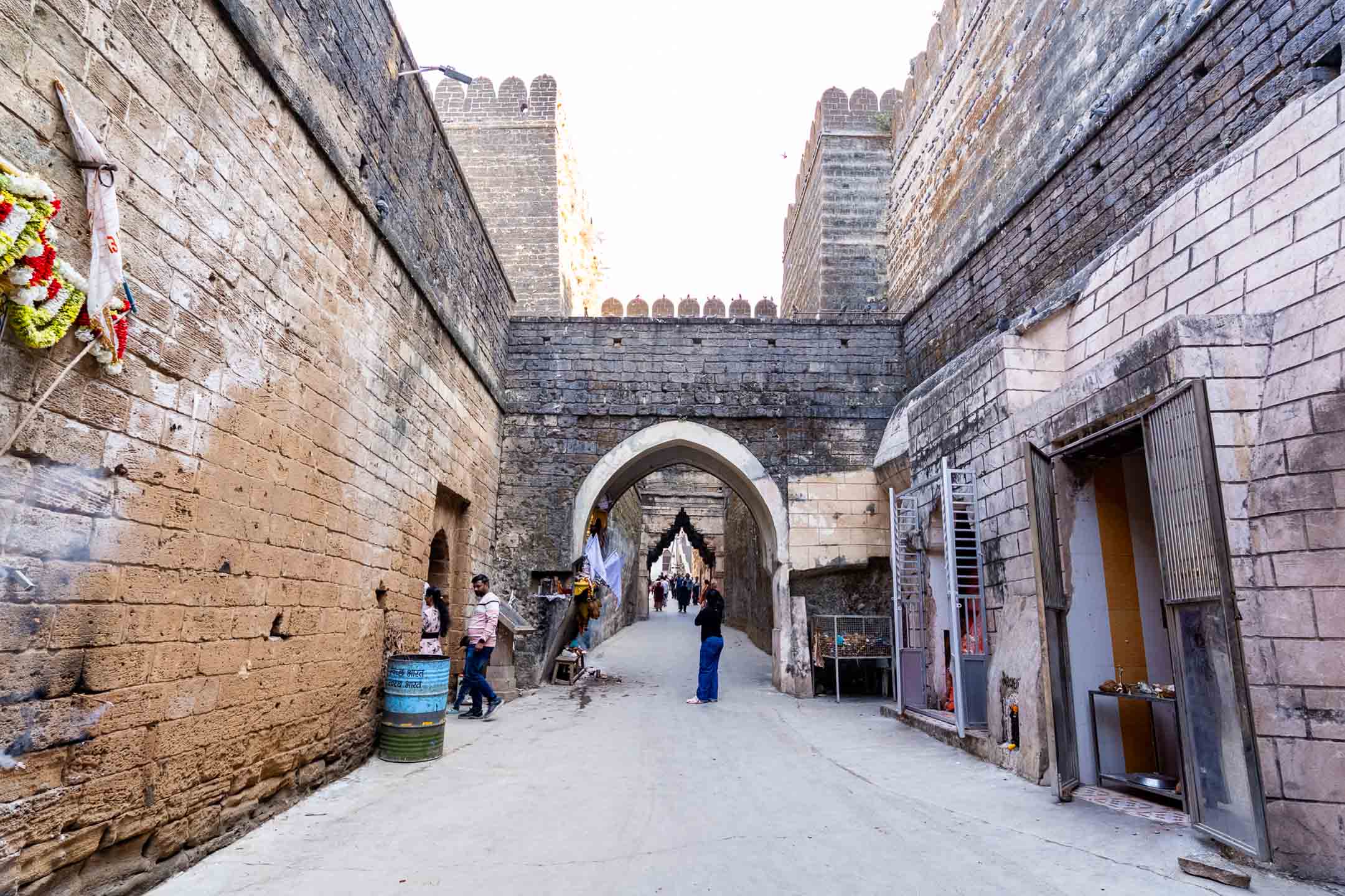
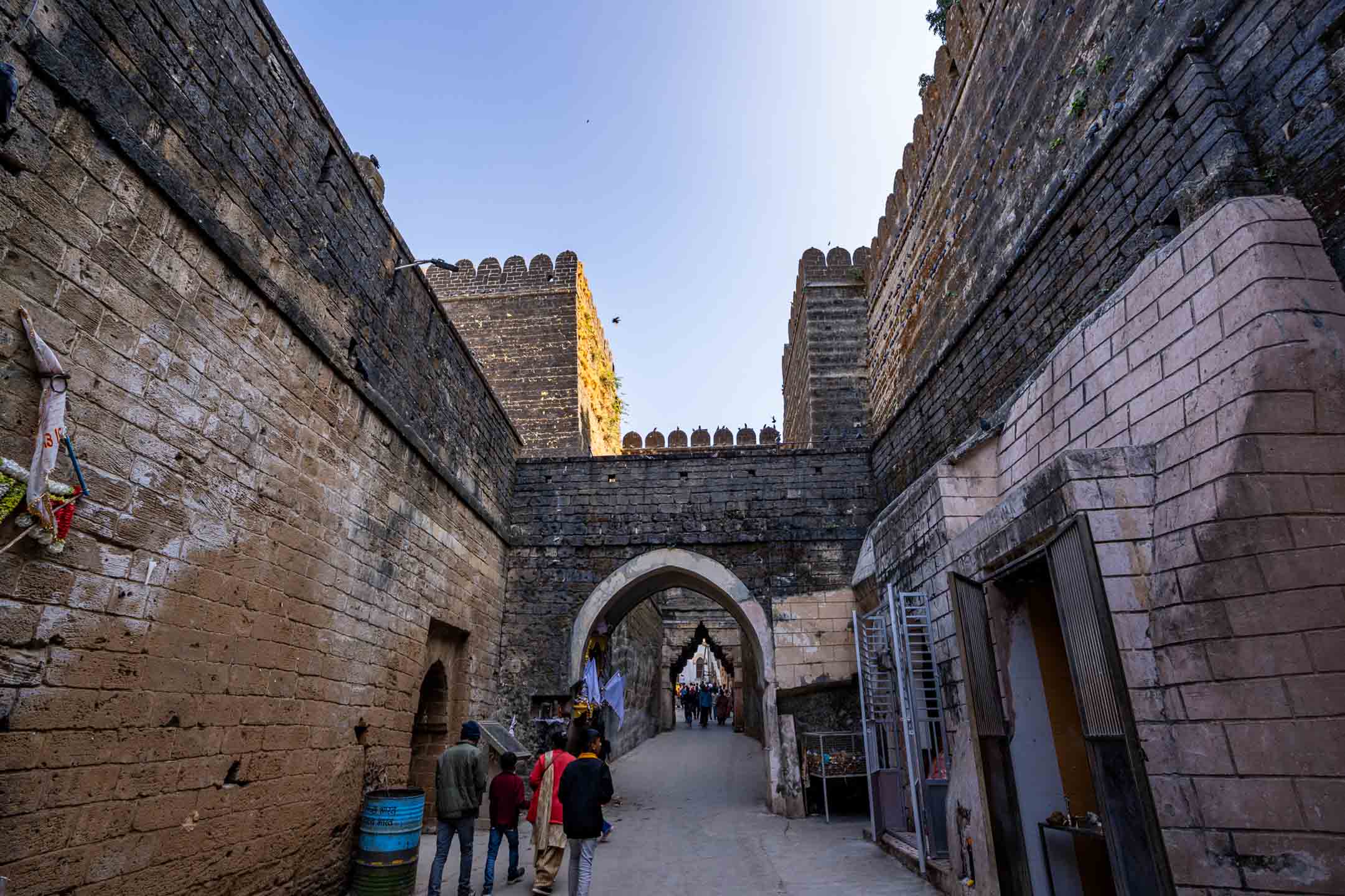
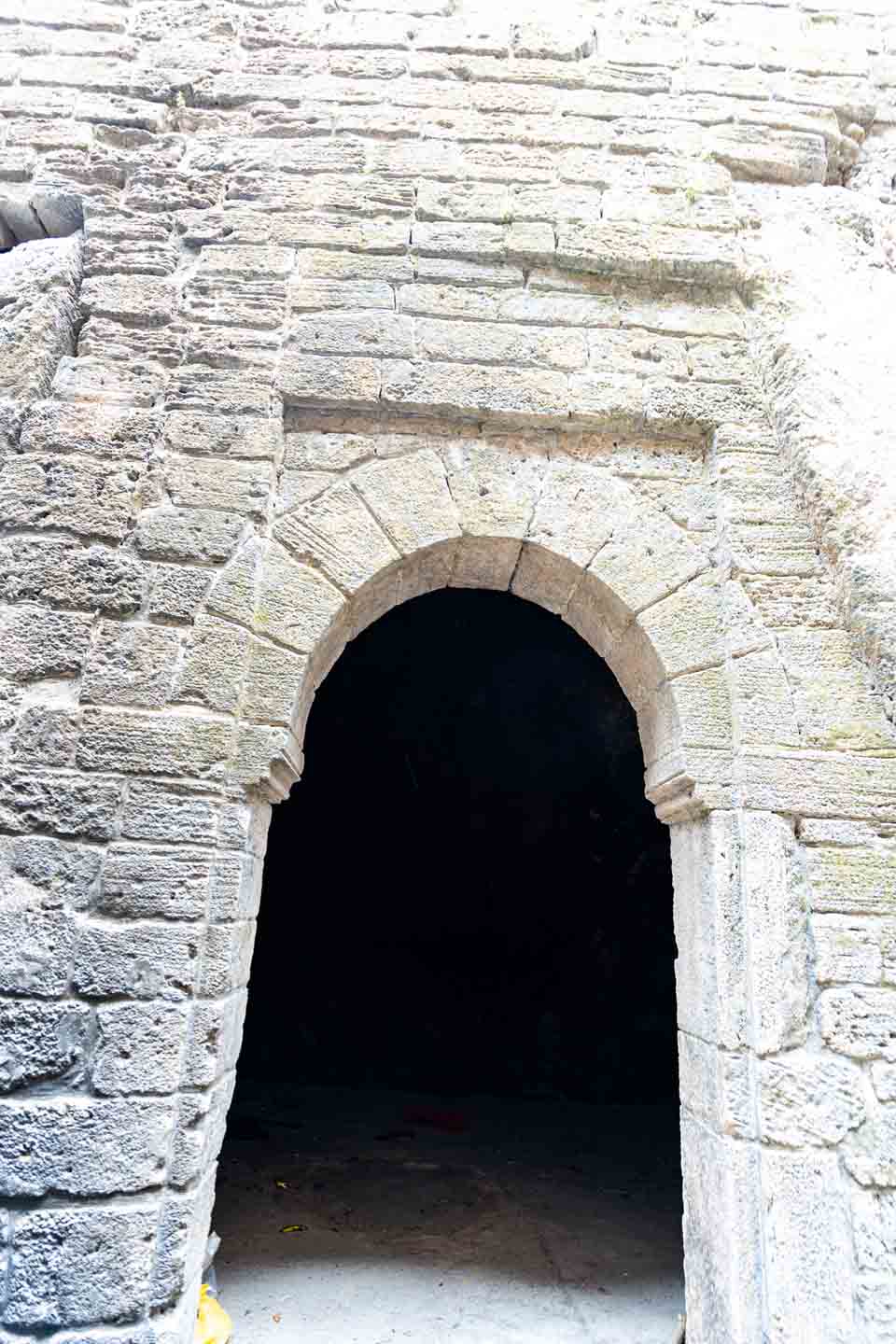
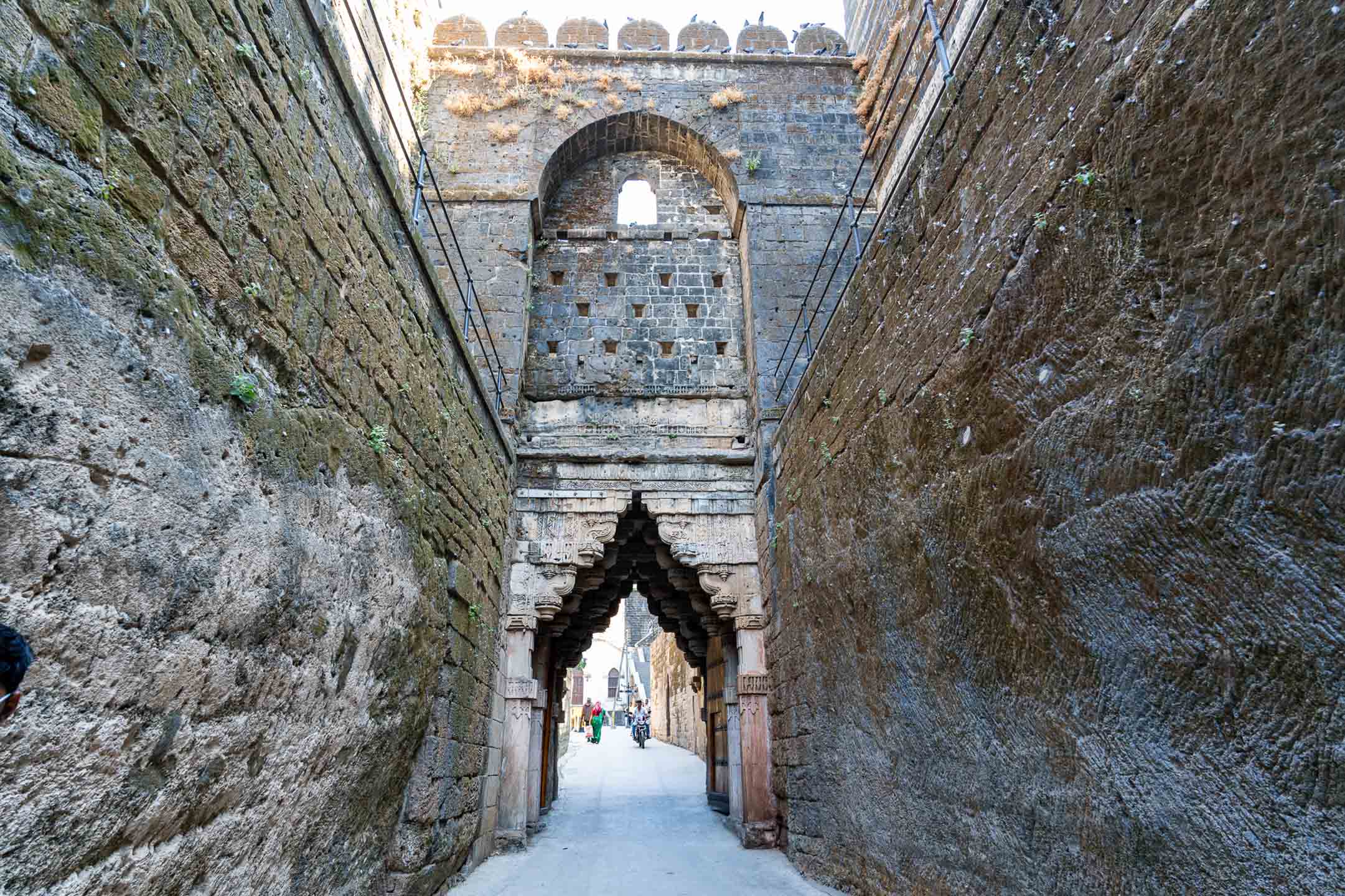
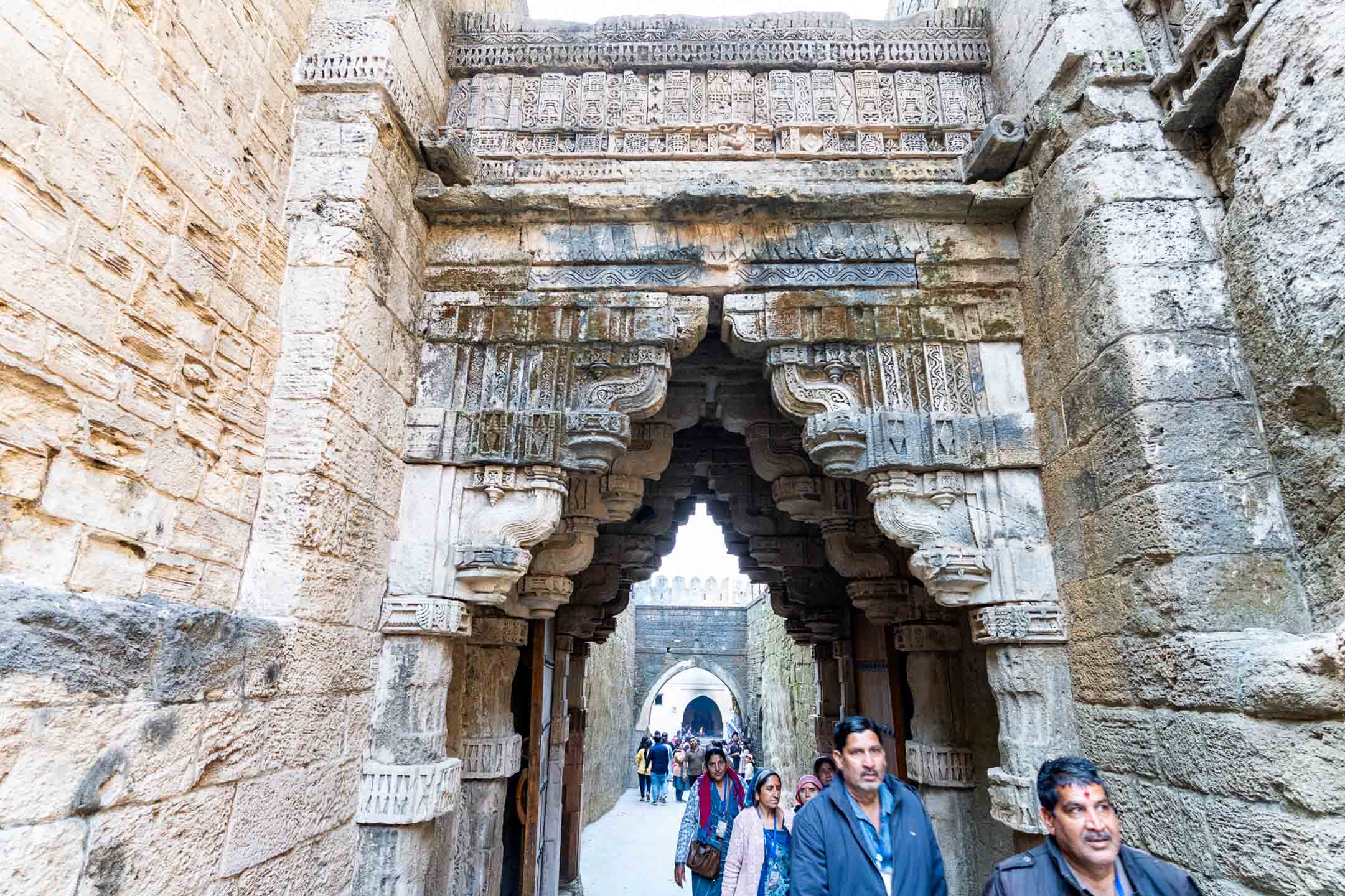
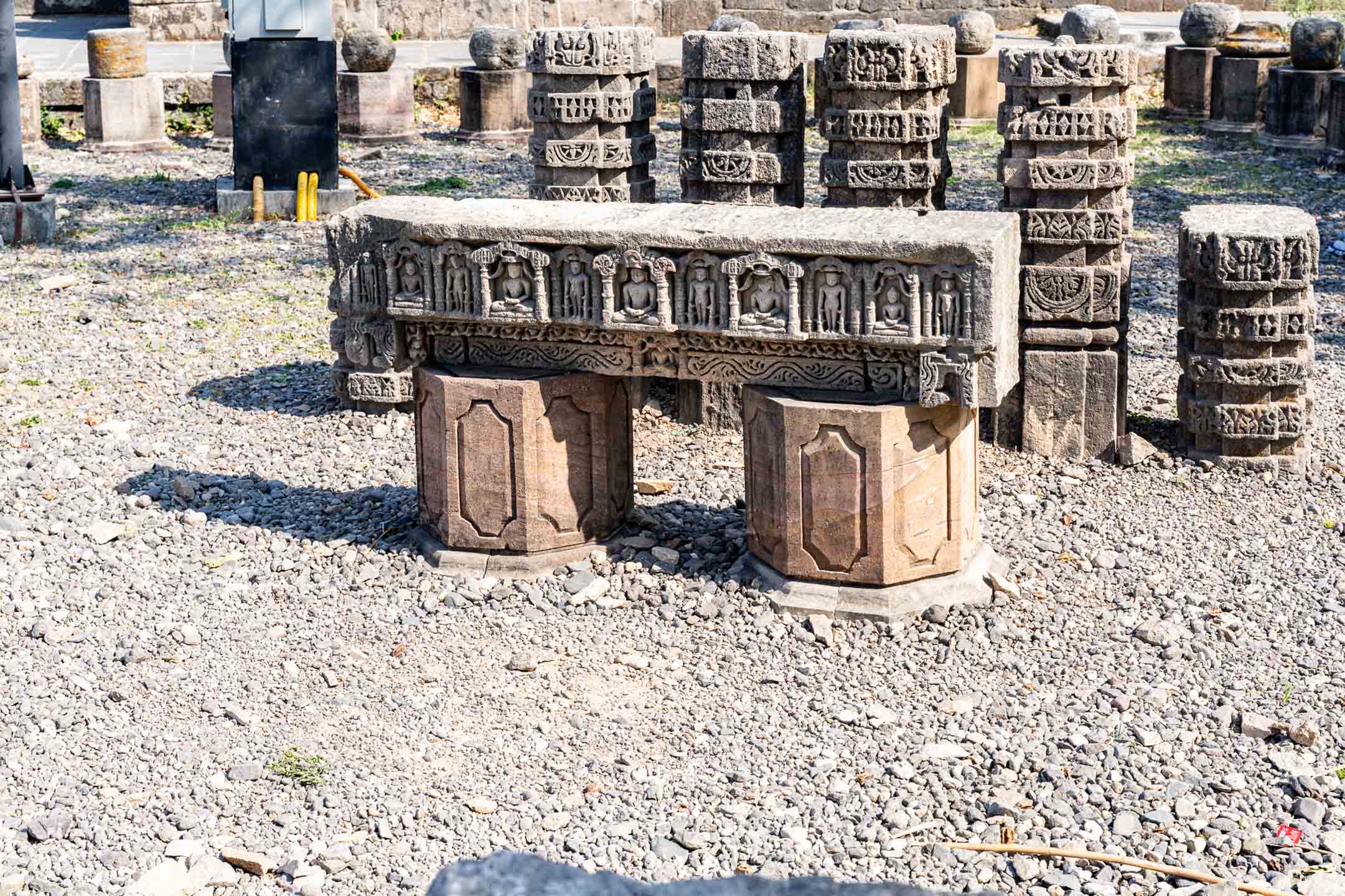
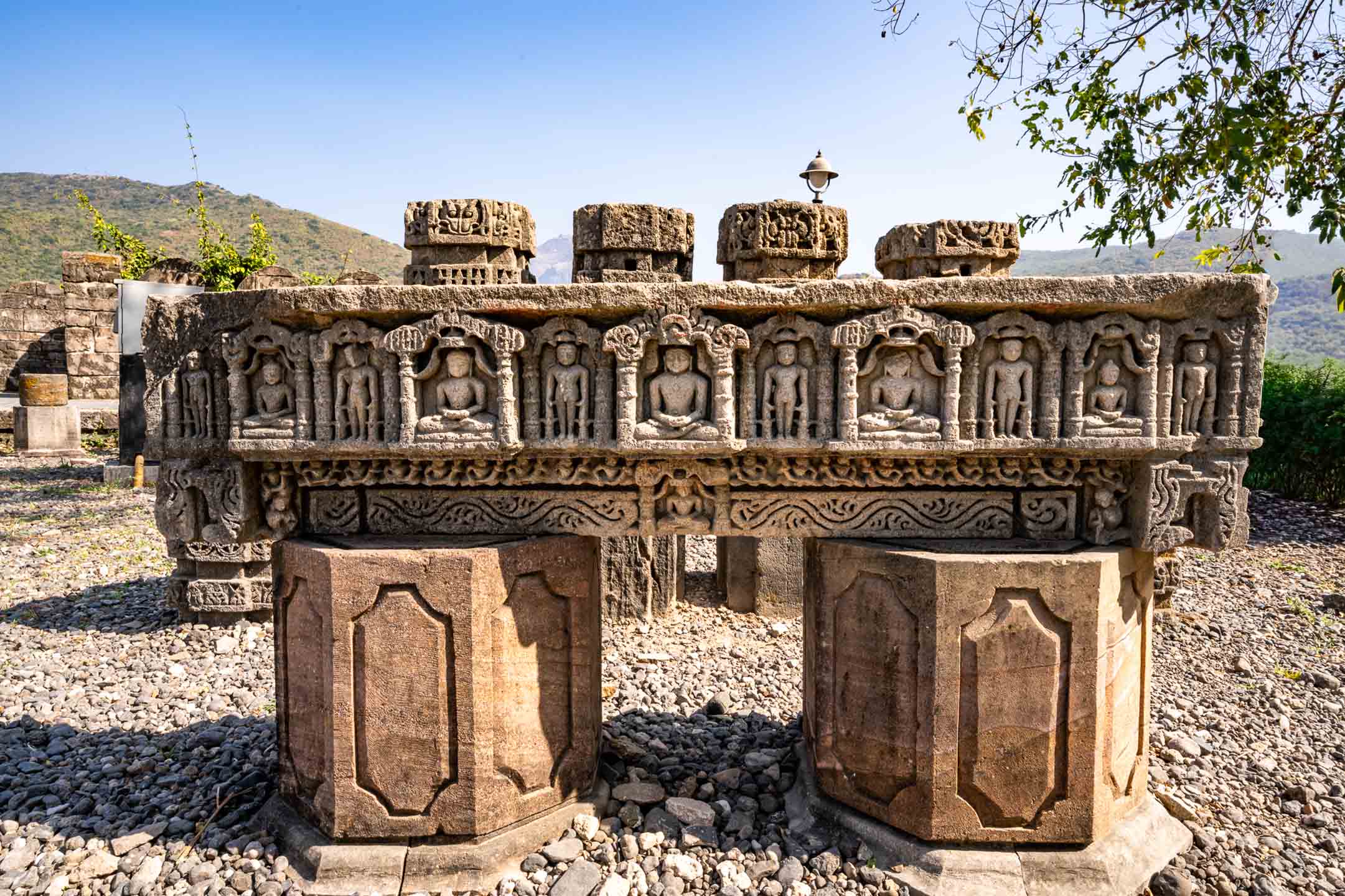
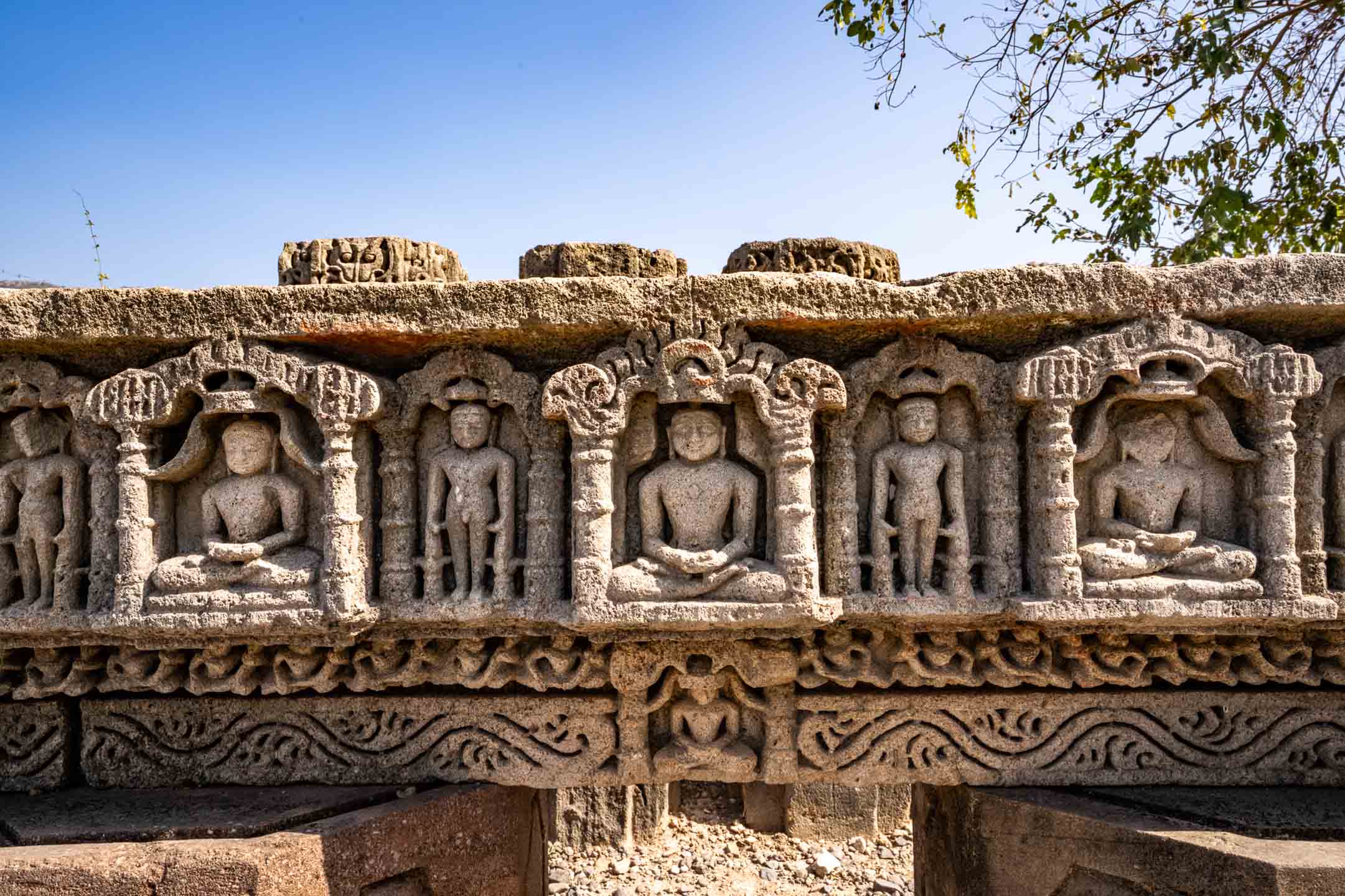
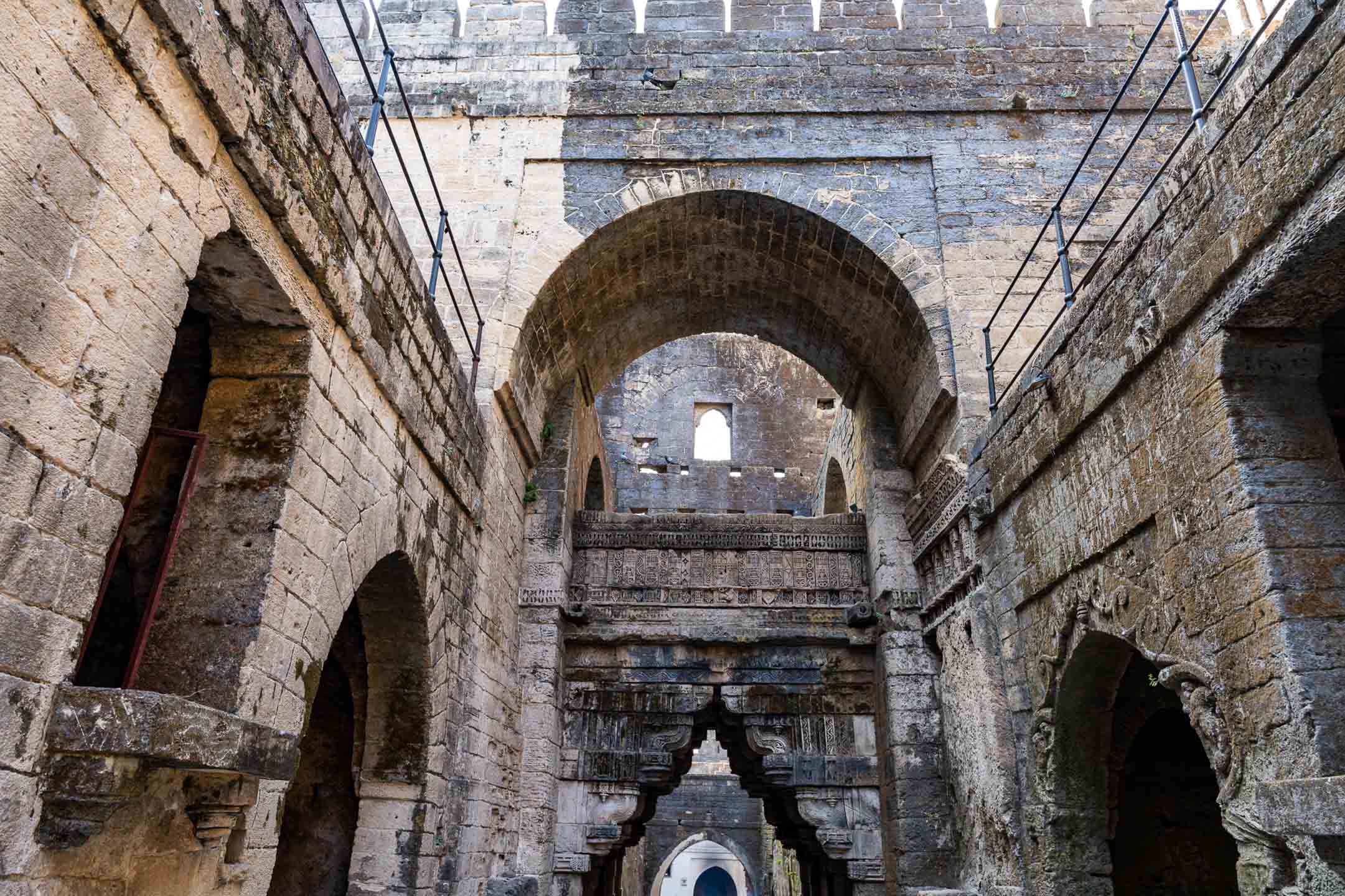
The entrance to the fort passes through large gates and defensive passages designed to slow invading armies. Thick walls, elevated watchpoints, and fortified positions reveal how military architecture evolved to withstand prolonged sieges. Inside the fort complex are remains from different historical periods.
Among the most important are the Buddhist cave structures carved directly into rock surfaces, indicating the region’s significance during early Buddhist periods.
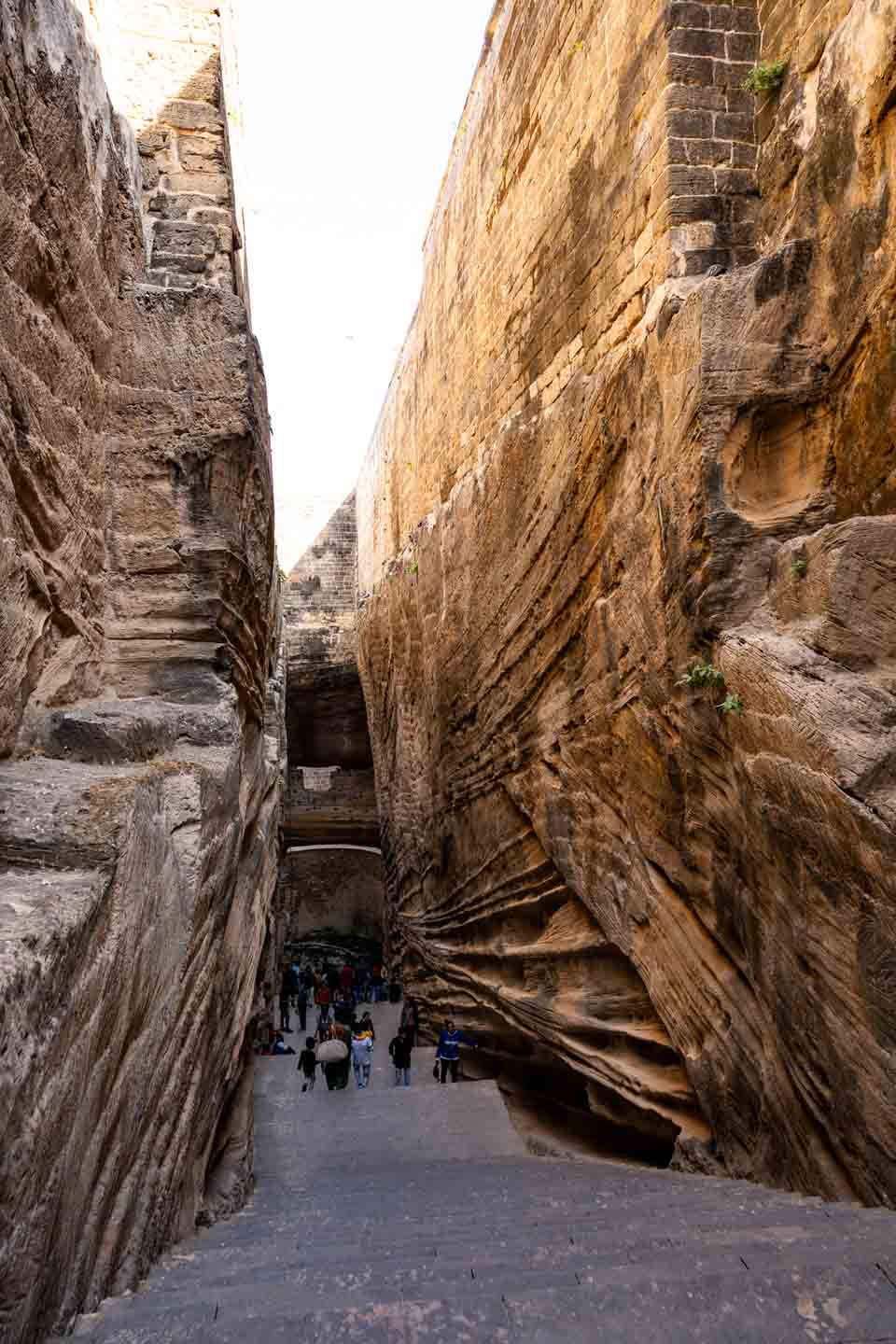
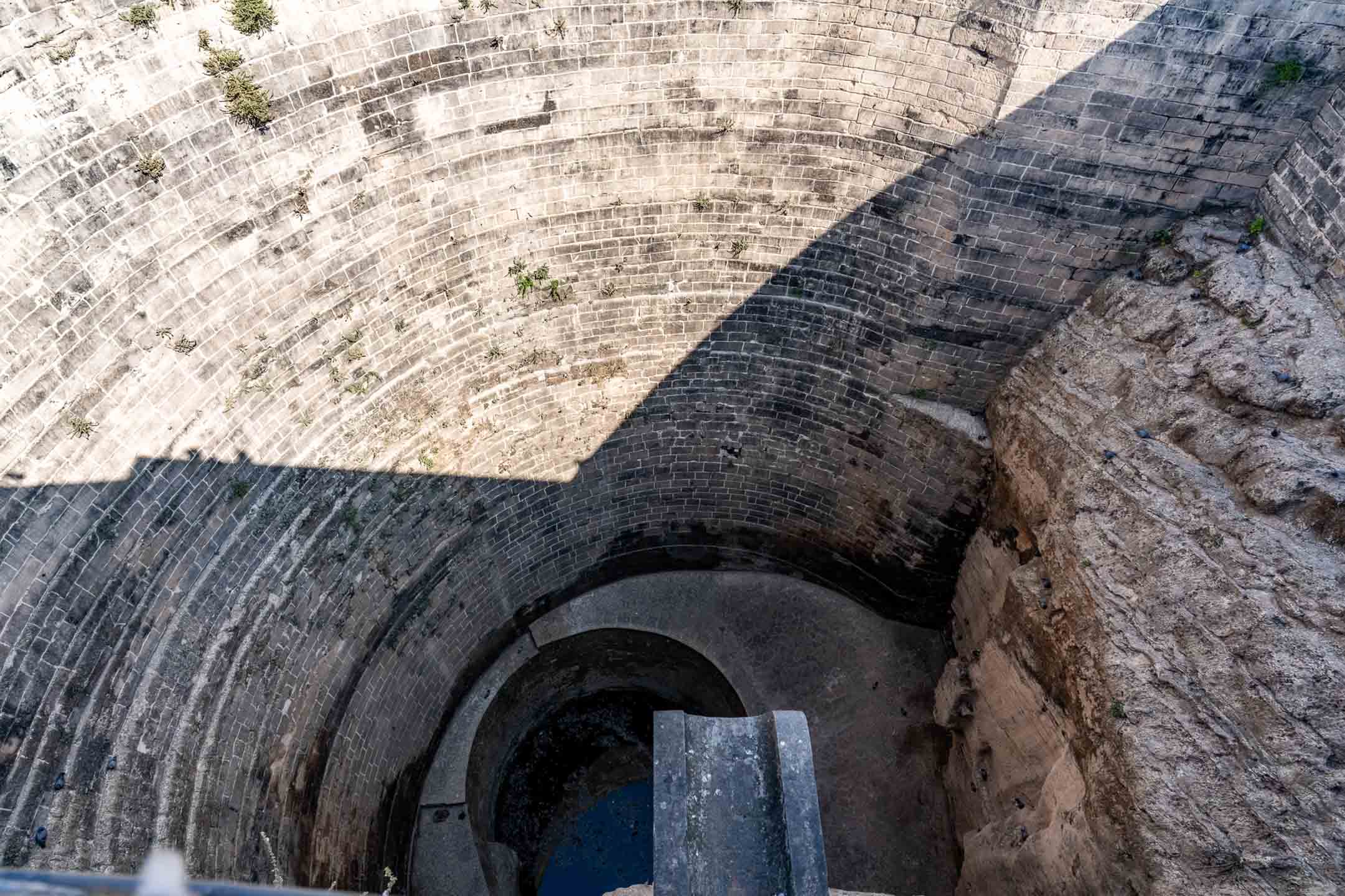
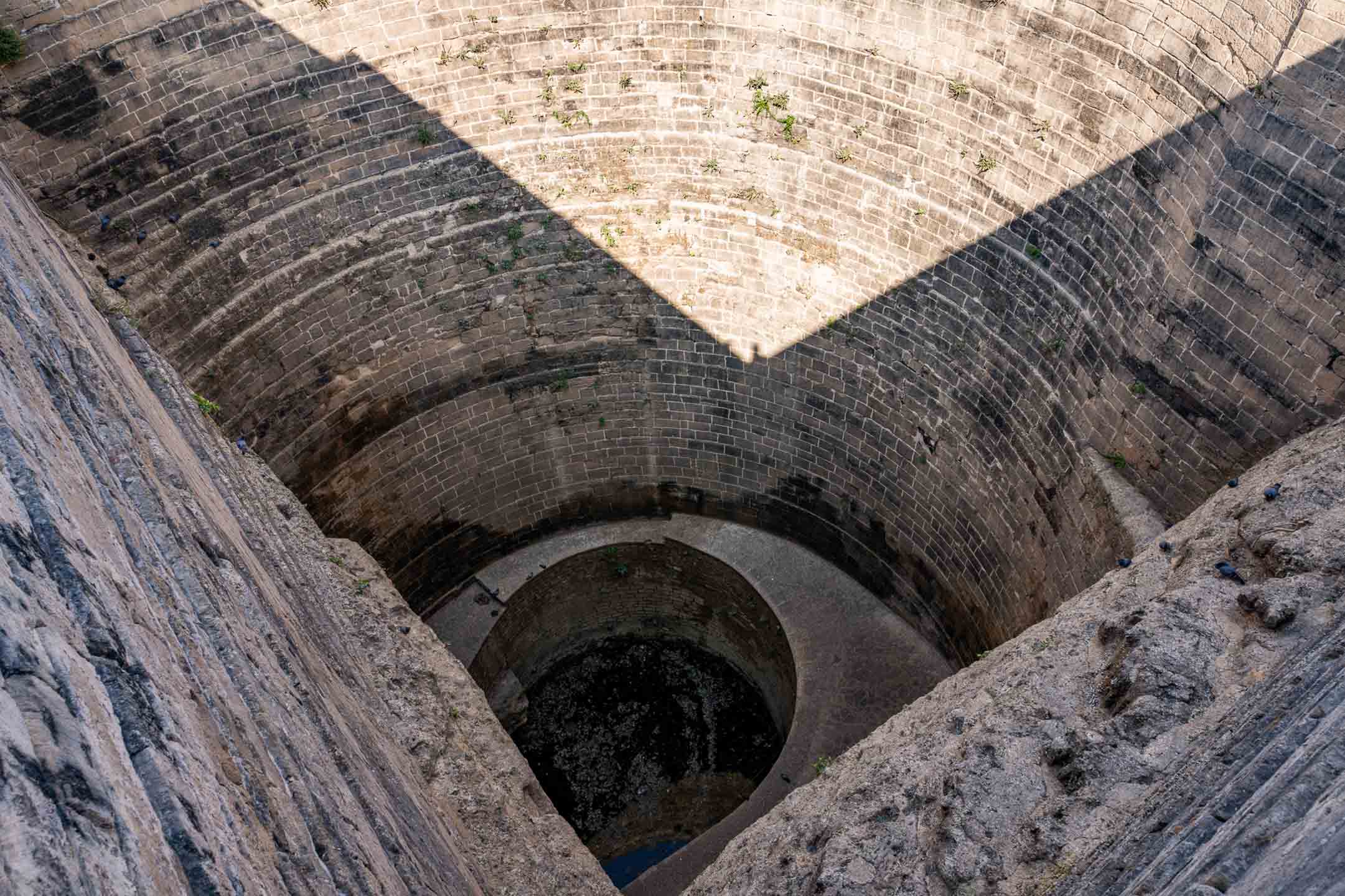
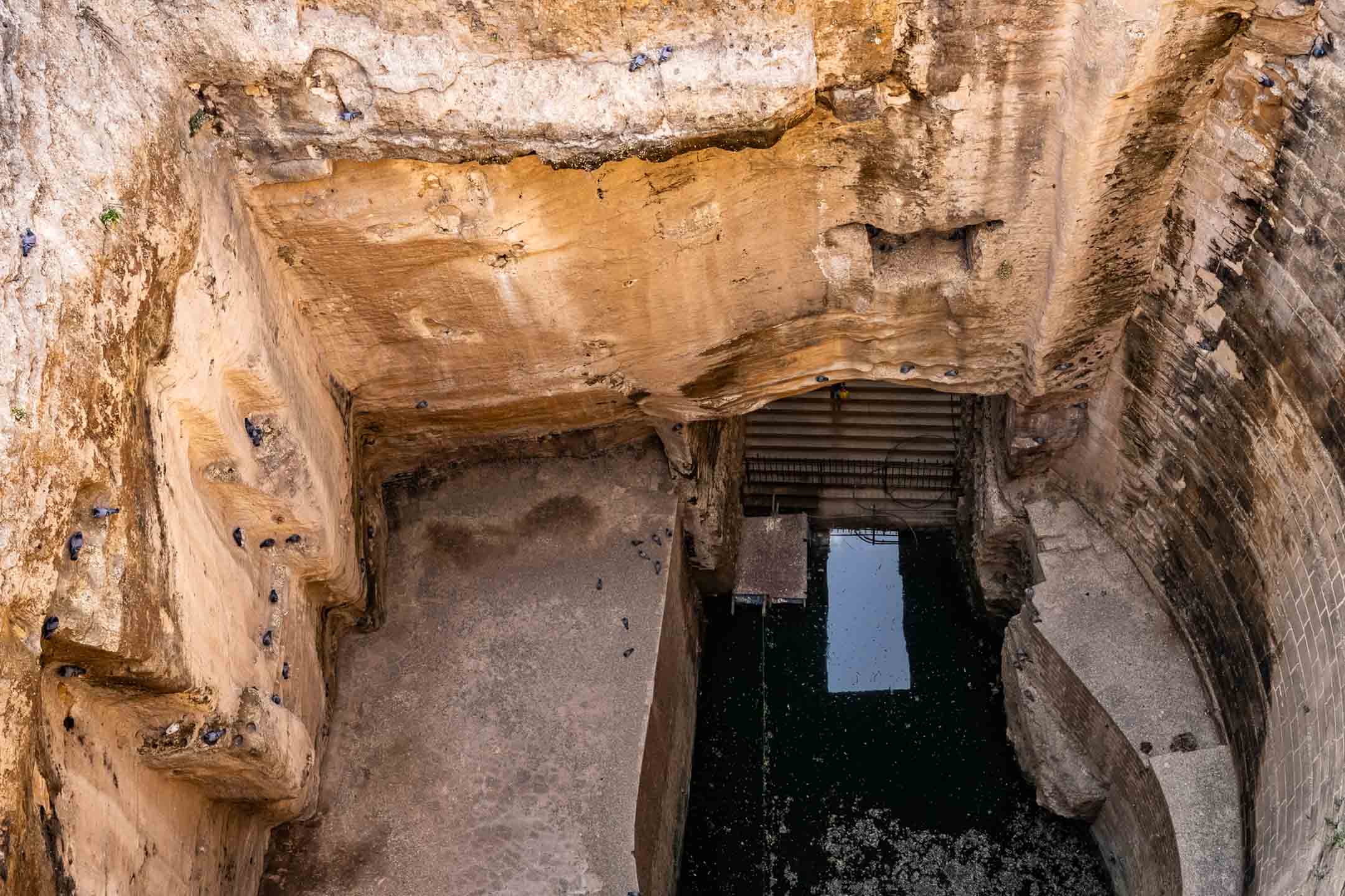
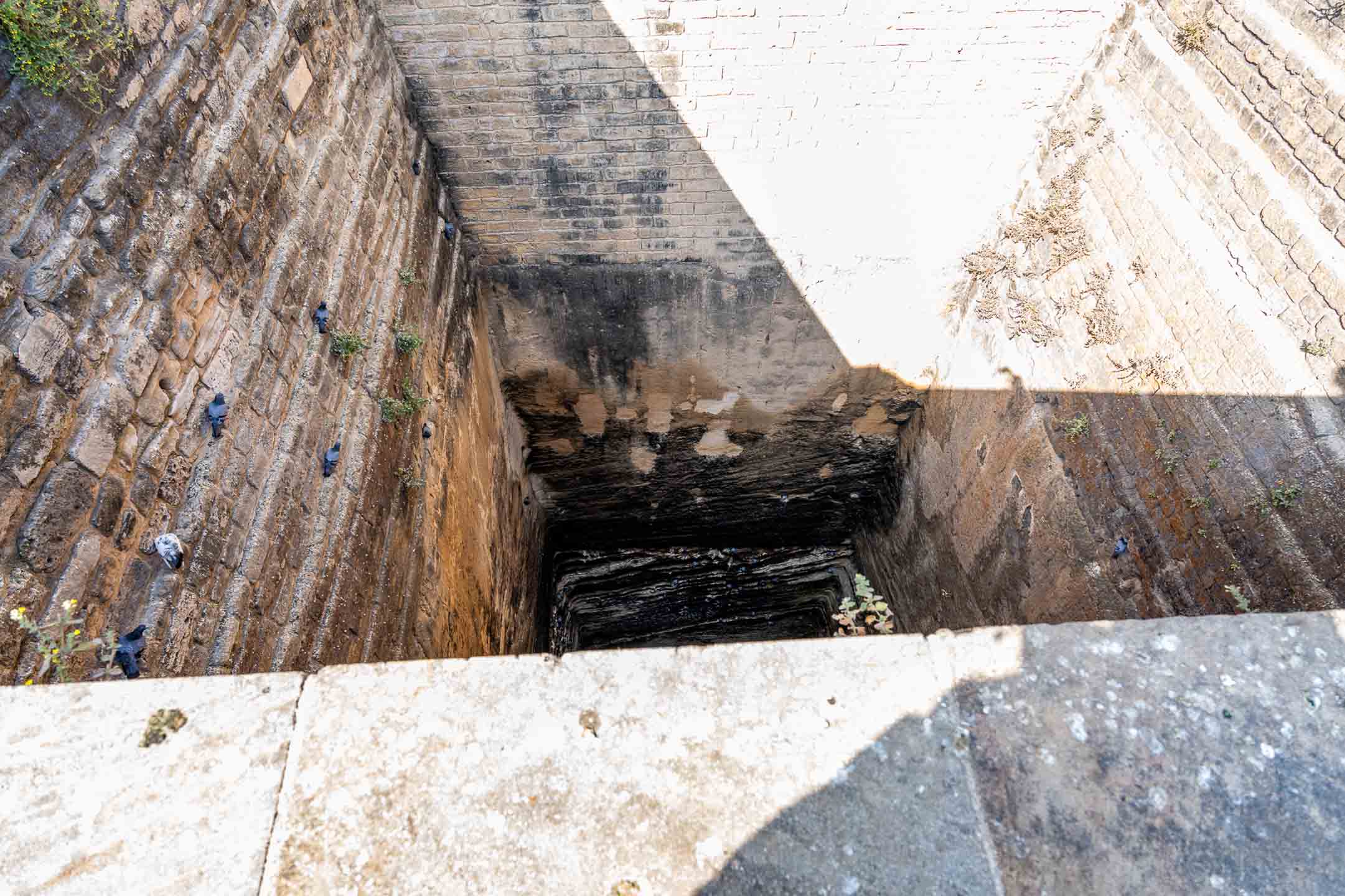
Two extraordinary stepwells within the fort — Adi Kadi Vav and Navghan Kuvo — remain among the most remarkable structures in the complex. Carved directly into rock, these water systems demonstrate the engineering skill required to survive in difficult climatic conditions and during times of siege.
Adi Kadi Vav, with its long descending staircase cut sharply into stone, possesses a stark architectural simplicity. Navghan Kuvo, believed to date back to the Chudasama period, spirals deep into the earth through a narrow stone passage designed to access underground water reserves.
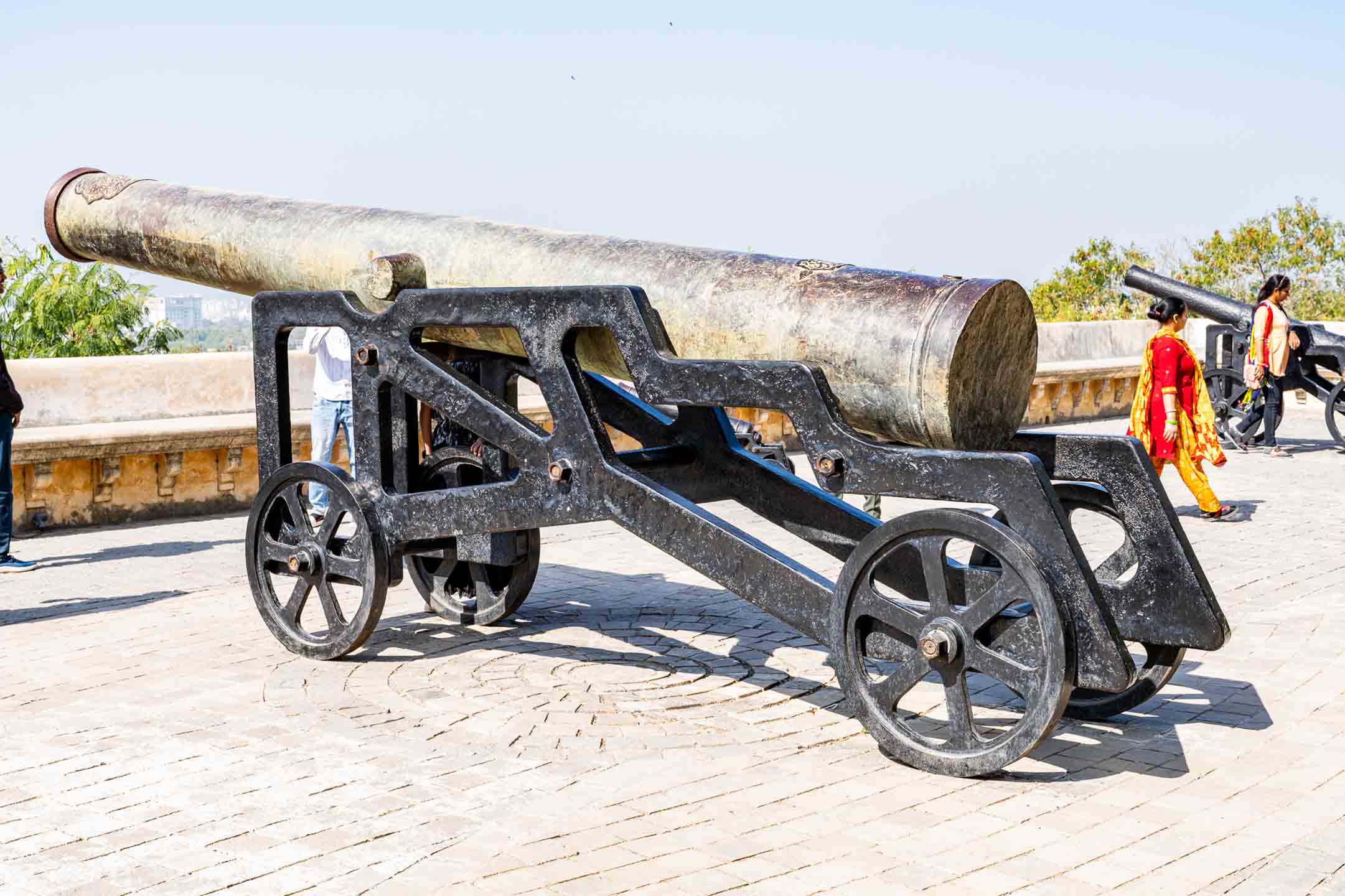
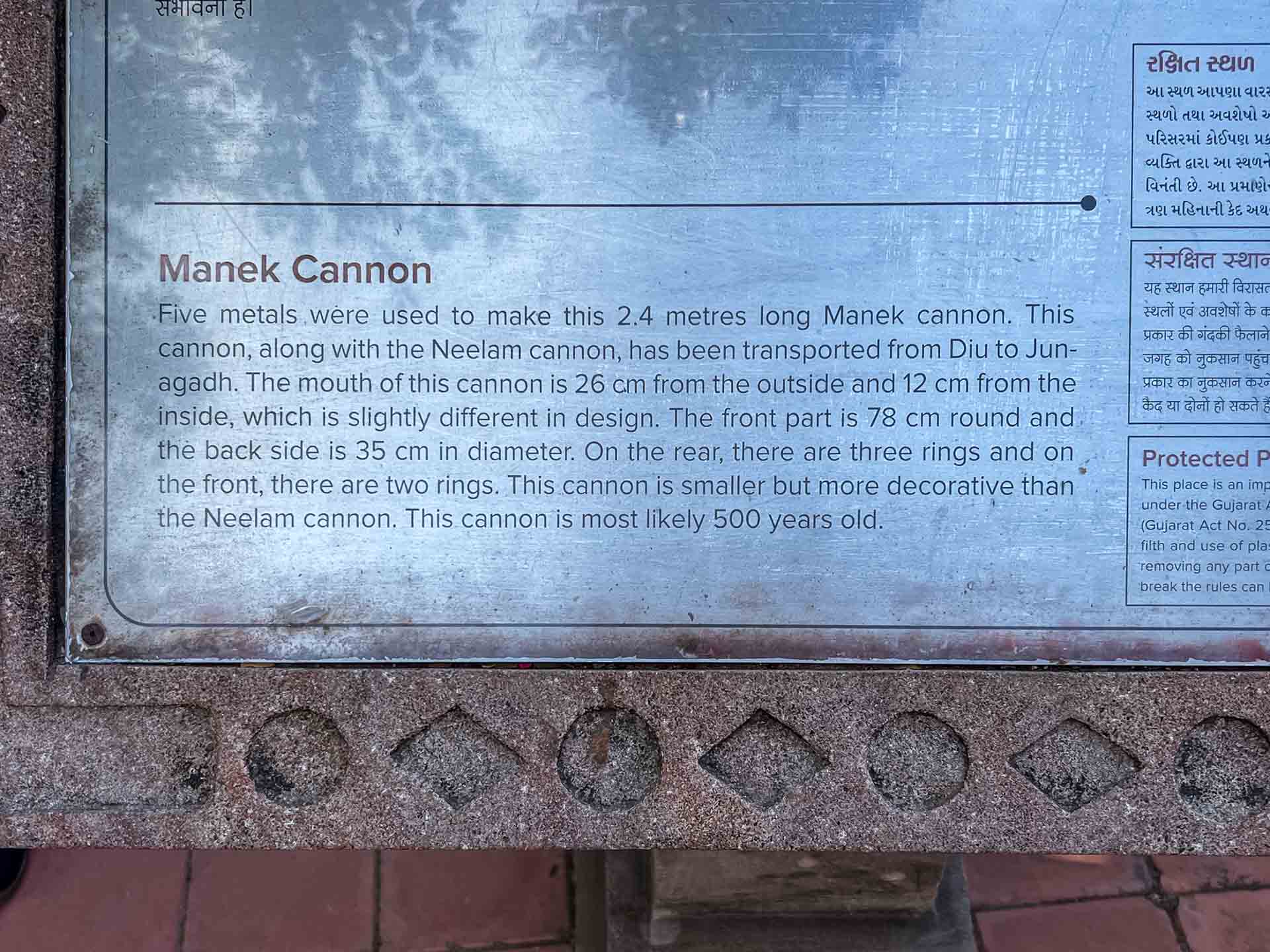
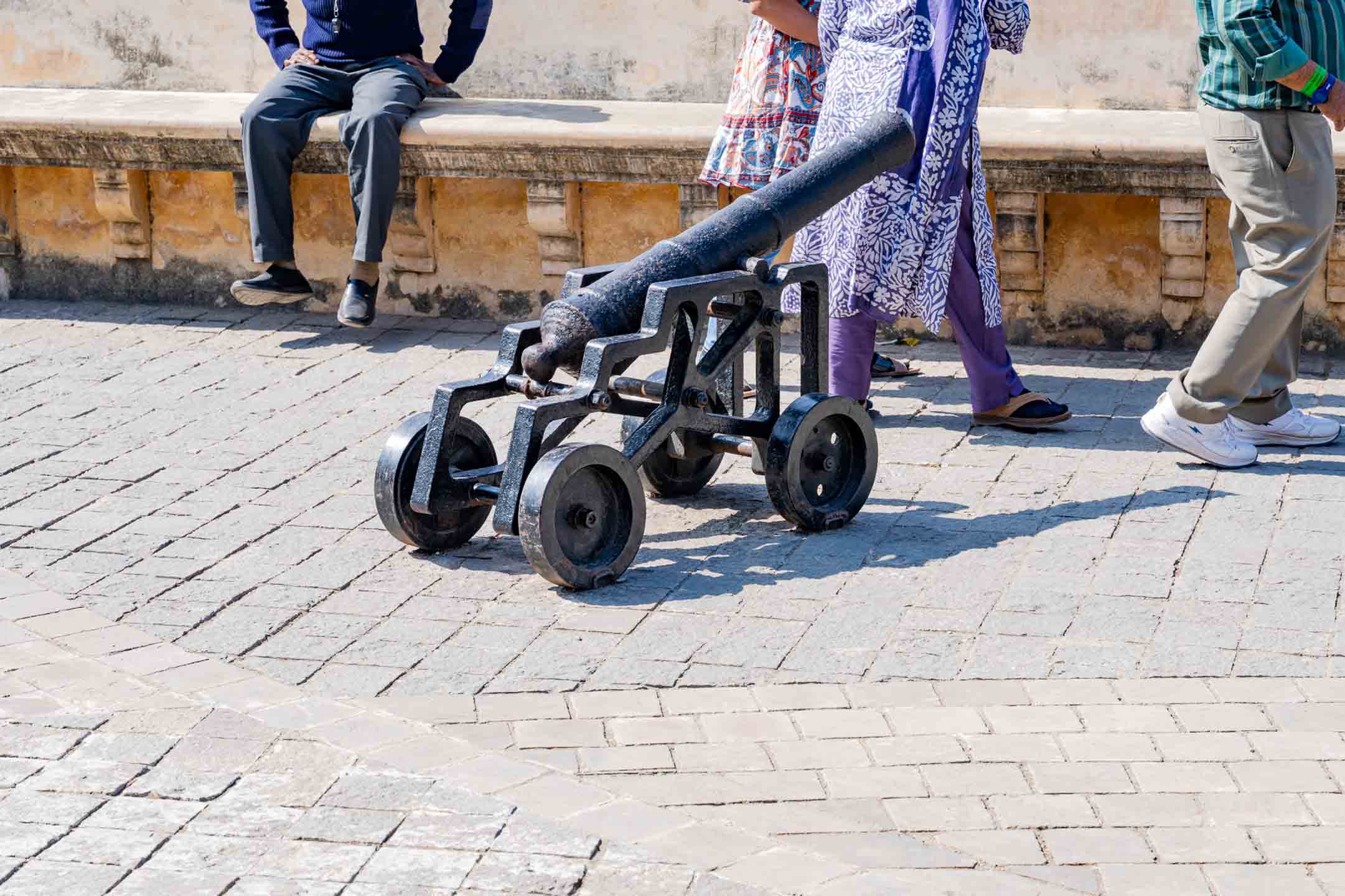
Cannons still remain positioned along sections of the fort walls.
Among them are the famous Nilam Cannon and Manek Cannon, believed to have connections to Ottoman manufacture before reaching the region through maritime trade and warfare networks.
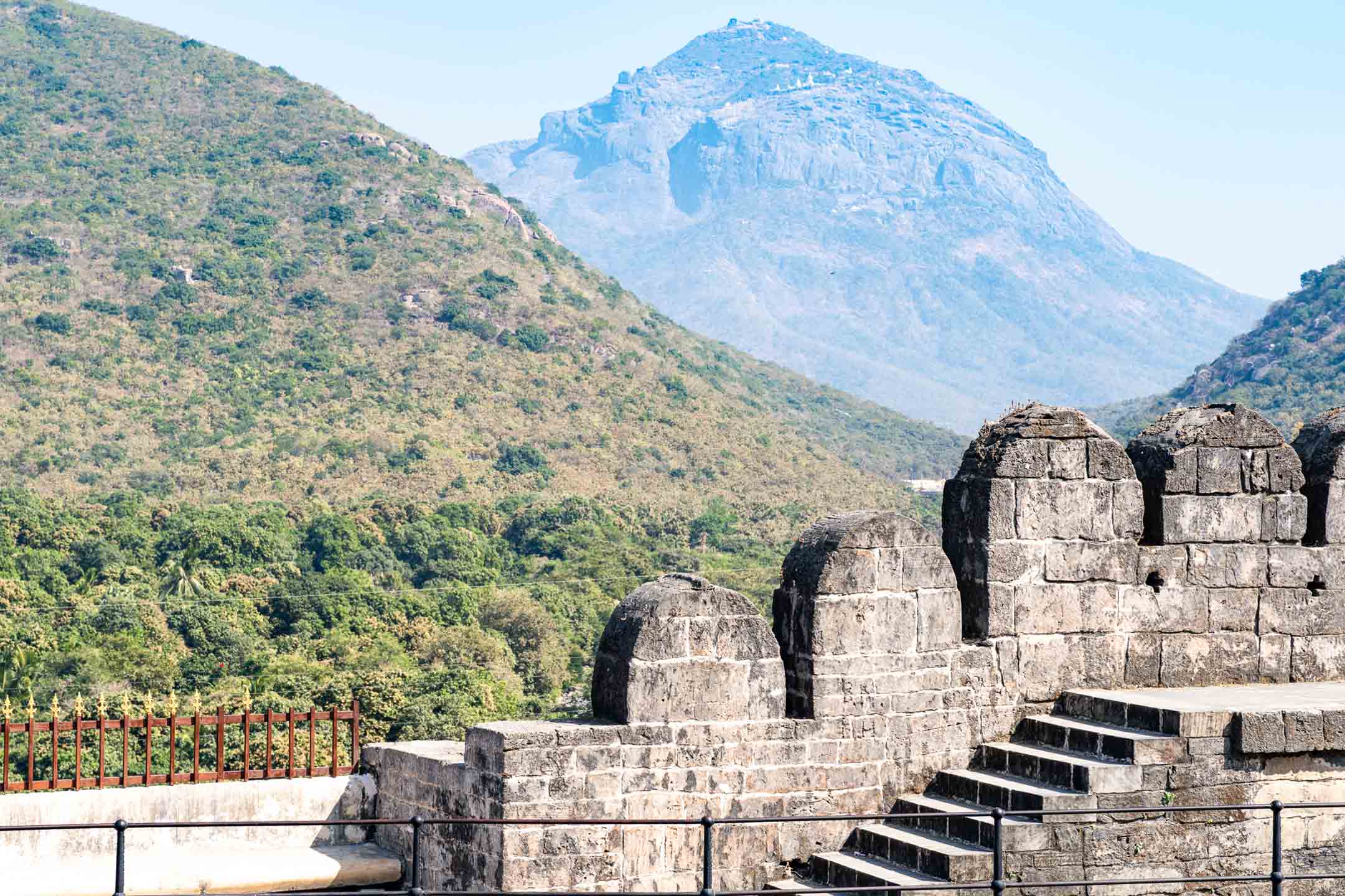
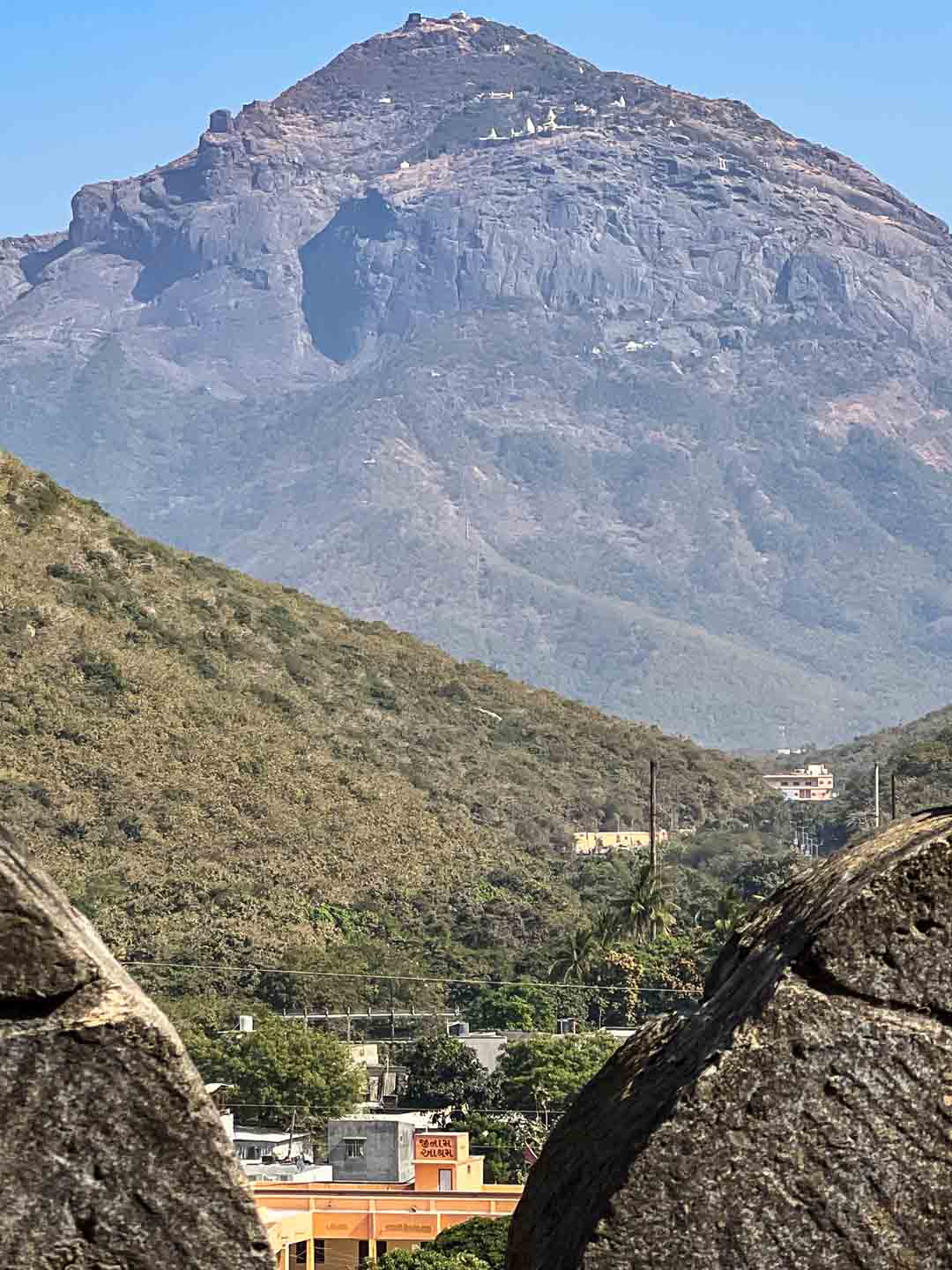
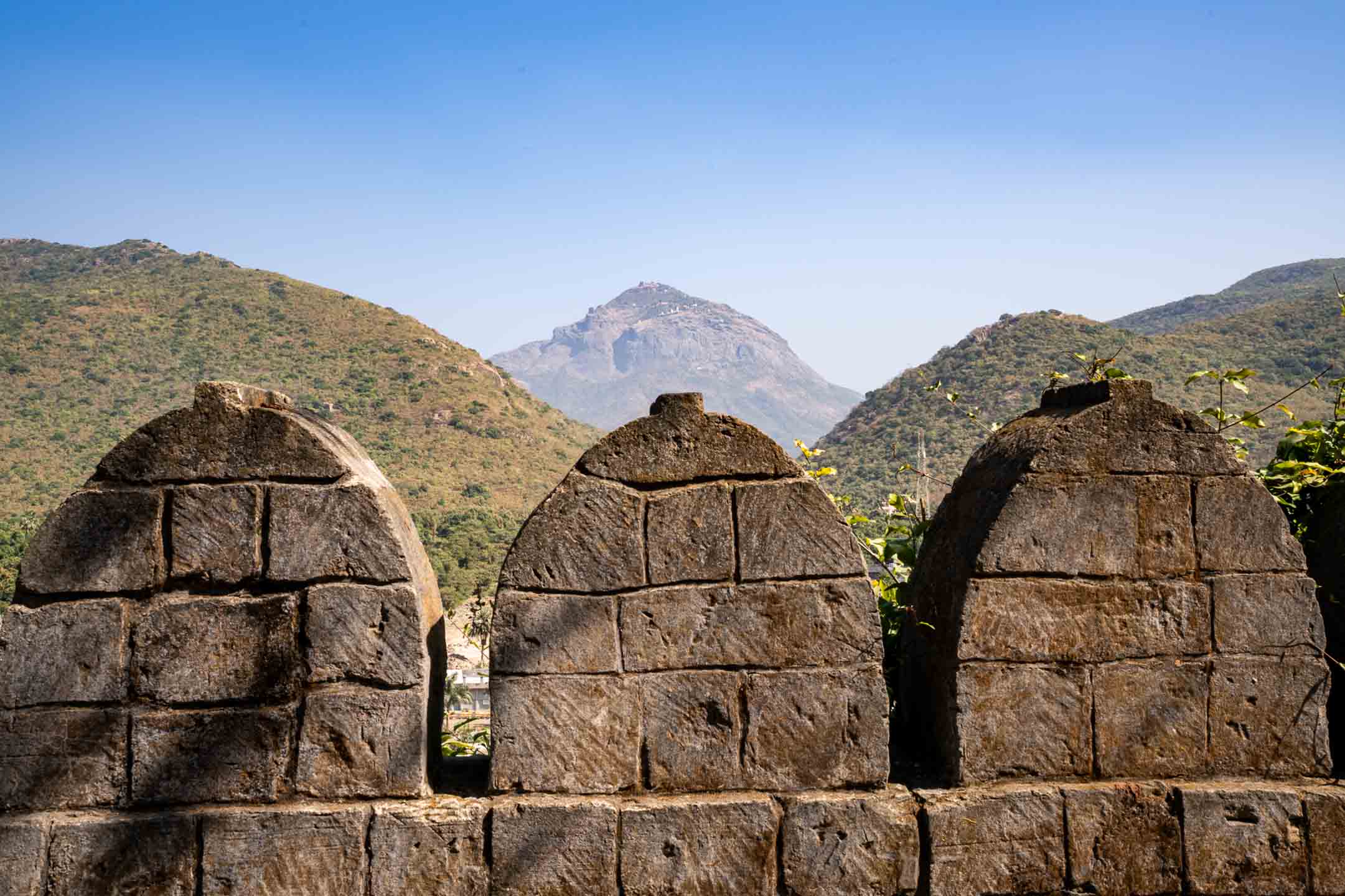
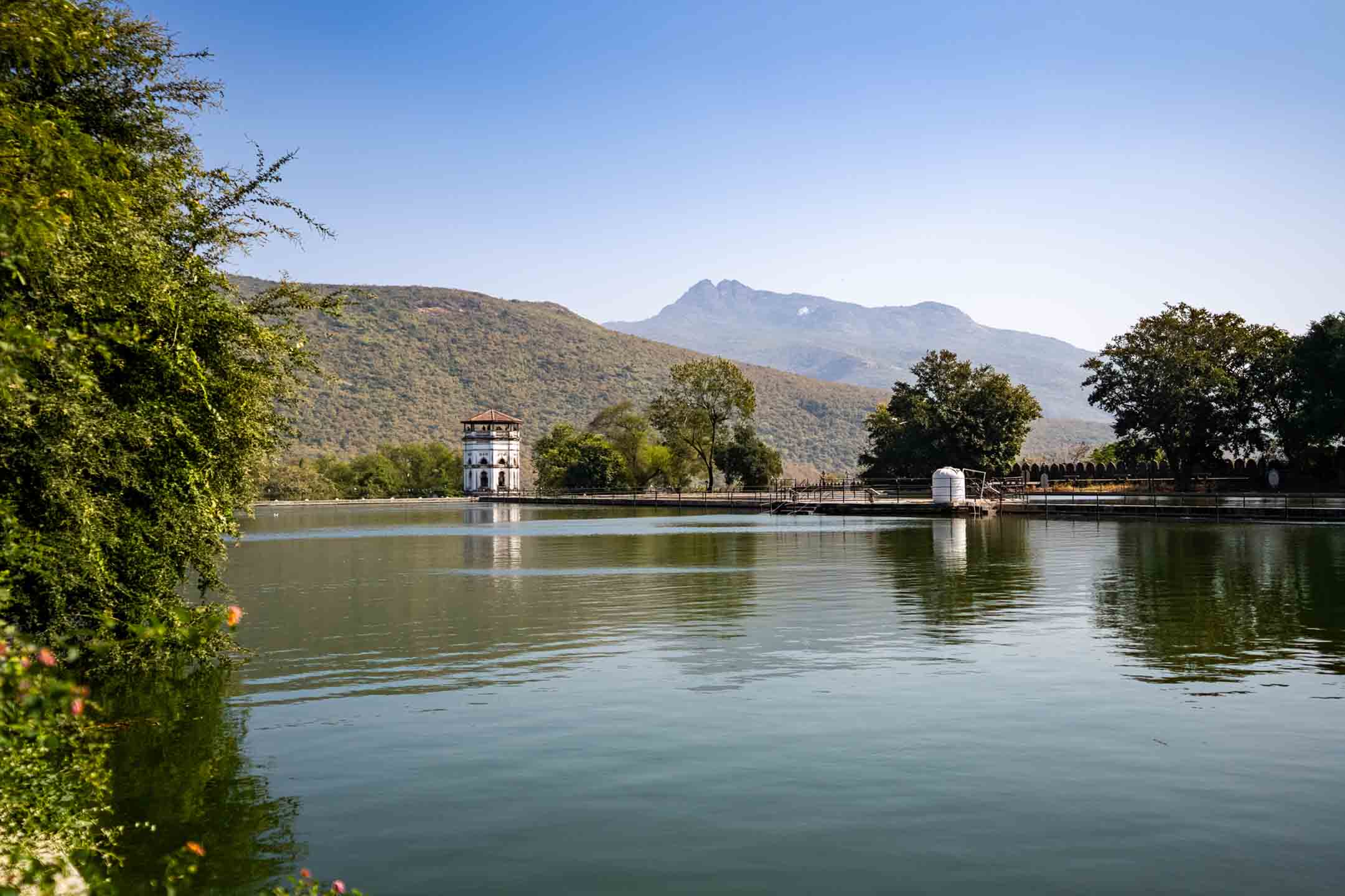
From the fort walls, wide views open across Junagadh while the Girnar Hills rise in the distance.
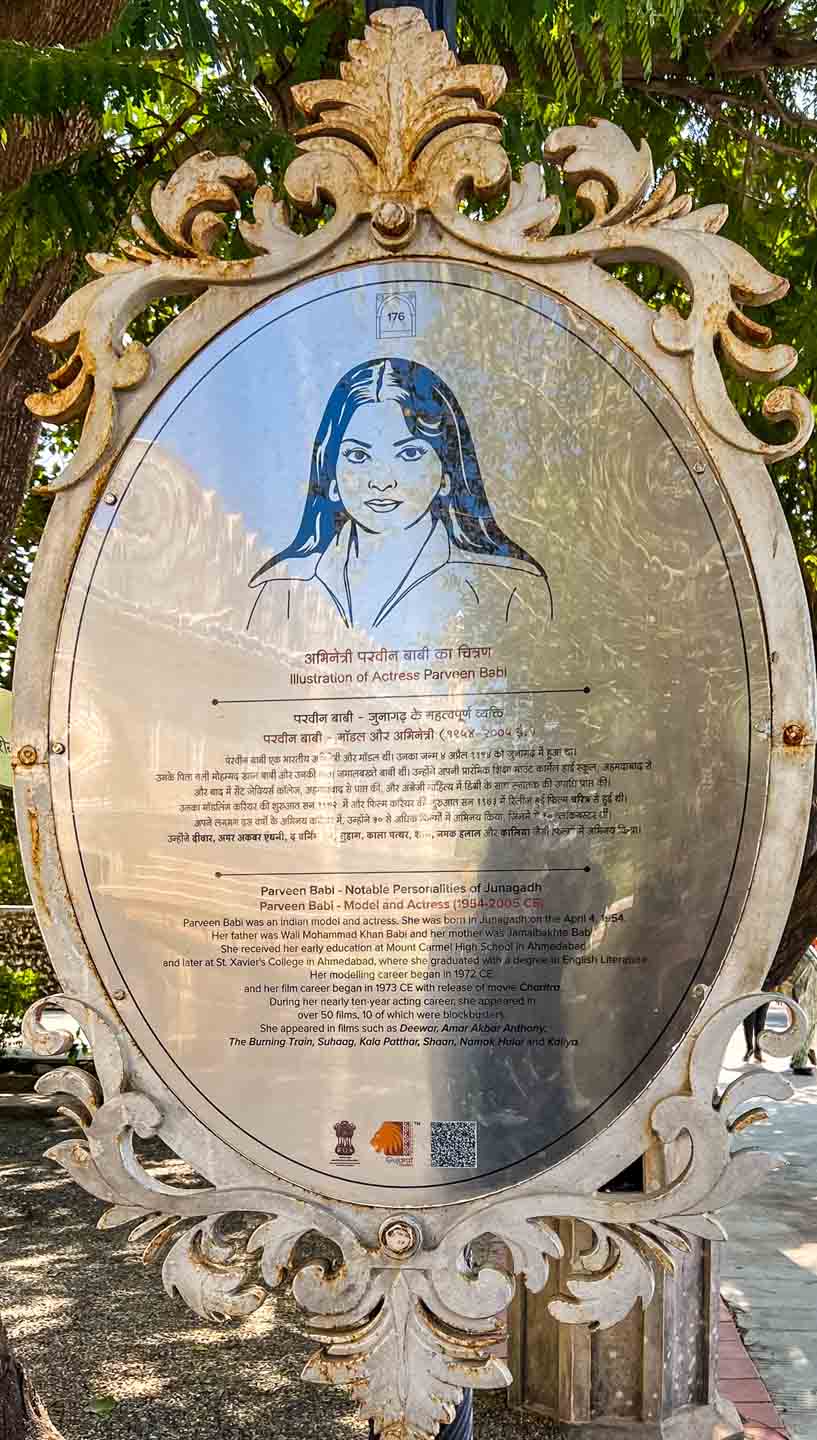
One interesting thing we notice here was a plaque commemorating Junagadh’s native Parveen Babi, a notable model and actress during the 70s and 80s.