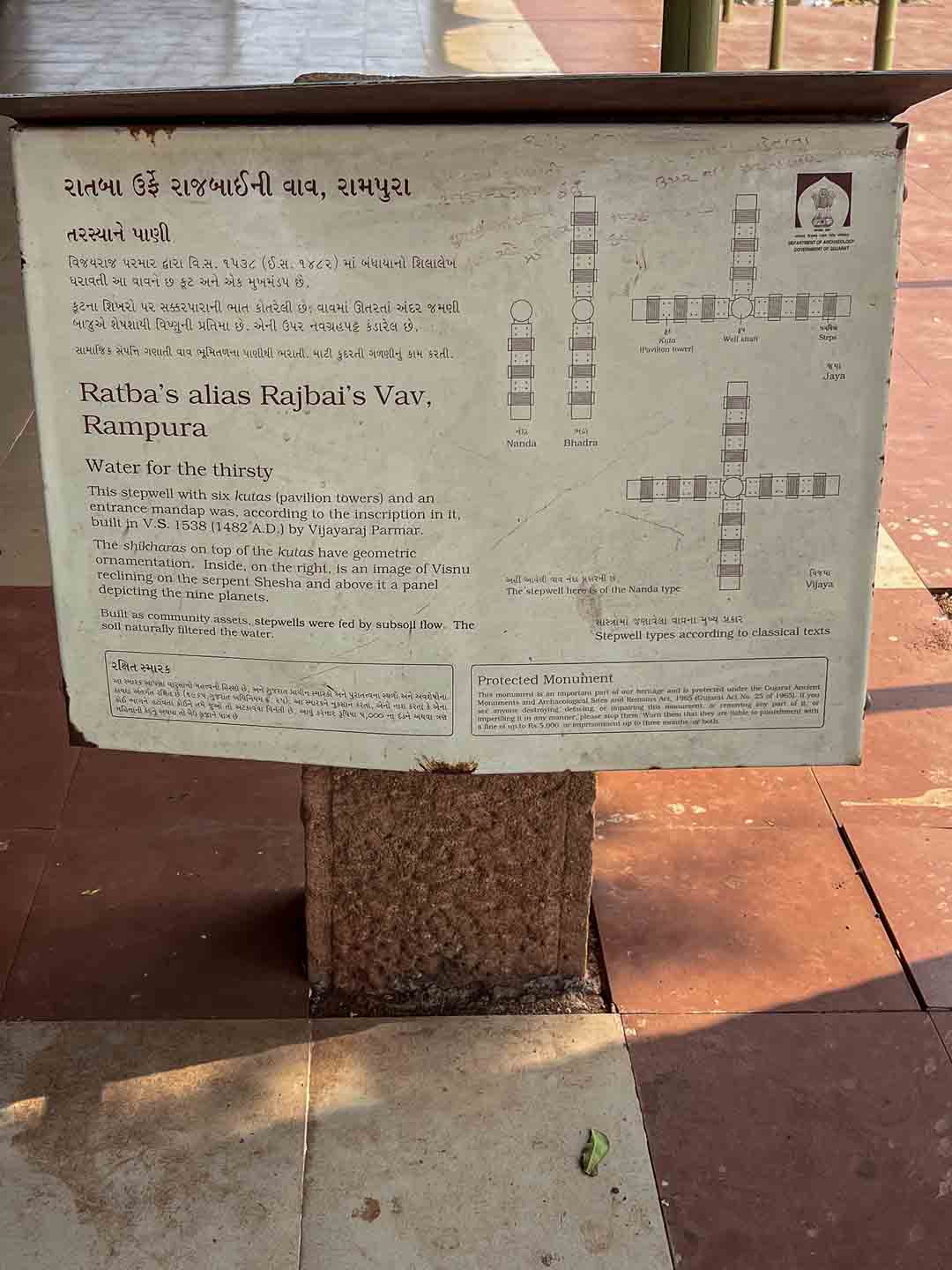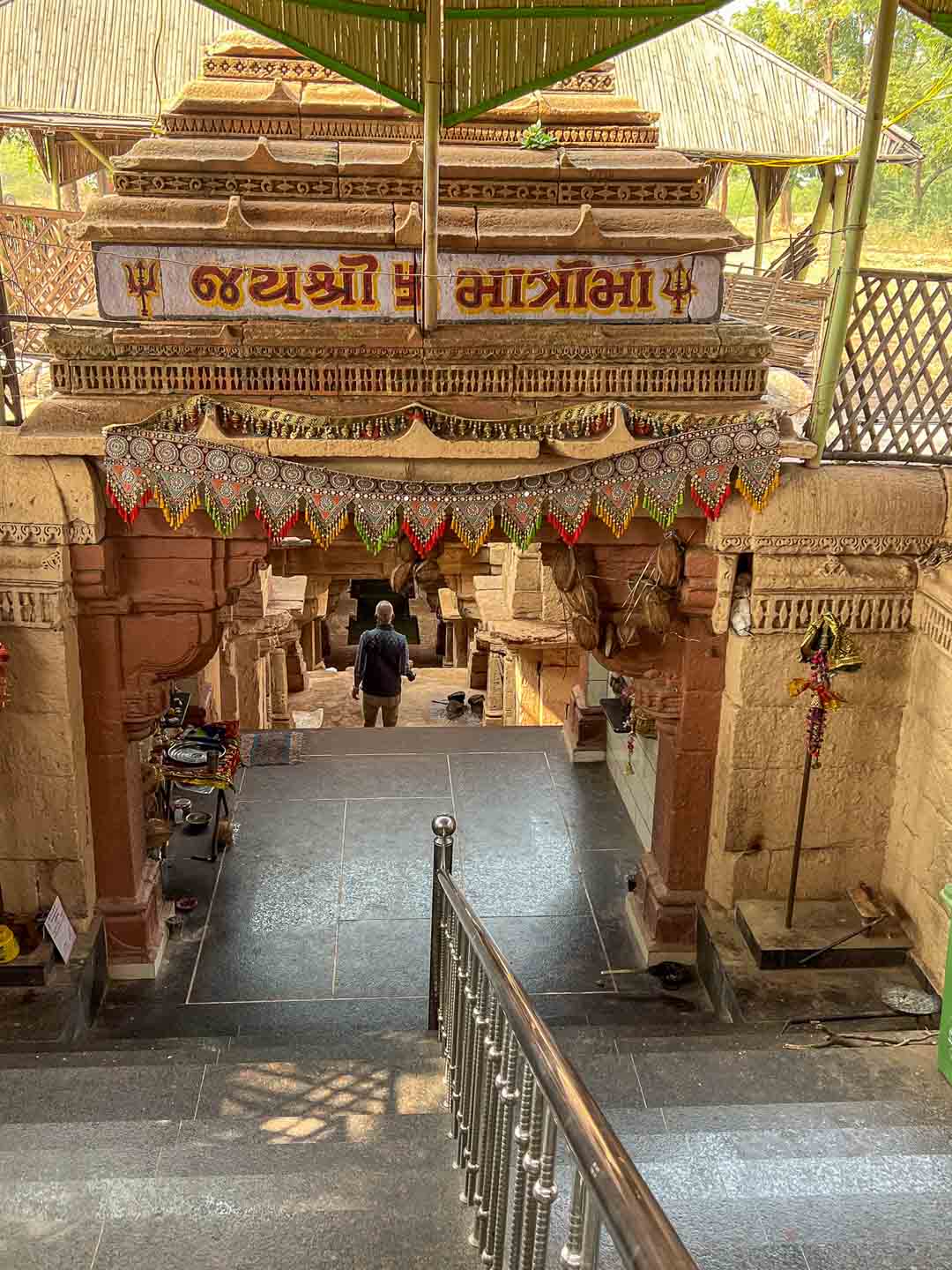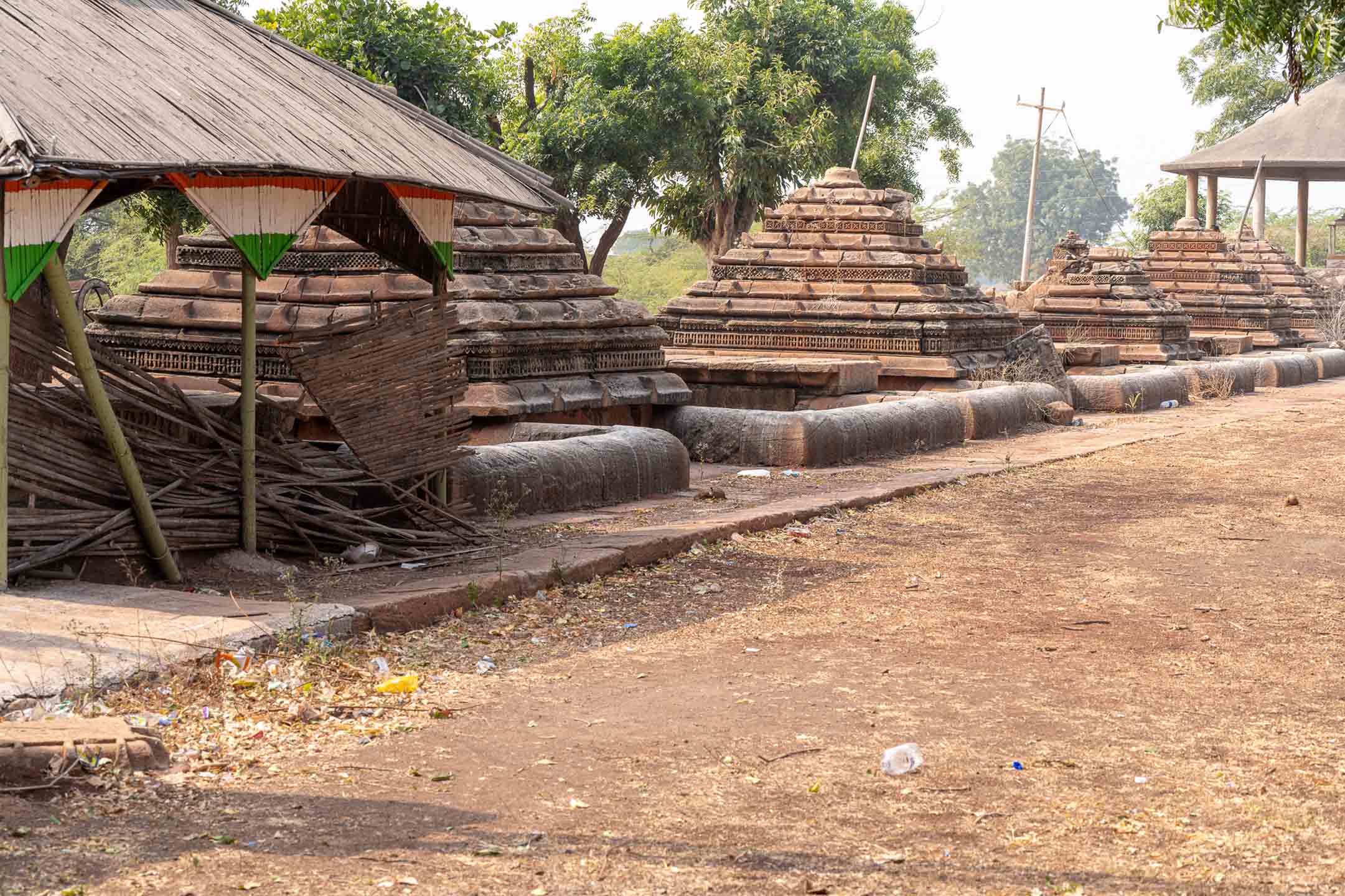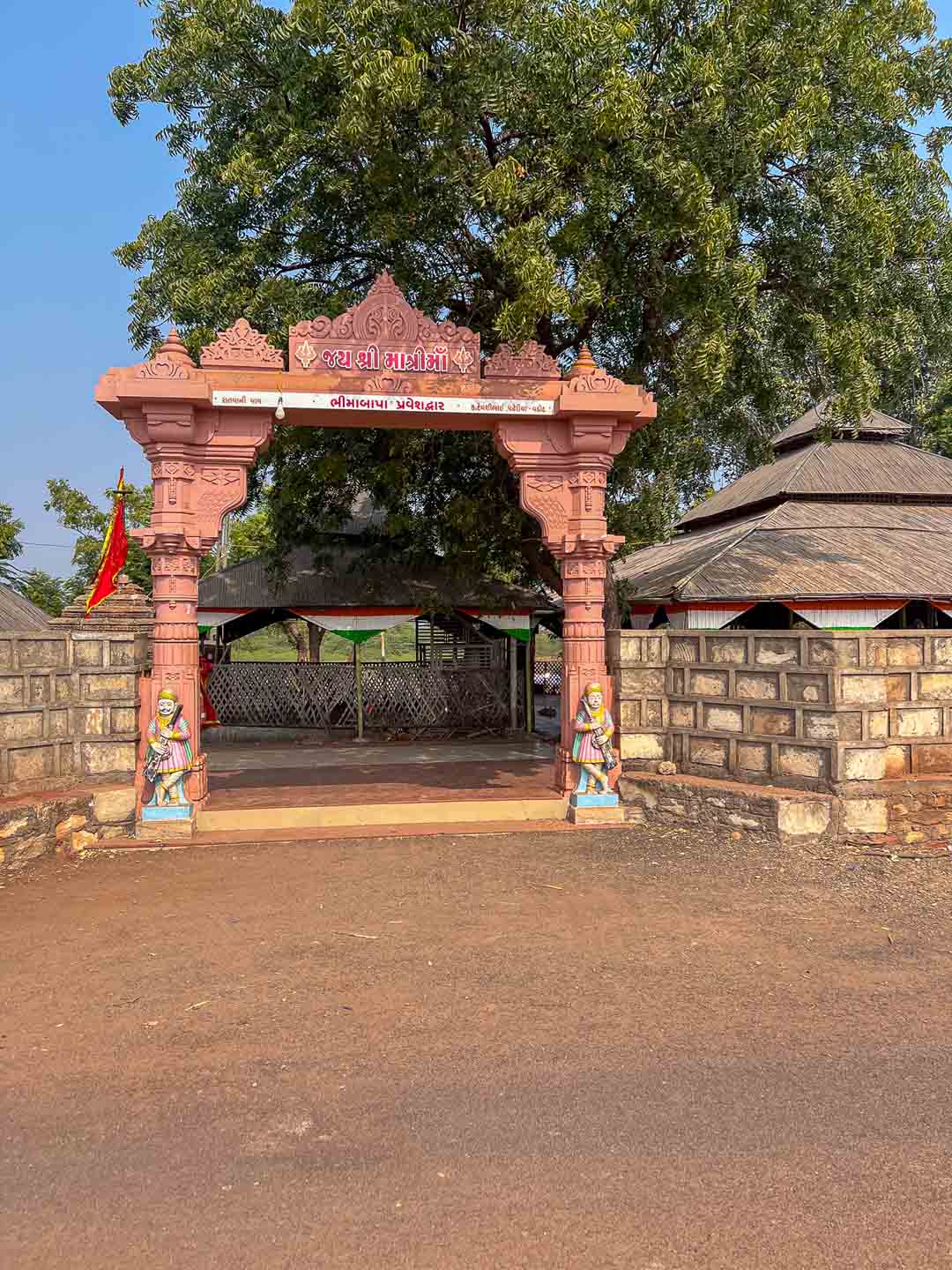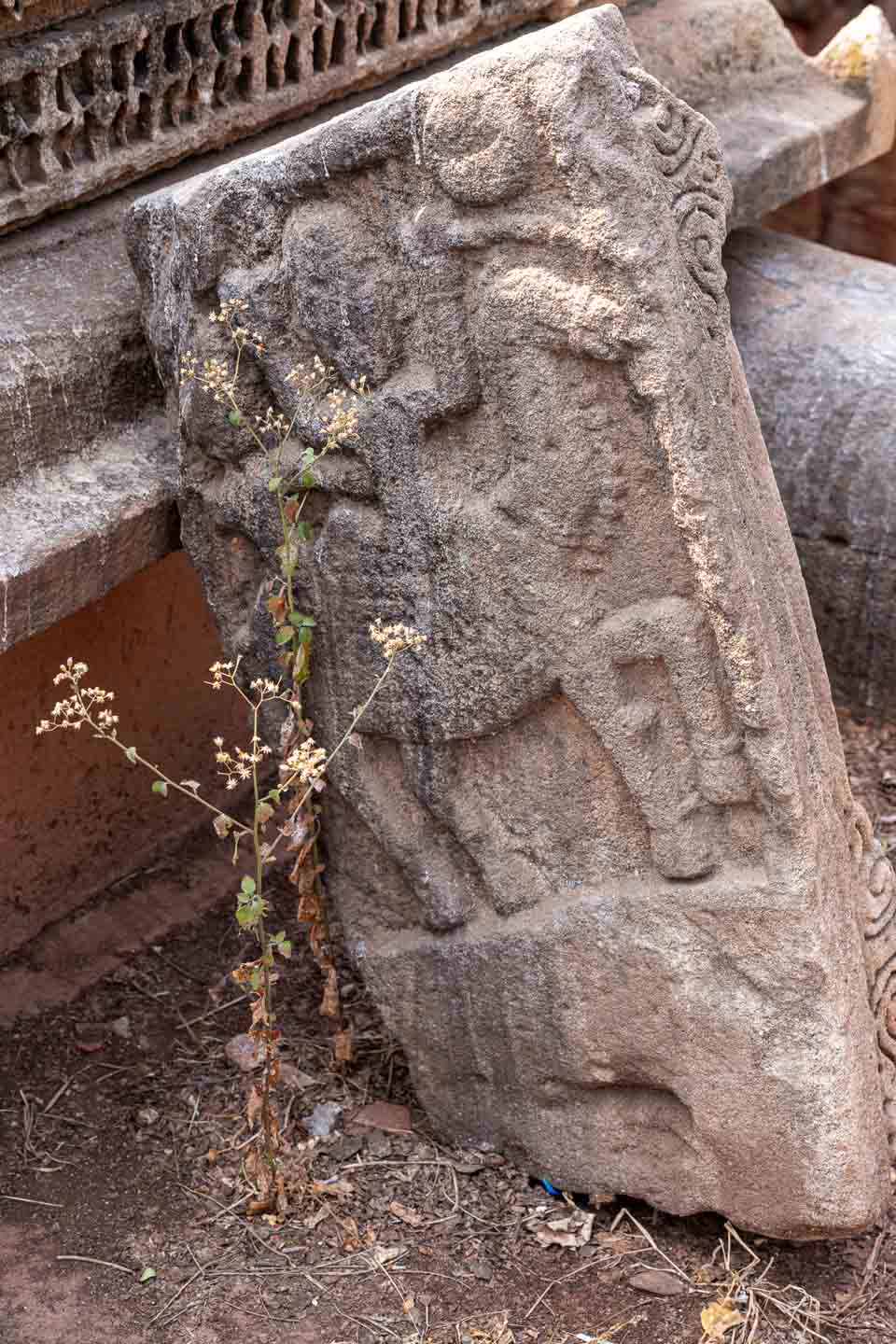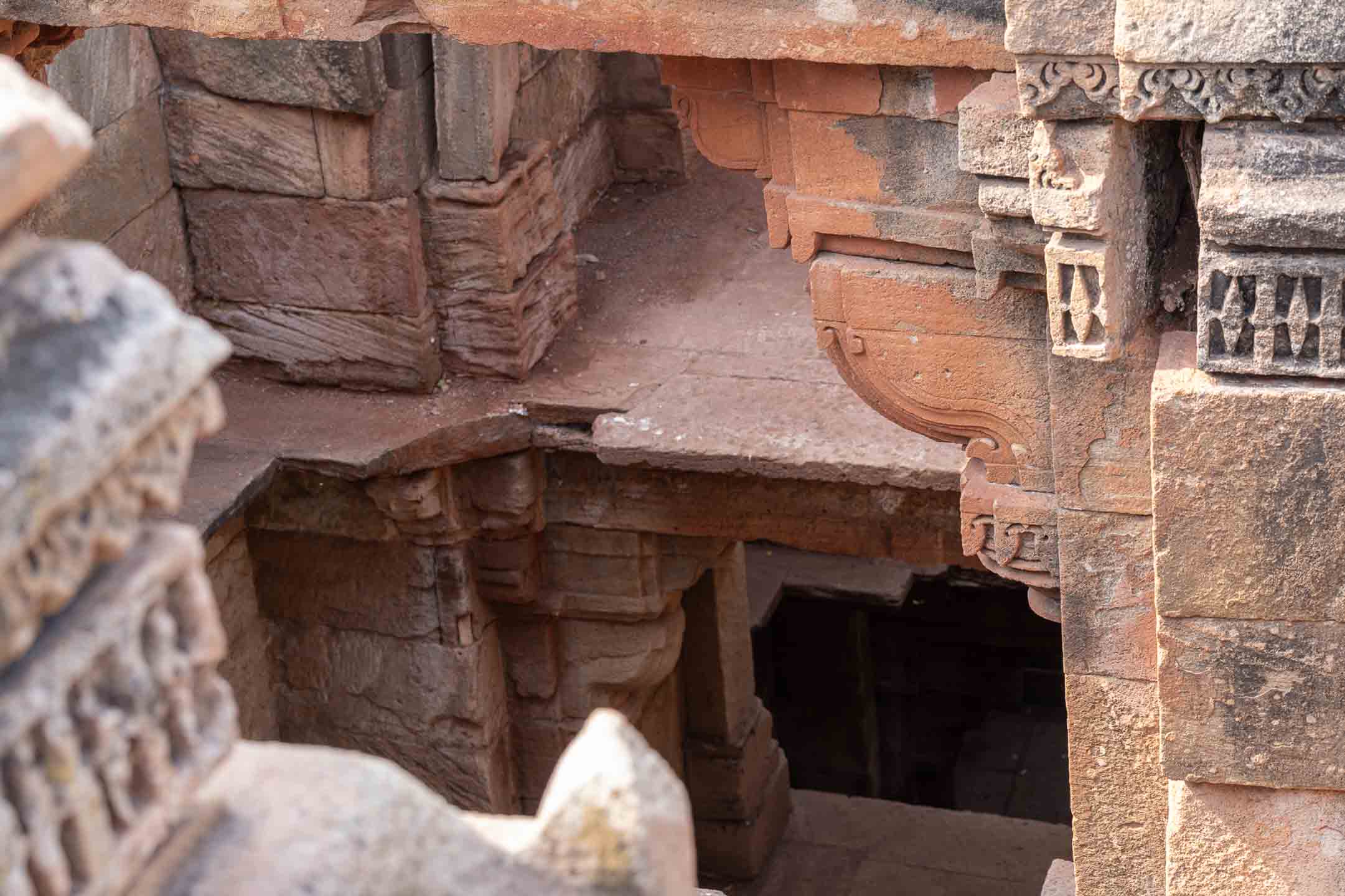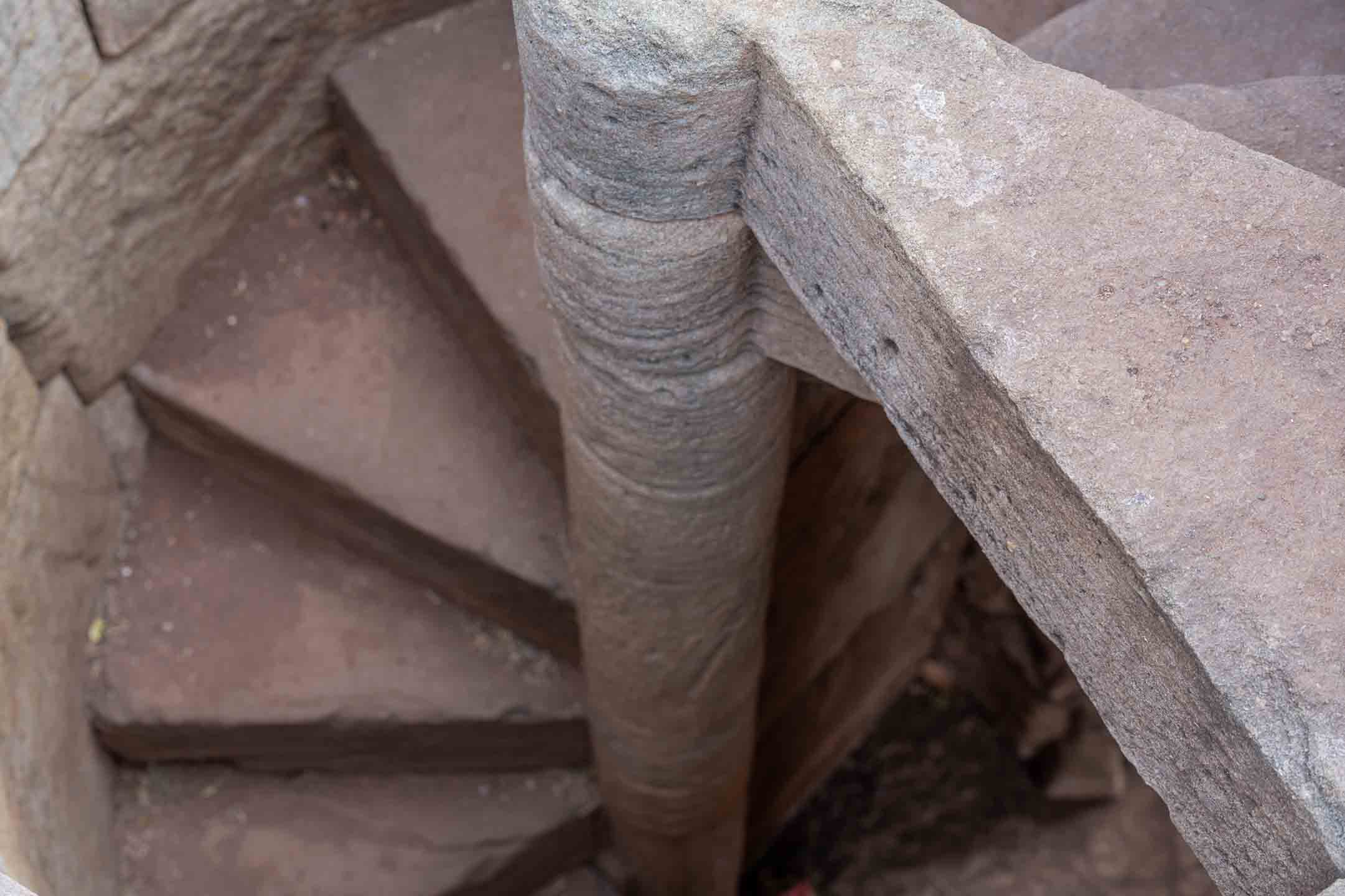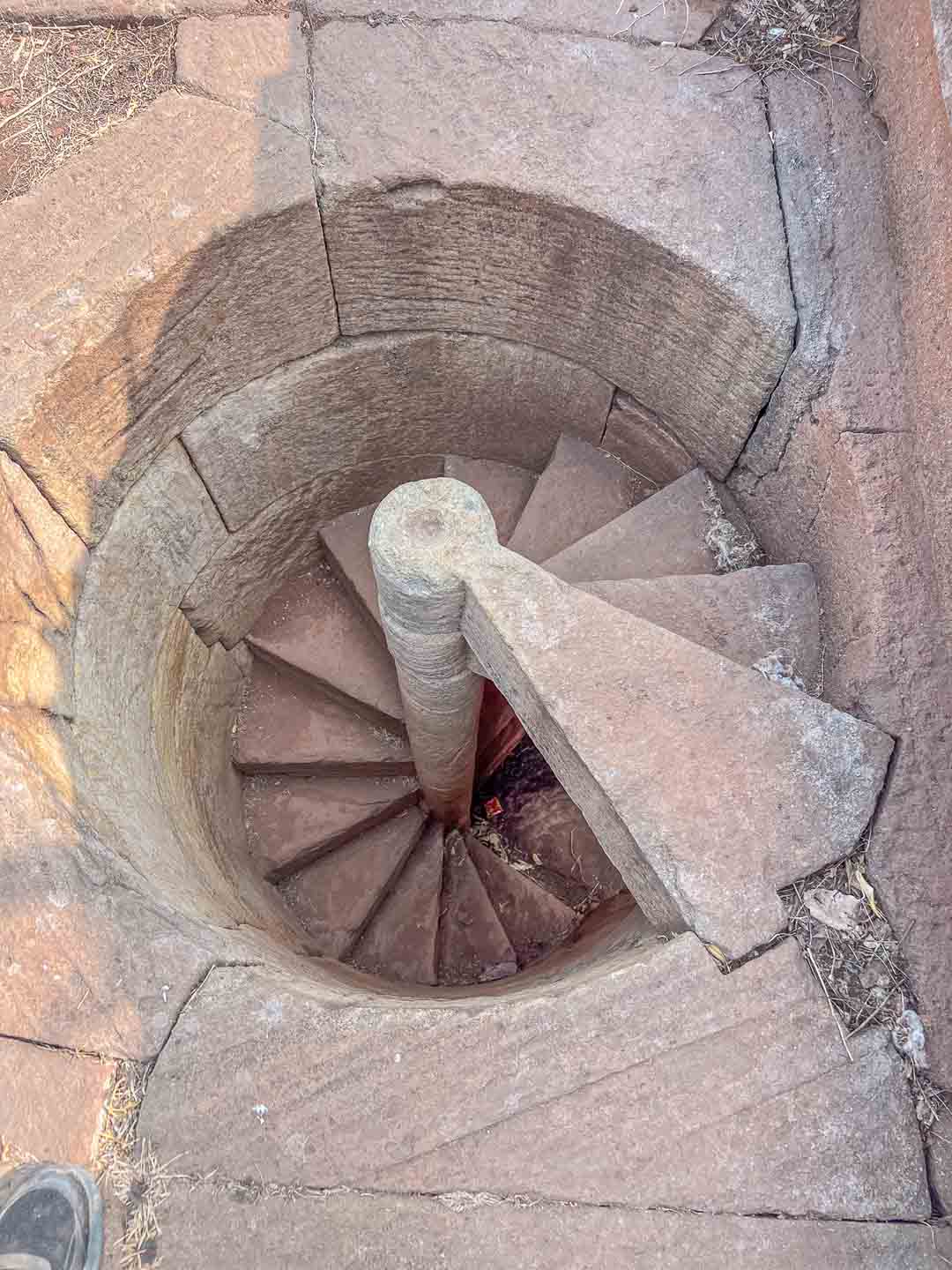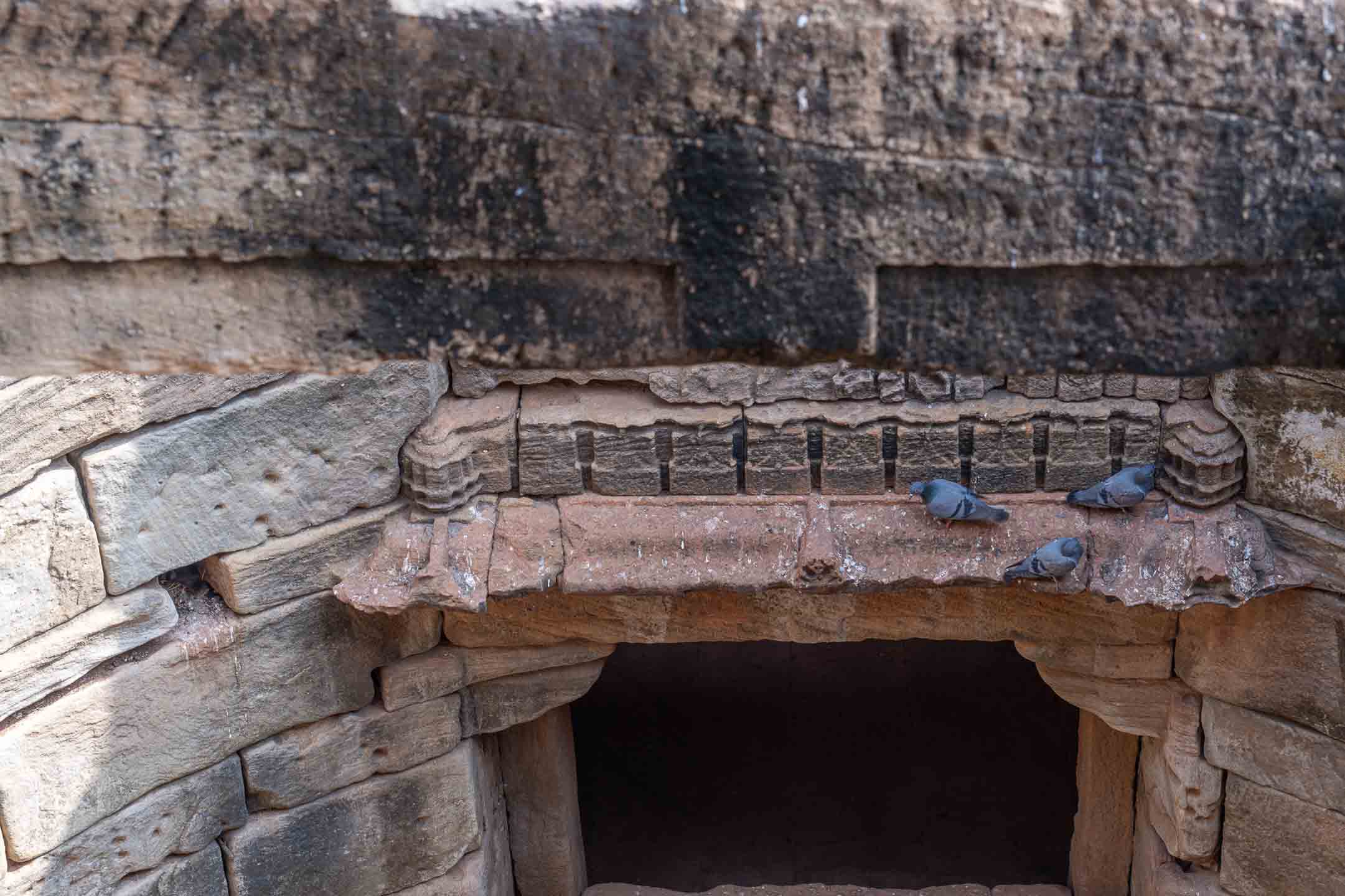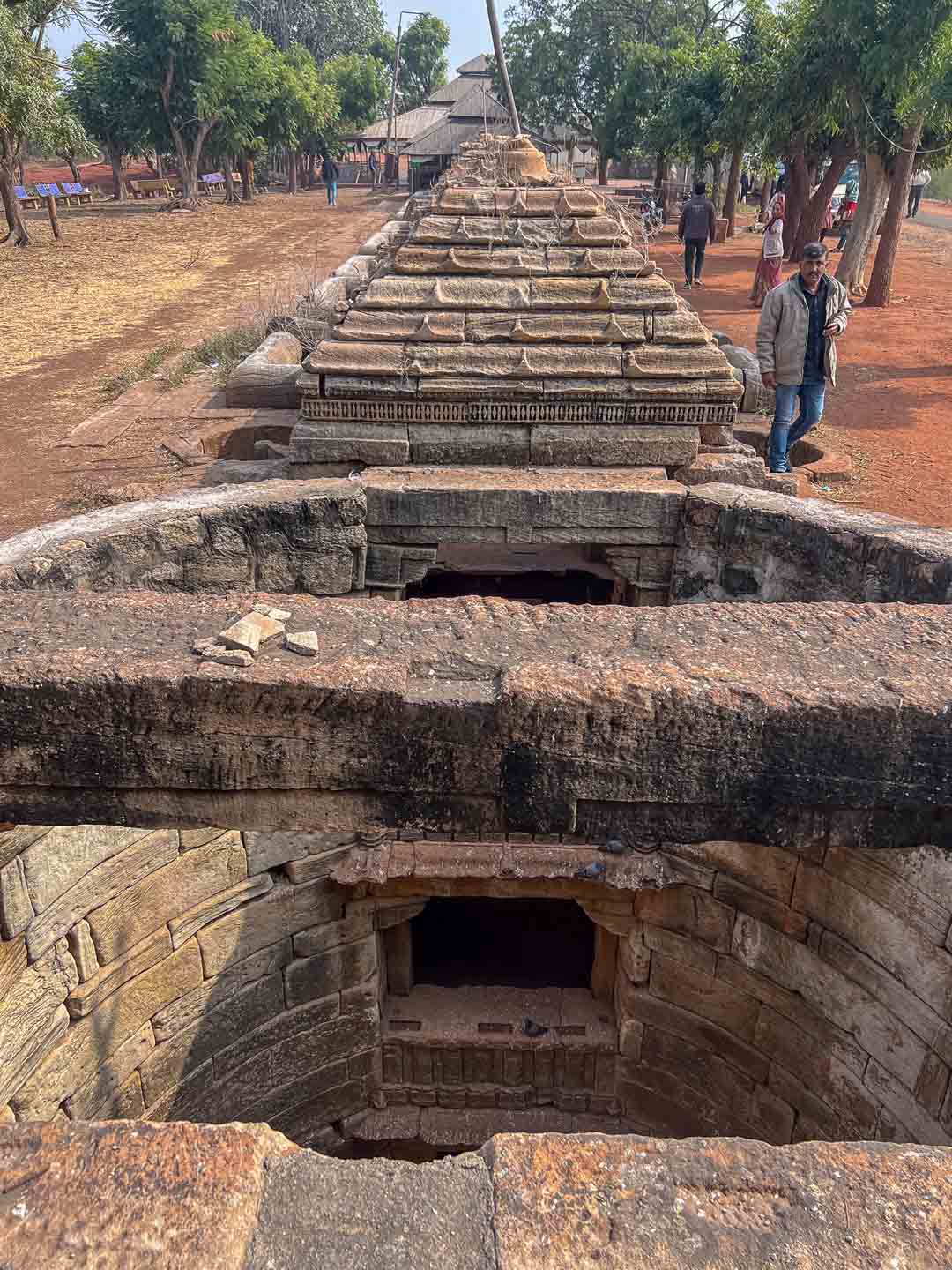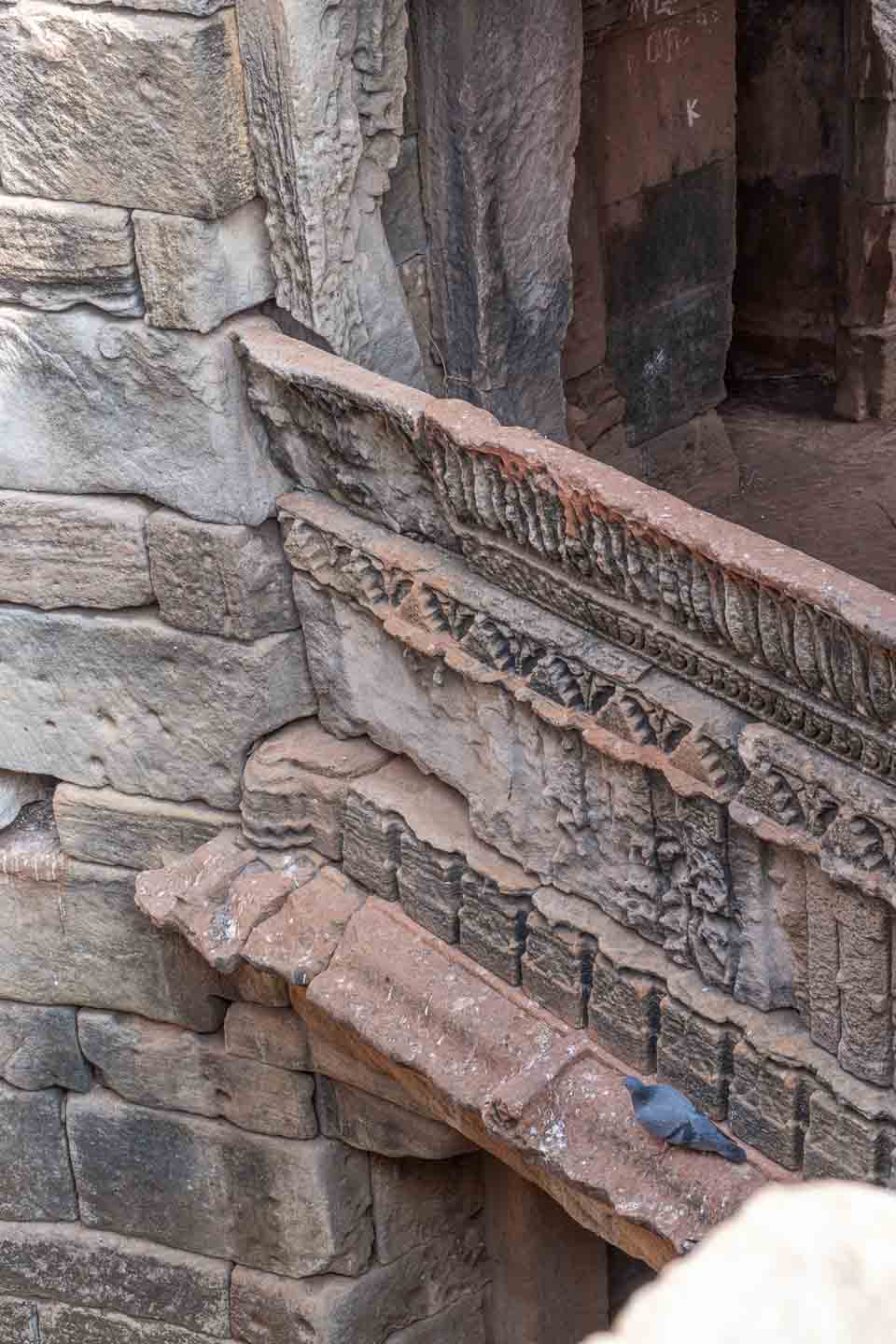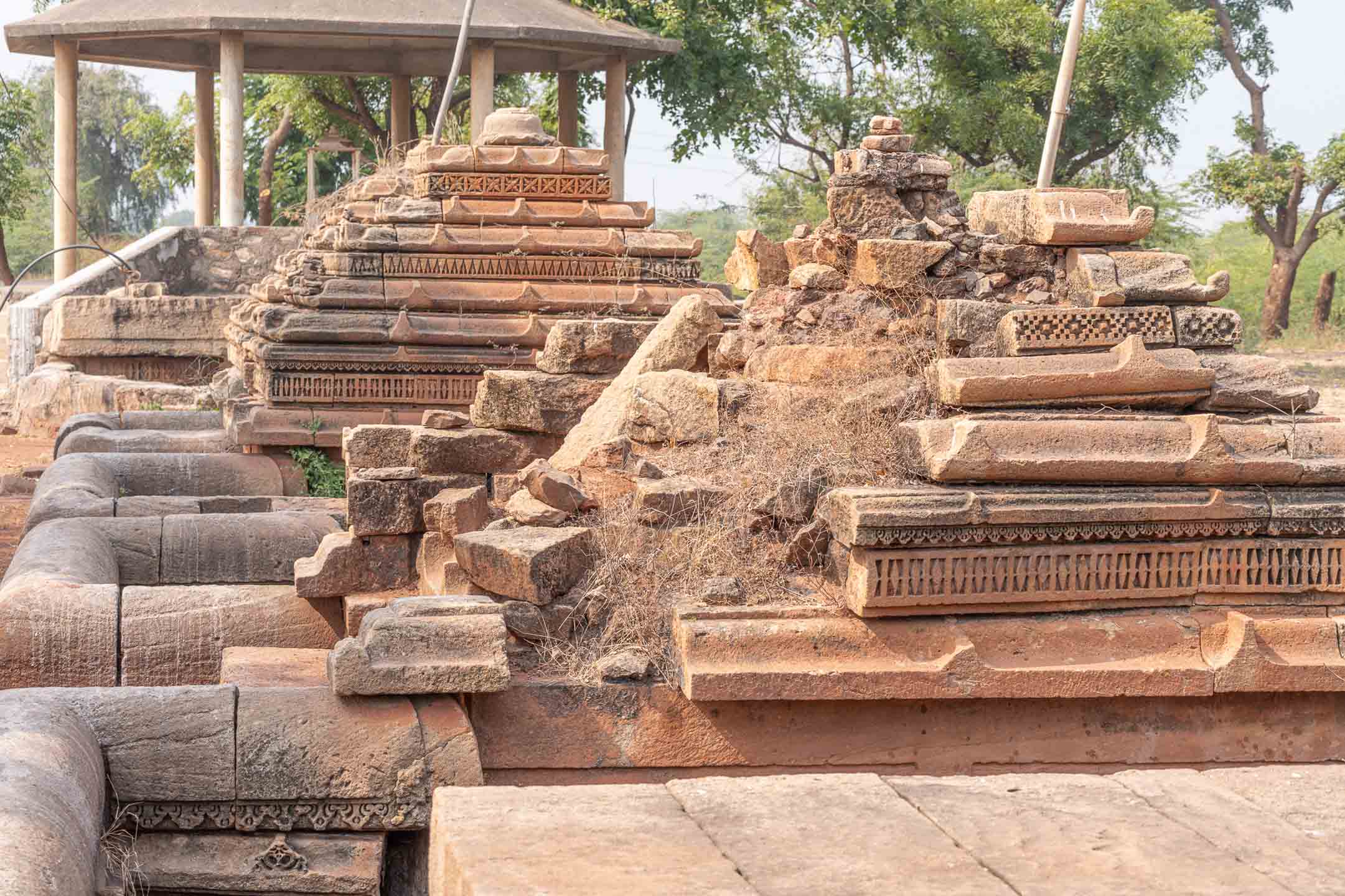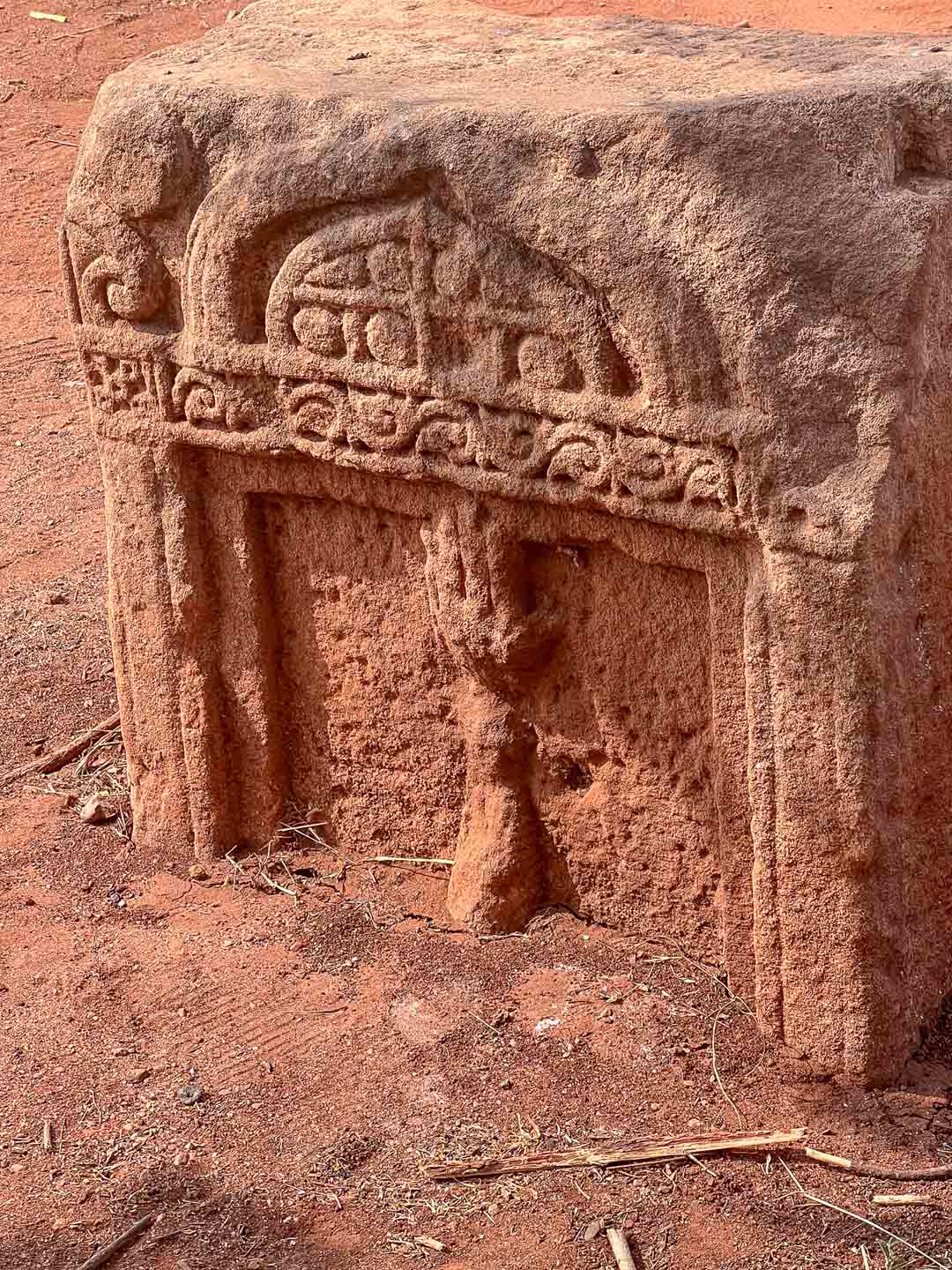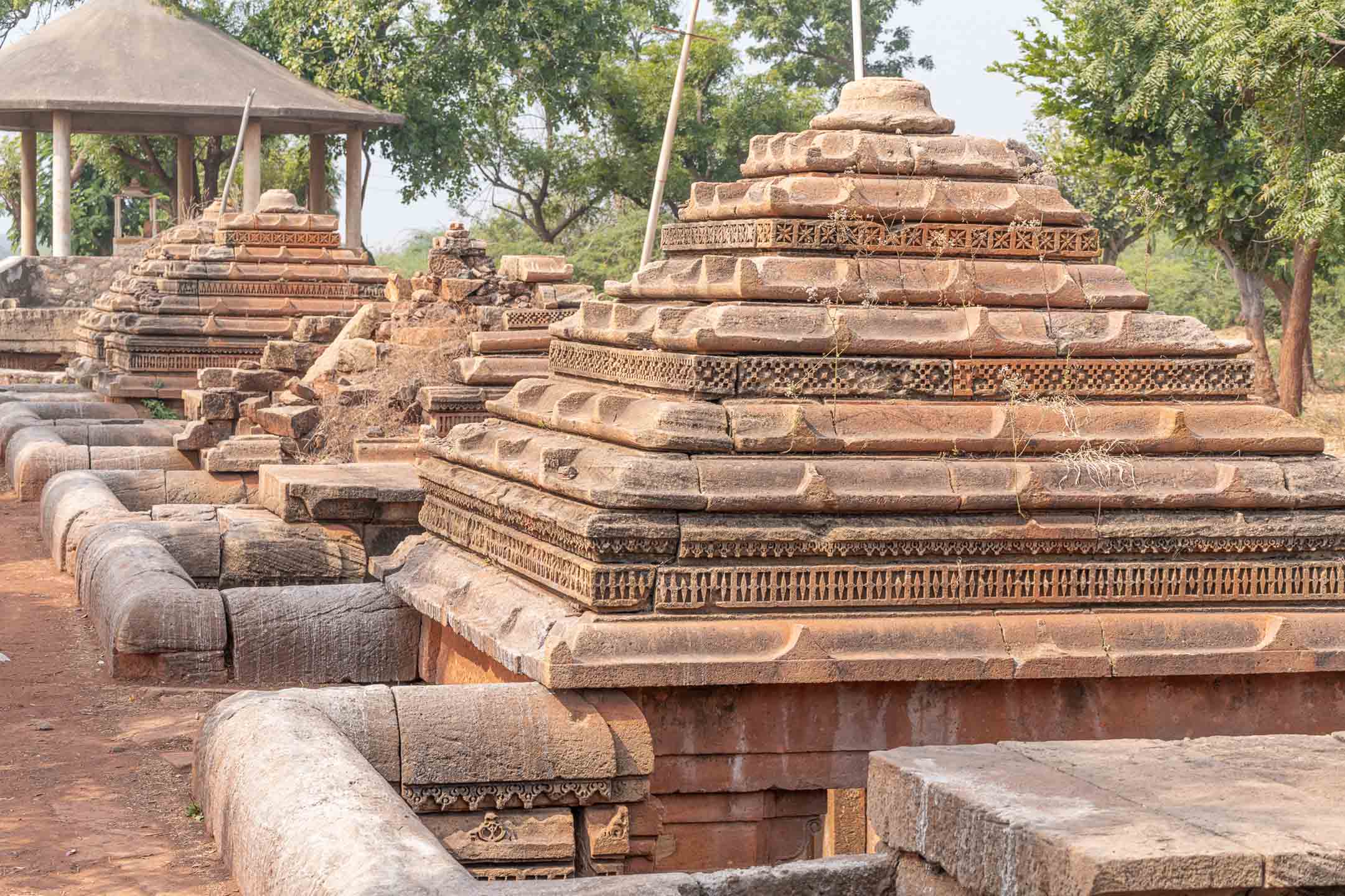
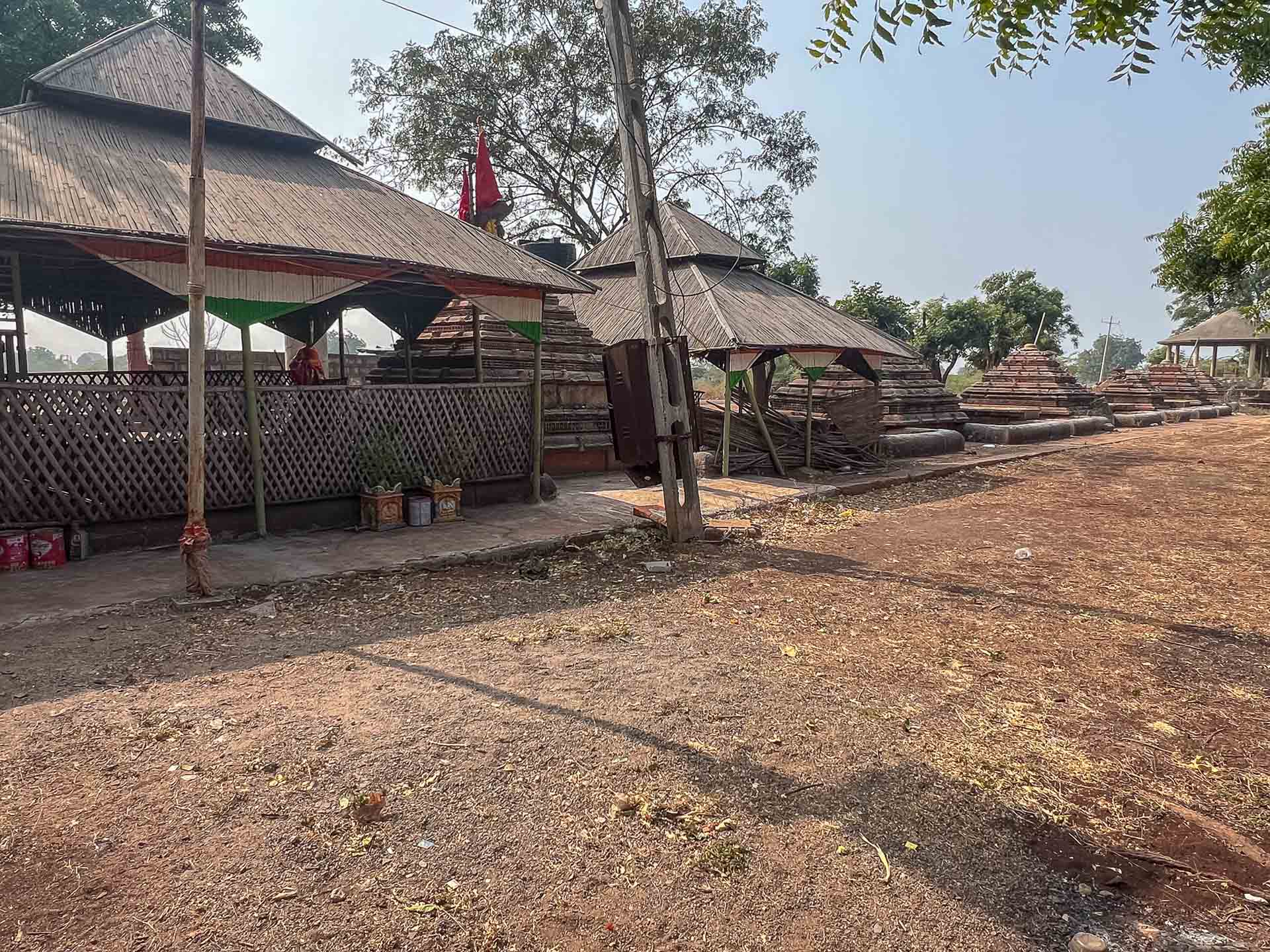
Rajba ni Vav, the historic stepwell of Muli, demonstrates the engineering and architectural skill of earlier centuries. The rulers built the stepwell both as a water source and as a public structure for community use.
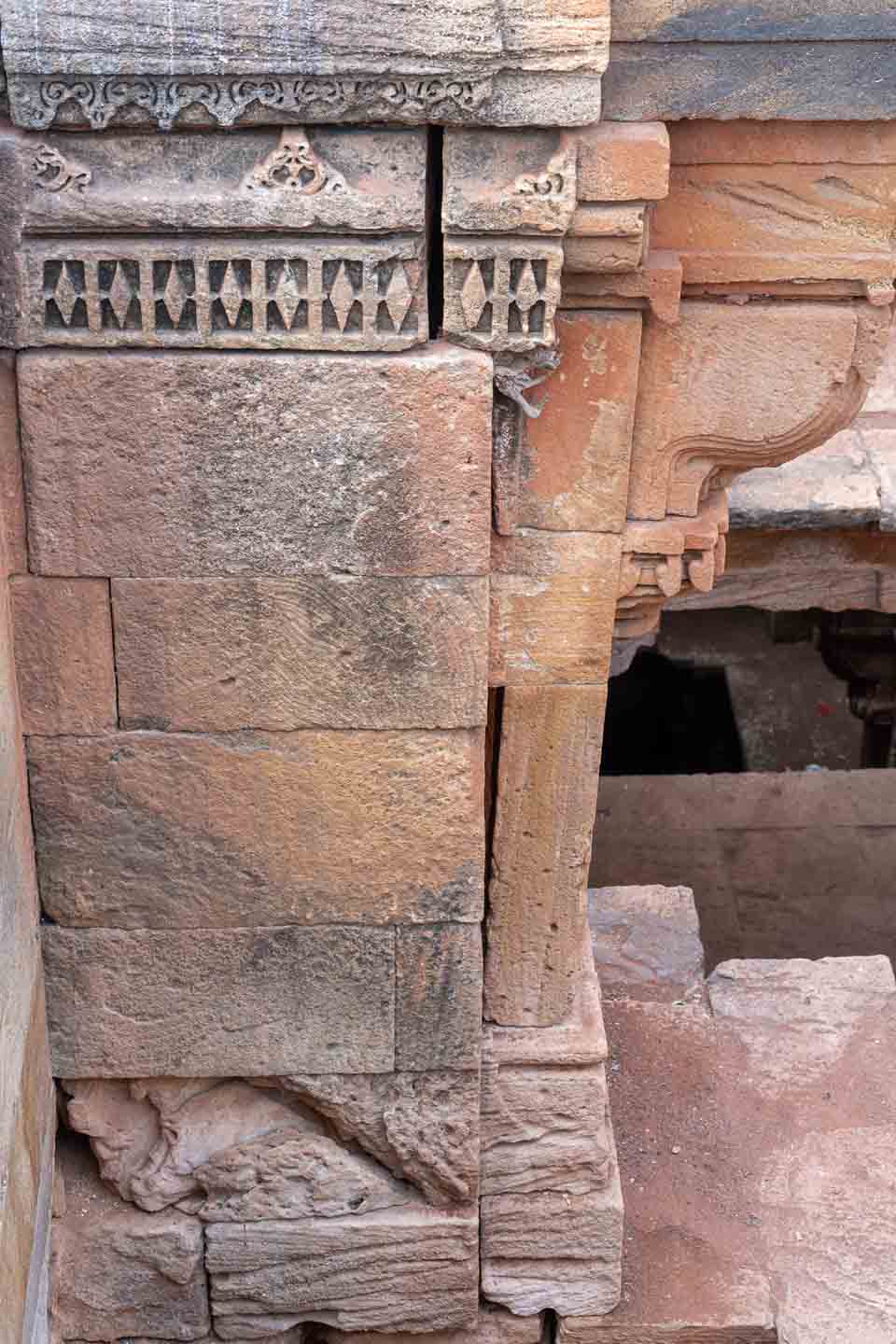
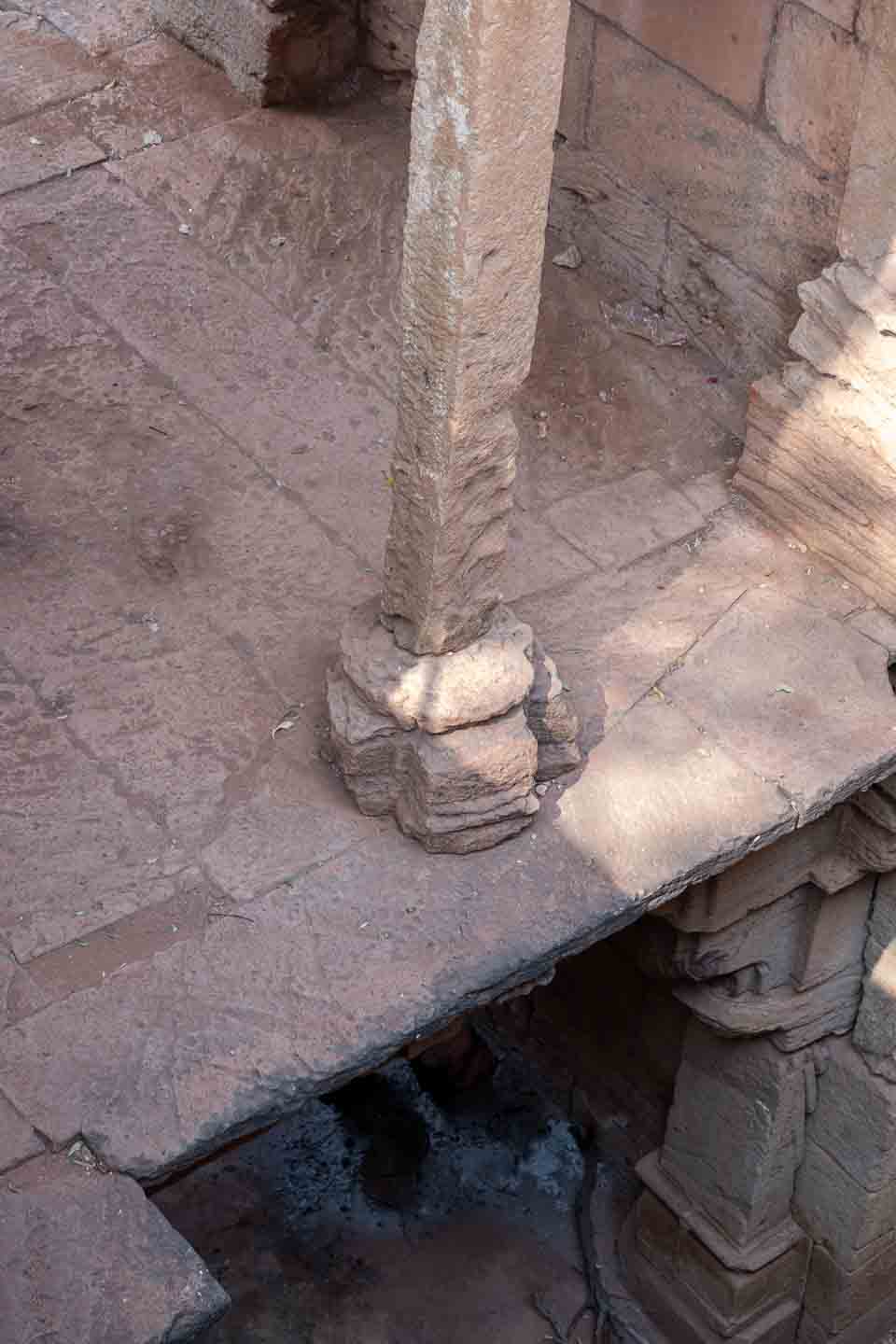
Stone staircases descend several levels underground in a symmetrical layout. Even after centuries, the structure still reflects careful planning and durable construction.
Stepwells played a major role in western India, especially in dry regions where water conservation was essential.
Rajba ni Vav represents this practical need while also expressing architectural ambition. The structure combines utility, aesthetics, and social importance in a single space.