Rann of Kutch — Salt, Sky, and Silence
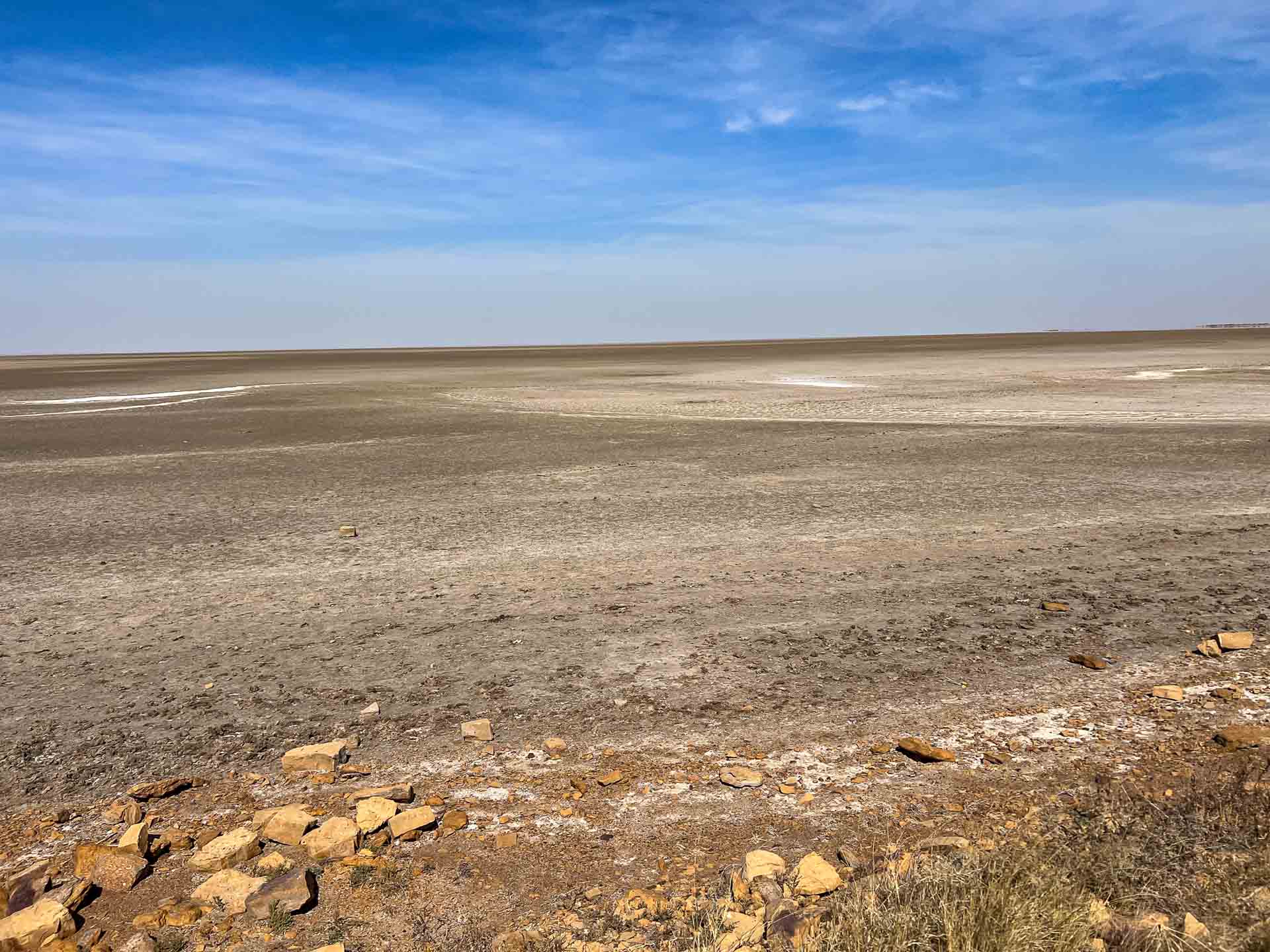
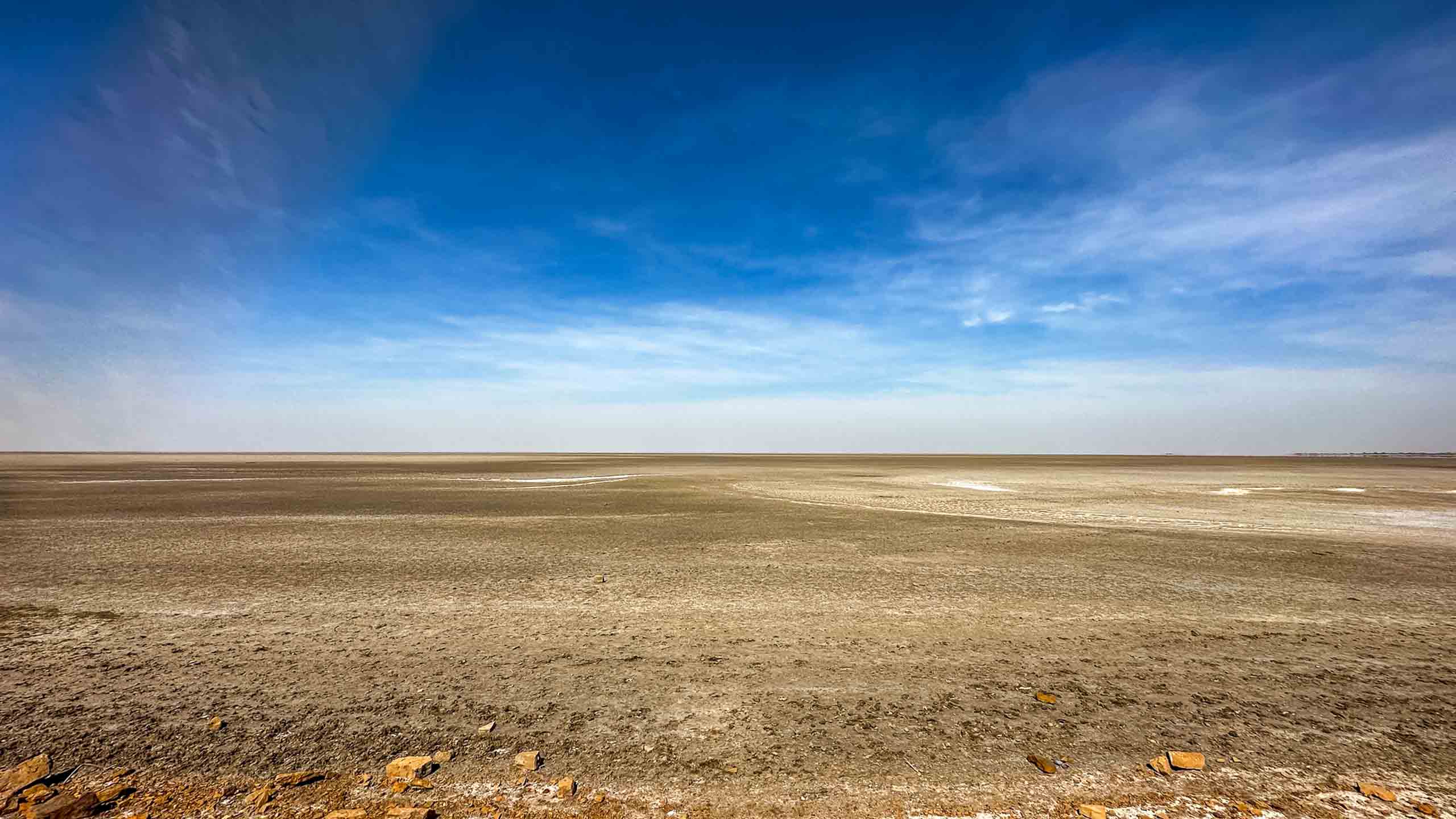
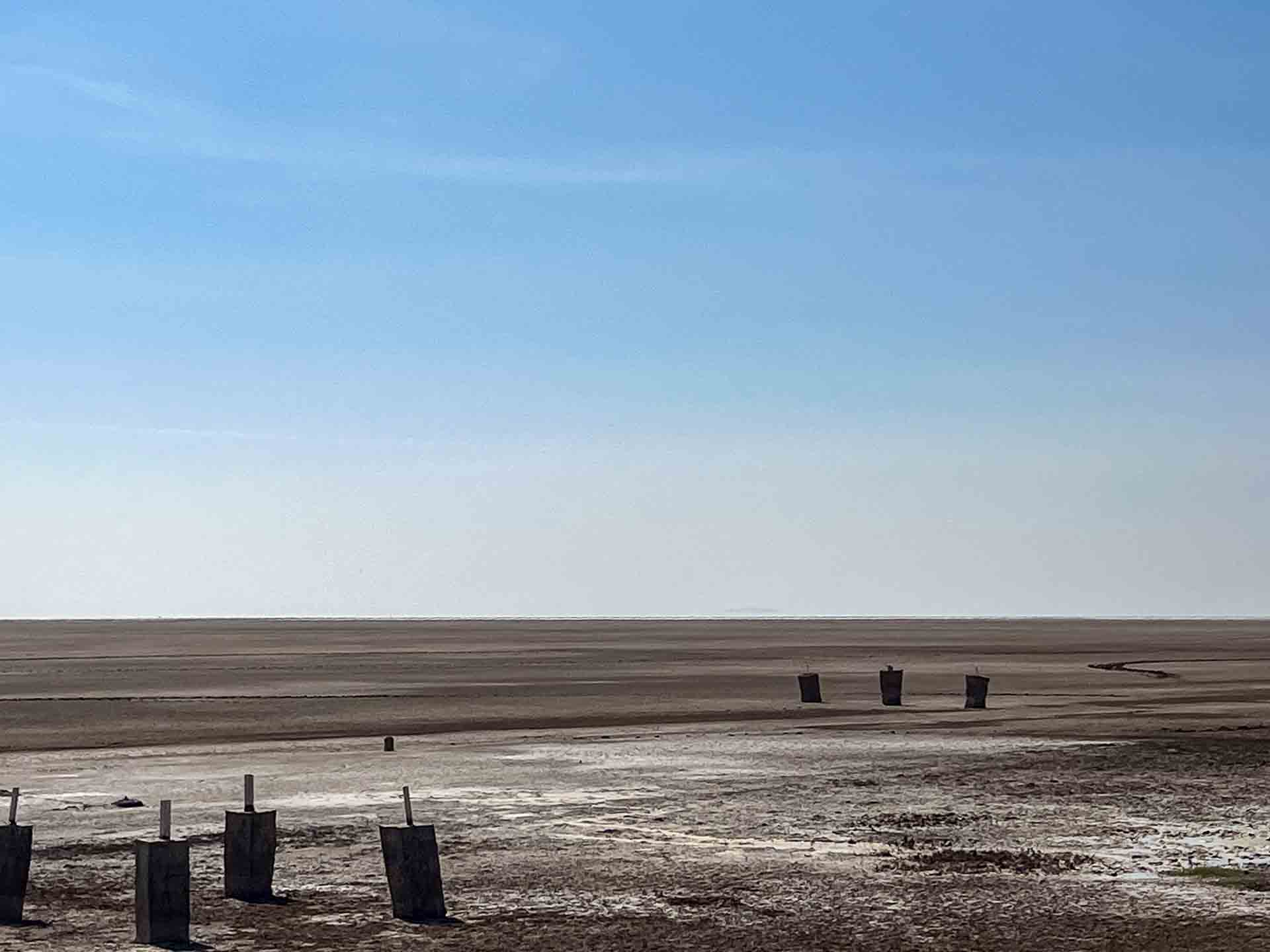
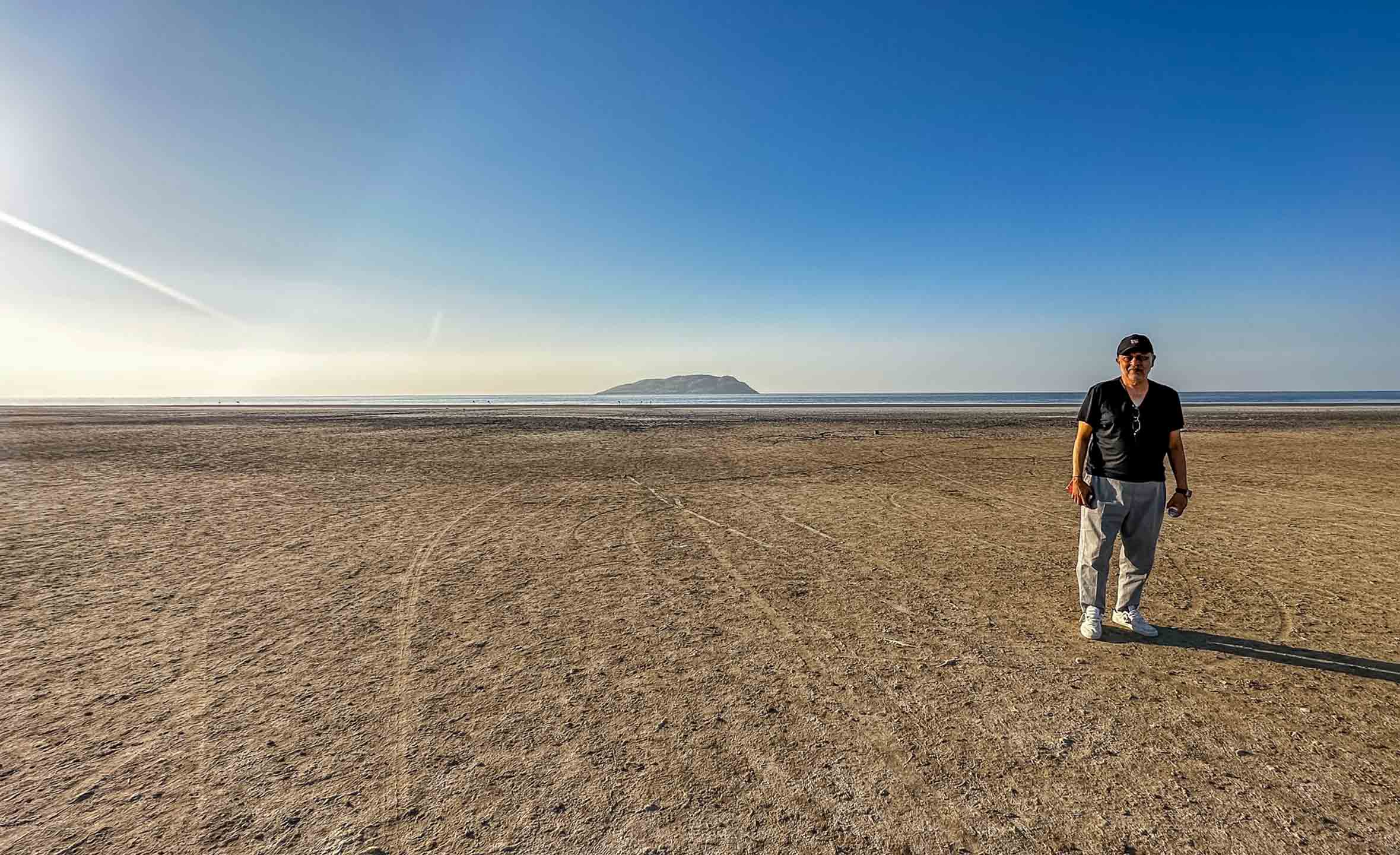
At the far western edge of India lies the extraordinary Rann of Kutch, a vast white desert where endless salt plains meet enormous blue skies. Unlike the sand deserts of Rajasthan, the Rann is a seasonal salt marsh that changes constantly with monsoon waters, evaporation, shifting light, and the changing sky. During some months, shallow water spreads across the landscape; during others, the retreating water leaves behind brilliant white salt flats that glow beneath the sun .
Yet the Rann is far more than a geographical wonder. It is a cultural landscape shaped by trade, migration, pastoral life, craft traditions, music, and survival in one of India’s harshest environments. The silence here feels immense, but never empty.
The Historical Landscape of Kutch
For centuries, Kutch stood between Gujarat, Sindh, Rajasthan, and the Arabian Sea, making it both isolated and deeply connected to ancient trade routes. Merchant ships once linked the region with Arabia, Persia, East Africa, and western India, carrying textiles, salt, spices, grains, and handicrafts across the Indian Ocean world.
The region was ruled for centuries by the Jadeja Rajputs, who built forts, palaces, courts, and settlements across Kutch. Towns such as Bhuj became important cultural and political centers. Over time, influences from Sindh, Central Asia, Persia, and western India blended into a distinct Kutchi identity shaped by the desert itself.
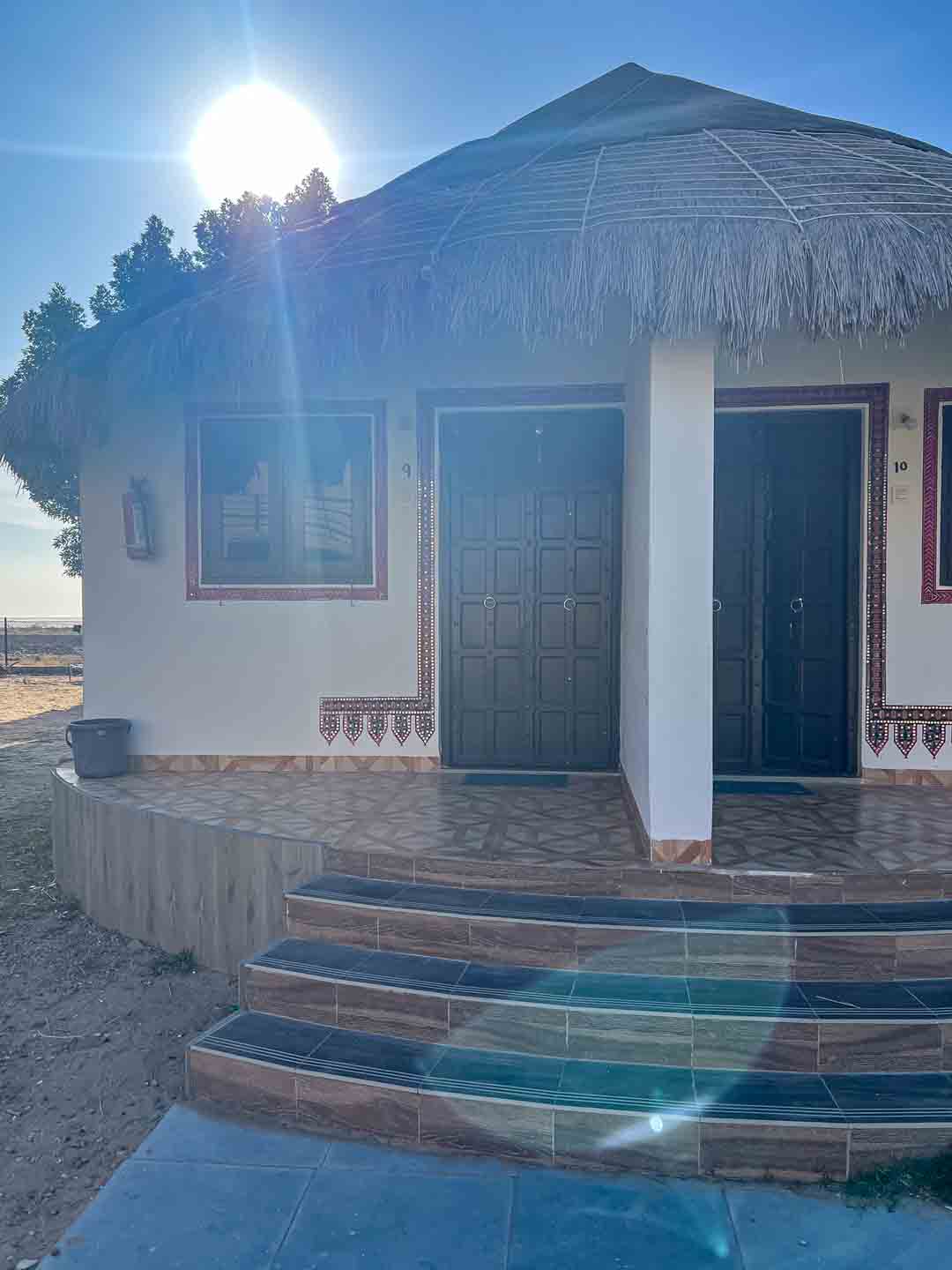
Even today, villages across Kutch preserve this connection to the land through mud houses decorated with mirror work, traditional embroidery, pastoral lifestyles, and craft traditions passed down over generations.
Geography of the White Desert
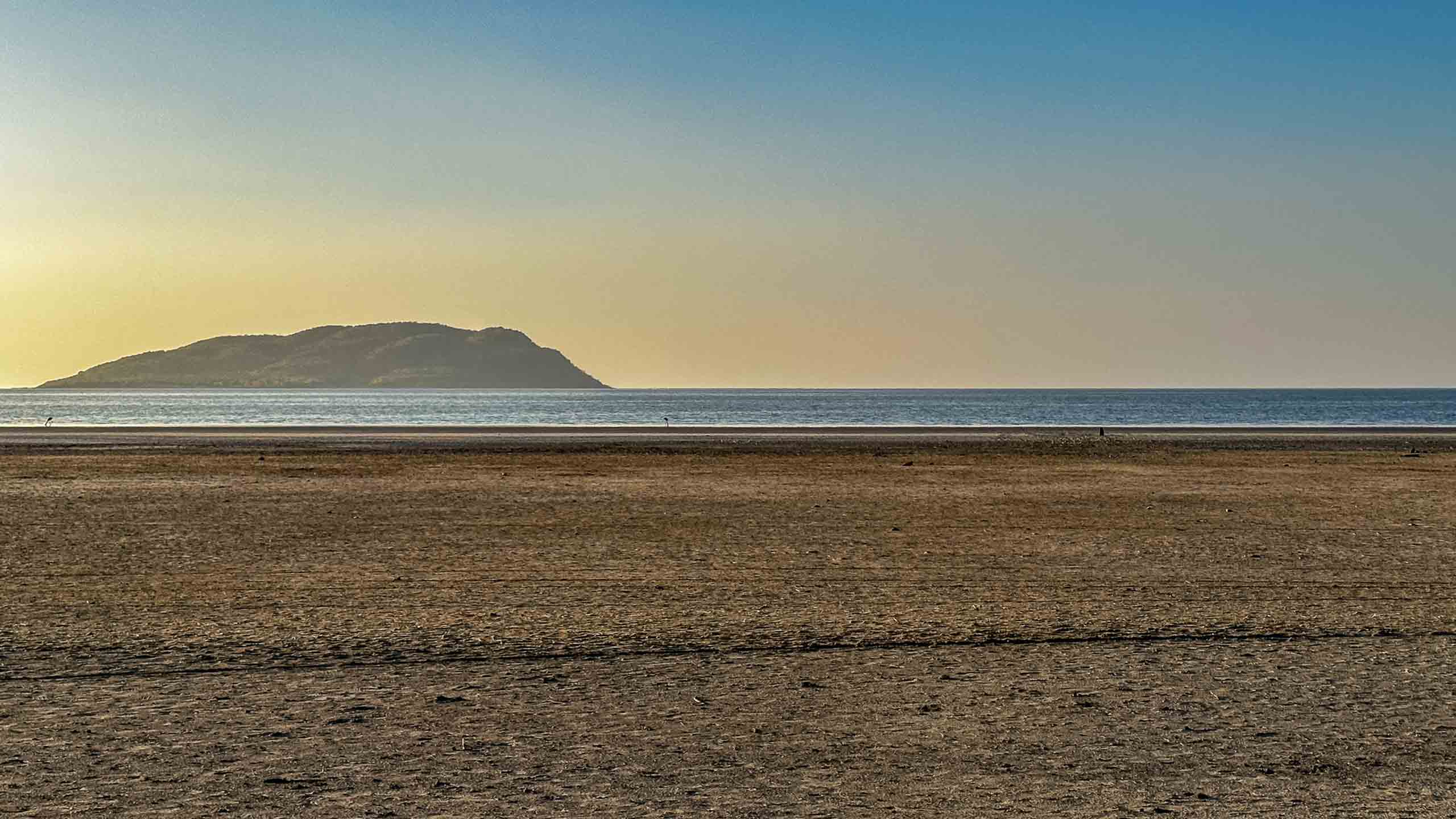
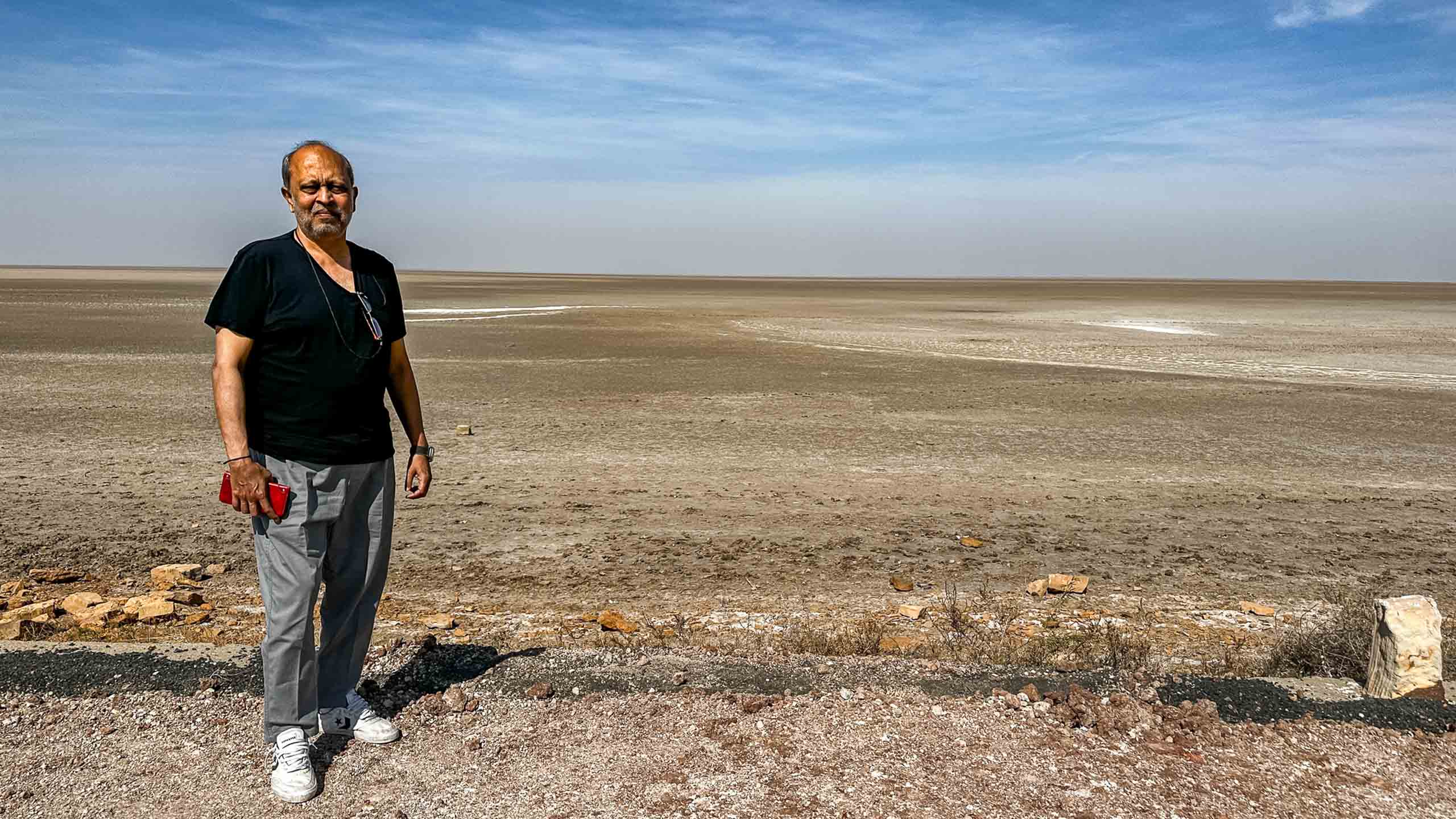
The Rann of Kutch is one of the world’s largest salt deserts and among India’s most unusual ecosystems. During the monsoon, rainwater and seawater flood large sections of the marsh. As temperatures rise and the water evaporates, layers of salt crystallize across the surface, creating the immense white plains for which the region is famous.
The Road to Heaven
One of the most surreal experiences in the Little Rann of Kutch is the stretch locals often call the “Road to Heaven.” During certain seasons, especially after the monsoon, shallow water spreads across the salt flats on either side of the narrow road, creating the illusion that the road disappears into the horizon. The vast blue sky reflects upon the water, blurring the boundary between land and sky. At sunrise and sunset, the landscape glows in shades of silver and gold, while mirages and silence add to its dreamlike atmosphere. The immense openness and feeling of infinity give the journey its poetic name.
The landscape transforms constantly with light and season. In the daytime, the salt reflects sunlight with startling brightness. Heat creates mirages that blur the horizon, while mornings and evenings wash the desert in soft shades of pink, gold, and violet.
The scale of the Rann is overwhelming. The horizon appears endless, the sky impossibly large, and the silence deeper than almost anywhere else in India.
Wildlife and Flamingos
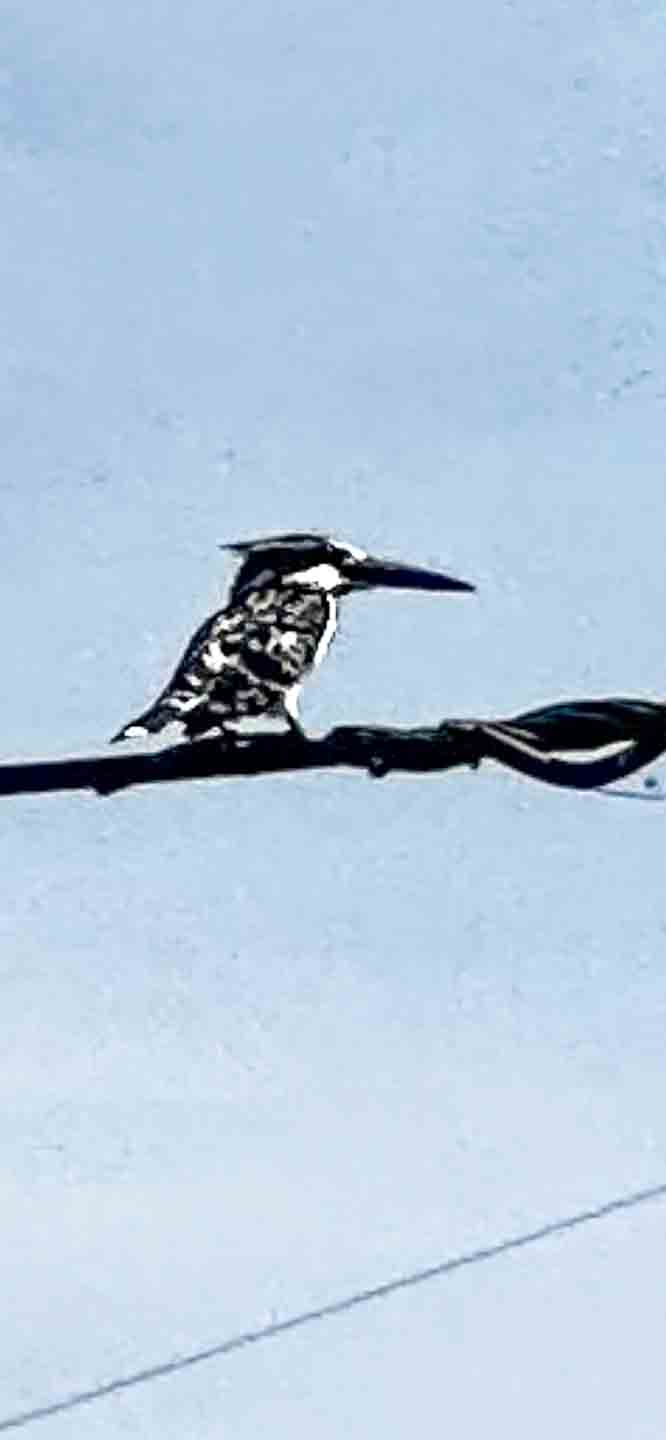
Despite its harsh climate, the Rann supports remarkable wildlife. Seasonal wetlands attract thousands of migratory birds every year, making Kutch one of India’s great birding regions.
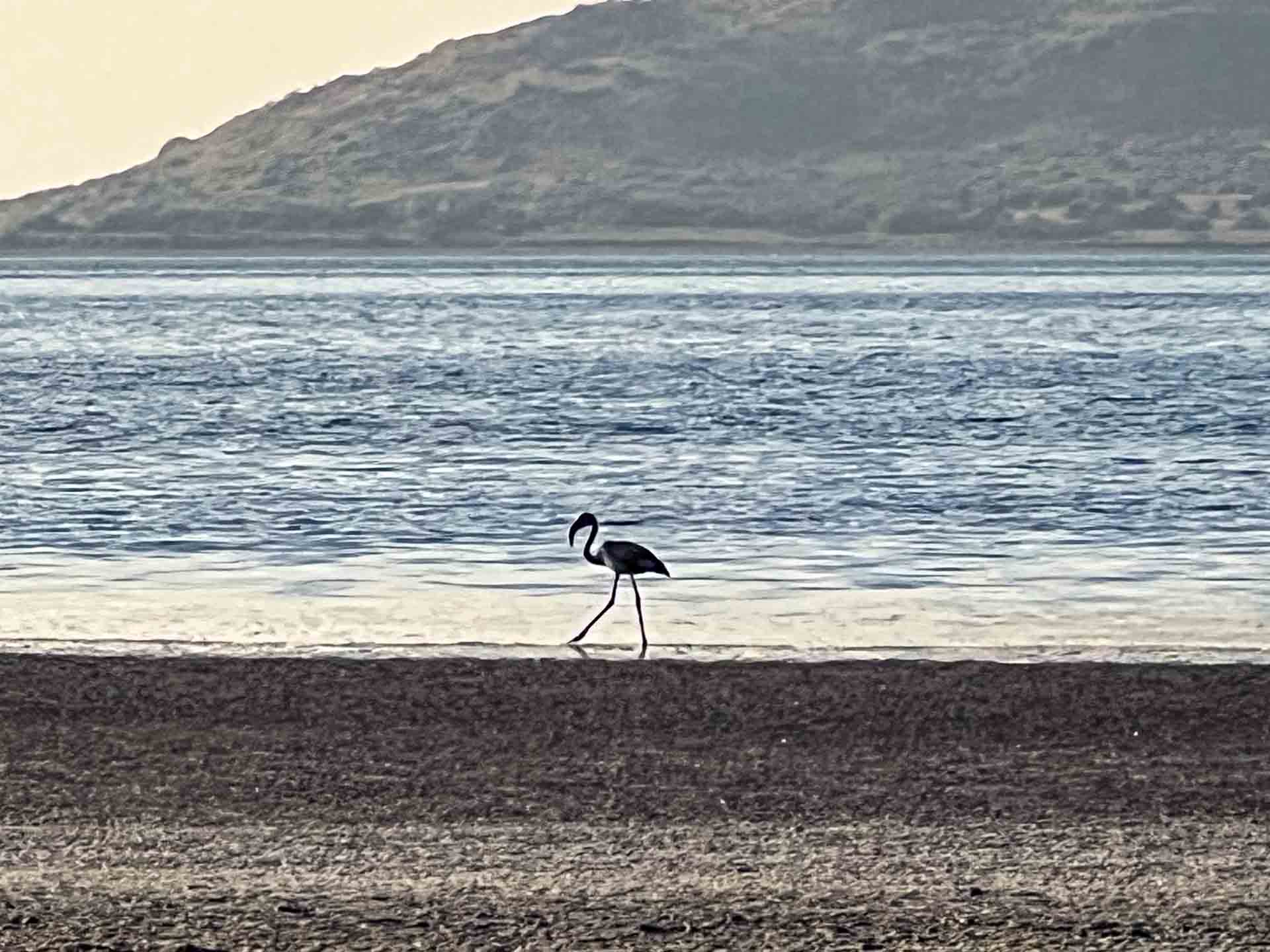
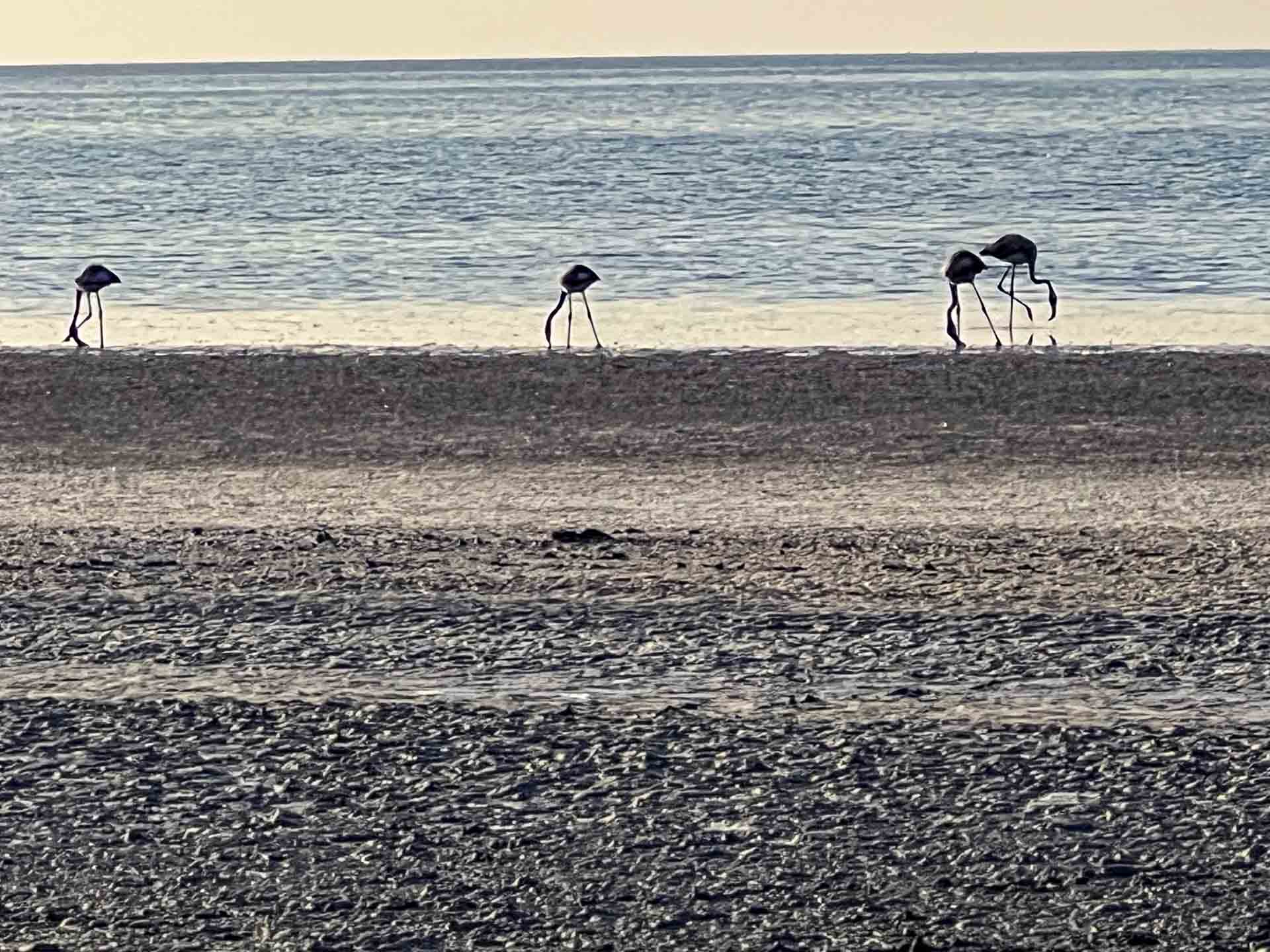
Flamingoes are among the most spectacular sights here. Vast flocks gather in shallow waters, turning parts of the desert pink with movement and reflection. Watching them rise together into the sky against the white salt flats is one of the unforgettable experiences of Kutch.
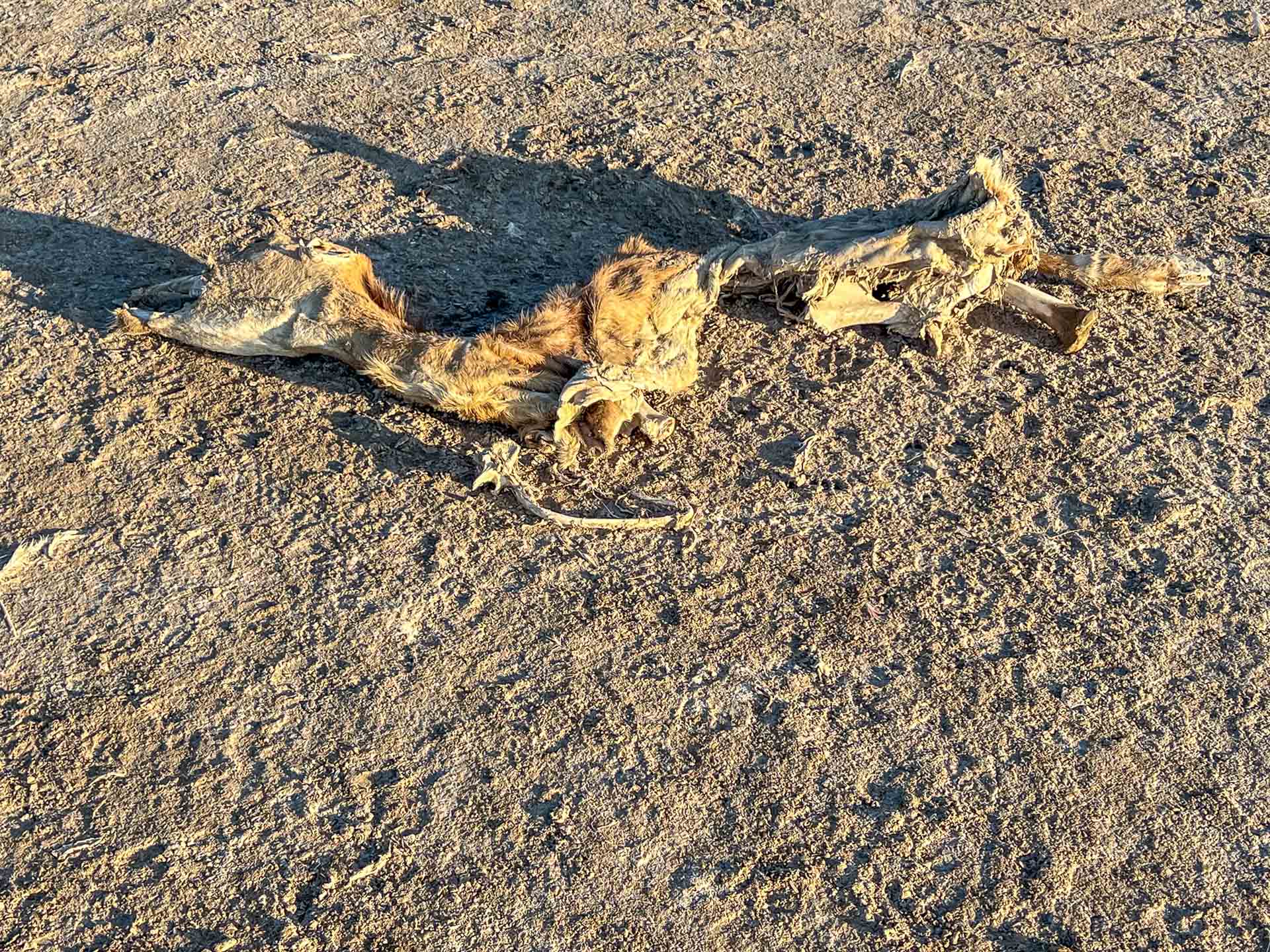
The wetlands also attract pelicans, cranes, storks, herons, egrets, avocets, ducks, and many migratory species traveling along Central Asian flyways. Desert foxes, nilgai, jackals, reptiles, and smaller desert-adapted animals survive in the harsher stretches of the region.
Sunset at the Waterfront
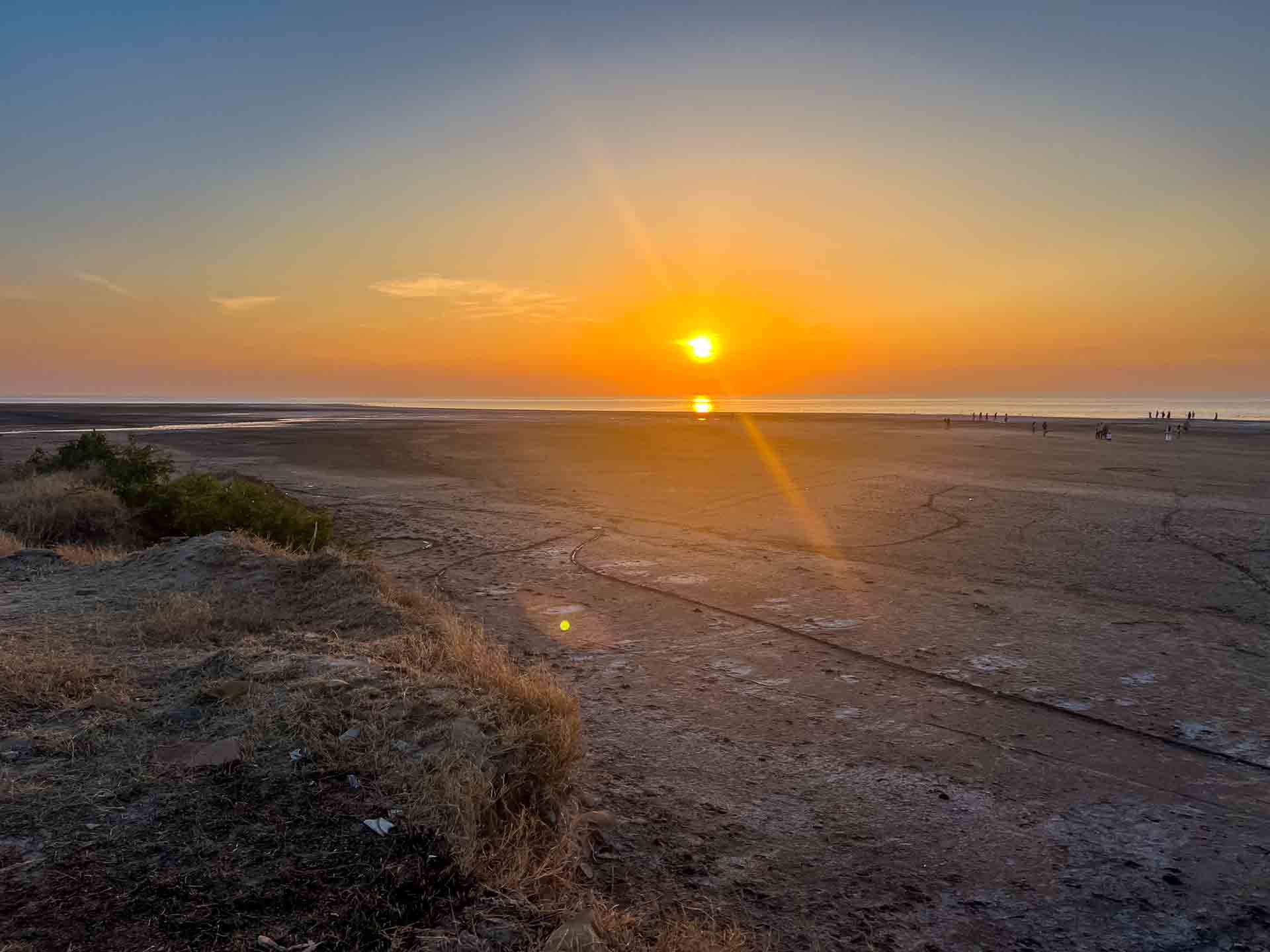
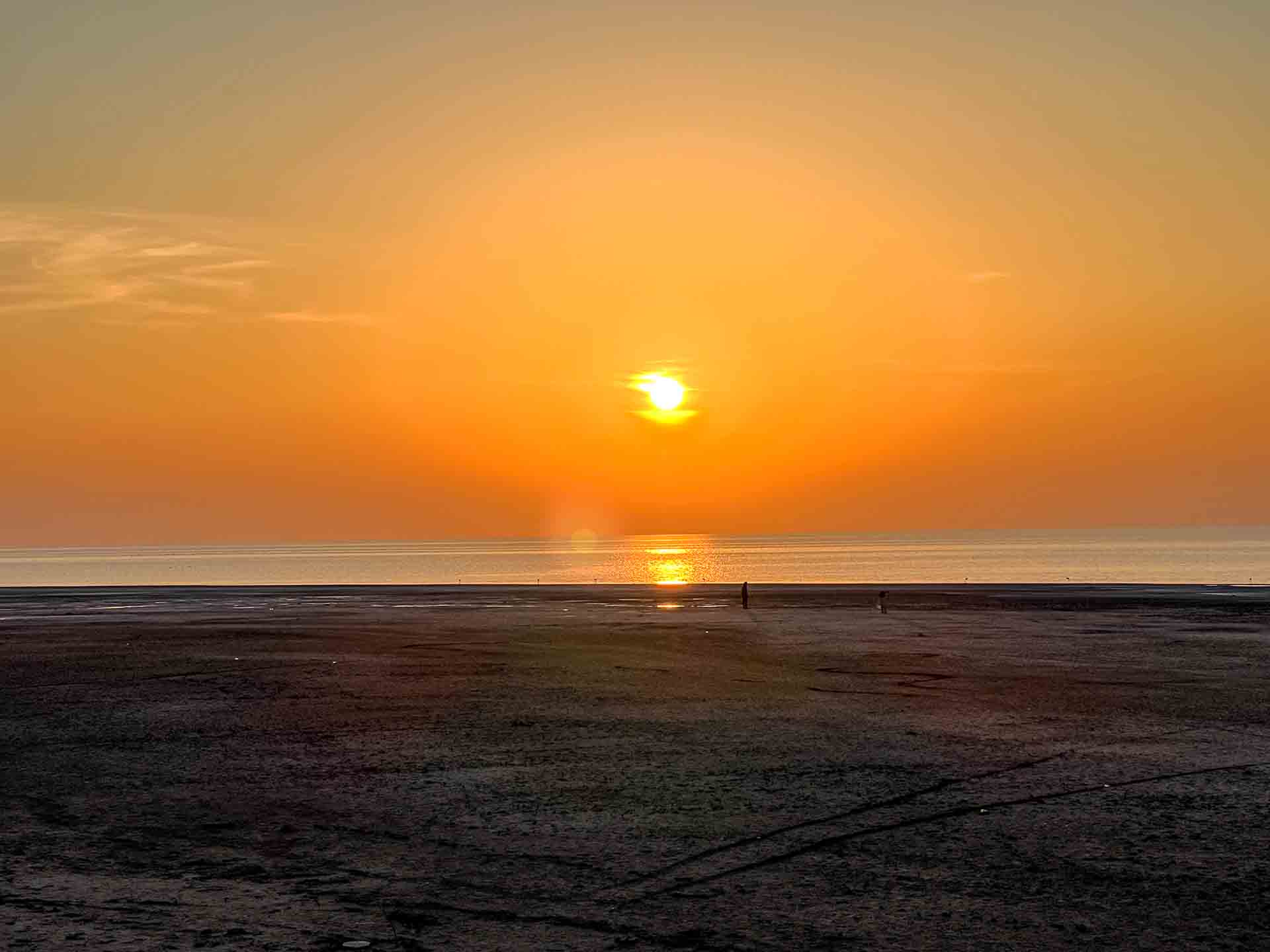
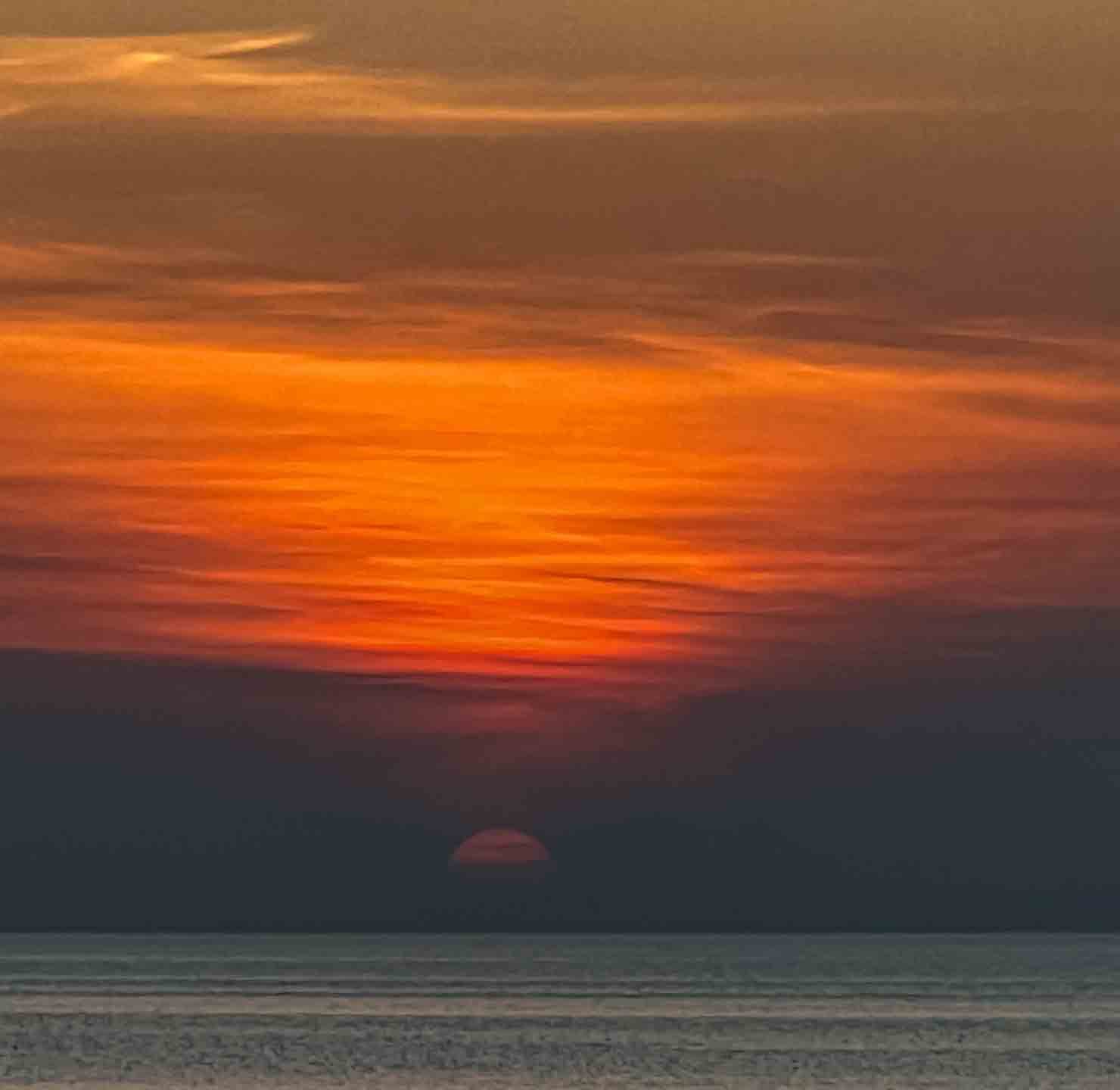
Sunset in the Rann of Kutch feels almost unreal.
As evening approaches, the harsh white desert softens into shades of amber, rose, lavender, and gold. Where shallow water remains across the marshes, the sky reflects upon the earth until land and water appear to merge together.
Flamingoes move through reflective pools while distant silhouettes stretch across the glowing salt. The wind grows softer, the heat fades, and the immense silence of the desert becomes even more powerful.
Unlike sunsets framed by mountains or forests, nothing interrupts the horizon in Kutch. The sky seems infinite.
Moonlit Skies
If sunset reveals the beauty of the Rann, moonlight transforms it completely.
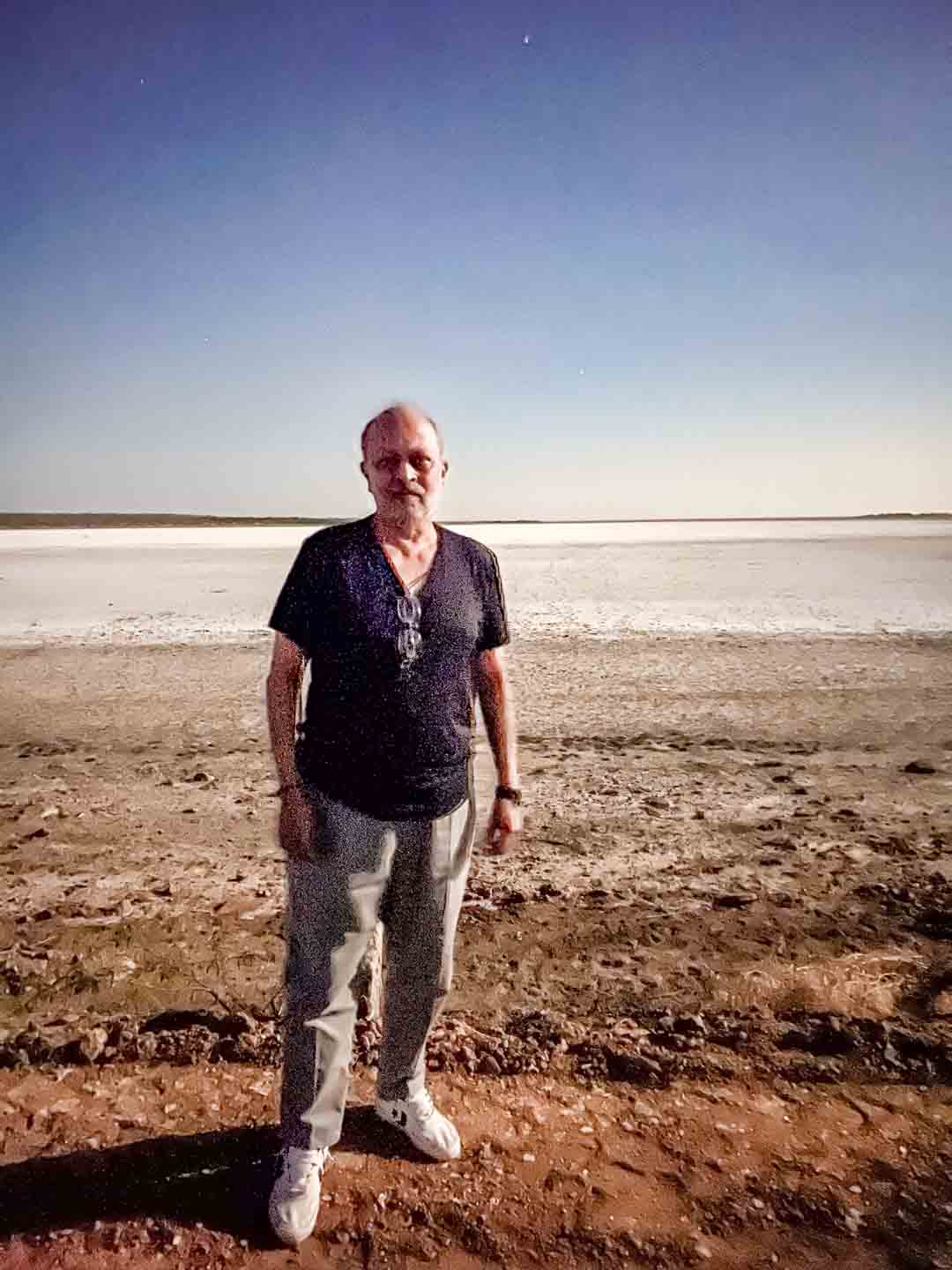
On full moon nights, the white desert glows beneath silver light. Salt crystals reflect the moon so brightly that the ground itself appears illuminated. The distinction between earth and sky begins to disappear.
The night skies above Kutch are extraordinary. With little light pollution, stars spread clearly across the desert horizon while cool winds move gently across the salt plains. Standing beneath that moonlit sky, the Rann feels timeless, silent, and almost otherworldly.
Food, Craft, and Culture
The cultural life of Kutch is as rich as its landscape is stark.
Villages across the region are famous for embroidery, mirror work, weaving, leather craft, block printing, and textile traditions preserved for generations. Kutchi embroidery, with its bright colors, mirrors, and geometric patterns, remains one of India’s finest craft traditions.
Music and oral storytelling continue to preserve memories of migration, trade, devotion, and desert life.
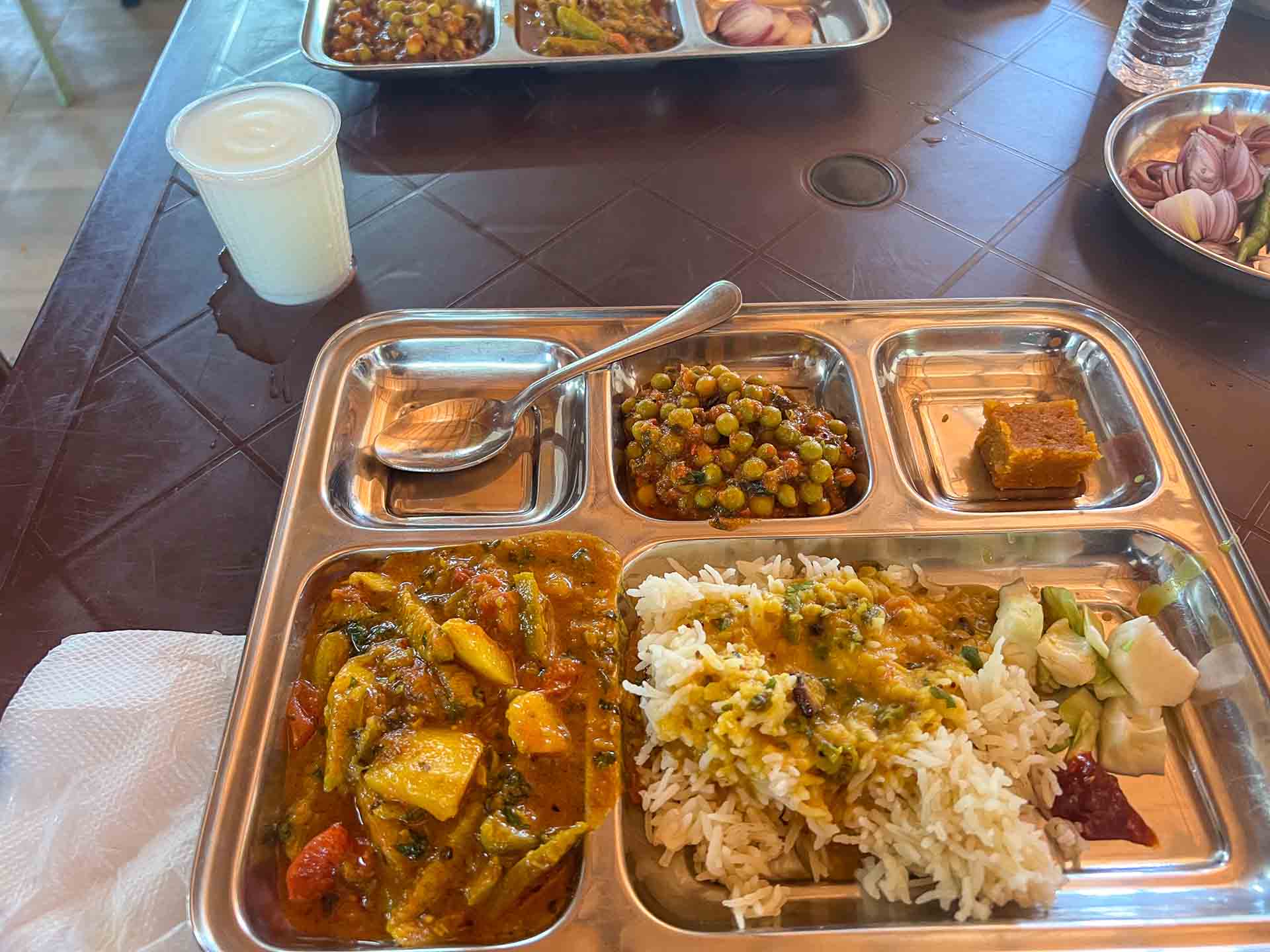
Food in Kutch reflects both climate and hospitality. A traditional Kutchi or Gujarati thali often includes rotla, bajra roti, kadhi, dal, seasonal vegetables, garlic chutneys, farsan, rice, yogurt, sweets, and generous amounts of ghee. After long hours in the desert, such meals feel especially comforting and memorable.
The Spirit of the Rann
The Rann of Kutch is ultimately much more than a desert. It is a landscape shaped by salt, migration, ecology, craft, silence, and survival.
What remains unforgettable is not only the whiteness of the desert, but the feeling it creates of endless space, deep stillness, enormous skies, and time moving differently.
Standing beneath the moonlit skies of Kutch, watching flamingos move across shallow water while salt plains stretch endlessly toward the horizon, one understands why the Rann remains one of India’s most extraordinary landscapes.