Laan

Laan: War (Meitei): A journey back in time
What started as a travelogue, has turned out to be a journey through the annals of time.
The stories I had heard about my grandfather, a Gandhian and a freedom fighter, have left a deep impression, and I have always wondered what it must been to be a part of era, that struggle. So when I stumbled across an innocuous advertisement offering a tour of the Battle of Imphal of 1944, it seemed to be a wonderful opportunity to explore some aspects of that incredible period.
I feel compelled to share my experiences to all those who may be interested in that chapter of history.
For me, it was an exploration of deep, personal significance.
The battle of Imphal and Kohima:
The battles for Imphal and Kohima took place between 8 March and 18 July 1944 and were some of the bloodiest battles of the Second World War. The battles claimed around 70,000 lives and are often referred to as the Stalingrad of the East. The Japanese attempted to capture Kohima ridge, a feature which dominated the road by which the besieged British and Indian troops of IV Corps at Imphal were supplied. The combined battle of Imphal and Kohima is considered among the greatest defeats on land ever for the Japanese, forever altering their fortunes in the Eastern theatre of World War II.
The Siege of Kohima began on 4th April 1944. Fierce fighting took place in an around Kohima and Imphal for the entirety of April, However, fresh divisions coming in from the Indian mainland ensured that all Japanese advance was halted by 1st May
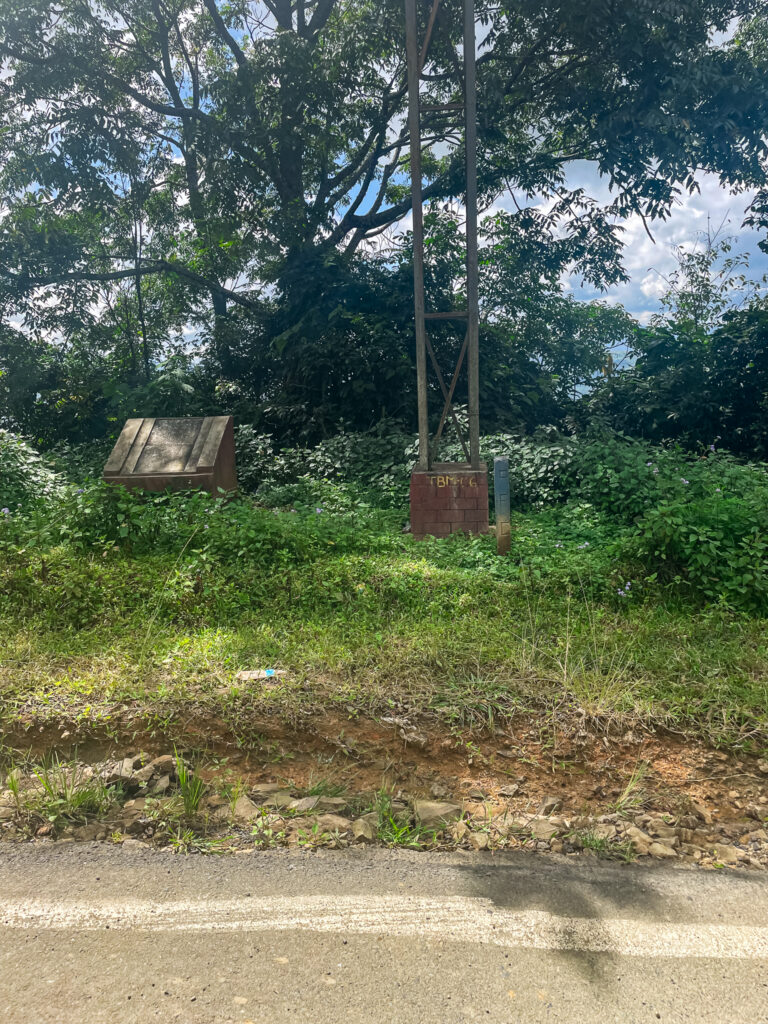
The siege was formally ended on June 22nd when British troops at Kohima reached the advance elements from the 5th Indian Division at a point called Milestone 107 along the Imphal-Kohima Road.
We begal our journey from Imphal.
Imphal:
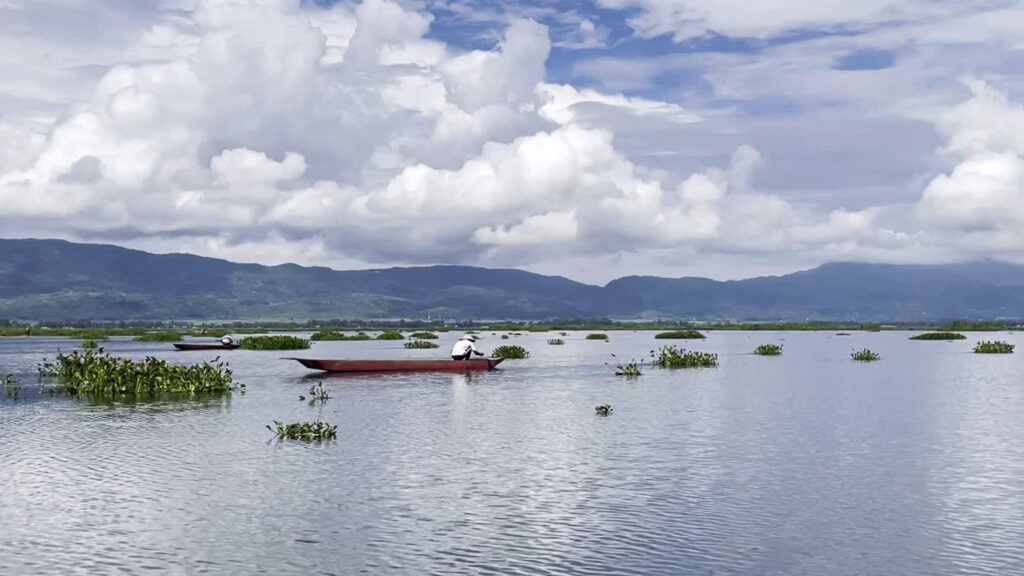
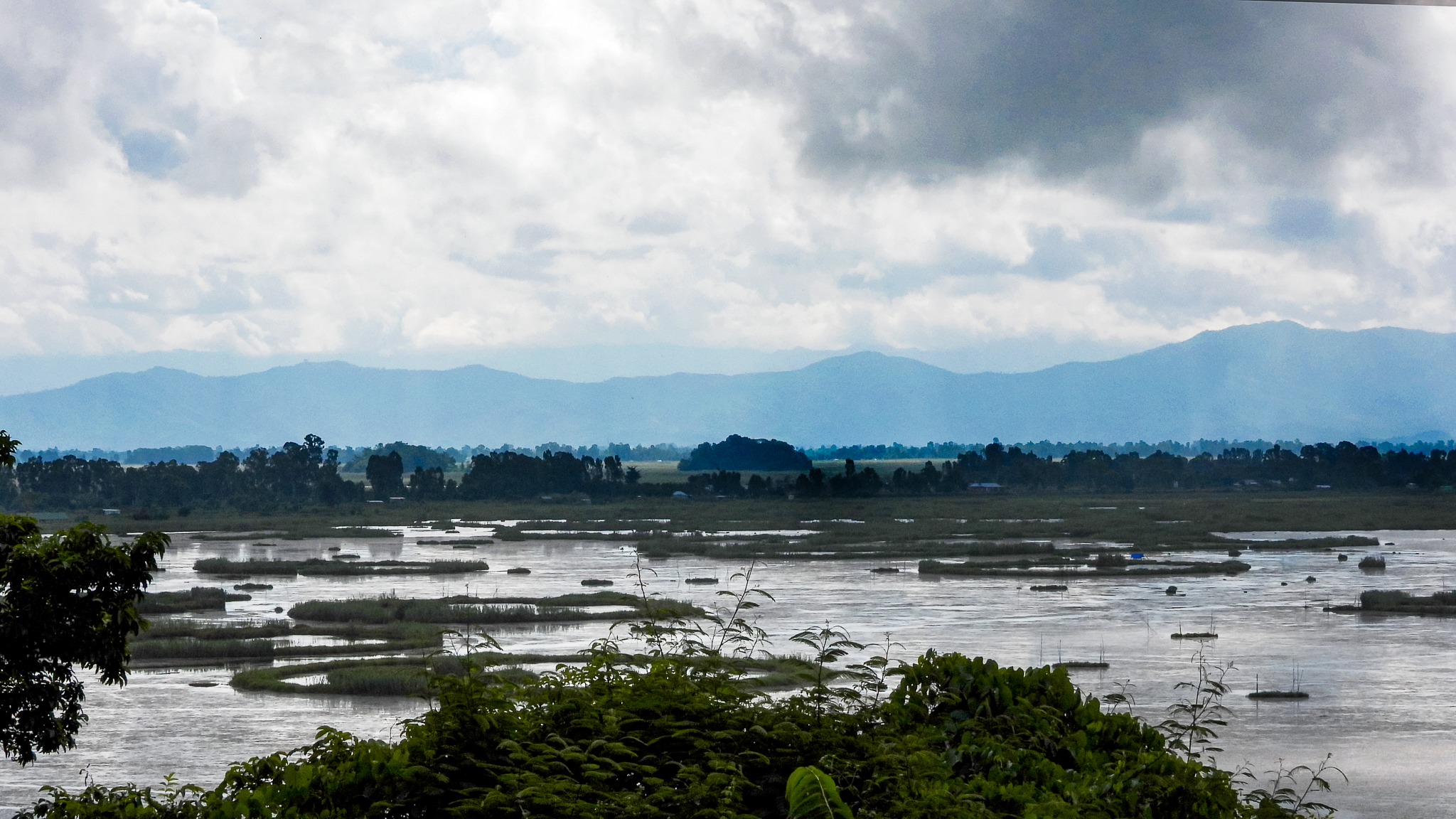
Loktak Lake is the largest freshwater lake in South Asia with surface area of about 287sq km.with“phumdis” (heterogeneous mass of vegetation, soil and organic matter at various stages of decomposition) floating over it. The largest of all the phumdis covers an amazing 40sqkm.
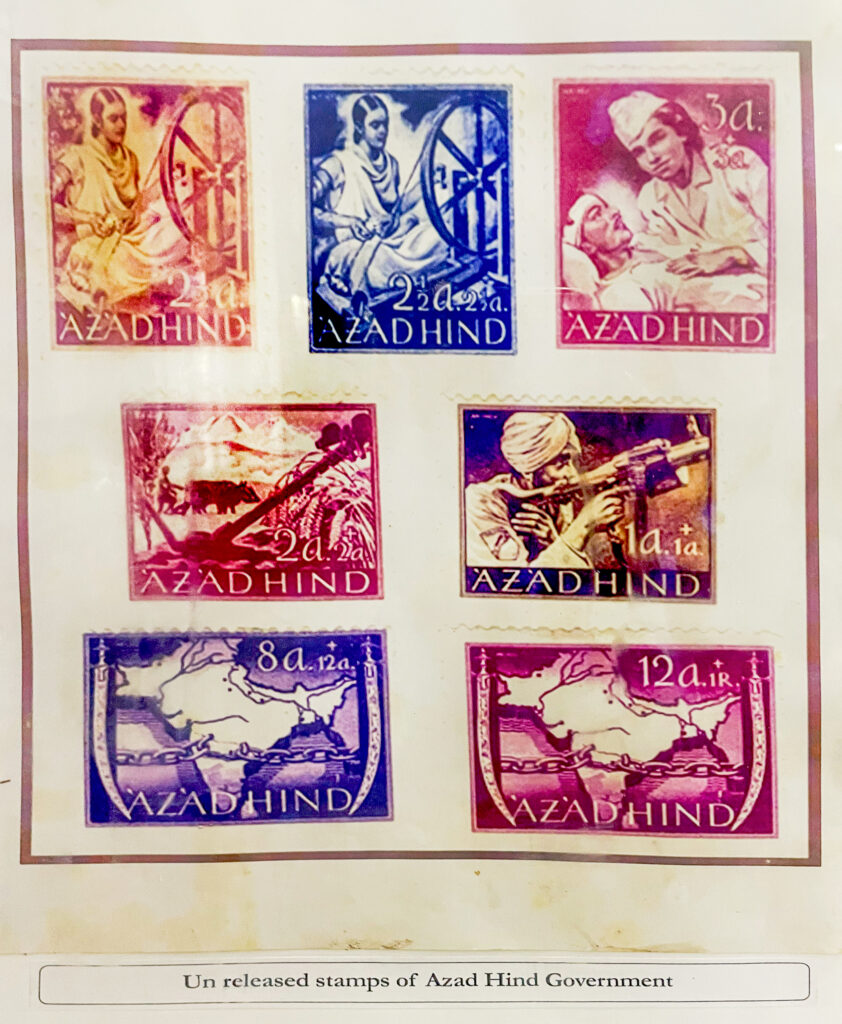
Moirang, The INA Museum
This was the place where the INA claimed their first victory and the Indian Tricolor was hoisted for the first time on Indian soil on 14th April 1944. We visited the site where the INA had set up their headquarters during the war.
The Battle at Red Hill:
One of the bloodiest during the Battle of Imphal. On 20th May 1944, some Japanese troops, who were entrusted to storm Bishnupur, joined a regiment at the Red Hill, after streaking through the villages located on the fringes of Loktak lake to put up a blockade to British supplies at Lotpaching (Red Hill) just adjacent to MS 10 in Imphal Tiddim highway.
The allied forces initially underestimated the strength of the Japanese troops and lost their positions. However, they quickly brought in men and artillery reinforcements, and on 25th May 1944, put in a full battalion attack to recapture the Red Hill feature. With the support of the Gurkha Regiment, eventually, in a final attack on the 29th there was no opposition and they captured three prisoners and a lot of abandoned equipment. This included two 75 mm mountain artillery guns and one 70 mm battalion gun thrown into a pond. One of these artillery guns stands today as a mute witness to one of the bloodiest battles with both sides incurring heavy losses.
Had the Japanese forces succeeded in capturing the British camp at Bishnupur its onward march to Imphal would have proved possible and the course of Indian history might have been different hitherto. Thus the Blitzkrieg of the 33rd Japanese Division was checkmated at the foot of the Red Hill.
Cheirao Ching: A side to the ethos of the Manipuri people.
The hilltop is adorned with the statue of Hijam Irabot. Also known as Jana Neta (Meeyamgi Luchingba in Manipuri) Hijam was a politician and leader of Communist party of India and revolutionary social activist from Manipur. He later was jailed for supporting the second Nupi Laan, 1939, and in the June/July 1948 election to the Manipur Assembly, Irabot won from the Utlou Constituency.
This is also the place of commemoration of Patriots Day, in Manipur, on the 13th of August of every year. On this day in 1891, two brave sons of Manipur named Yubraj Tikendrajit and Thangal General was put to death, by hanging on the gallows constructed at Pheidapung, before a crowd of thousands of Manipuris as an exemplary punishment for waging war against the British Empire. It is at this very place Athoubashinggi Ningshing Numit (Martyrs Day) is observed, in memory of the nine PLA cadres who were killed after a pitched battle with security forces on April 13, 1982 at Kodompokpi.(The People’s Liberation Army of Manipur is a militant group fighting for the creation of an independent and socialist Manipur.)
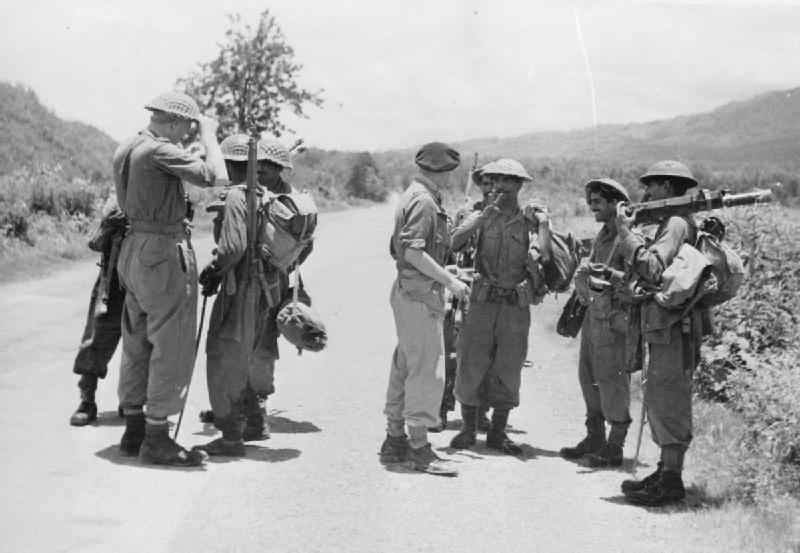
Battle of Imphal: The operation to take Imphal by the Japanese Army consisted of support from the Indian National Army, who were in primarily support and scouting roles. The Japanese Army crossed into India on the night of 7th March and engaging the British Indian forces guarding the frontiers the morning of 8th March 1944.By March 12, elements of the British Army were so hard-pressed around the Indo-Burmese border that they were given permission to withdraw to the Imphal Plain. The withdrawal took 20 days to complete. By the time the first reinforcements arrived, the Japanese were only 48 km from Imphal
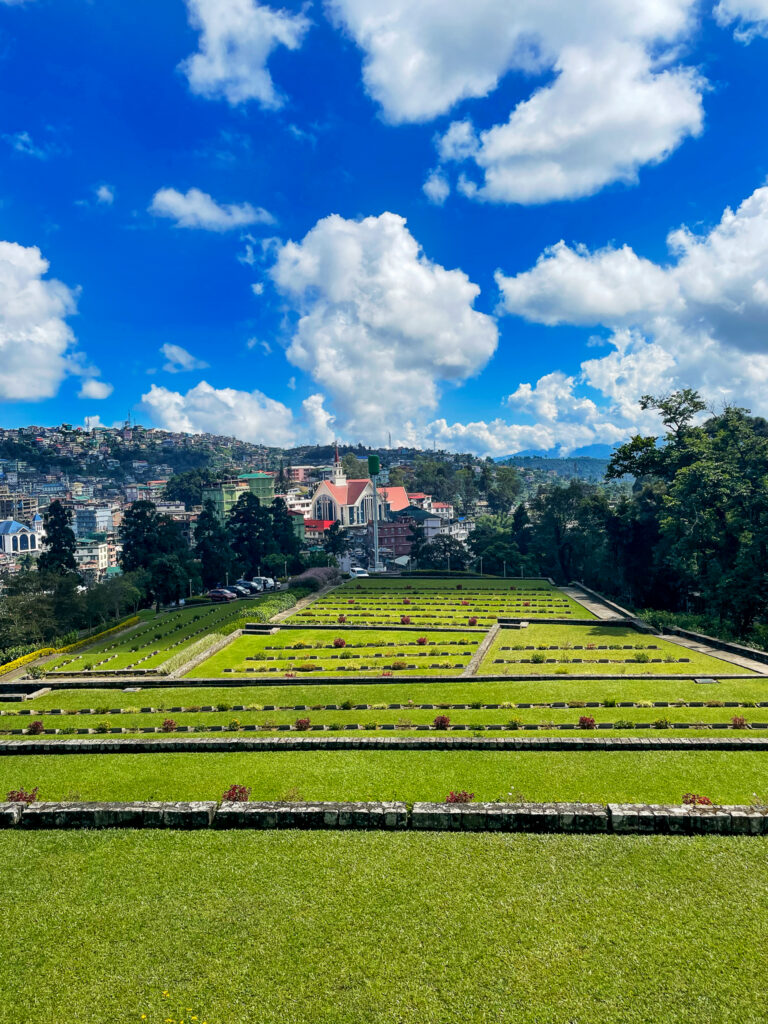
Imphal War Cemetery, maintained by the Commonwealth War Graves Commission. The cemetery has a total of 1600 war burials, casualties from the battles of Imphal and Kohima. The war dead commemorated are from many commonwealth countries, the United Kingdom, Canada, from Australia, India, East Africa, West Africa and Burma. Almost every regiment and every part of India was represented, as well as every religion. Inscriptions from Quran, the Star of David, heart touching messages from parents, spouses and children would melt the stone hearted. It was very well kept and we stood in silence for a minute to pay our respect to the departded.
the Indian Army War cemetery which contains 828 burials of the Second World War, including the graves of soldiers of the Muslim faith as well as soldiers and airmen of the Hindu and Sikh faiths, whose remains were cremated in accordance with their faith.
“Ima Keithel”. (Mothers’ Market), is the only market in the world where men are not allowed to sell anything, and in fact is punishable by law if their shops are found inside the market. Established in the 16th Century AD, now spread over three large buildings, the market has around 5000-6000 shopkeepers, selling many vegetables, fish,clothes and many local produce. Ima Keithel is a perfect example of the long-lasting tradition of business management and the high status women have enjoyed in the economy of the Manipuri society.
We visited The Kangla fort an old, fortified palace in the heart of Manipur. It was formerly situated on both sides of the bank of the Imphal River, now remaining only on the western side in ruined conditions. Kangla means “the prominent part of the dry land” in old Meetei, It was the traditional seat of the past Meetei rulers of Manipur. Kangla was the ancient capital of pre-modern Manipur and is a revered spot for the local people, reminding them of the days of their independence. It is a sacred place to the Meiteis. We saw the bungalow of Field Marshal William Slim, best known for commanding Fourteenth Army in Burma during the Second World War.
The modern game of Polo is said to have originated here,
As we walked around Imphal, amongst many interesting monuments, of special interest was a dedication to Netaji, by the All Manipur Students Union in 1996.
Sangshak:
Battle of Sangshak
In 1944, the Japanese launched a major invasion of India, wherein two divisions of the Japanese Fifteenth Army attacked the Indian Corps at Imphal, and the Japanese advanced on Kohima, to cut off the main road on which the troops at Imphal depended for supply from Dimapur.
The battle took place in the forested and mountainous frontier area of Sangshak, which lay between India and Burma, from 20 March to 26 March 1944. The Japanese, arriving from Burma, drove a parachute brigade (fighting as infantry), to uproot the British Indian Army, who had taken up a defensive position on a hill just east of Sangshak village, with an American missionary church at its north end. The position measured only 800 yards. In one of the fiercest battles, both sides suffered heavy casualties.
Though the British army eventually had to withdraw and vacate Sangshak, the delay imposed on the Japanese by the battle, allowed British and Indian reinforcements to reach the vital position at Kohima before the Japanese.
Another key event was the discovery of the Japanese master plan to attack Kohima, which was as yet unknown to the British, from a fallen Japanese soldier. The British managed to slip out these plans to their headquarters in Imphal, thereby alerting the high-command of the broader strategy. These two events changed to final outcome of the the Battle of Imphal and Kohima.
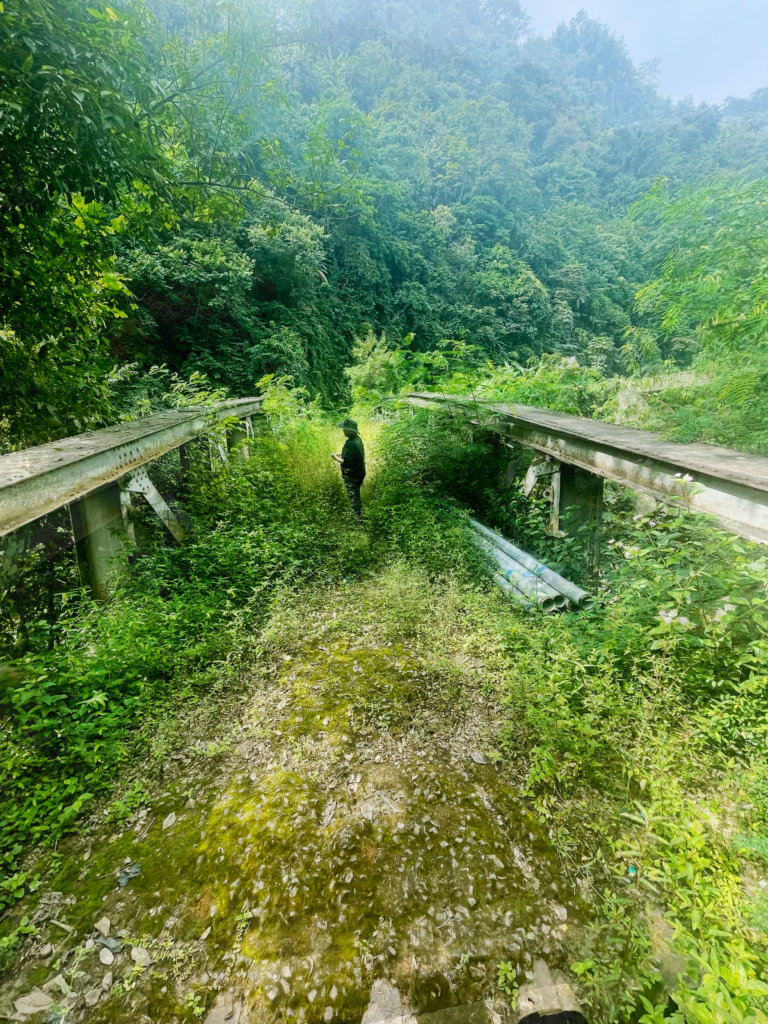
standing on the edge of a cliff, now a soccer field, overlooking the mountain range beyond which lay Myanmar (Burma) and on the very same slopes through which the Japanese army had swarmed into this tiny Naga village. In the dense, damp forest, there still remains sets of bunkers and foxholes used by the allied forces in their last stand.
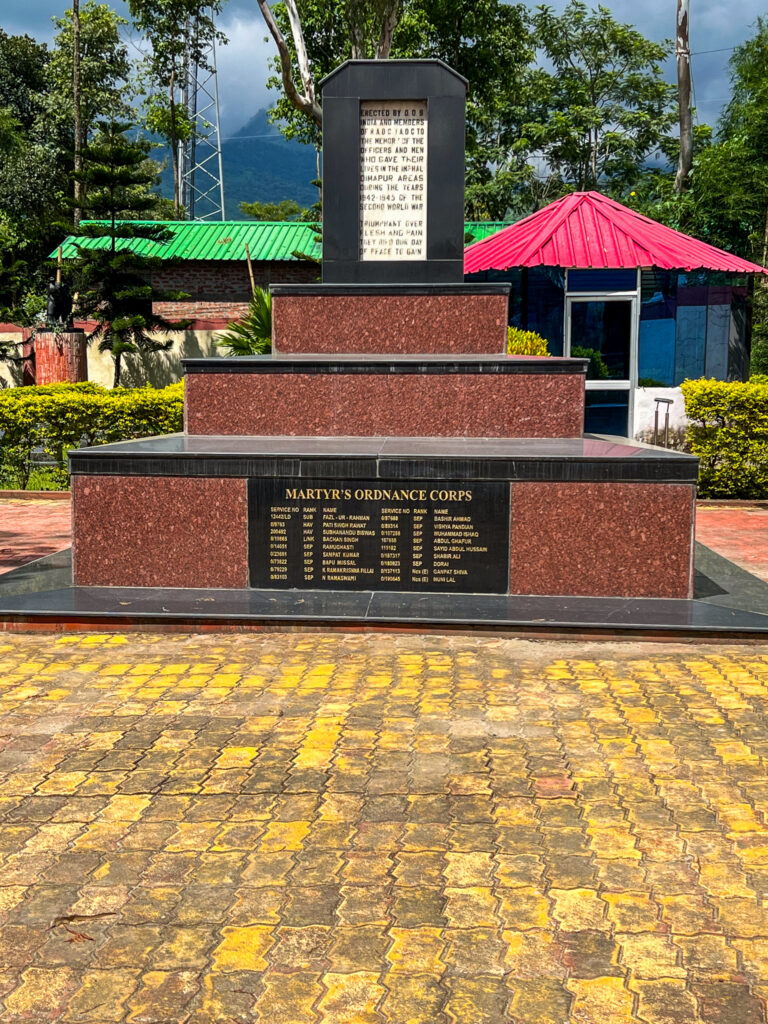
Kanglatongbi Memorial: Kangla Tongbi War Memorial is a mute testimony to the fighting prowess of the Army Ordnance Corps, a logistics organization, who, apart from being professional logisticians, proved to be second to none in combat. The battle was fought by Ordnance personnel Advance Ordnance Depot 19 of whom made the supreme sacrifice on the night of 6/7 April 1944 against Japanese forces. Japanese forces had planned a three pronged offensive to capture Imphal and the surrounding areas. However, the detachment of the 221 Advance Ordnance Depot put a stiff resistance stalling the advance of Japanese forces till reinforcement arrived and and forced the Japanese to withdraw.
Kigwema:
During World War II, Japanese troops arrived in Kigwema on 4 April 1944, at 4:00 PM. The Japanese commander, General Kōtoku Satō, was stationed in Kigwema during the Battle of Kohima.“It was a long war, we were warned by the Brits and were very apprehensive about the Japanese, but they were friendly. They lived with the families, paid for everything and unlike the British, they had no relationships with local women. They never misbehaved. General Saito was a very nice man. For us teenagers, the war was an adventure,” recalls Kuose Kere, an elder from Kigwema village who witnessed the invasion of Japanese troops.
Kohima:
The Battle of Kohima:
“When you go home tell them of us and say for your tomorrow we gave our today”.
In the first week of April, the Japanese attacked at Kohima via Mizoram from the Indo-Burma border, to destroy the supply bases of the British. They laid siege on the Allied forces stationed at Kohima. Reaching Kohima, the Japanese Army occupied a strategic location on Garrison Hill and continually attacked a small contingent of the Commonwealth forces, which successfully held the firm.
Garrison Hill used to house the Deputy Commissioner’s bungalow, a club frequented by traveling army officers, including a tennis court. In the battle, the DC’s bungalow was destroyed, while the tennis court, which witnessed some of the worst hand-to-hand fighting between the opposing forces, still remains, now marked by concrete lines. Another notable feature at the site is a cherry tree near the tennis court where the battle was fought, where a small brass plaque reads:
“For Your Tomorrow, We Gave Our Today”
The original tree, from which a branch has been used to create the present tree where the plaque is fixed, had been used for target practice by the Japanese forces. It was destroyed during the battle. Hence, Kohima Battle is also known as the “Battle Under the Cherry Tree”.ir ground until reinforcements were brought in. After more than a month of fighting, the British cut a path to the summit above the tennis court, dragged a tank up the slope and poured a hail of fire into the Japanese bunkers from no more than 20 yards away. After the battlefield was cleared of the enemy, the once beautiful tennis court was reduced to a fly and rat-infested wilderness, with half-buried human remains everywhere.
Khonoma:
Khonoma is the home to Angami Naga warriors, who fought a series of fierce battles against the British from 1830 to 1880 to stop them from recruiting Nagas as bonded labourers. On 13 October 1879, a troop of 87 British soldiers attacked Khonoma, and in the ensuing battle, 27 British including its CO, were killed. Thereafter, the British called in reinforcements and laid siege to the tiny village. After holding out for four months, a peace treaty was eventually signed with the British on 27 March 1880. Known as the ‘Battle of Khonoma’ this was the last organised resistance by the Nagas against the British, and a true reflection of the fiercely independent-spirited warrior tribe.
Louis Mountbatten latter described the Allied victory at Imphal and Kohima as “probably one of the greatest battles in history”