Spain

Travelling down the Andalusian coastline of Spain
Calahonda – Table by The Sea
Our first stop on the Andalucian coast was Calahonda where life bubbles along at the pace of the waves. They were wide, golden beaches, the type where mornings quietly sank into afternoons, the light shimmered over every surface, as if the Mediterranean was washing away the weight of the world.
But as gorgeous as the sea was, Calahonda showed us her true self most closely through its food and culture. Paella, of course, the signature dish—saffron rice bathed in the distillation of the sea: prawns, mussels, clams, the salt of the coast captured in each grain. It was equal parts humble and festive, a dish that had the intimacy of family kitchens and the personality of shoreline celebrations.
However, Calahonda stayed not only with tradition. Within its restaurants, continental platters arrive with tranquil panache—silken pastas, crisp salads, spit-roasted meats. Then there were the oriental flavors, wok, spices that were both alien and familiar. The surprising fusion made us remember that Spain is not a country of shutting doors but one of warm sharing.
The wine, hailing from vineyards in Andalucia, helped colour these meals. One night it was a zesty white, a feather in weight but heavy in aromas of lemon orchards; then, a red, full and rich, reminiscent of the dusty soil and sun-fattened grapes of the area. With meals lasting longer than anticipated, conversation at leisure, the world outside Calahonda felt very distant.
Málaga – A City of Layers
Calahonda had whispered of laziness and Málaga sang history. The city presented itself as a palimpsest where each period was written over the previous one, Muslim, Gothic, Renaissance and Baroque era pressing against each other.
At the city center, we saw Málaga Cathedral, the rawness of it—by no means detracting from it—made it feel human as if the majesty of its stone facades and high ceilings could never demand symmetry in being complete. Upon entering, the huge nave brought the eyes upward, light filtering down through stained glass into the muted jewel tones on the floor.
The streets then narrowed to ribbons beyond the cathedral, balconies draped with ironwork and tiles in shades of blue and yellow, Here, life spilled outdoors. Pavements with cafe tables; shudders flung wide into squares. While walking, we were surprised by the sound of a harp, a musician sitting at one of the corners plucking melodies which danced with the footsteps and voices and turned the air into something gentle and eternal.
Even the walls of the city had tales to tell. Bright and vivid graffiti stretched above, spilling over facades. These included one petitioning Santa María — part prayer, part insurrection — art that was as much of the moment as the cathedral was of its moment.
Málaga, the hometown of Pablo Picasso, also felt like a pilgrimage, thanks to his good little museum here. Its interiors revealed the many transformations of the artist, from boyhood exactness portrayed in sketches, through ceramics, to the fractalized bodies of cubism canvases. As I walked through the galleries, it was clear that Málaga was not just the place that produced Picasso, but its best-seller, the gentle warmth of light, the bullet-like angles of historical architecture, a restless jumble of light, sound, strangers, chatter, layered cultures.
Málagas Festival — though not experienced in full — but its ripples in posters and buzz around the city is a testament that Málaga is not just a city of preserved history but a city of living history, as it was pledged to Spanish-language cinema.
This layering was reflected in the architecture itself. Moorish elements still peeked through, Renaissance facades added pomp, and Baroque flounces turned stone into decoration. Every street appeared to beckon to you to personally witness history not as museum pieces, but rather woven into the vibrant tapestry of living, breathing fabric.
Marbella – The Watchtower and the Waves
Marbella, the glittering name only footsteps away from the modern resorts on the western coast, yet still a place of hidden beauty. The beach in this part was picturesque, the ocean endless in blue tones that colour-changed with the sun.
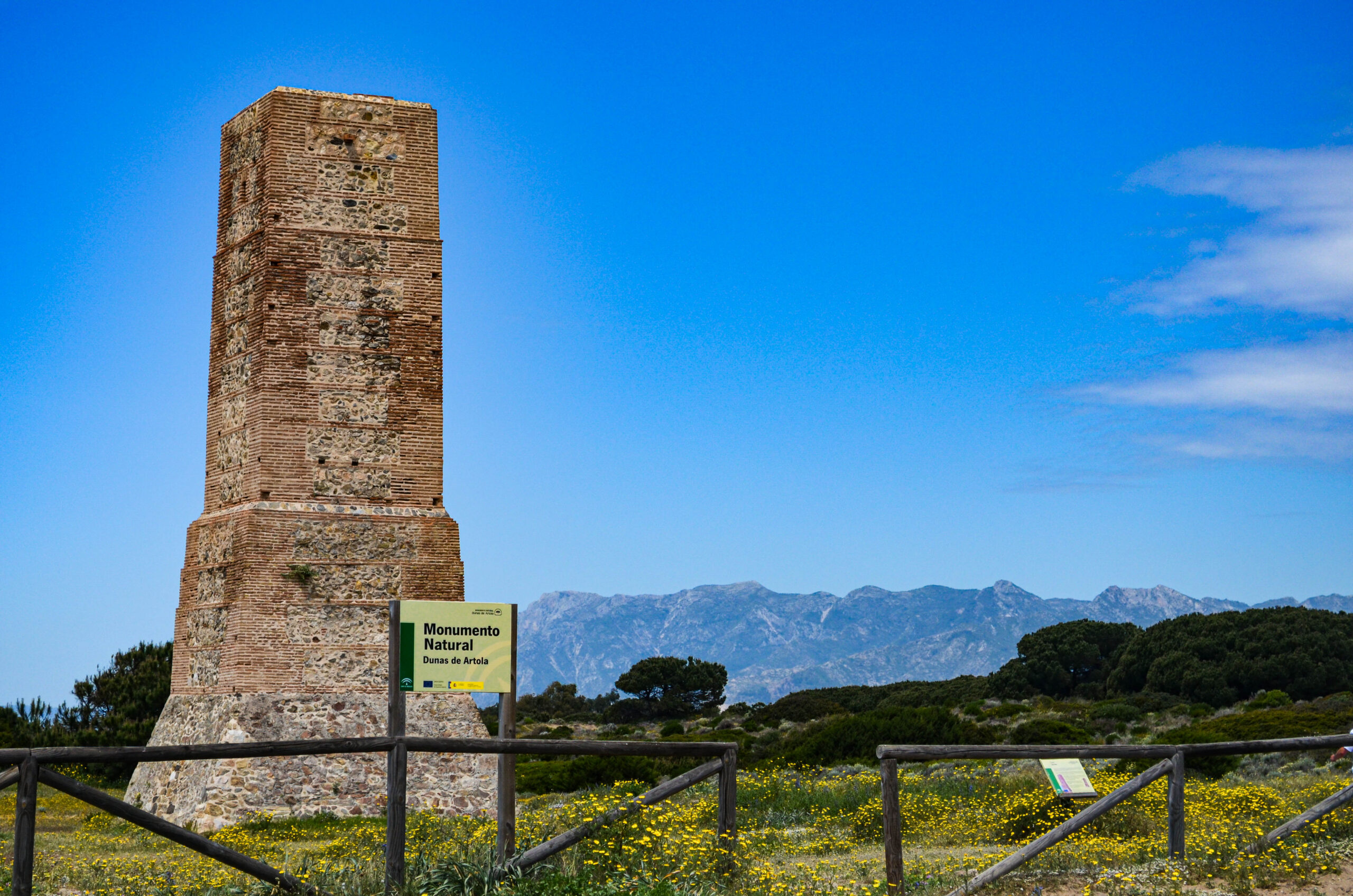
Indeed, the Torre Ladrones served as a reminder that this stretch of coast used to be a territorial border that required guarding. It was a solitary tall heritage tower to guide the boats in near what used to be this moorish region. Once vigilant for invaders from its peak, now it simply gazed at the tide. As it stood still, centuries had come and gone, vigilance had turned to leisure, but the sea, whilst everchanging, kept coming, kept going.
La Cala de Mijas provided us with a gentler taste of the Mediterranean beautiful seaside village of Marbella. The town, which seemed like it is meant for walking, had restaurants and little shops along the way. But afternoons stretched into evenings there, and the air weighed with salt and olive oil.
And the food here was remarkable too. Crisp, lustrous, golden plates of fried calamari presaging the sea. Seafood pasta, tangled with prawns and clams was indulgent, but the lemon and fresh herbs brought a beautiful lightness. Every dish here had a bit of the coast inside it. Eating in Marbella was to dissolve time away, to allow flavors to bubble conversation and laughter up.
Calahonda, Málaga and Marbella showed us the southern coast of Spain in all its contradictions. The taste of Calahonda offered us the cadence of the sea and the fullness of the table. In Málaga, it revealed itself a city of layers that music, art, and history are inseparable. Marbella maintained its blend of past and present as ancient towers held court over plates of seafood and wine from the modern world below.
All of it was relaxation. Of strolling through tight alleyways as harp music trilled, of cracking calamari with the ocean seconds away, of gazing at a cathedral that may eternally be incomplete yet is wholly brilliant, of toasting a cup of Andalusian wine to the horizon.
Explore Oyster Trails
No places found.