O Goa que eu amo
There are parts of Goa where the sea whispers, sand feels like home, and time stands still. Utorda Beach is one such place. The silver sand arcs into an aquamarine tide, and coconut palms bend to listen to the beautiful medley of sea and wind. Here, the horizon is vast but clear, a canvas of water and sky in which the rhythm of waves is slow and almost meditative.
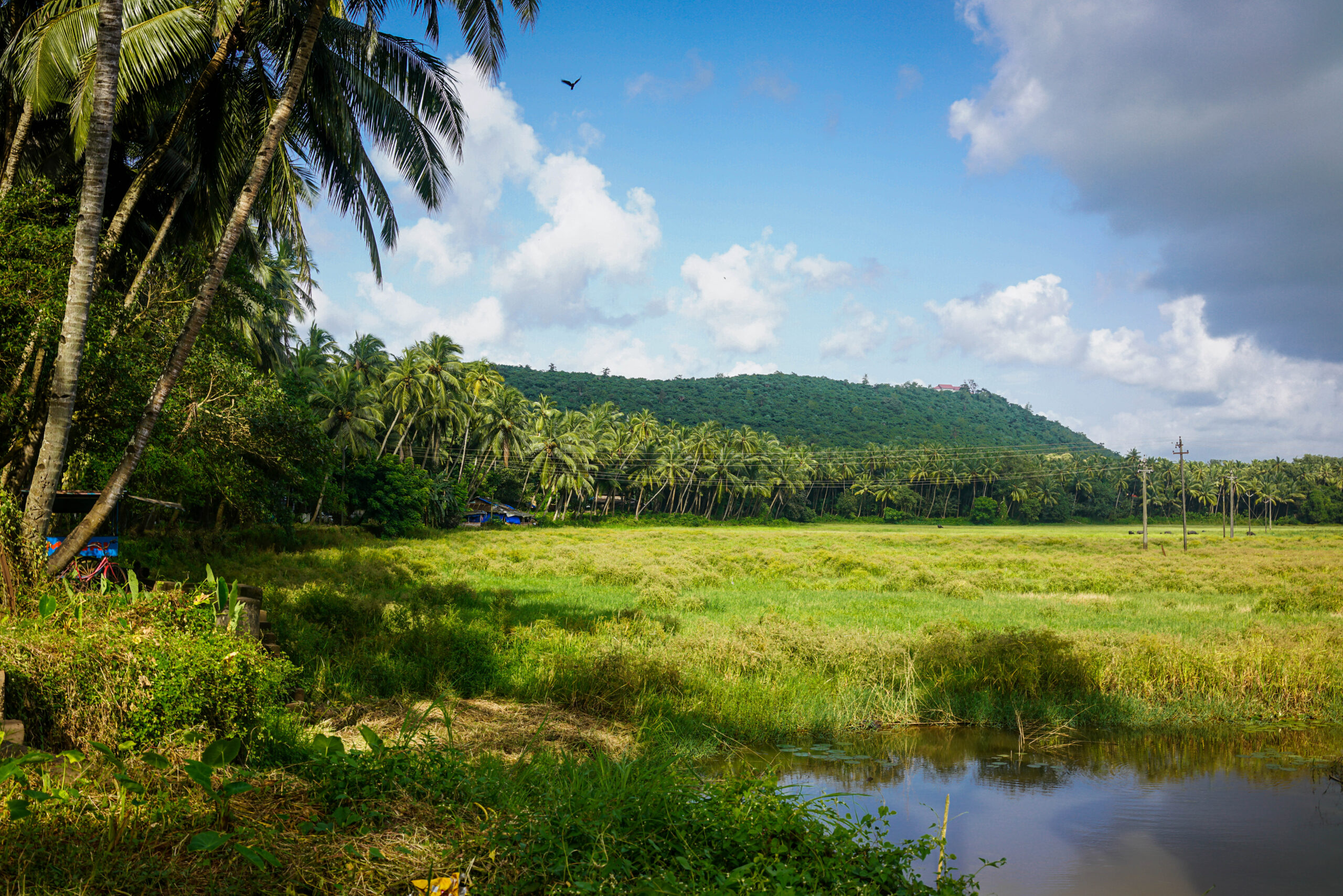
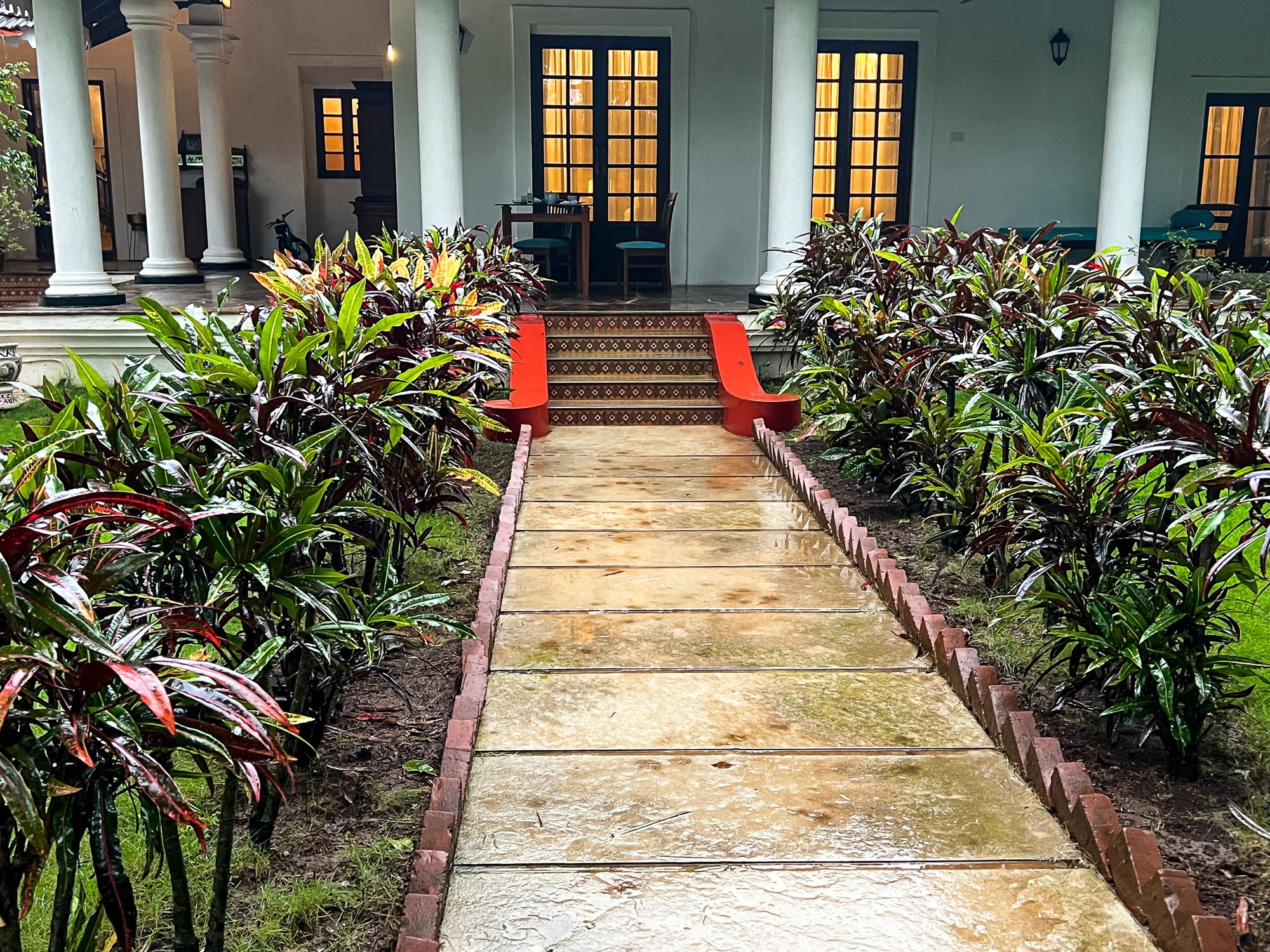
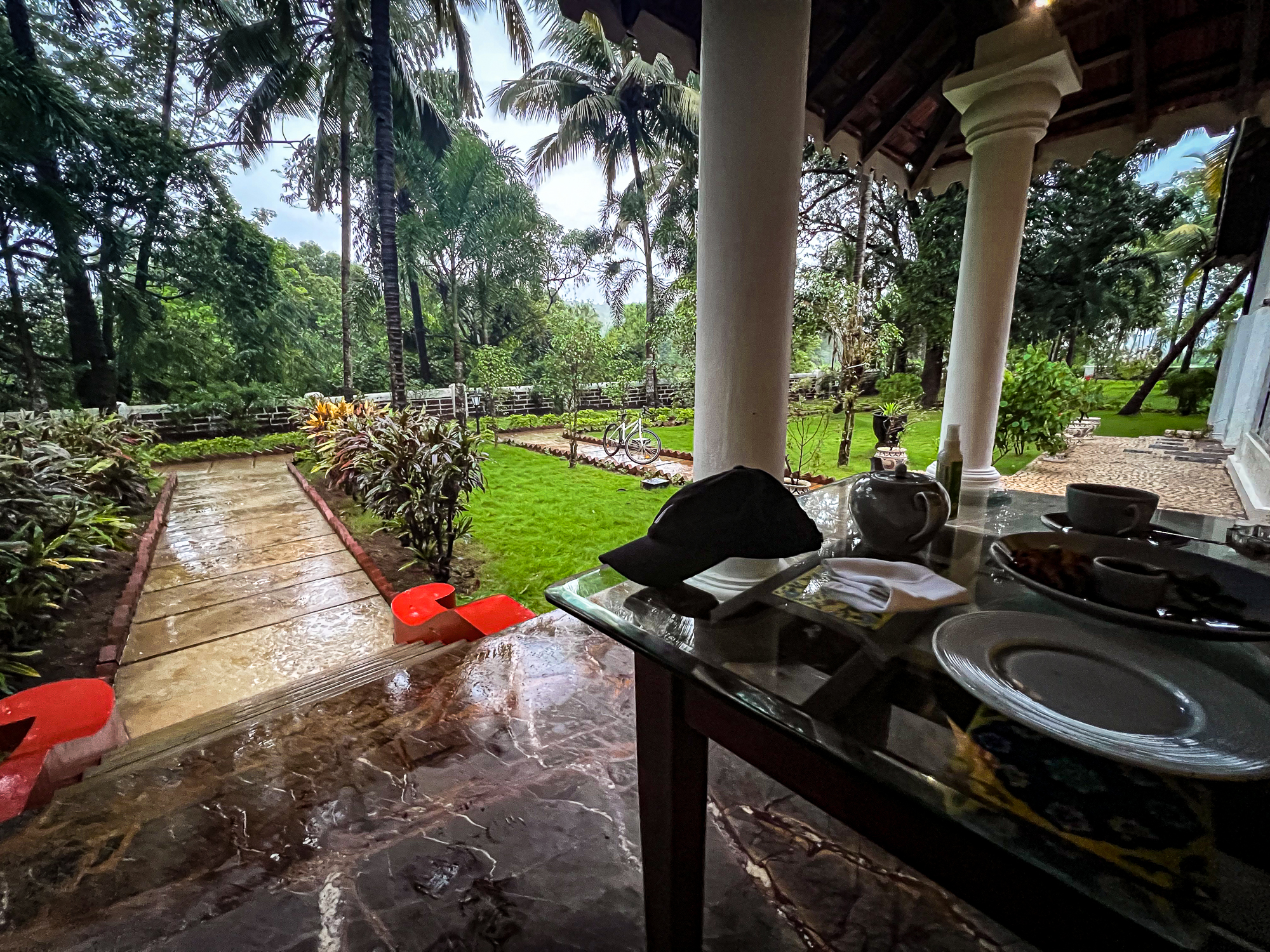
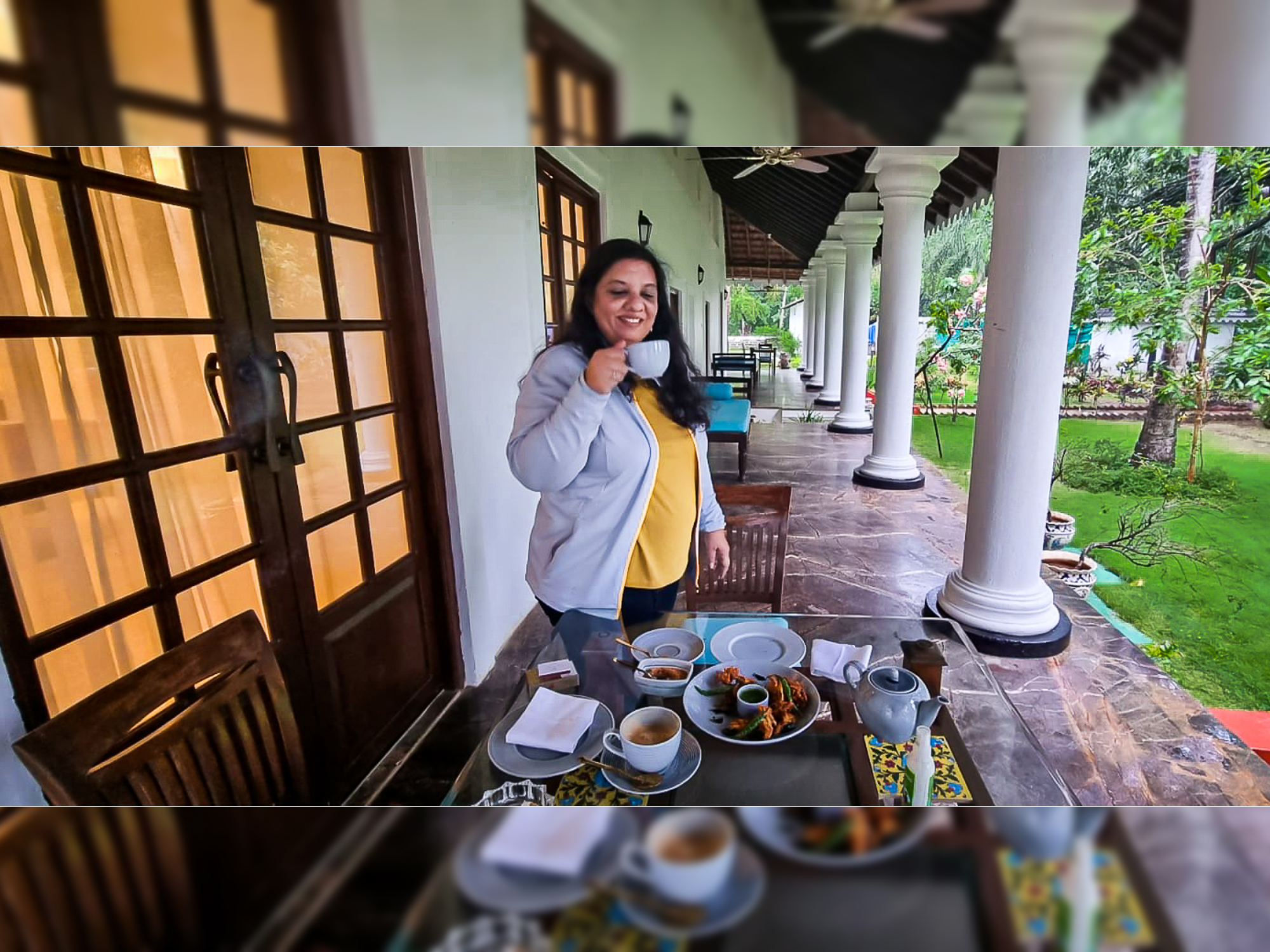
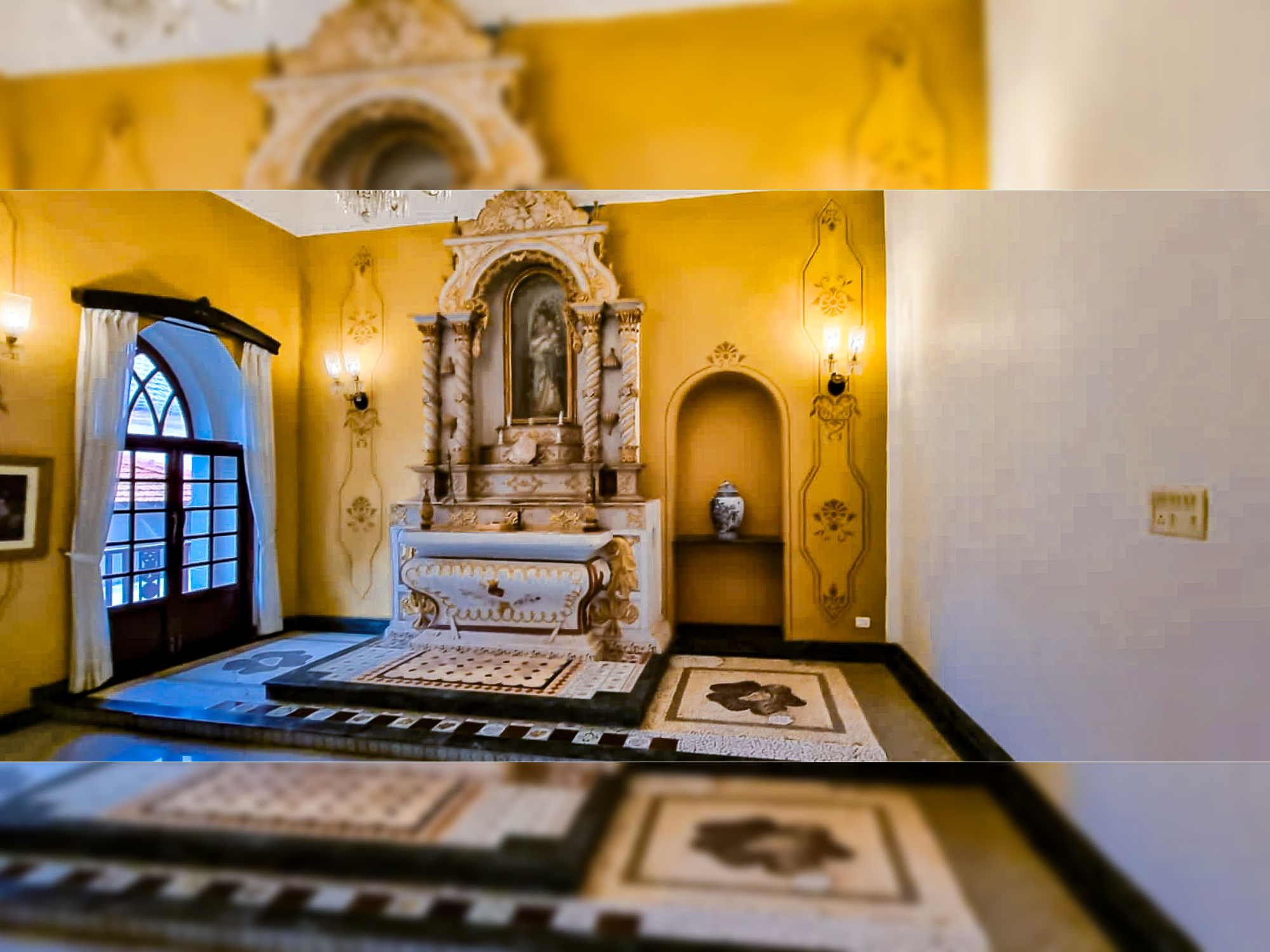
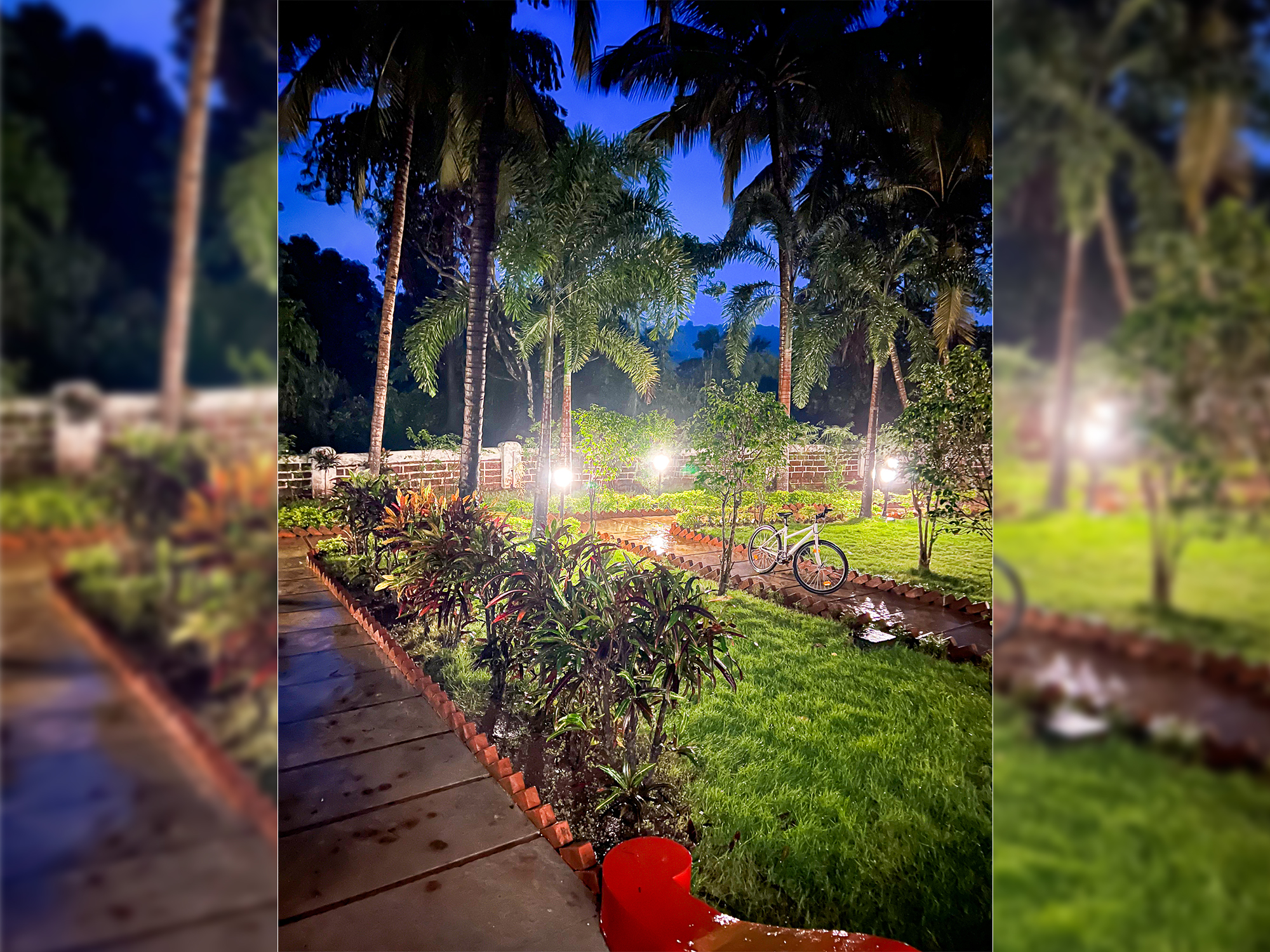
Just inland from the coast, hushed fields grow green and lush, punctuated only by stately white chapels on which crosses sparkle in the sunlight. Tucked away amid it all is The Postcard Cuelim, a 350-year-old restored mansion that overlooks paddy fields to look across at the sea. Its laterite walls and carved wooden doors are a testament to Goa’s layered history. This home once belonged to the family of T.B.Cunha, the “Father of Goan nationalism”, who was born in a nearby village in 1891. Schooled in Paris, inspired as a European with the ideal of freedom, he came back to his land under Portuguese control, convinced that it was their homeland and they belonged to it. He wrote and inspired people before ending up in prison and exile. The air at Utorda today is distant from the political frenzy he brought, but perhaps that is what makes his story ring. For what is freedom but the right to take possession of one’s own coast, one’s own land, and one’s own rhythm of life?
Strolling on the sand at sundown, the beach feels pleasant. It is the home to a subtle poetry: fishermen hauling nets evenly in with their hands, children playing football where the tide has ebbed away, and walkers making long trails of footprints to be scrubbed clean by the sea. And faith is found in the little shrines that dot the shore, where offerings of flowers and candles are made to saints gazing out toward the horizon.
The Postcard Cuelim, located on the strip between sea and field, is where memory meets continuation. Its halls ring with the footsteps of history and watch over the eternal landscape. To remain here is to sense the interlocution of Goa’s political awakening and its timeless silence.
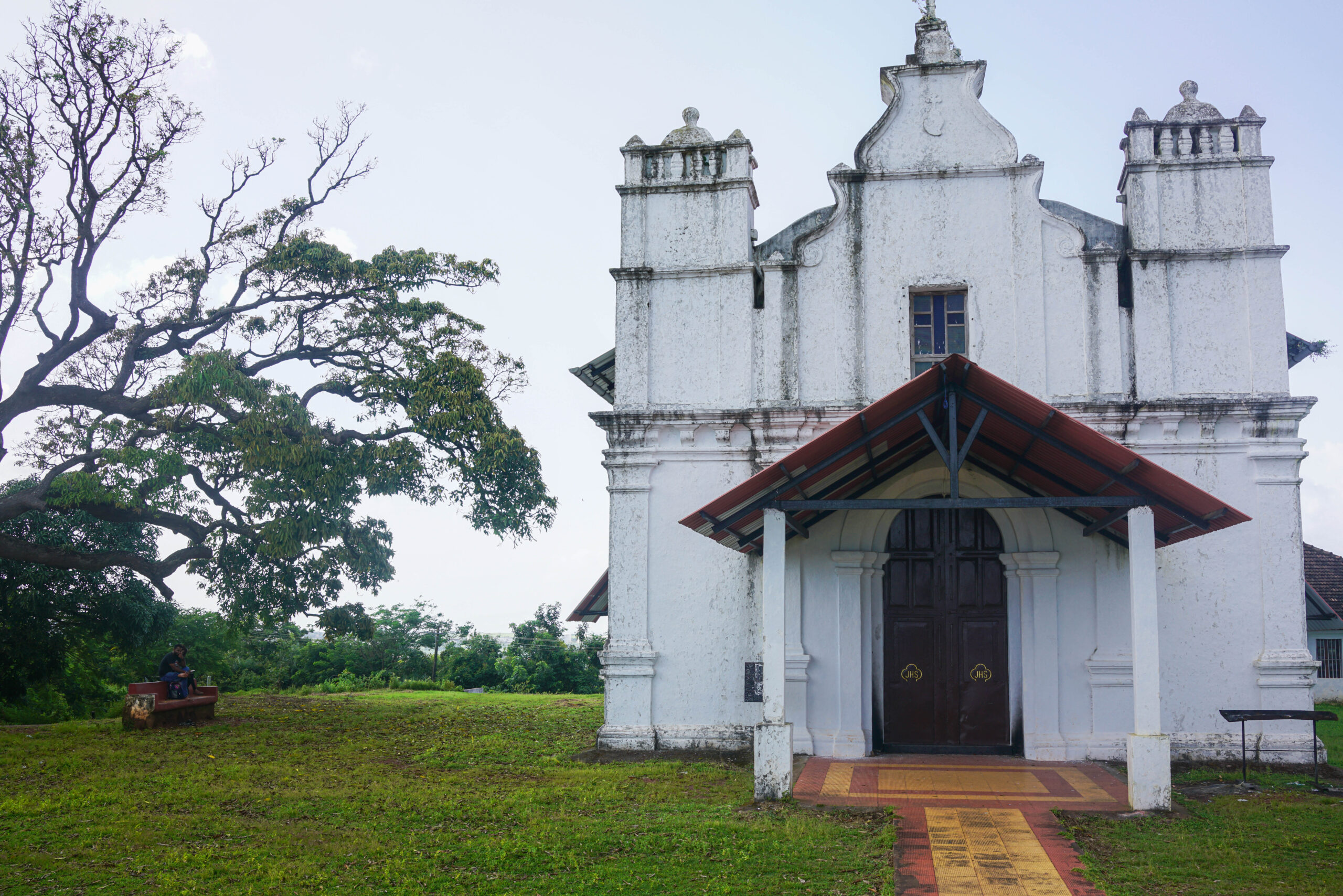
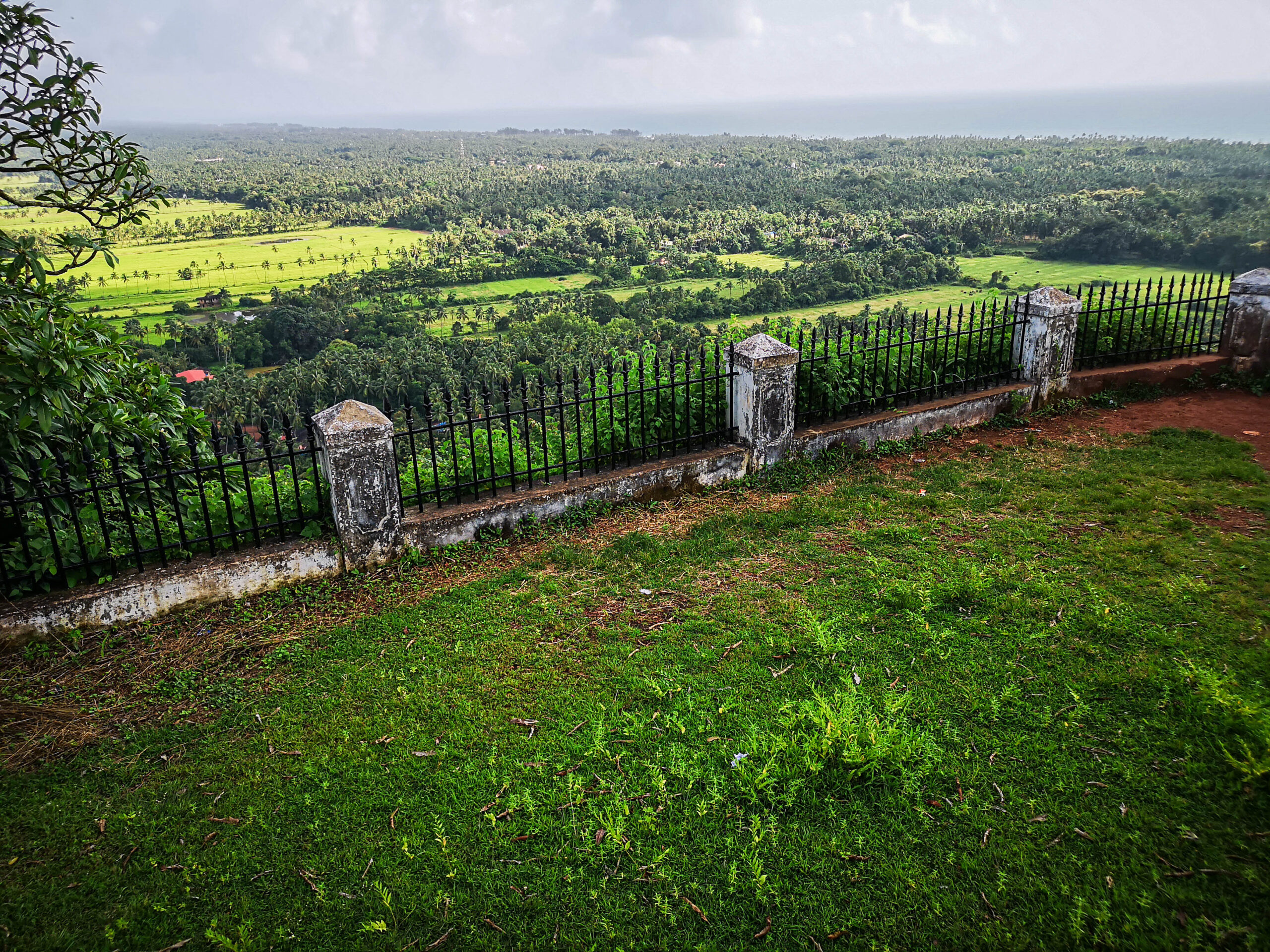
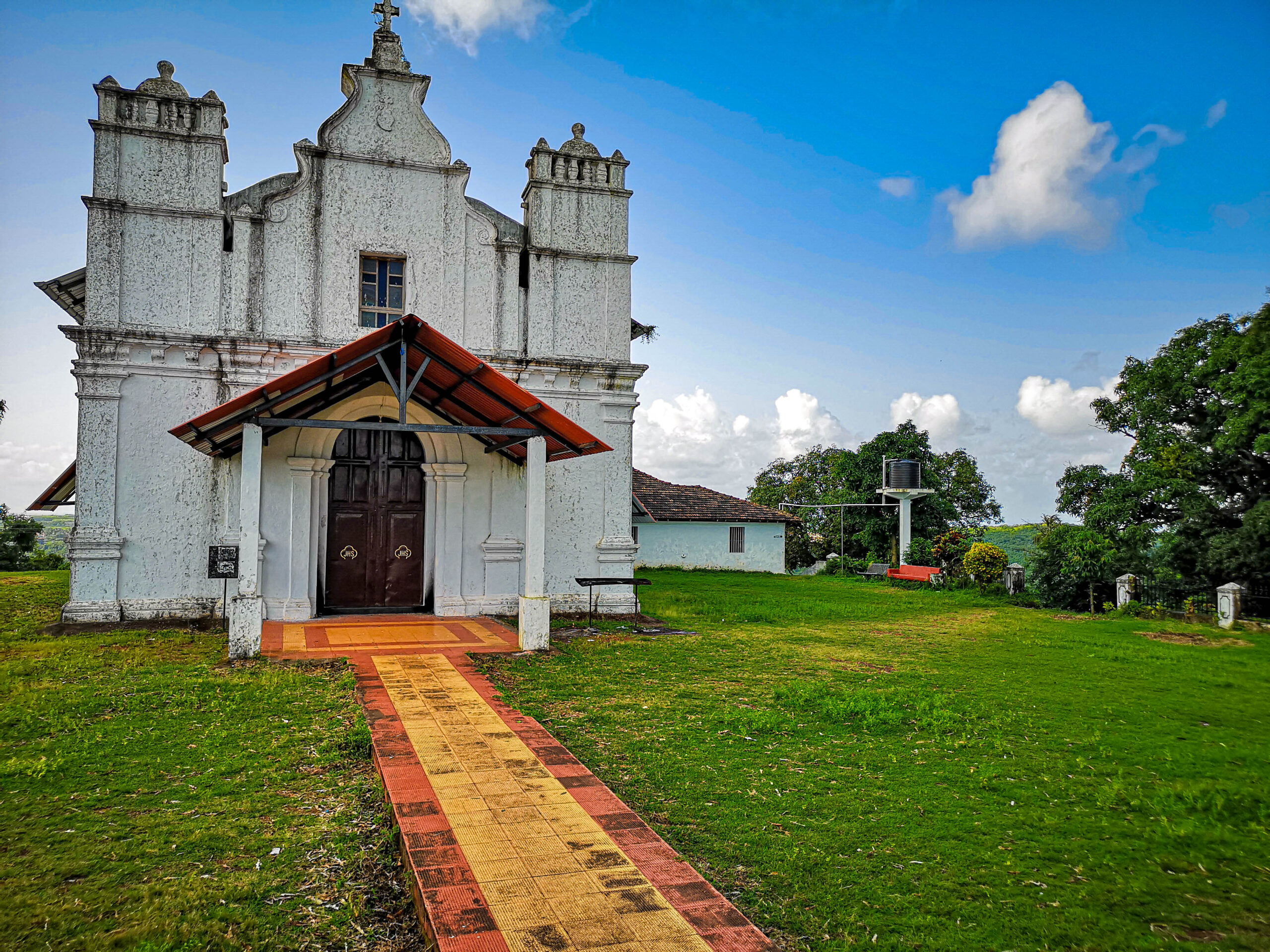
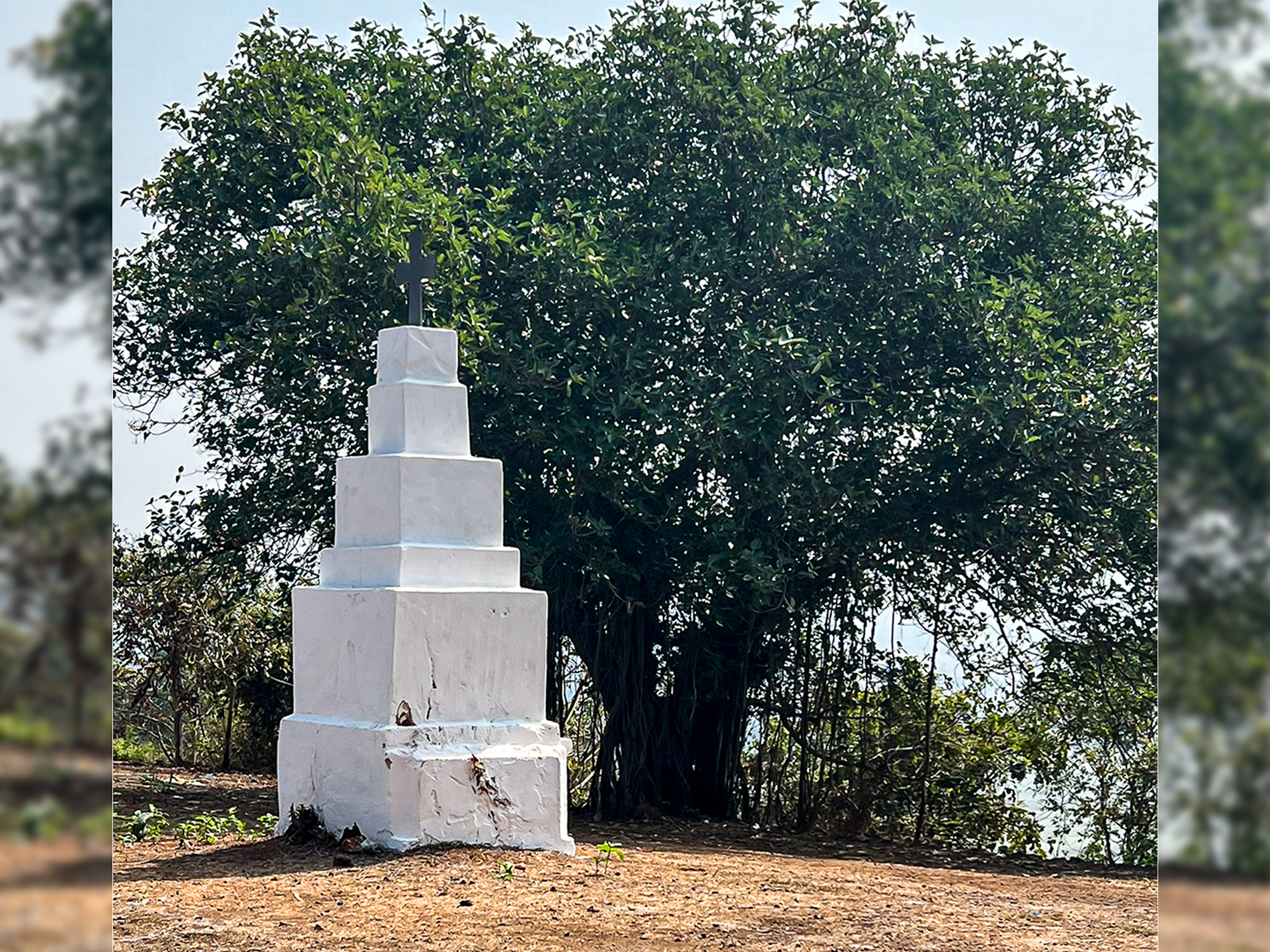
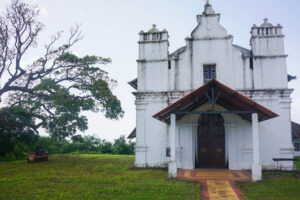
A narrow, meandering road to the top leads to the 3 Kings Church at Cansaulim, atop a solitary hill from Cuelim. Its whitewashed walls shimmer in the sun by day, but it is its legends that have kept bringing up its name. Legend has it that three competing kings, desperate for power and poisoned by each other in a mutual death grip, left their spirits to wander the land. To this day, the locals still tell tales of haunted nights and ghostly apparitions. But when you stand there at dusk, the view over the coastline stretching out across the expanse of the Arabian Sea, that church seems less haunted than hallowed. It contains myth and greatness in one, locking folklore with faith through a common silence.
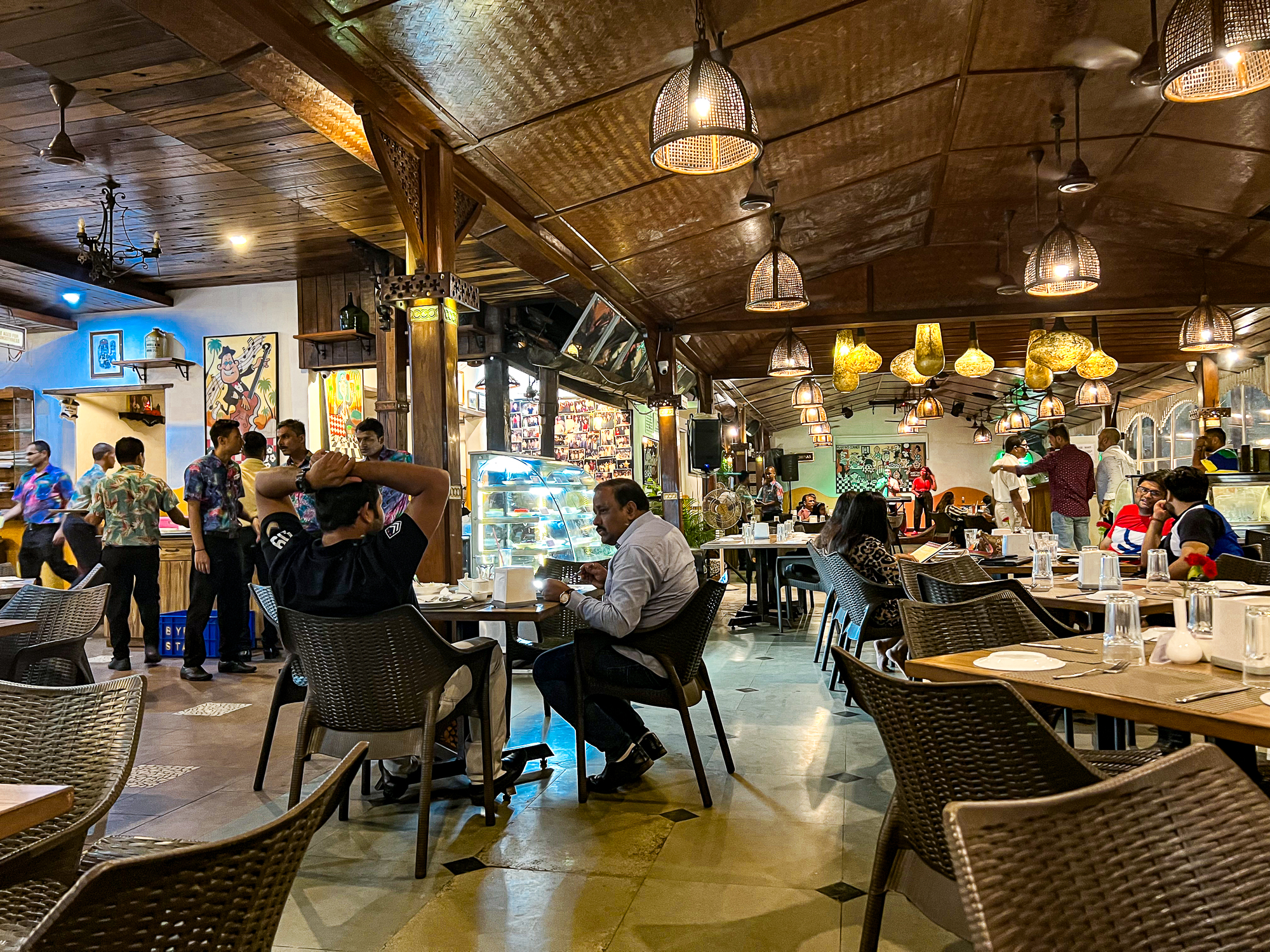
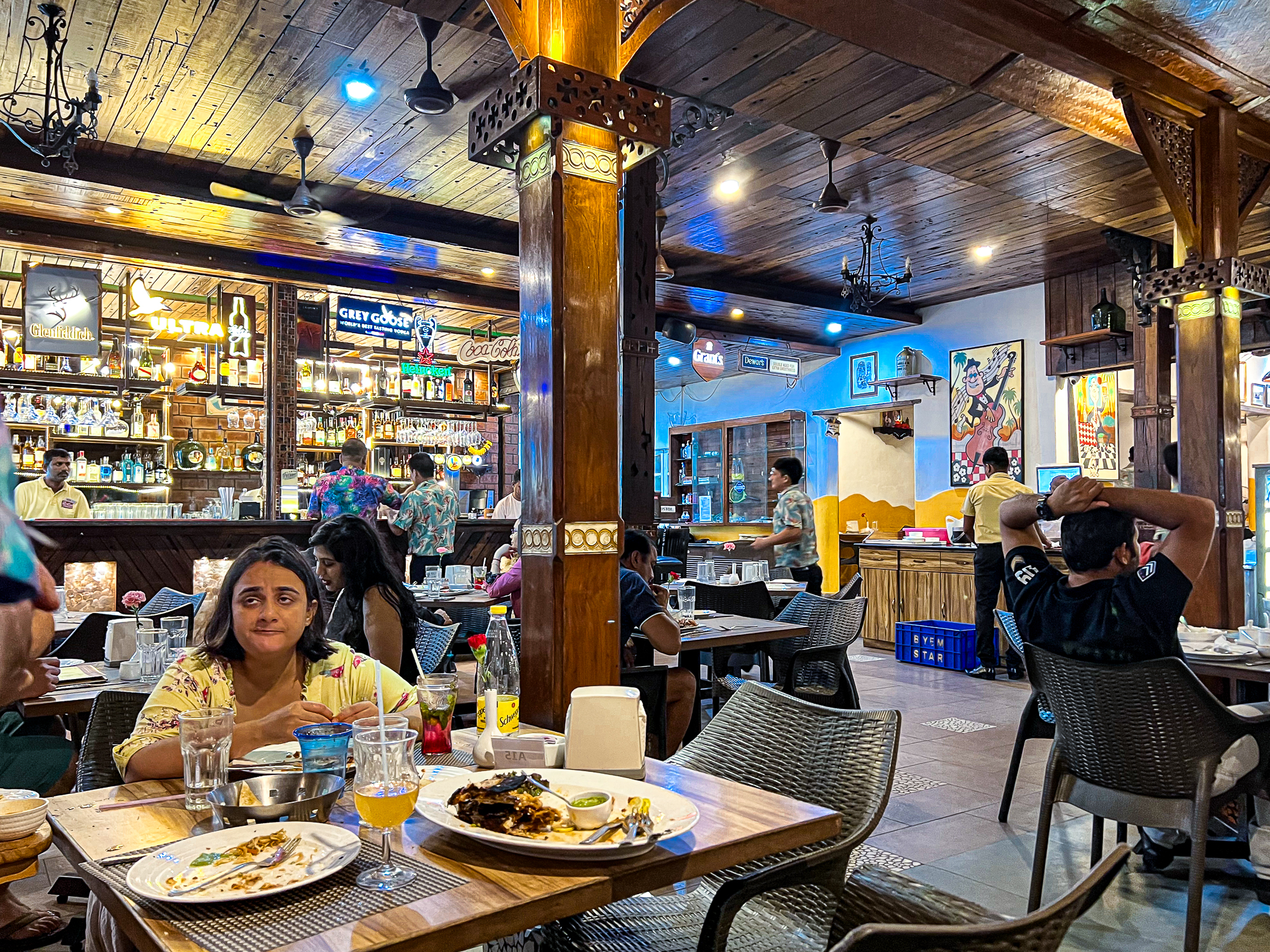
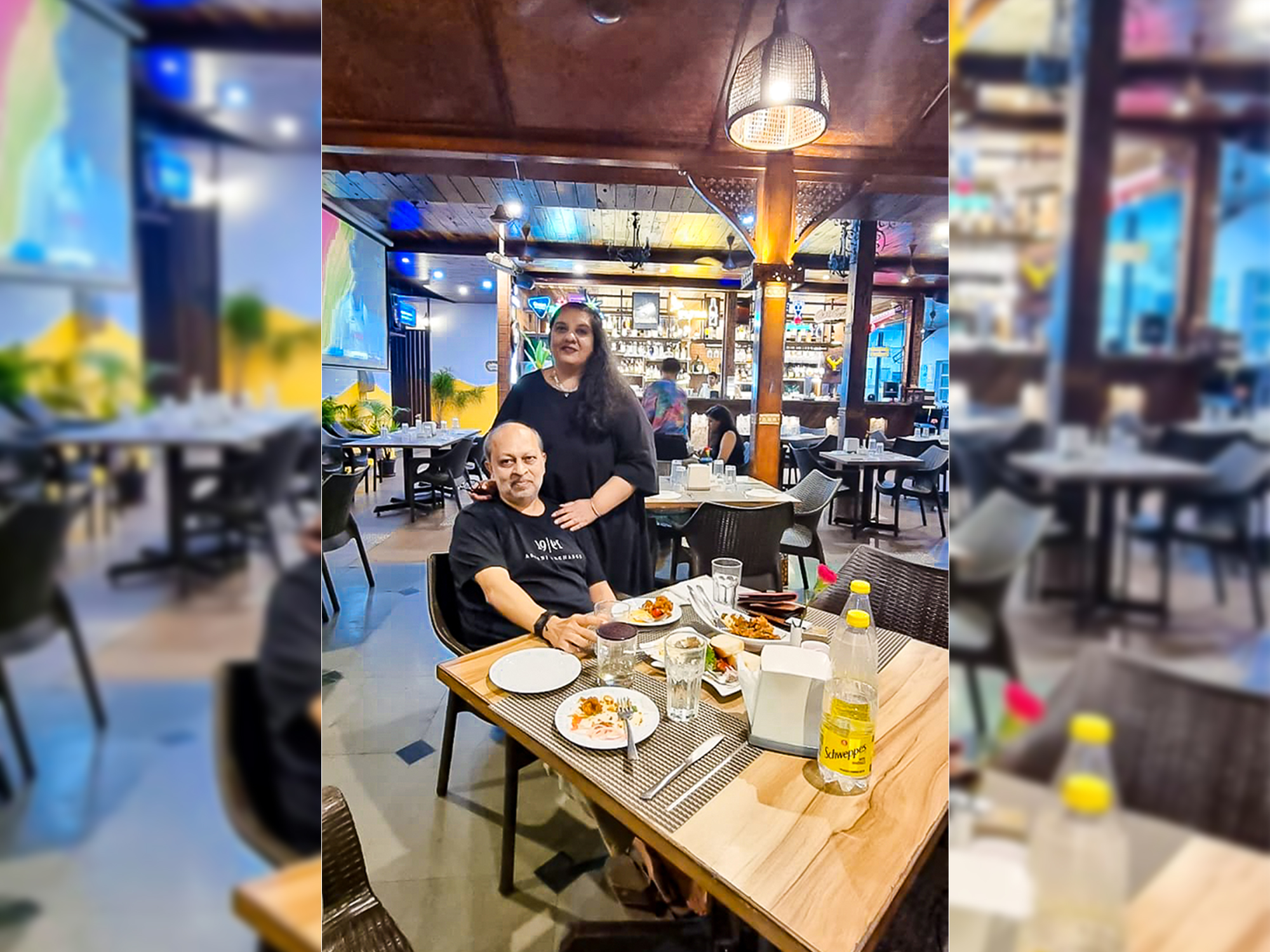
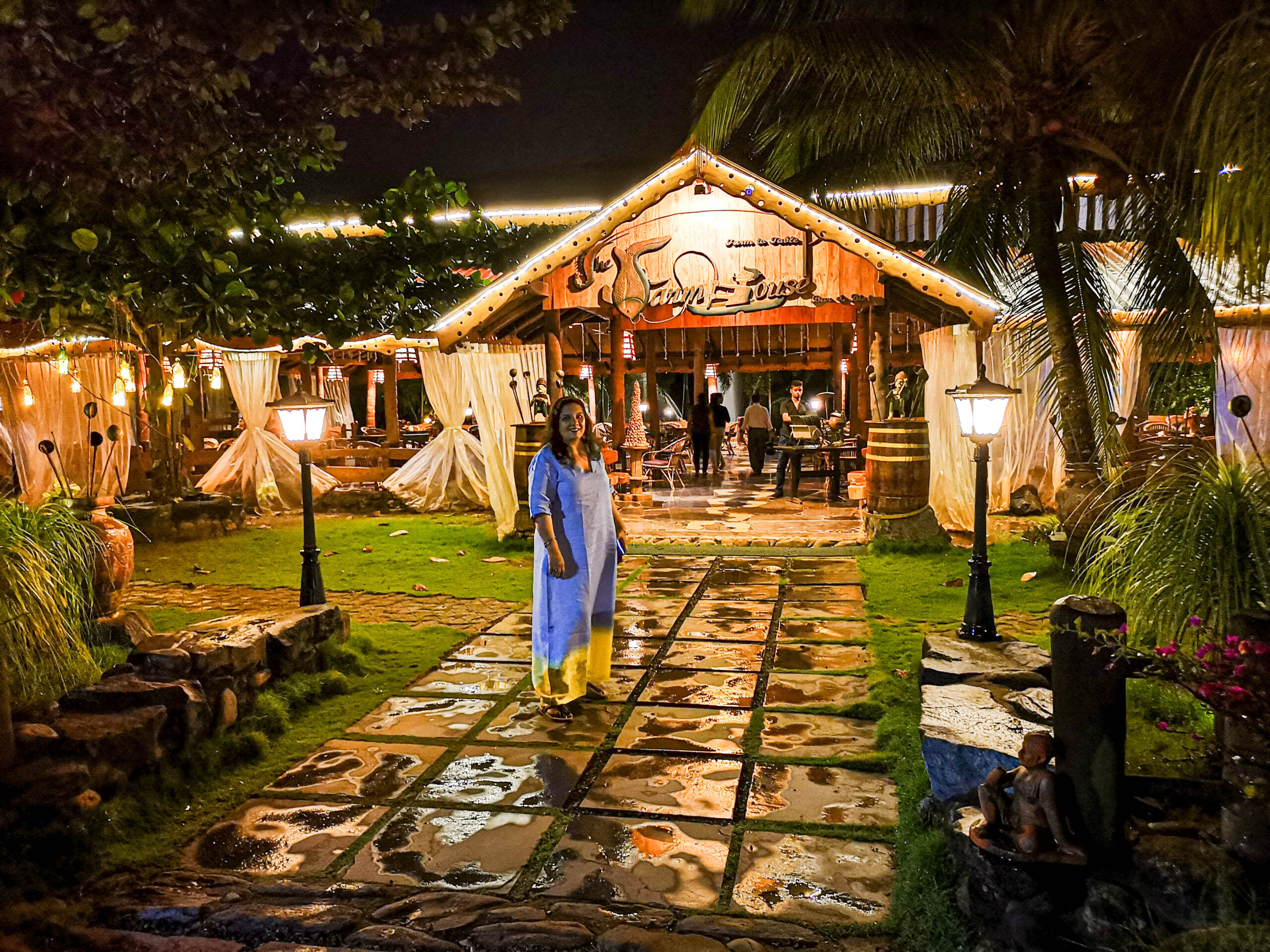
Down south at Benaulim, the land and the table meld in The Farmhouse, a rustic experience that speaks of the Goan soil. Surrounded by fields, the restaurant serves food that is earthy and celebratory—clay pots of xacuti, prawn curry laced with coconut, and red rice that smells like monsoon earth. Here, meals are a conversation, and the beauty of Goa is worked into every dish.
In this part of Goa, the world feels far away. And yet, even in this silence, the voices of the history of resistance, of resilience, and of belonging—echo.
 27
27