Shimla: Where Mountains Hold Their Breath
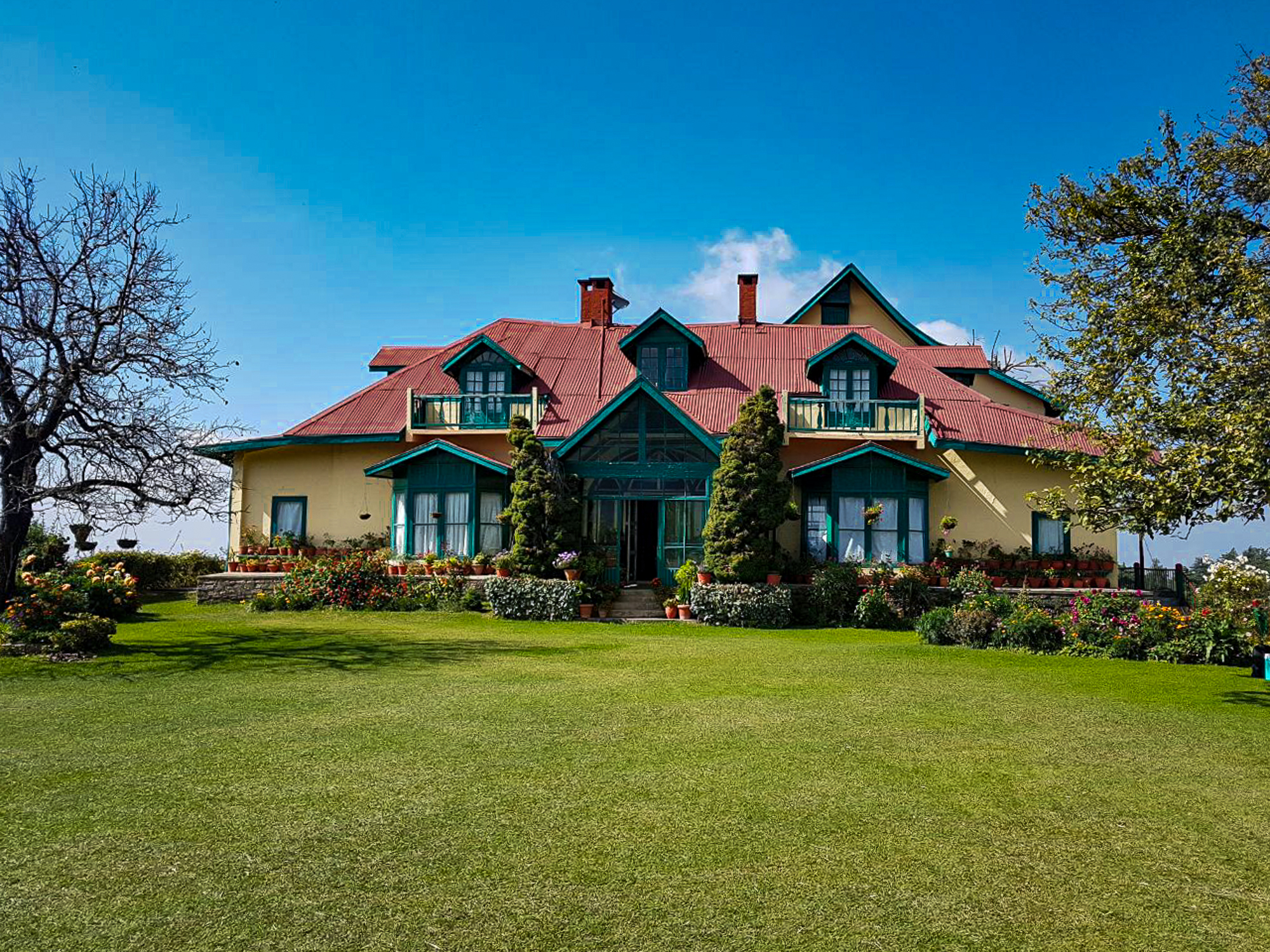
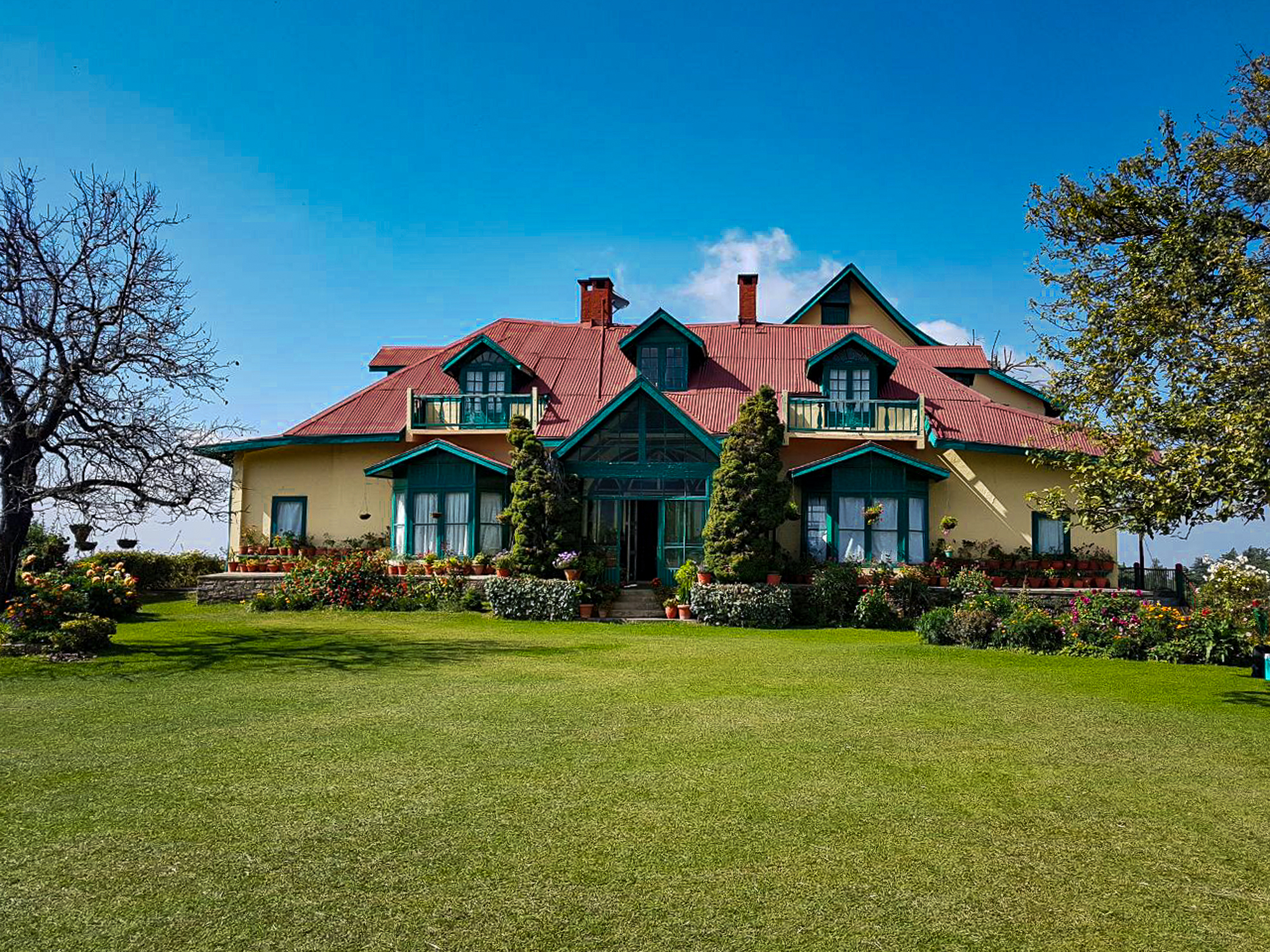
Hotel: Wildflower Hall
Taking the road to Shimla is like a hymn through the Himalayas — each turn revealing a valley deeper than the last. On both sides, pines will take rank, the needles dulled by the mist, and clouds will come low enough to ruffle your rooftops. For Himachalis and visitors alike, Shimla has always been beyond a hill station. A liminal space — the air changes, the time stretches and folds upon itself and the land itself calls a brief to halt.
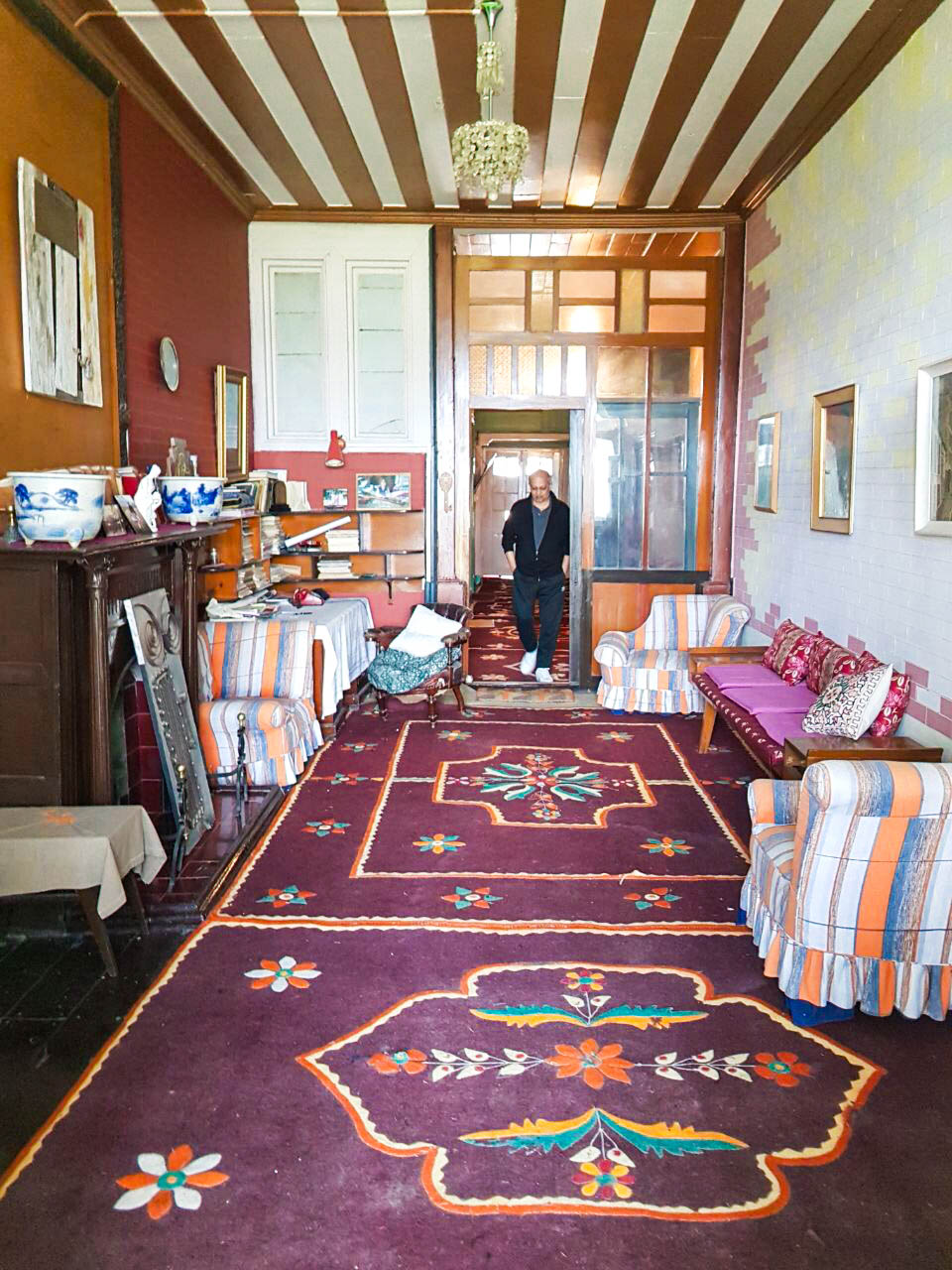
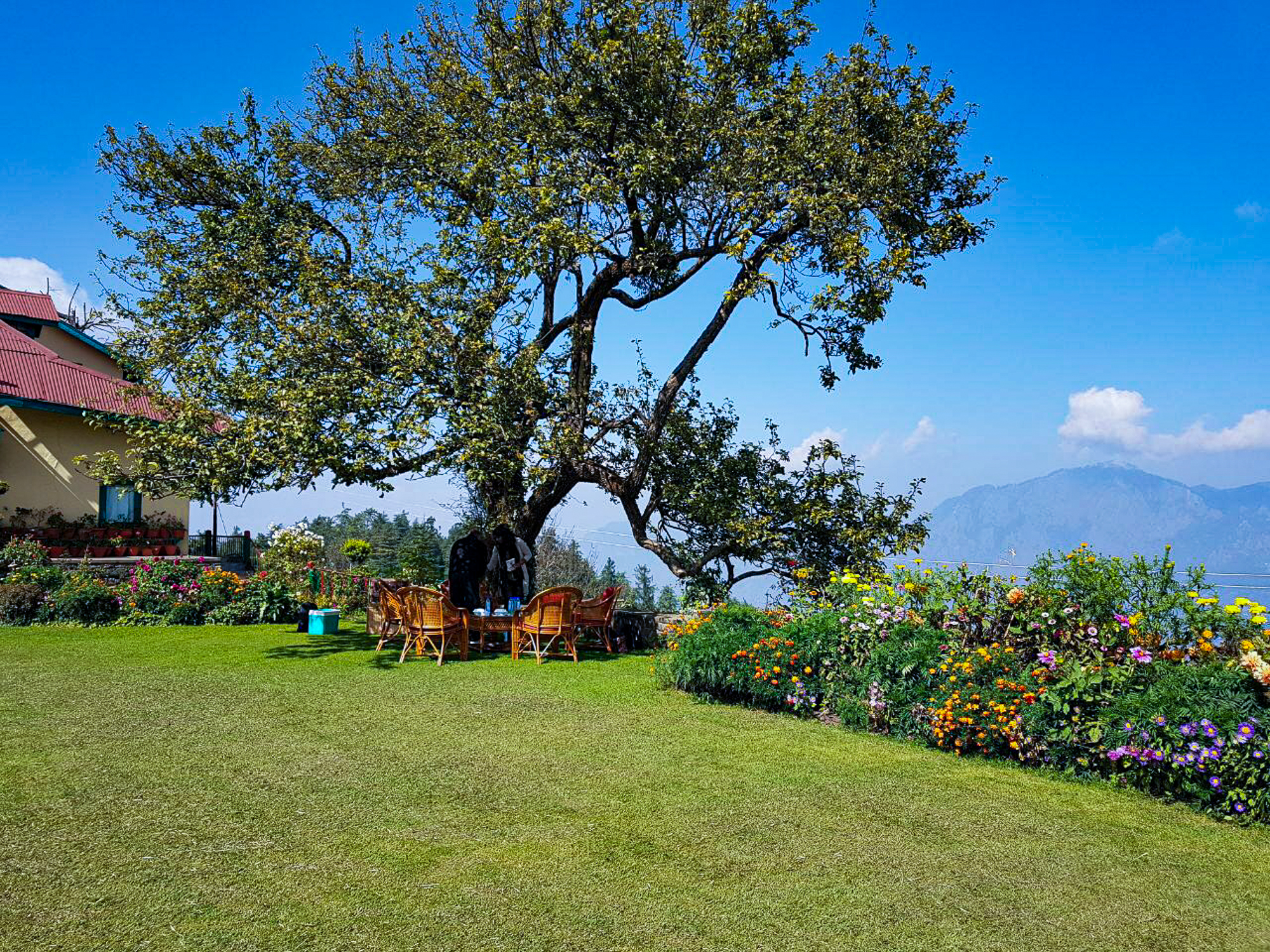
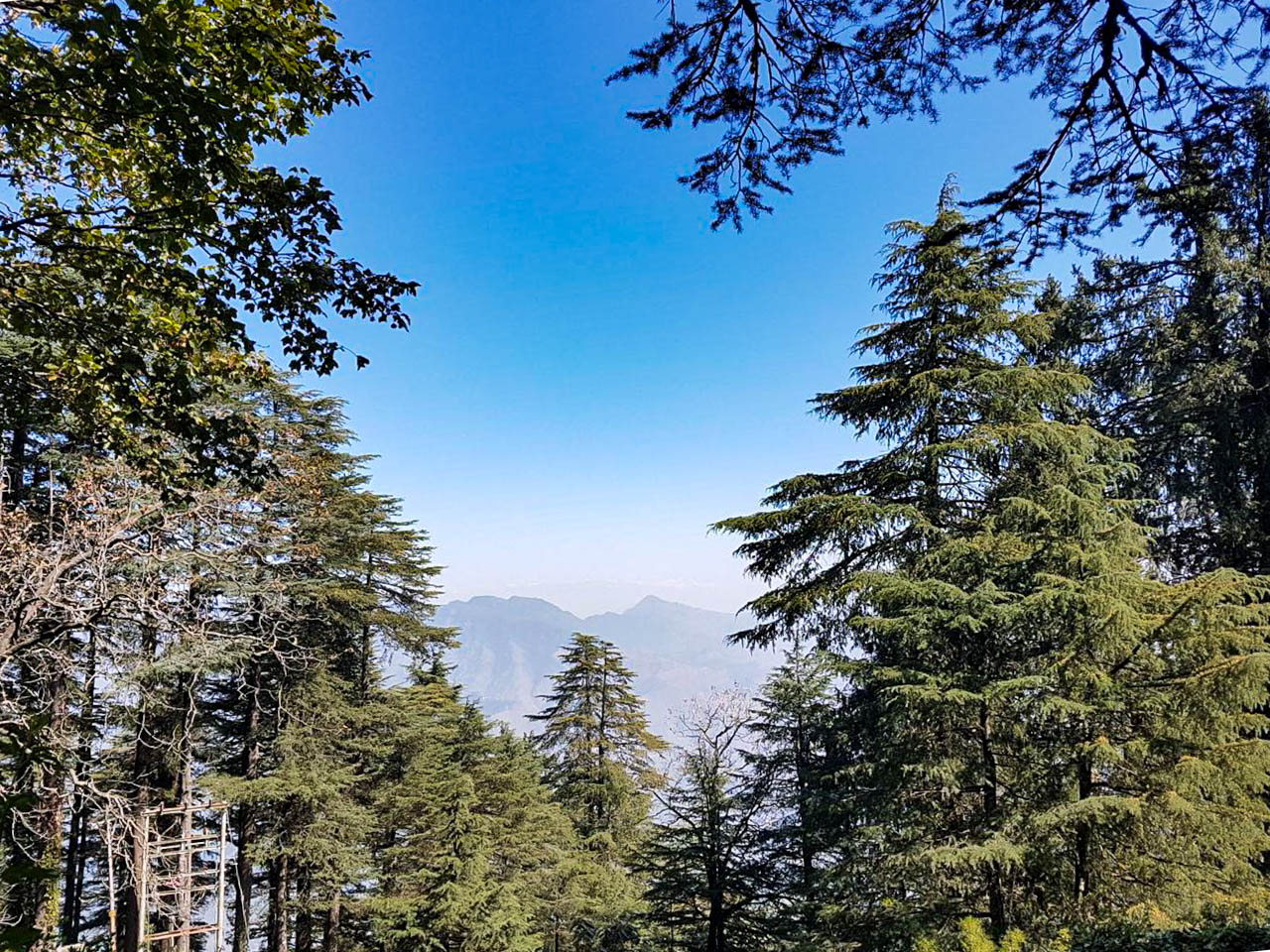
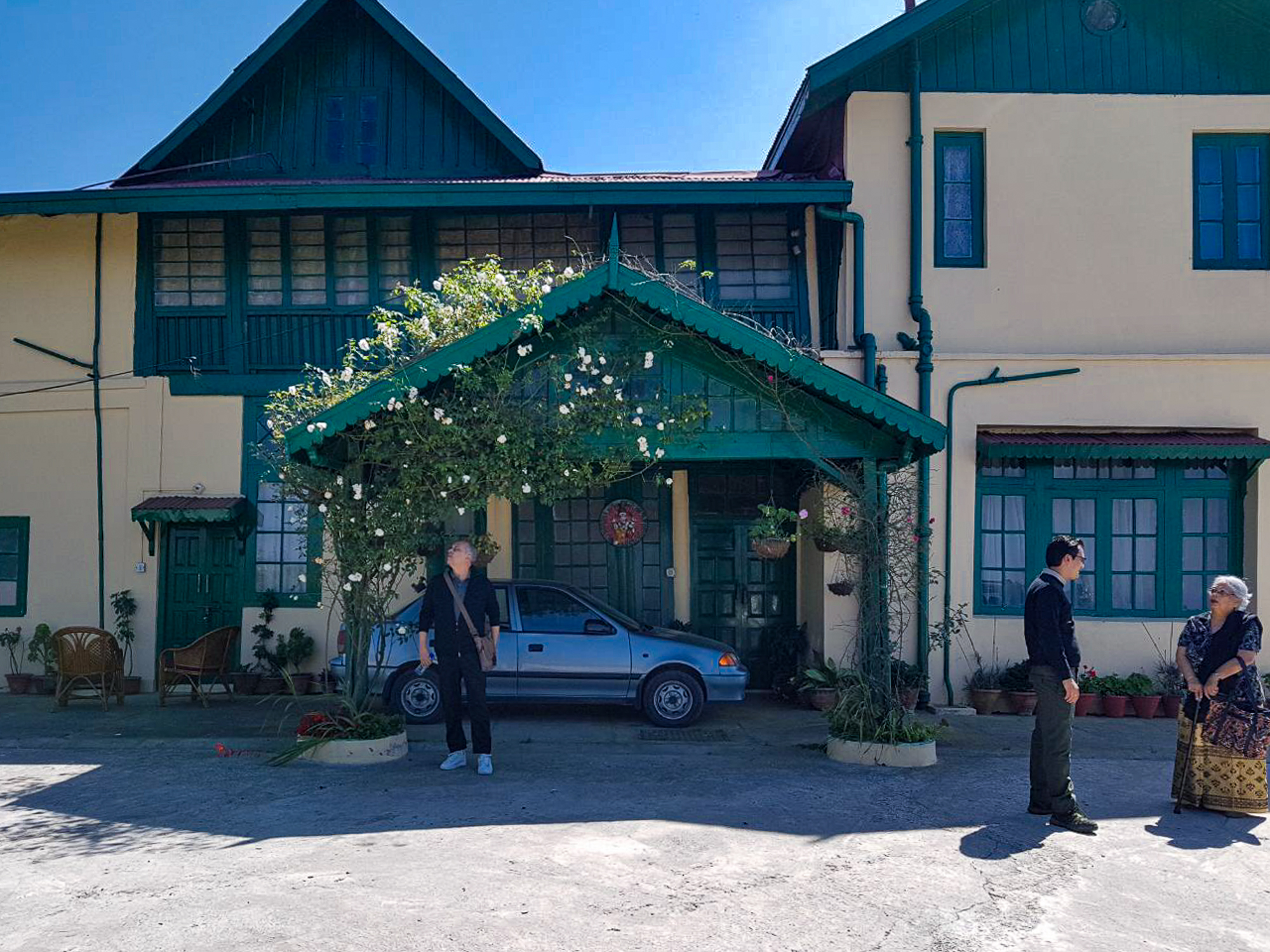
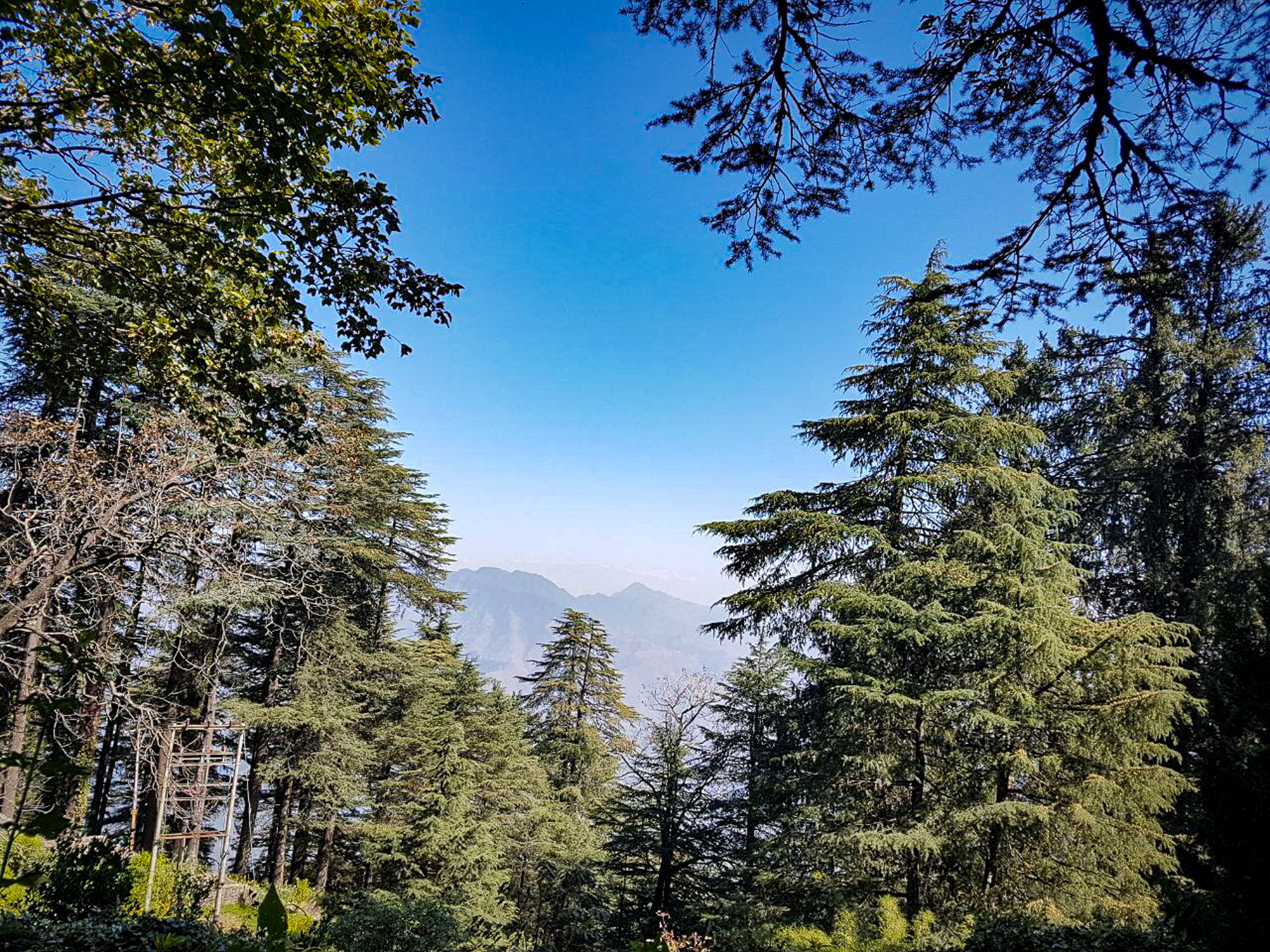
The pause was elevated during our stay at Wildflower Hall. The hotel, situated above the city, seemed more like an observation deck chiselled into the mountain than a hotel where a traveller would rest. Through its terraces the forests of cedar and oak extended without limit, the mountains rippling into horizon after horizon. Each dawn, a pale white mist fills the valleys and by dusk, the peaks blaze gold and orange in the twilight. Housed behind the ancient walls that weep with the old-world grace of the British Raj, yet this old-fashioned retreat is steeped in Himalayan magnificence.
At one time the summer capital of British India, it is easy to see why Shimla was given such a title. As the plains baked below even in the 19th century, officials and their families retreated upward into the refreshing mountain air. The British left behind some architectural history which remains at the heart of the town. As crowds of locals and tourists flow down the grand boulevards of the nation, one can still sense the echo of colonial footsteps while strolling down The Mall.
Trekking around Wildflower Hall took us on silent trails, where the chirp of birds was drowned by the rhythm of our footsteps and the rhythmic heartbeat of the woods. Streams that babbled down the hills, pooling in clumps of moss. At certain turns, the mountains slipped aside to reveal the Sutlej River, a silver thread far below. Winters drapes these hills in white cotton sheets, transforming Shimla into a lifeless white planet.
Shimla is all about convergence. It is here where a colonial past overlaps with an undying forest; the buzz of The Mall collides with the silence of cedar trails; the quiet of a hotel overlooking the valley high up meets whirs of toy trains threading their way through tunnels. Within all that movement, a reminder that mountains are both solid and shifting, timeless and present.
We spent our final night there, the clouds creeping low, close to eye level, and the lights of Shimla sparkling below like lanterns strung low in the fog. The air — cool and redolent with pine and rain.. Shimla had not unfolded to us any sort of a spectacle. Instead it had kept us rooted in the now in the high above the now here, in the acknowledgement that up here on these ridges, time is a thing that has a different cadence.
Ultimately, Shimla is dialogue between the past and the sky. It is a city that listens to its mountains, and in that listening, calls us to listen, too.
 8
8