Pondicherry: Between the ocean and the cobblestones.
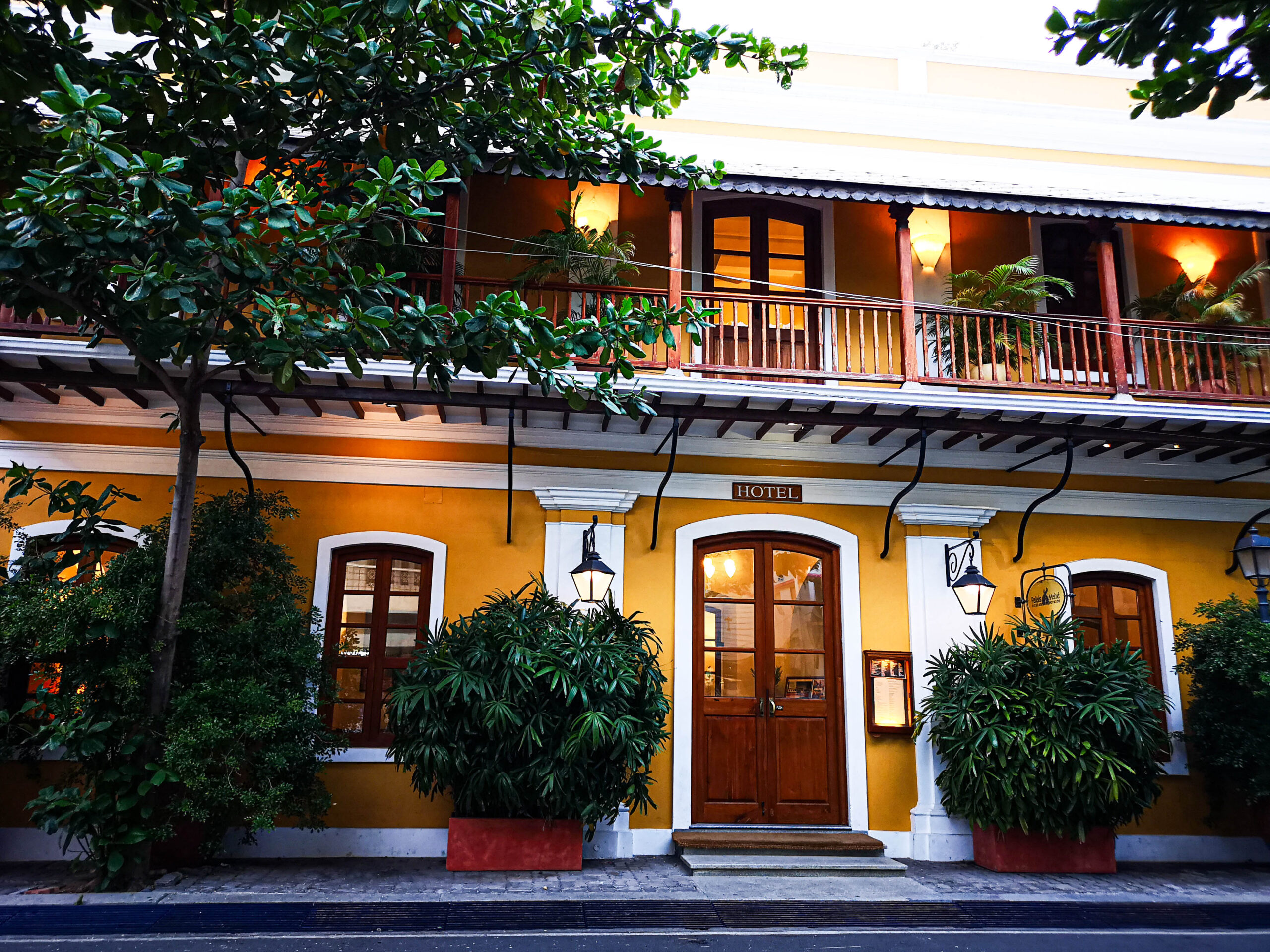
Hotel: Palais de Mahe
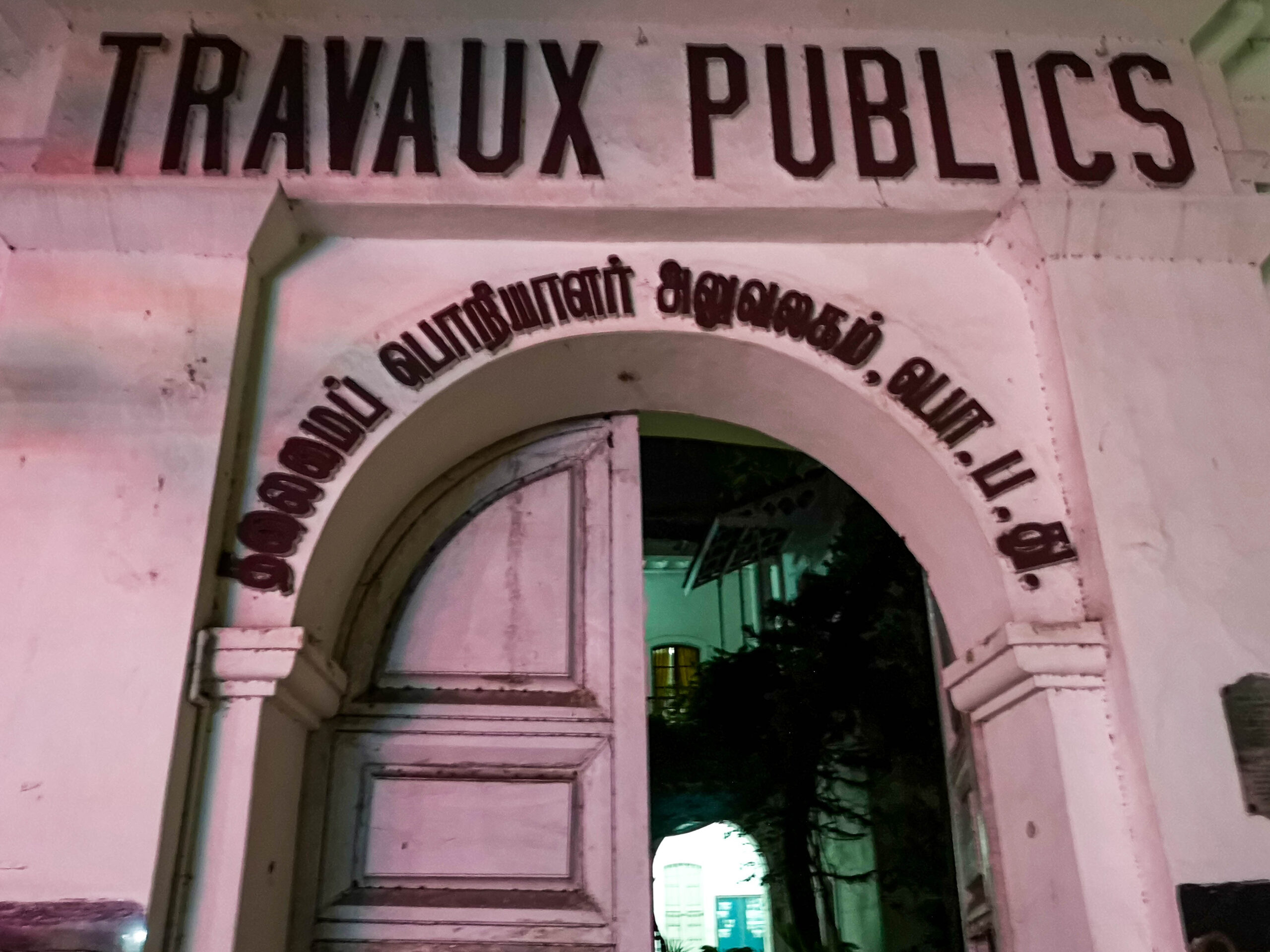
Tugged with the tide and the timbre of French cobblestones, Pondicherry exists as two worlds silkily overlapped: part seaside town, part shard of a colonial past, part India in its most visceral state.
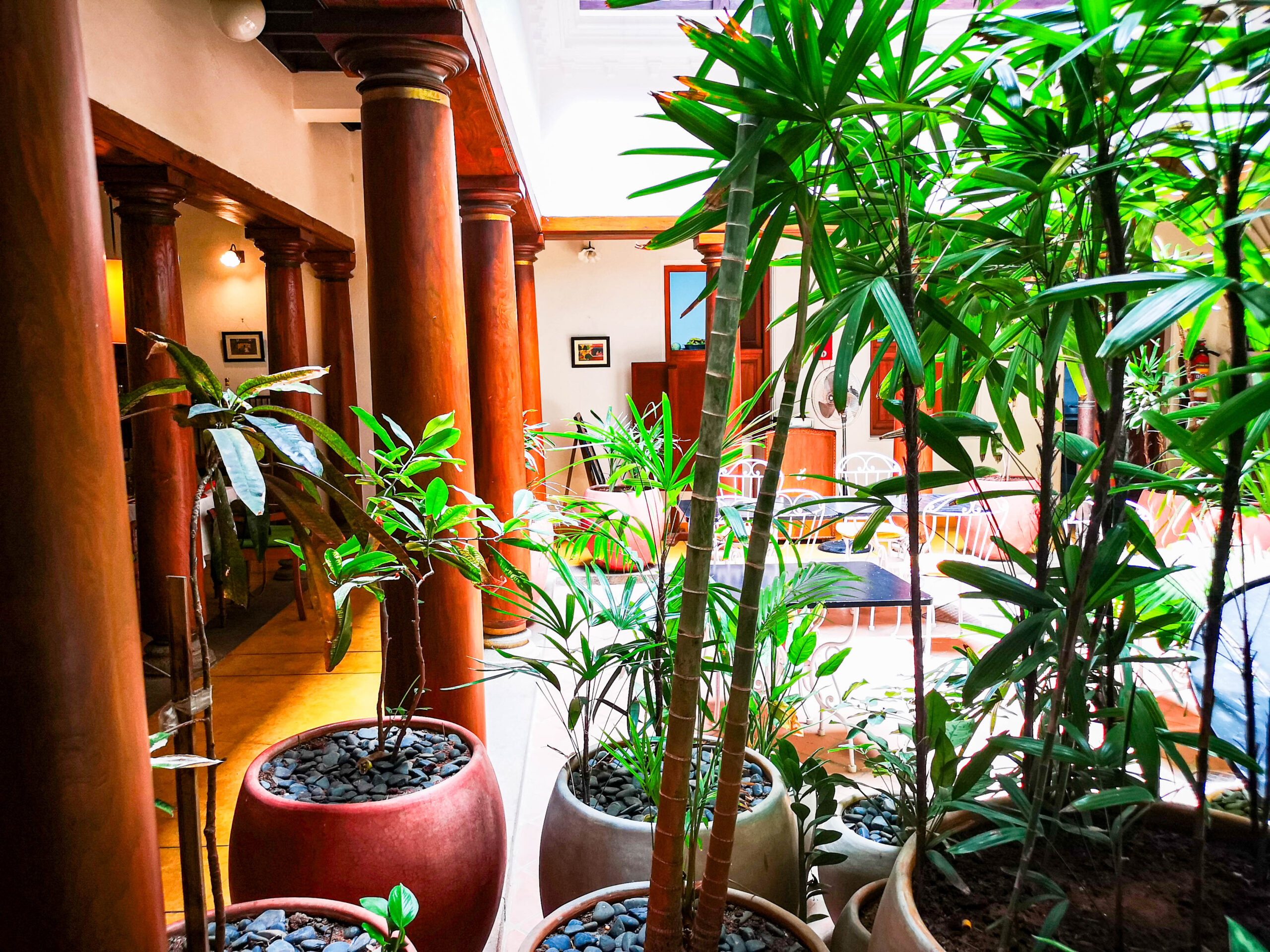
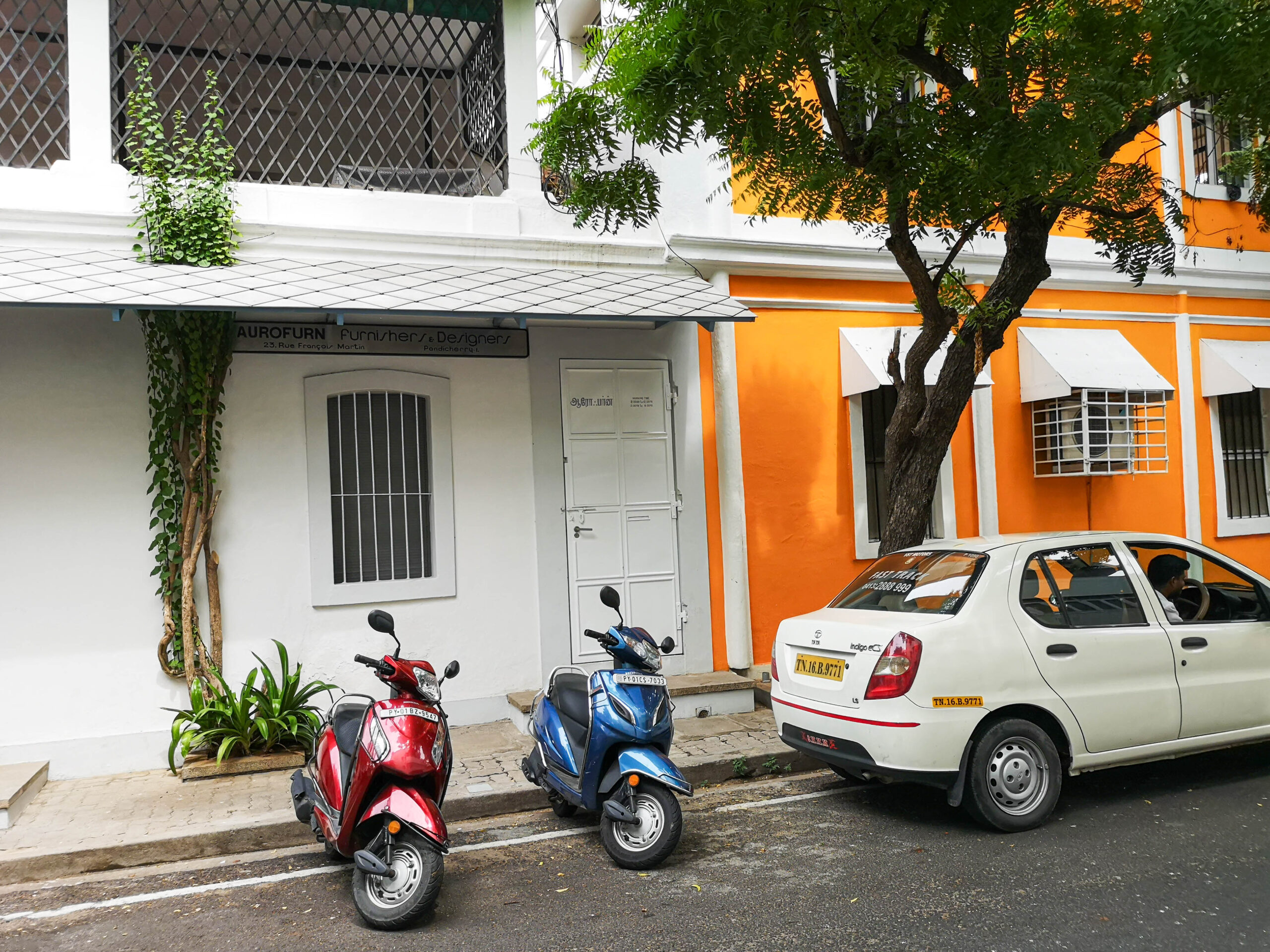
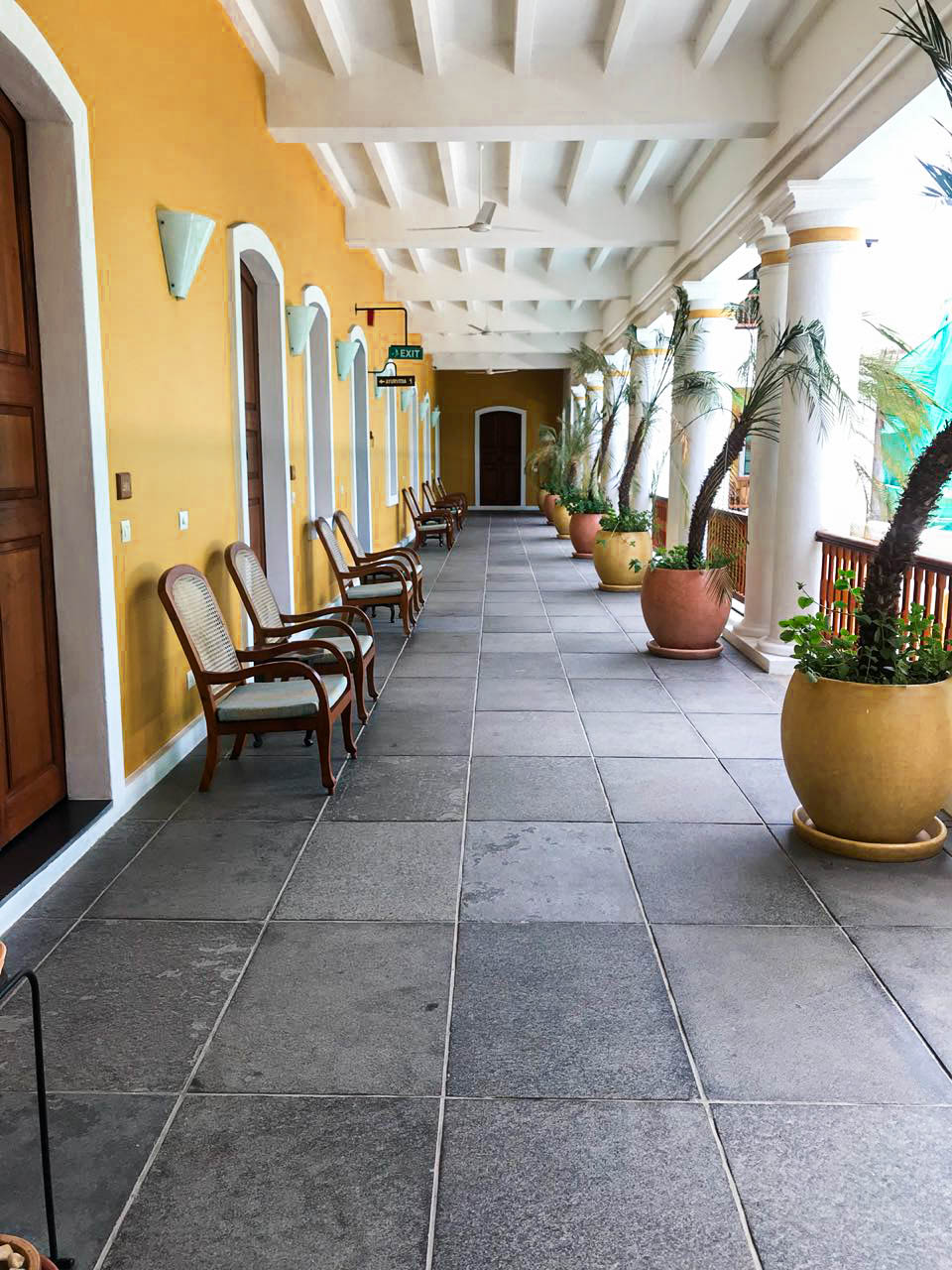
Palais de Mahe is located in the heart of this part of town, the French Quarter, famous for its ochre colored façades and shaded boulevards, all part of an experience that is much calmer than the rest of the Tamil coast. The spirit still lives around the hotel itself — high ceilings, column sort of footpath and cool courtyards where evenings dissolve into drawn out discussions. Less a hotel and more an extension of the town, a connection between past and present.
French Imprint, Indian Soul
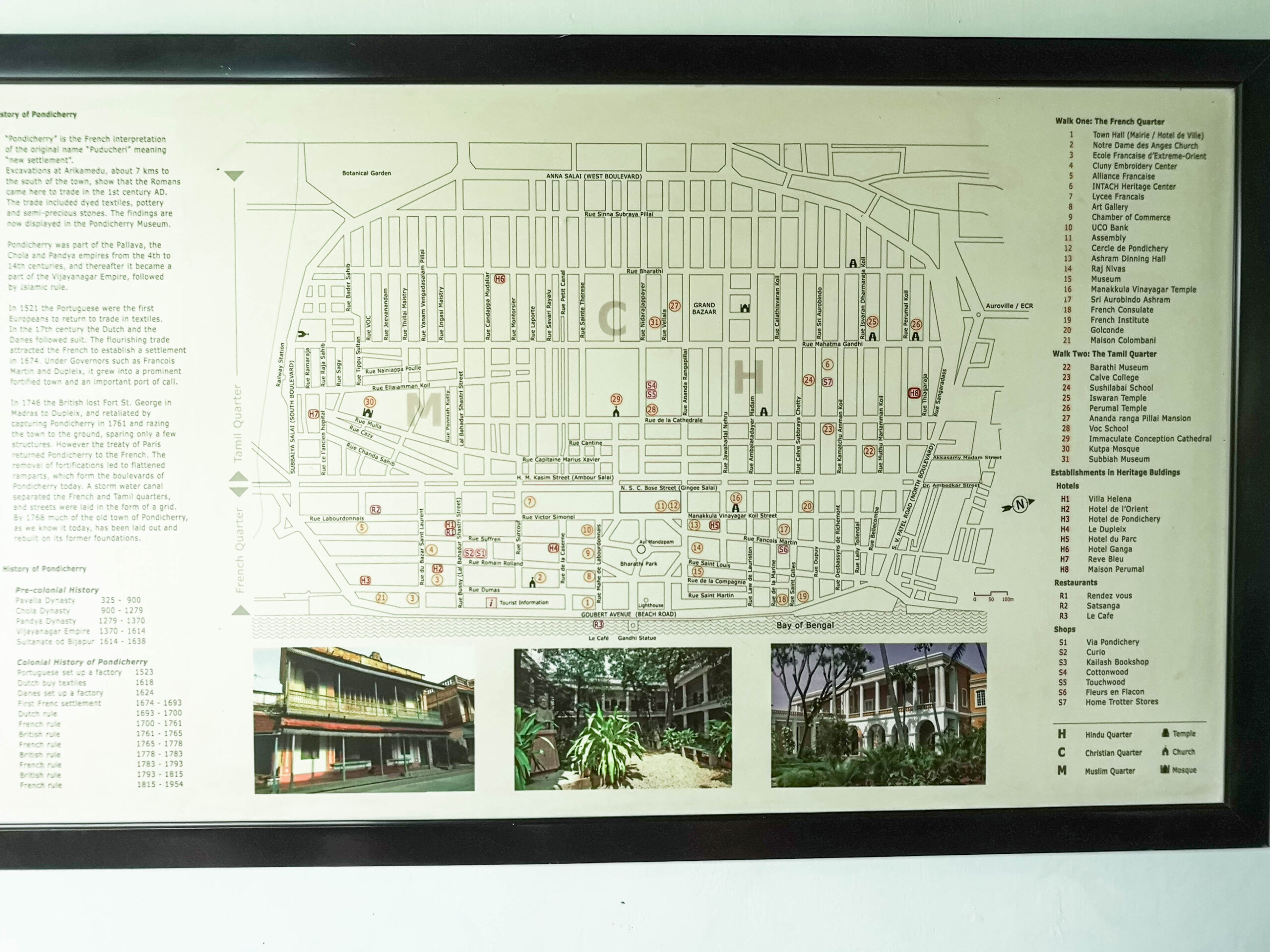
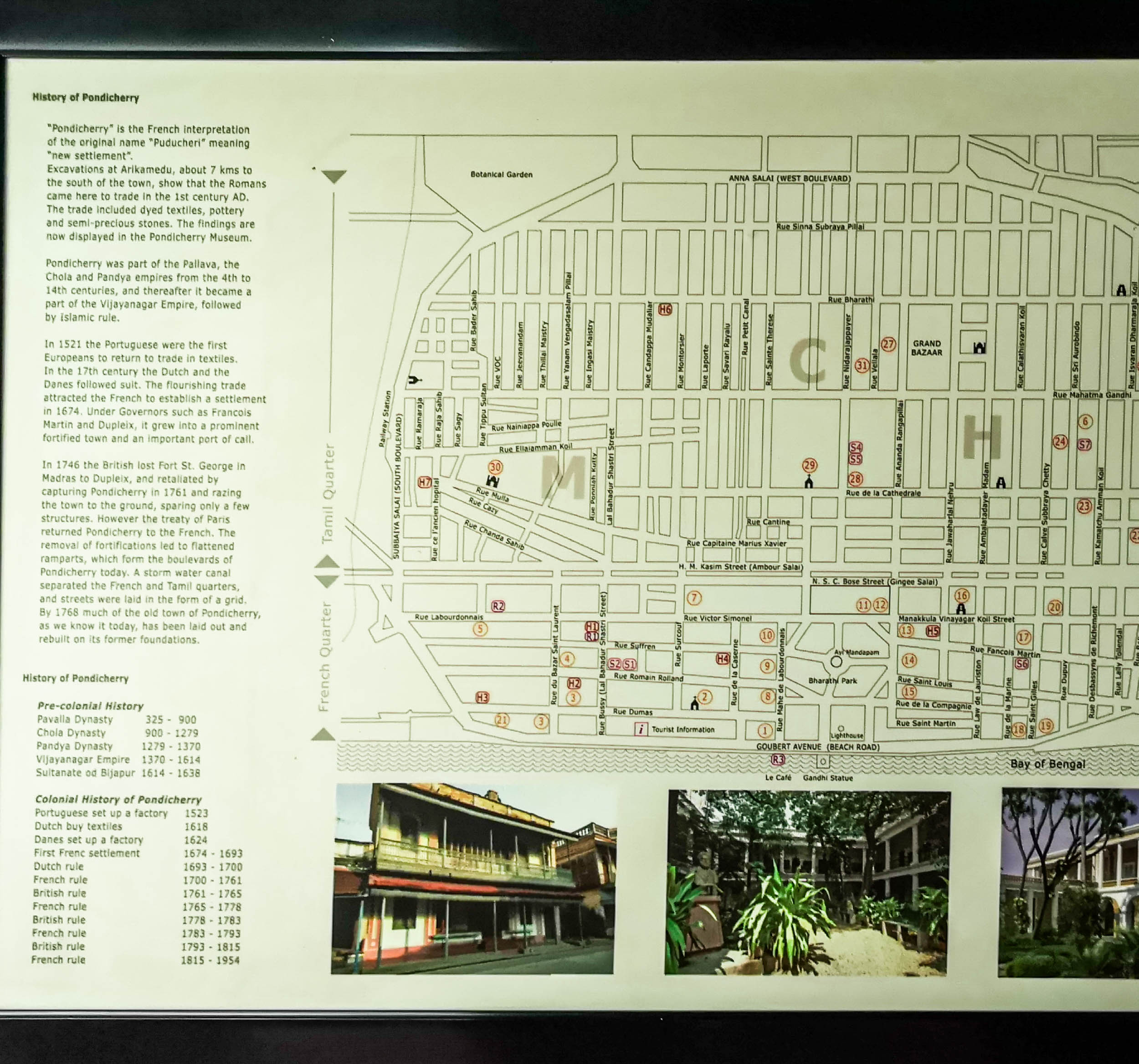
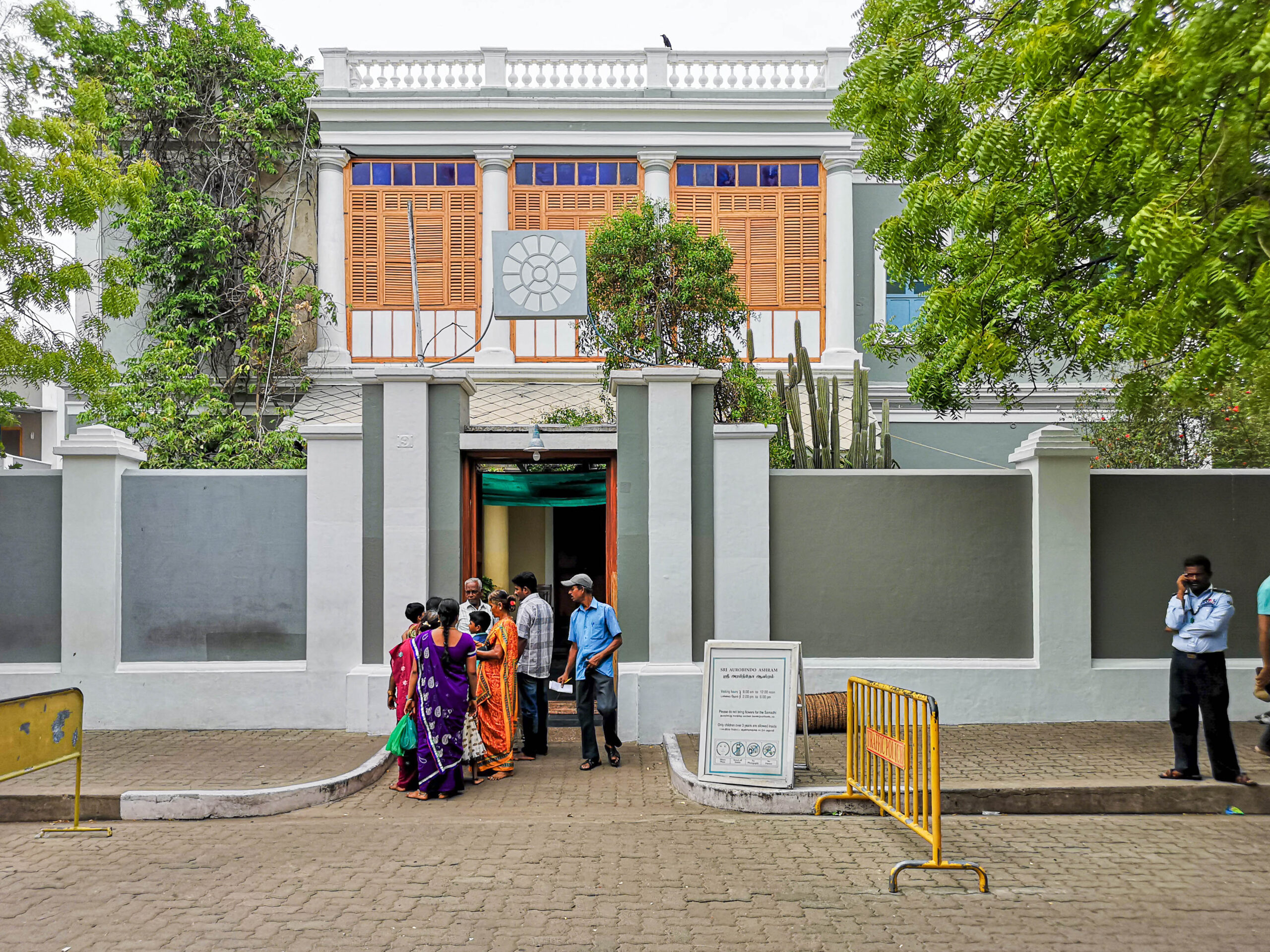
Pondicherry has a history that predates the French. Outside of town, there are archaeological indications of Roman trade already in the 1st century CE at Arikamedu. And after that, the imprint of great dynasties from the Cholas to the Vijayanagara kings. However, the arrival of the French East India Company in 1674 termed Pondicherry in its own shape. The French occupied this coastal settlement for almost three centuries, with only the Dutch and the British interfering in the interim. This split endures, with the grid of the French Quarter populated by pastel villas and the Tamil Quarter its labyrinth of shaded courtyards, shrines and dishevelled markets.
Walking through the French Quarter is like entering another geography. Streets called Rue Dumas, Rue Romain Rolland, Rue Suffren: names brought from across the seas, names heaped on a continent. Bougainvillea trail down balconies, shutters drop against the afternoon sun, and cafes flow onto sidewalks, the scent of croissants fill the air with filter coffee. But this is not faux France. It is a synthesis all its own, where French culture did not scrub off the local but folded itself into it.
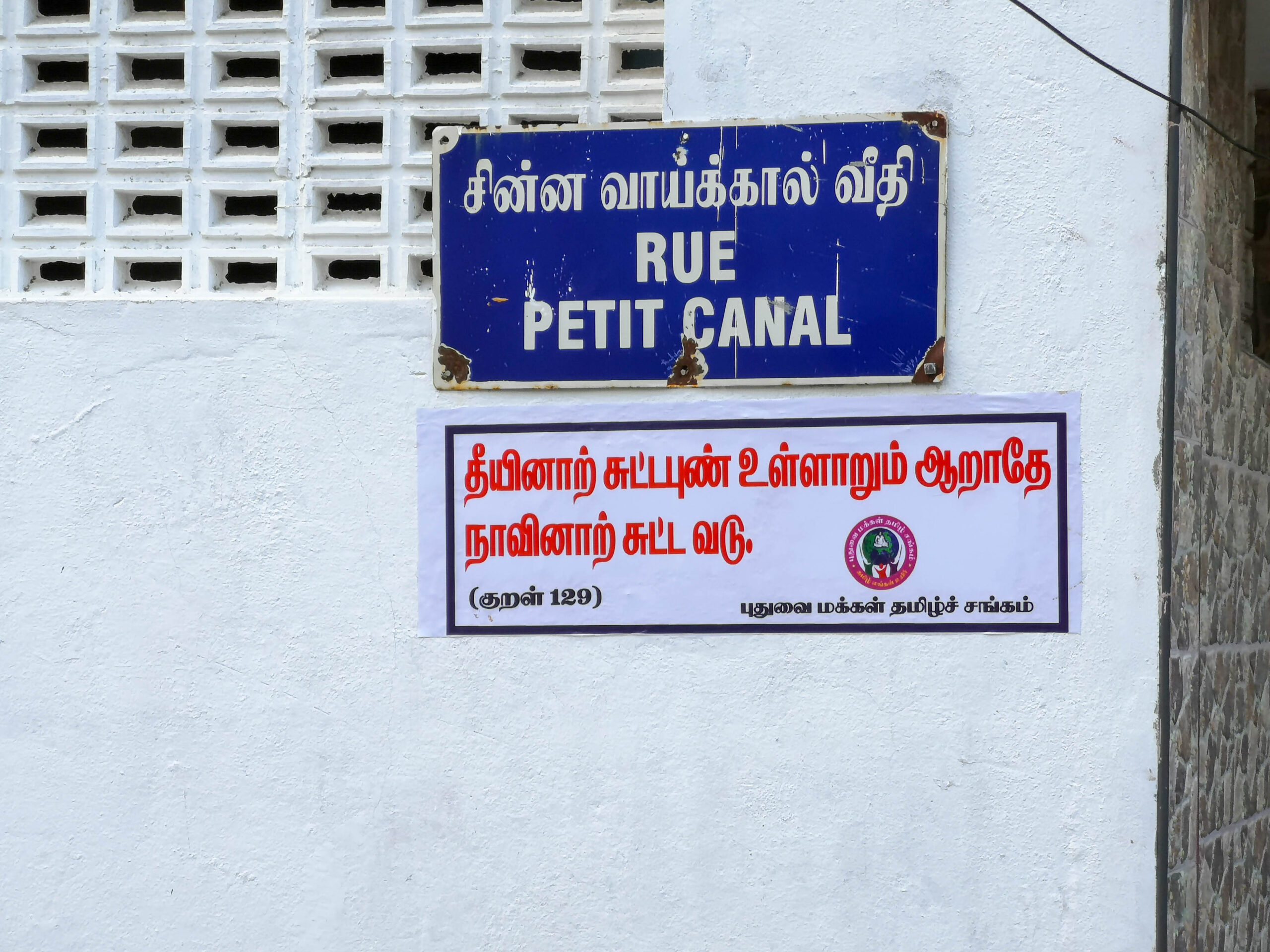
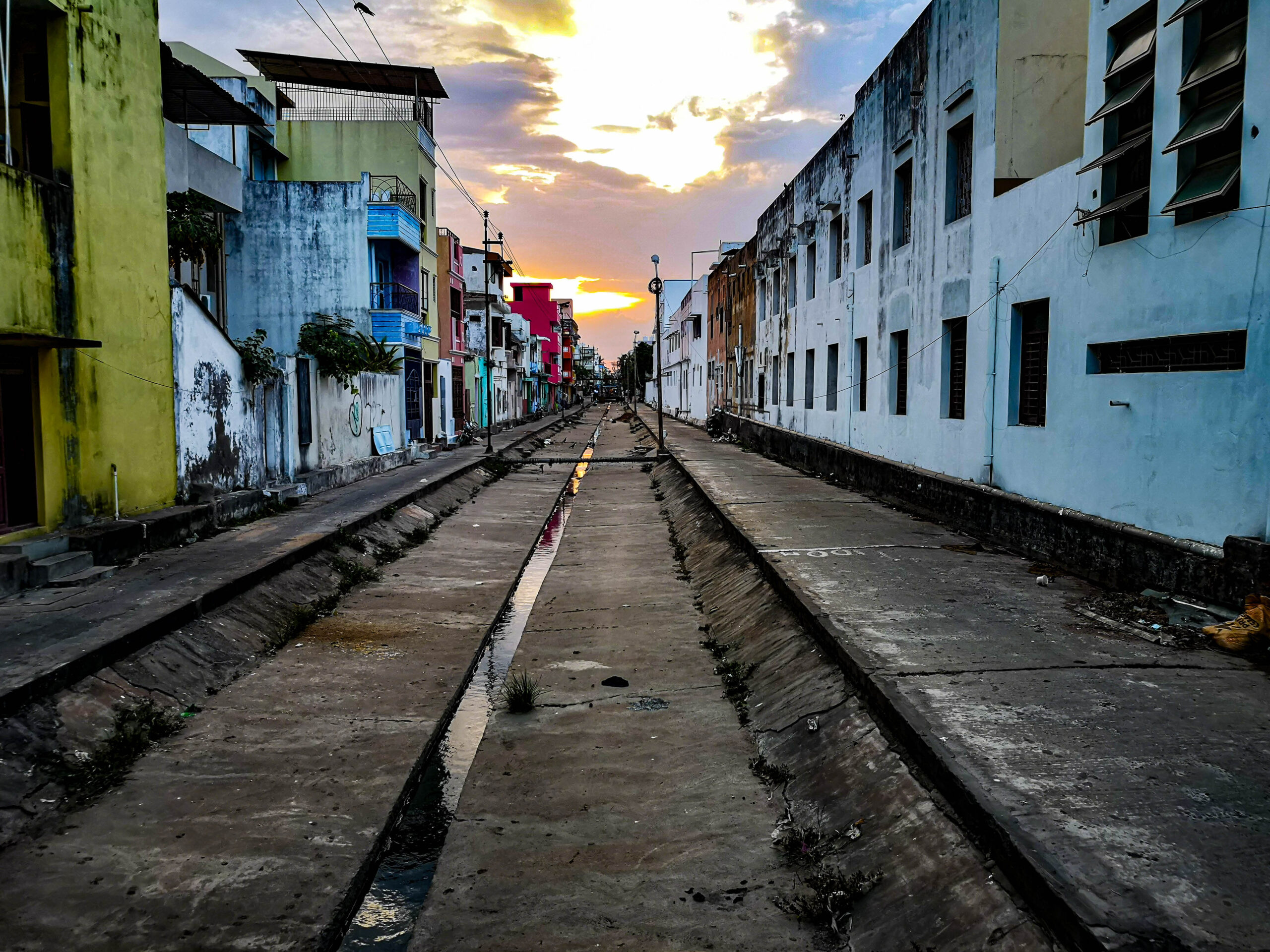
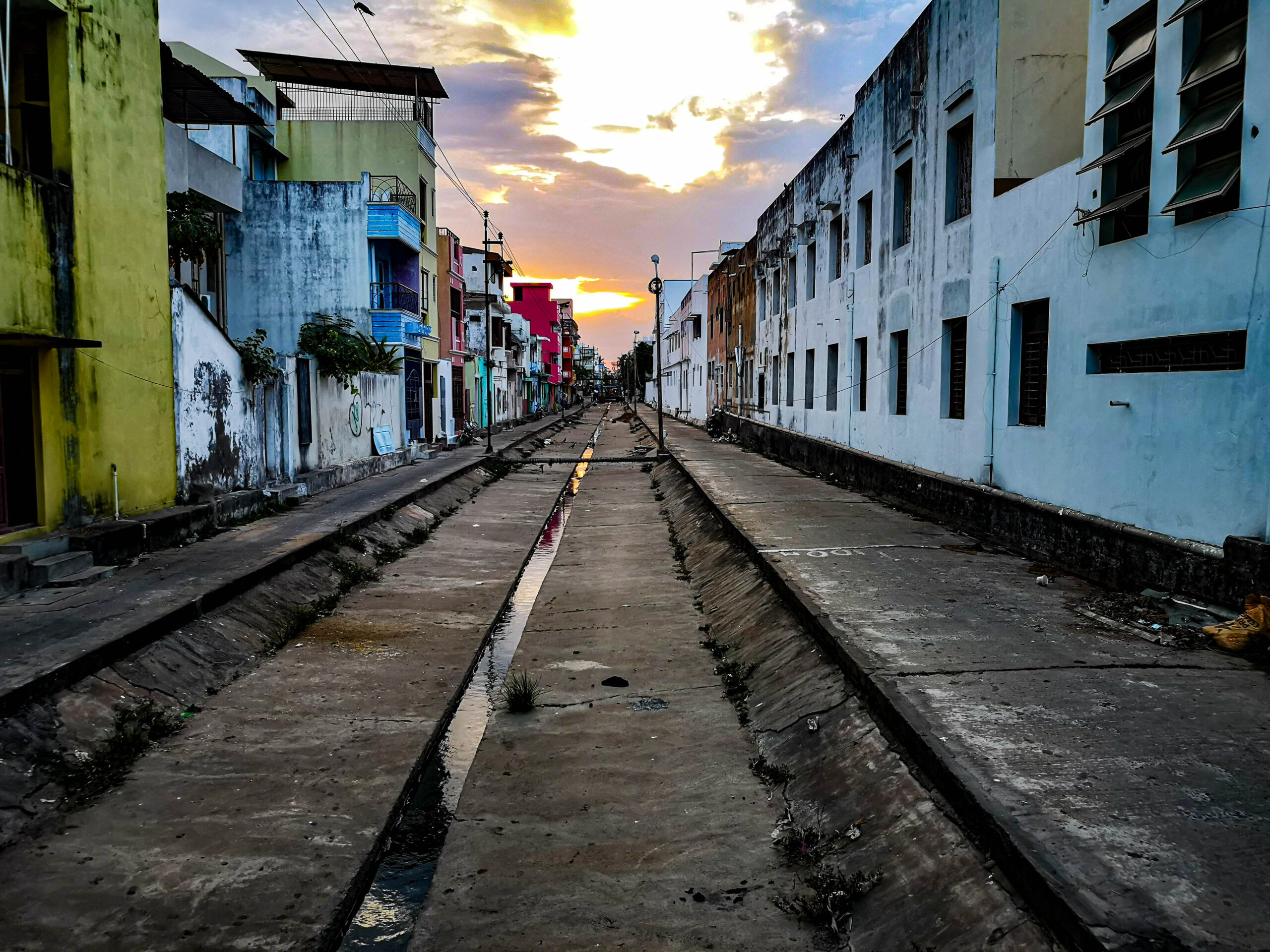
Petit Canal — a waterway that used to be an essential element of the town’s French colonial infrastructure. The canal was used to carry freight to the various aspects of the French settlement. Its silent flow today testifies both to the ancient history of Pondicherry, and remains a quieter reminder of the town’s turbulent past.
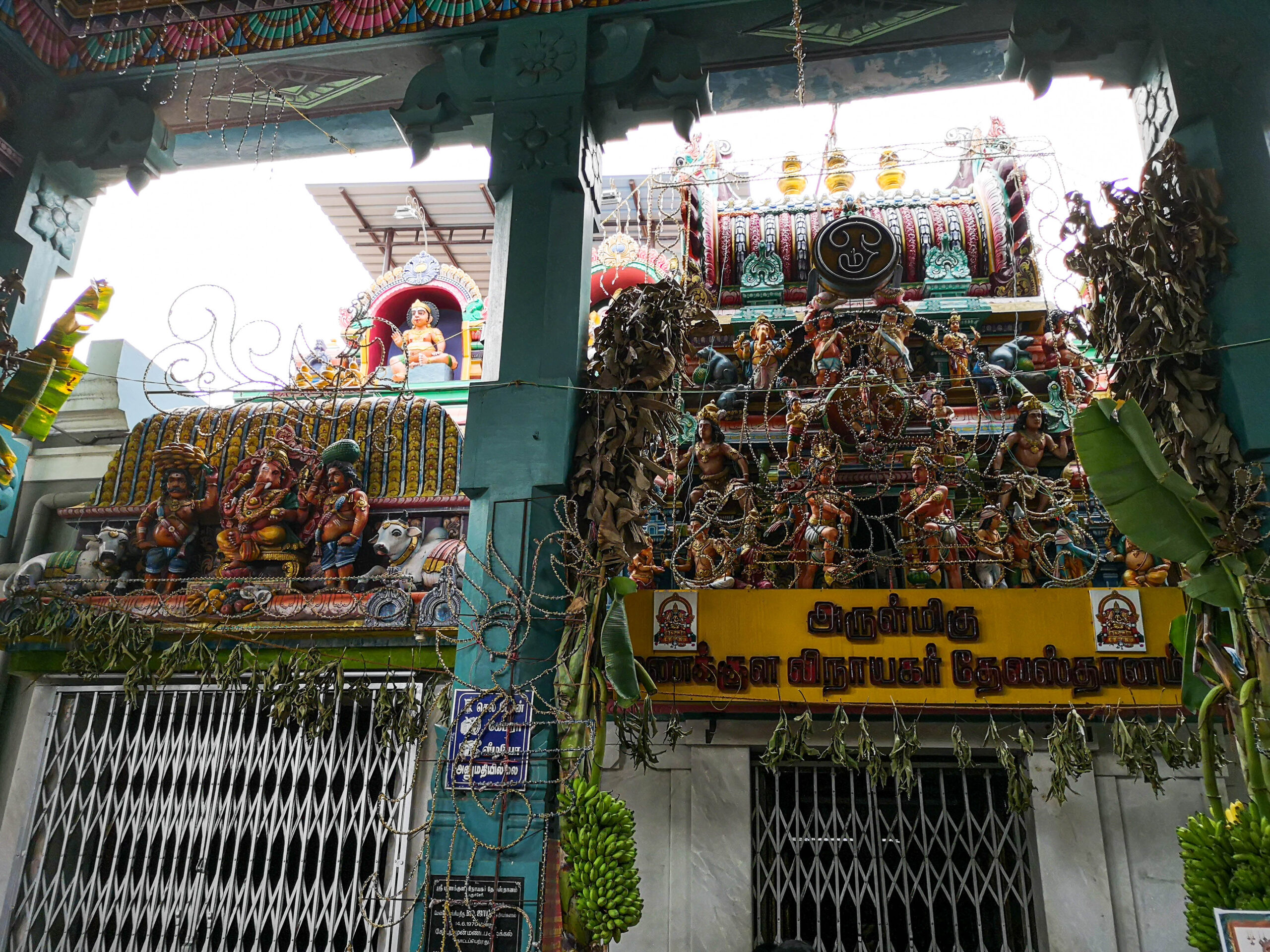
Arulmigu Manakula Vinayagar Devasthanam
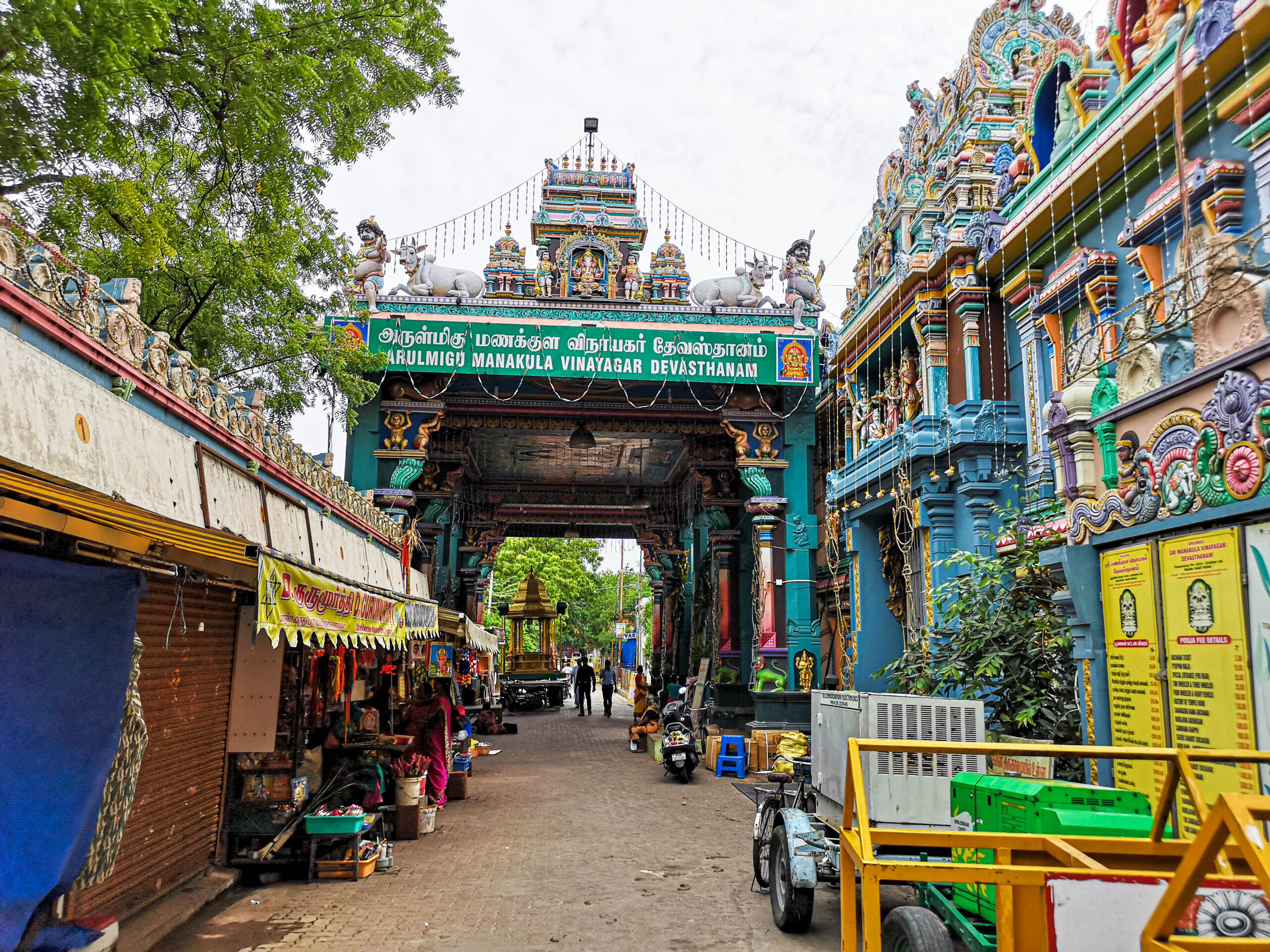
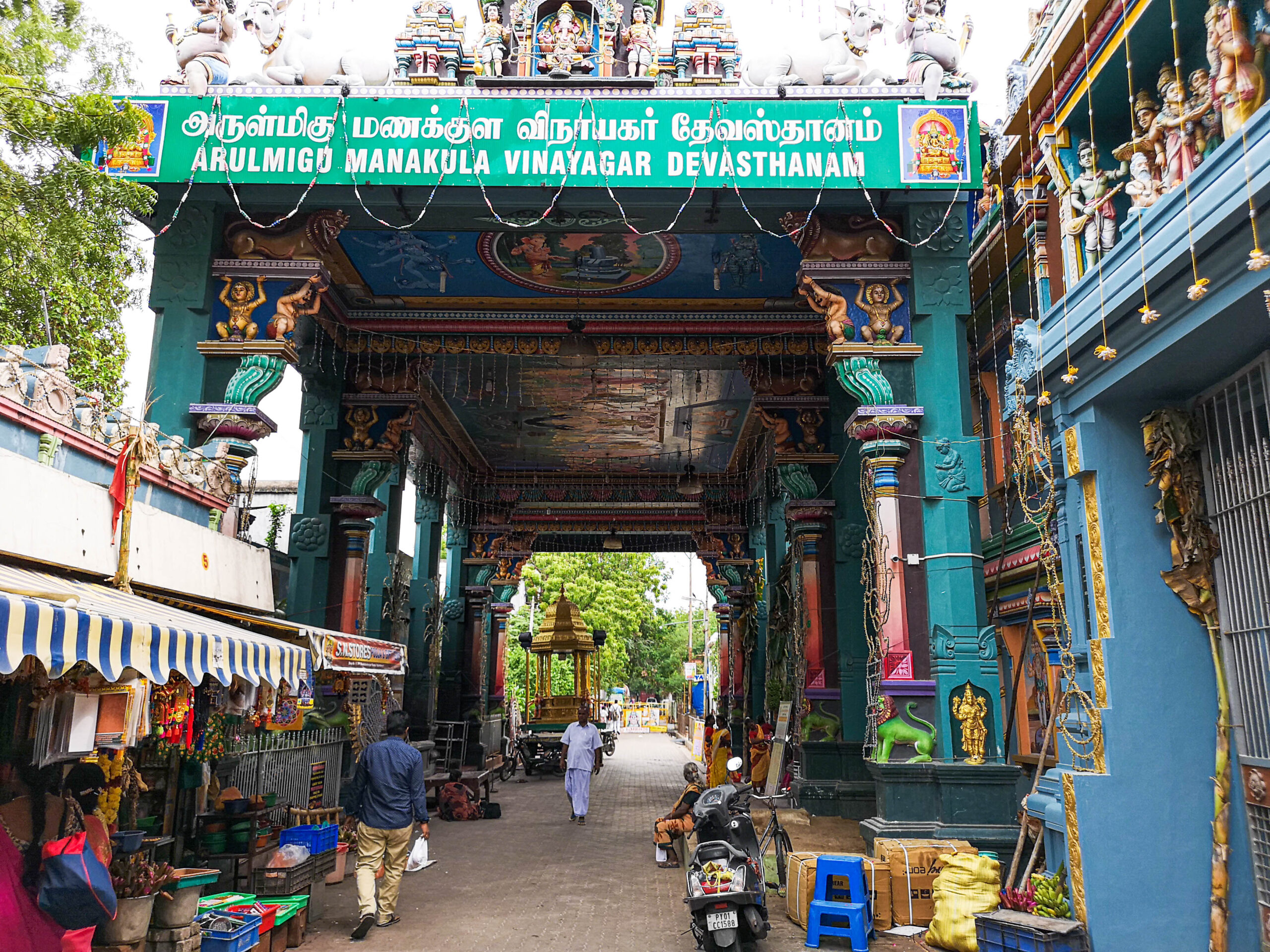
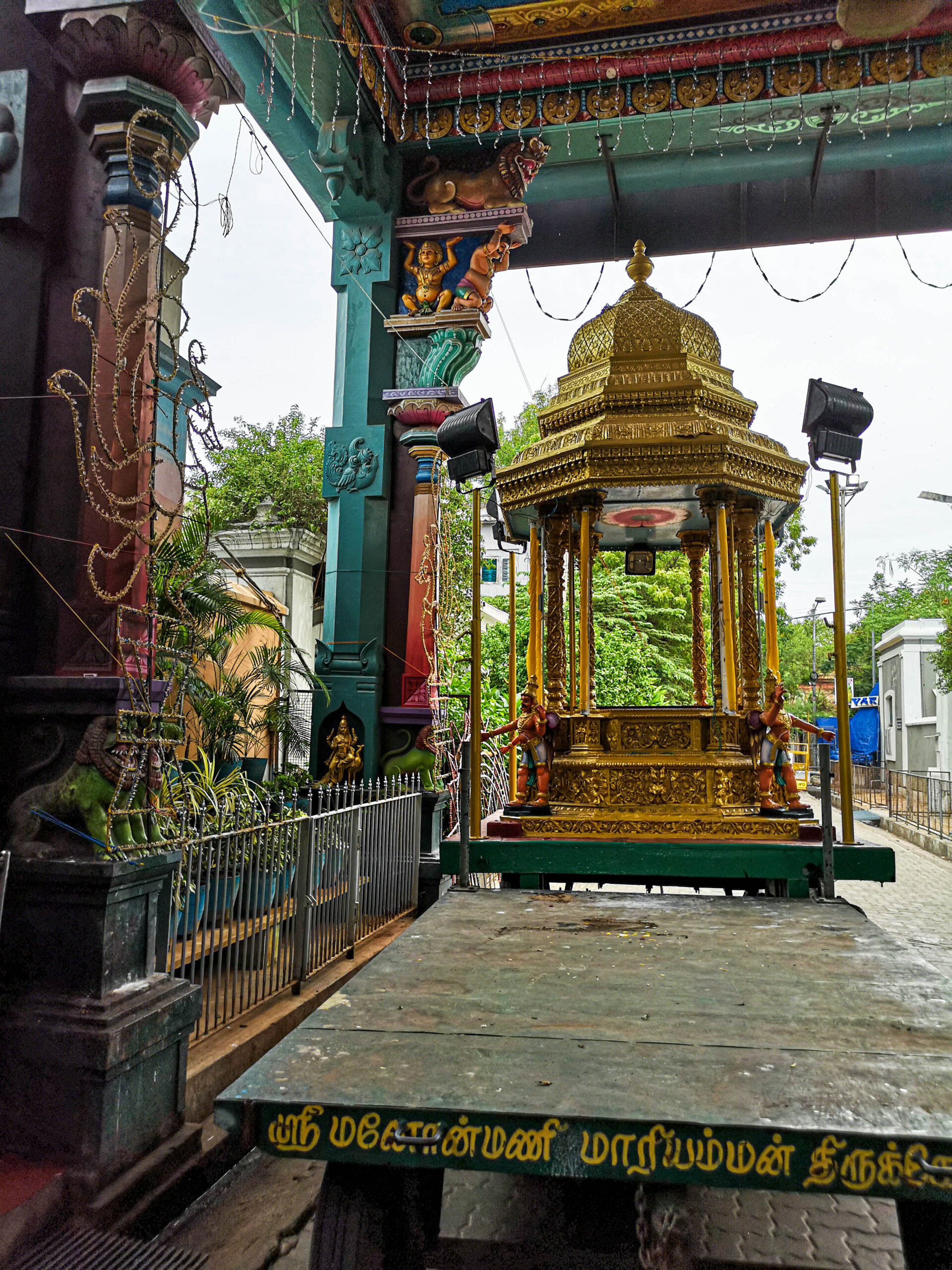
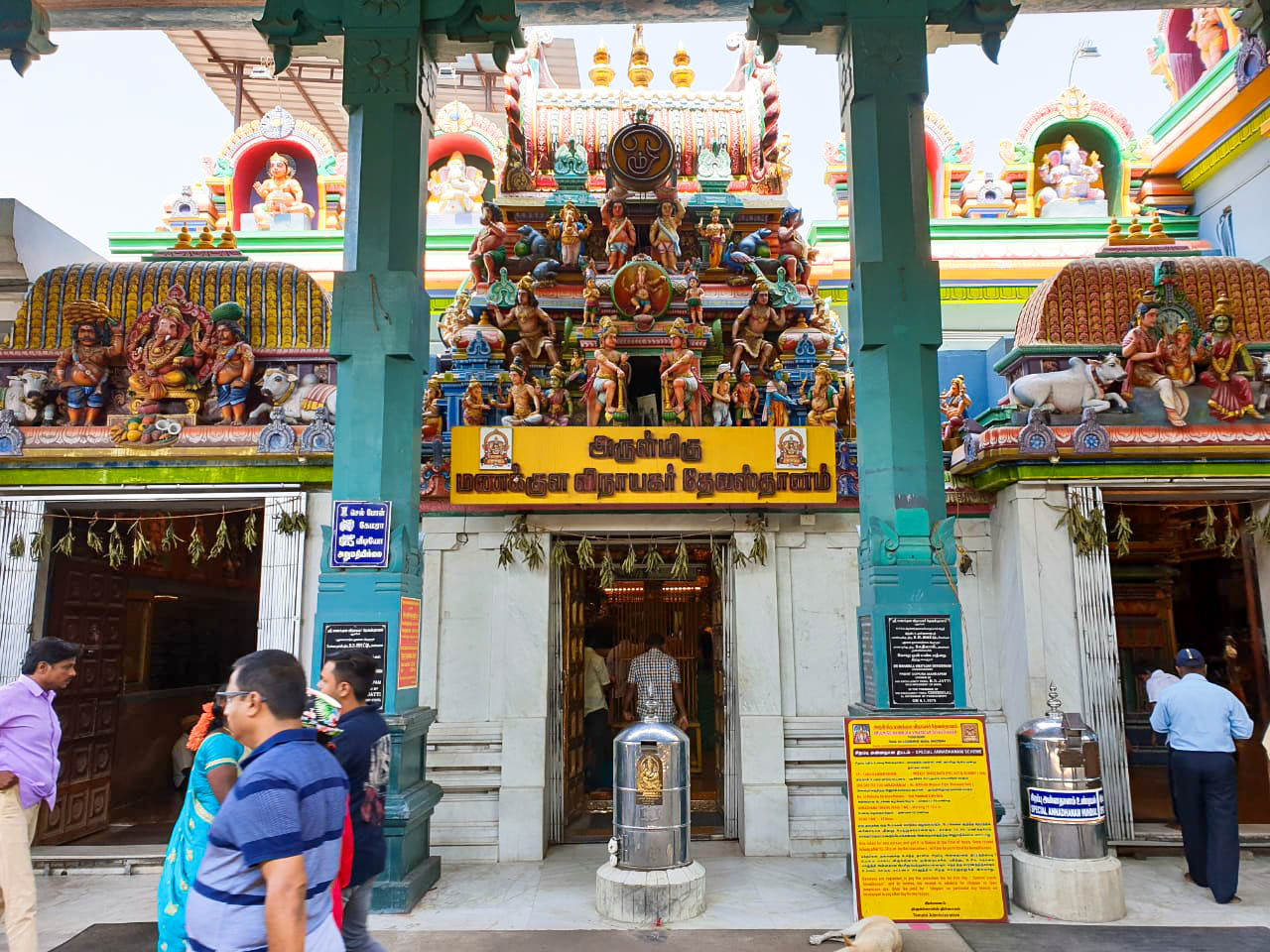
Arulmigu Manakula Vinayagar Devasthanam is situated within the hearts of the town and is regarded as one of the most significant and principal temples in Pondicherry, dedicated to the worship of Lord Ganesha. It goes back more than 500 years to before the French even arrived here. Devotees queue with gifts in hand; bells clank, camphor wafts through the air. It serves as a reminder that under the colonial skin that stretched over Pondicherry lies an older pulse — a temple that had refused to disappear, anchoring the town to its Tamil heart.
The Churches of Pondicherry
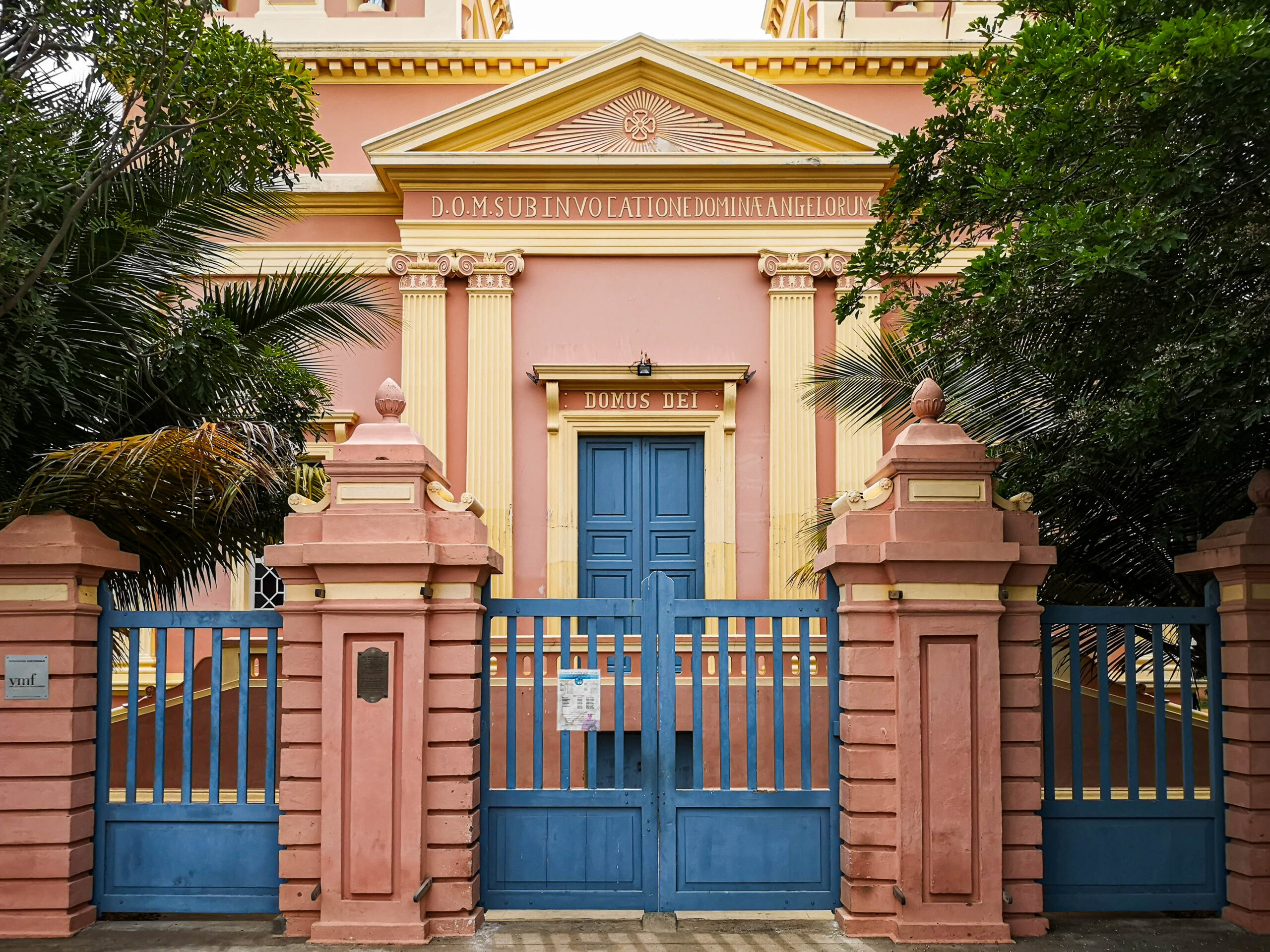
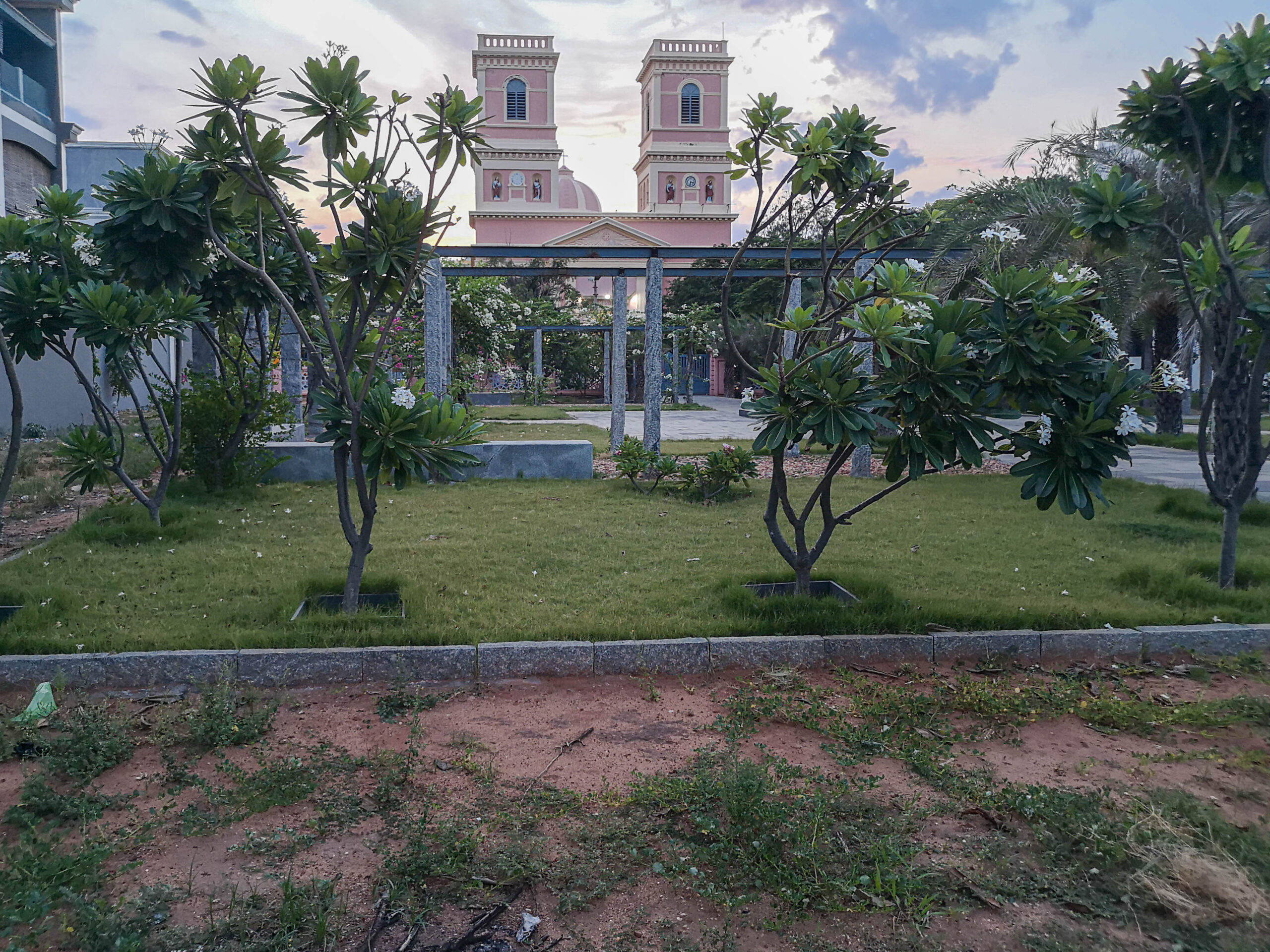
The pale pink Eglise de Notre Dame des Anges church looking out to sea bears Greco-Roman lines and, inside, stained glass filters light and soft patterns onto the whitewashed walls of the church built through a gift from Napoleon III in 1855. Sunday Mass here, in French and Tamil, is as much about faith as it is about heritage in the melding of two languages of prayer.
Nearby, the Sacred Heart of Jesus Church is a red and white neo-Gothic tower with one of the best Catholic building in South India. The churches approximate the temples of the Tamil quarter — places of faith, but also of resilience, with histories of migration, mission and colonial entanglement.
The Lighthouse and the Promenade
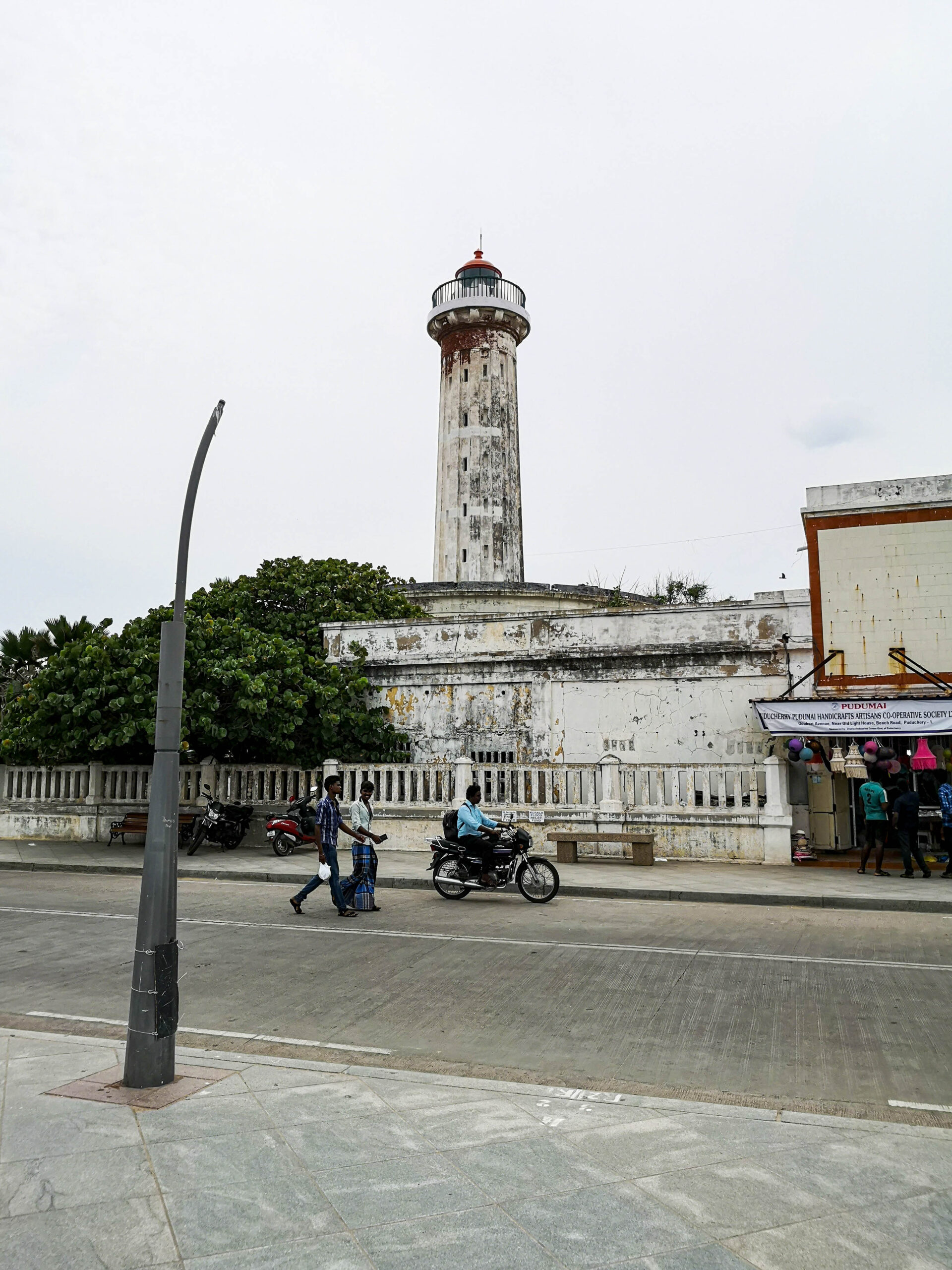
The erstwhile French built lighthouse of Pondicherry towers the seafront as it could be seen in the image above. Its cylindrical tower was the guiding flame for ships sailing on the Coromandel Coast and has been fully decommissioned, with a modern lighthouse to guide ships passing close by. Yet it stands quietly in testimony of hundreds of years of arrivals — sailors, traders, missionaries, wanderers alike all seeking out this harbour town.
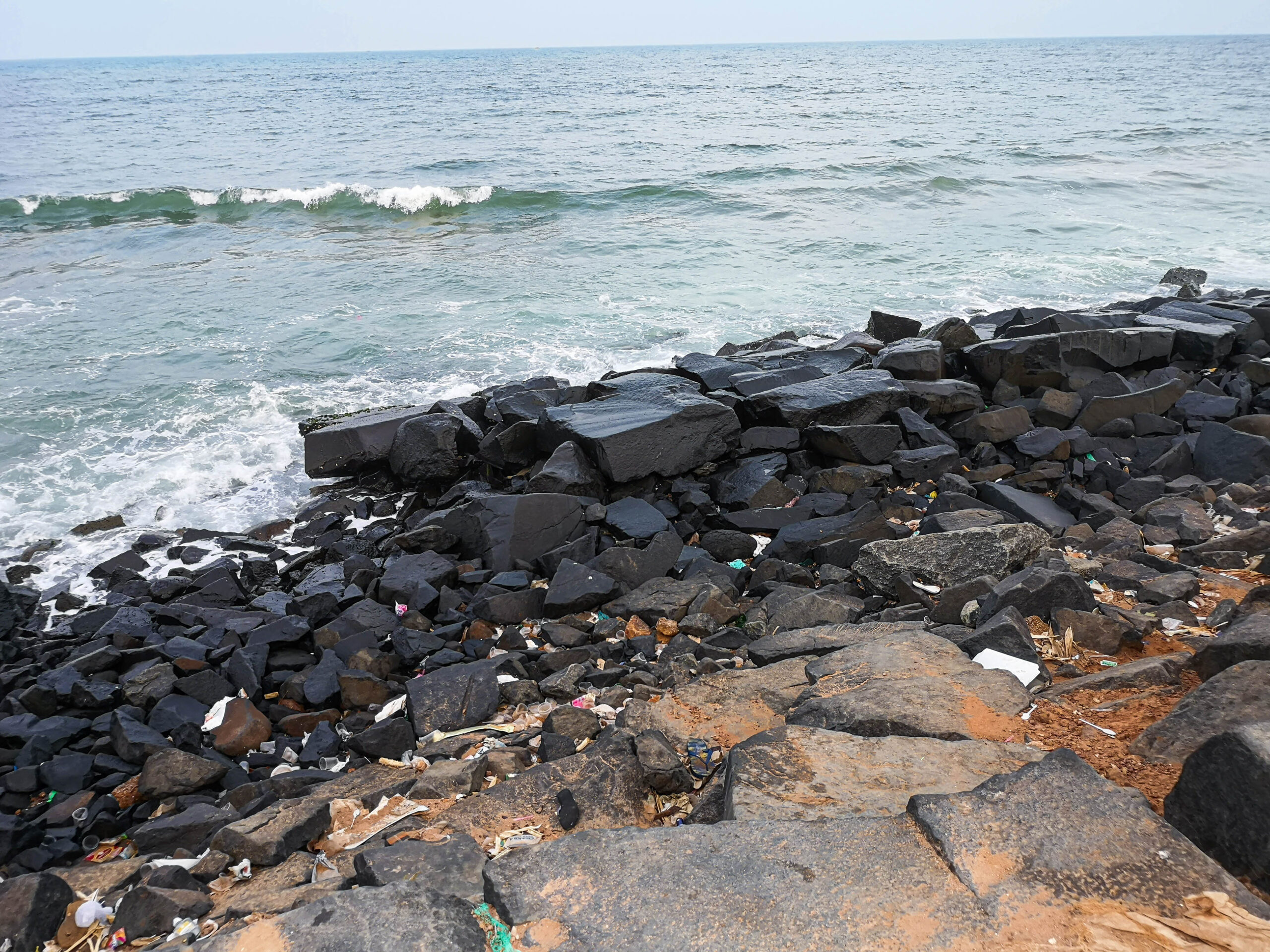
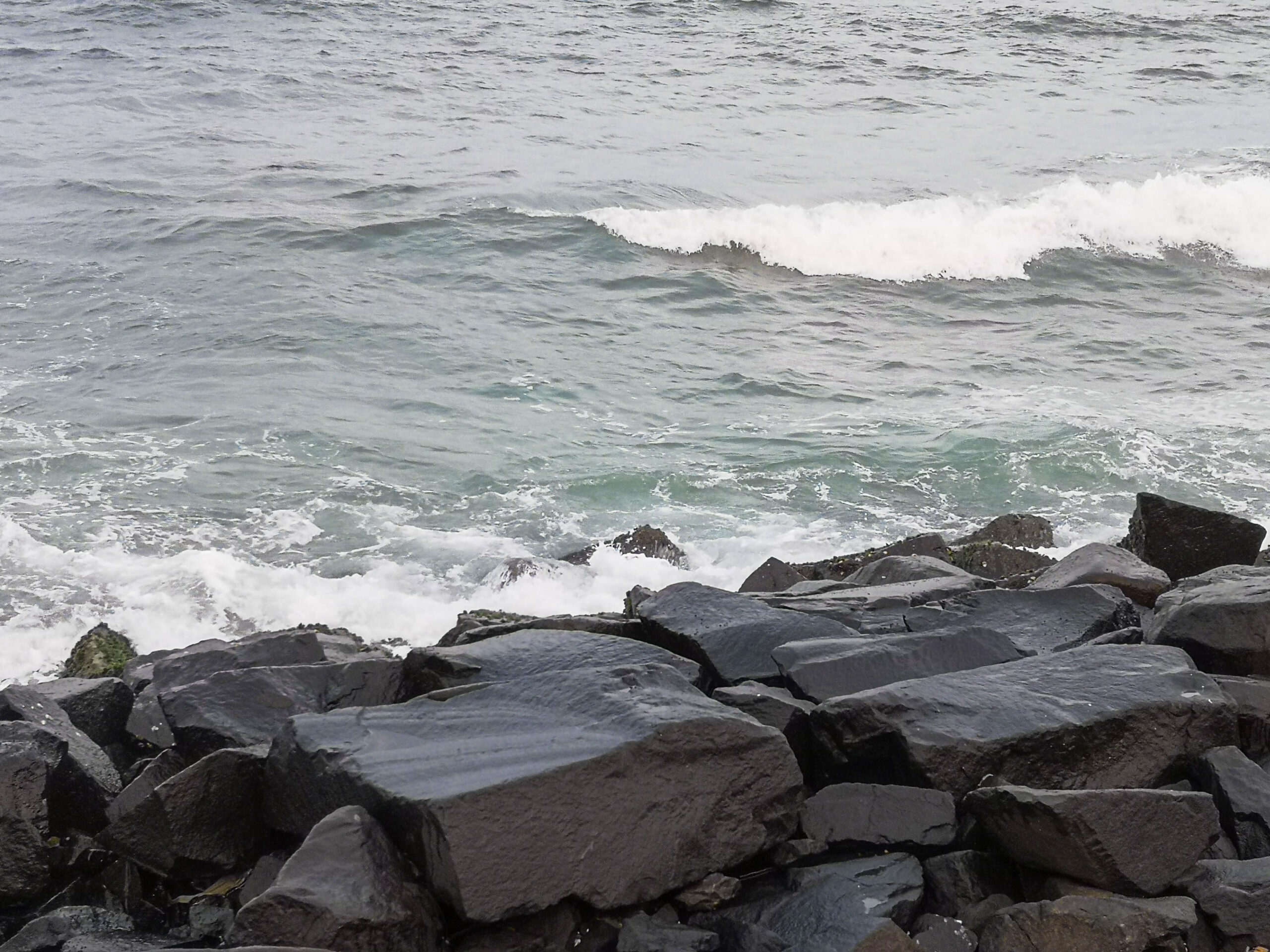
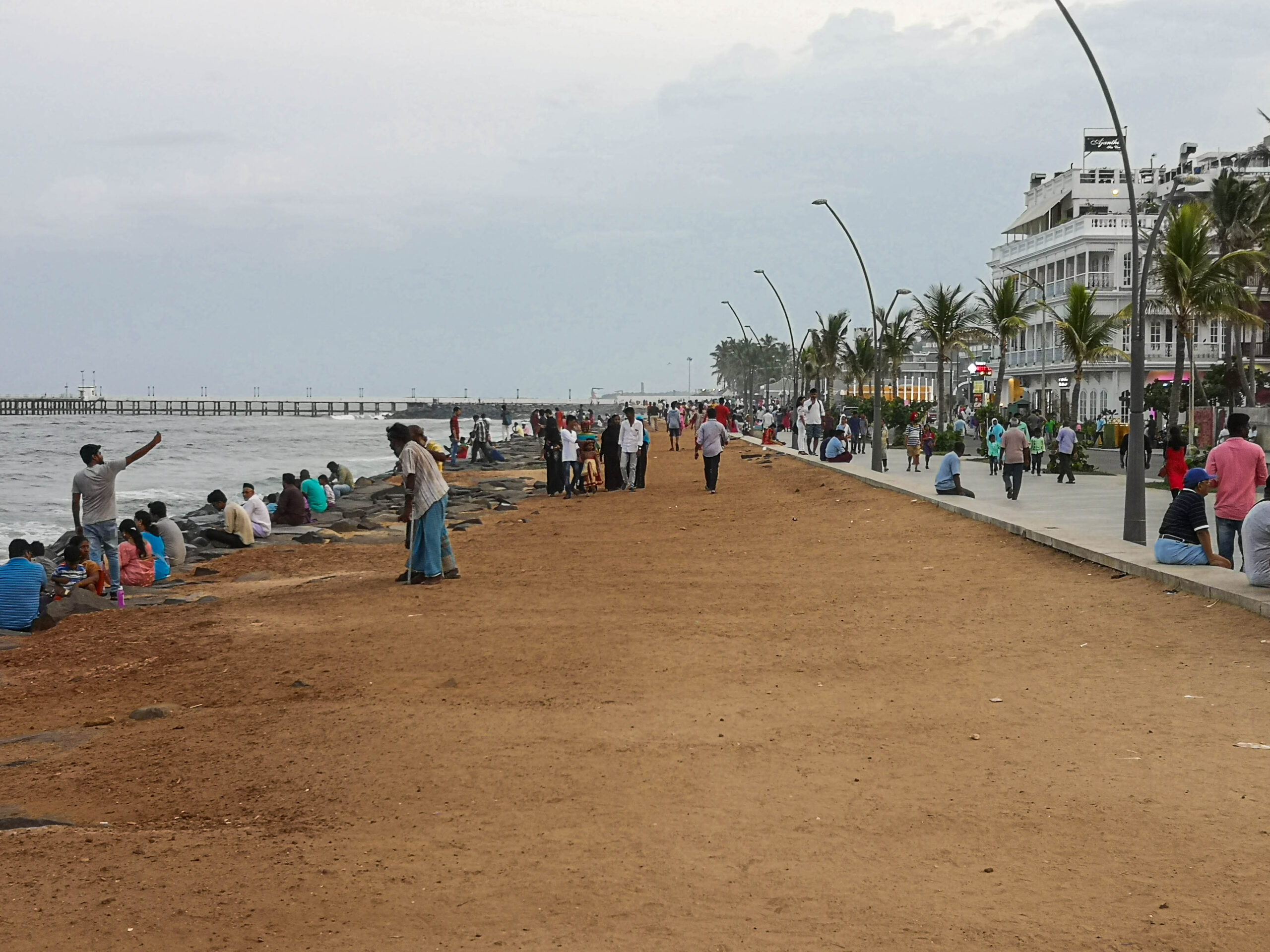
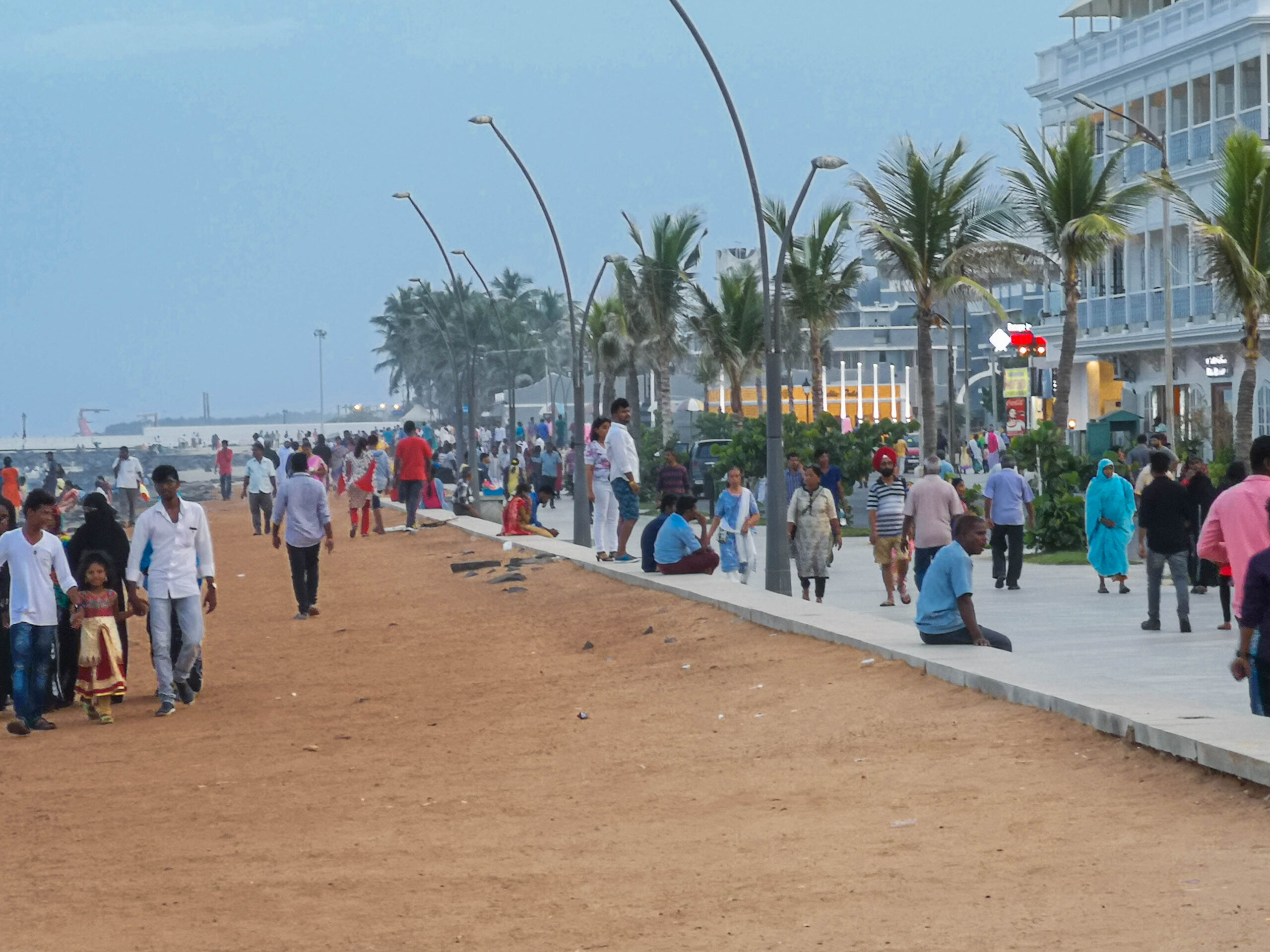
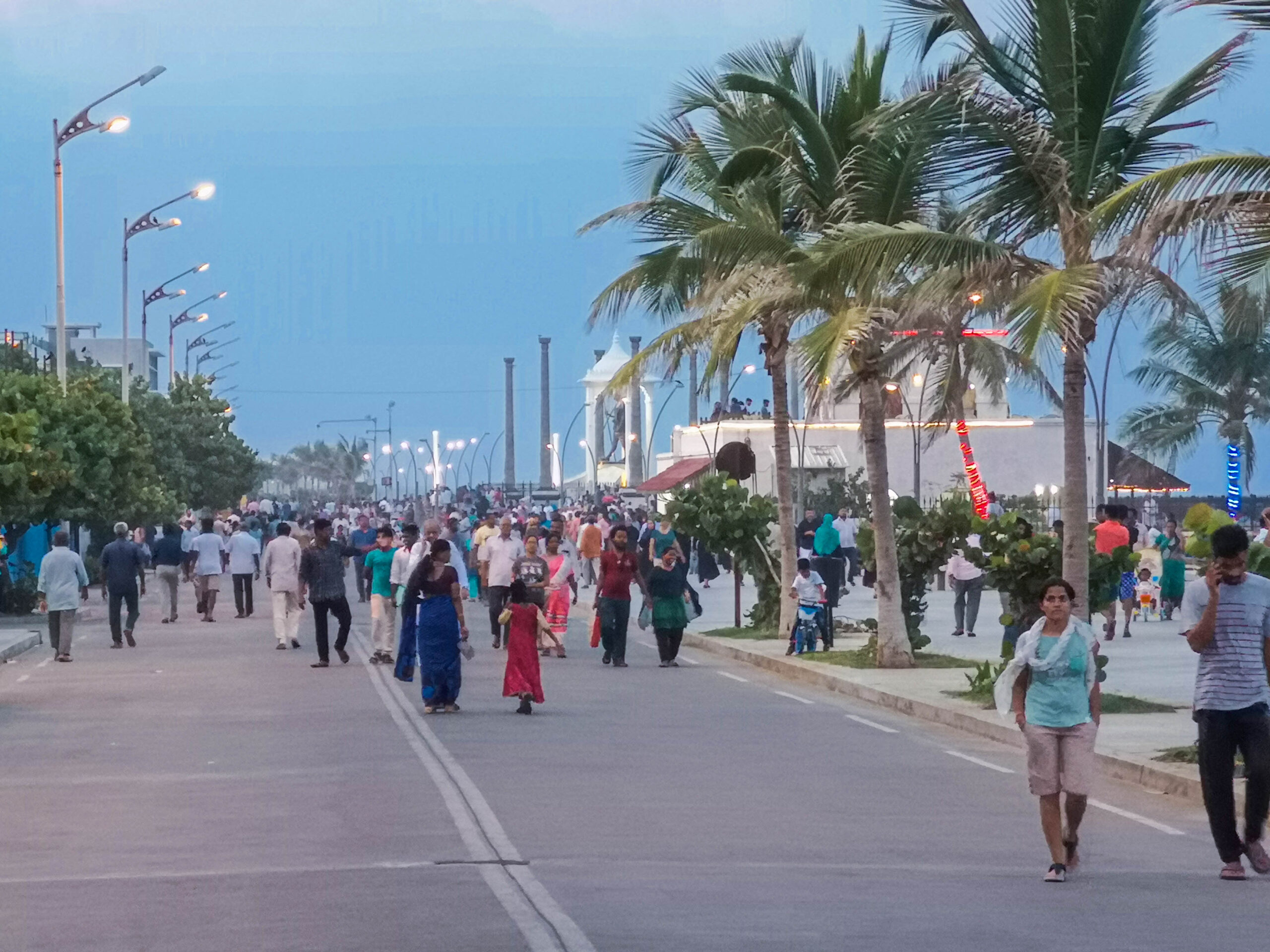
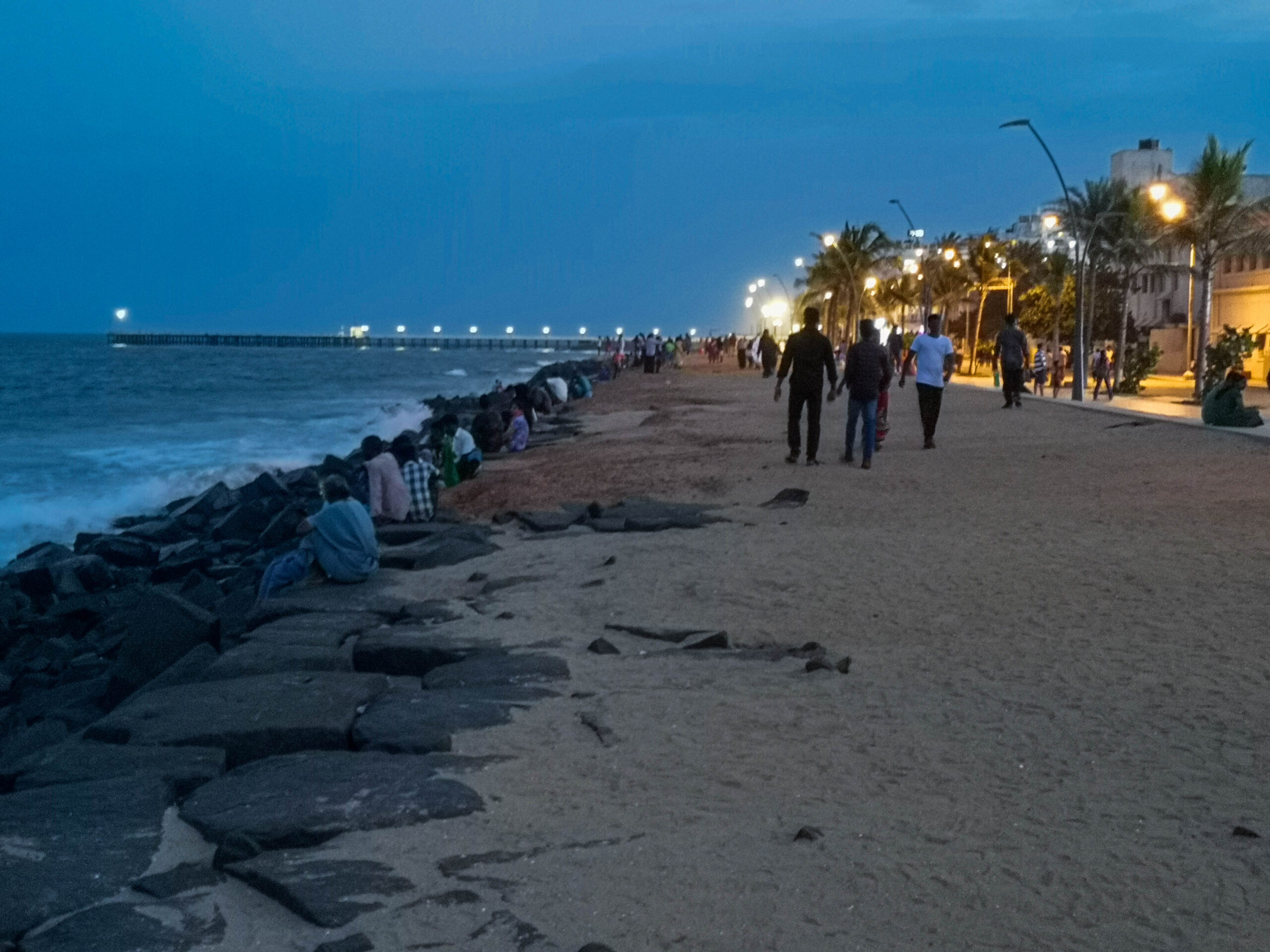
The Promenade Beach runs below, a mile-long walk of statuary and reminiscence. The significant of them are the Gandhi Statue which set in a stone canopy with those adorned pillars. Now, facing the sea, it has turned into a spot for morning walkers, evening strollers, protest marches and tourists taking photos. Sitting here in the evening, only a few footsteps from crashing Bay of Bengal, you taste the pulse of Pondicherry: worldly but centred.
Cine and Memory: Pathe Cine Familial
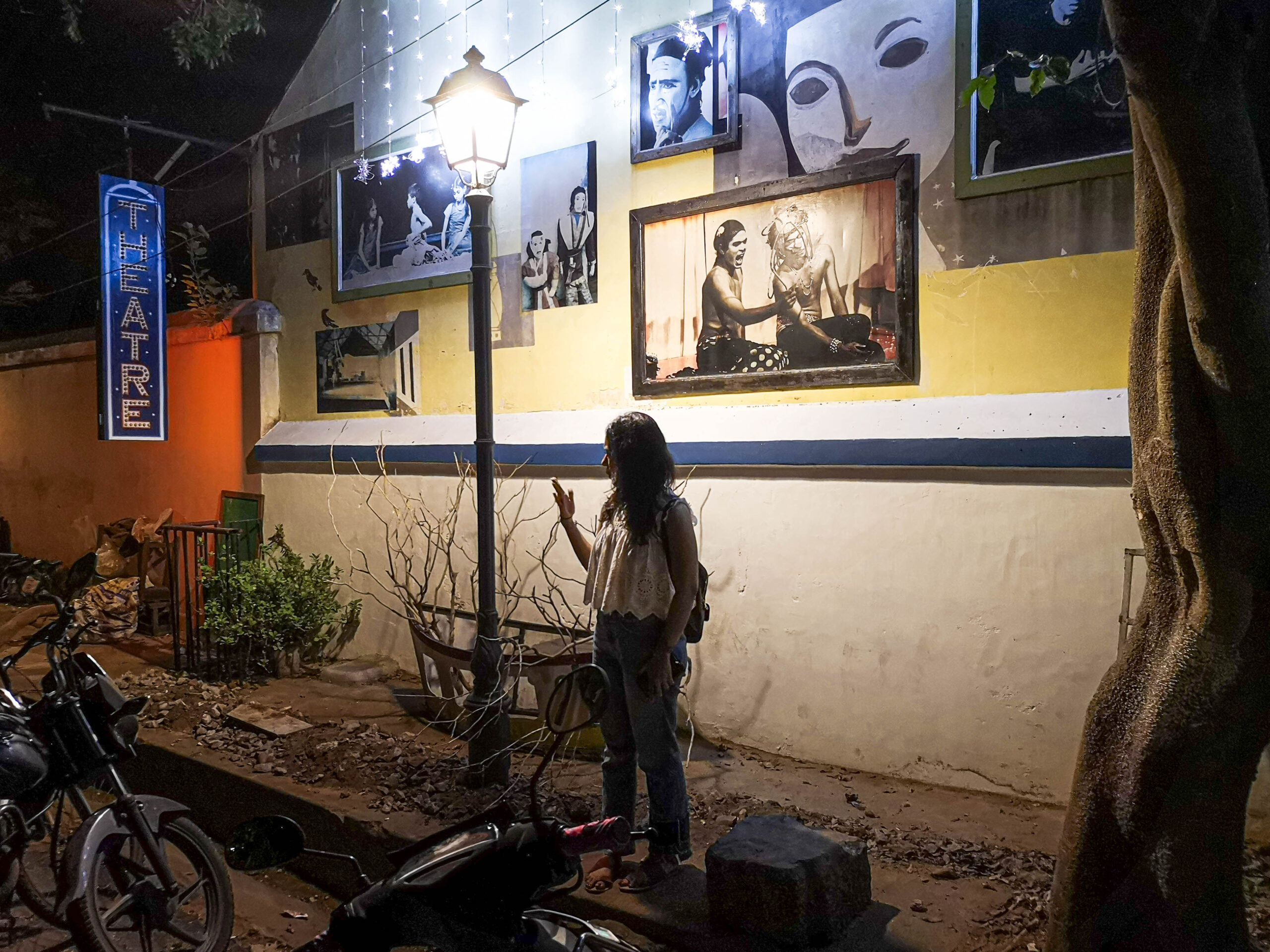
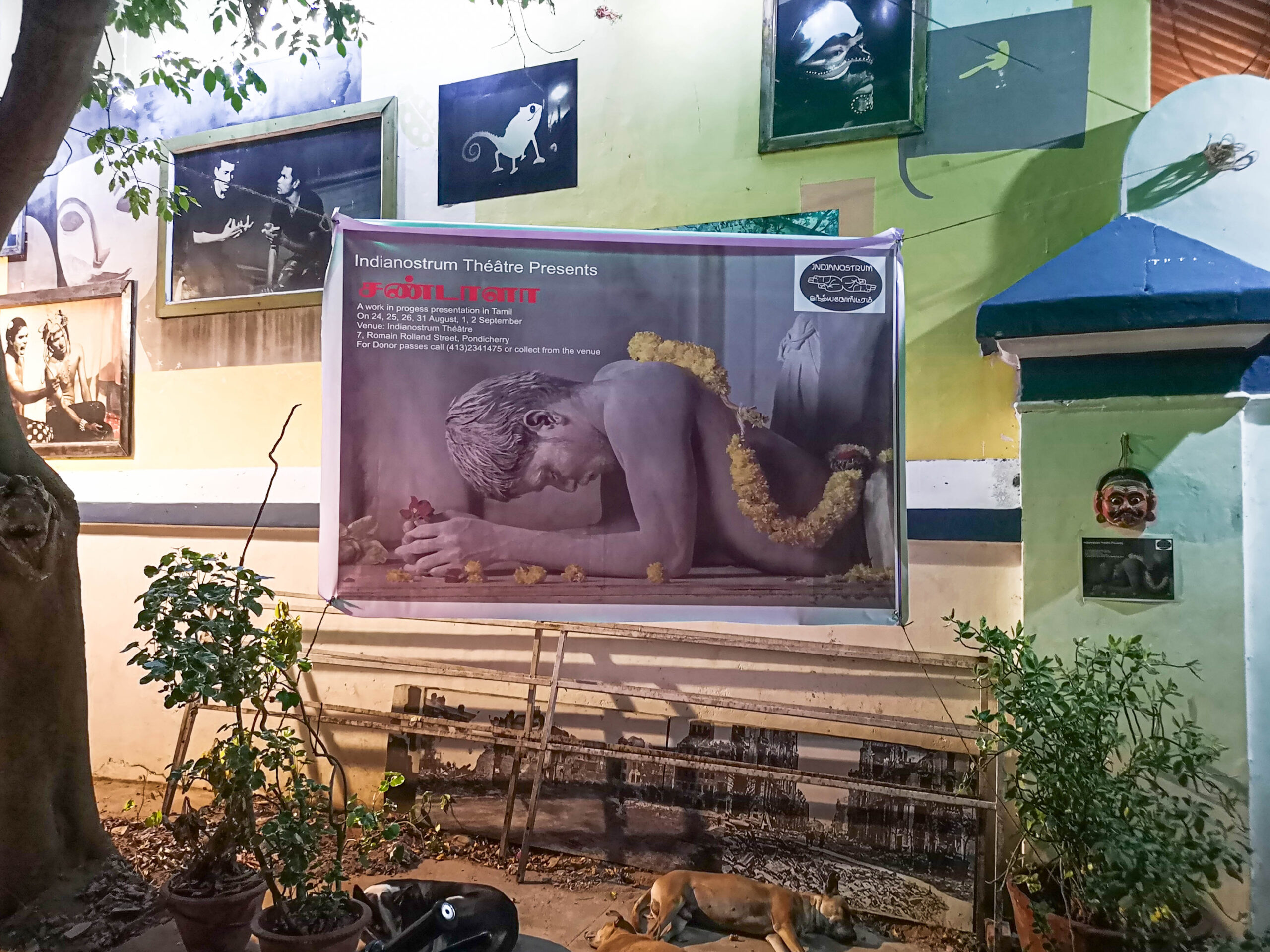
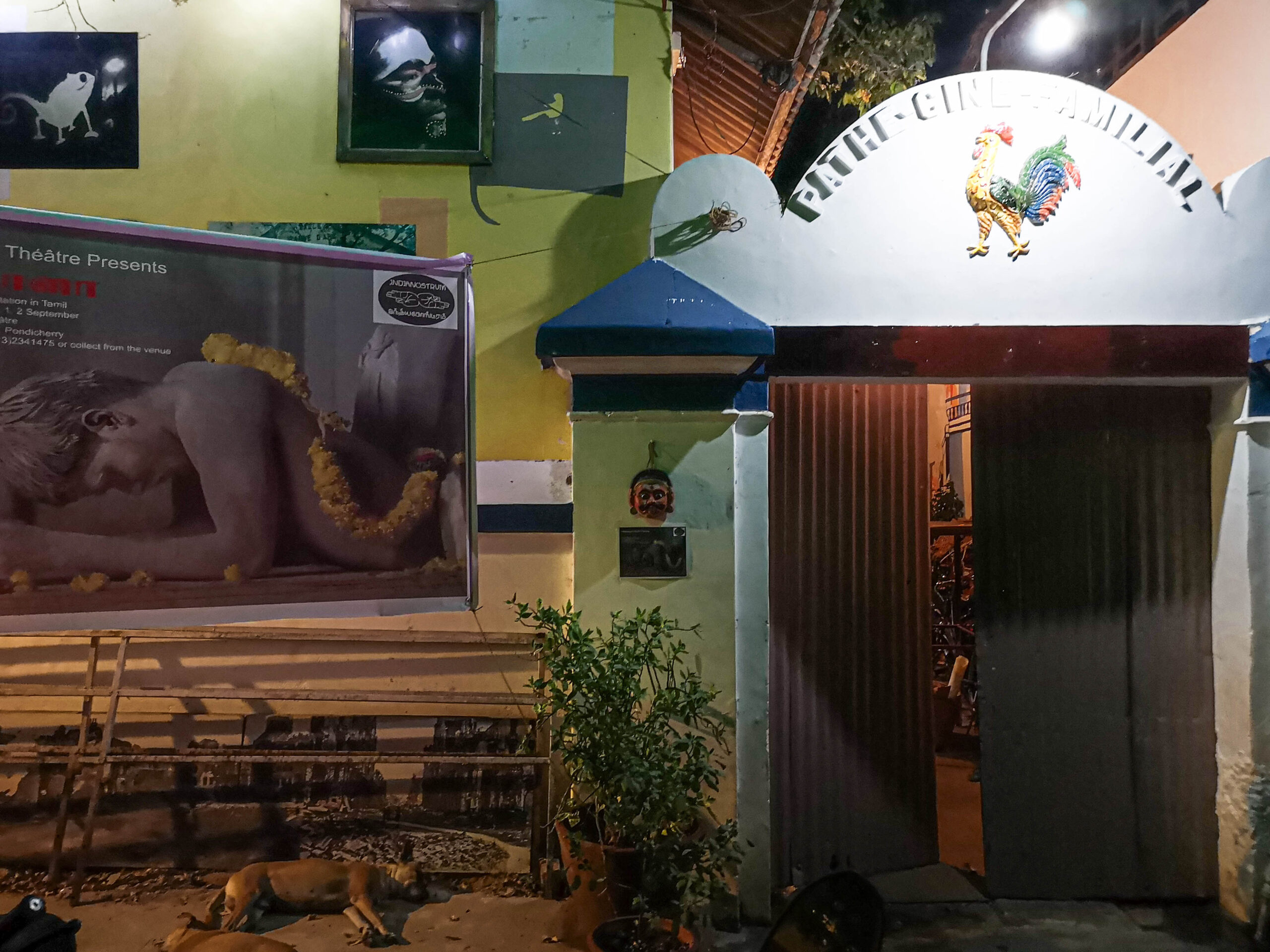
Pathe Cine Familial, an old cinema that once brought French reels to Indian audiences, is one of the more curious landmarks. Once upon a time, filmgoers lived here, a bastion of Parisian pictures cooling its heels and uniting continents in celluloid. While its role has faded with time, its veneer endures in the cultural memory of the town — an indication of how entertainment also wove into the colonial fabric of Pondicherry.
Food Scene: A Bilingual City on the Menu
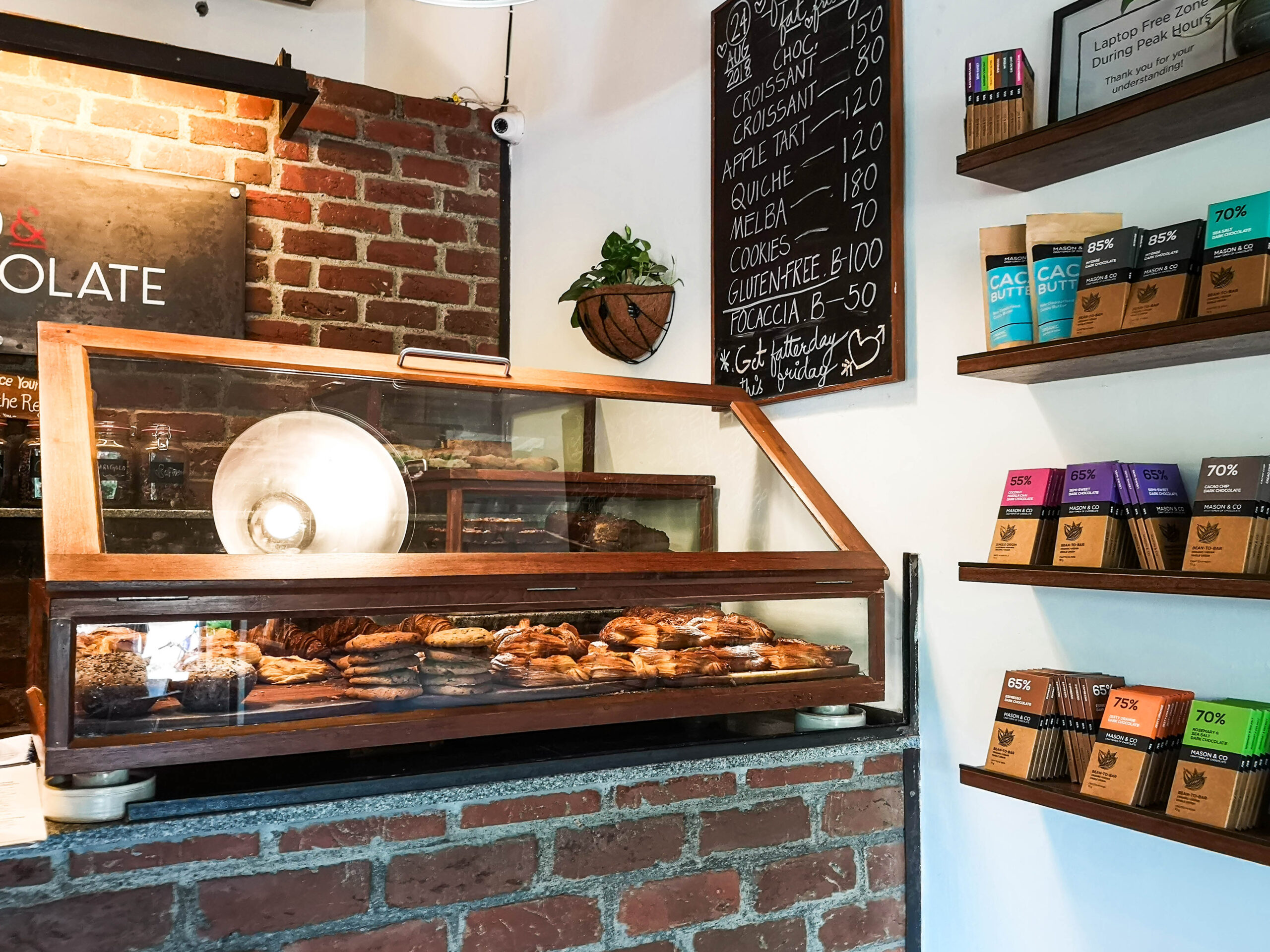
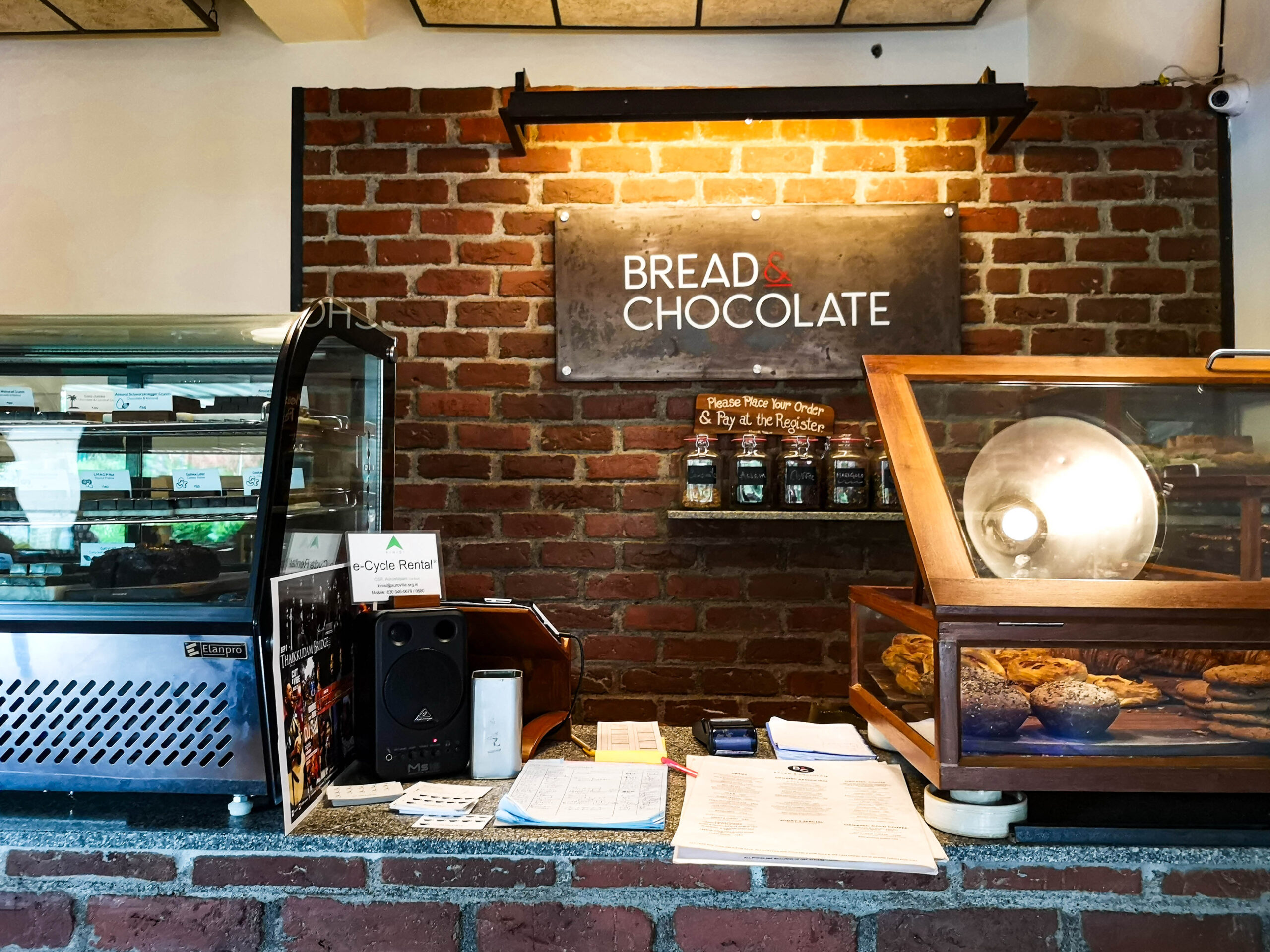
Eating in Pondicherry is the table-journey From crusty baguettes, buttery croissants and quiches from French bakeries to spicy curries, idlis, dosas and fresh seafood from the bay from Tamil kitchens on just another street out! Here, the food is not fusion for fusion’s sake but an organic cross-pollination based on centuries of shared geography. The duality was embedded in the meals at Palais de Mahe: continental plates with local produce, Tamil dishes with French subtlety.
The food scene outside the hotel carried on boisterously. Le Café, on the beachside, remains open throughout the night, serving up coffee with the cadence of the waves.
Pondicherry is not vast. Much of it you can walk in a day, from the temple bells of the Tamil Quarter to the hushed boulevards of the French Quarter, from the Gandhi Statue on the Promenade to the shady gardens of the Botanical Gardens. Within that tiny world is a deep history: Chola trade routes, French settlements, Tamil Culture, Catholic missionaries, and now a mostly local mix of tourists, artists, and seekers.
Ultimately, one cannot box in Pondicherry in a simplistic way. It is not just a beach getaway nor only a French legacy town nor only a sanctuary town. It is part of every one of these, sewn together by its own beat. The palimpsest of histories, the persistence of cultures, the welcoming nature of a town that welcomed the world but never let go of itself.
Pondicherry, between tide and cobblestone, between temple and church, between Tamil devotion and French memory, is more than a destination. It is a reminder that identity is a legacy.
 33
33