A Chronicle of Chettinad—Through Stone and Spice
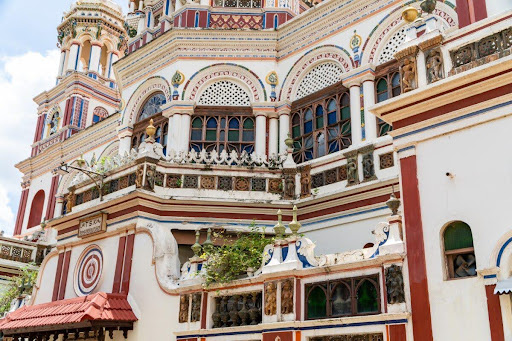
Hotel: CGH Visalam
Some places beckon you to visit, and then there are places that lure you with their soul. Chettinad, in the state of Tamil Nadu, is one of the latter. It isn’t loud or touristy. It comes out in silent detail—the cool shadow of a colonnaded veranda, the smell of spice wafting up from an ancestral kitchen, and the worn grandeur of homes that once resounded with trade, ritual, and regality.
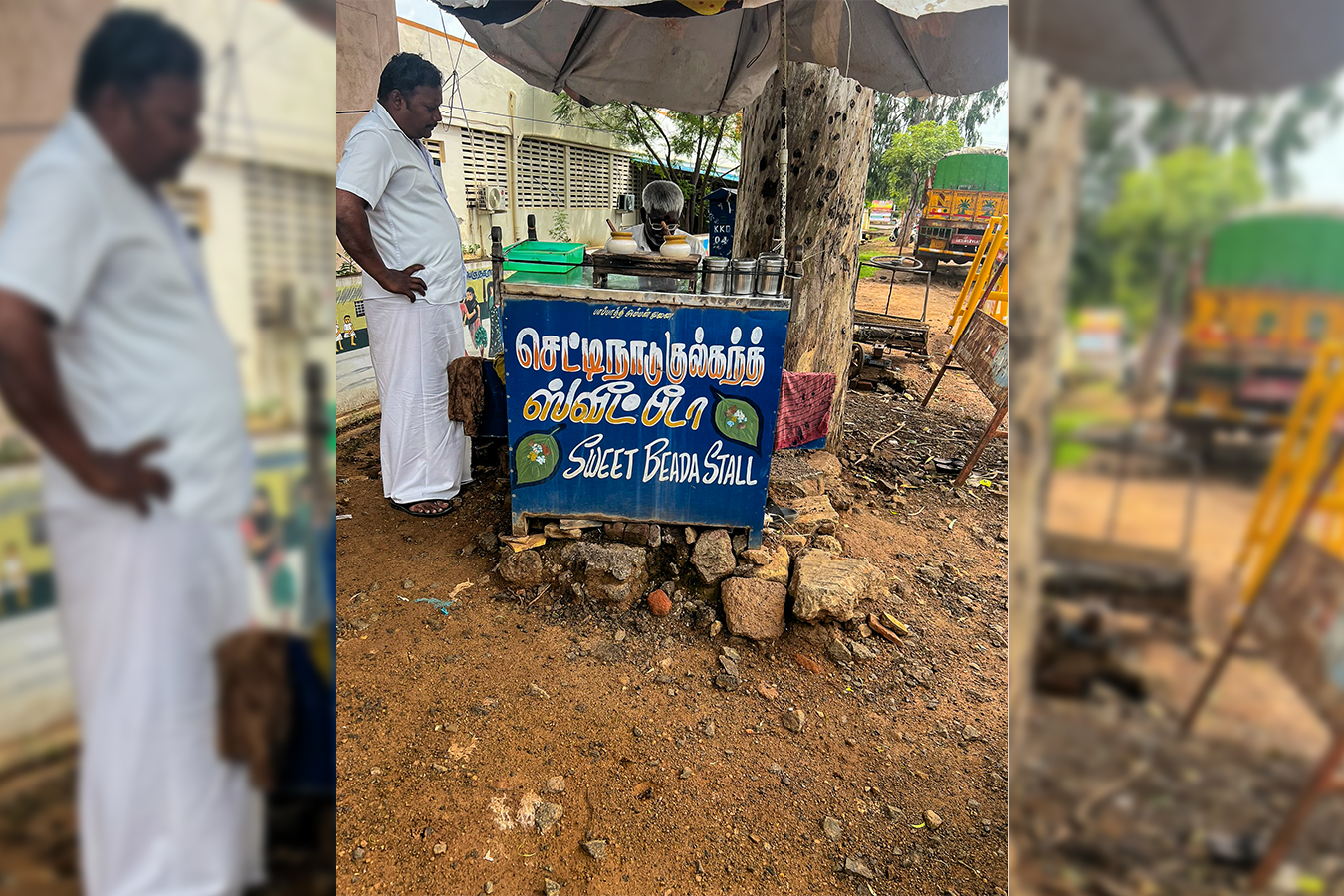
I didn’t come here for monuments. I came here to get a sense of history, to walk through towns in which stories are still told through stones, through crafts, through forgotten recipes and through tales told under the banyan tree or at a tea shop.
What follows isn’t a guide. It’s a reflection. A memory of Chettinad not only as a destination but as something vivid, multilayered, and unforgettable.
A brief history of the region:
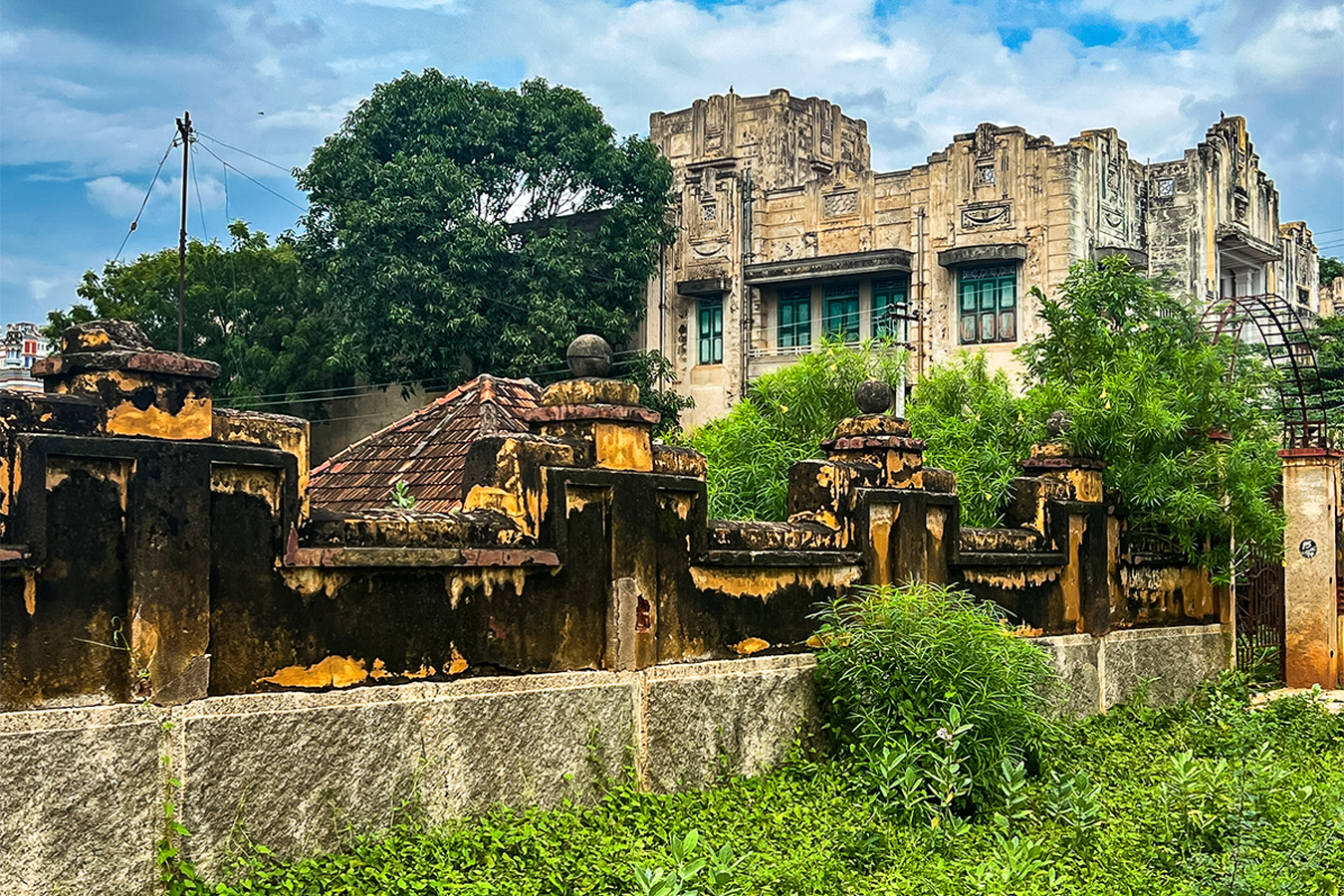
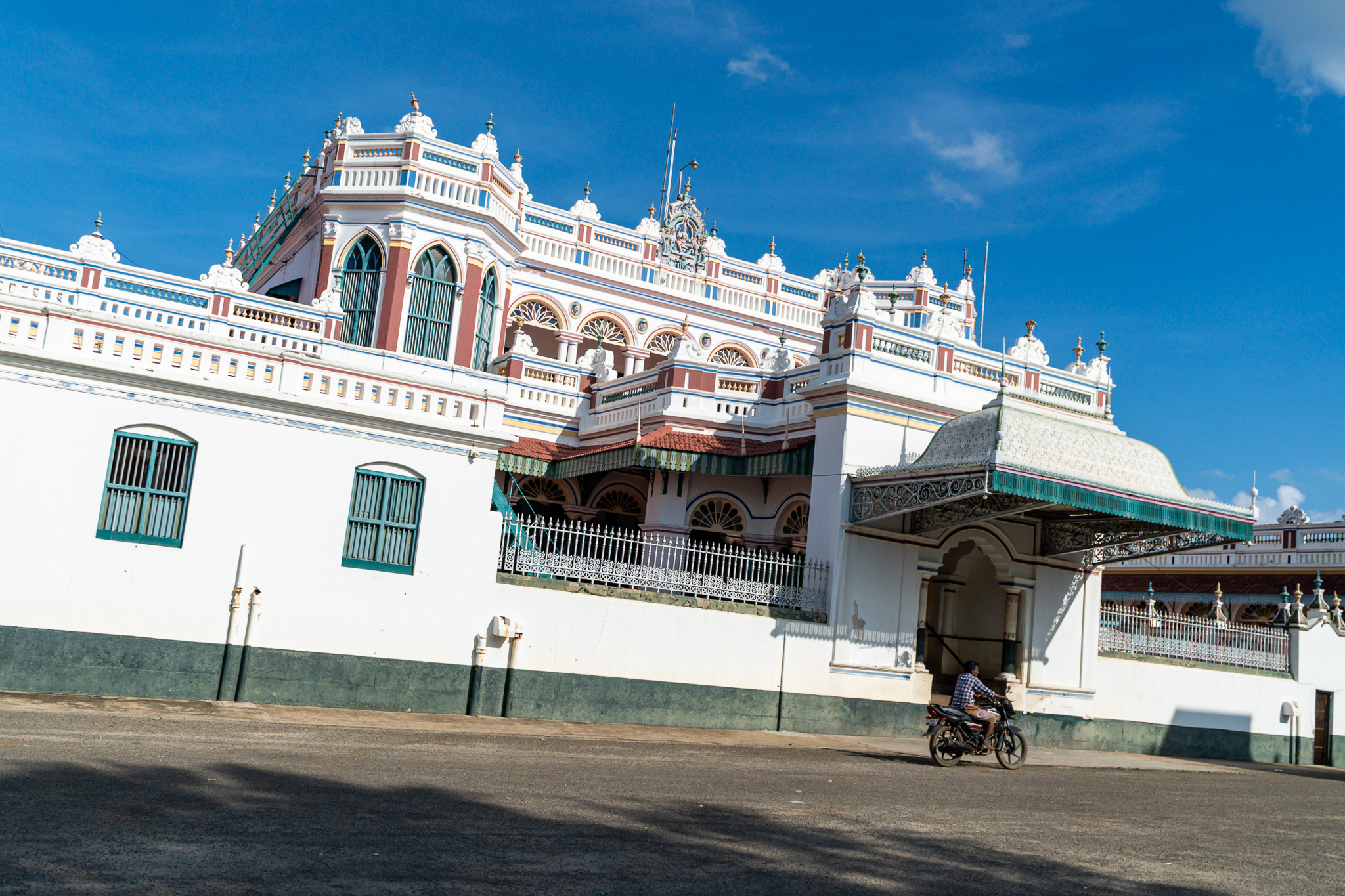
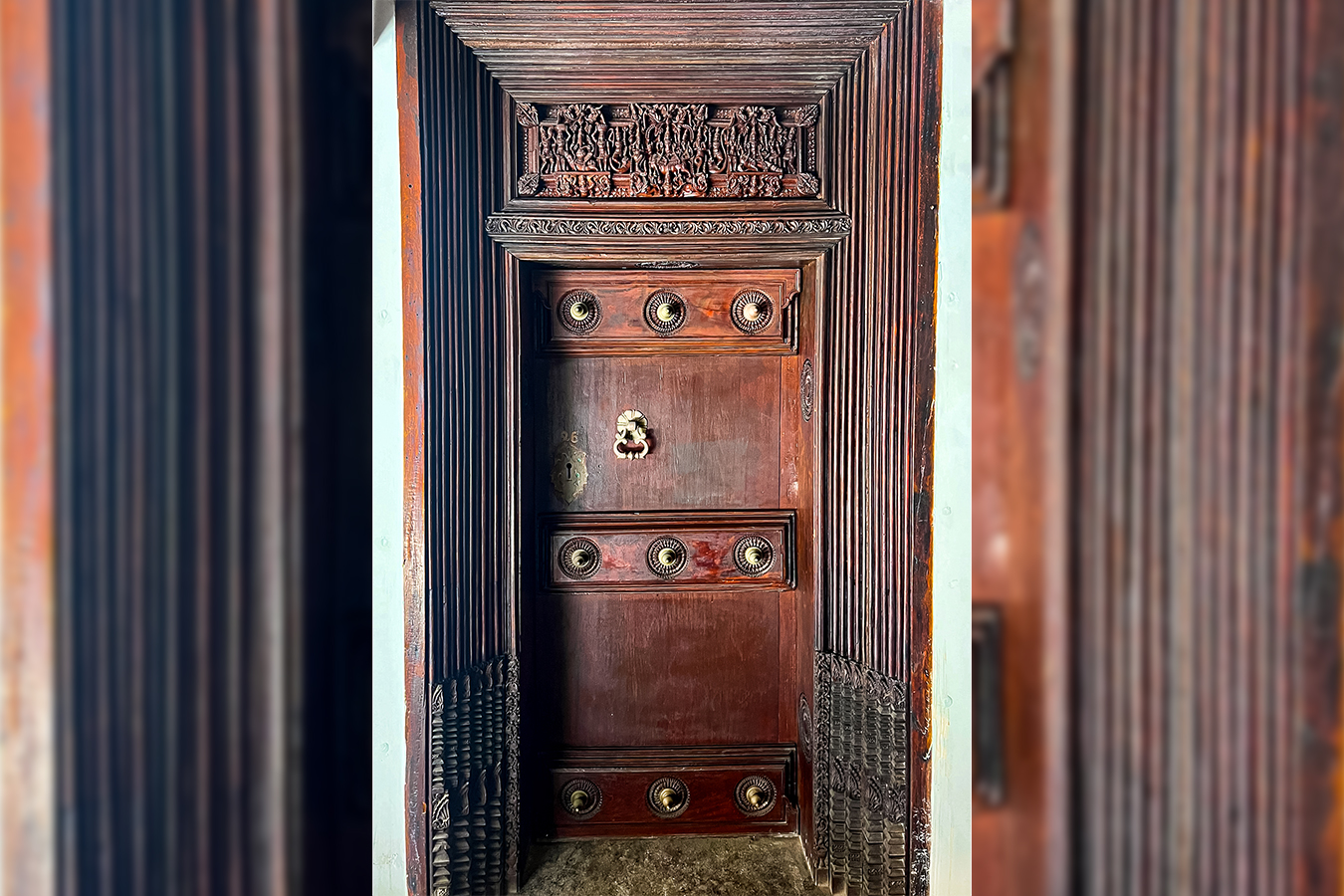
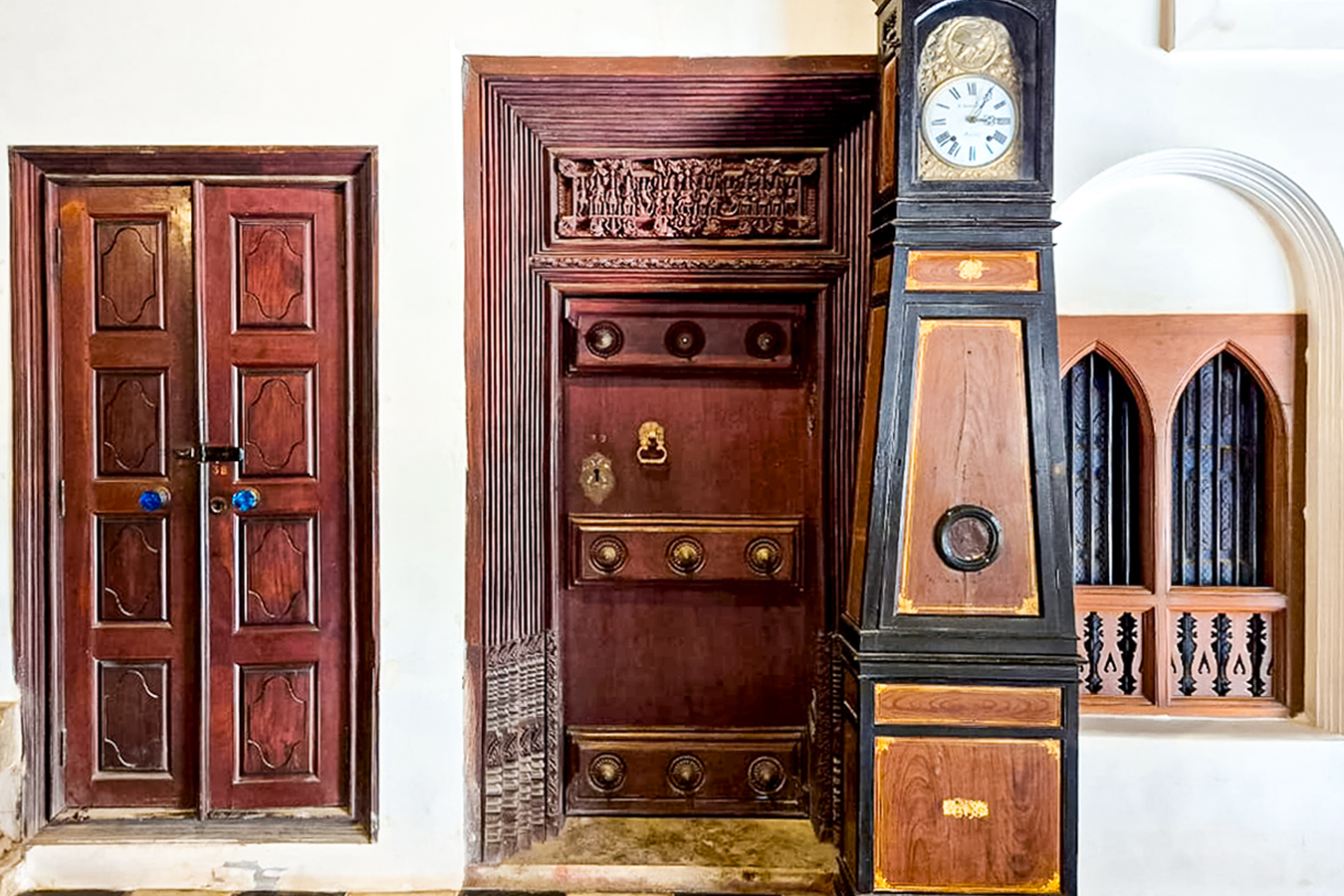
Chettinad holds the spirit of a people who were never rich only in material terms. It was cultural, spiritual, and visceral. Here, if history is a living archive. it resides in the imposing doors of century-old mansions, in the walls cooled by lime plaster and the grand roofs held high by teakwood beams. The streets feel intentional, designed to carry respect across generations. The grand mansions erected by the Chettiar community—merchants who plied vessels across Southeast Asia—still stand as a quiet witness to ambition tempered by tradition.
The Chettiars are a rich trading community in Tamil Nadu, India. Once linked to salt trade and temple finance, they gained power in the 18th and 19th centuries as one of South India’s most powerful banking and business interests. With the influx of colonialism, particularly when the British were expanding in Southeast Asia, the Chettiars established themselves in Burma (Myanmar), Ceylon (Sri Lanka), Malaya and other parts of the region. There, they extended credit, established financial institutions and shaped the course of modern banking in the region.
Back home, their success spawned what would become Chettinad — an area that, at its height, was made up of 96 villages divided among 19 well-planned towns. ‘These weren’t just settlements but ecosystems that were very well thought-out. The Chettiars poured money into local infrastructure, building schools, hospitals, water tanks and road networks when few private communities were undertaking such civic work.
While many Chettiar families left Chettinad after their foreign trade halted in the middle of the 20th century, the mark they left is still undeniable. It was not only their wealth; they made their mark on Tamil society. They were great patrons of education, charity, and temples, donating huge amounts for religious festivals, vedic schools, and public purposes. Today, Chettinad is a tribute to a community that made enterprise its legacy and architecture its cultural memory.
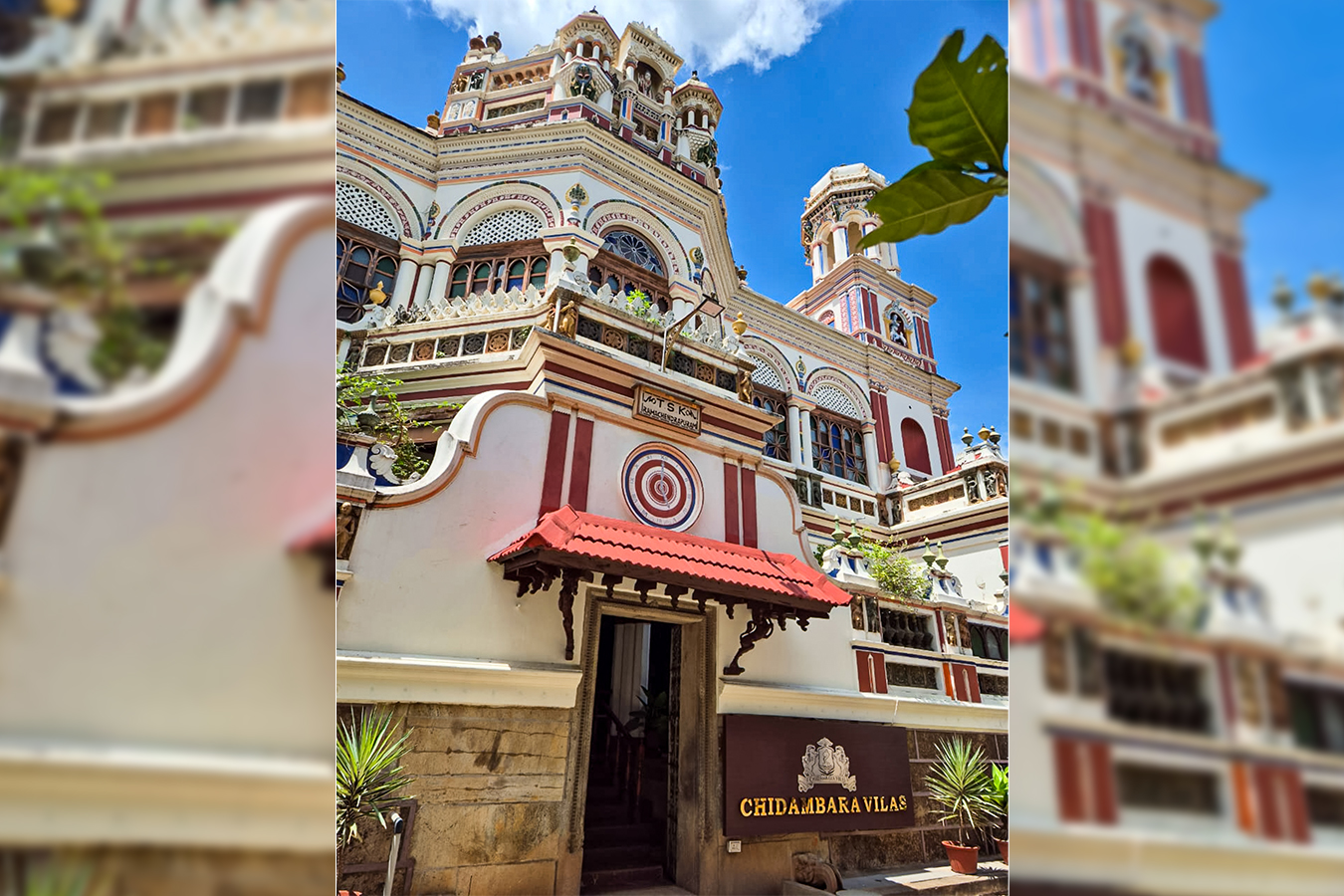
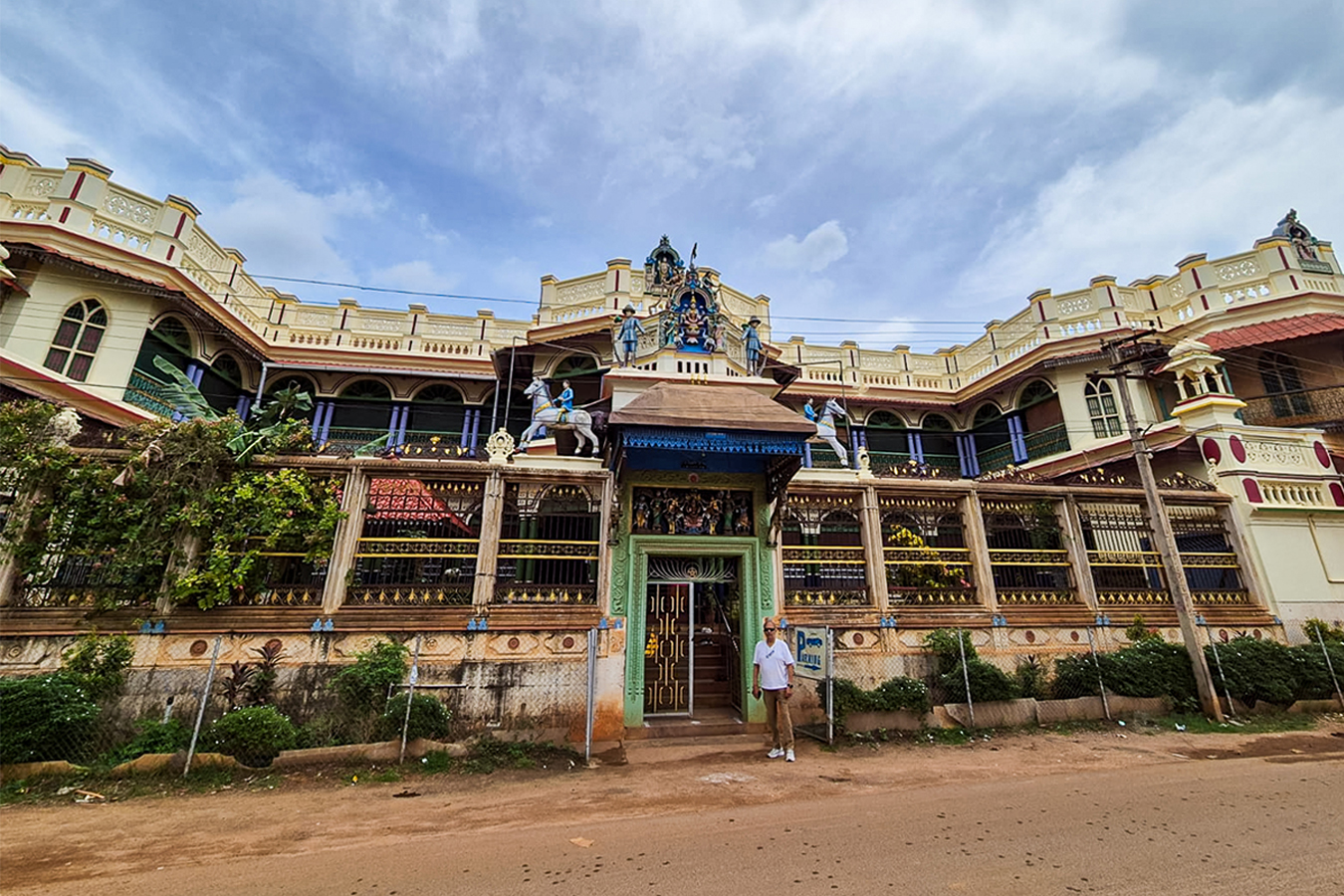
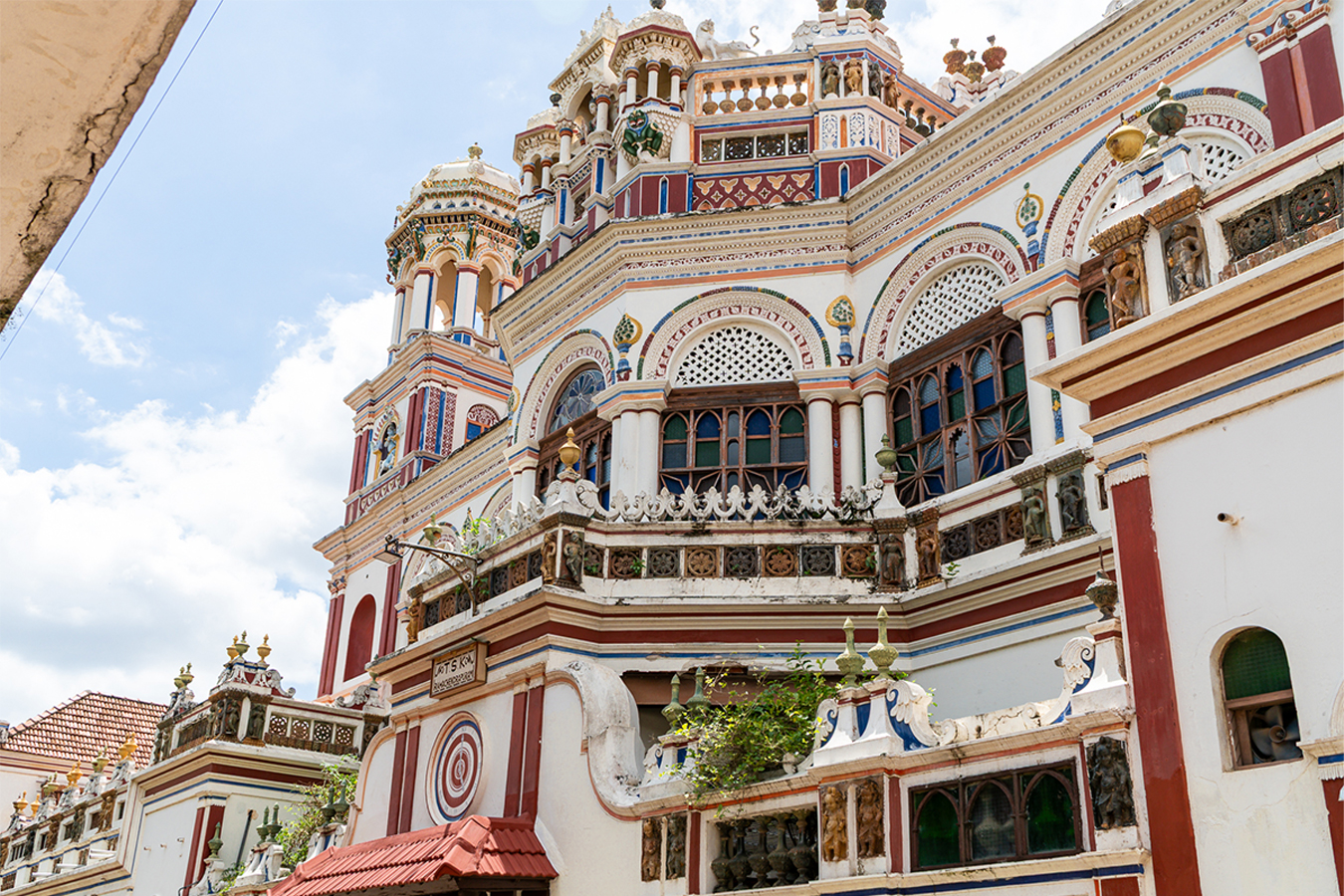
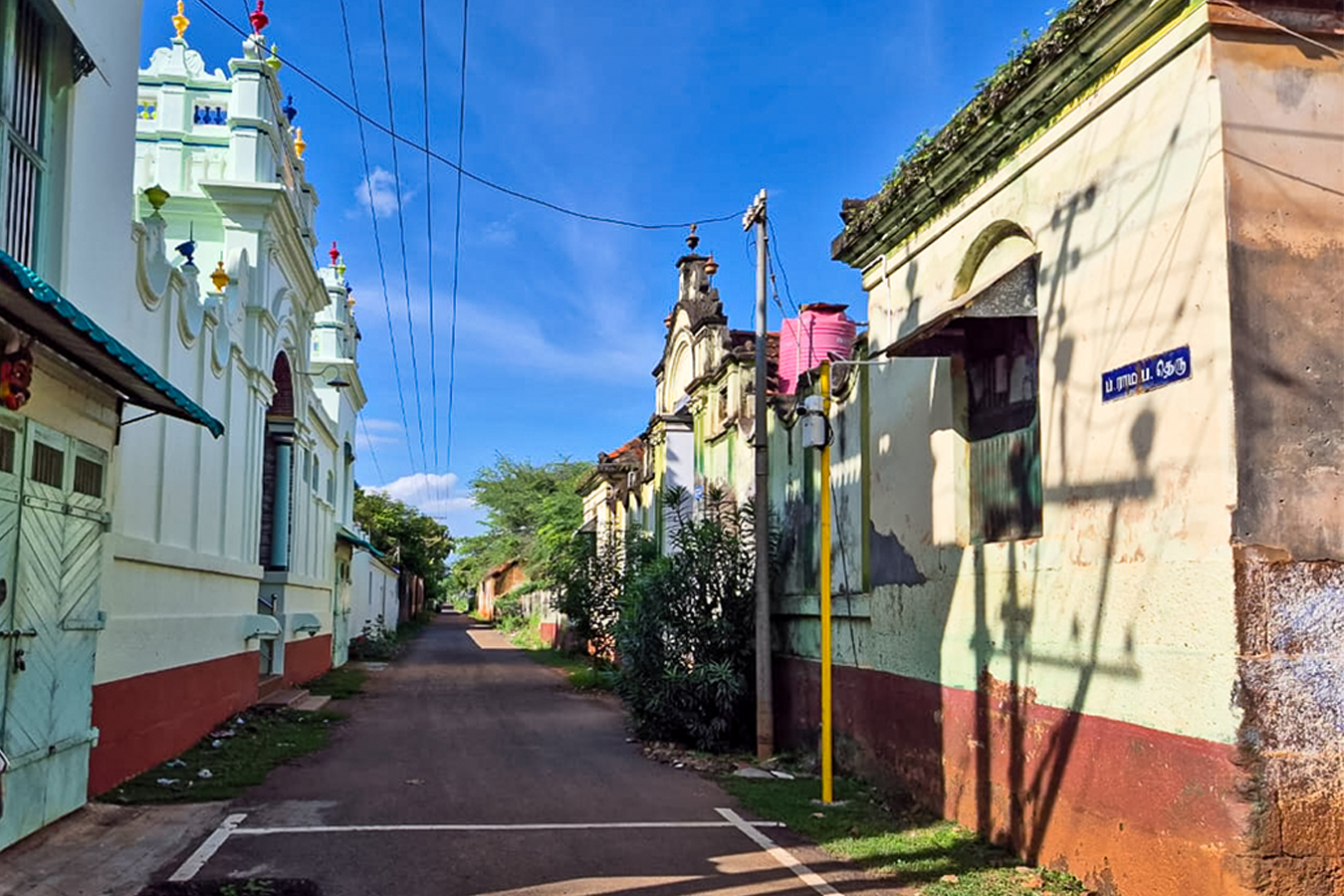
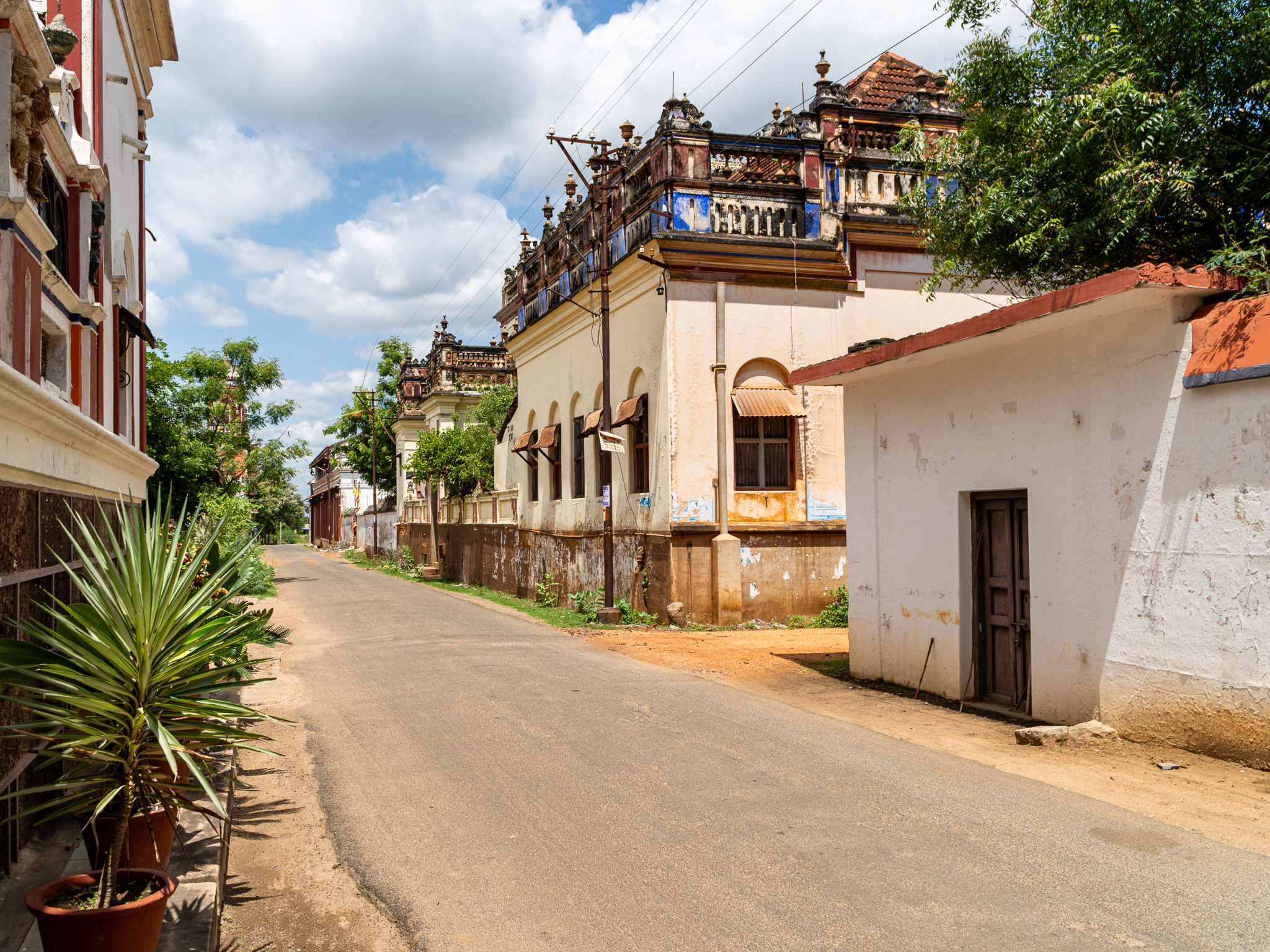
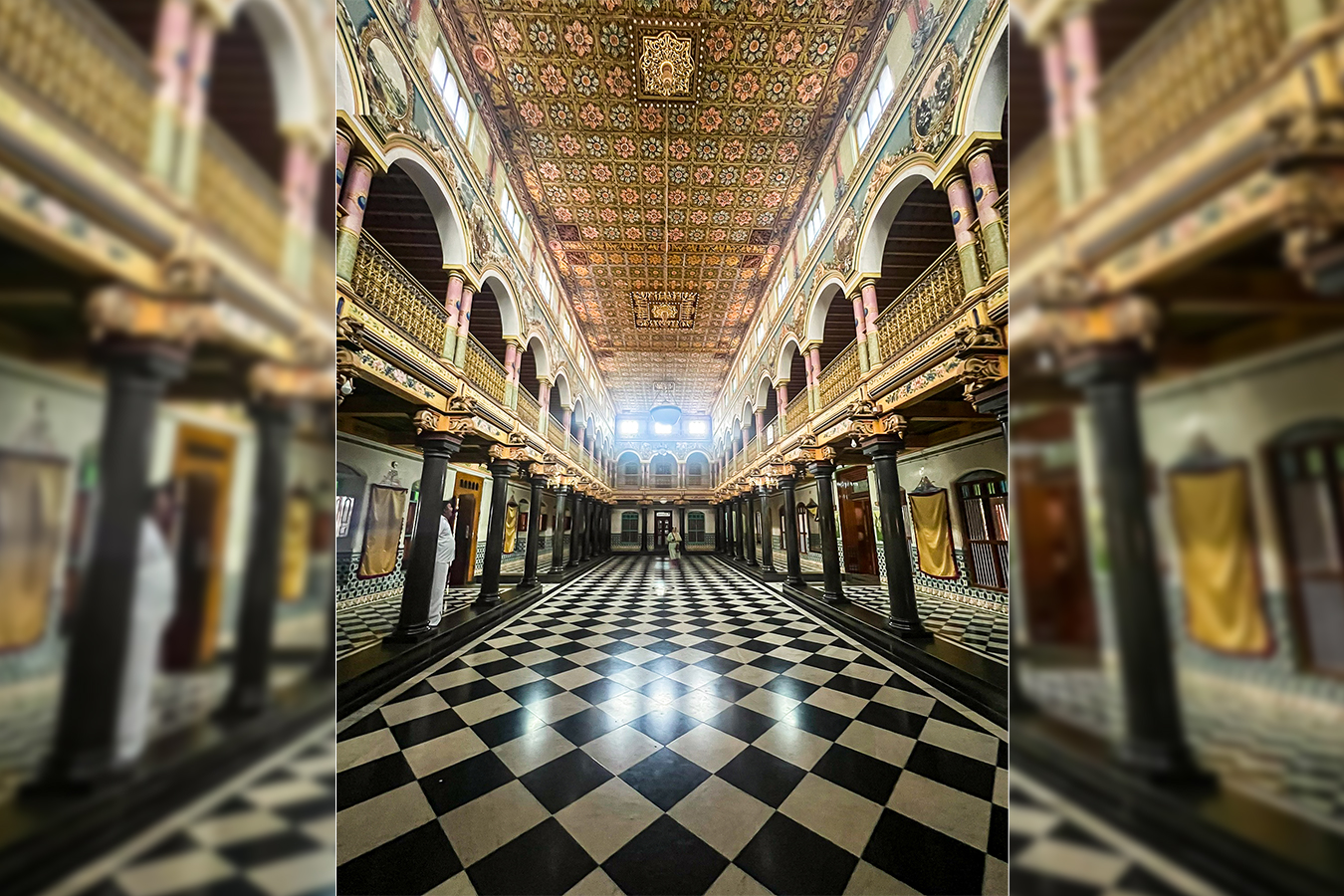
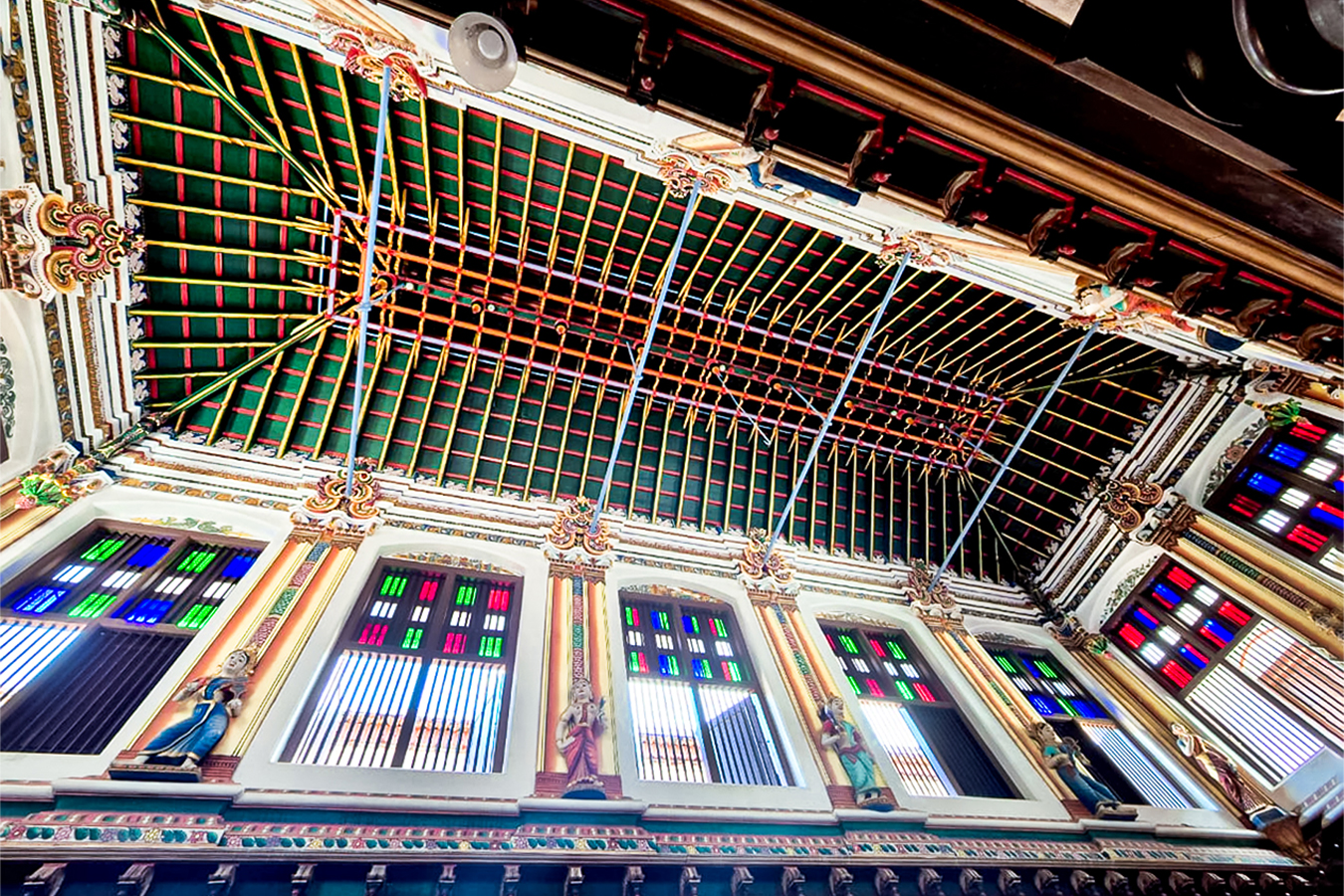
Kanadukathan, Palattur, Karaikudi – the cultural and administrative centers of Chettinad – around which other towns, such as Devakottai, Kottaiyur and Kallal, were built. Each has its rhythm, but together they are a prism that refracts the vibrancy and complexity of a region forged by tradition, migration and memory. Here, in Kanadukathan, sit some of the grandest of the Chettiar mansions, with their high-peaked red-tiled roofs soaring over sedate lanes. Inspired by their travels, they combined Dravidian design with European tiles, Burmese teak, Italian marble, stained glass from Belgium and ceramic fittings from Japan and England. Their mansions, built in the late 1800s and early 1900s were an ode to cosmopolitan taste tempered by Tamil values. Their monastic discipline and scholarly learning were evident not only in their lifestyle but also in their habitat, with inner courtyards, huge dining halls, prayer rooms, and carved wooden ceilings in their homes.
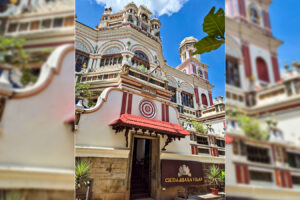
For lovers of colonial nostalgia beautifully restored in the form of lovingly preserved family homes, CGH’s Visalam provides that rare opportunity to be treated in truly authentic style, complete with high ceilings, gleaming floors, open courtyards, and meals that are tenderly looked after, like at home.
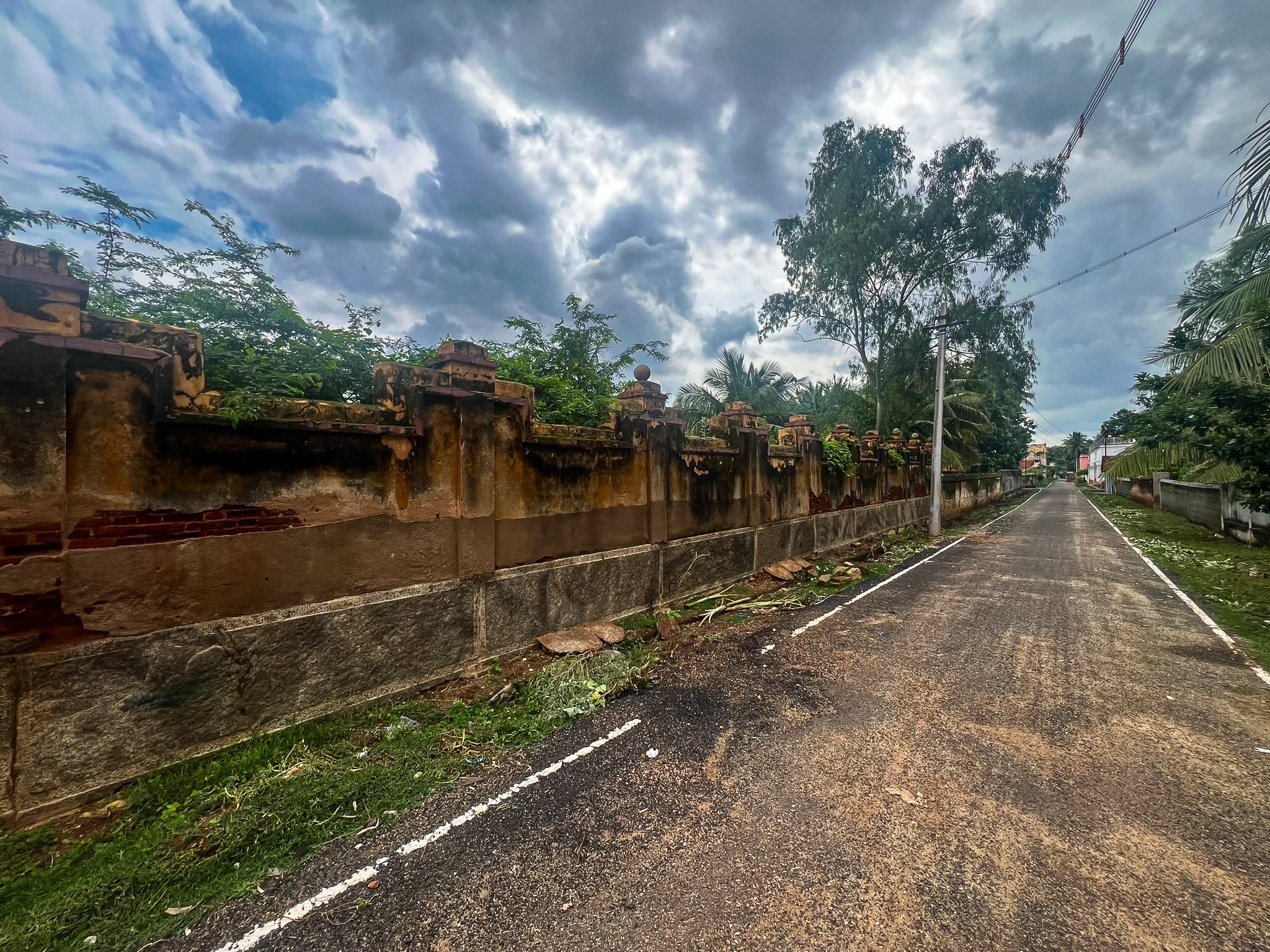
Palattur is more subtle, but equally grounded in the Chettinad sense of place. Mansions here exude a subdued dignity, and life ambles along with a warm intimacy — verandas backed with stone benches, flowering laurels lining the roads, and temples resounding with chants at dawn. Karaikudi itself brings the bustle — the vibrancy of markets, craftspeople and commerce still rattling through its streets. In all of them the architectural and cultural DNA of the region is seen.
Thirumayam Fort:
An austere sentinel carved out of the arid hills of Pudukkottai. Dating to 1687, when it was built by Sethupathi Vijaya Raghunatha Thevar, the fort used to protect the borders of the region with seven nesting walls, four of which remain, battered but vigilant.
It may not be as grand as the royal citadels, but Thirumayam has its own important story to tell. During the Polygar wars of the early 1800s, it would serve as a temporary fort of Oomathurai, the brother of rebel hero Veerapandiya Kattabomman. His short imprisonment and failed attempt at revolting against British rule rendered this fort a place of defiance, its stones whispering reminders of the defiance.
But Thirumayam is more than a military relic. Hemmed by its palace, are the 7th-century rock-cut temples. These shrines of Shiva and Vishnu expose the fort’s more ancient roots, well before battles scarred its slopes.
In Chettinad’s sweeping story of commerce, temples, and culture, Thirumayam is a contrasting note to the history of a region where devotion and defiance once stood side by side on the same sacred grounds.
Attangudi Tiles:
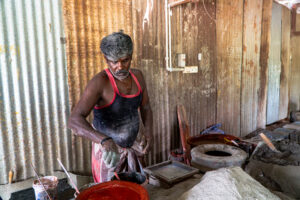
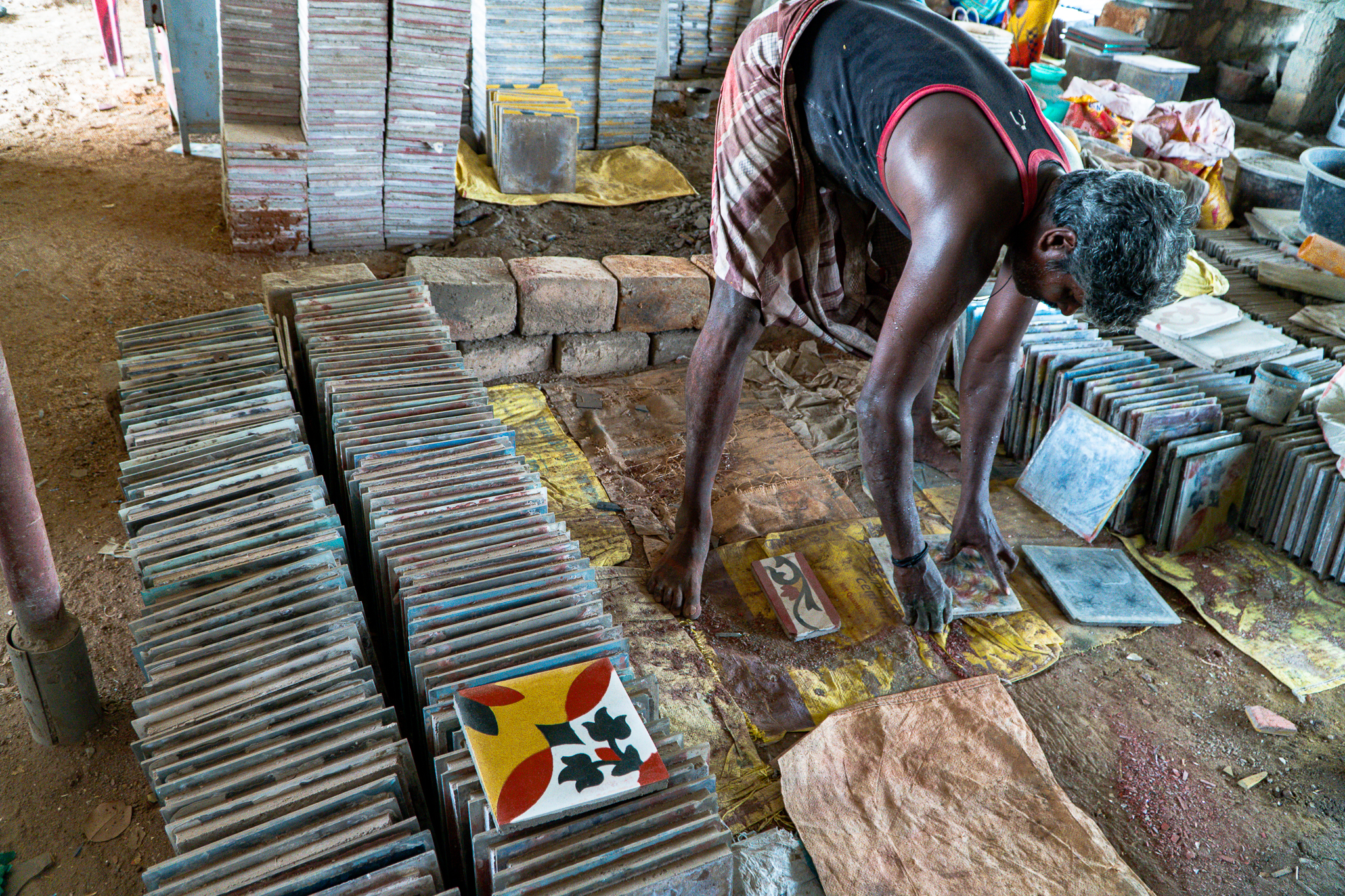
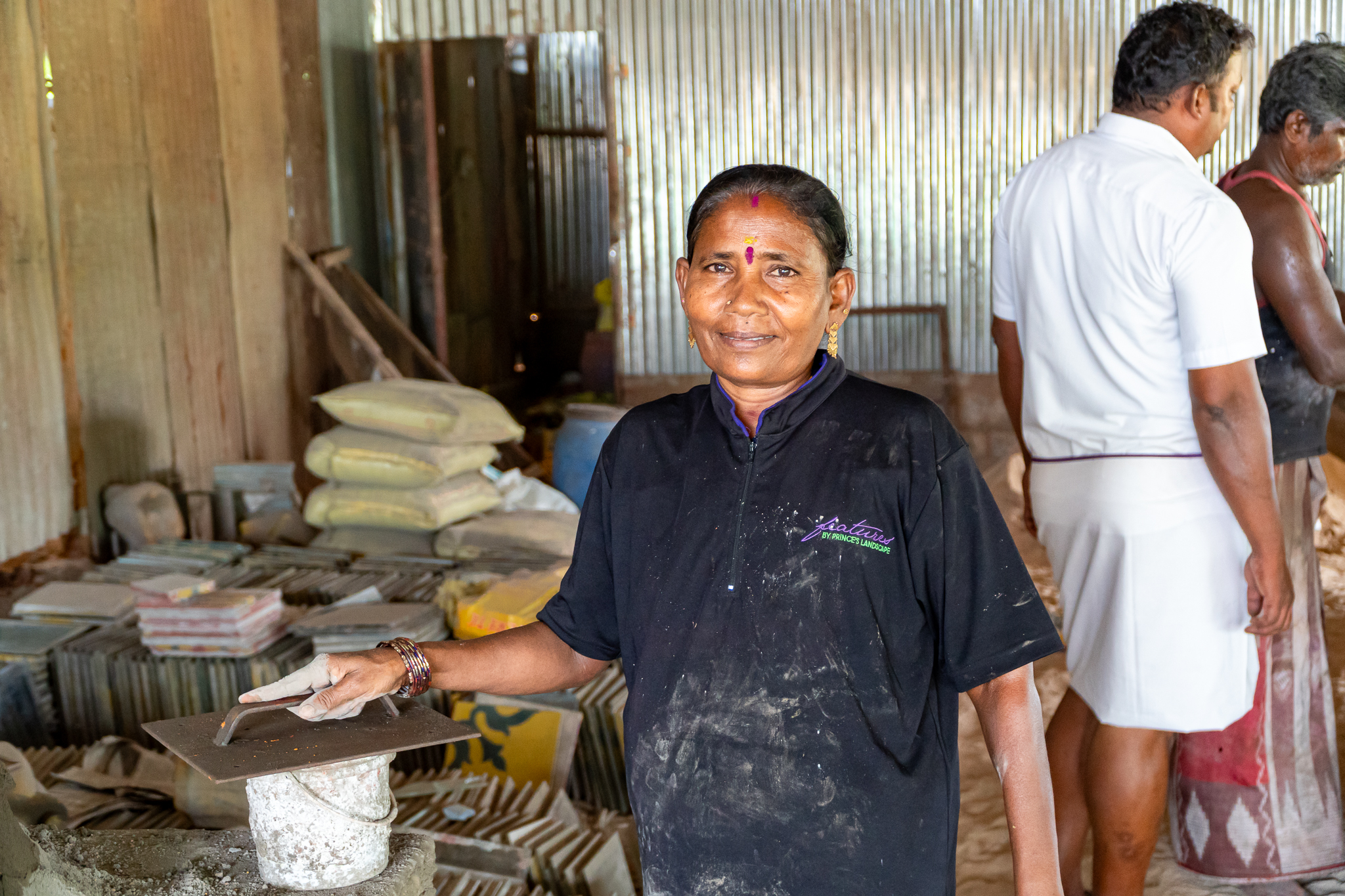
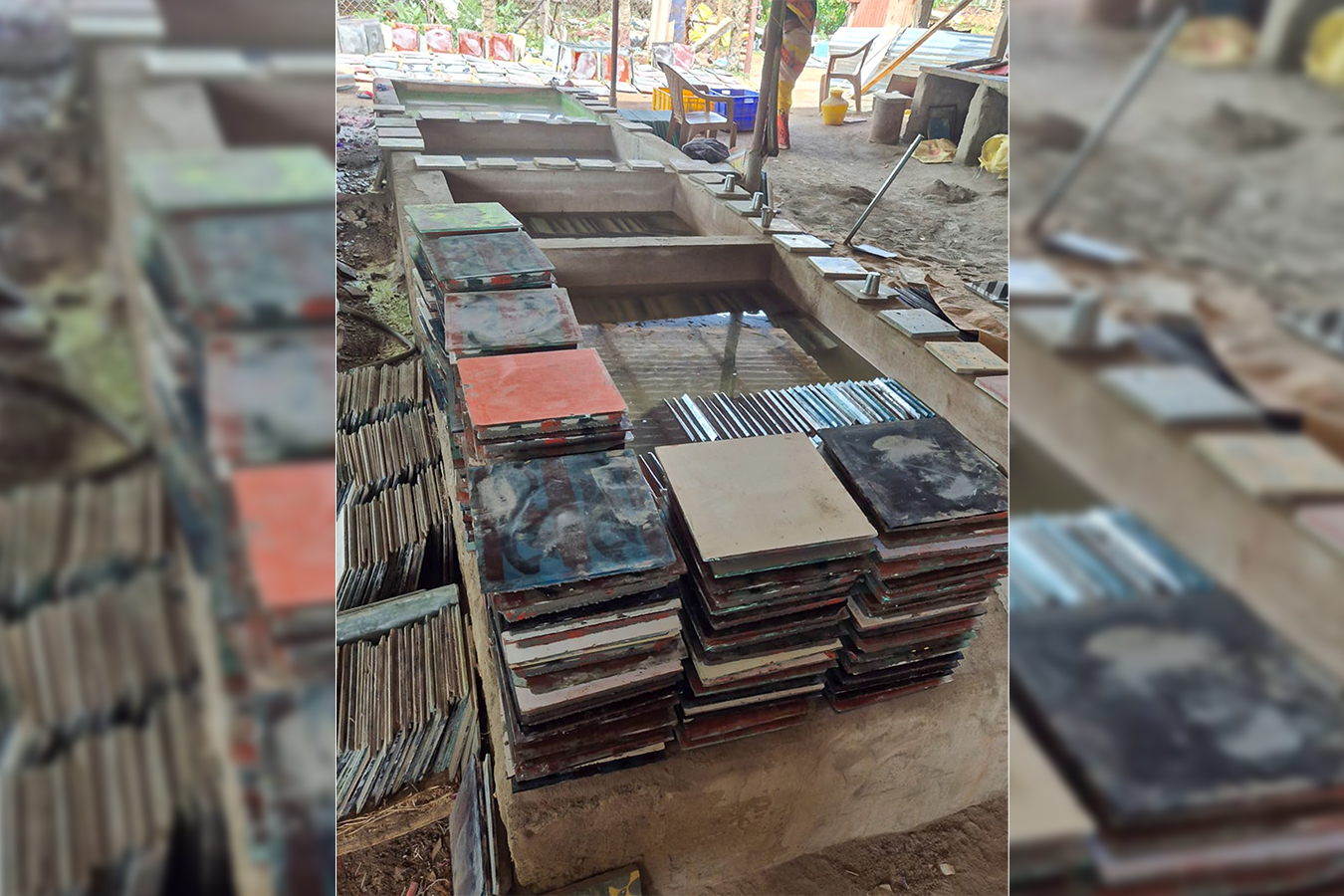
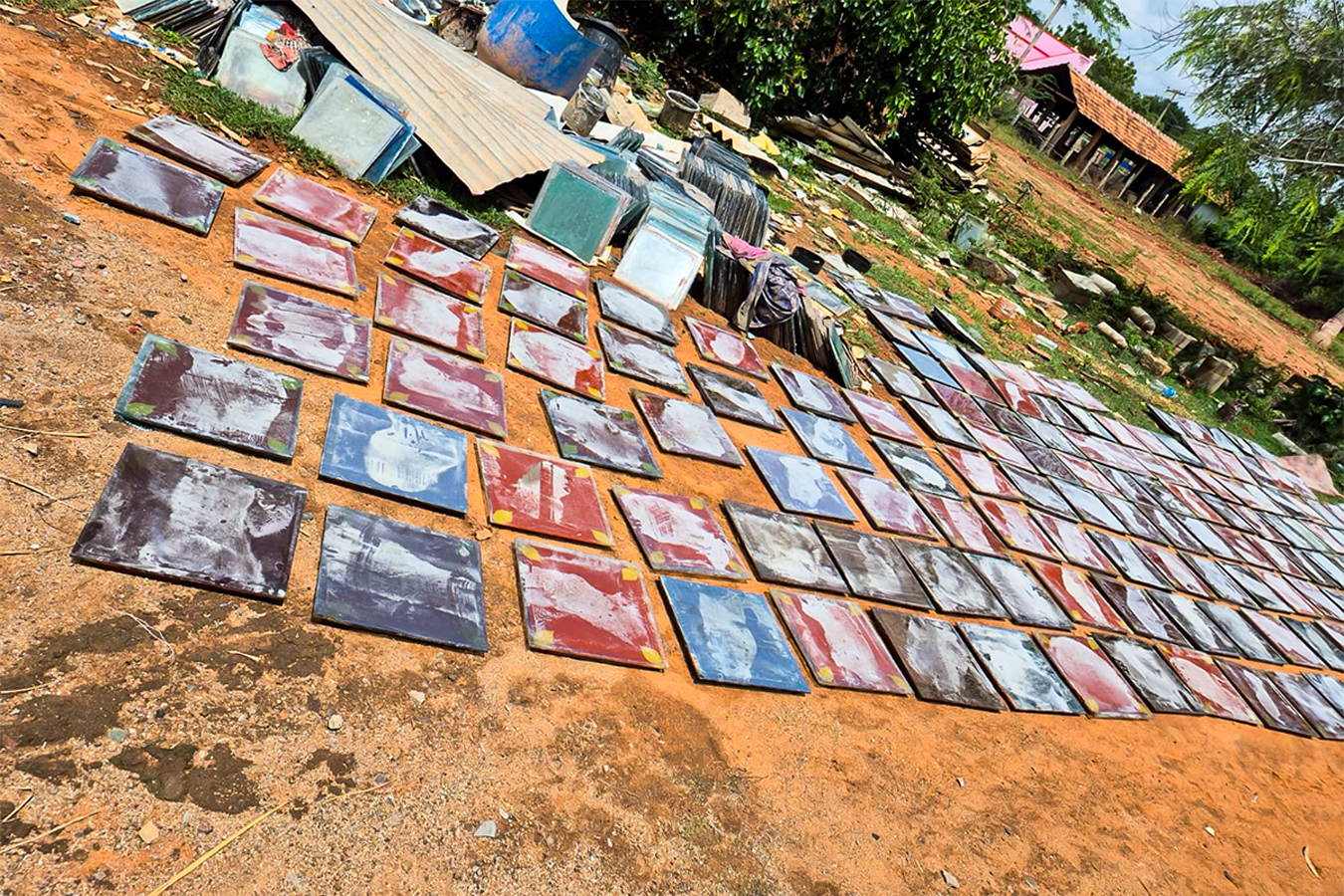
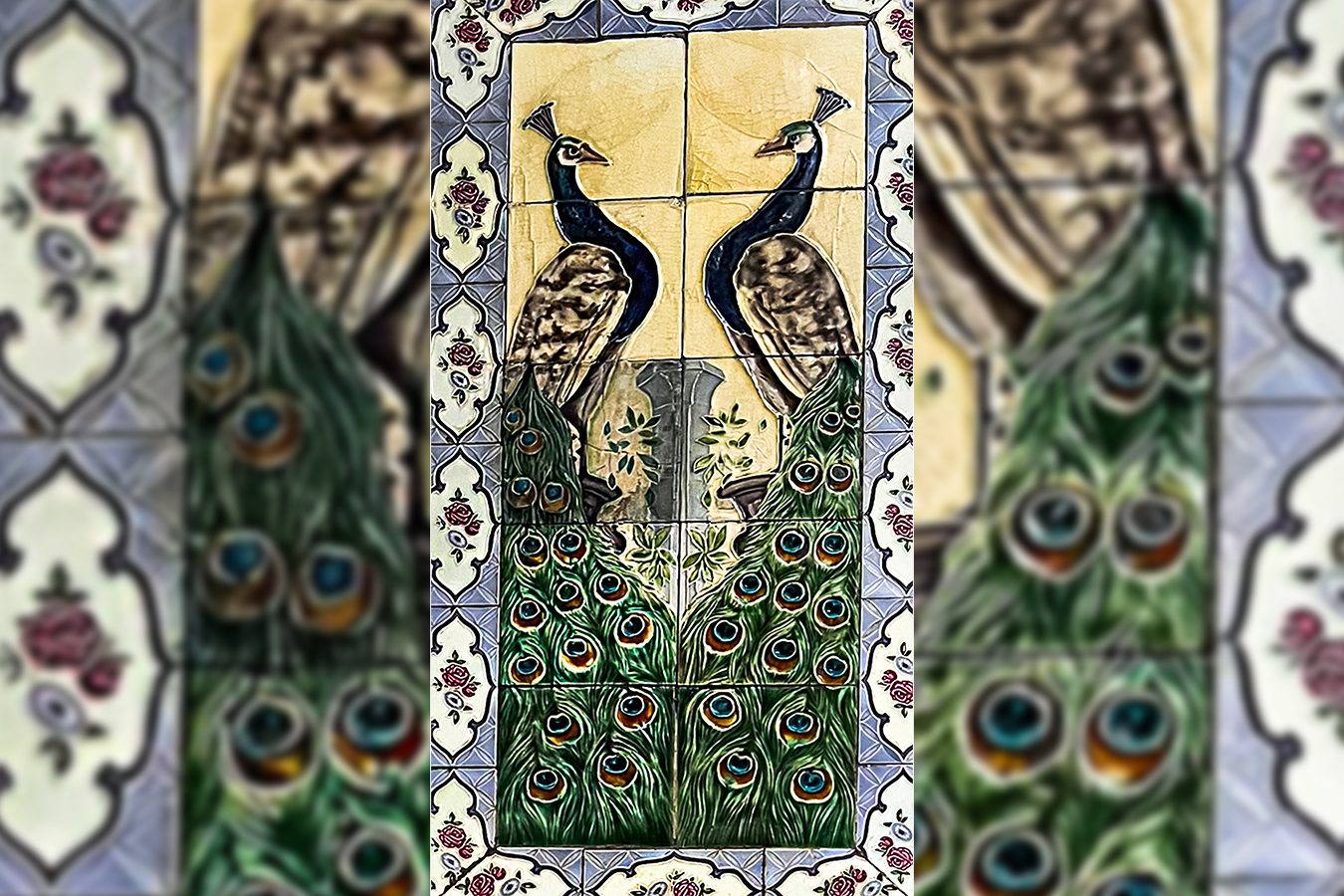
Chettinad speaks through its craft. In the village of Athangudi, workers magically transform the earth into vibrant, patterned tiles. There is no machinery buzzing away locally, only human hands and brass moulds and a strong sense of inherited expertise. Every tile is poured, set, and polished by hand. They are not only decorative but also the very symbol of design in time, made with patience and pride.
Chettinad sarees:
Another tradition also perpetuated here, is by the Chettinad weavers. Under the tiled roofs and shaded courtyards, they ply their trade with rhythmic precision, weaving Chettinad cotton sarees in vibrant colors. Their work doesn’t follow trends, it’s not fast fashion, it honors memory.
Temples:
Outside the homes and workshops, the temples and shrines are still bustling and an integral part of the daily routine. Over hundreds of years old, with stand shrines to Vishnu, Shiva, and a medley of local deities that have for so long held the land and its people in their sway. Rituals persist, not for show but because they are part of the region’s rhythm. Myth and history coexist here, whispered in stories shared during festivals and evening prayers.
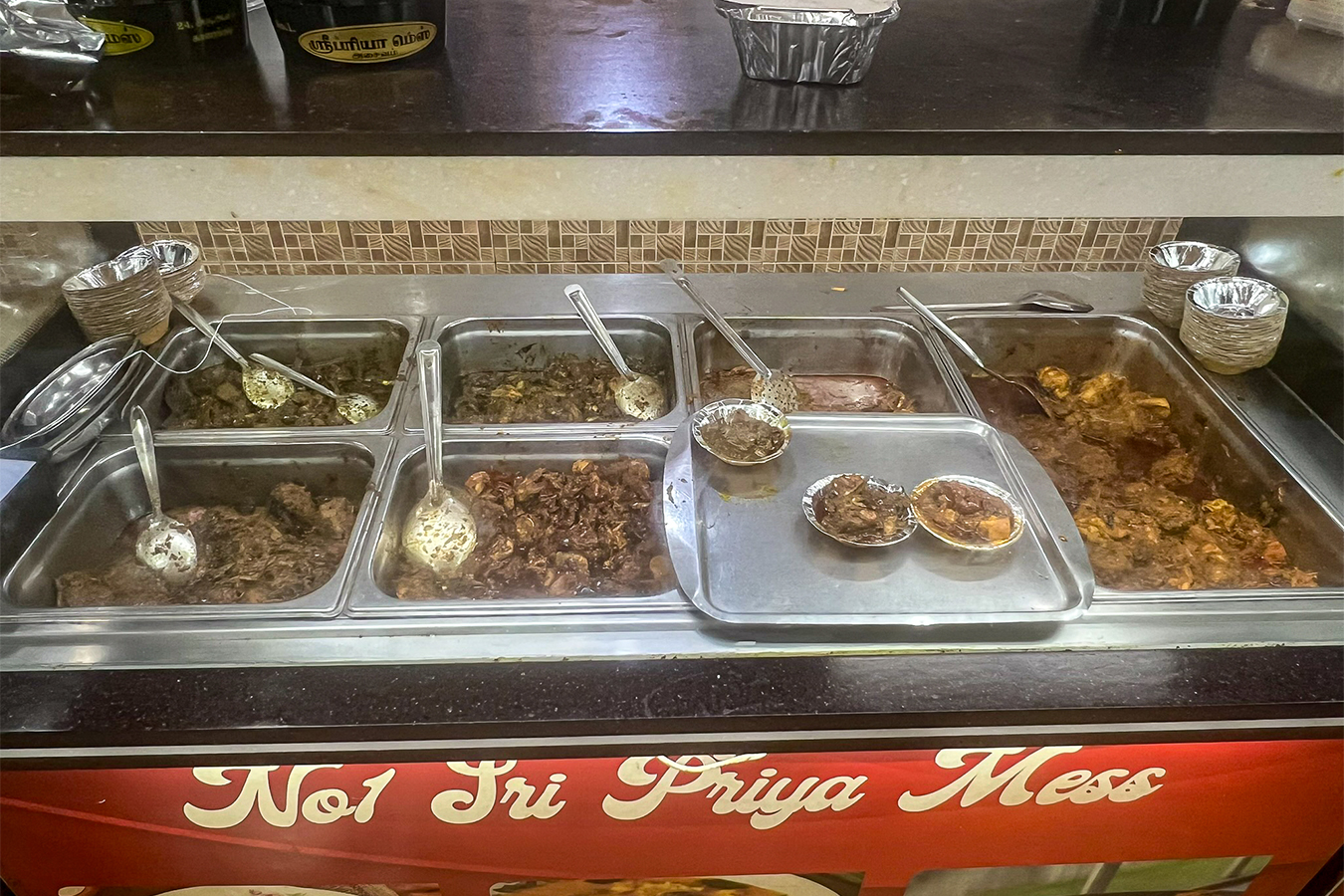
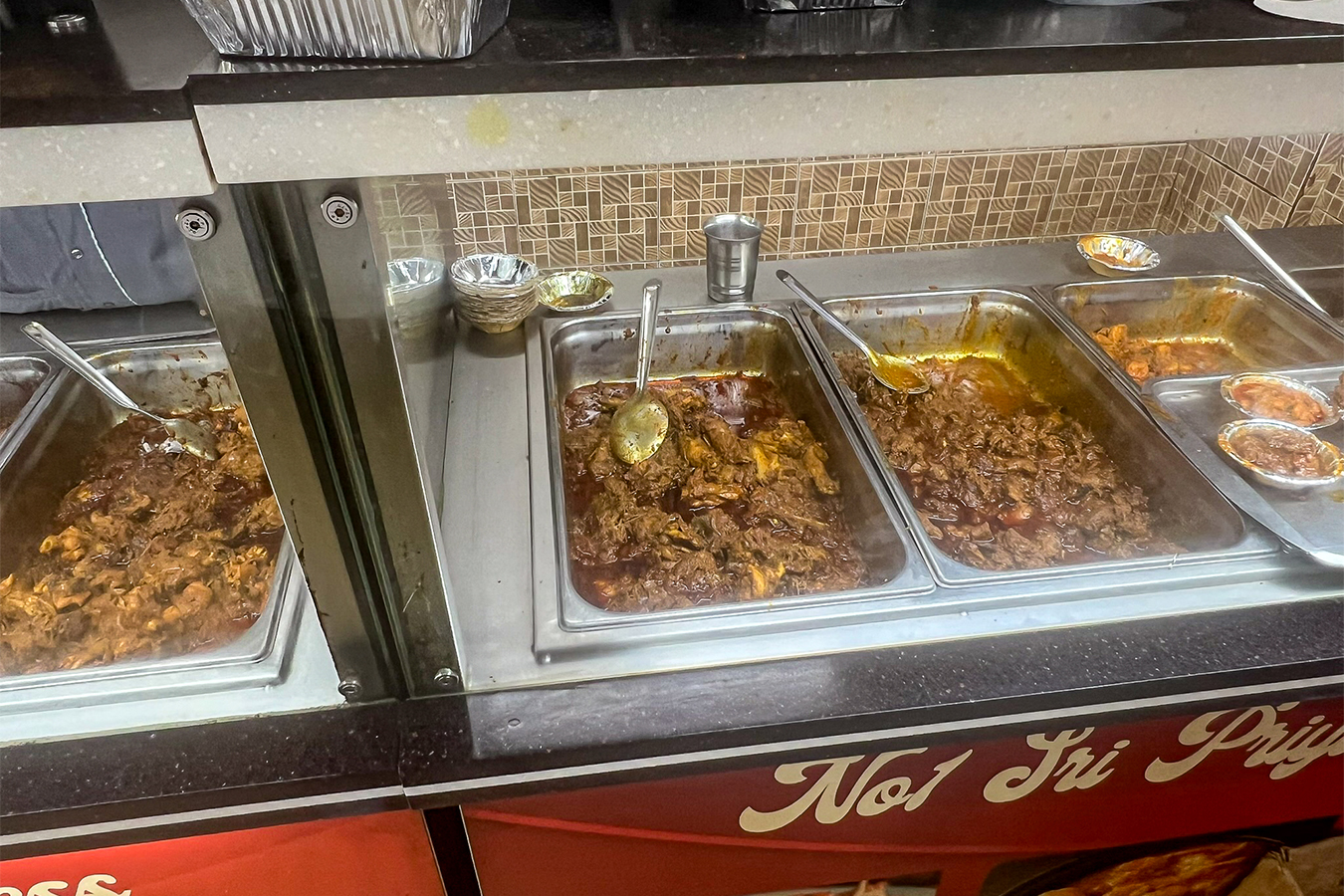
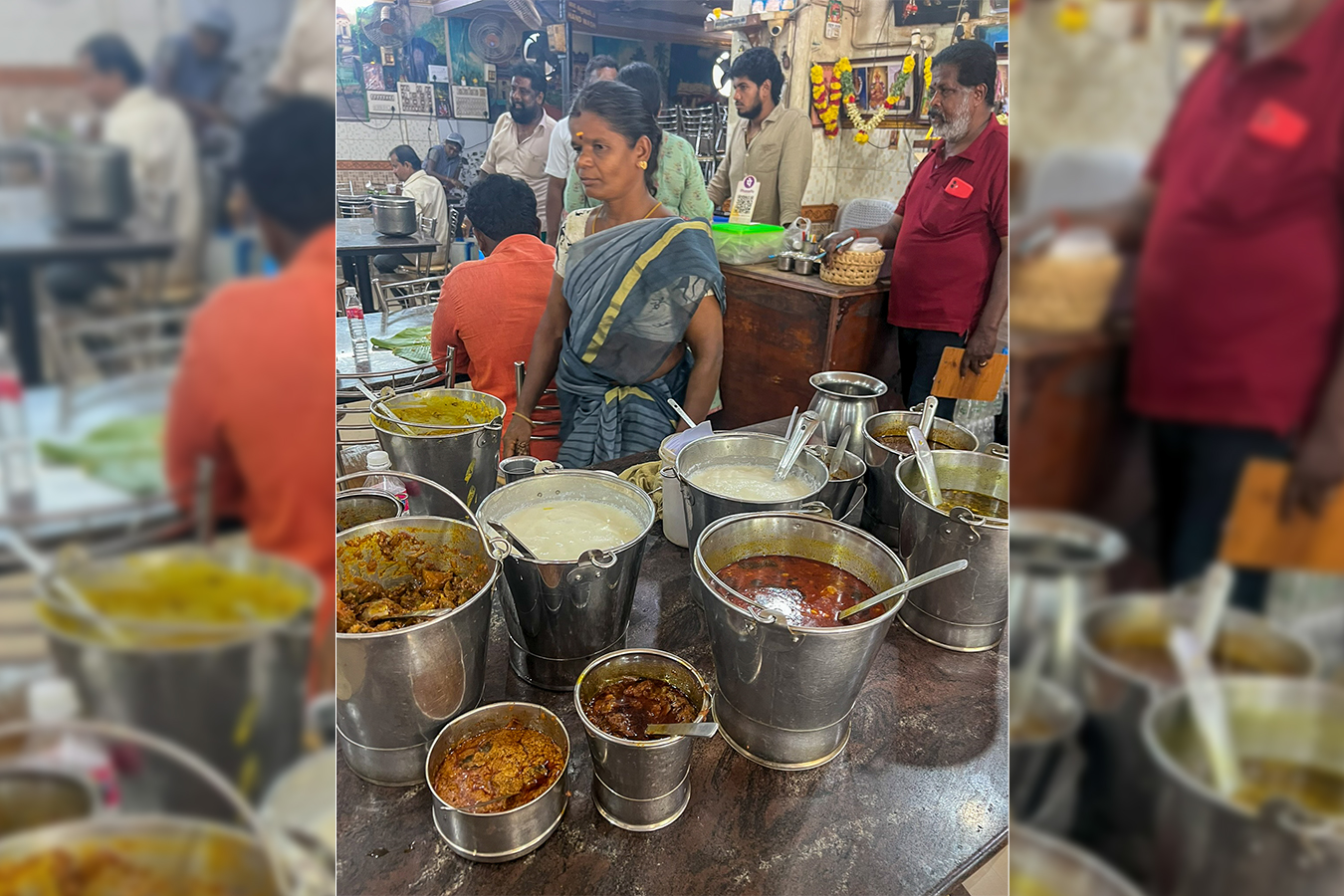
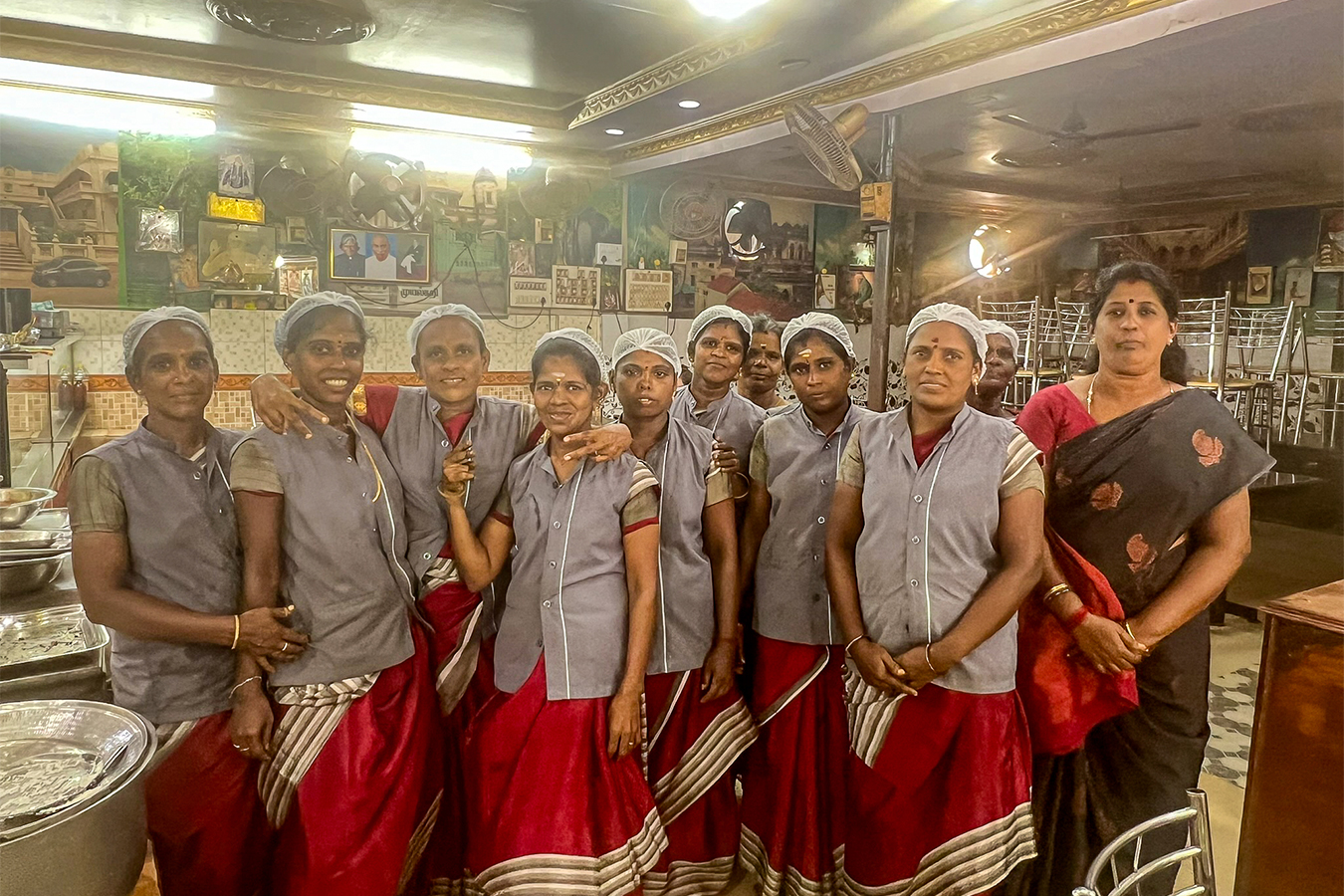
And then there is the food – fiery, fragrant, and irresistible. Heat and depth form the backbone of Chettinad cooking. Whole spices are toasted, ground, and simmered into bold, balanced gravies. A meal is substantial, typically served on banana leaves spread with rice, peppery curries, tangy pickles, and the likes of paniyaram and kola urundai. Each bite tells a story of heritage through generations of home kitchens.
Chettinad doesn’t try to charm. It doesn’t need to. It’s rich in how much it clings to an identity. From the surface of red oxide floors to the clang of brass vessels, from temple chants to the crackle of firewood beneath a pot of kuzhambu, everything here serves a purpose and has a history.
 5
5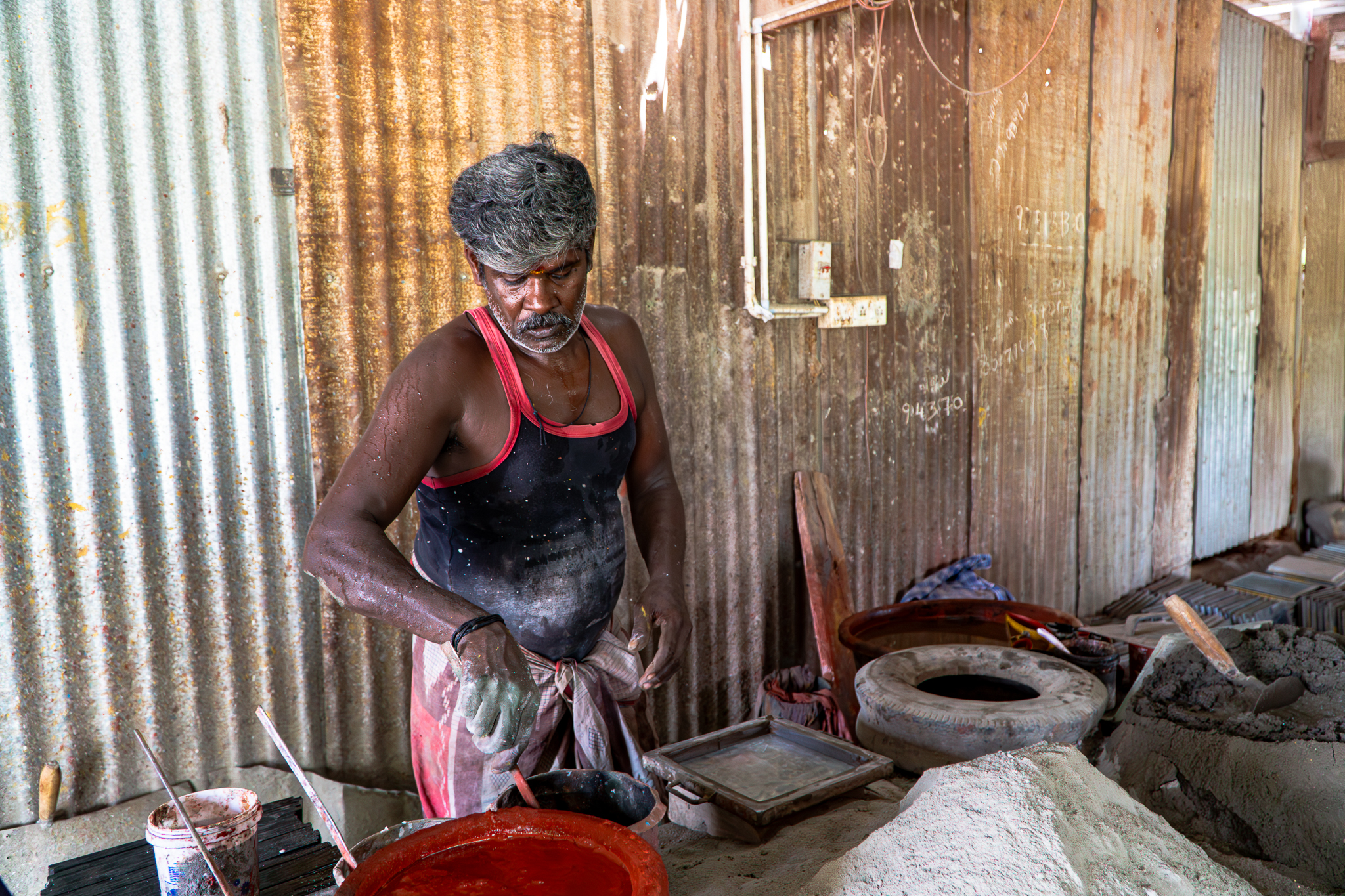
 7
7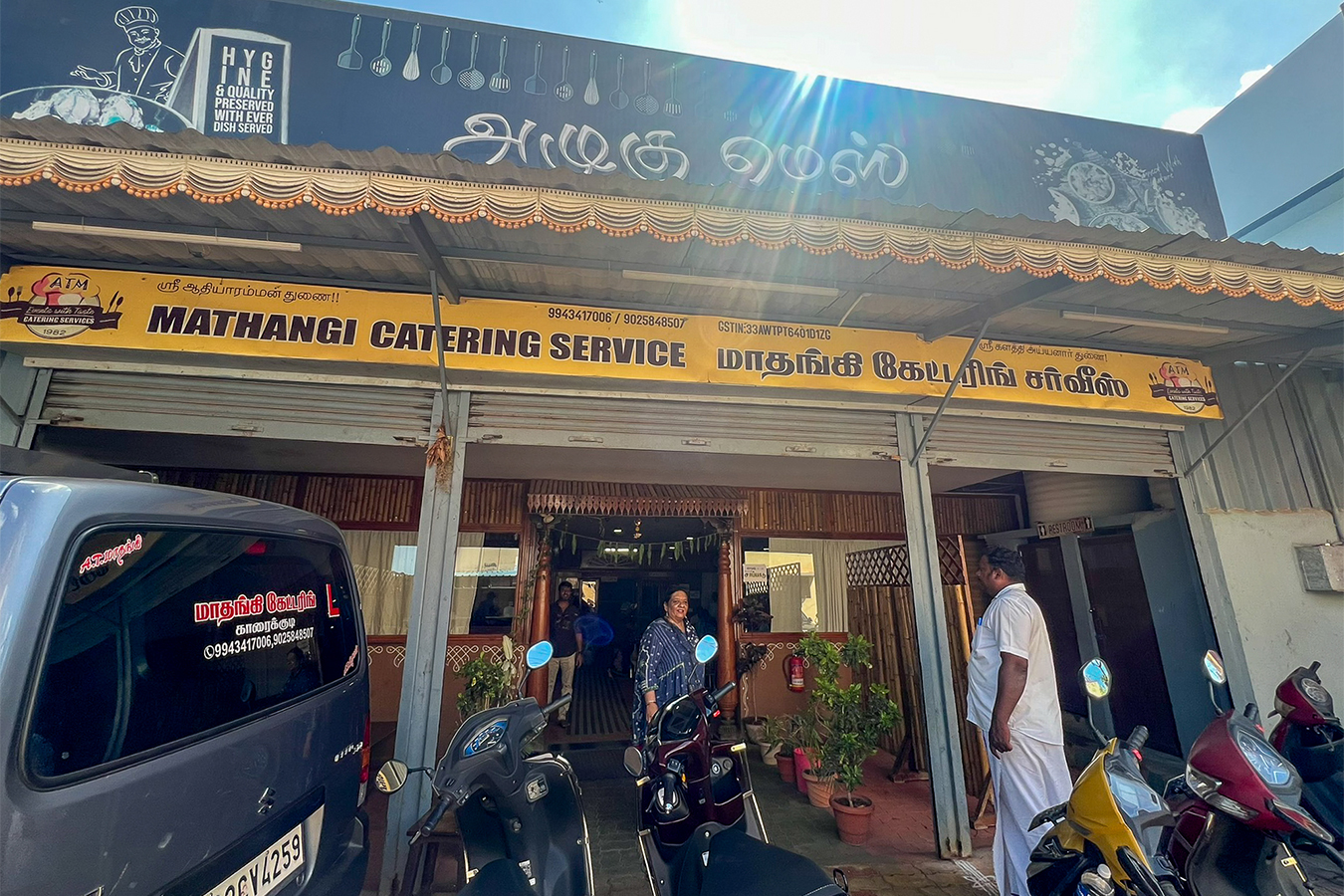
 5
5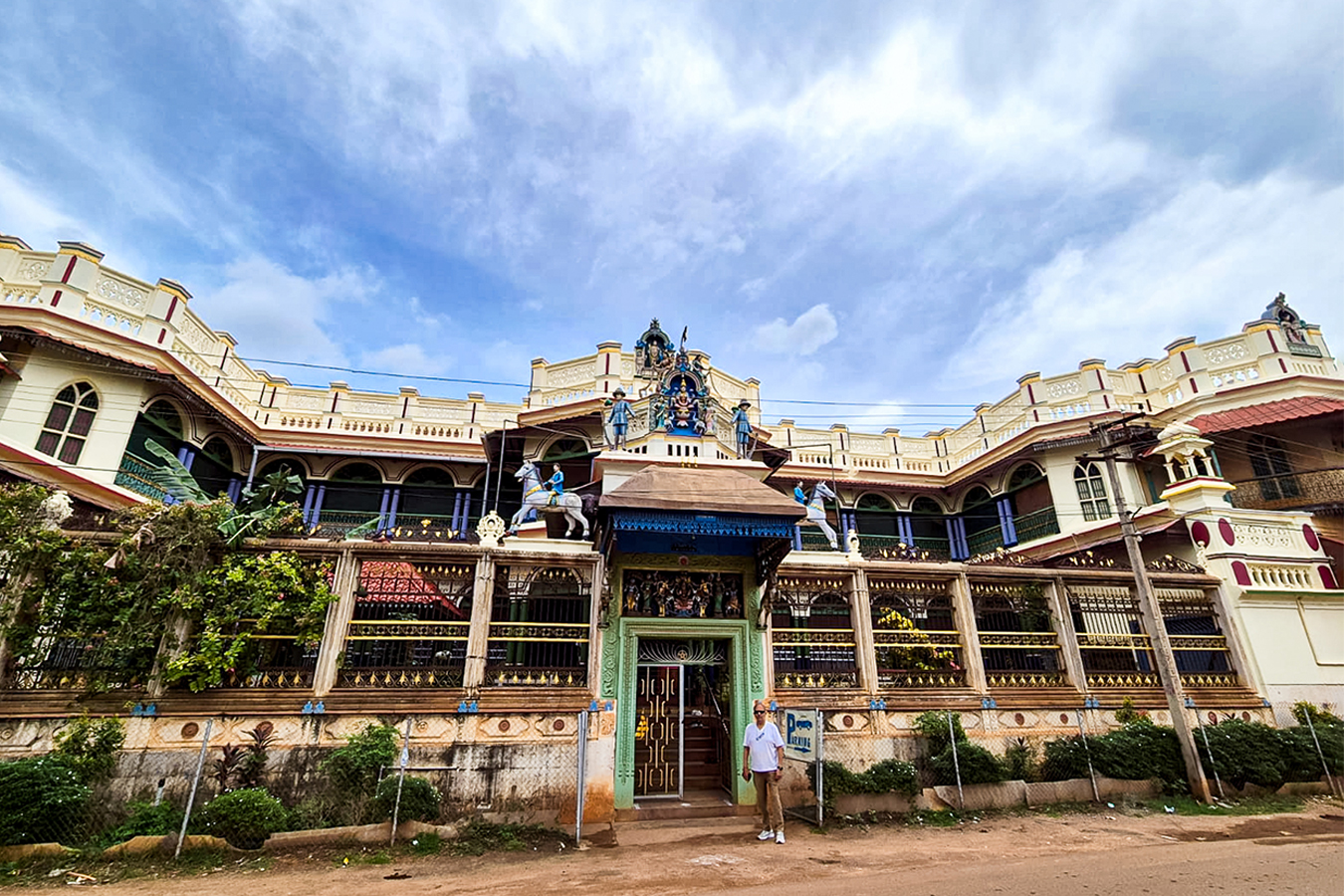
 11
11