Barmer: Crossroads of Tradition and Progress
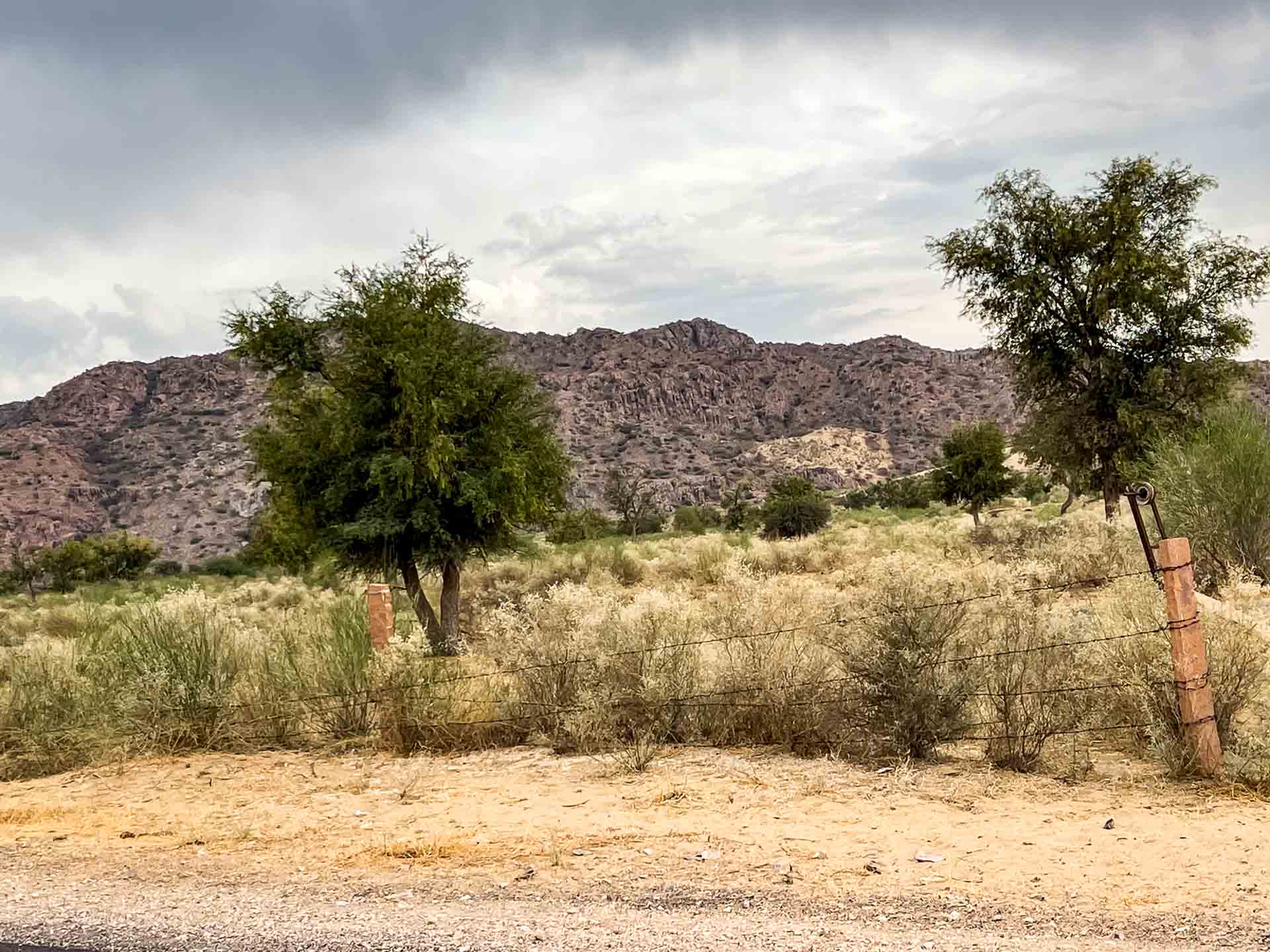
Barmer sits quietly in the western part of the state, close to the India–Pakistan border, shaped by desert winds, resilient communities, and centuries of history. When we arrived in Barmer, the first thing we noticed was the openness of the land. The roads stretch long and wide, flanked by scrub vegetation, sand, and distant hills. Life here feels slower, more grounded, and deeply connected to the environment.
Barmer Town
Barmer town itself is compact and functional. Markets, small shops, temples, and homes exist side by side without much separation. The town is known for its handicrafts, especially wood carving, embroidery, and block printing, but what stood out to us more was the strong sense of continuity. Traditions here are not preserved for visitors; they are simply part of daily life.
As we walked through the streets, we saw two men wearing traditional angrakhas, their attire immediately catching our attention. The angrakha, with its overlapping panels and tied cords, is not something we often see worn casually anymore. Yet here, it seemed completely natural. That moment captured Barmer for us—rooted, unhurried, and confident in its identity.
The Landscape
Barmer is often associated with the Thar Desert. The sand dunes around the district are a defining feature of the region. These dunes may not be as tall or dramatic as those in Jaisalmer, but they feel more expansive and untouched. People live alongside it, farm where possible, graze livestock, and adapt to its challenges. We saw herds of goats and camels moving slowly across the land, guided by their owners.
Interestingly, parts of the Aravalli Range also extend into the Barmer district. While the Aravallis are more prominent elsewhere in Rajasthan, their presence here adds a subtle variation to the otherwise flat desert terrain. These rocky outcrops and low hills break the monotony of sand and offer glimpses into the geological history of the region. Standing near these formations, we were reminded that Barmer’s landscape is not just desert but a combination of sand, stone, and time.
Food Culture
Food played an important role in our experience of Barmer. The cuisine here reflects the climate and lifestyle—simple ingredients, hearty portions, and flavors designed to sustain rather than impress.
One of our most memorable meals was fresh, hot paranthas served with curd. We had them early in the day, and they were exactly what one would want in a place like Barmer—filling, warm, and comforting.
Beyond this, we had several other meals that followed a similar pattern. Bajra rotis, lentils, seasonal vegetables, and generous use of ghee formed the base of most dishes. These were scrumptious and hearty meals, meant to fuel long days in a demanding environment. There was no unnecessary complexity, just food prepared with care and confidence.
Eating in Barmer also highlighted the importance of hospitality. Wherever we ate, there was a sense that food was meant to be shared generously. Portions were ample, and there was always an offer for more.
Cultural Observations
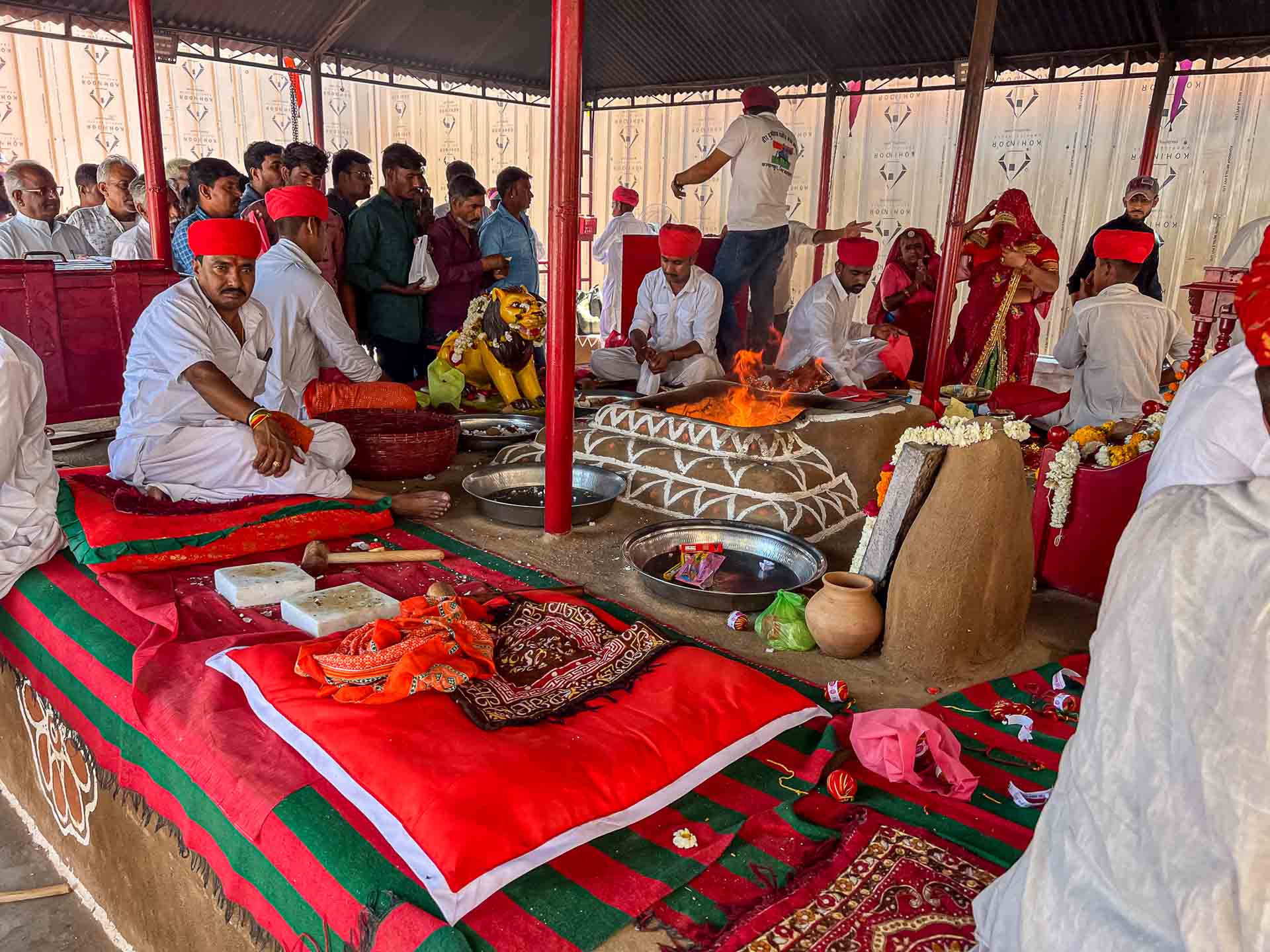
Spending time in Barmer allowed us to observe daily life up close. People here appear deeply connected to their routines, whether it is running small shops, tending to animals, or working in fields. The pace is steady, and interactions are direct and respectful.
Traditional clothing is still widely worn, especially among men and women in rural areas. Bright turbans, long skirts, and angrakhas are common sights. These are functional garments suited to the climate and lifestyle.
Markets in Barmer are lively. We saw stalls selling spices, grains, household items, and local handicrafts. Conversations between shopkeepers and customers felt familiar, often extending beyond business into personal exchanges.
The desert is not just a backdrop in Barmer; it actively shapes how people live. Water conservation, food choices, and housing styles all reflect an understanding of the environment. Homes are built to withstand heat, and daily routines often adjust to the weather.
We learned that agriculture here depends heavily on monsoons, making life unpredictable at times. Yet there is a resilience that comes from generations of adapting to these conditions.
This resilience is visible in the way people talk about weather, crops, and livestock—with realism rather than complaint.
The sand dunes surrounding Barmer serve multiple purposes. They are grazing areas, landmarks, and sometimes even gathering spaces. Spending time near these dunes helped us understand how deeply intertwined the natural and human landscapes are.
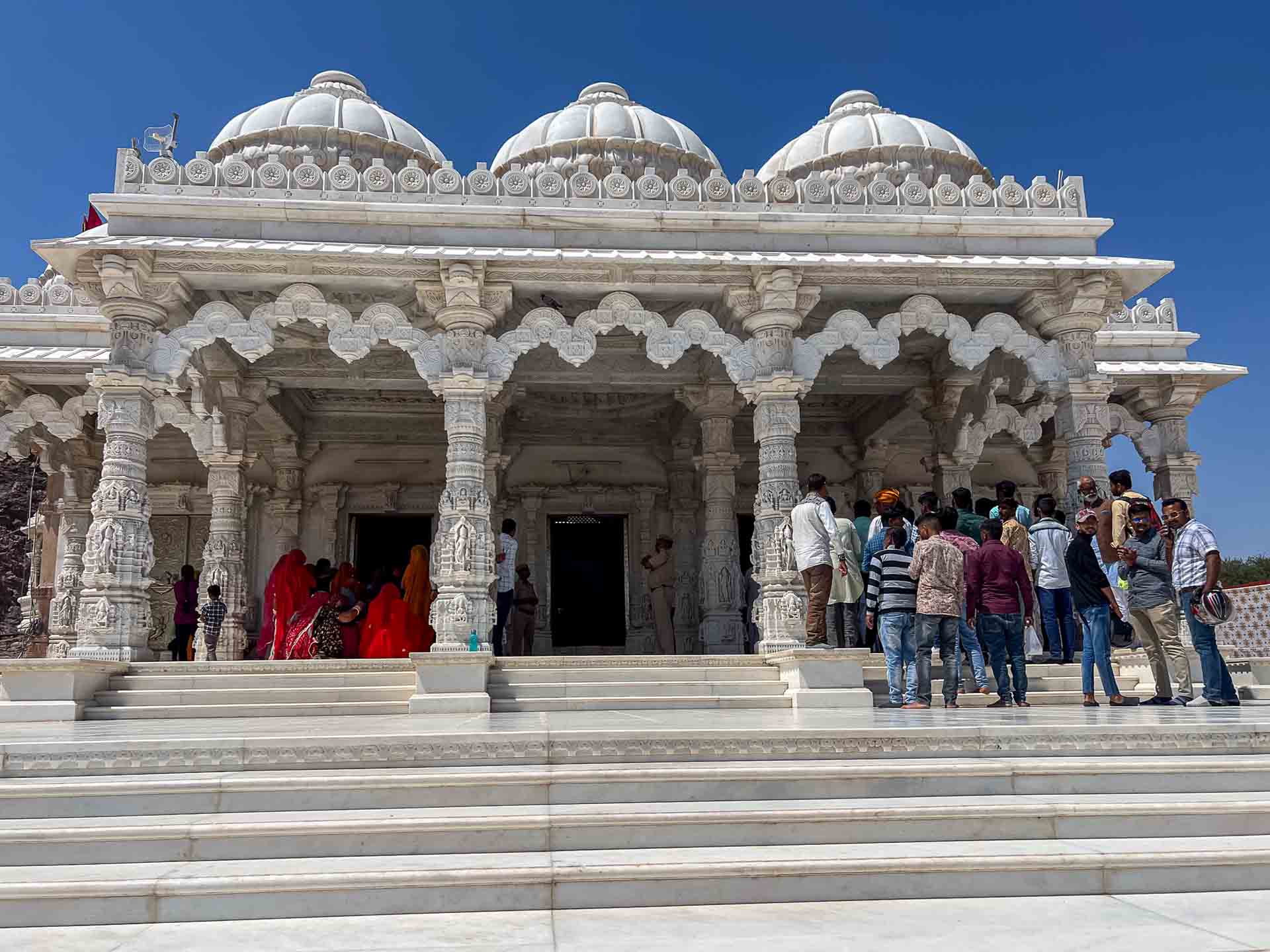
Barmer may not be the most talked-about destination in Rajasthan, but it offers a deep and authentic experience for those willing to slow down. It is a place shaped by geography, sustained by tradition, and enriched by a strong sense of community. For us, Barmer was not about checking off landmarks but about understanding a region that continues to live close to its roots. Through its temples, food culture, clothing, and landscape, Barmer offered a clear picture of life in western Rajasthan—practical, resilient, and deeply connected to its surroundings. This journey reminded us that some of the most meaningful travel experiences come not from grandeur, but from quiet observation and genuine engagement.
The Someshvara Temple
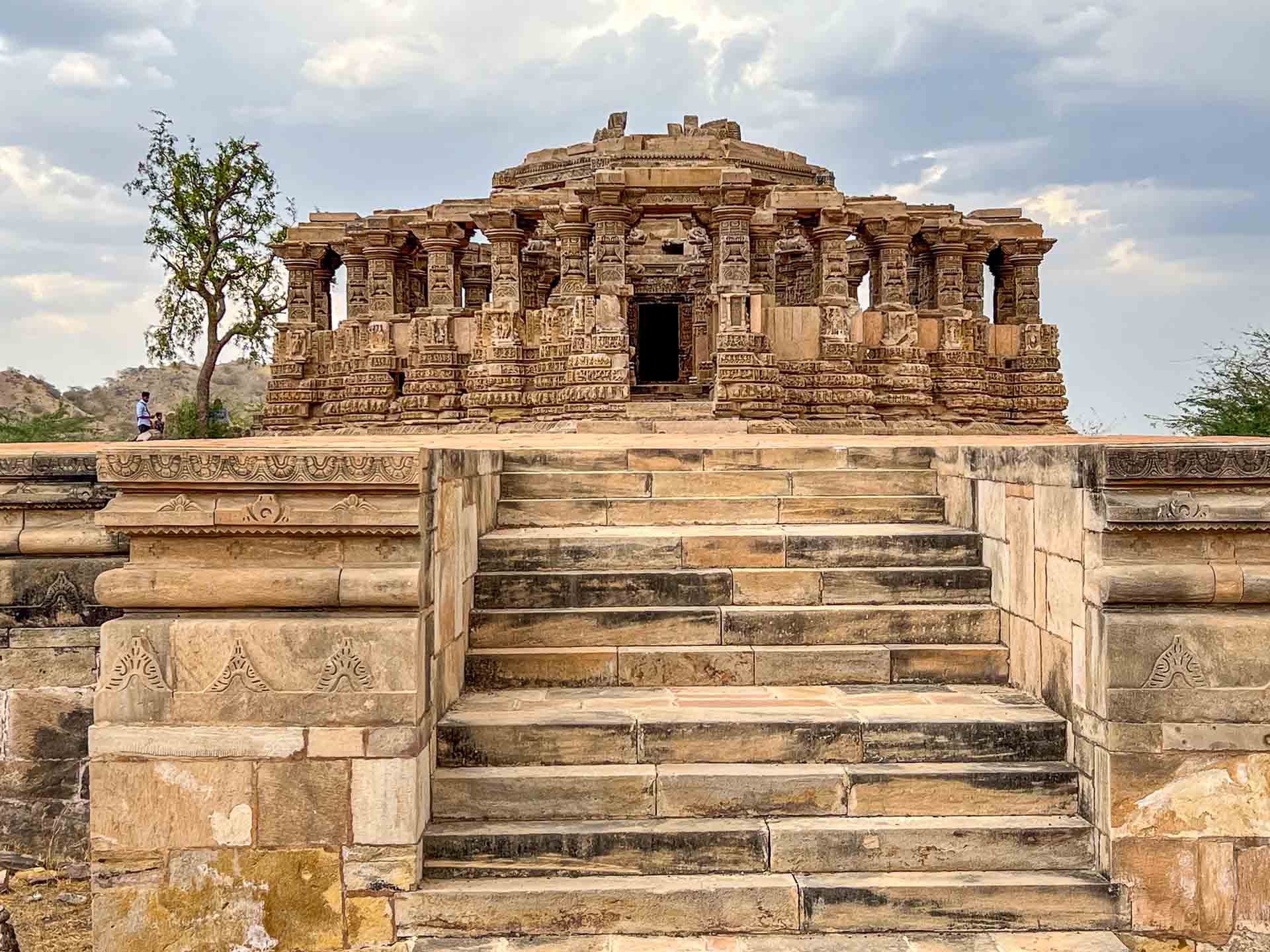
The Someshvara Temple is the largest and most impressive of the surviving temples at Kiradu. Dedicated to Lord Shiva, it is regarded as the architectural centerpiece of the temple complex. Its assembly hall (mandapa) is supported by richly sculpted pillars adorned with floral motifs, celestial beings, dancers, and mythological figures.
Although parts of the structure have collapsed over the centuries, the surviving sections continue to showcase the extraordinary skill of the craftsmen who built it. The intricate carvings on the pillars and ceilings are often compared to those found in some of the finest temple complexes of western India.