Baroda –A Living Tradition
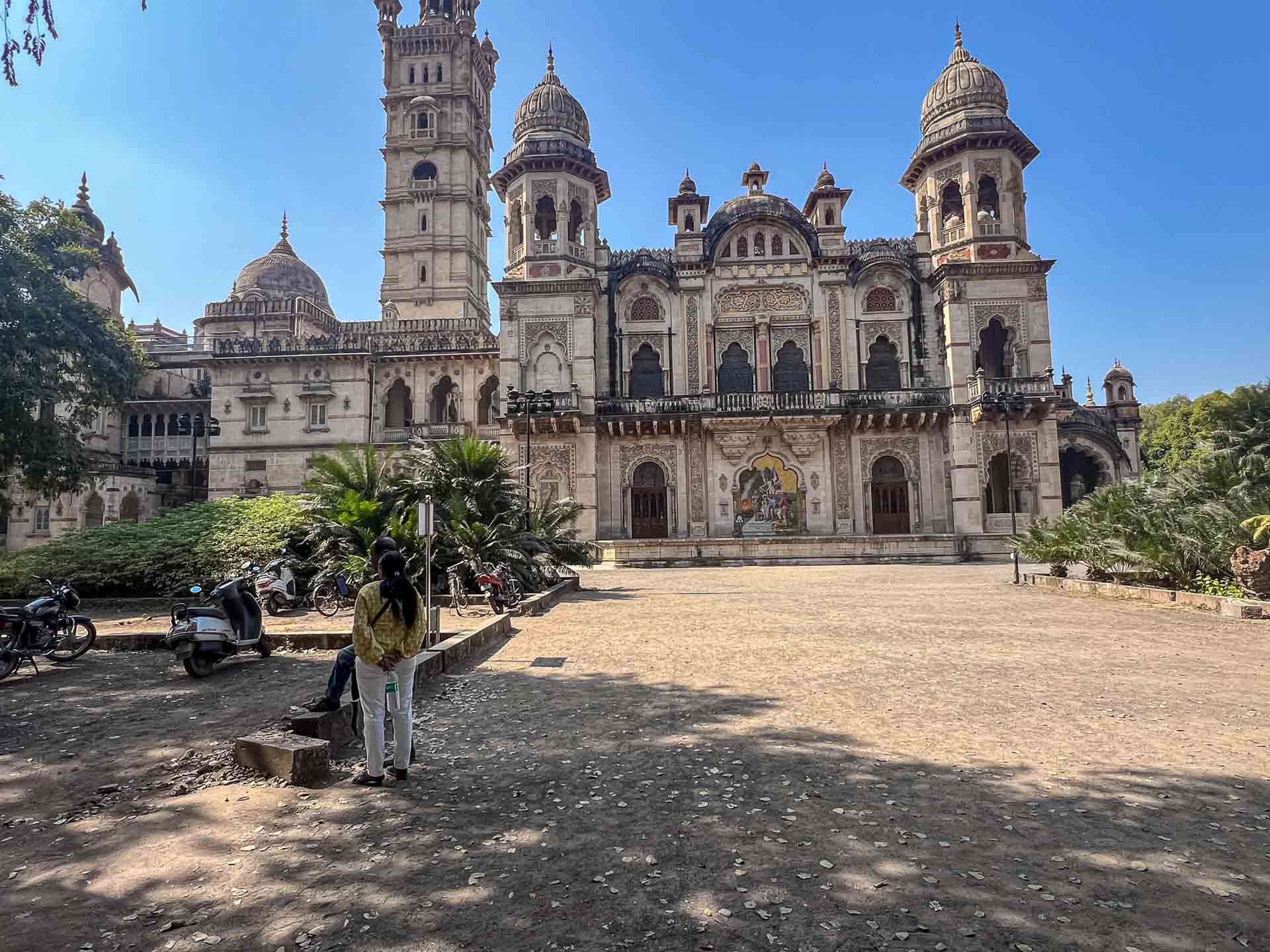
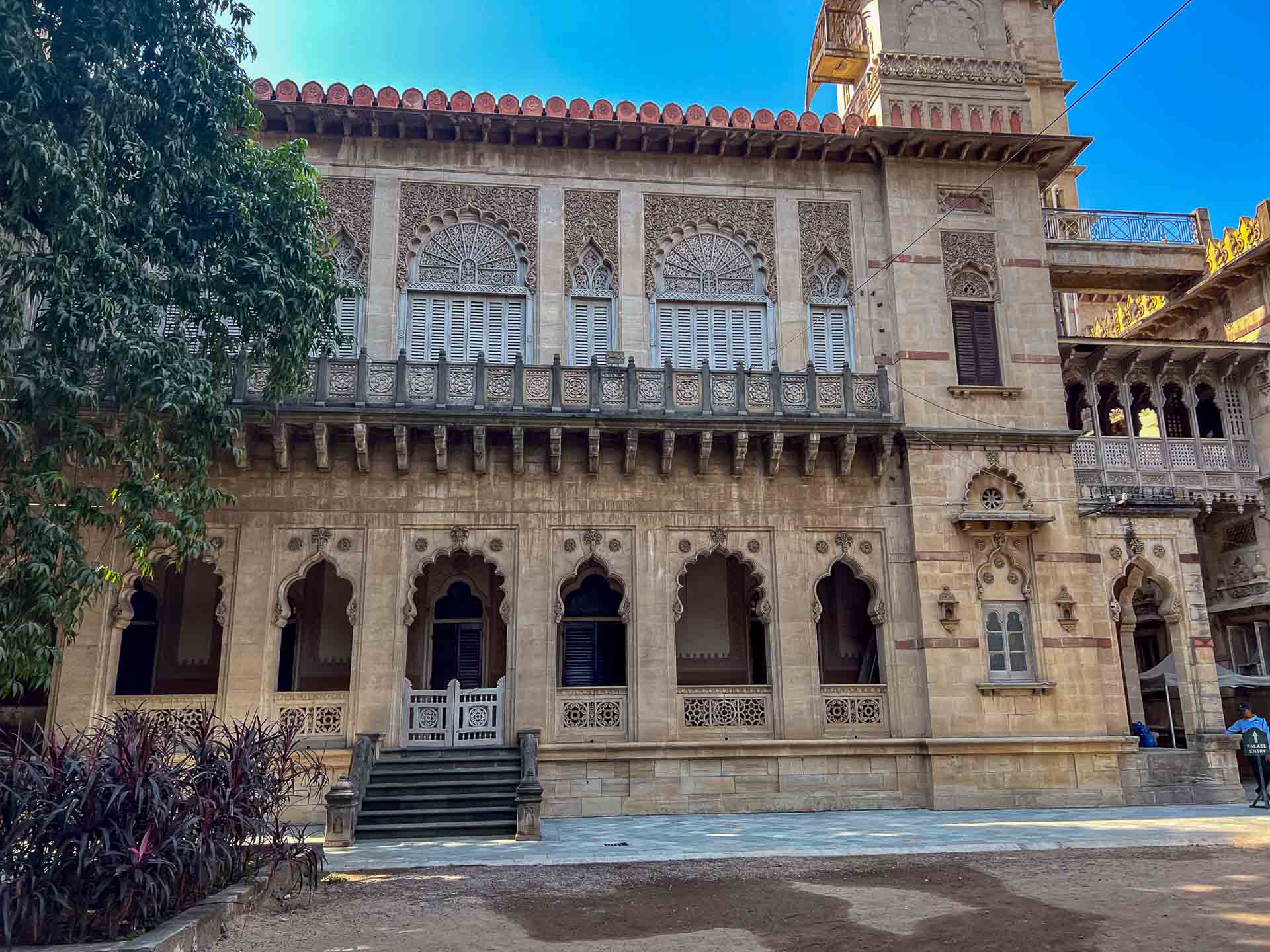
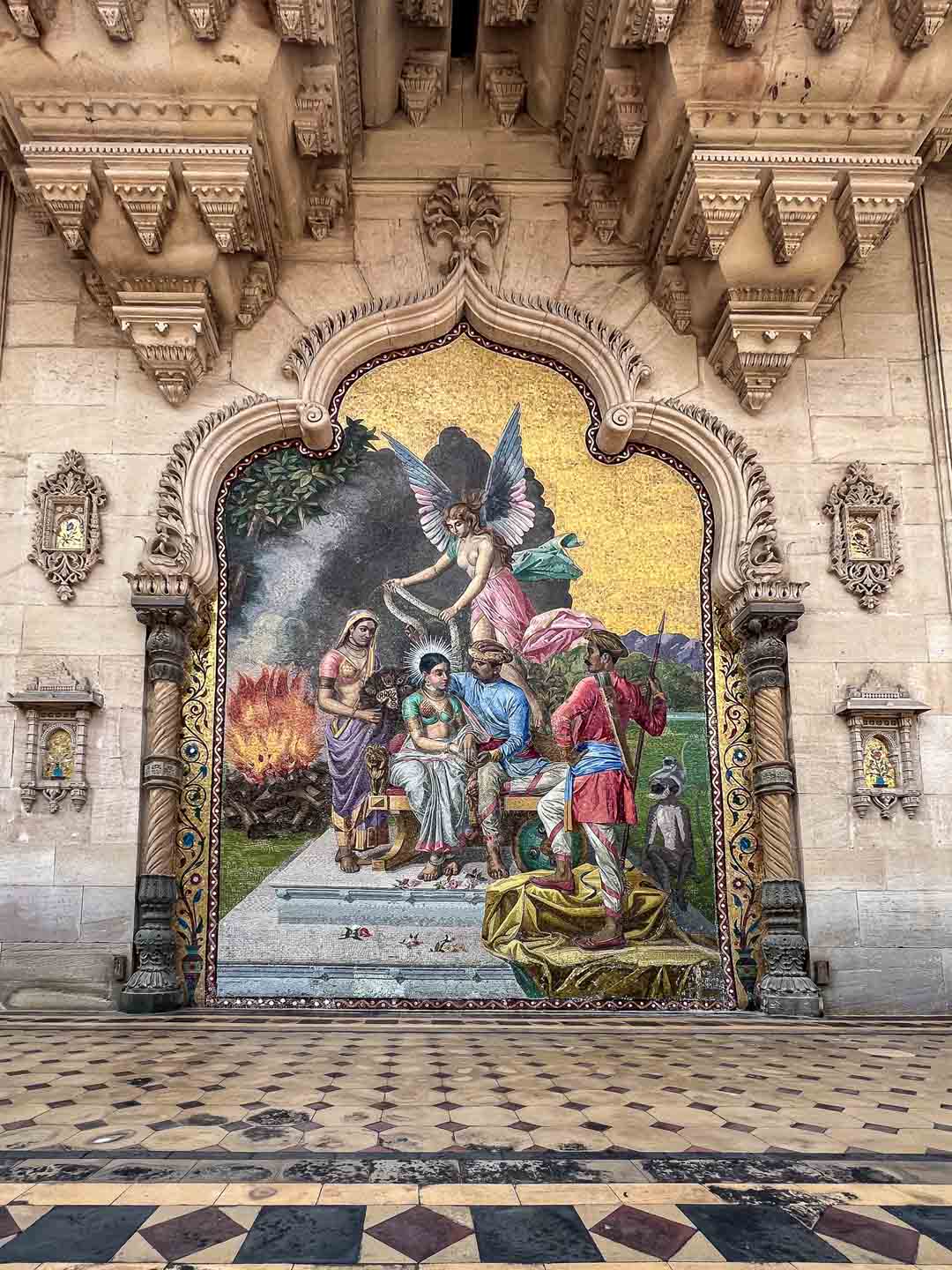
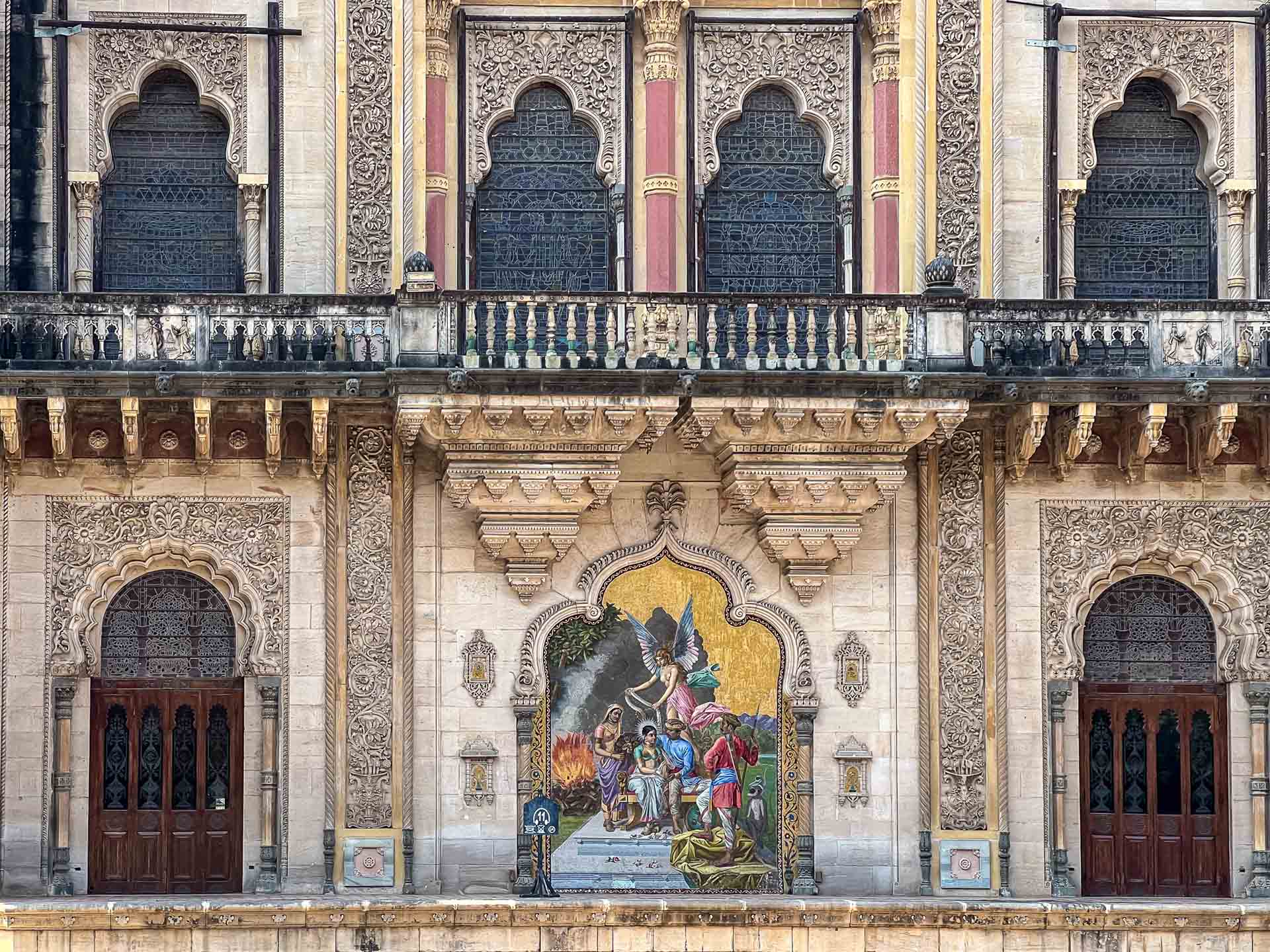
Vadodara, still affectionately called by its former name Baroda, sits on the banks of the Vishwamitri River. The city has an aura of quiet elegance — broad avenues shaded by banyan trees, palaces that remind us of its princely origins and neighbourhoods where Gujarati customs are still very much alive. Baroda has a sense of culture embedded into its foundation. Art, music, education and food are core to its identity.
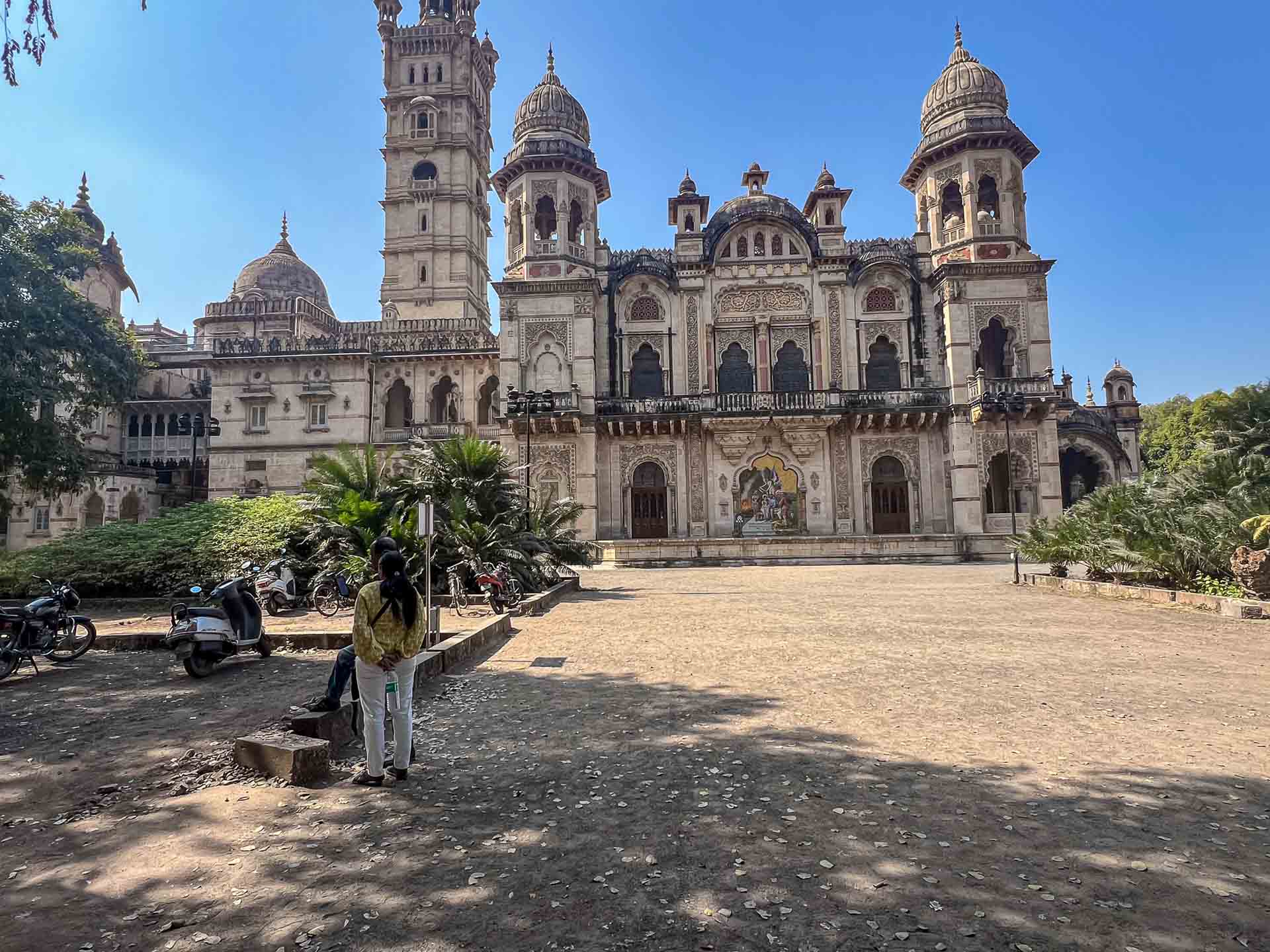
Here, royal architecture coexists with the occupants of crowded markets, and festivals draw entire neighbourhoods together in celebration. Baroda, once the capital of a powerful princely state, eventually become one of Gujarat’s most dynamic cultural hubs.
The Origins of Baroda
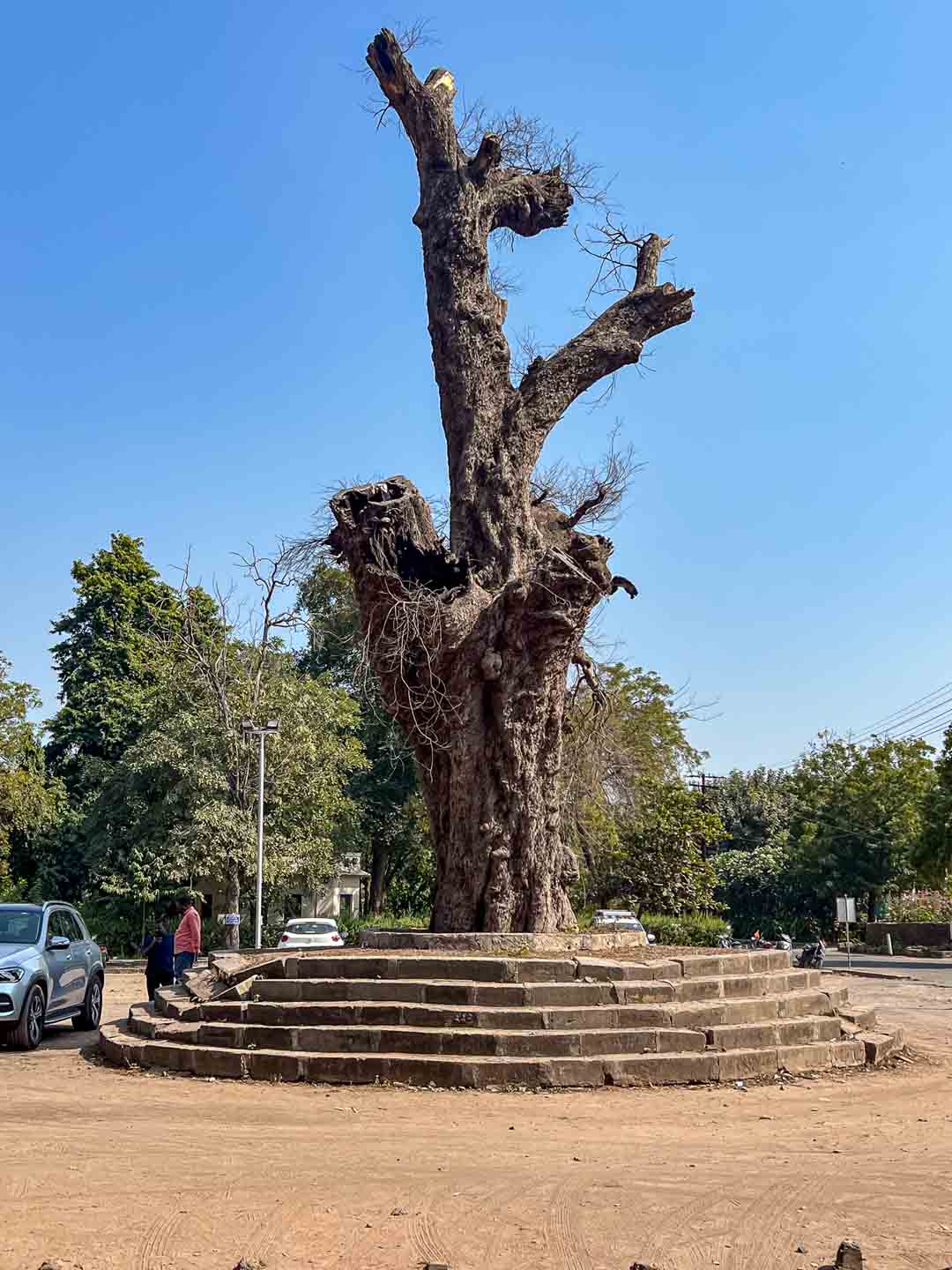
Baroda has a history of several centuries. Early settlements in the earlier western states developed alongside the banks of Vishwamitri River, with the region being referred to as Chandanavati or Vadapadraka, the name signifying abundance of banyan trees.
Over the centuries, several dynasties that ruled western India took control over the region. For a period the area was ruled by Rajput rulers until the Gujarat Sultanate took control of it in 15th Century as part of its growing territory. The Mughals then controlled the region as well in their reign over a majority of northern and western India.
But the most impactful chapter for Baroda commenced in the eighteenth century with Pilaji Rao Gaekwad founding the Gaekwad dynasty. The Gaekwads were members of the Maratha
confederacy, and during their rule, Baroda gradually emerged as an important political and cultural centre.
It was under Sayajirao Gaekwad III, one of the most enlightened monarchs of princely India, that the city achieved its greatest splendour. Under his rule in the late nineteenth and early twentieth centuries, Baroda underwent significant reforms in education, public institutions, and urban development. Libraries, schools, museums and universities thrived here, earning the city a reputation as one of the country’s most enlightened princely states. Baroda still possesses much of this intellectual spirit today.
Mahakali Mataji Temple
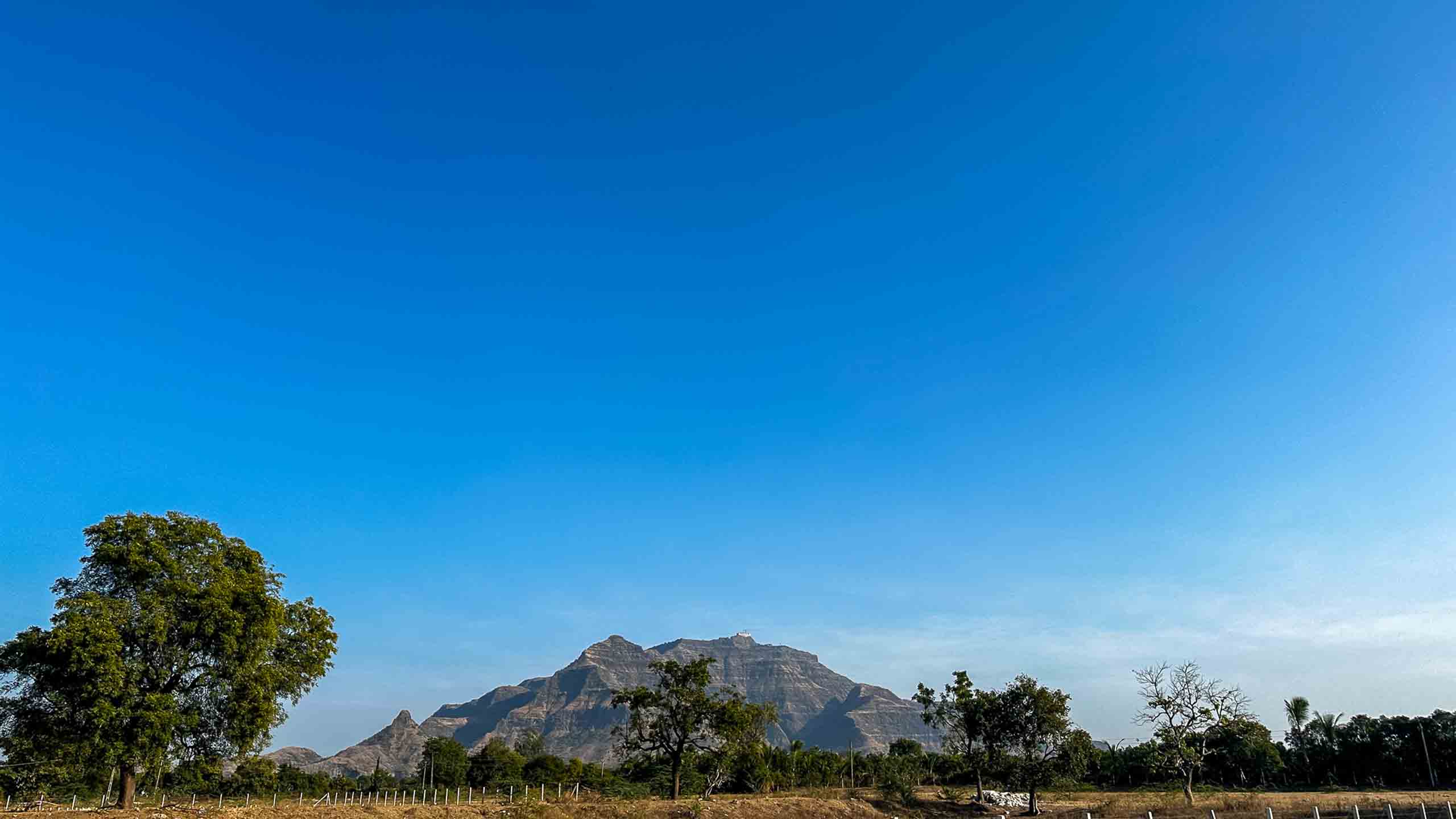
Established on a hilltop, the Mahakali Mataji Temple is one of Gujarat’s most significant pilgrimage locations. The temple is dedicated to the goddess Mahakali, and draws thousands of devotees each year.
Pilgrims have climbed the steep steps leading to the shrine for centuries, offering prayers and seeking blessings. Especially during the festivals, devotees flock there, singing and making offerings to the goddess as they go through the rituals. This Temple at the peak of Pavagadh, encased in clouds, with a beautiful view create a strong sense of devotion. The journey to the top turns into a pilgrimage and a splendid encounter with Gujarat’s past heritage and geography.
Culture and Food
Music, dance and the visual arts flourished here, and the city has historically nurtured artists and scholars.
Navratri is one of the most colourful expressions of Baroda’s culture. The city overflows with colour and rhythm during these nine nights. Large grounds fill with dancers performing the traditional garba and dandiya, rotating rhythmically to beats from drums and folk tunes.
With arguably the most famous Navratri celebration in all of India, Baroda draws thousands to its festivities every fall. The festival embodies the immense intertwining of religion, community and cultural expression that is part and parcel of the city.
Baroda is also defined by its art and education. Institutions established during the period of the Gaekwad rule, made the city a centre for modern Indian art. It nourished many leading artists, musicians and scholars over the years, maintaining an intellectual patronage started by its rulers.
In the city’s markets, the wealth of Gujarati craft traditions is still so on display with embroidered textiles, silver jewellery, carved wooden decorative objects. and colourful fabrics that reflect centuries of regional artisanship.
No visit to Baroda is complete without a taste of its food. Sweet, salty, tangy and spicy are frequently present in one dish or meal. One of the most common meal options is Gujarati thali, a platter of little portions of various dishes. Rotis, lentils, vegetables, pickles, chutneys and sweets adorn the plate; it’s a meal that is both luxurious and painstakingly balanced.
The street food in the city is equally loved. Food like Sev Usal, a spiced curry sprinkled with crunchy noodles, onion and herbs, Khaman, Fafda, and sweet dishes like Jalebi are among the favorites.
And so, in walking its streets and tasting the food and climbing the hills of Pavagadh, we found a city that incorporates royal legacy and spirited culture into its daily routine. Its parks, museums, markets and historic neighbourhoods are a reminder to visitors of a city that holds both heritage and progress as high. Baroda is, above all, a city where history does not only exist in the form of monuments—it exists in festivals, in traditions and warm hospitality.