Gandhinagar is a contrast to most Indian cities, both in intention and practice, It is a planned city that lies along the banks of the Sabarmati River. And as the capital of Gujarat, Gandhinagar embodies a post-independence aspiration — the wish to craft a modern administrative center that balances order with accessibility and embraces an attitude of serenity that often escapes historical urban sprawl. Widened, tree-lined avenues, clearly delineated sectors and greenspaces give its character a rhythm that feels measured rather than rushed.
Gandhinagar was founded in the mid-20th century following India’s independence and its reorganization into states. When Gujarat was carved out of the greater Bombay State in 1960, a new administrative capital had to be created. Ahmedabad had long been a center of culture and commerce, but it was too compacted and historically accretive to operate as an effective capital. They decided to build a new city from scratch, one that would be able to house governance but also provide high quality of life for its residents. Built in tribute to Mahatma Gandhi, Gandhinagar was designed not only as the seat of administration but an embodiment of his ideals — simplicity, order, and harmony.
The architects H.K. Mewada and Prakash Apte had worked with Le Corbusier on the planning of Chandigarh, an influence that carried through to Gandhinagar as some tenets of modernist urban planning continued. Each sector is designed as a self-sufficient, full-on town: residential areas, markets, schools and public infrastructure. The stacked grid layout
makes navigation easy, while introducing green belts conveys spaciousness and breaks the sharpness of the design geometry. If older Indian cities tend to be dense, sometimes chaotic in their fabric, Gandhinagar feels deliberate and even contemplative, its spaces allowing movement without daunting the senses.
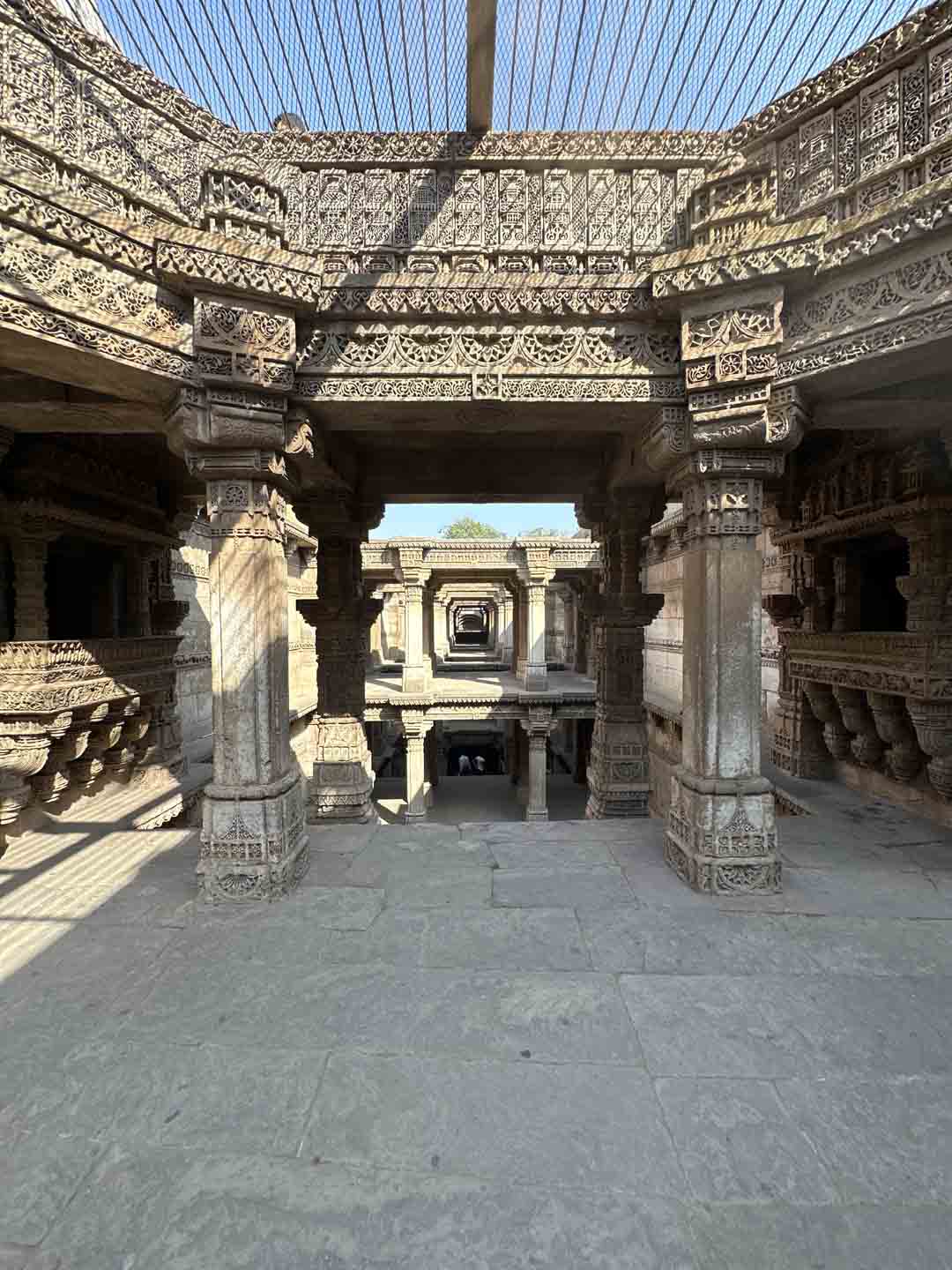
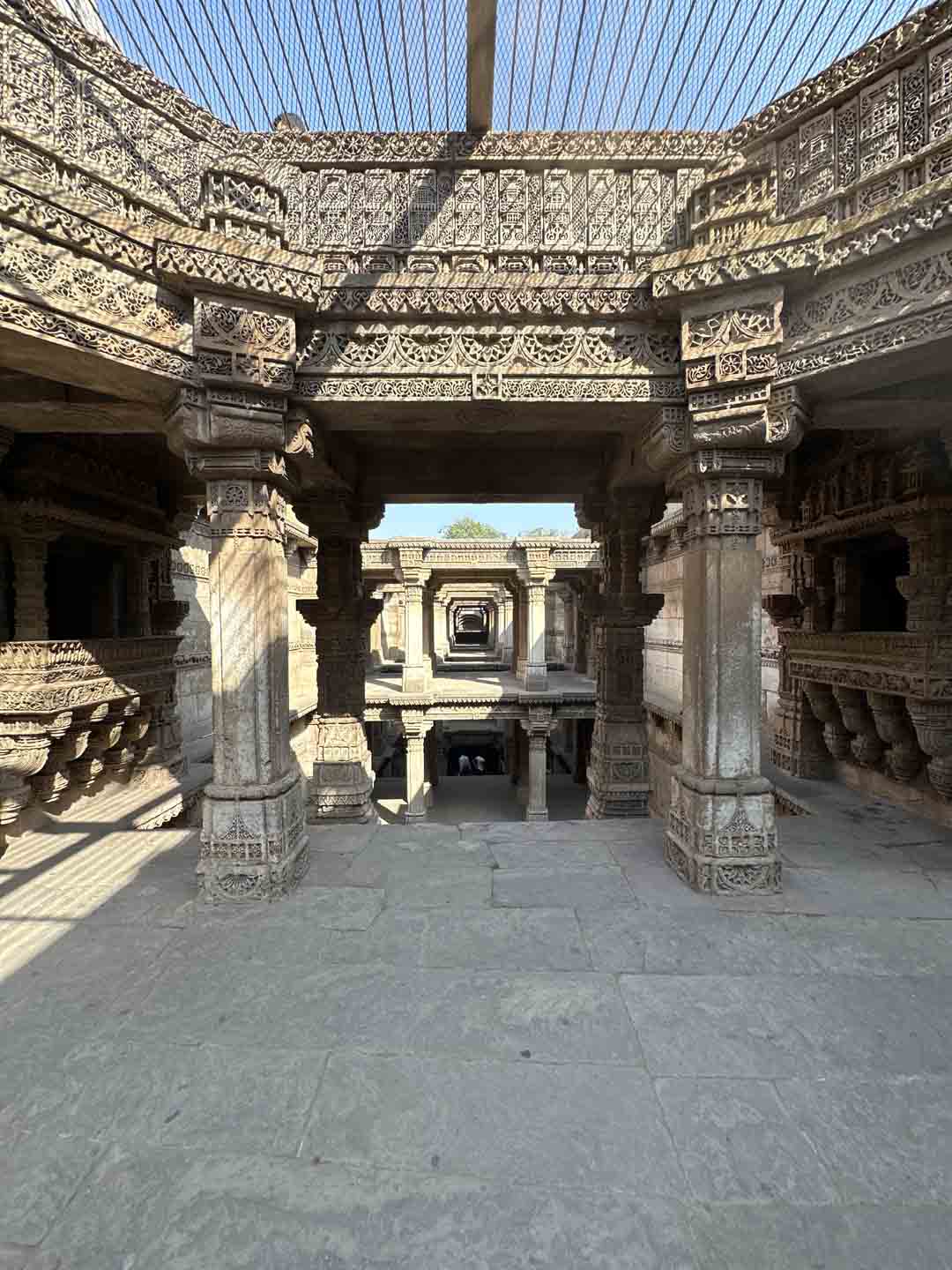
But Gandhinagar is not bereft of historical and cultural depth despite modern planning. The region it occupies had long played a role in Gujarat’s own historical tapestry, shaped by different dynasties and commerce that thrived in the Indian subcontinent. The city may be young, but it exists in the context of something much older. This dualism of new and old imprints a distinct identity upon Gandhinagar. It is a city that is moving ahead while still anchored in the past.
Culturally, by contrast, Gandhinagar embodies the traditions of Gujarat in a quieter, more reserved way than cities like Ahmedabad or Vadodara. During festivals like Navratri, the city comes to life with garba dances at community spaces, immersing people in dance until late into the night. The cadence of life here is steady, governed not only by administrative cycles but also cultural continuity. Markets provide a showcase for local crafts and textiles, temples and community spaces often become prime sites for social engagement.