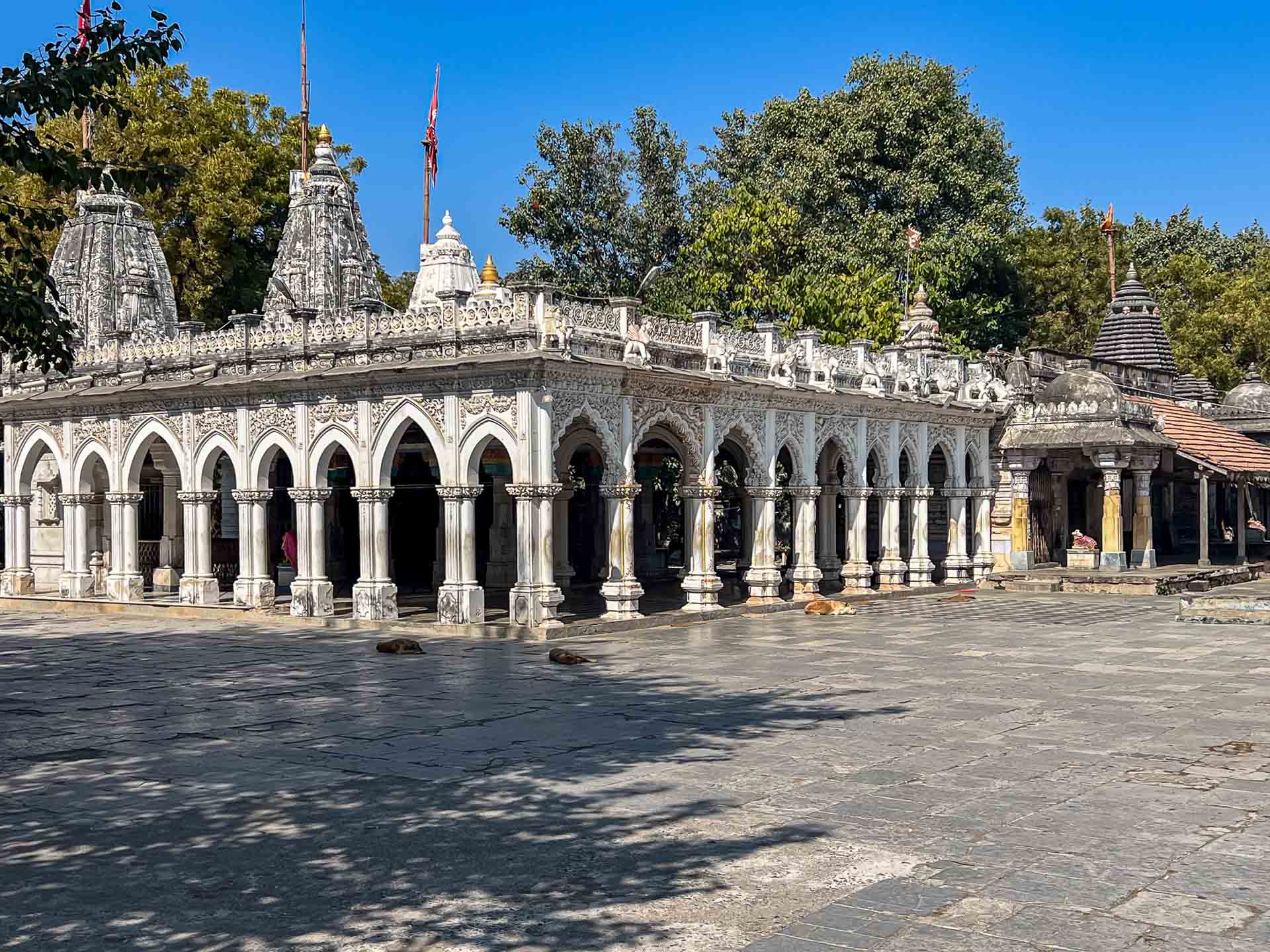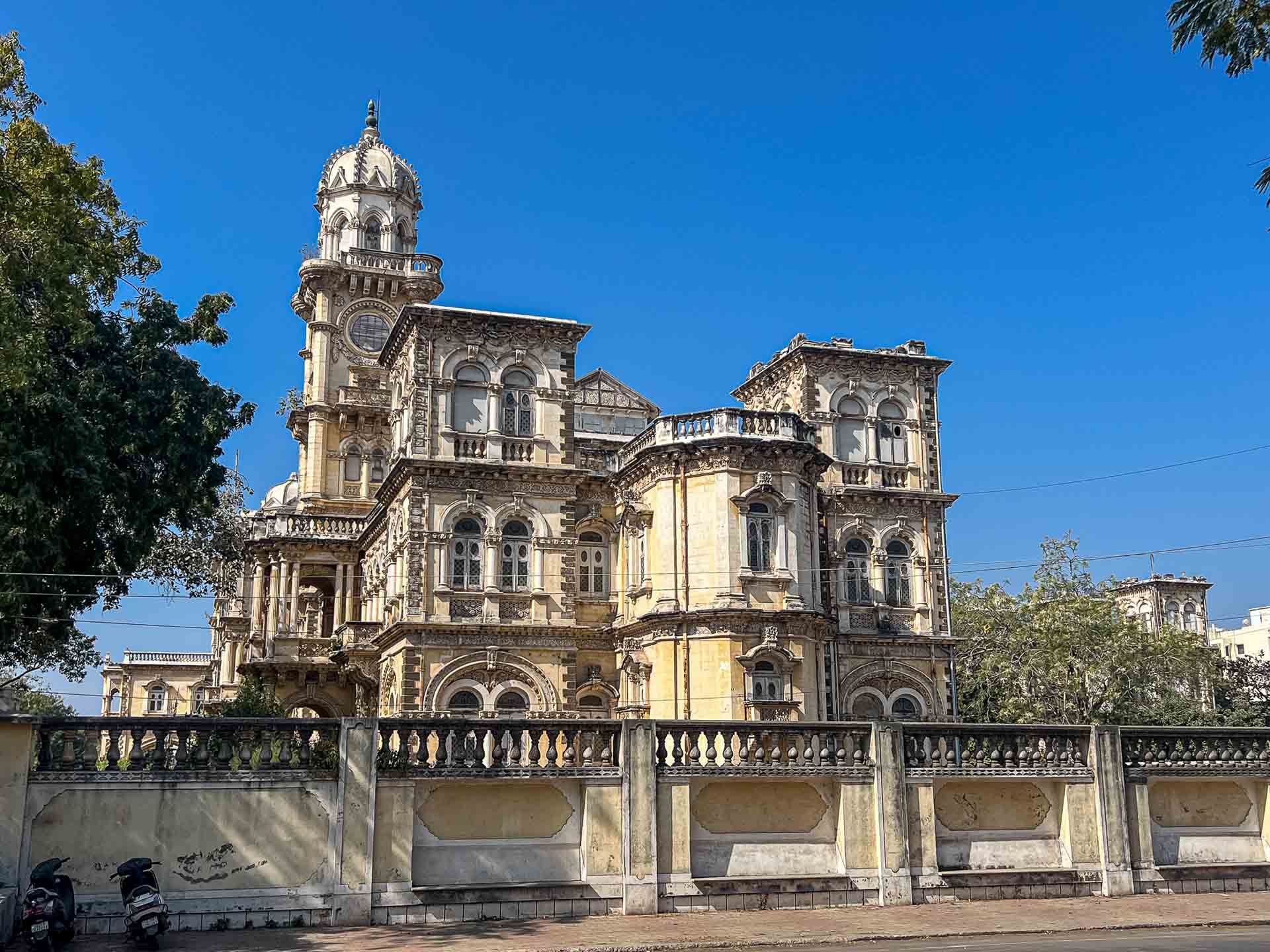
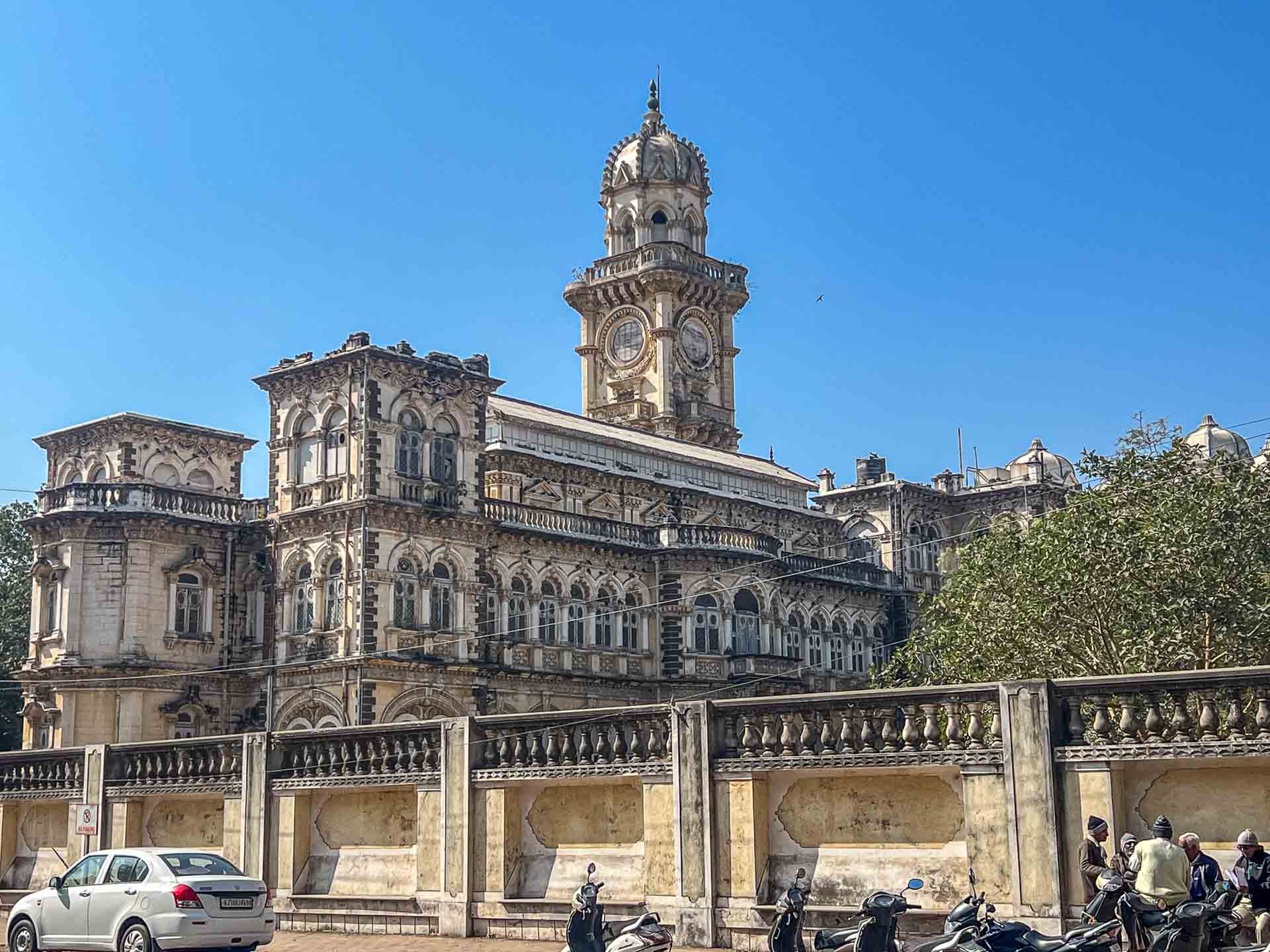
amnagar is situated in western Gujarat, on the delta of the eastern arm of the Gulf of Kutch, where the past of kings and religion has possible appeal even today. Jamnagar being a former princely state has a retained structure unlike other larger urban centres of Gujarat.
It is a landscape created by the lives and landscapes of its rulers, of a coastal geography and of centuries-old links with Vaishnav traditions.
History
The city Jamnagar was formed in 1540 by a Rajput leader of the Jadeja clan, Jam Rawal, who originally migrated from Kutch. It was then called Nawanagar and it was built at a strategic location for maritime access to trading routes, as well as controlling inland areas of the region.
Over centuries, the Royal Jam Saheb’s of Nawanagar developed the city. Its economy was built on trade, especially in pearls and textiles, and later brass products The city also rose to prominence particularly under rulers such as Jam Ranjitsinhji, known as much for governance as for his fame and riches outside of India as a cricketer, and his first cousin, Jam Saharsh Singhji, an outspoken voice for democracy in the State. Jamnagar witnessed a range of administrative and infrastructure development initiatives during his reign.
The city continued to be associated with its princely rule until India gained freedom and acceded the territory to the Indian Union. However, aspects of its original layout and institutions continue to operate in this historical context, despite modernization.