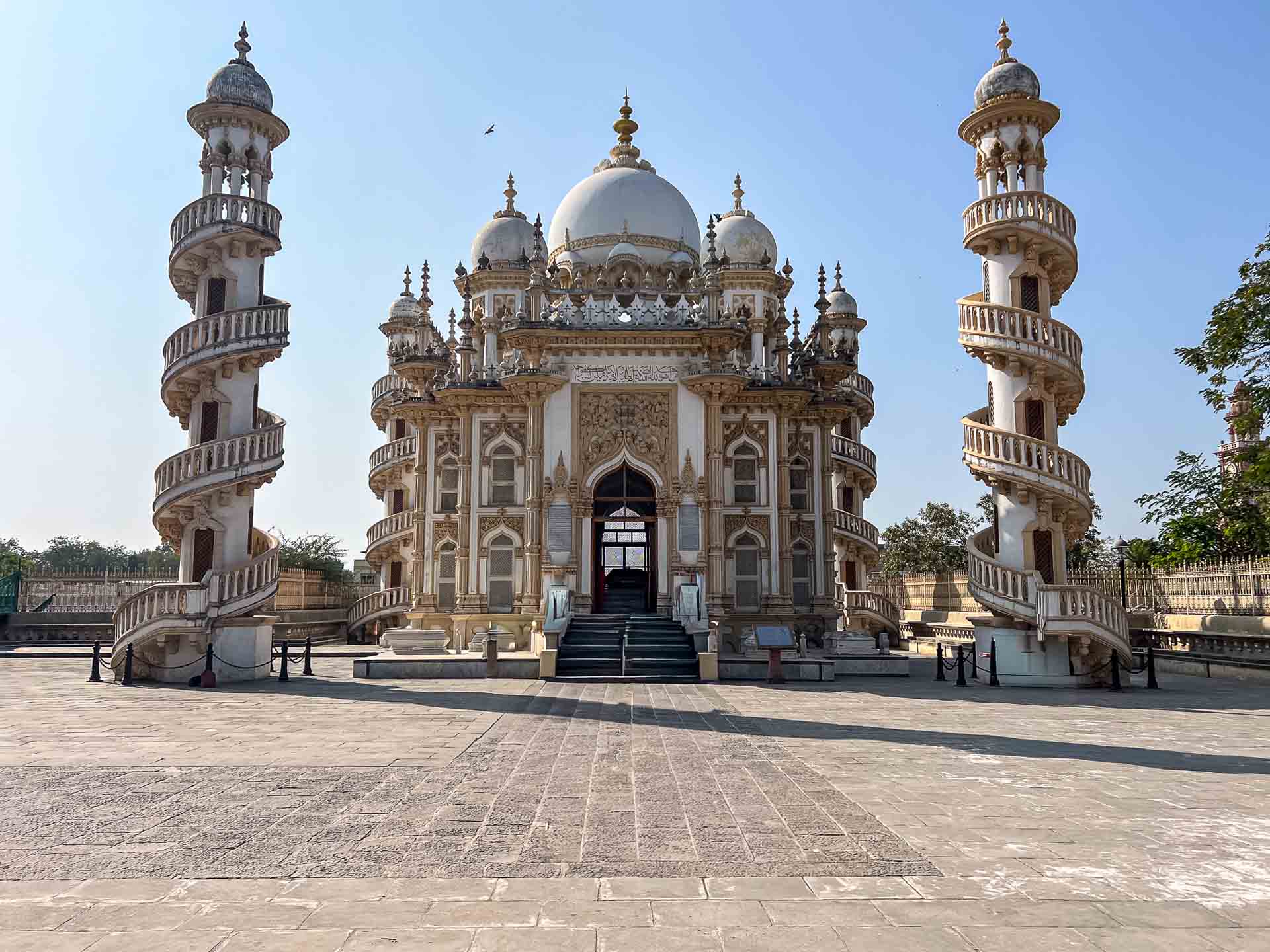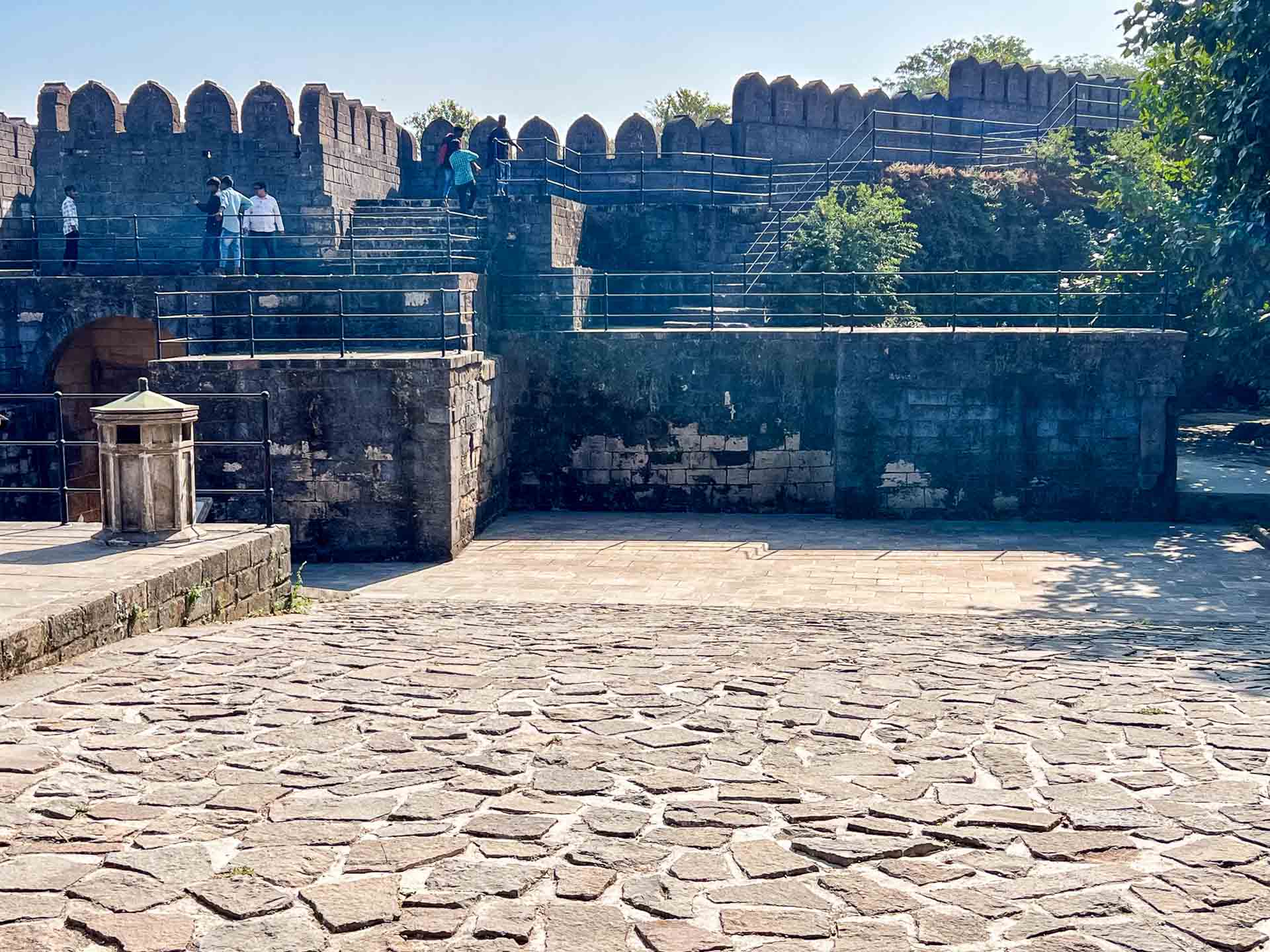
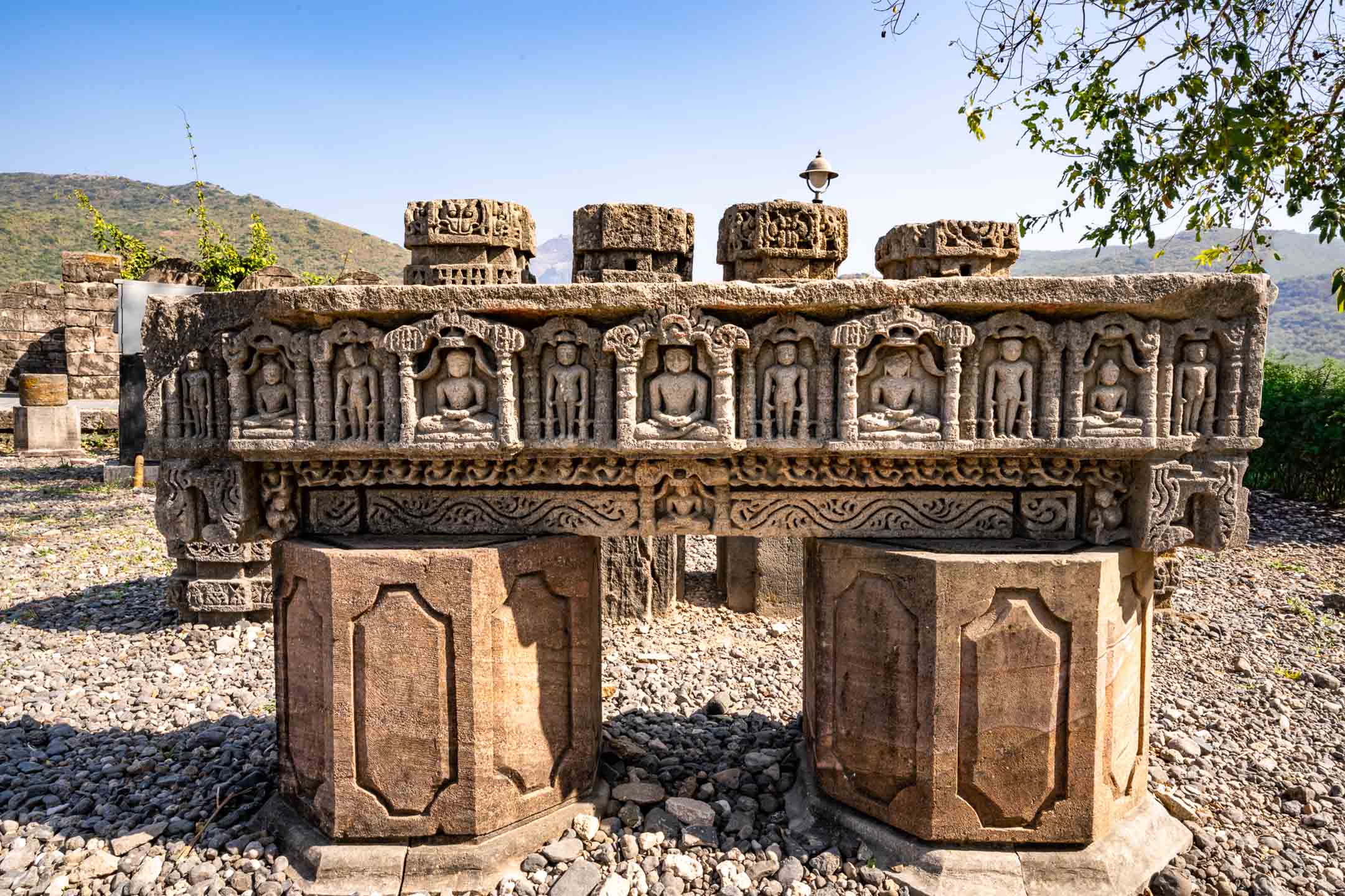
At the foot of the Girnar Hills in Gujarat stands Junagadh, one of the oldest continuously inhabited cities in western India. Unlike many historic cities shaped by the legacy of a single ruling dynasty, Junagadh carries layers of political rule, warfare, religion, and trade accumulated over centuries. Mauryas, Western Kshatrapas, Chudasamas, Gujarat Sultans, Mughals, and the Babi Nawabs all left their mark on the city, creating a landscape where Hindu, Islamic, Jain, and colonial influences continue to coexist.
The city’s history stretches back to antiquity. The nearby rock edicts of Emperor Ashoka confirm that this region formed part of the Mauryan Empire during the third century BCE. Later inscriptions by the Western Satrap ruler Rudradaman I in the second century CE and the Gupta ruler Skandagupta in the fifth century CE further establish Junagadh as an important political and administrative center across successive eras.
Its location near trade routes connecting inland Gujarat to ports along the Arabian Sea contributed to its economic importance. At the same time, the sacred presence of the Girnar Hills made the region a major pilgrimage destination for both Hindus and Jains.
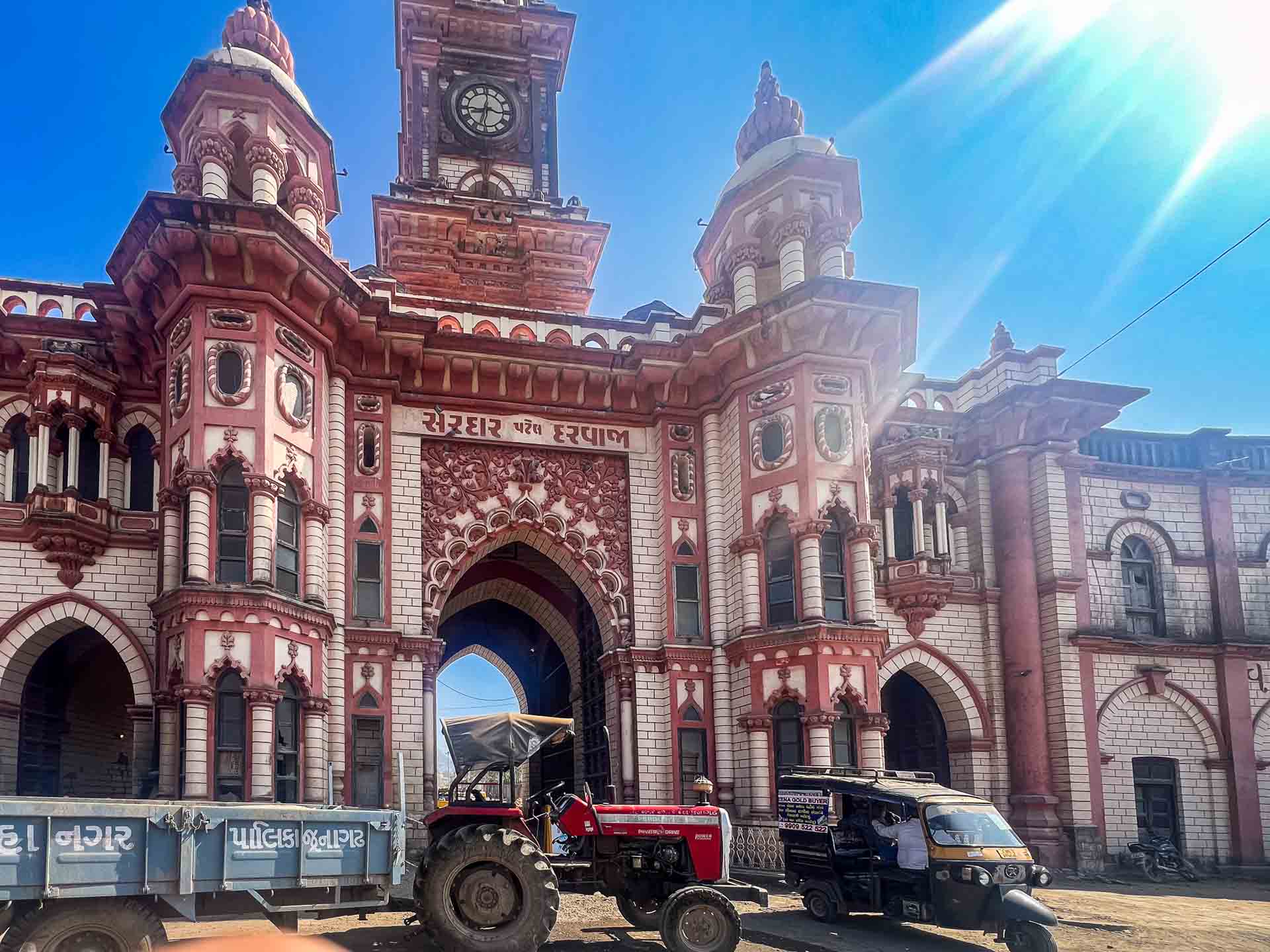
The city later came under the rule of the Babi dynasty, whose nawabs shaped much of Junagadh’s later architectural and administrative identity. Even today, traces of this princely past survive in the city’s gates, palaces, mausoleums, and administrative buildings.
Junagadh also occupies an important place in modern Indian political history. Following Indian independence in 1947, the Nawab of Junagadh chose accession to Pakistan despite the state’s largely Hindu population and its geographical connection to India. Political unrest followed, eventually leading to Junagadh’s integration into the Indian Union after intervention by the Government of India under Sardar Vallabhbhai Patel. The memory of this period continues to remain part of the city’s political identity.