Rajkot — History, Streets, and the Spirit of Saurashtra
At the heart of the Saurashtra peninsula of Gujarat lies Rajkot, a city where princely history, memories of Mahatma Gandhi, crowded markets, and deeply rooted Gujarati culture continue to coexist with remarkable vitality. Unlike the great mercantile ports along the Gujarat coast or the monumental grandeur of Ahmedabad, Rajkot moves to a more intimate rhythm. It is a city of bustling bazaars, tea stalls, old havelis, educational institutions, temples, workshops, and neighborhoods where public life still unfolds visibly upon the streets.
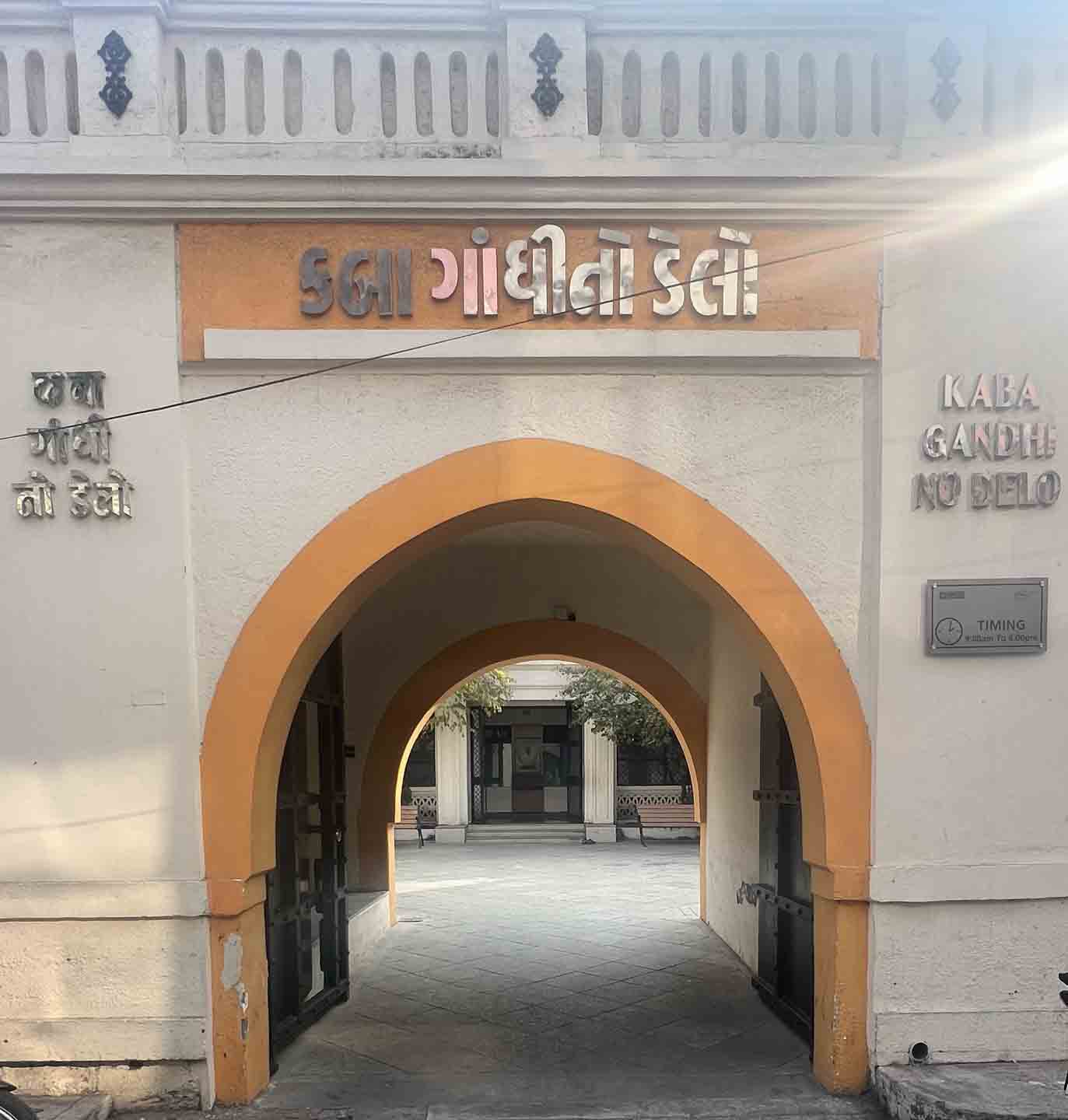
Rajkot is often associated with Gandhi, whose childhood years here deeply shaped his life and worldview. Yet Gandhian history forms only one part of the city’s identity. Rajkot represents the broader spirit of Saurashtra — resilient, entrepreneurial, deeply devotional, and closely tied to traditions of oral storytelling, handicrafts, trade, and food culture.
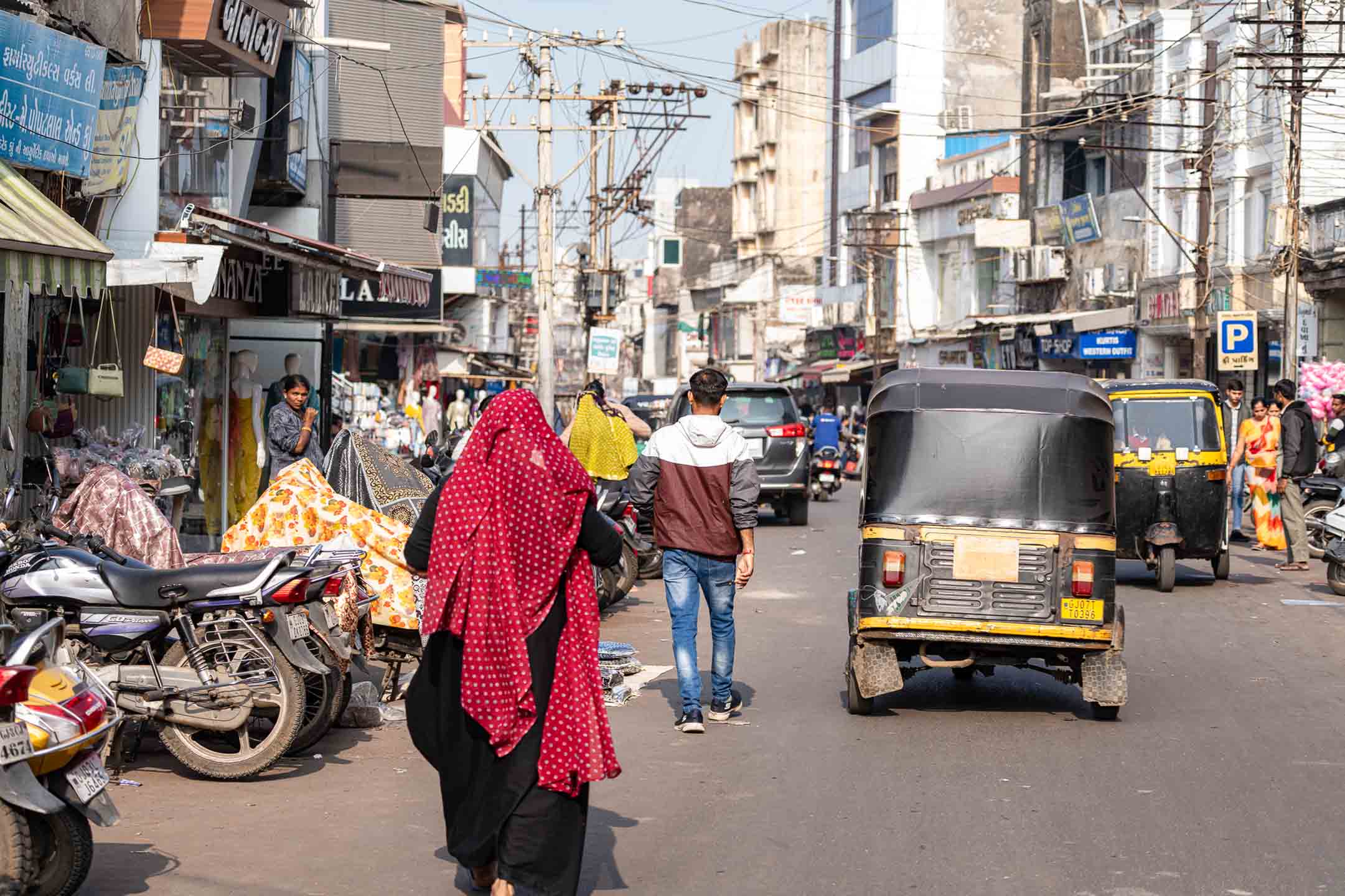
The true character of Rajkot reveals itself not only through monuments, but through its streets: vegetable vendors calling out prices from handcarts, scooters weaving through crowded intersections, elderly men gathered outside tea stalls discussing politics and cricket, and rows of shops glowing beneath weathered colonial facades.
Historical Foundations of Rajkot
Rajkot was founded in the early seventeenth century by the Jadeja Rajputs, rulers of the region historically known as Kathiawar or Saurashtra. Under princely rule, the city gradually developed into an important administrative and commercial center before later coming under British political influence during the colonial period.
By the nineteenth century, Rajkot had become one of the most significant princely capitals in western India. The British established the Kathiawar Agency here, turning the city into a major center for administration and political negotiation among the many princely states scattered across the peninsula.
This princely legacy continues to shape Rajkot even today. Old gateways, colonial-era educational institutions, royal residences, and administrative buildings survive alongside modern neighborhoods and commercial districts.
Rajkot also occupies an important place in modern Indian political history because of its close association with Gandhi. His father, Karamchand Gandhi, served as a diwan in Rajkot, and the city became central to Gandhi’s formative years.