Jaisalmer — The Golden City
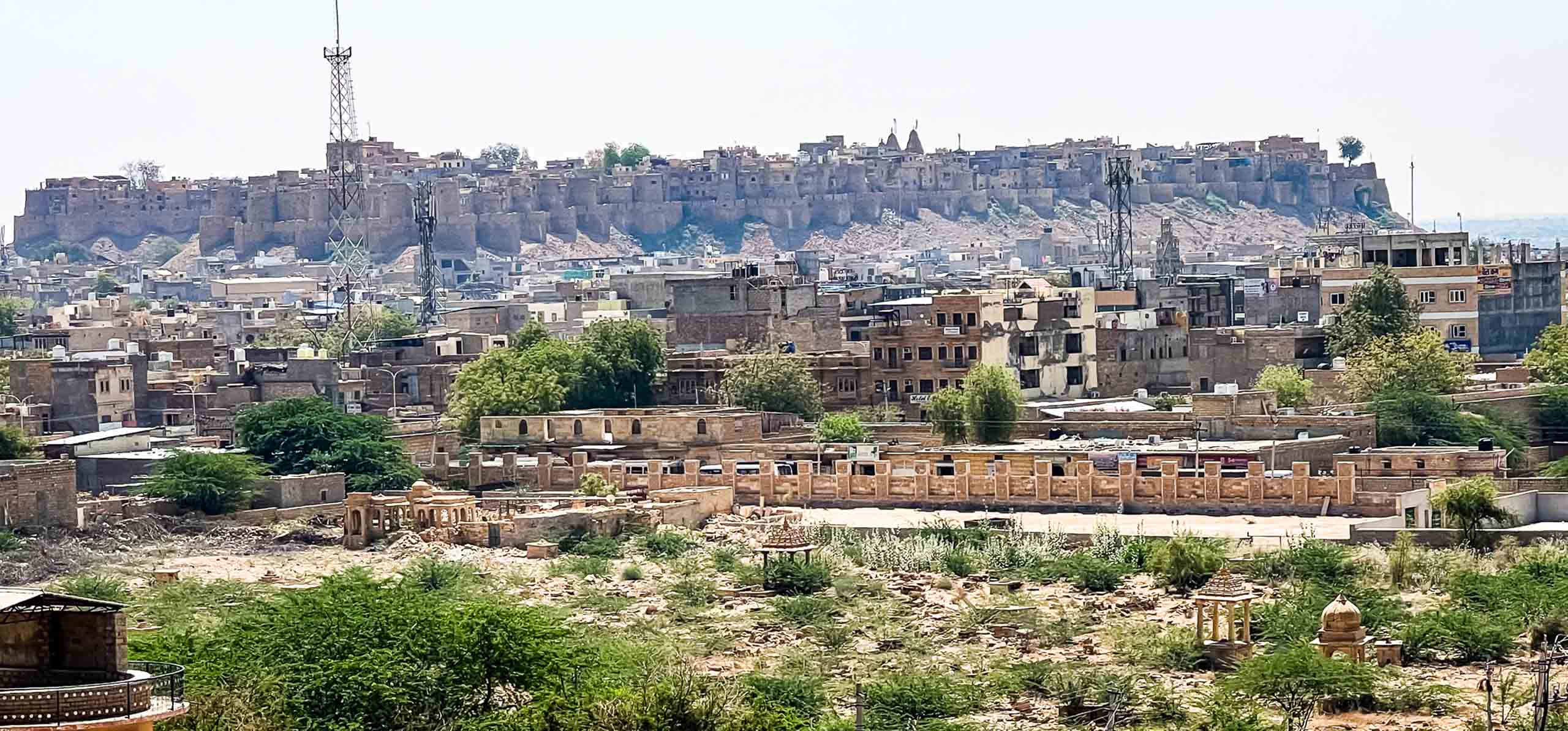
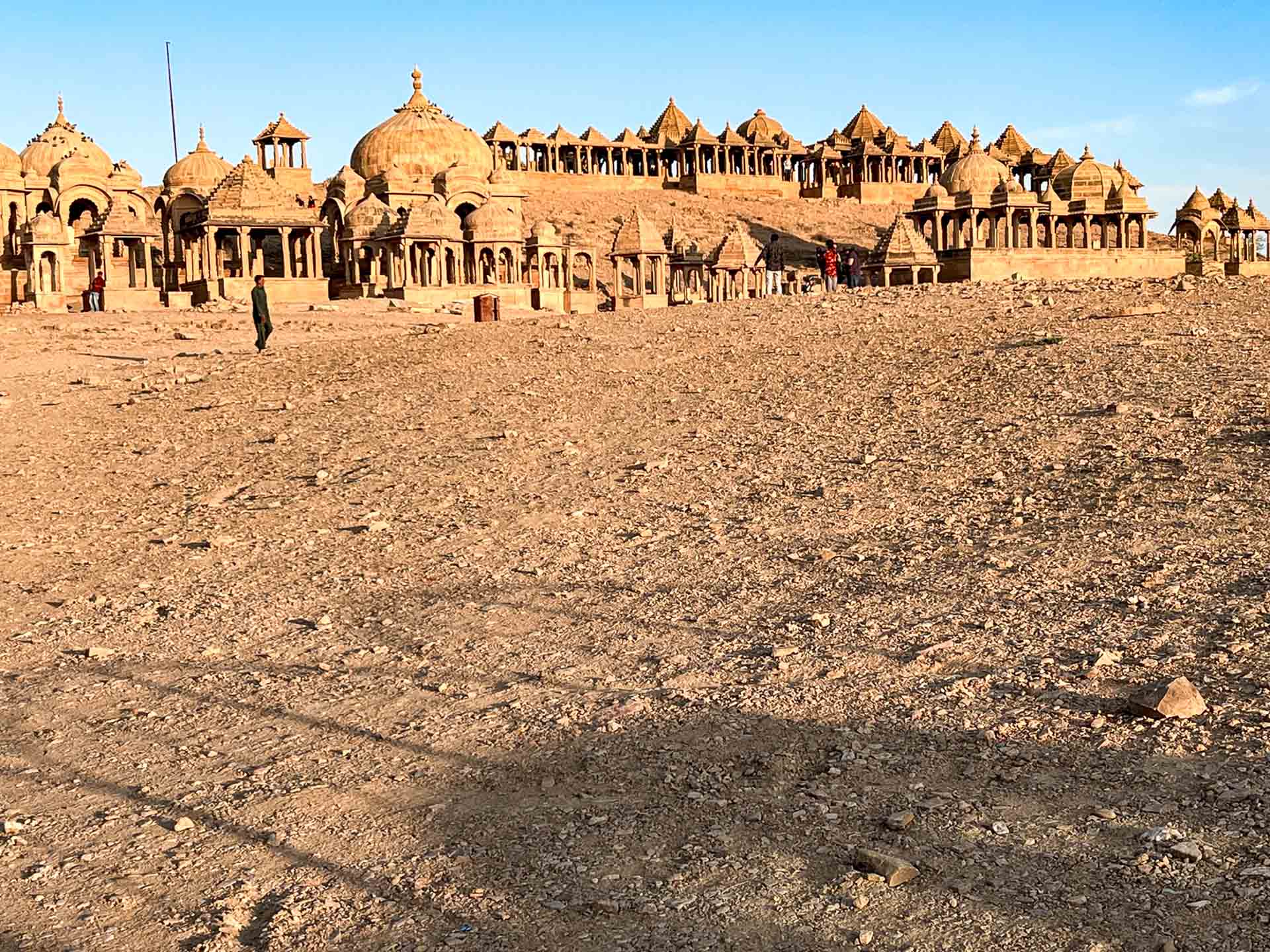
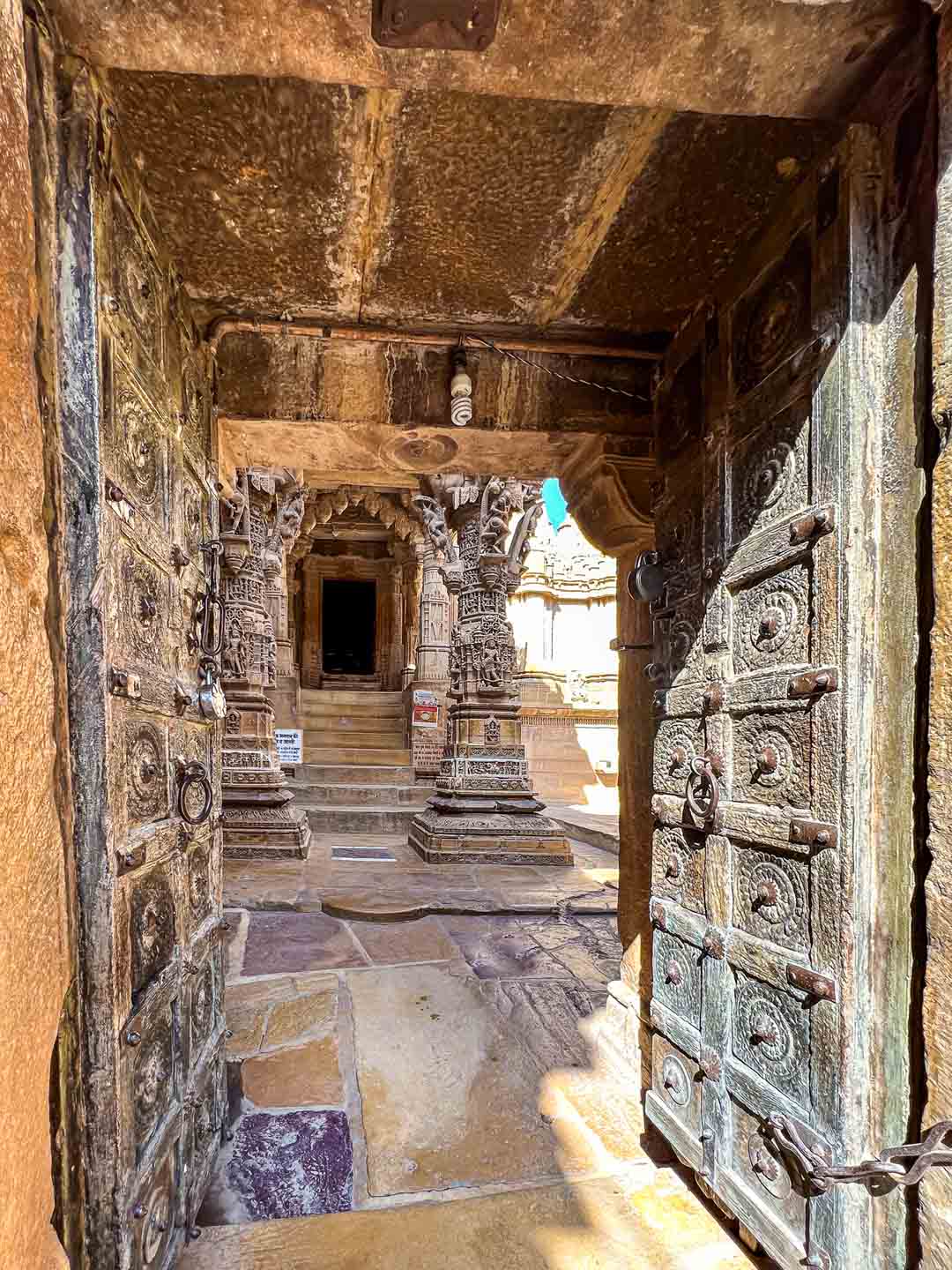
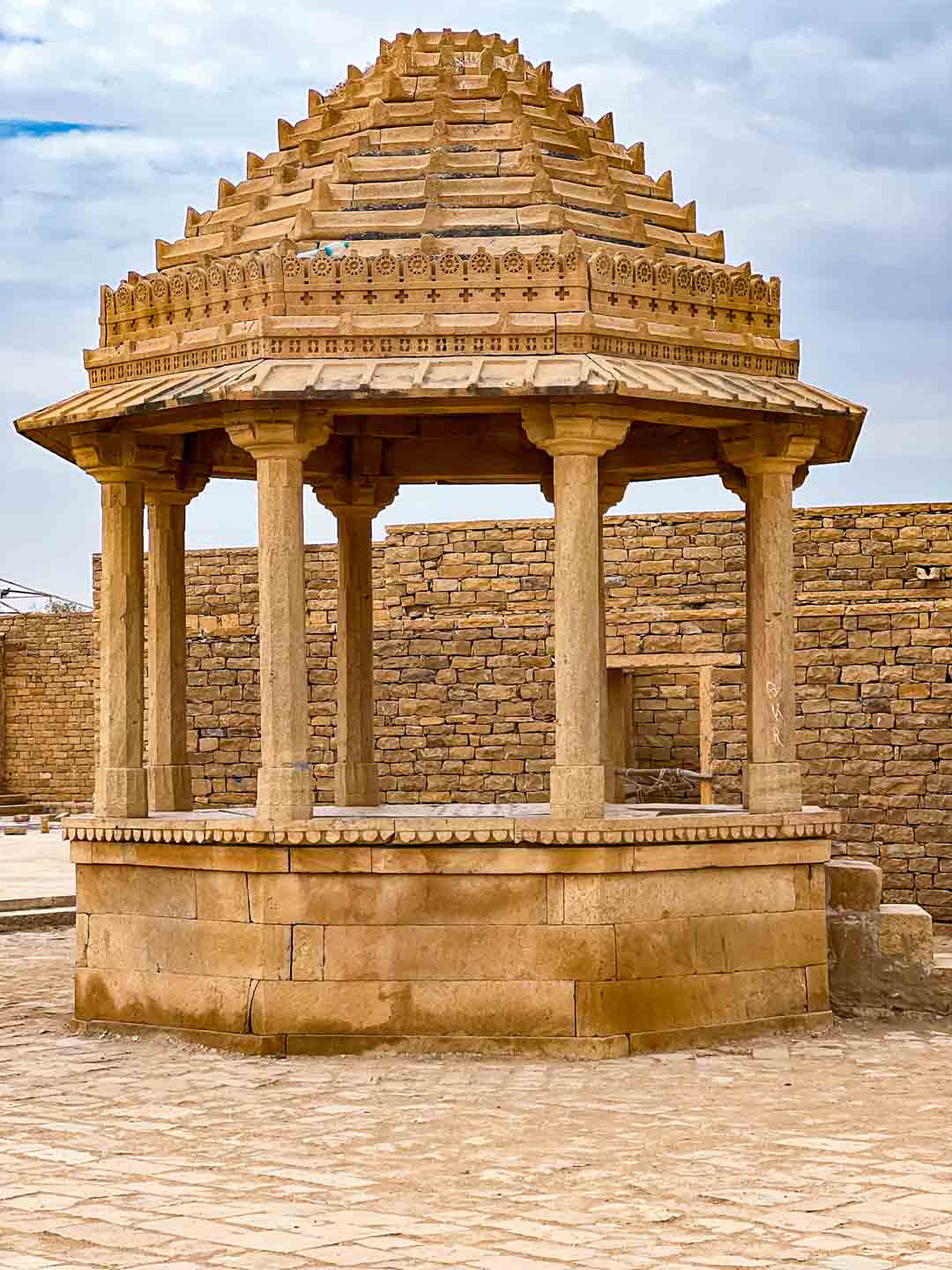
Located on the far western area of Rajasthan, the yellow sandstone clad city of Jaisalmer is characterized by its surroundings in the Thar Desert. The light shifts the sights but not the soul; a city that is still, pretty much the same, useful, and beautifully captive town. The true Jaisalmer unfolds as one spends time walking its streets and experiencing the terrain around it. That it has always been influenced by the desert environment, its status as a hub for trade on ancient Silk Road, and proximity to a sensitive border area.
Founded by Rawal Jaisal in 1156, Jaisalmer flourished as a strategic capital. It stood there then on the old trade route running from Central Asia to India to the Middle East. Caravans traveled this area with silk, spice, and textiles. The city capitalized on the movement by taxing the trade, alongside acting as a service provider to the merchants, growing a robust mercantile community.
But this use was also a risk. Those pathways that opened the door to commerce also left the region exposed to assault. Faced with repeated conflict, the ruling Bhati Rajputs needed to remain poised for defence. This too was facilitated by the desert; a large army not being easily moved through the sand, and local knowledge, ever so important to move about the various oases where combat would take place.
The strategic importance of Jaisalmer continues to be defined by its proximity to the India–Pakistan border. The military is a visible presence in the area.
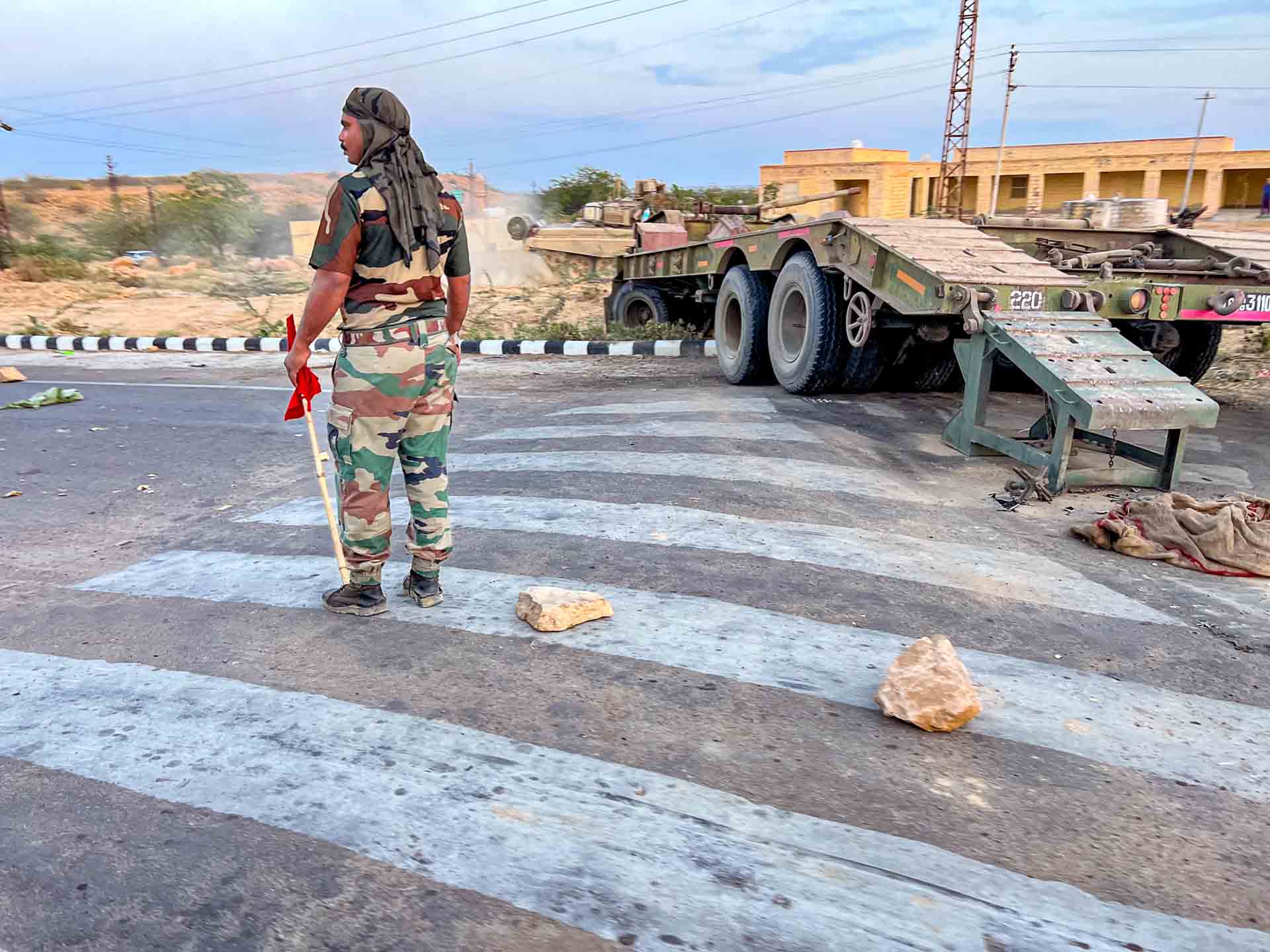
As we were driving towards Jaisalmer, we came across an unusual sight on the highway. A truck transporting a battle tank had broken down, and the tank was in the process of being shifted onto another vehicle. What stood out was the efficiency of the operation. It reminded us that, although tourism now fuels its economy, this attests to the city still being a kind of frontier town.
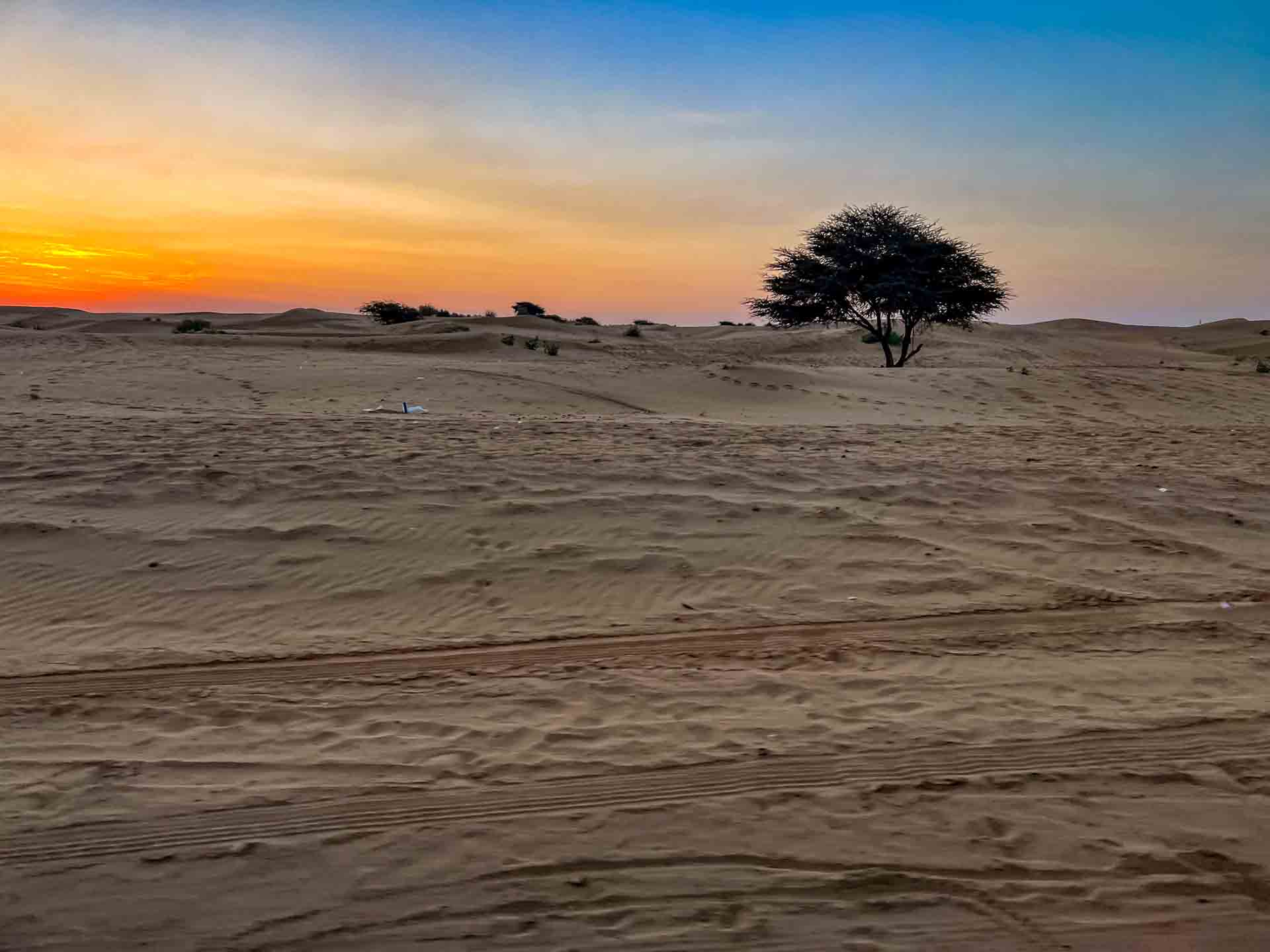
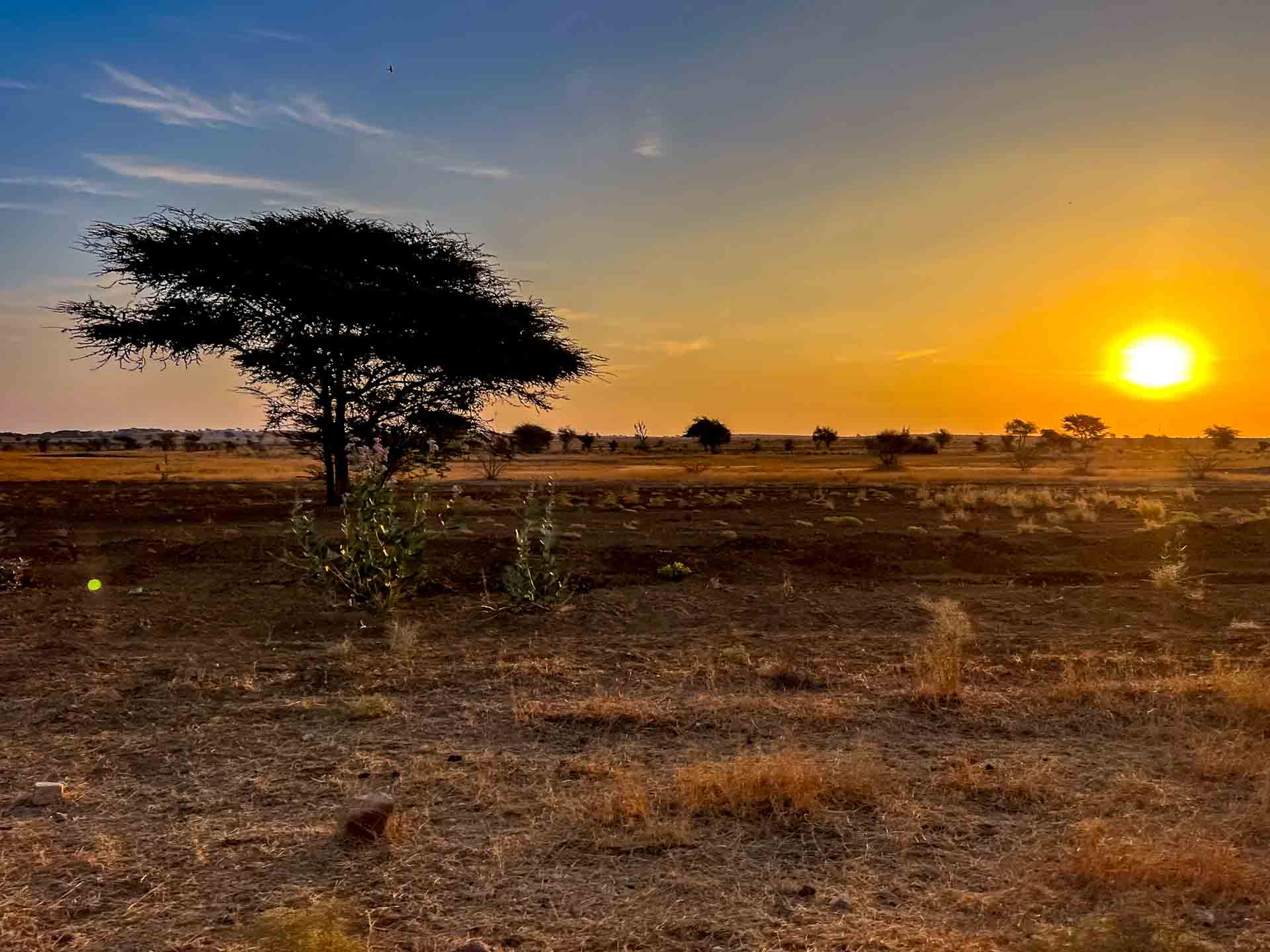
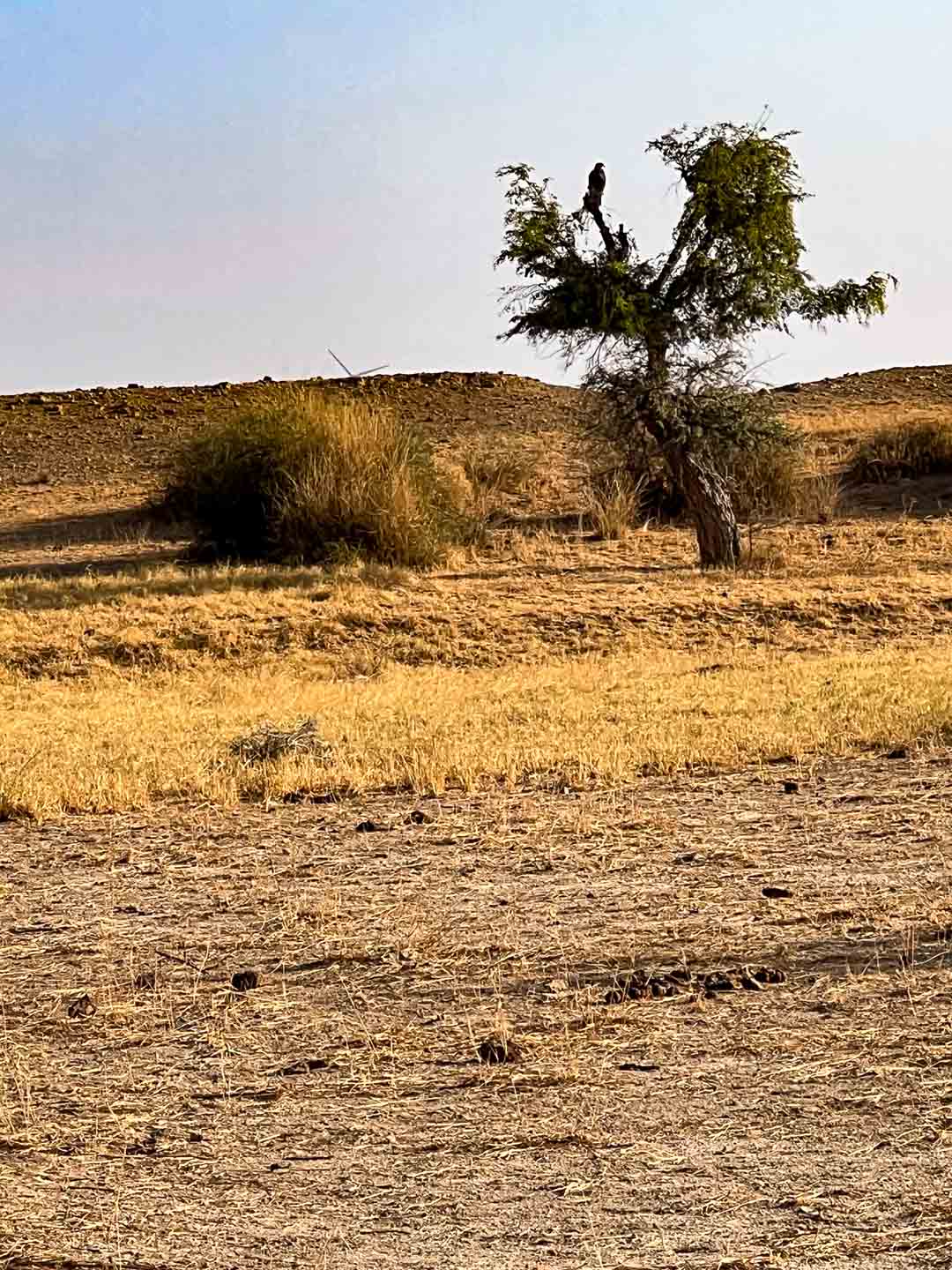
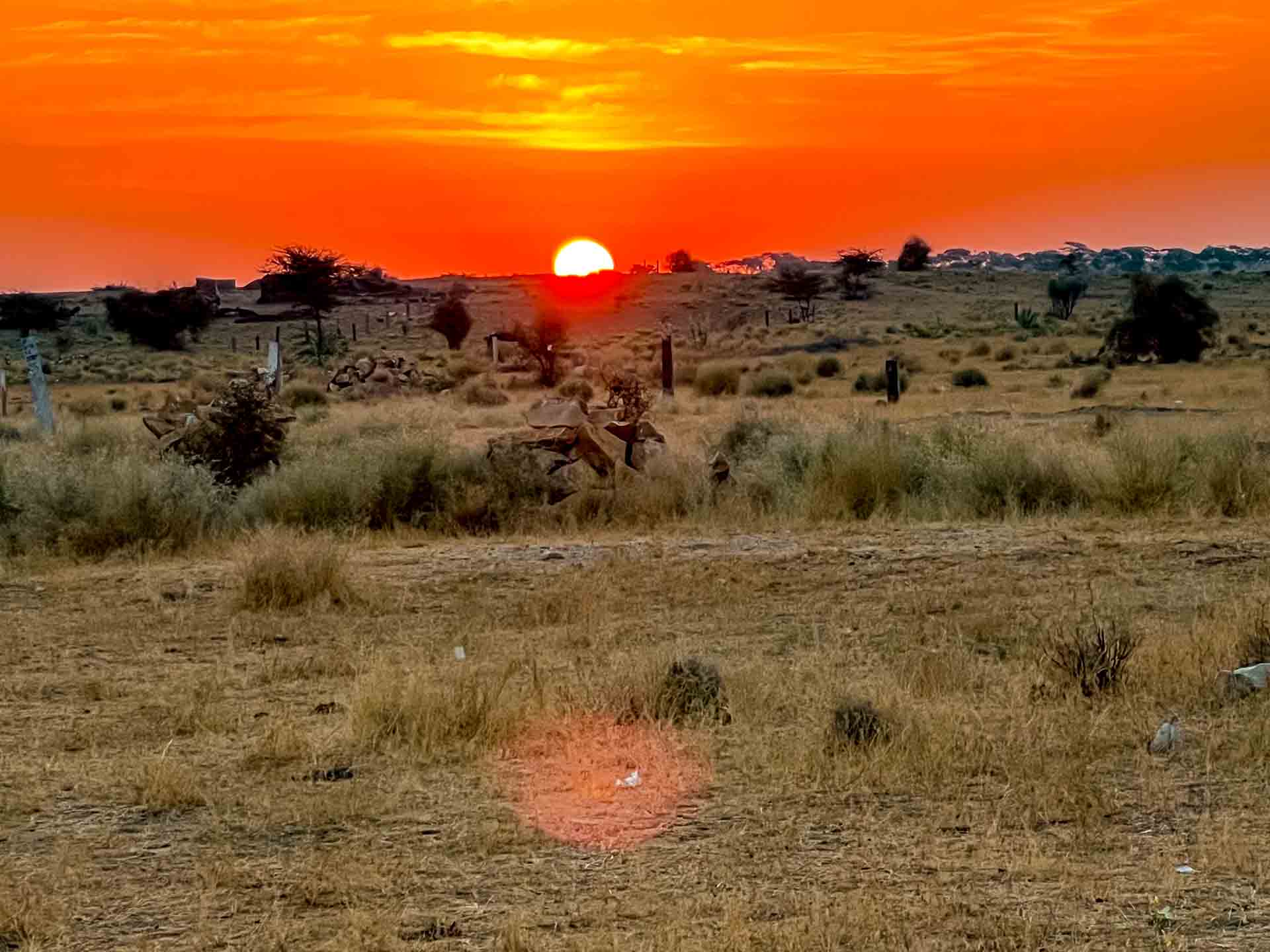
Jaisalmer surroundings fall under the Thar Desert region. The natural surroundings consist of sand dunes, a few plants and fewer houses.
Culture and Food
Jaisalmer culture is influenced by its desert location and position as a trade relic. Local markets still offer embroidered textiles, leather goods and puppets. These crafts are still made by local communities.
Reflecting the constraints of the environment, food in that part of the world is created for long shelf-life and water conservation. Live music and oral storytelling traditions are still practiced.
The essence of the city-based identity is not just one thing, but allows for the rich tapestry of history, environment and ongoing habitation. Those markets, structures, and areas help establish a permanent and more efficient system. Its current state demonstrates how geography, trade, and defence have contributed to the evolution of the region over the years.