Udaipur: A City Reflected in Lakes and Legends
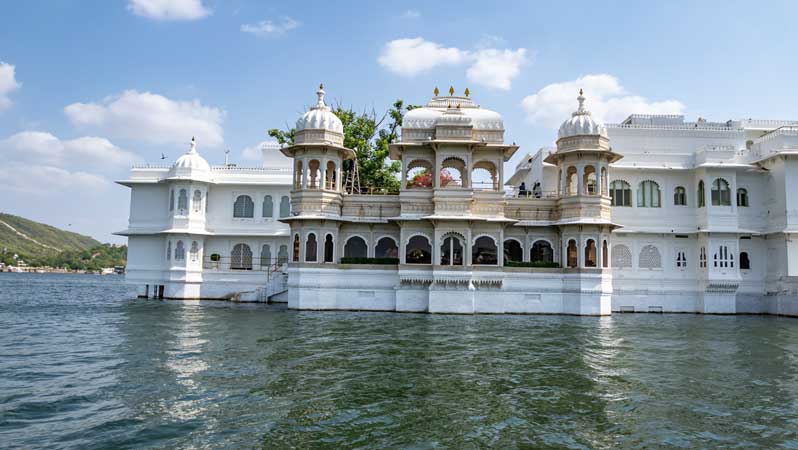
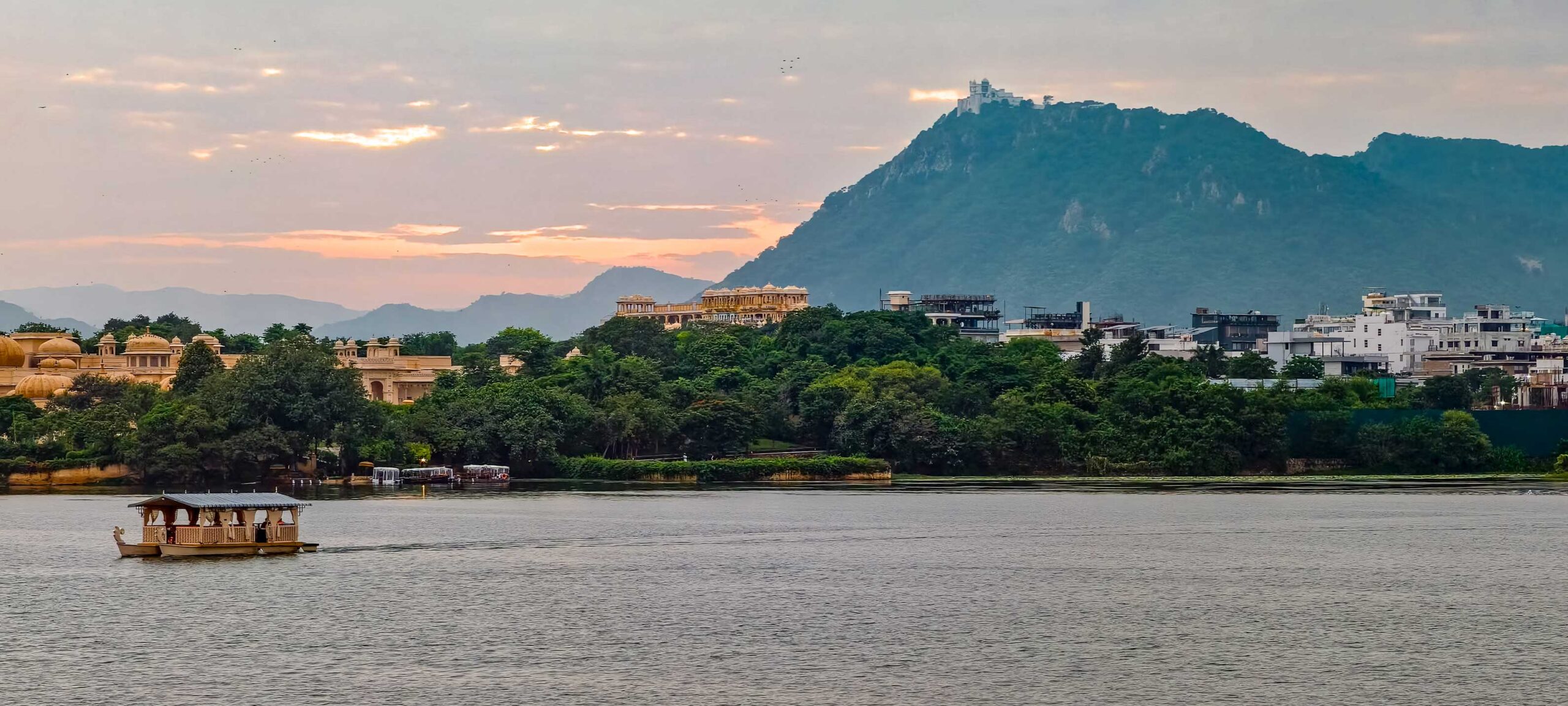
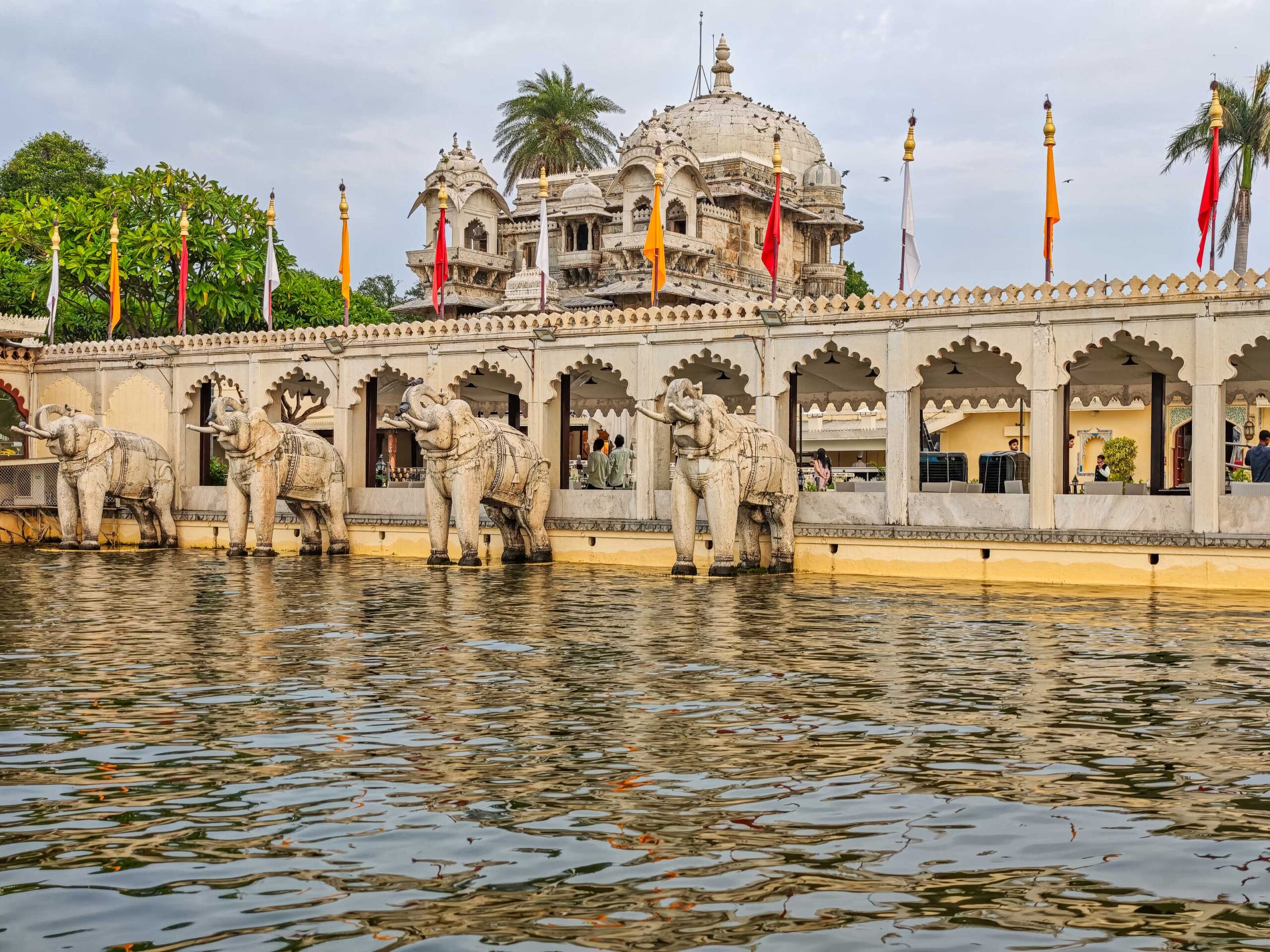
Framed by the ancient Aravalli Hills and reflected in the waters of shimmering lakes, Udaipur, the former capital of Mewar, possesses a beauty that feels almost theatrical. Yet beneath its picturesque facade lies a history of courage, resilience, faith, and artistic achievement that has shaped the city for more than four centuries.
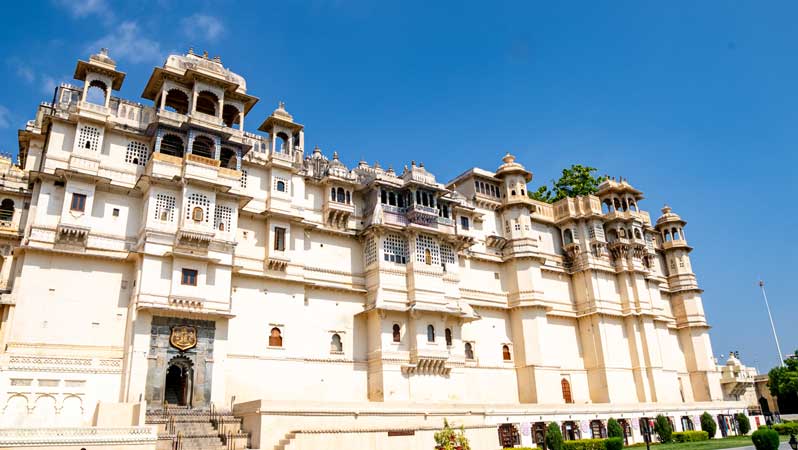
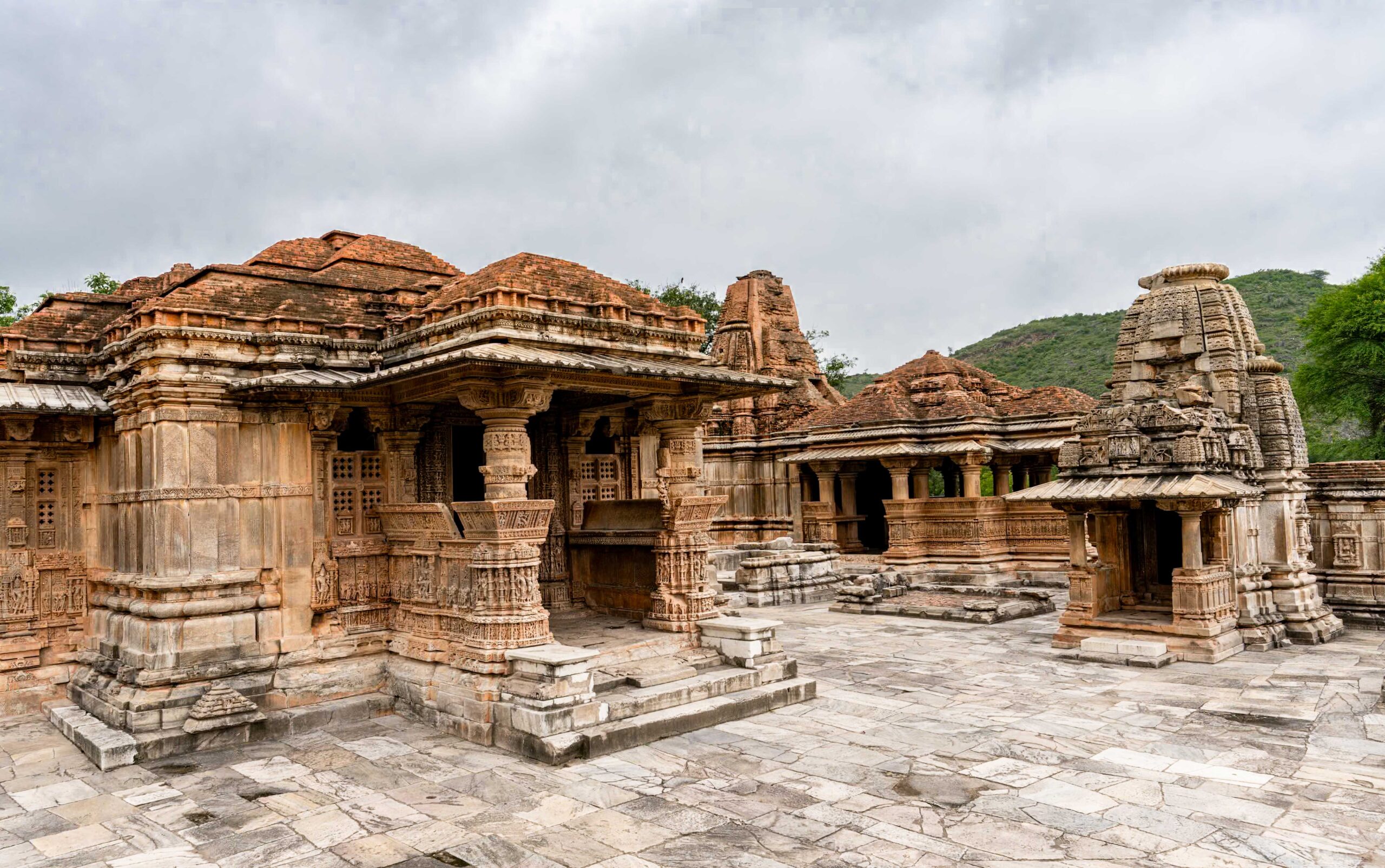
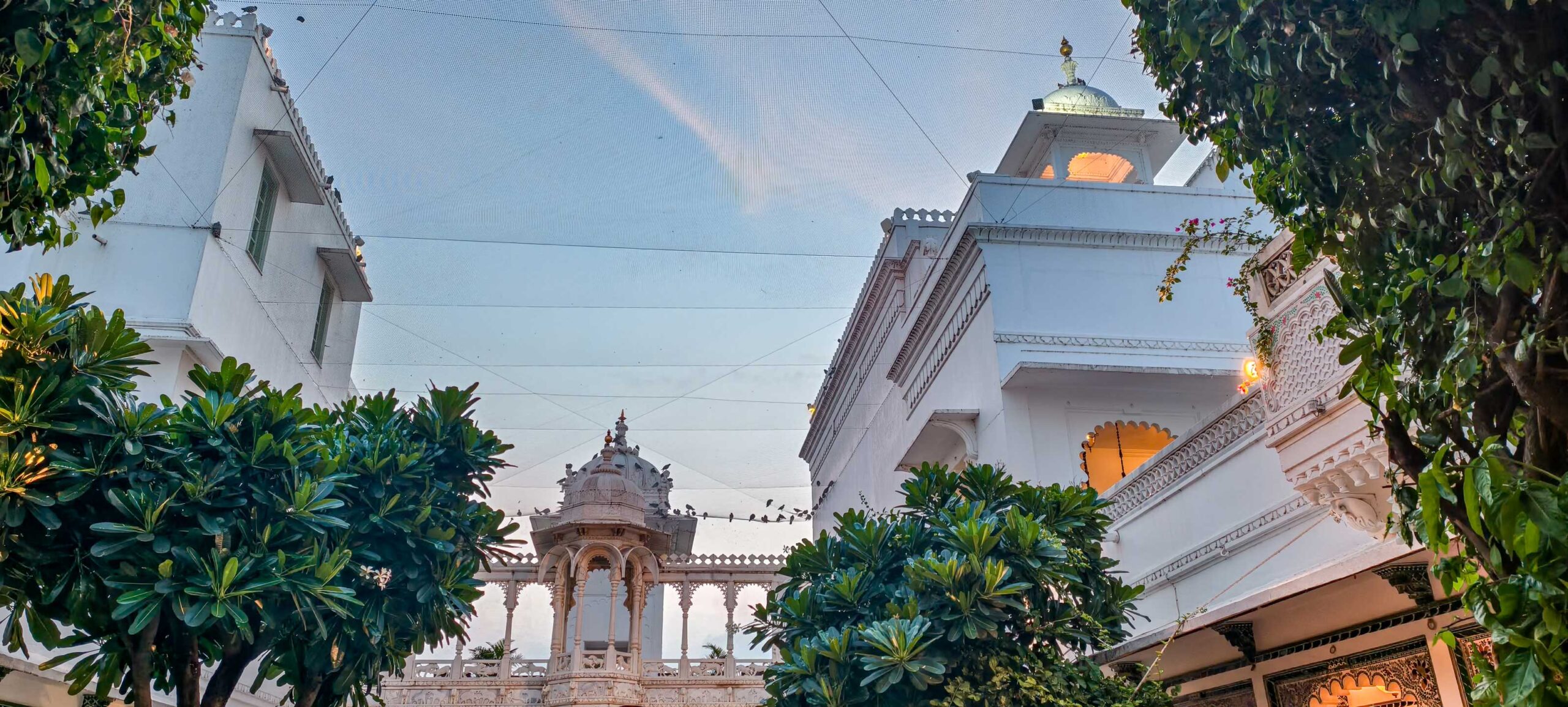
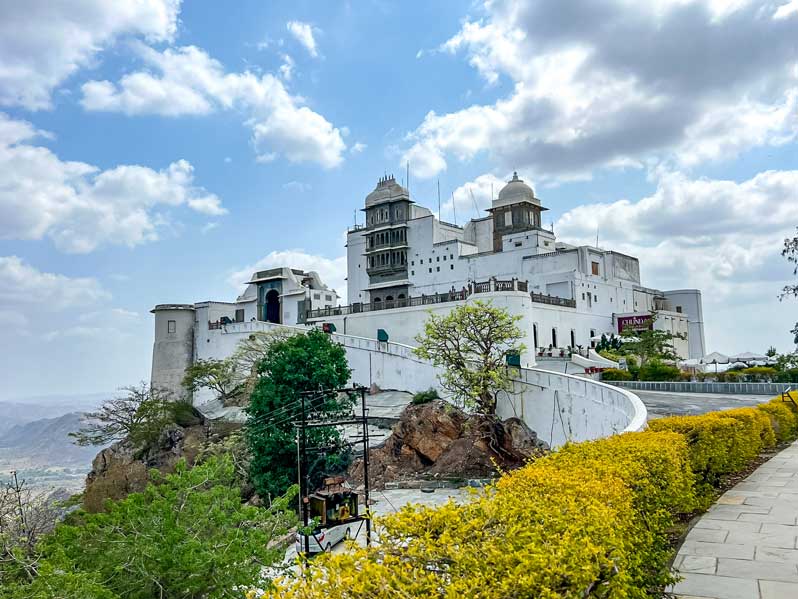
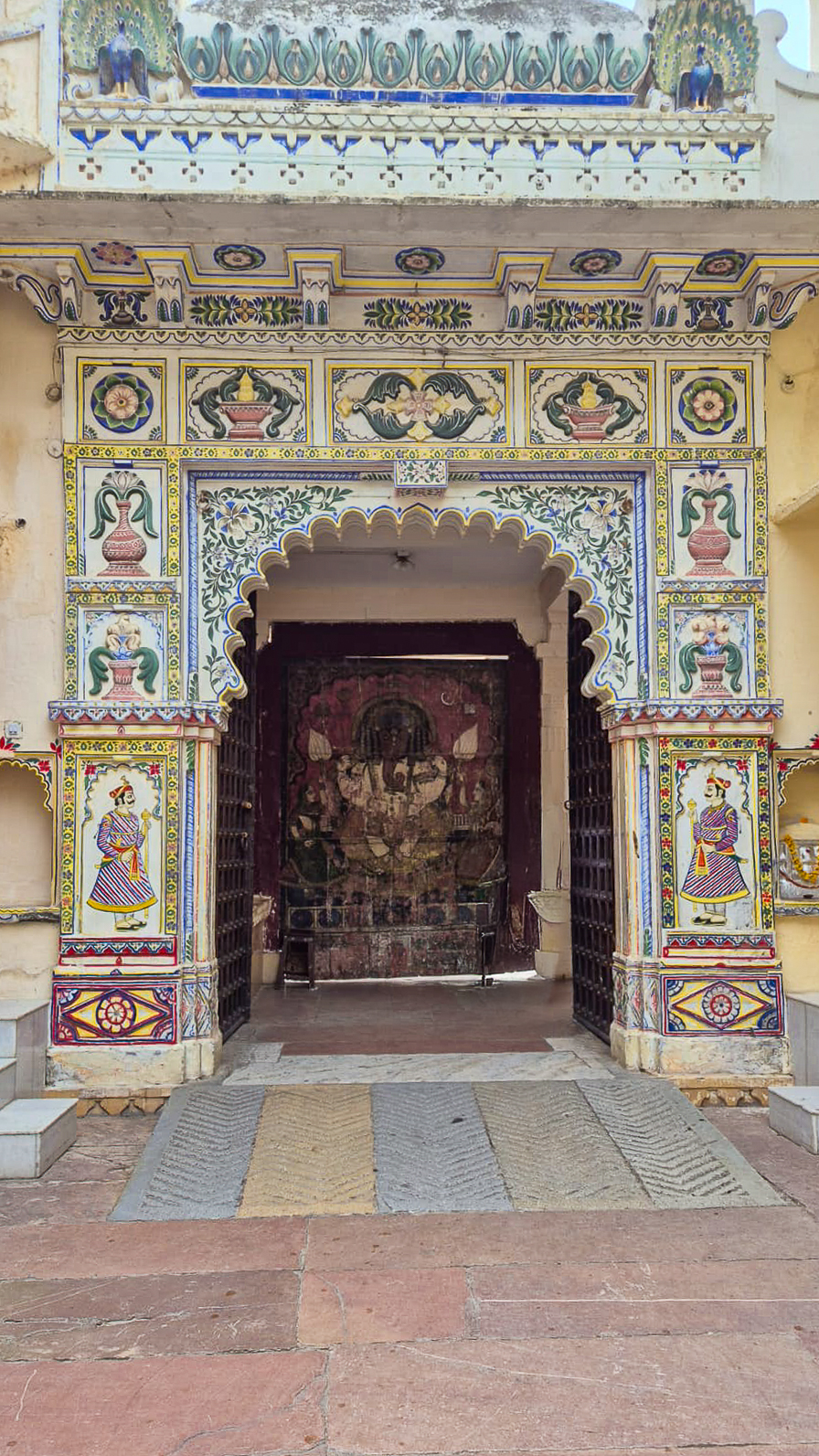
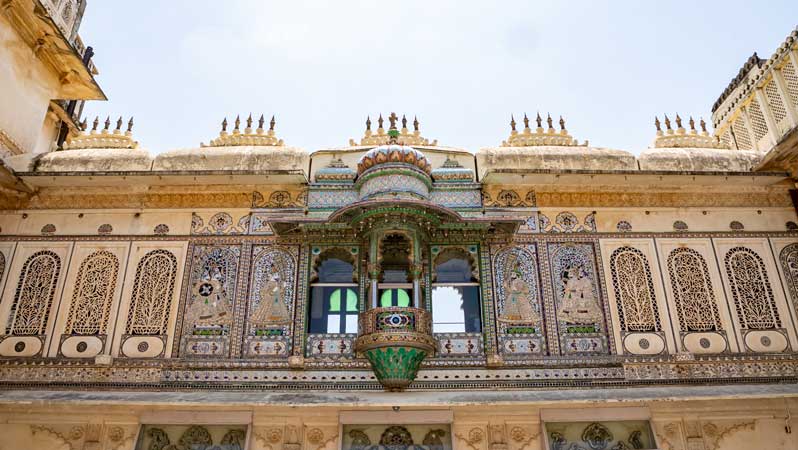
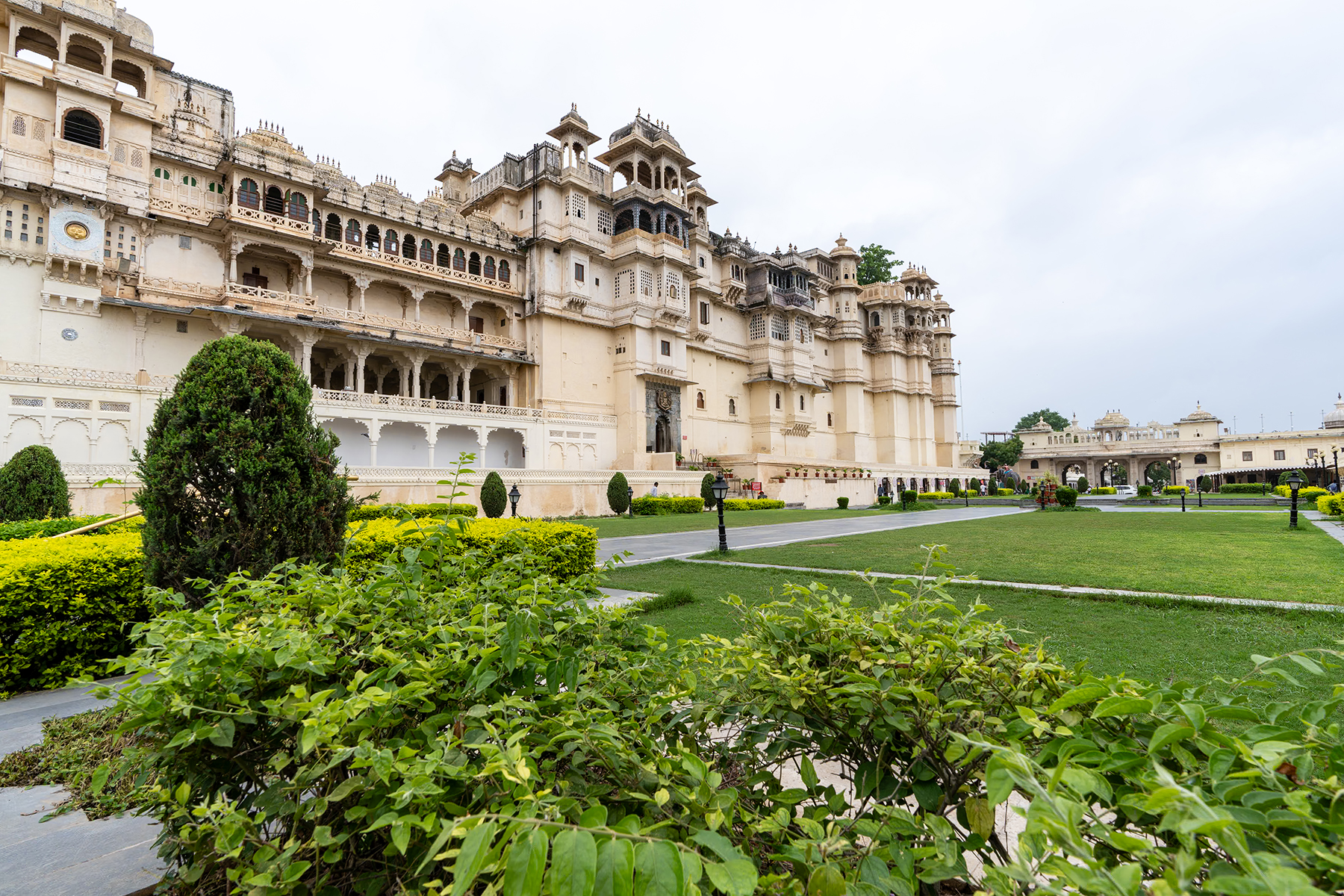
Founded in 1559 by Maharana Udai Singh II, Udaipur emerged from one of the most challenging chapters in Mewar’s history. After repeated attacks on Chittorgarh, the ruler sought a safer location for his kingdom and chose this valley surrounded by hills. The natural defences of the Aravallis, combined with a network of lakes that supplied water throughout the year, made it an ideal capital. Over time, palaces rose along the lakefront, temples crowned the hills, and artisans transformed the city into one of the cultural centers of Rajasthan.Even today, Udaipur feels deeply connected to its past. The grandeur of its palaces, the devotion within its temples, the artistry of its craftsmen, and the rhythm of daily life unfolding in its narrow lanes all contribute to its enduring charm. During our visit, we discovered that Udaipur is not simply a city to be seen; it is a city to be experienced, one where history and daily life continue to coexist in remarkable harmony.
Food and Culture
As our journey drew to a close, it became clear that Udaipur’s identity extends far beyond its lakes and palaces. The city’s culture is woven from centuries of royal patronage, artistic achievement, religious devotion, and community traditions that continue to shape daily life.
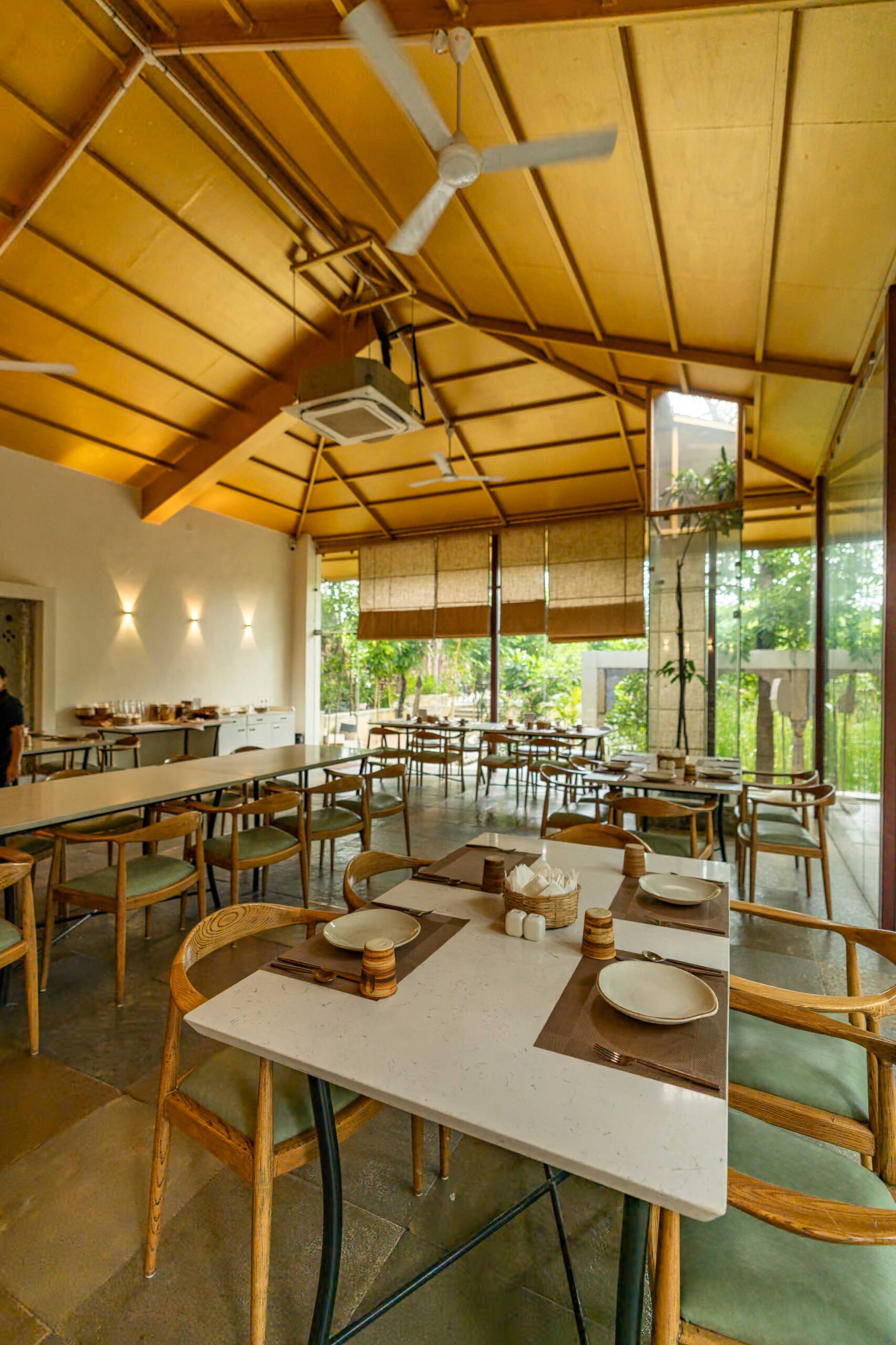
Its cuisine reflects both history and ingenuity. Traditional dishes such as dal baati churma, gatte ki sabzi, ker sangri, and laal maas showcase flavors developed over generations in Rajasthan’s challenging landscape. Rich sweets such as ghewar and malpua provide a fitting conclusion to any meal.
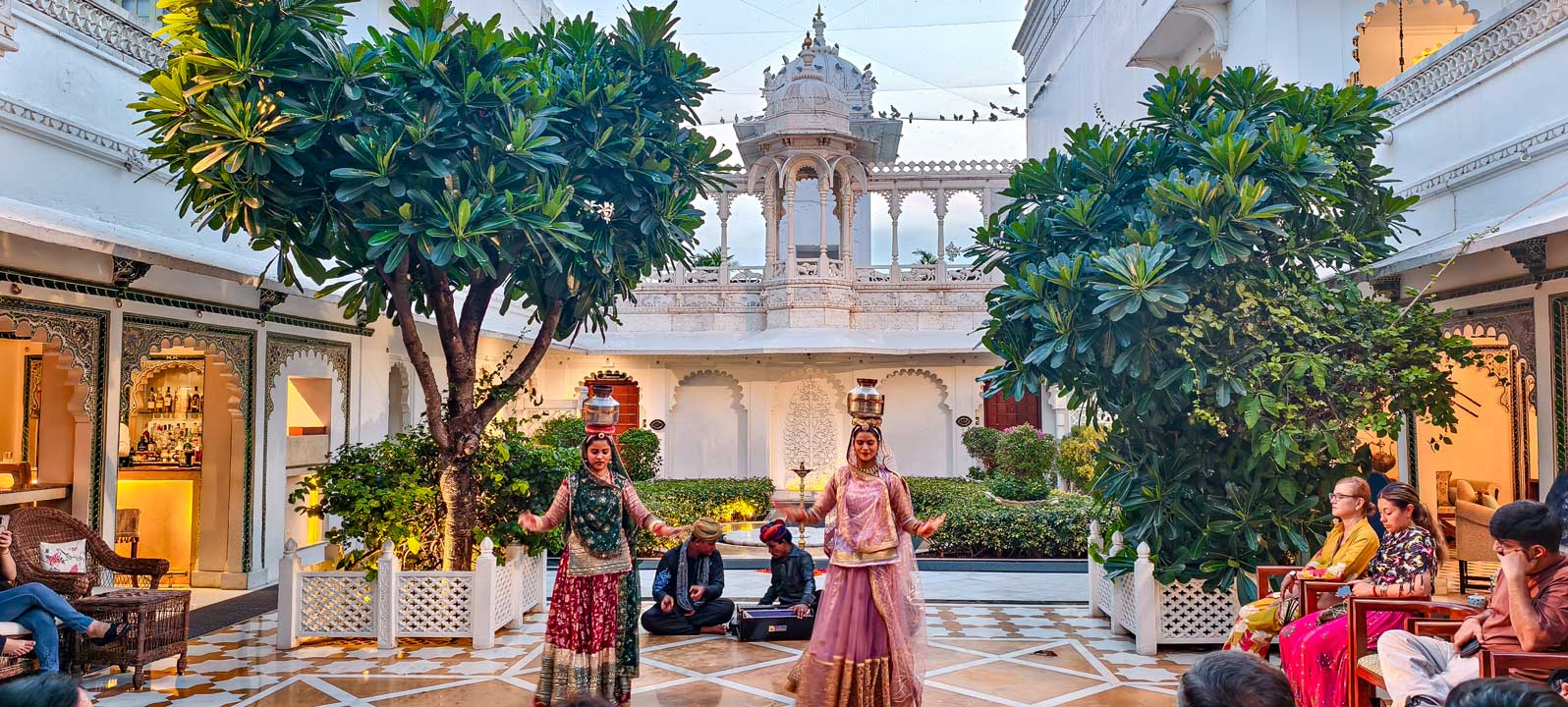
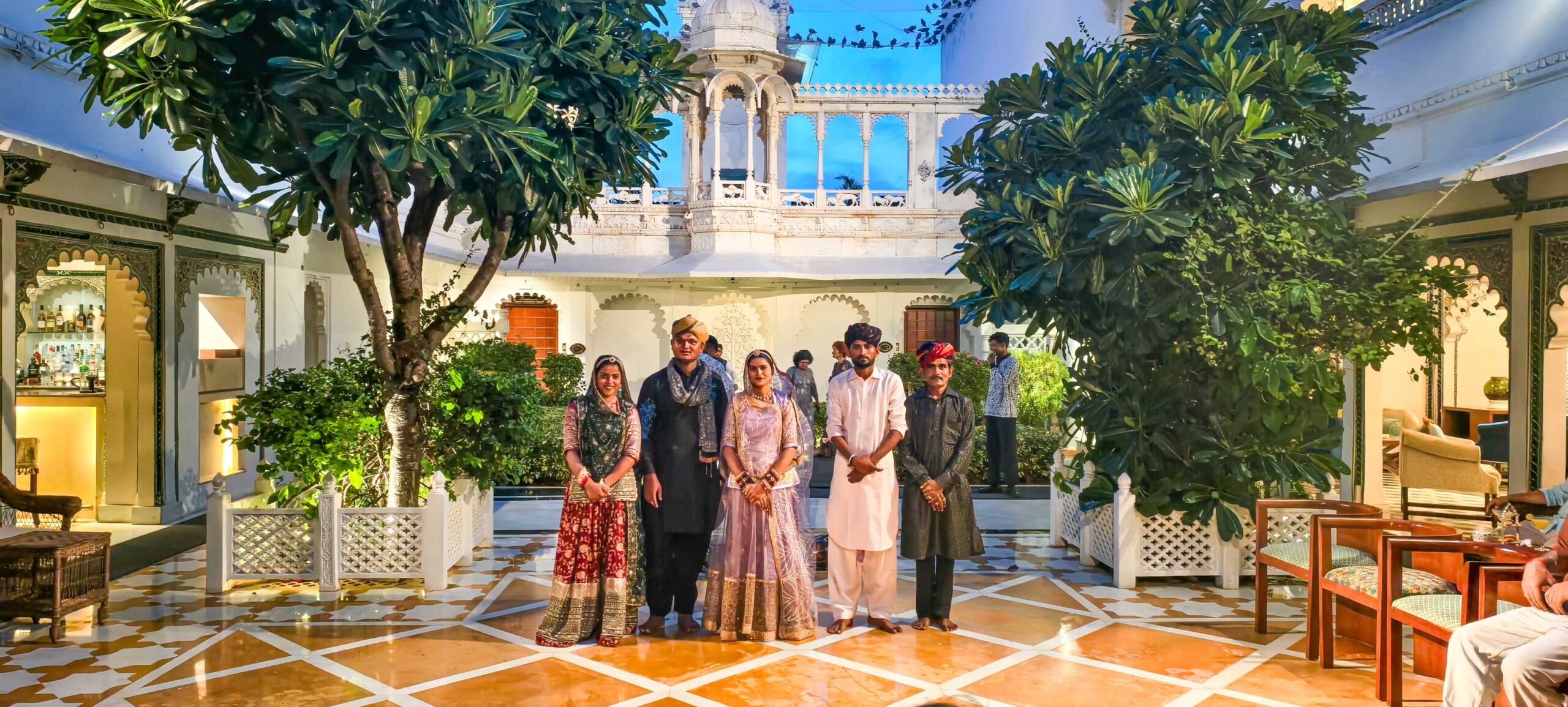
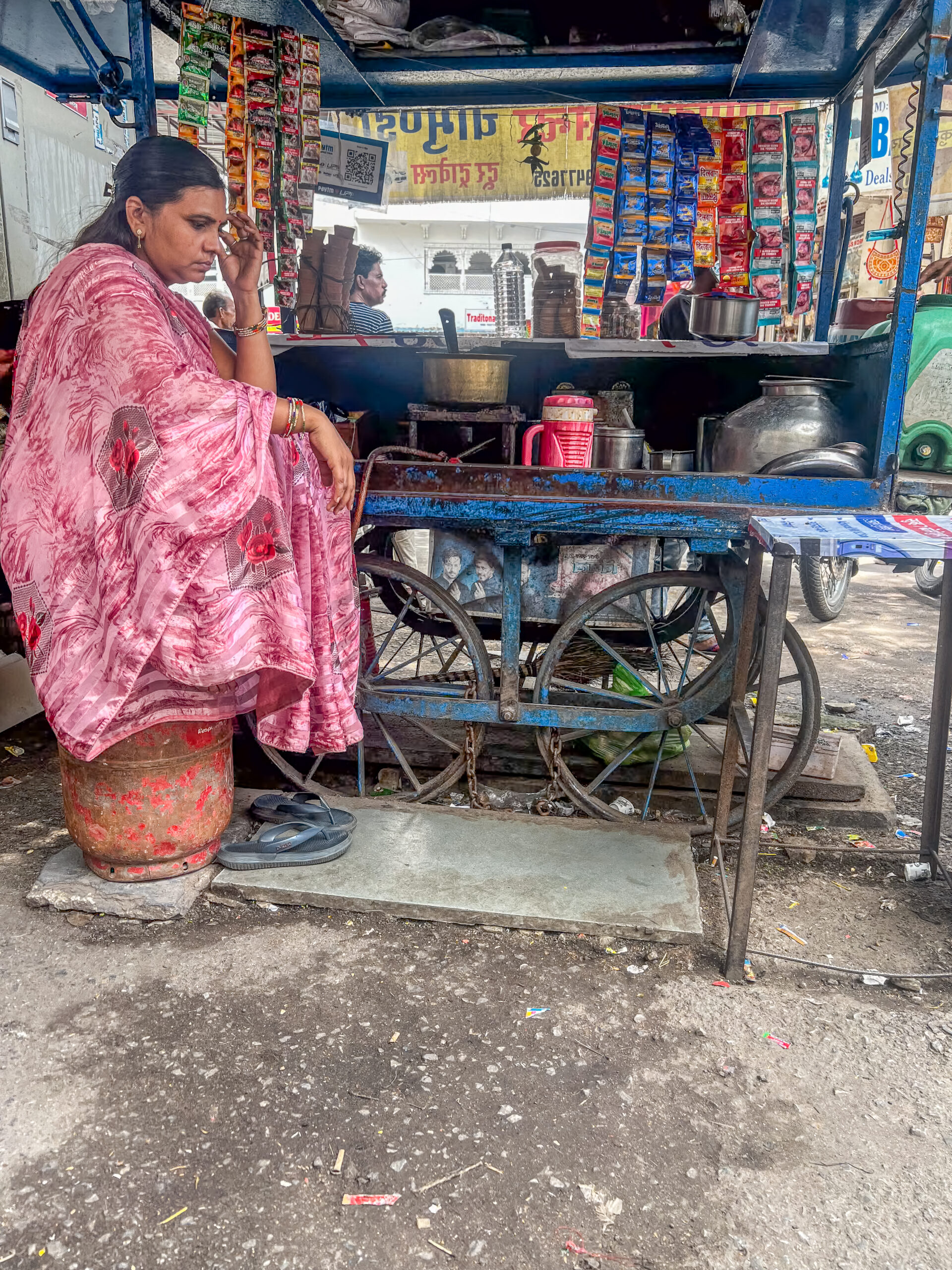
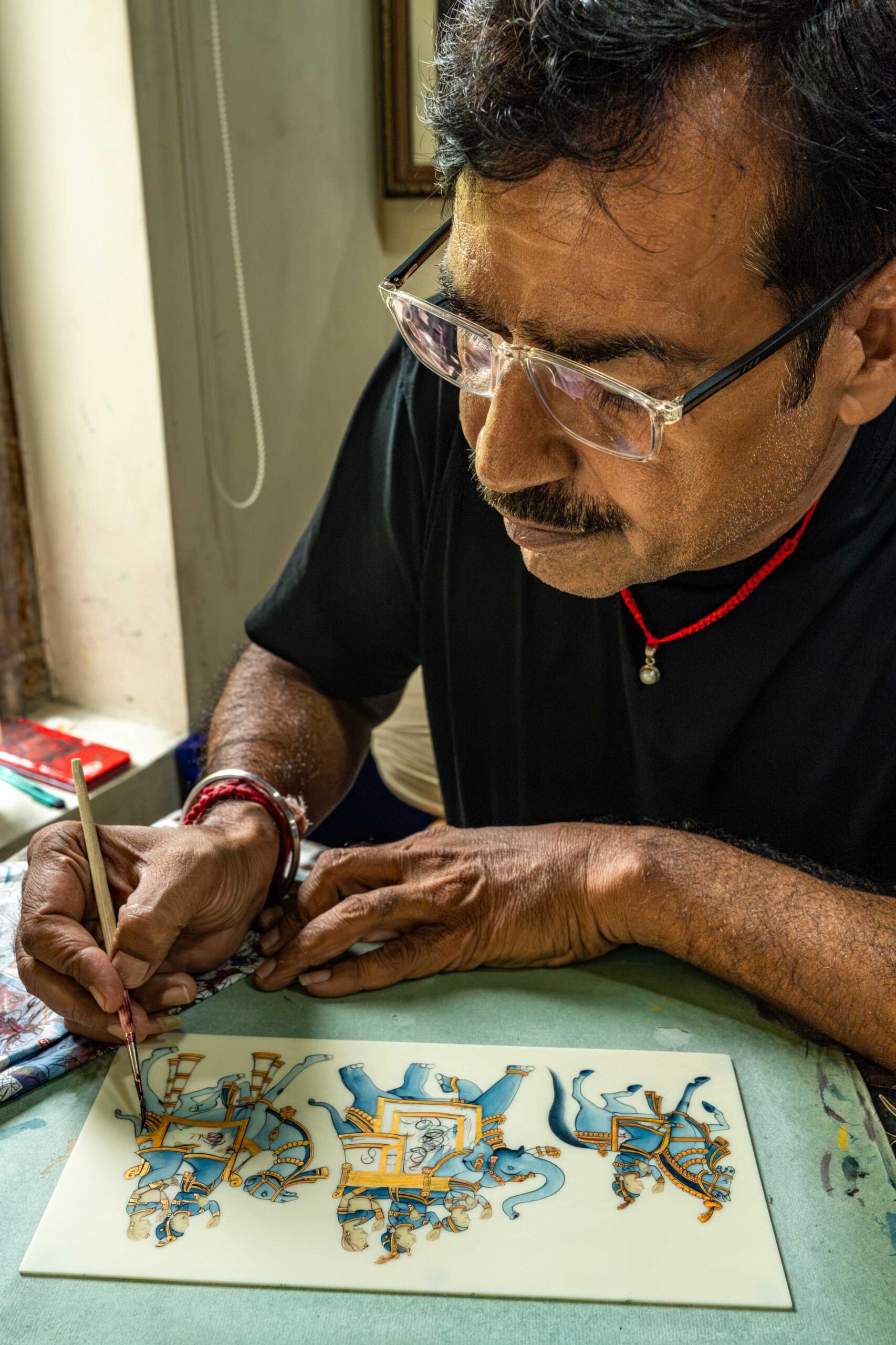
Yet food represents only one aspect of Udaipur’s cultural richness. Music, dance, painting, textiles, jewelry, and architecture continue to flourish, preserving traditions that connect the present with the past. Everywhere we looked, heritage was not just confined to museums but actively woven into everyday life.
Udaipur is often called the City of Lakes, but that title captures only part of its essence. It is equally a city of memory, resilience, artistry, and living heritage. Long after its palaces fade from view and its waters disappear beyond the horizon, the spirit of Mewar remains with those who have wandered its streets and watched the sun set across its lakes.