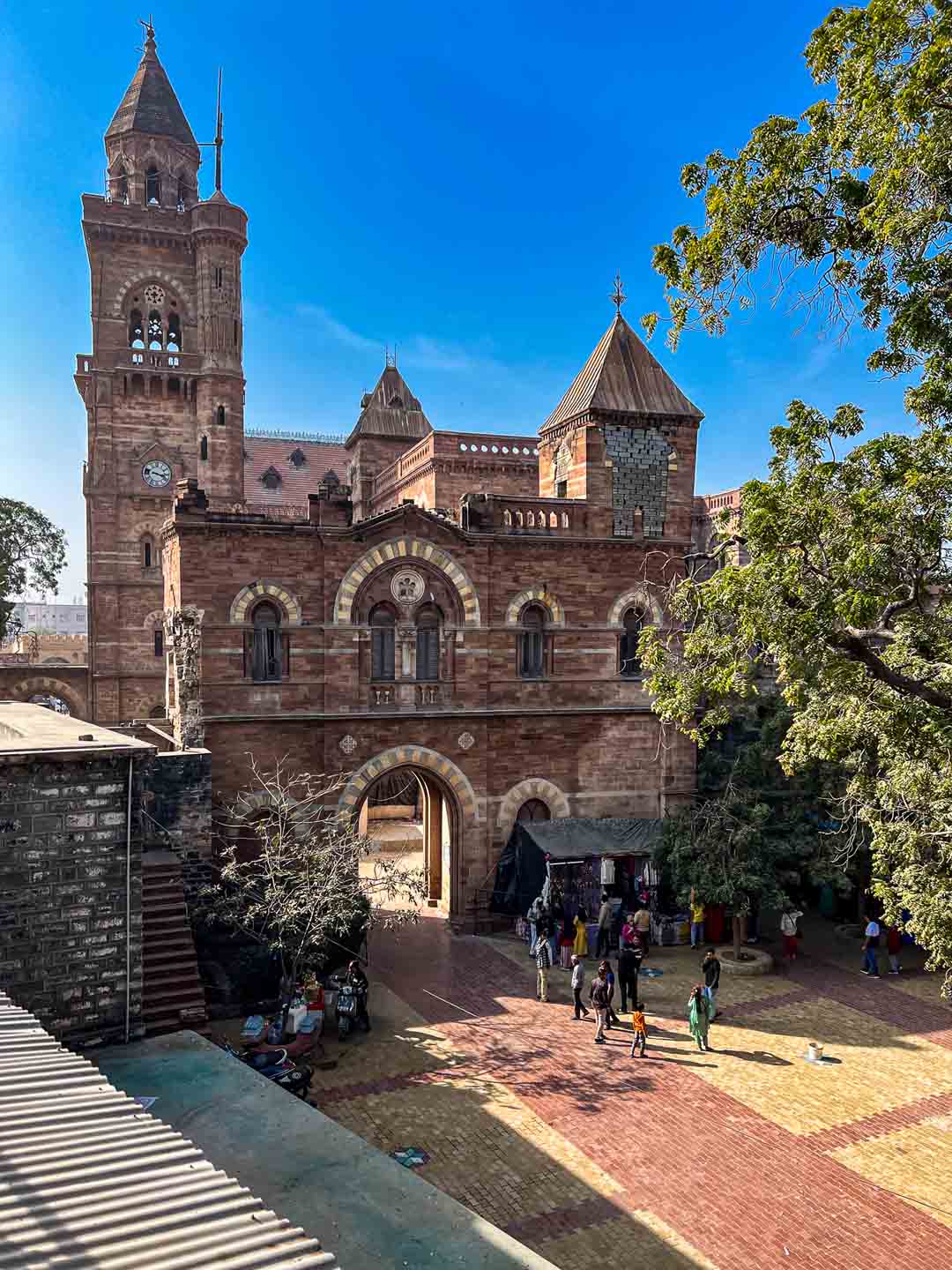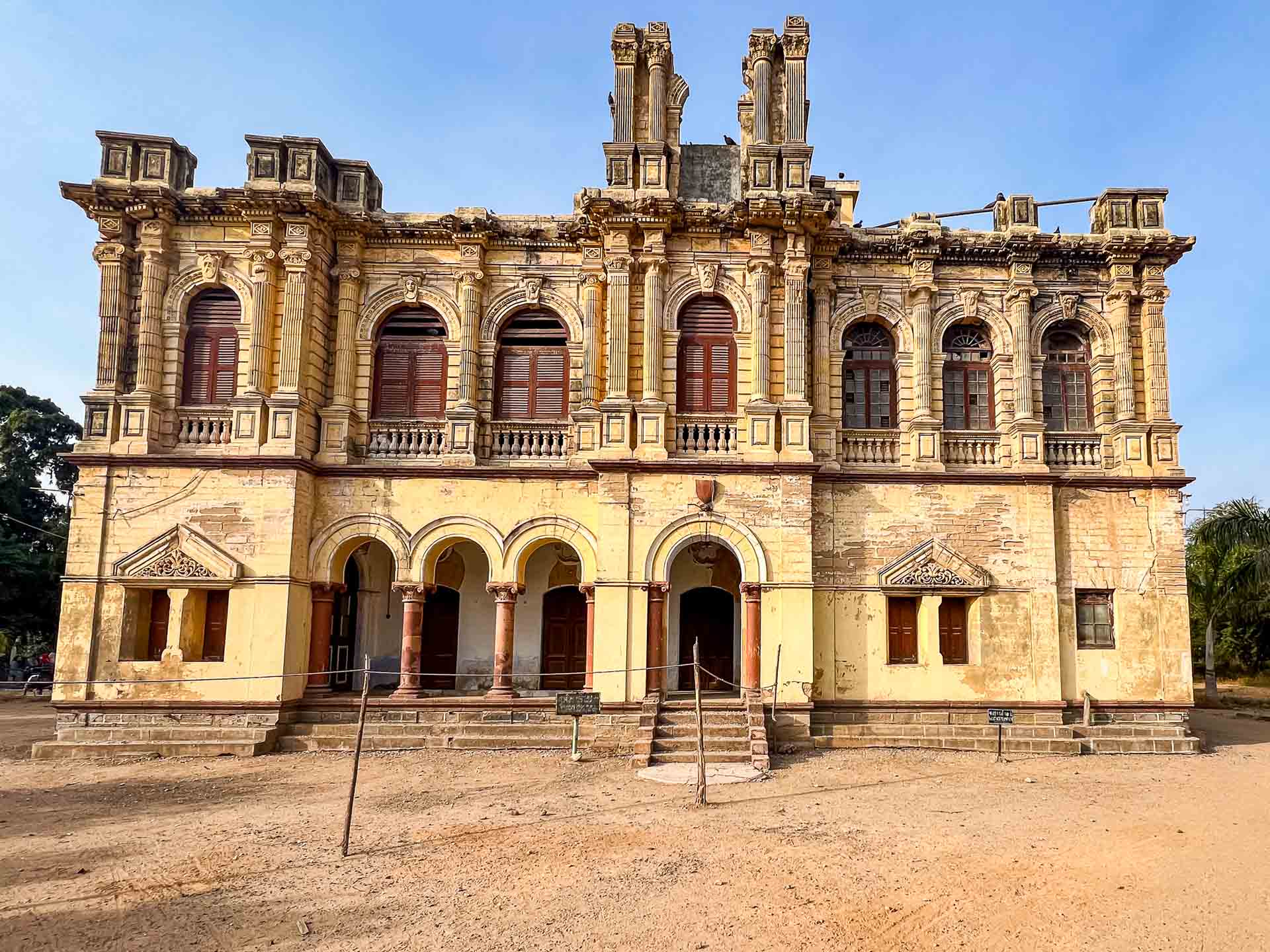
In western India, the city of Bhuj lies at the cultural heart of the Kutch region. Surrounded by dry plains and low hills, and located not far from the immense salt desert of the Great Rann of Kutch, Bhuj has long served as the political and cultural centre of Kutch. Today the city appears to be a small provincial town, yet it was once the capital of a powerful princely state ruled by the Jadeja dynasty. Over the centuries the rulers of Kutch constructed forts, palaces, gardens and temples that reflected not only their authority but also their patronage of art and architecture.
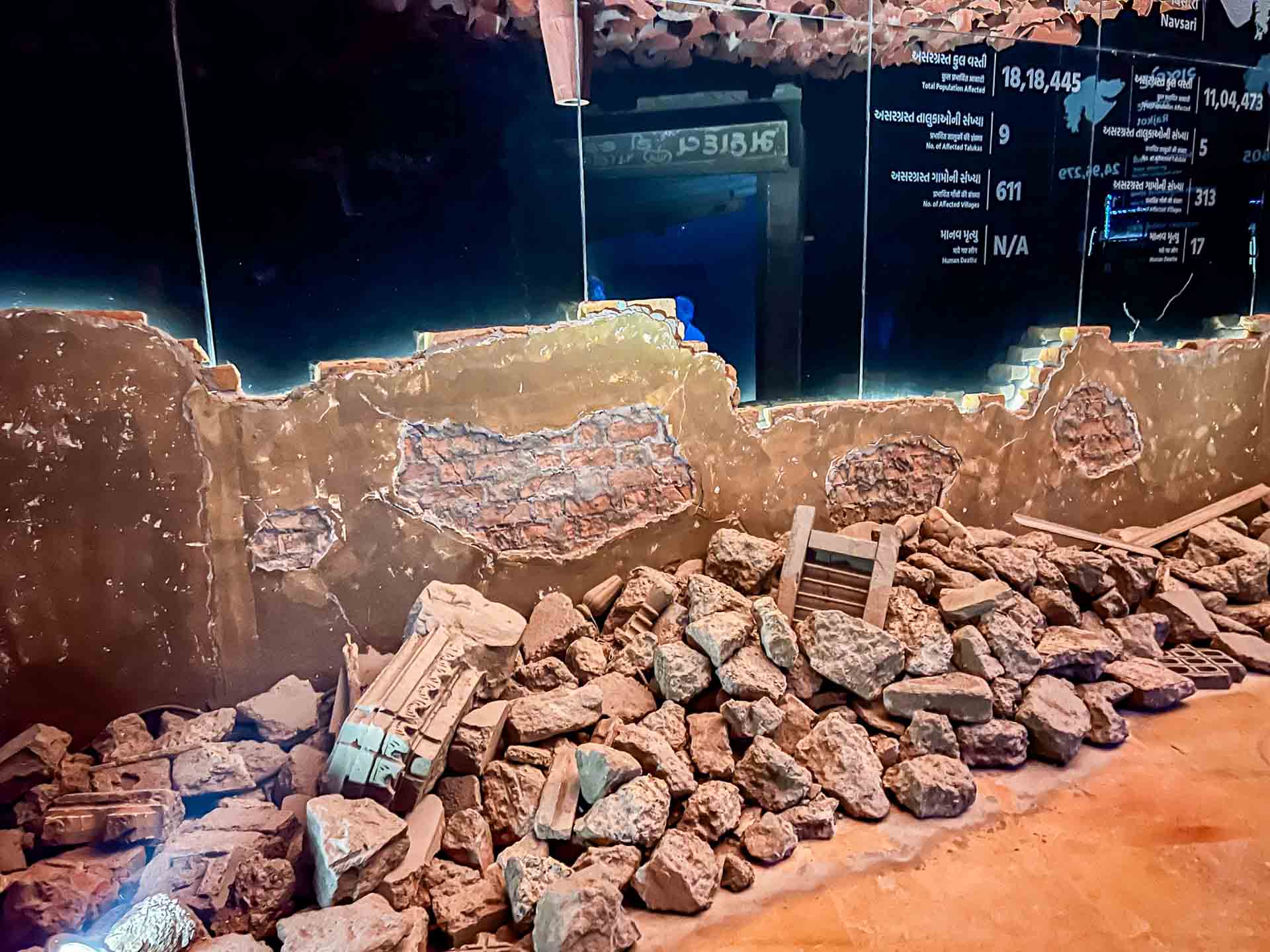
Yet Bhuj is remembered not only for its royal past. In 2001 the city experienced one of the most devastating earthquakes in modern Indian history. Today Bhuj represents a remarkable combination of continuity and resilience.
History
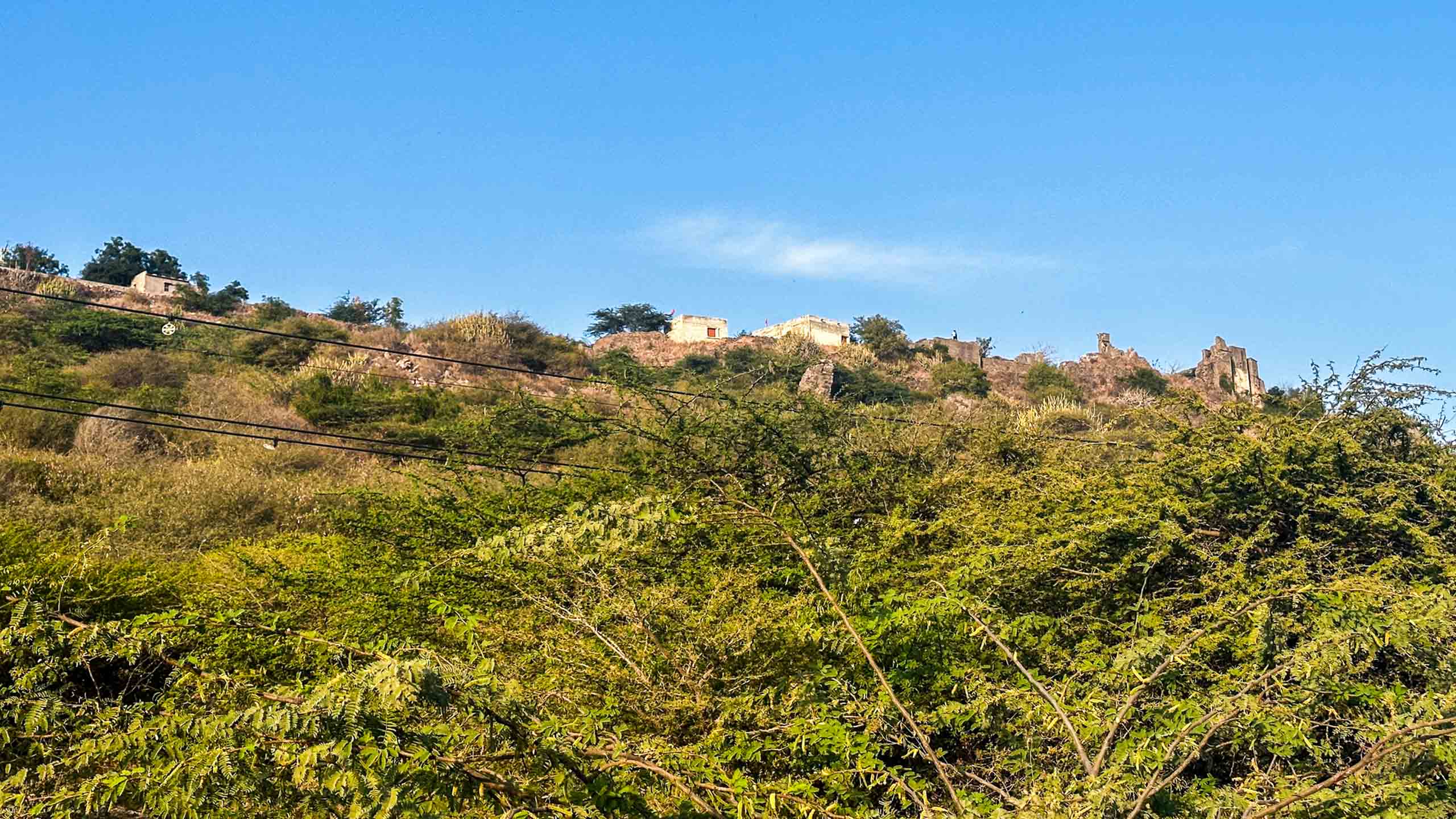
The history of Kutch is closely linked with the Jadeja dynasty, under whose rule Bhuj rose to prominence as the capital of the region. The city was founded in 1548 by Rao Khengarji I. Recognising the strategic importance of the location, Khengarji established his capital at the foot of Bhujia Hill.
From this position the rulers of Kutch could observe the surrounding plains and control important trade routes connecting the region with Sindh, Rajasthan and the ports of the Arabian Sea. Trade, agriculture and maritime links gradually transformed Bhuj into a thriving urban centre within the kingdom. Successive rulers strengthened the city’s defenses by constructing extensive fortifications to protect the capital from invasions and raids.