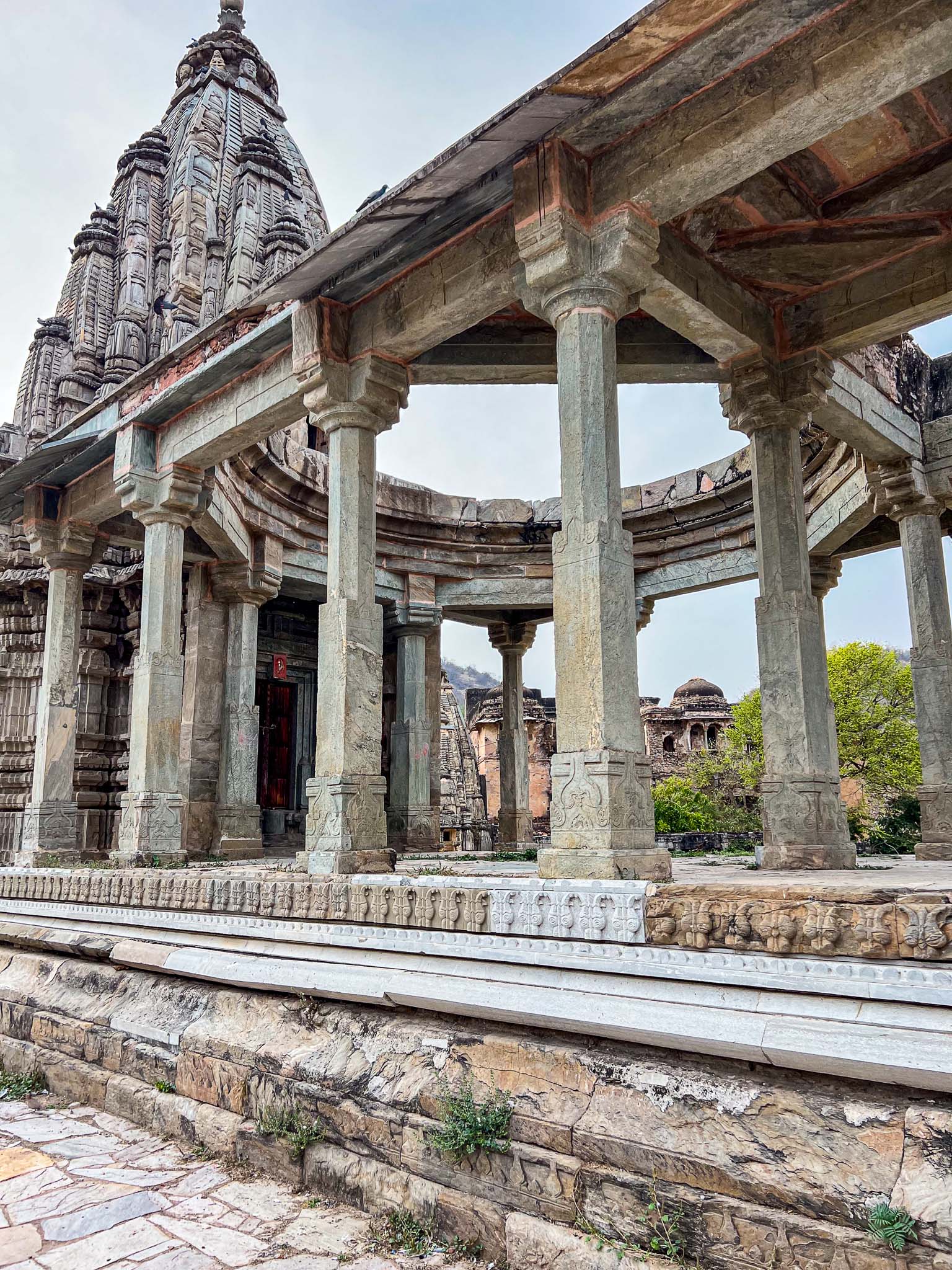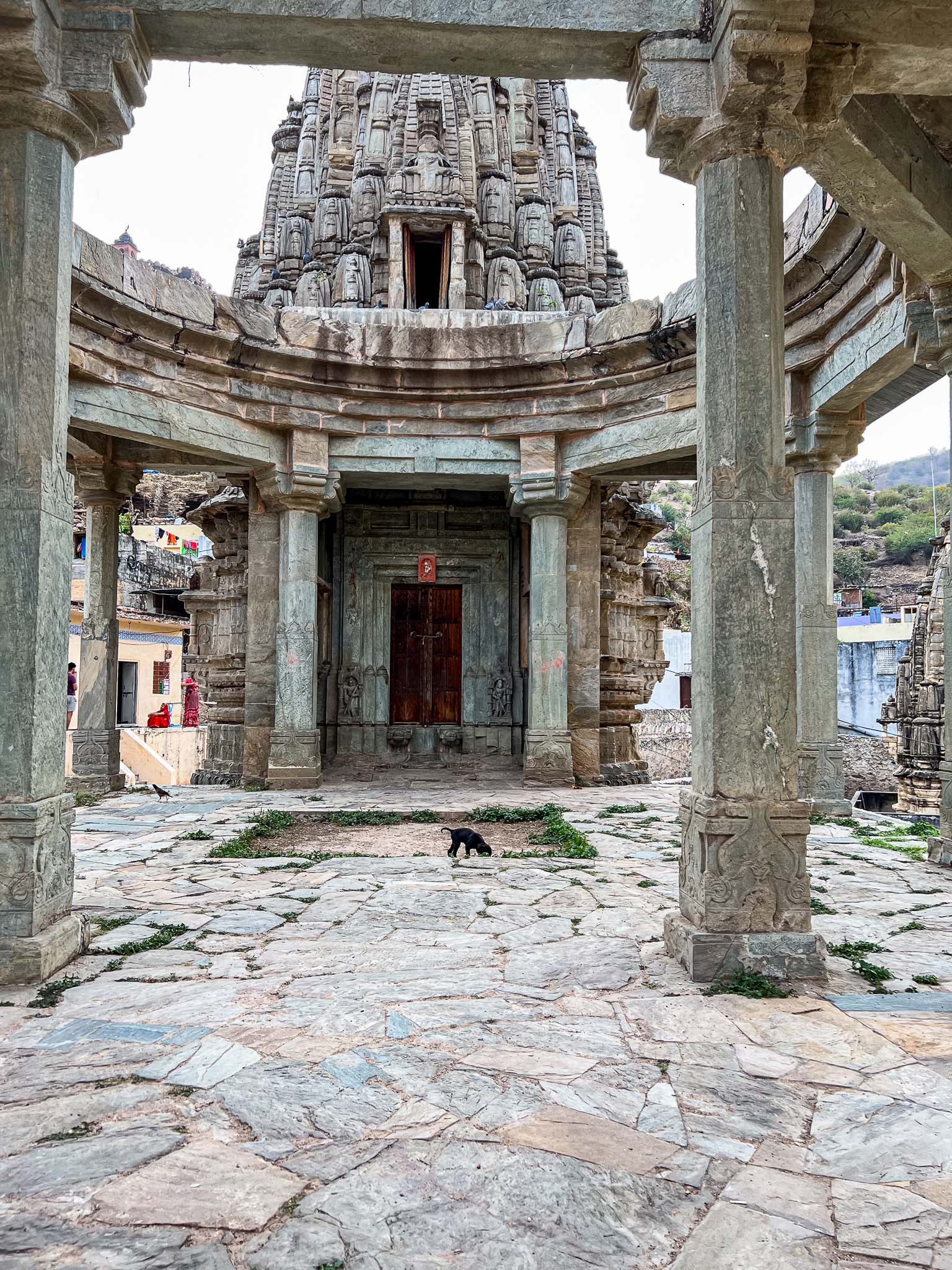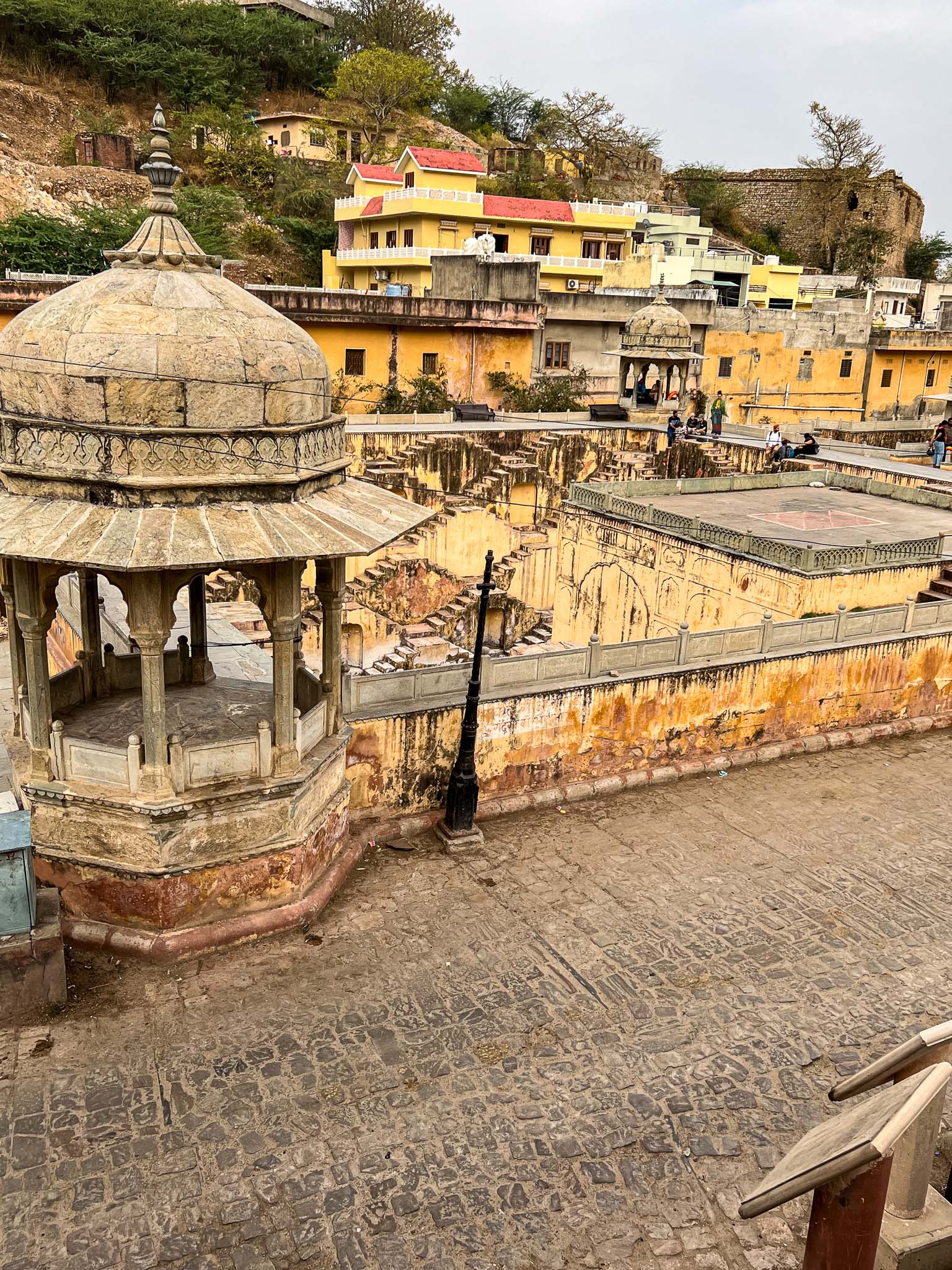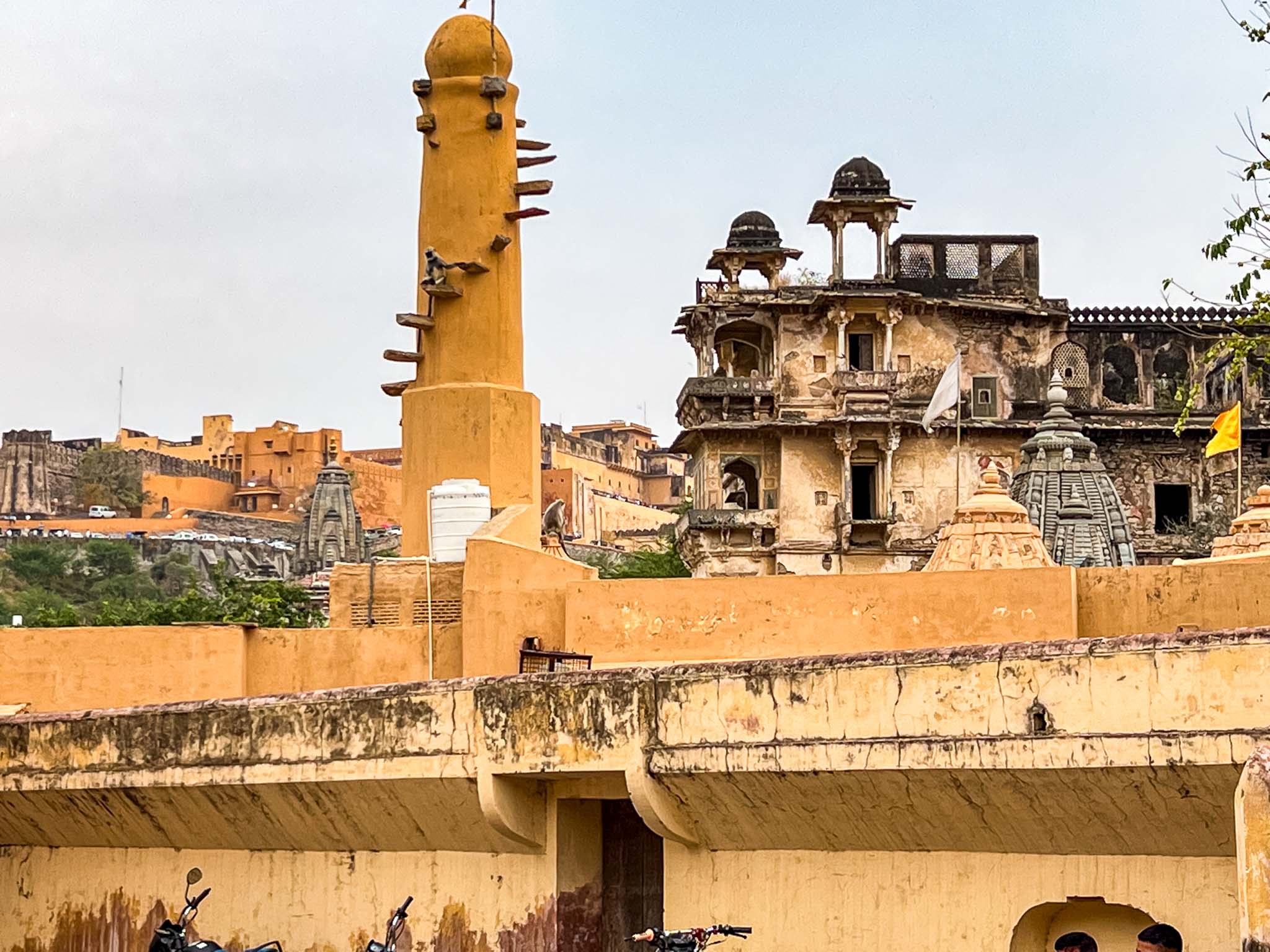
Jaipur
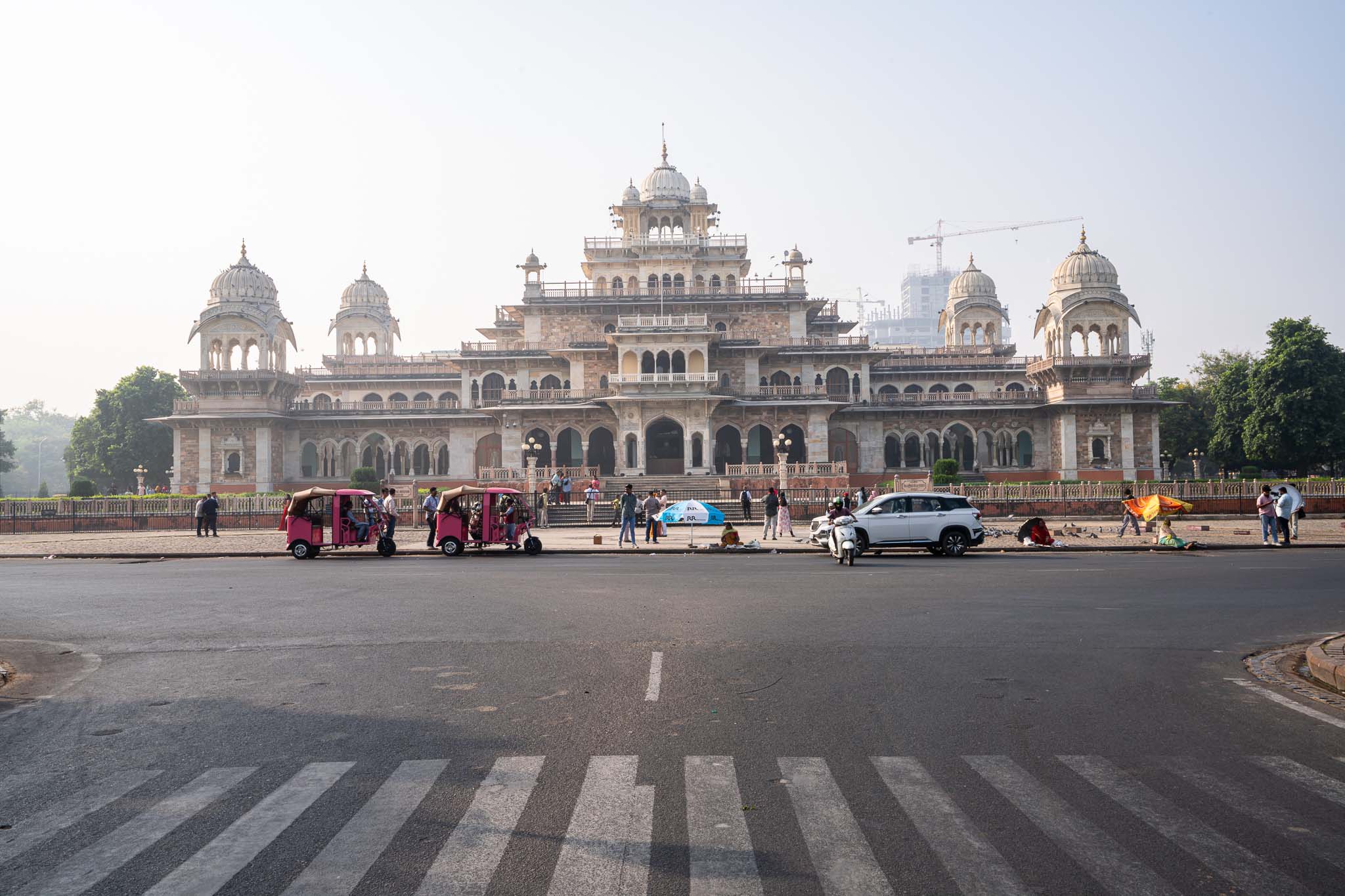
Jaipur, is often labelled as ‘the city of palaces,’ color, and craft. But to know Jaipur properly, we need to glance outside the walls. The city wasn’t built as an isolated capital but as the cultural and administrative hub of a well-orchestrated territory. Our trip to Jaipur illustrated how power, ecology and the everyday are historically entangled. This is a Rajasthan molded by kings and battle, but also by hills, animals, rivers, stepwells and seasonal survival.
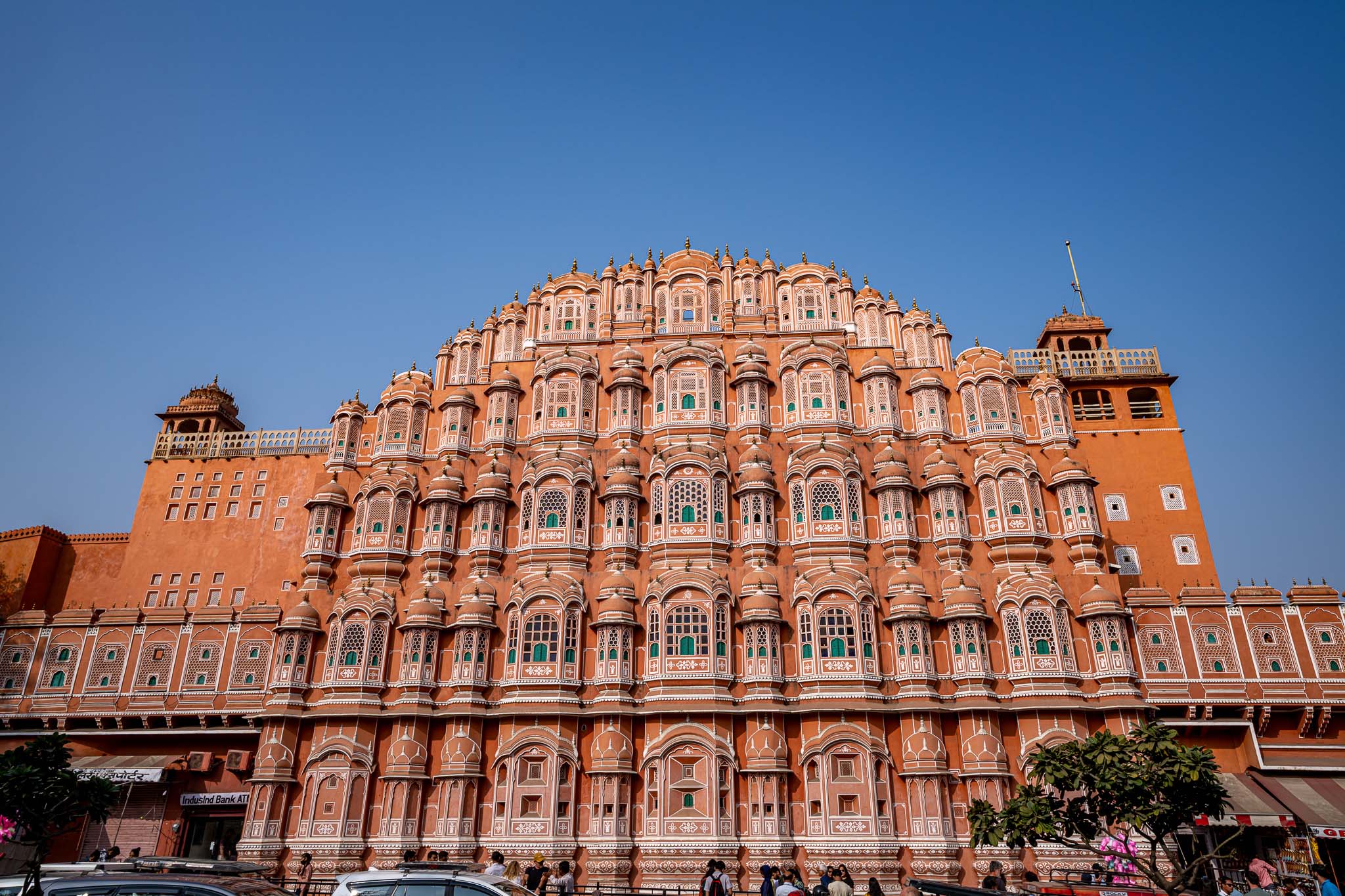
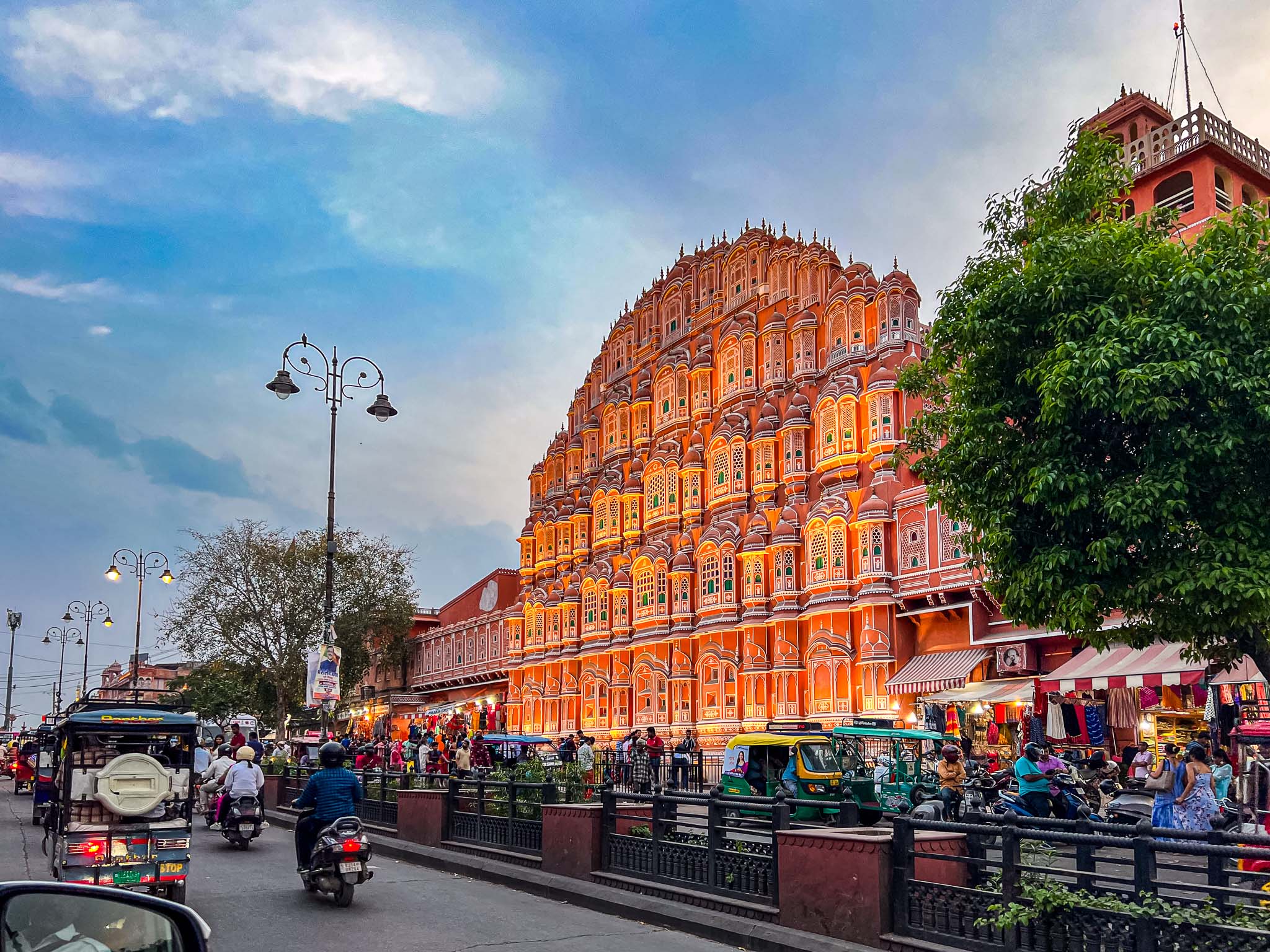
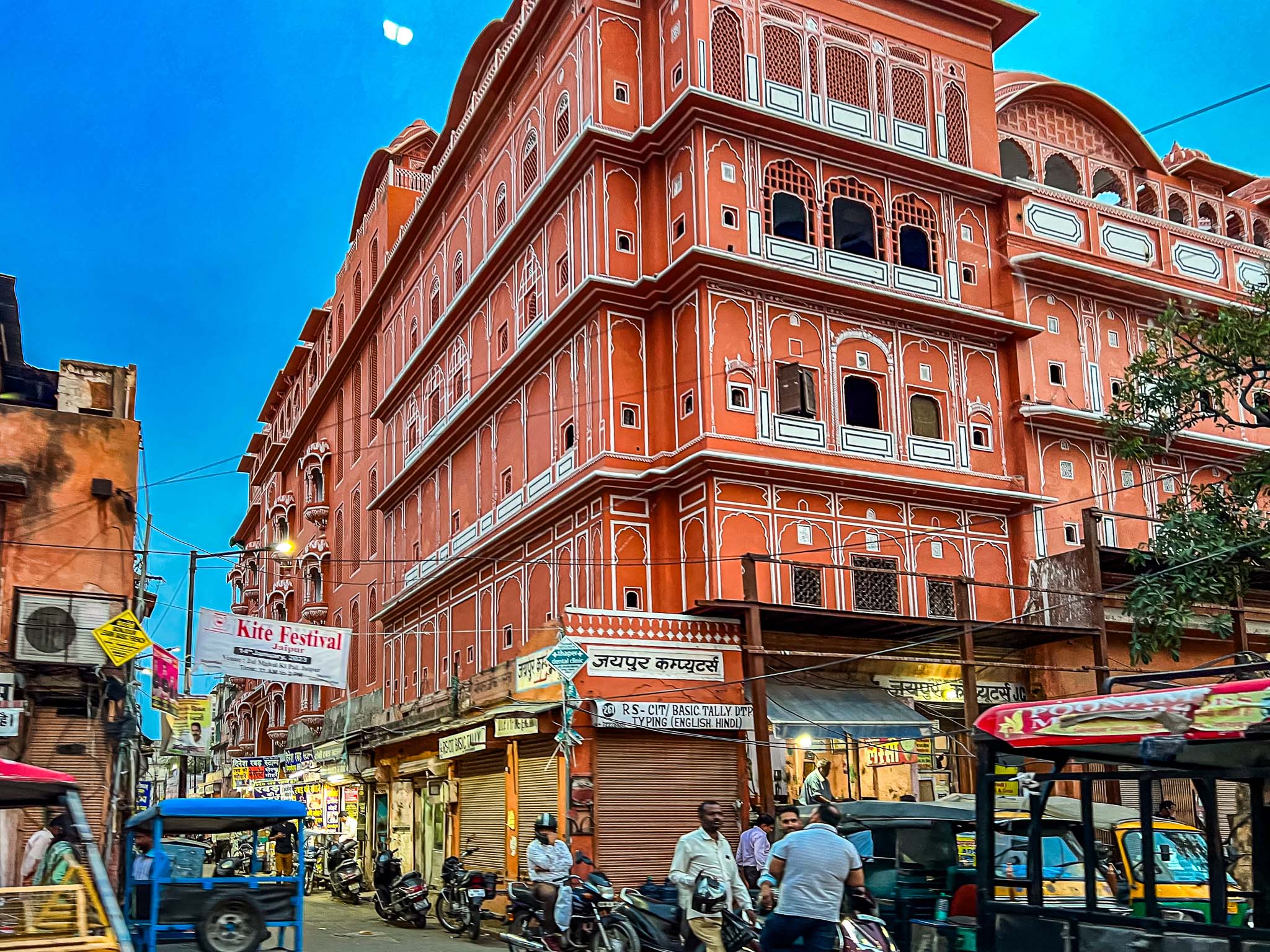
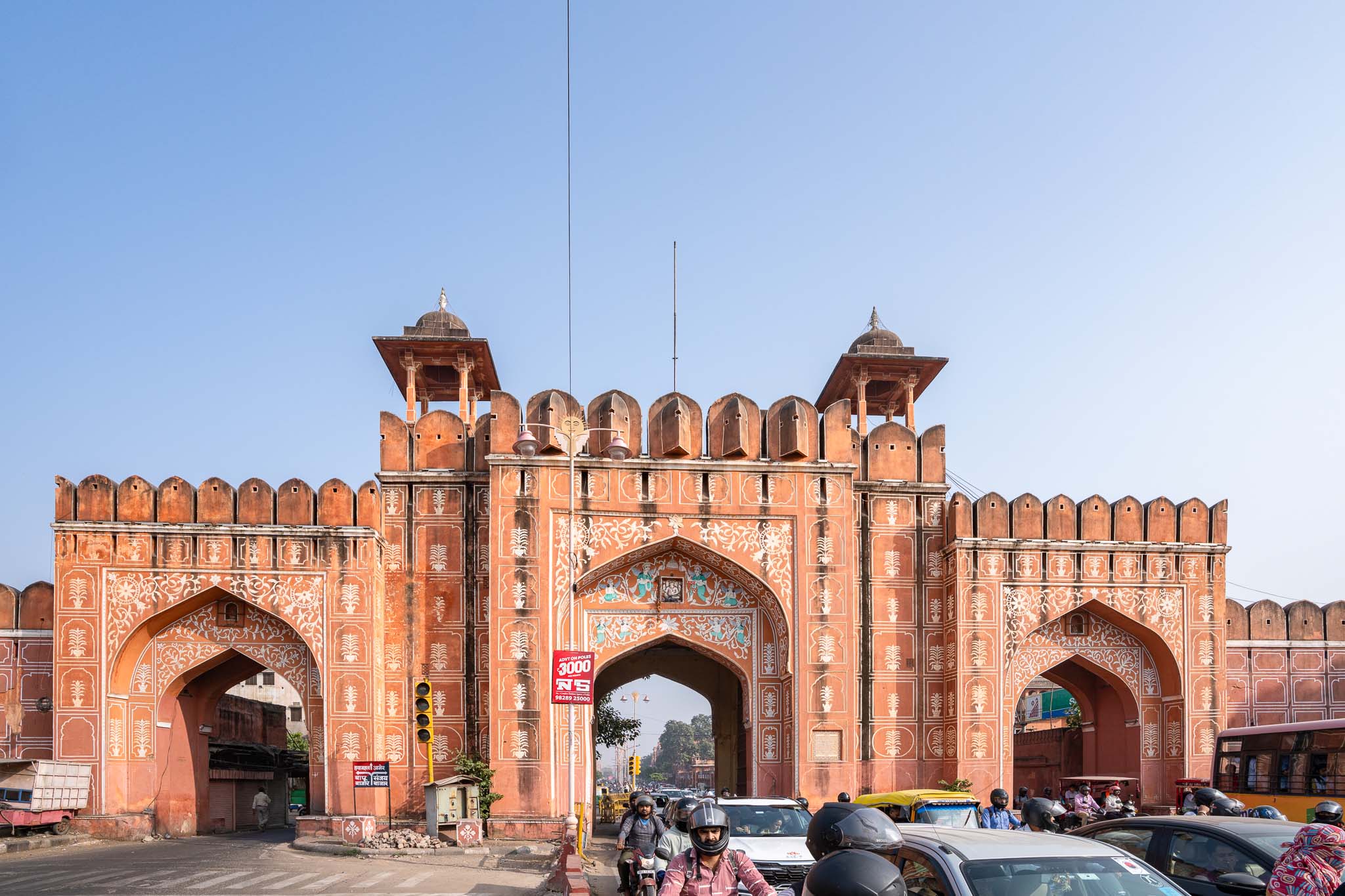
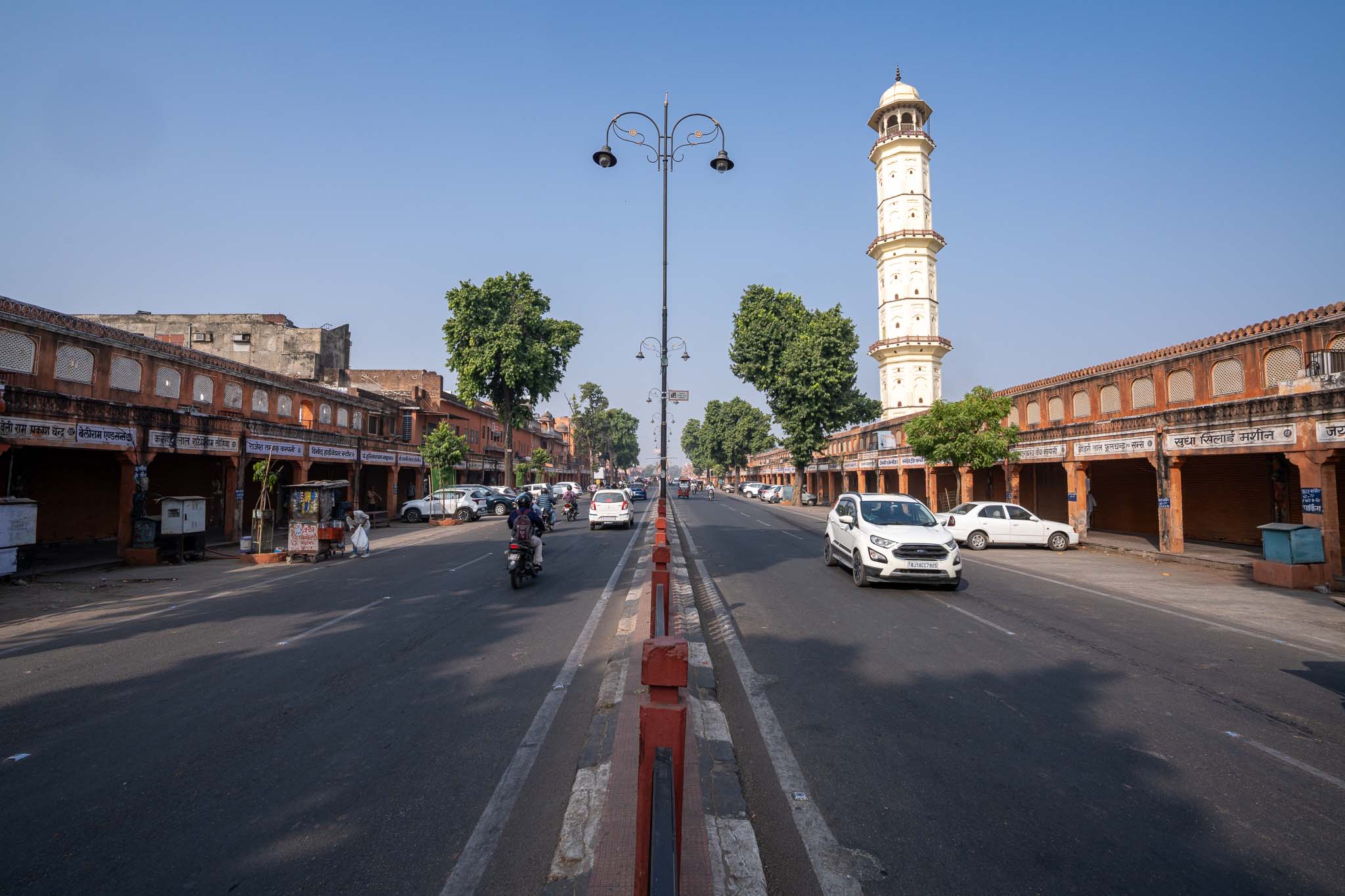
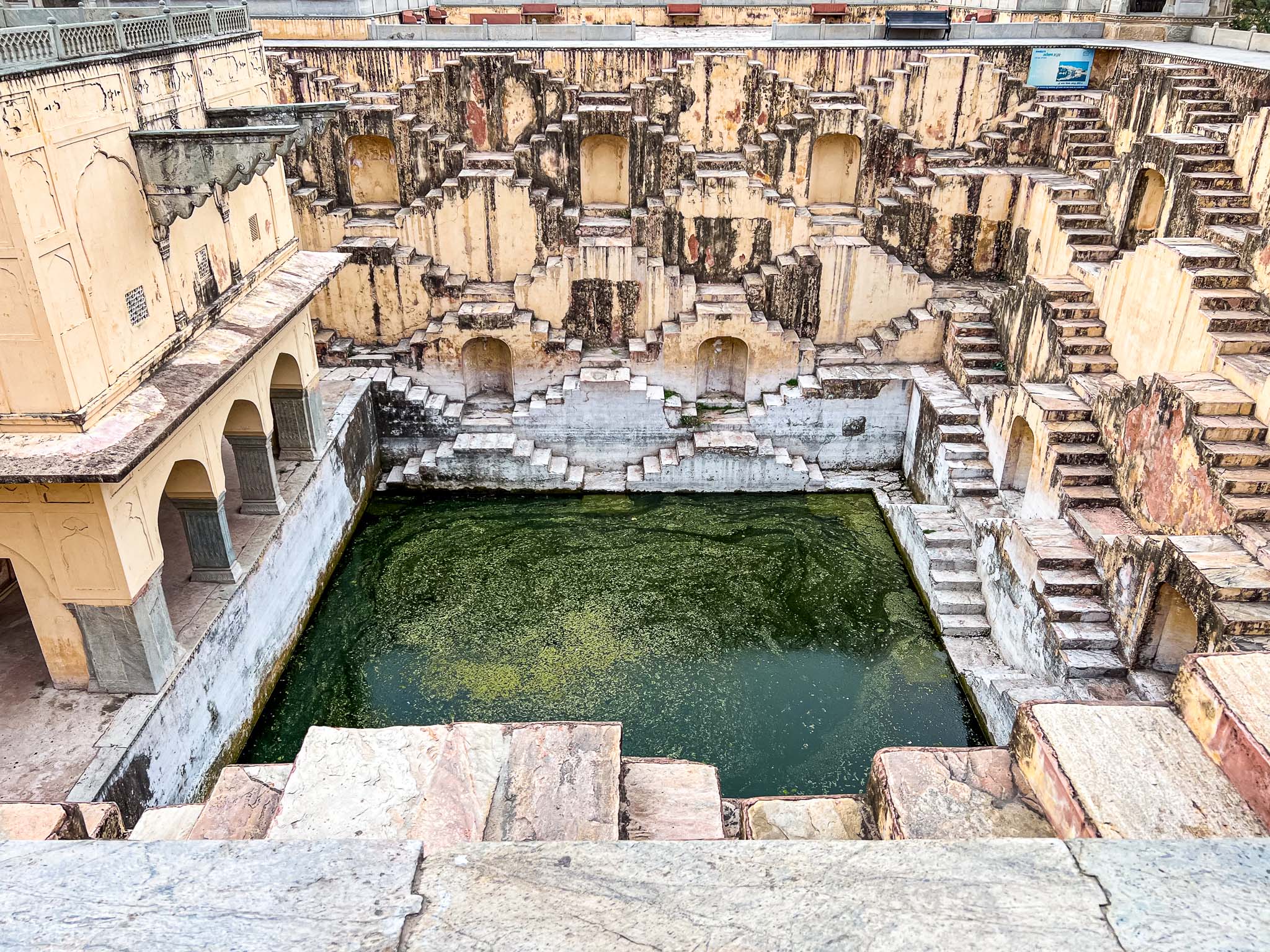
Jaipur, one of the first planned cities in the Indian subcontinent was established in 1727 by Sawai Jai Singh II. Its plan, based on the grid system also included separate areas for administration, trade and residential. The city’s layout facilitated air flow in scorching heat, and tanks, stepwells and lakes served as reservoirs for water.
Forts
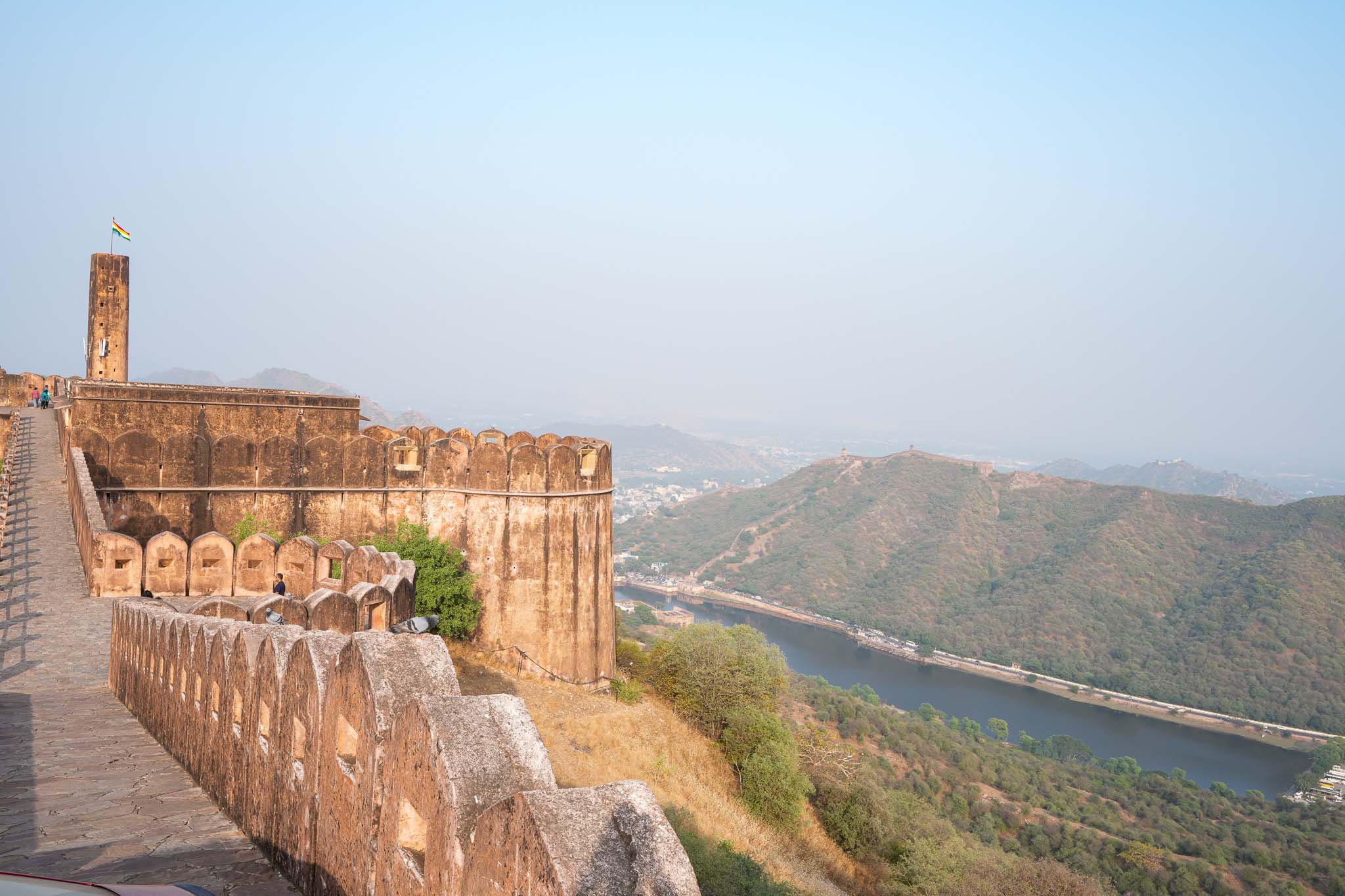
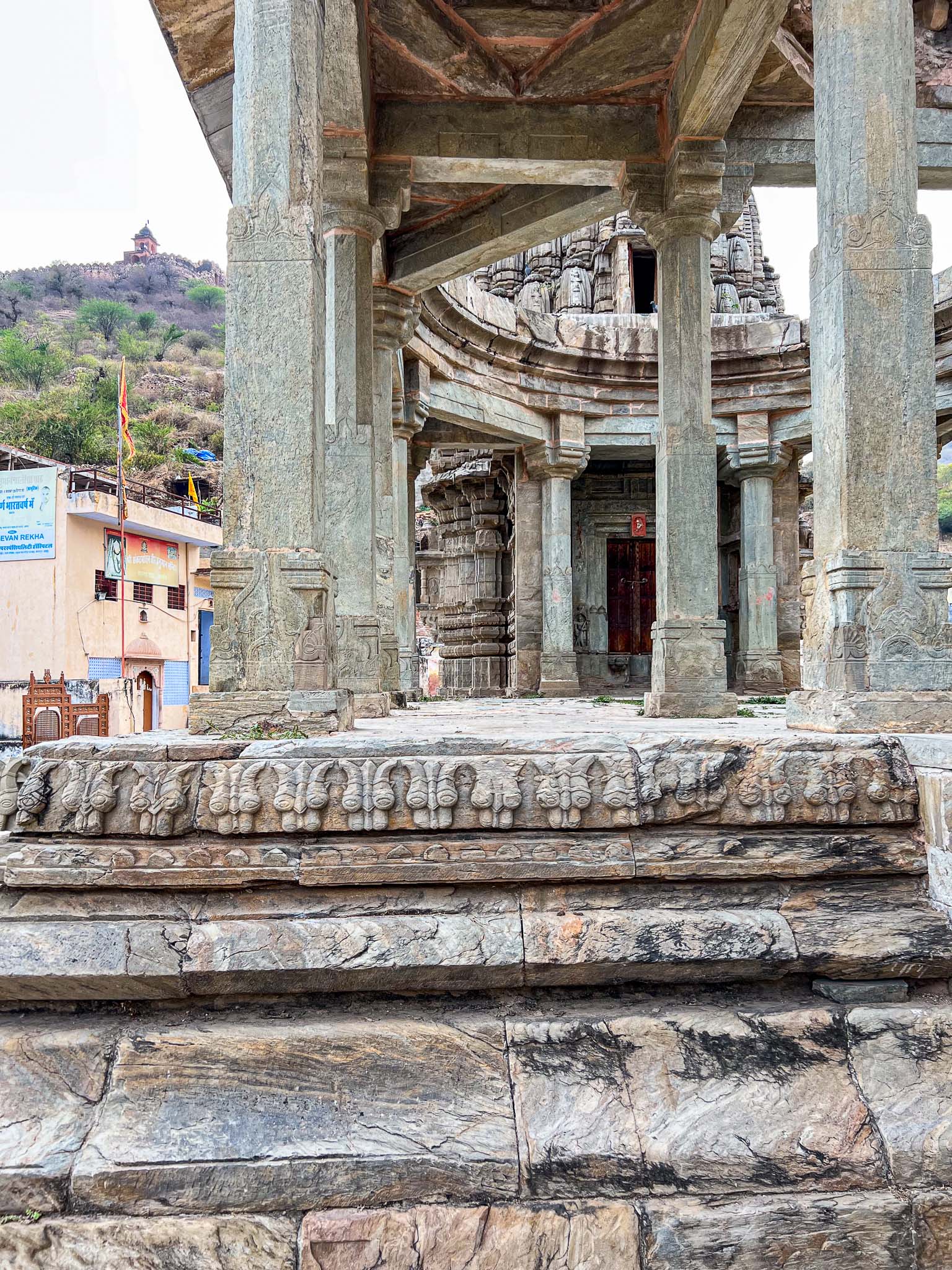
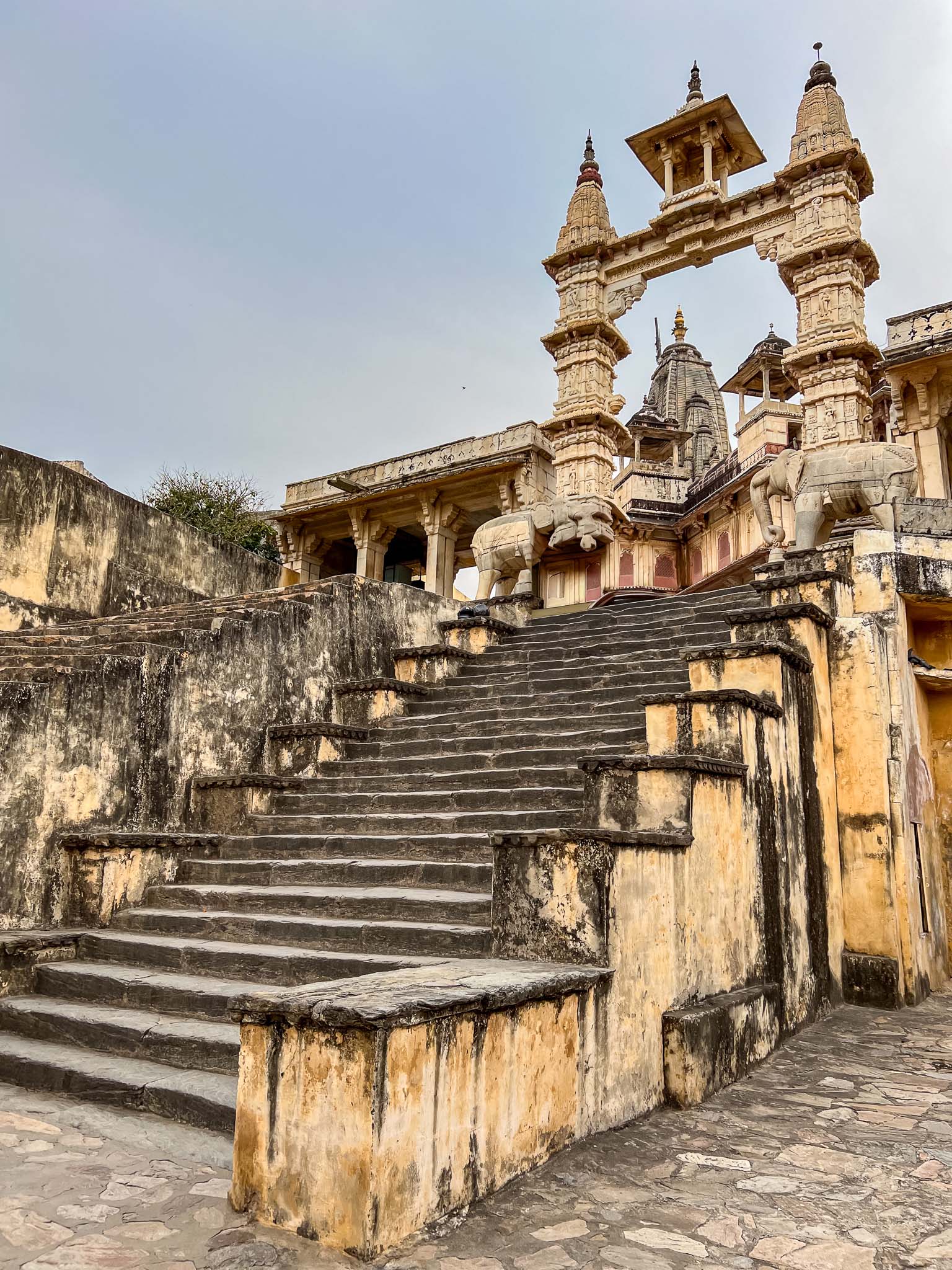
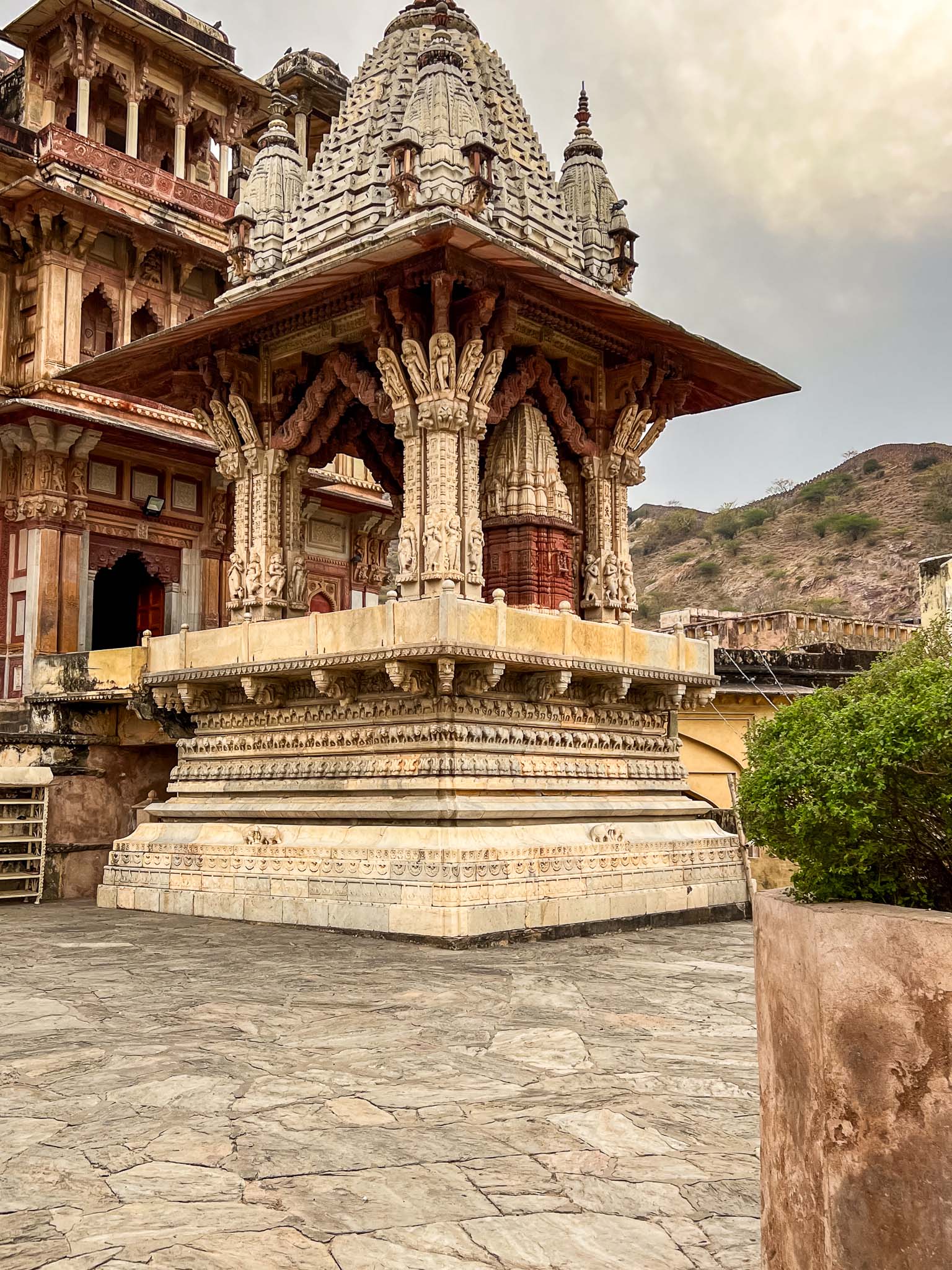
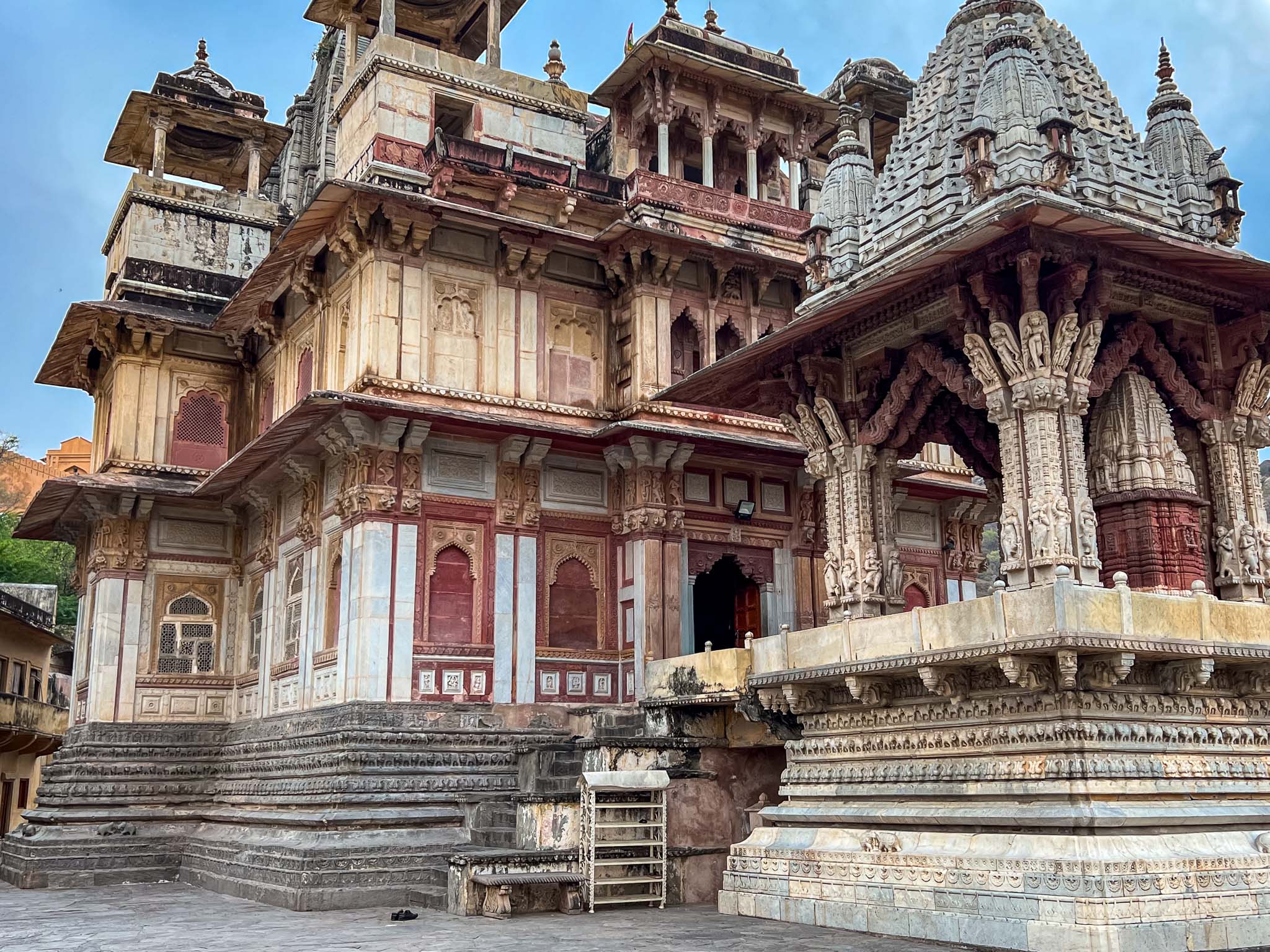
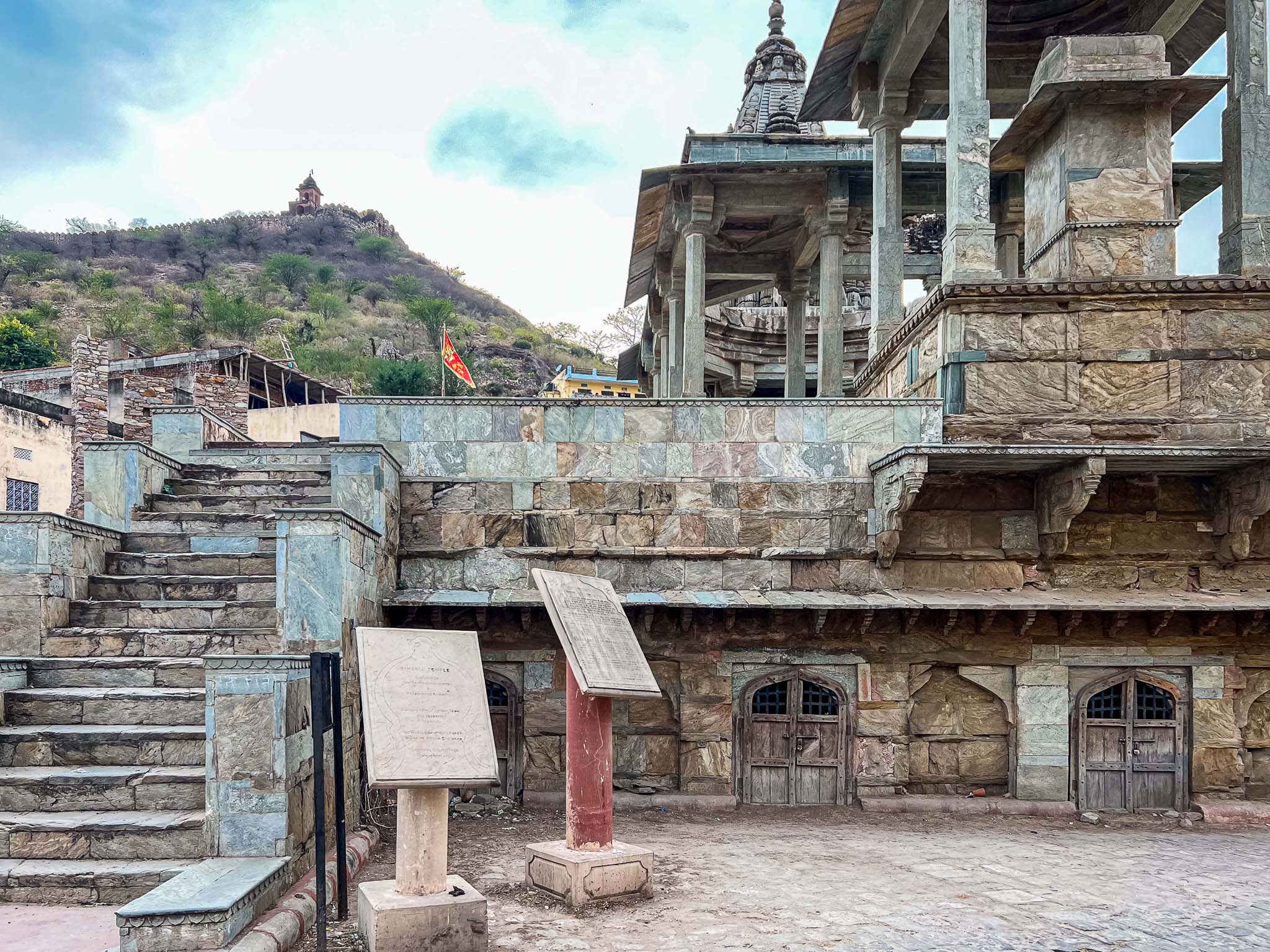
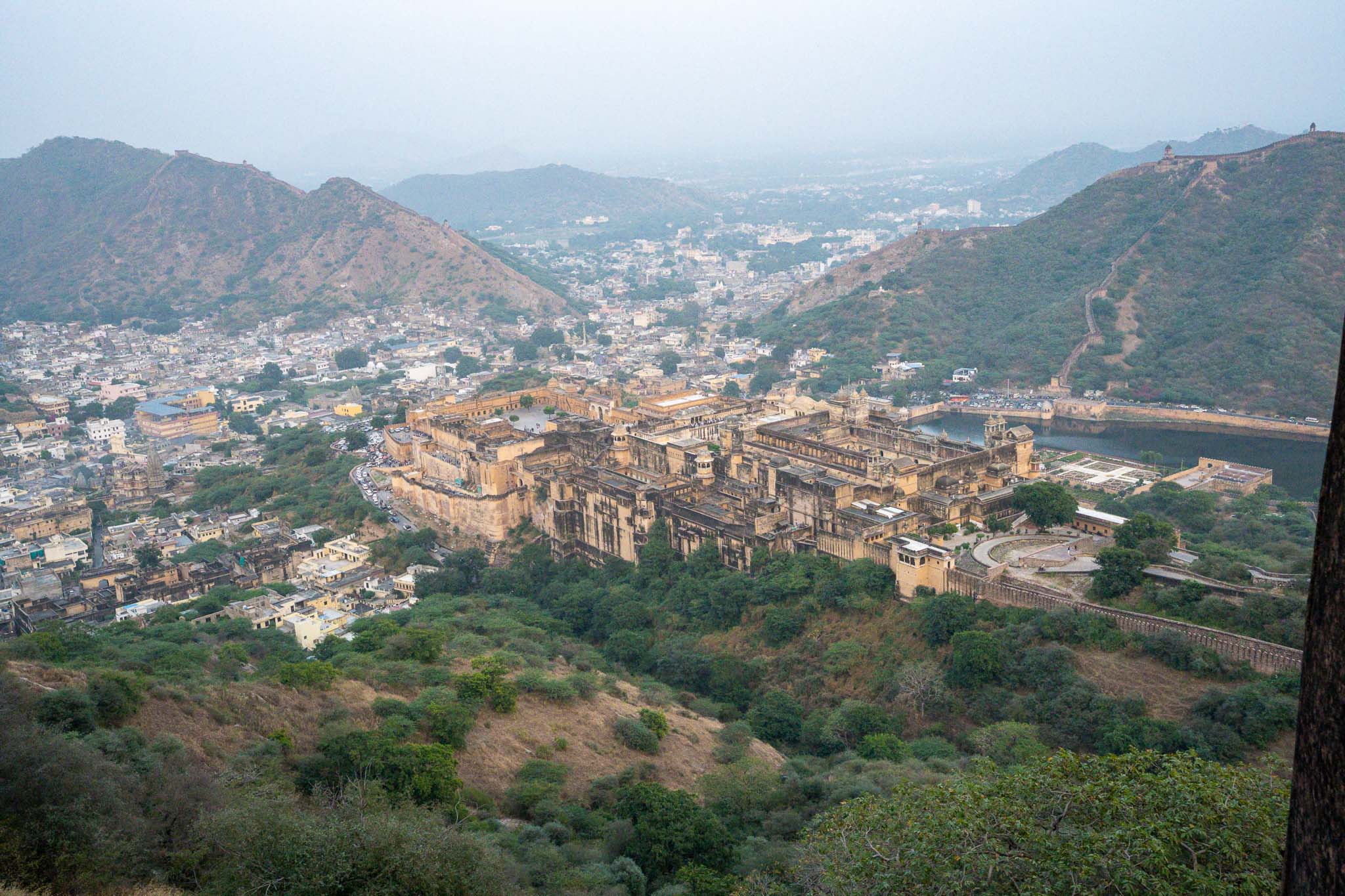
Jaipur was a military stronghold whose forts were conceived as part of a single defensive system rather than an array of separate developments.
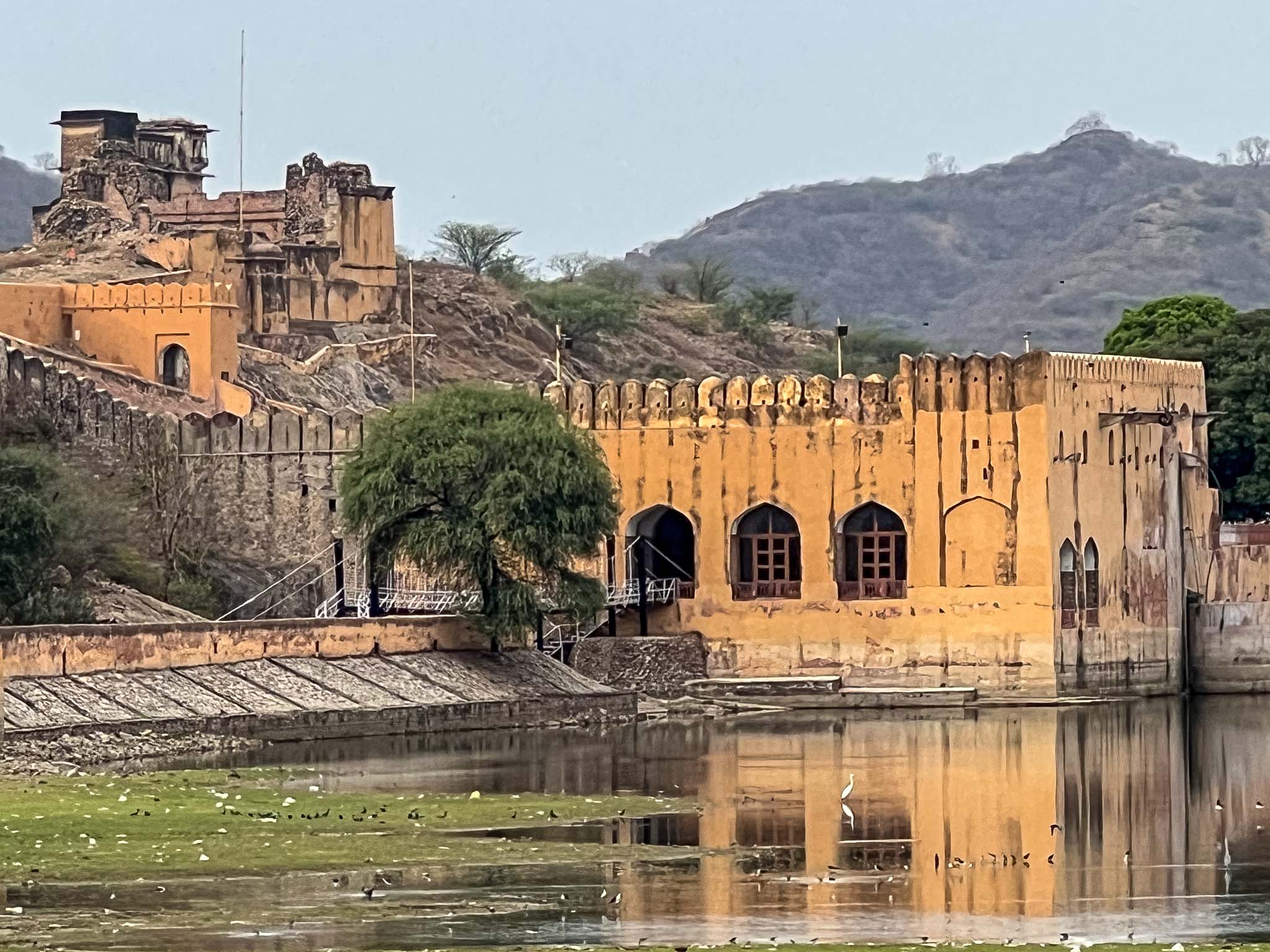
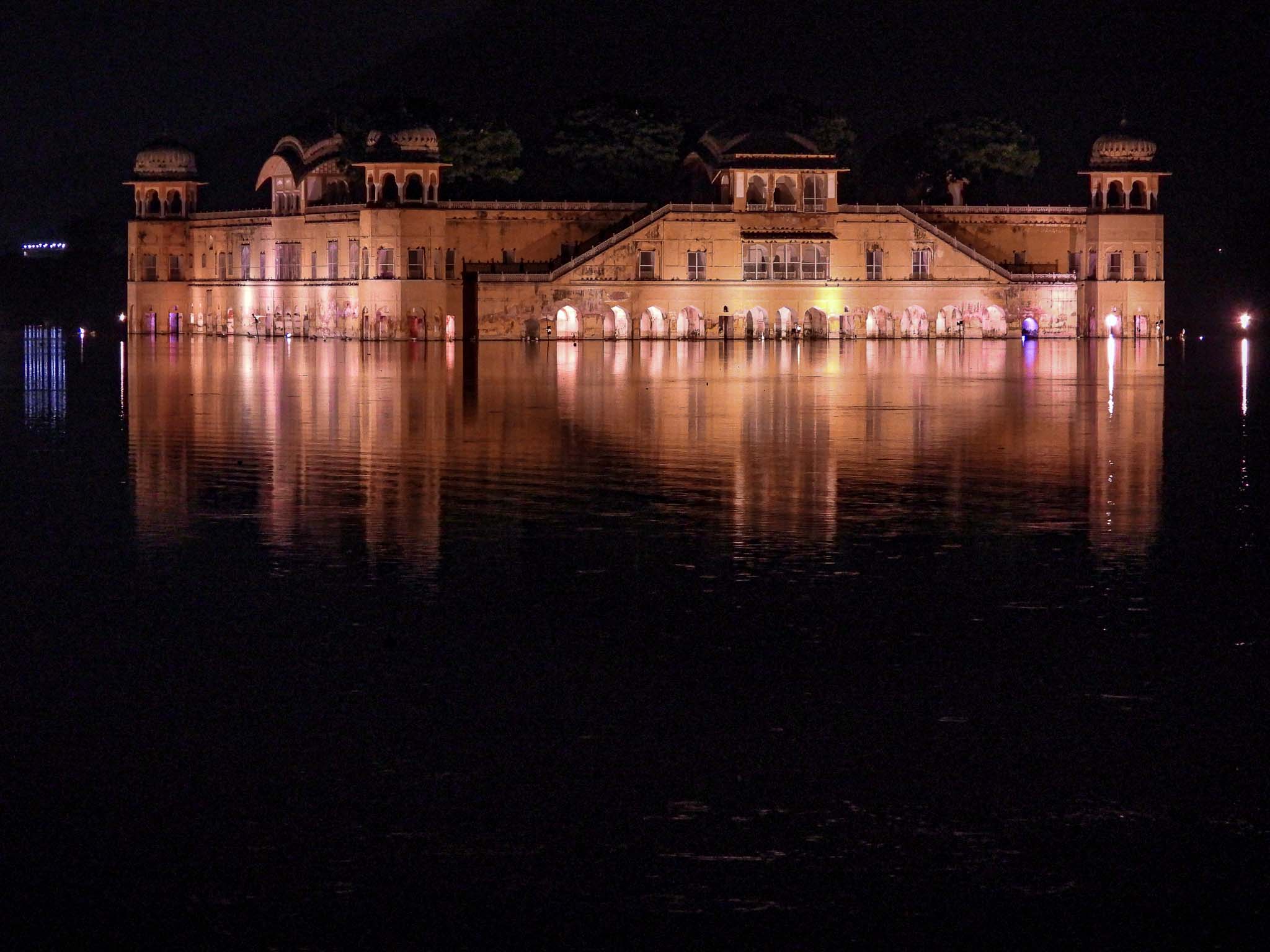
Jaipur is located against the Aravalli, one of the oldest mountain range in the world. These hills helped determine patterns of settlement, sheltered the city and accommodated wildlife. Today, many Peacocks, Jackals, Nilgai roam around at Nahargarh and Jhalana. Man Sagar Lake, around Jal Mahal, is a haven for migratory birds as well. It perfectly illustrates how water bodies were included in urban planning.
Jaipur was designed as a working capital—administrative, commercial and strategic—to be properly linked to its surrounding territories.
Rajasthani Cuisine
Any knowledge of Jaipur is incomplete without a deep dive into its food culture, which mirrors the city’s geography, courtly historically and social hierarchy. Food under Kachwaha Rajput rulers formed itself around scarcity of water, long military crusades and the demands of royal hospitality. Consequently, some aspects of Jaipur’s food favor durability, spice balance and techniques that allowed the preservation of flavor over time.
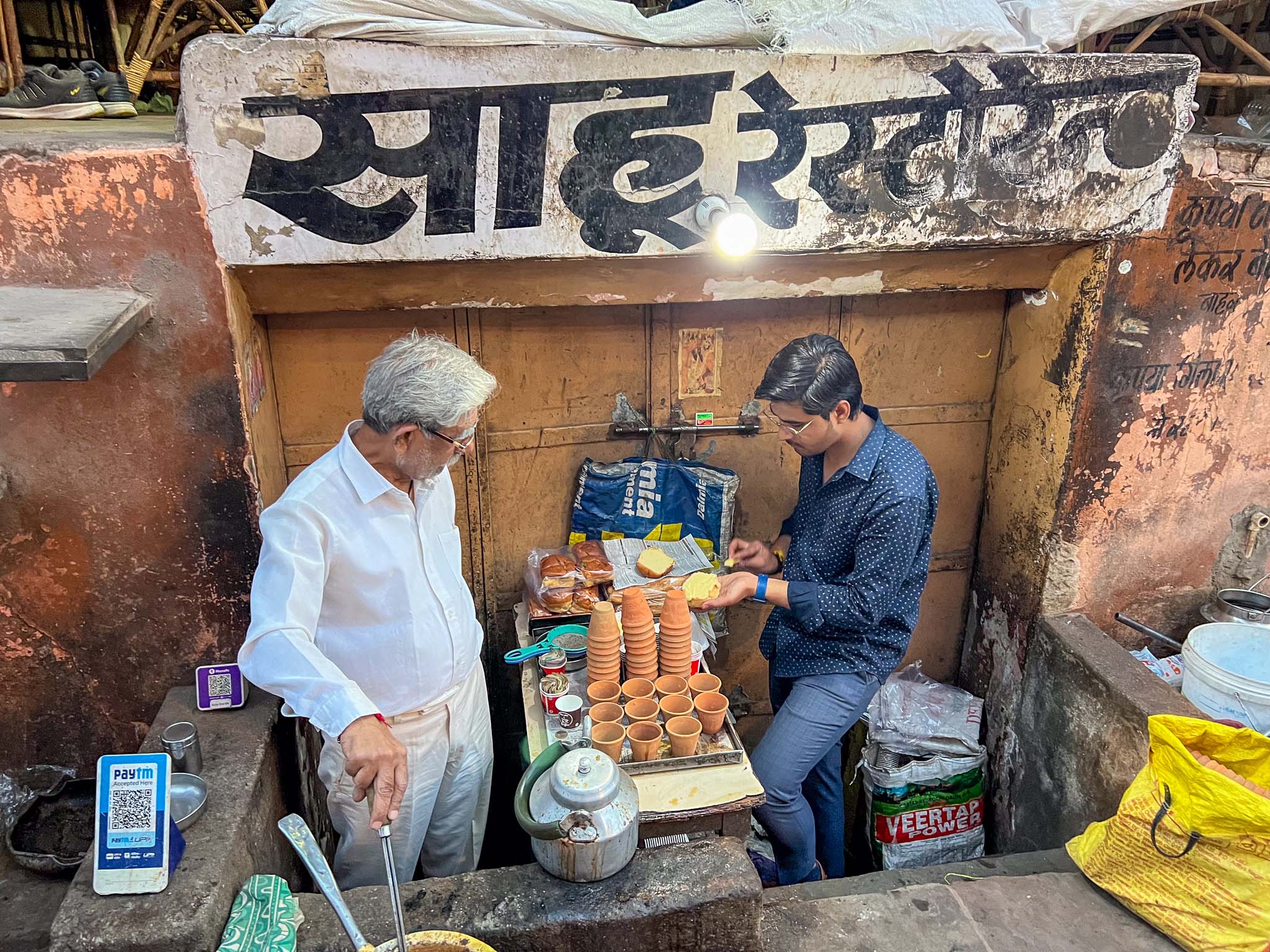
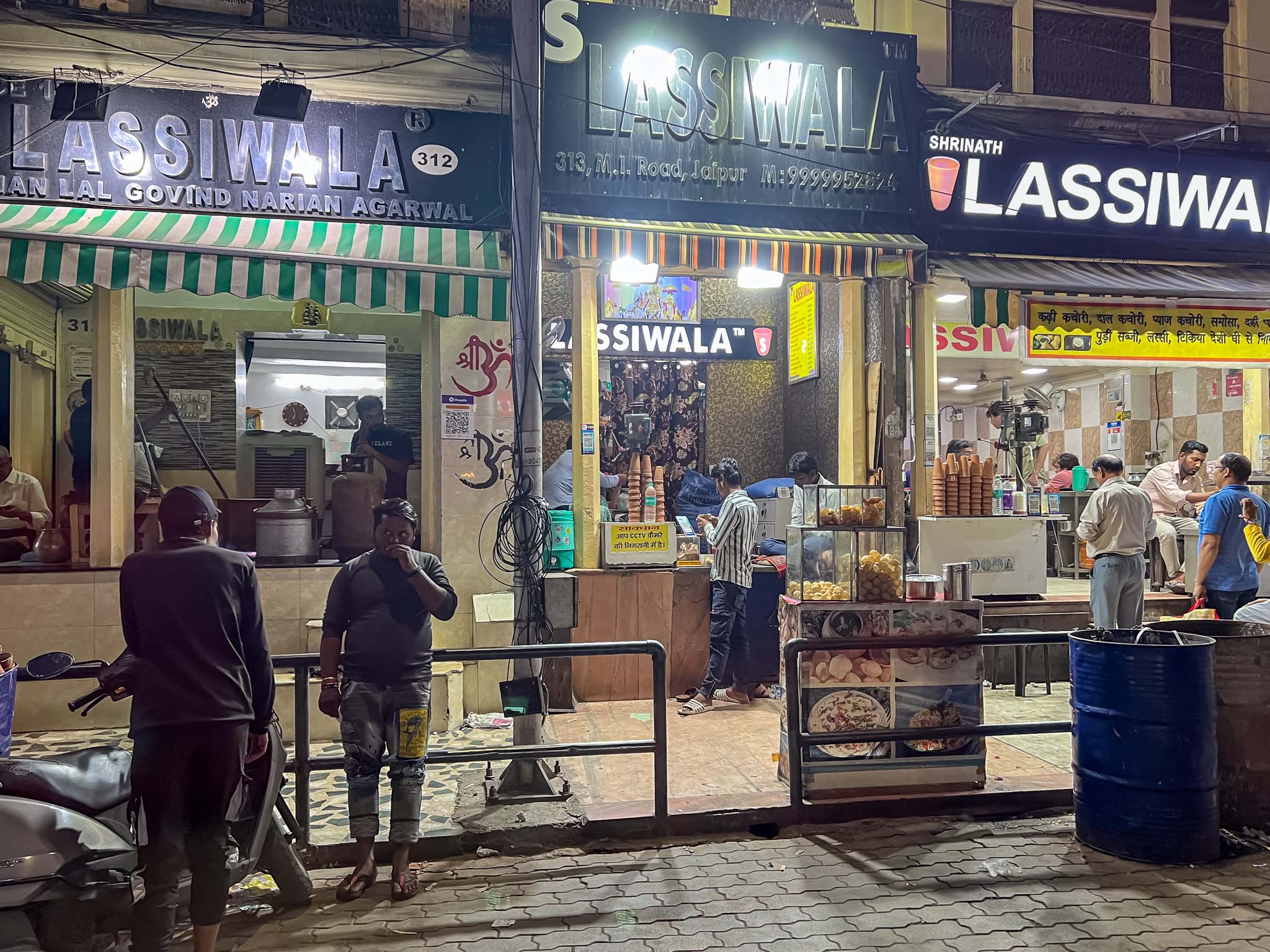
Vegetarian food like dal baati churma, gatte ki sabzi, ker sangri and papad ki sabzi grew out of desert conditions and still dominate daily meals. These dishes are a testament to a resourceful culinary tradition that uses dried ingredients, clarified butter, and slow cooking. But tea and lassi, they are everyday staples.
Equally, meat dishes have a historical background from royal hunting practices and court kitchens. Dishes like laal maas, jungli maas, safed maas and slow-cooked mutton preparations were traditionally prepared for Rajput nobility. Marked by the bold use of red chilies, garlic and yogurt-based gravies, these dishes were meant to sustain warriors.
Everyday Life in Jaipur
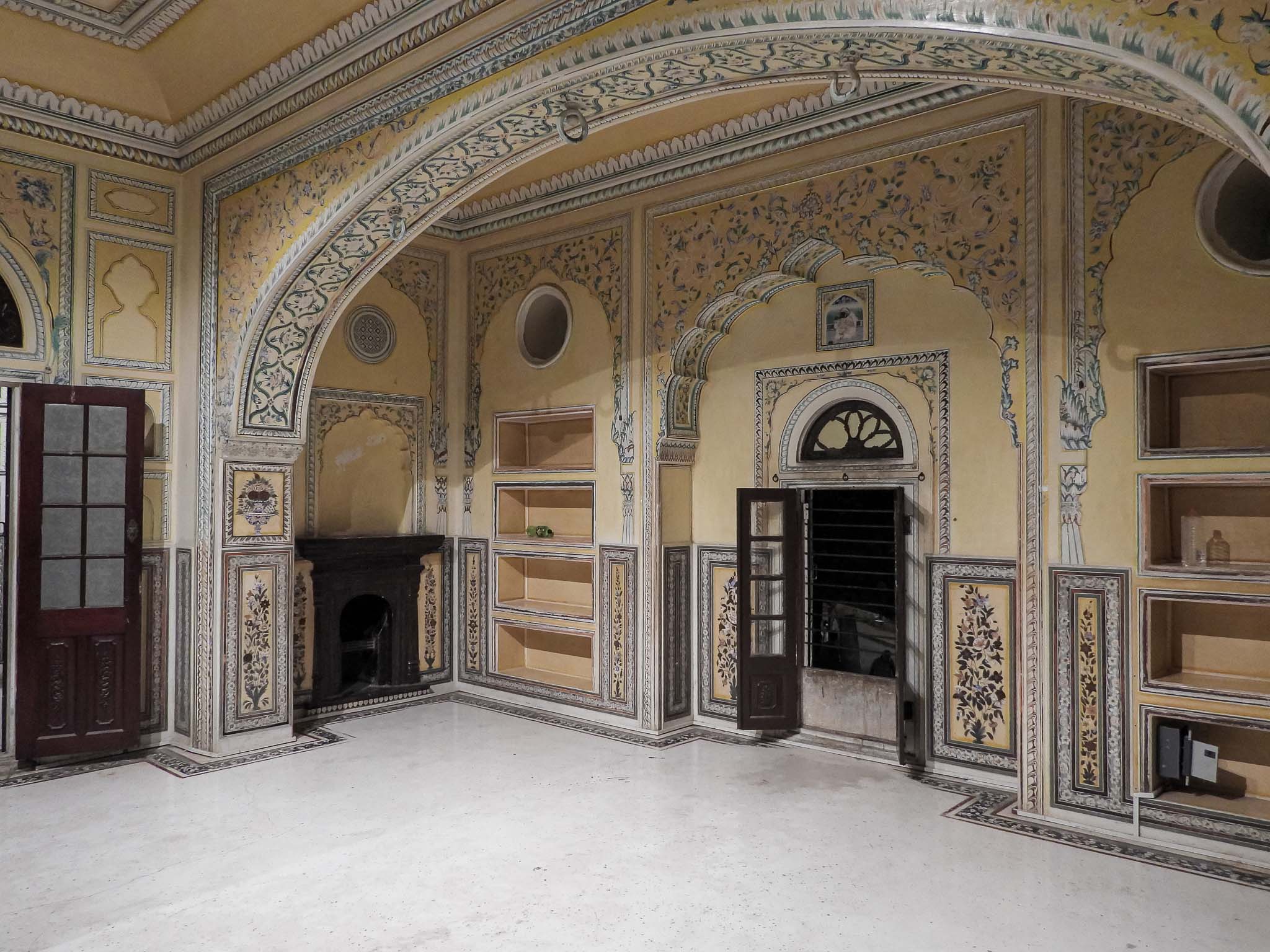
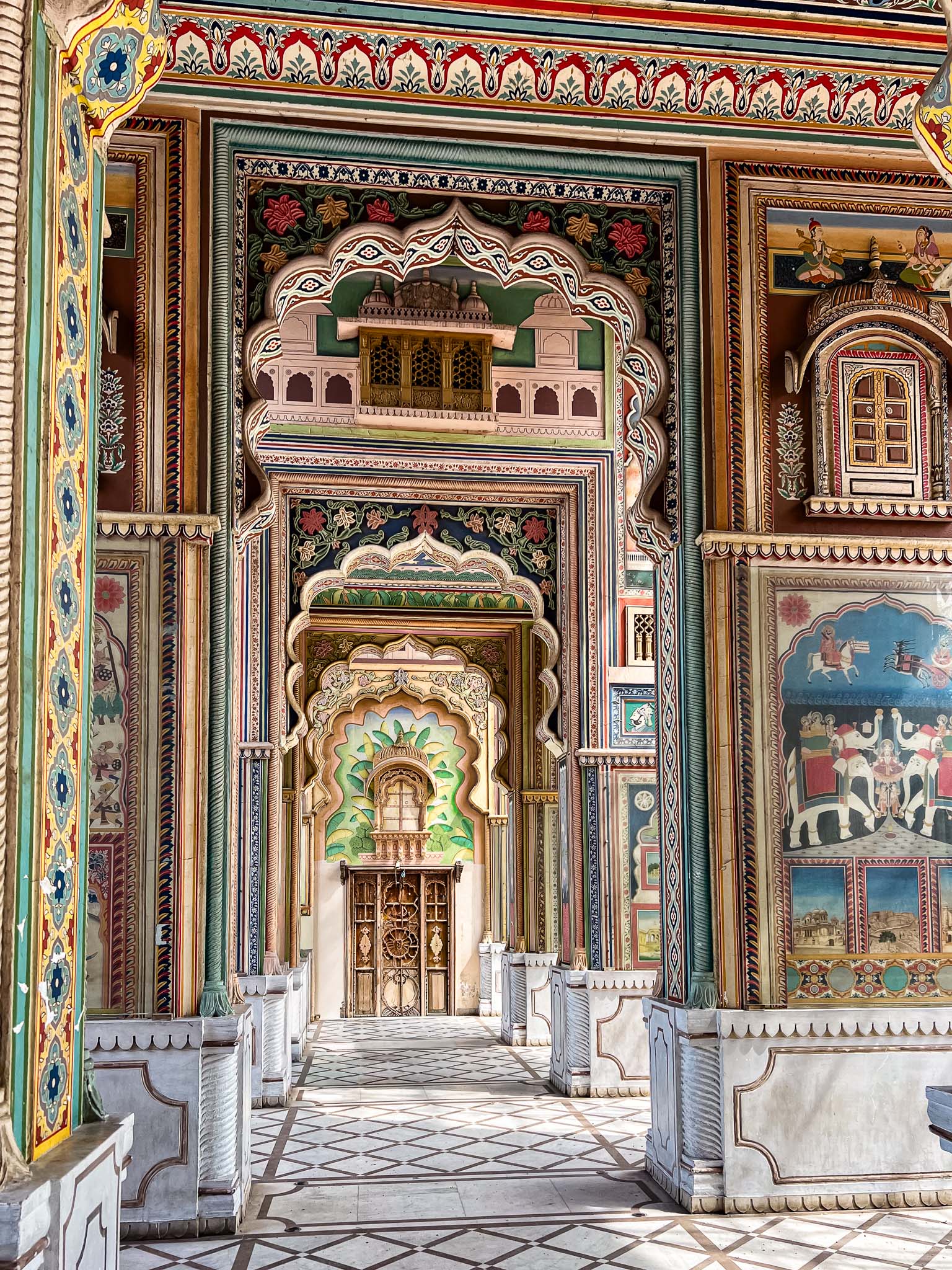
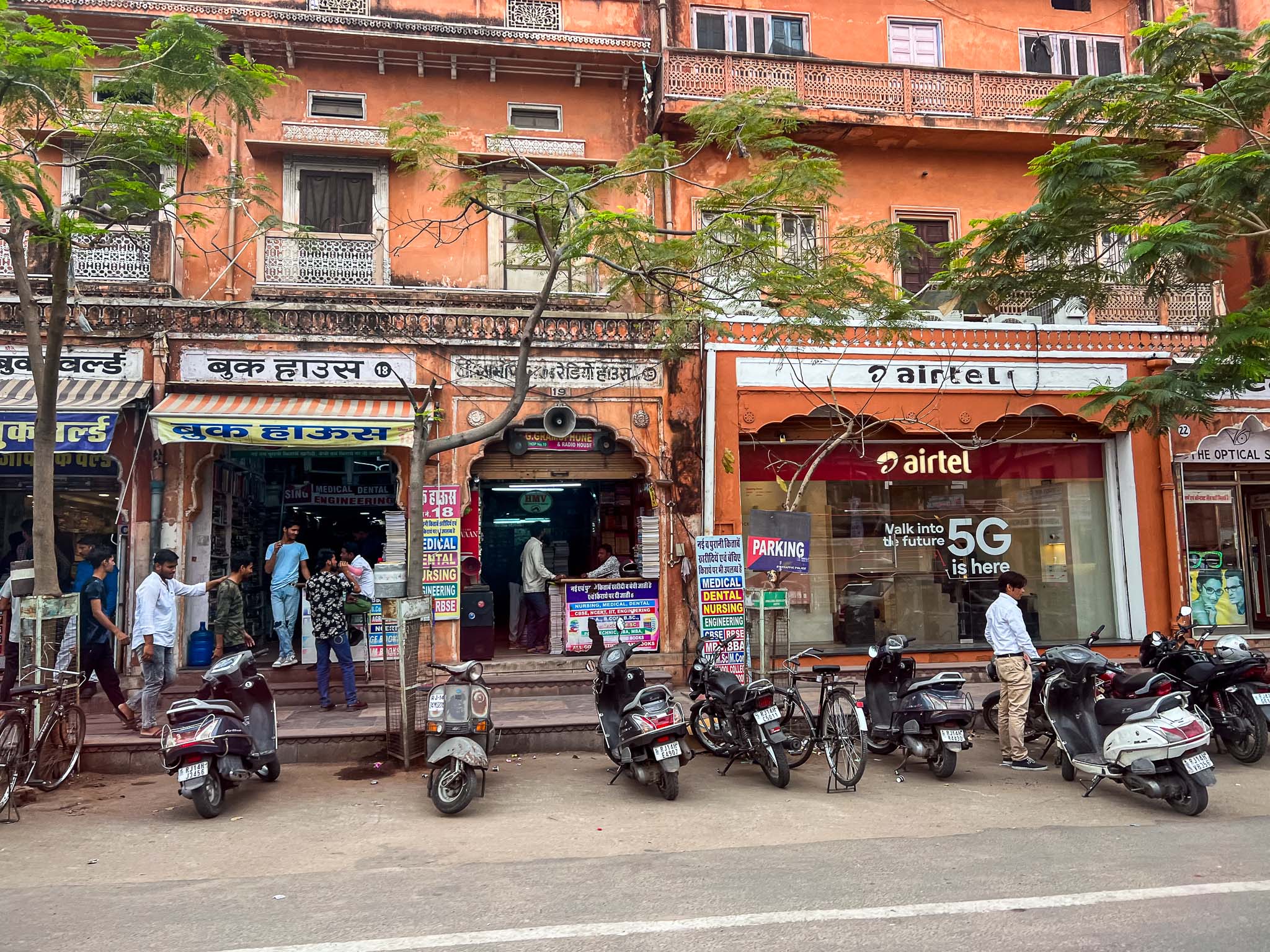
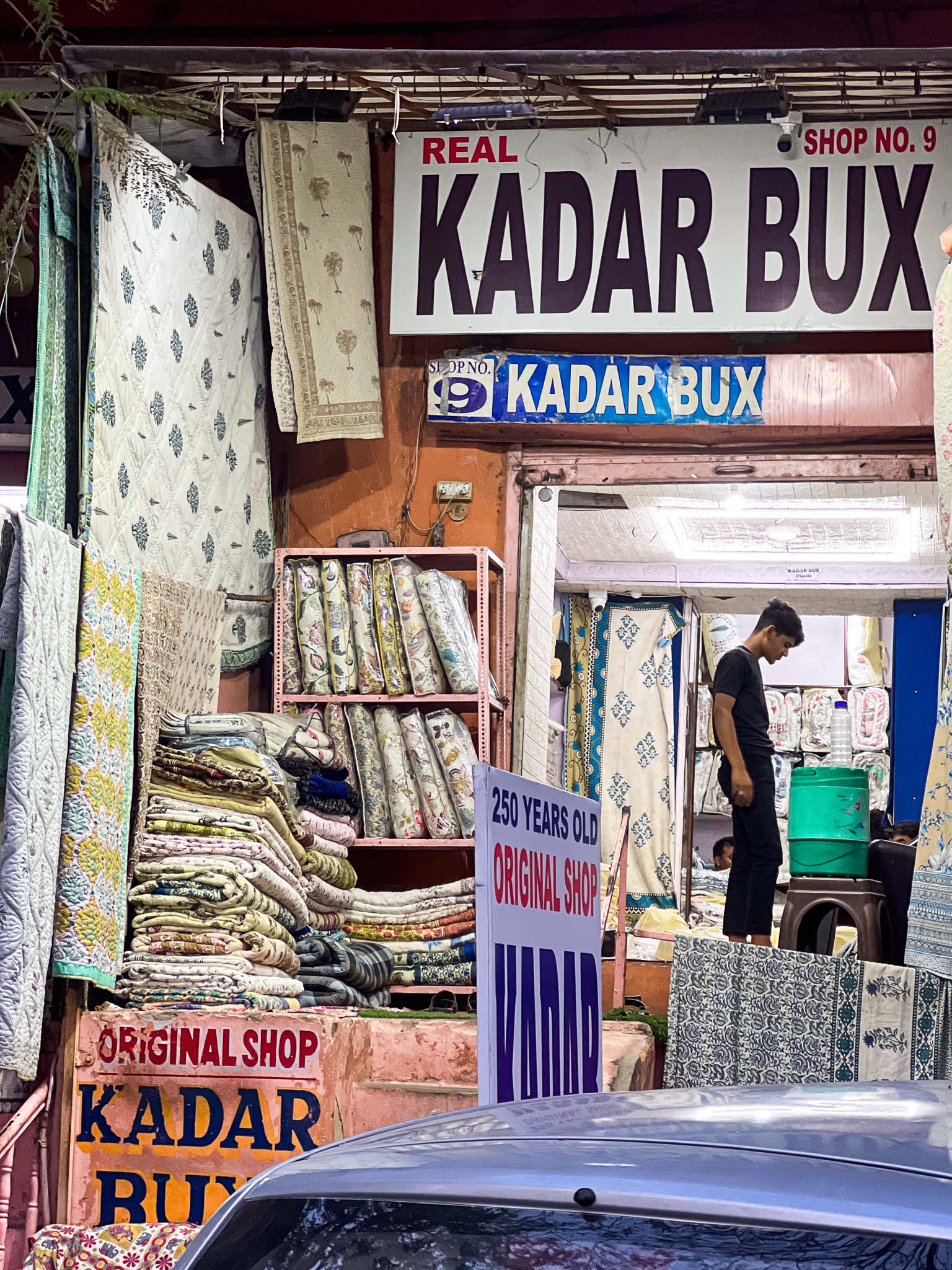
Jaipur’s culture also includes the city’s festivals, crafts and social customs, in addition to its architecture. Its textile traditions of bandhani and block printing, its jewelry-making, mirror work, miniature painting, blue pottery—all these practices evolved under a system of royal patronage and continue today as living crafts. Music, dance, and oral storytelling, especially folk forms, remained grafted to community life. Festivals such as Gangaur, Teej and Diwali are expressions of seasonal rhythms and social structure that bind the city to older agrarian traditions.
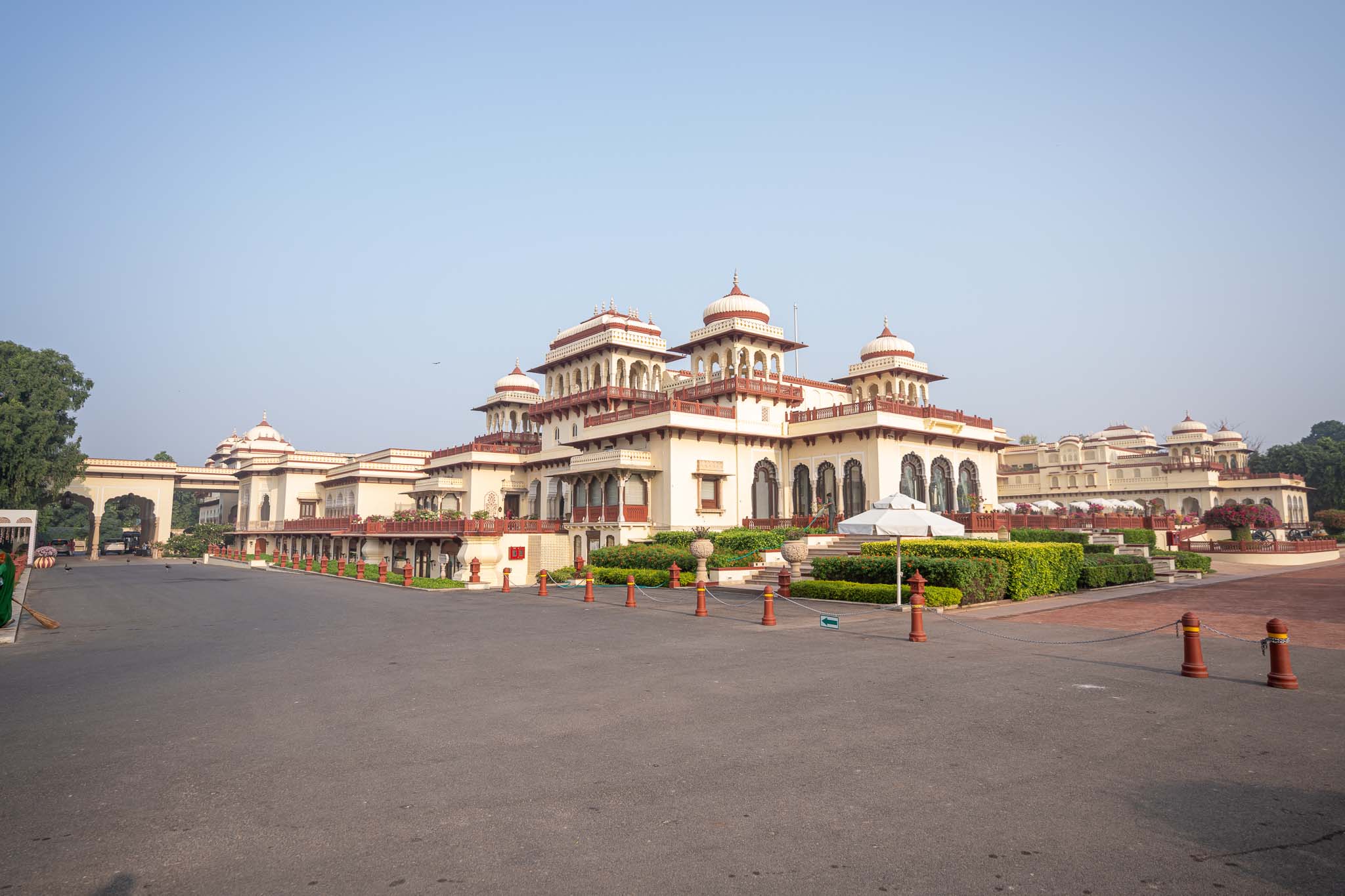
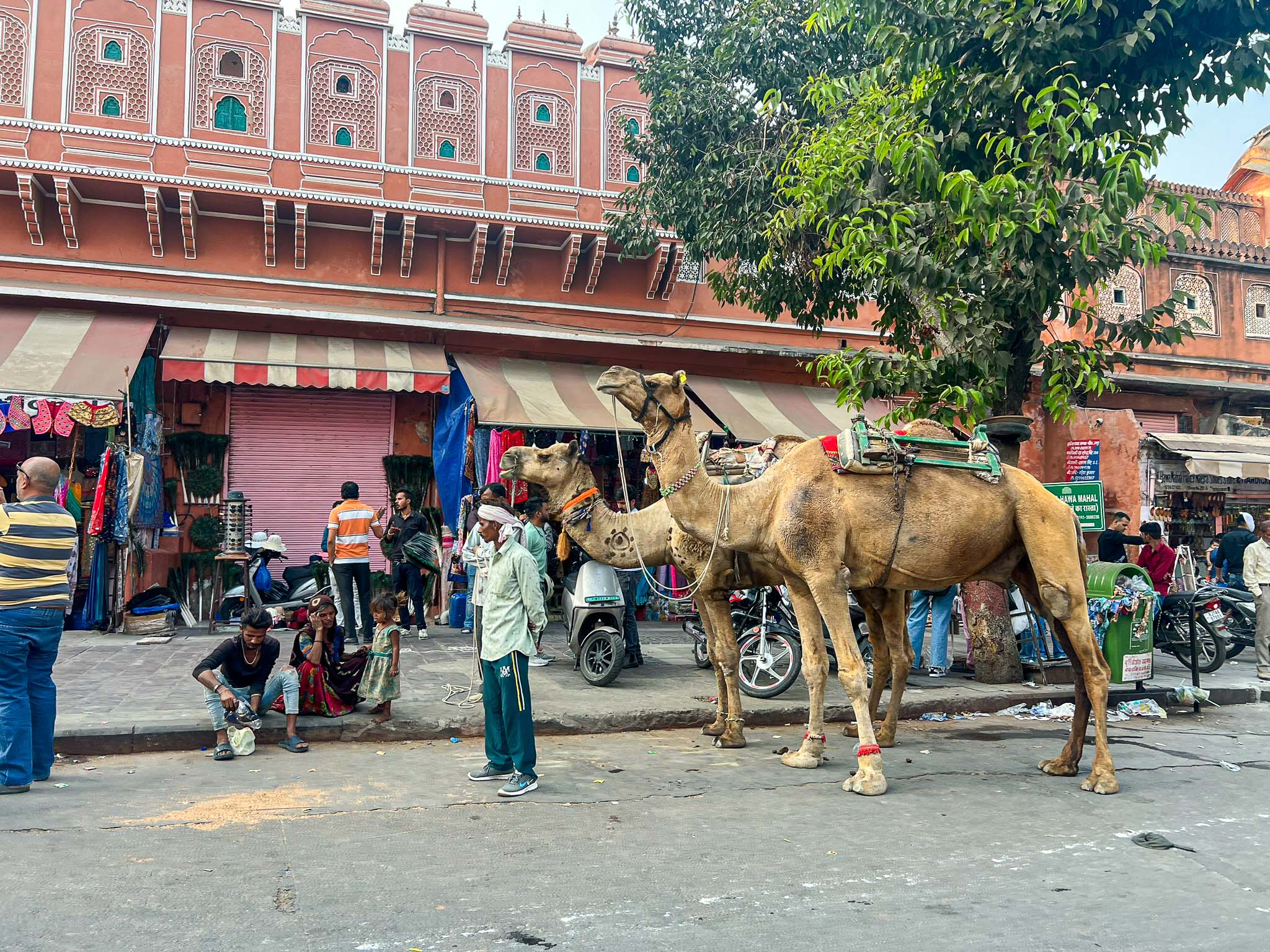
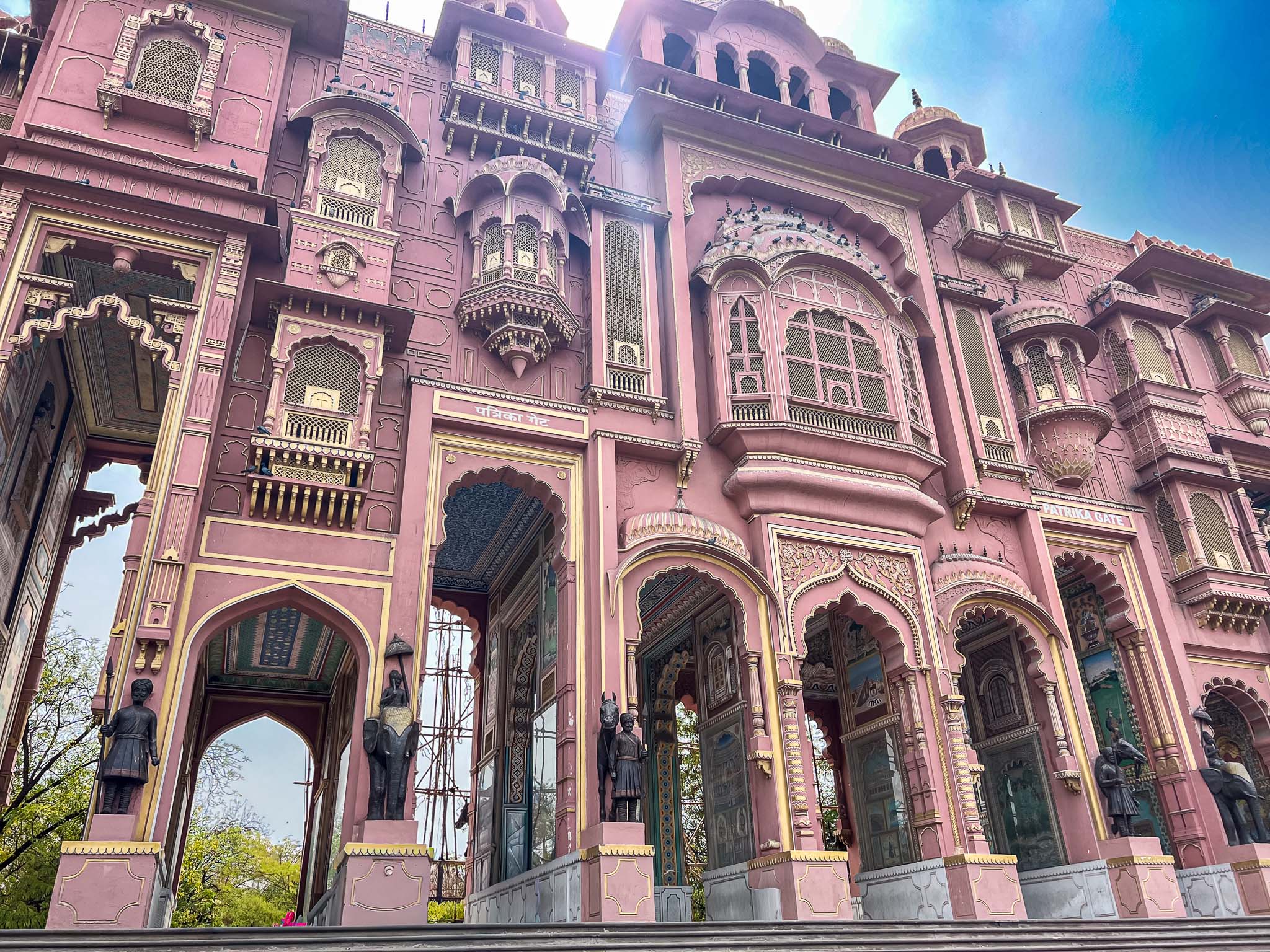
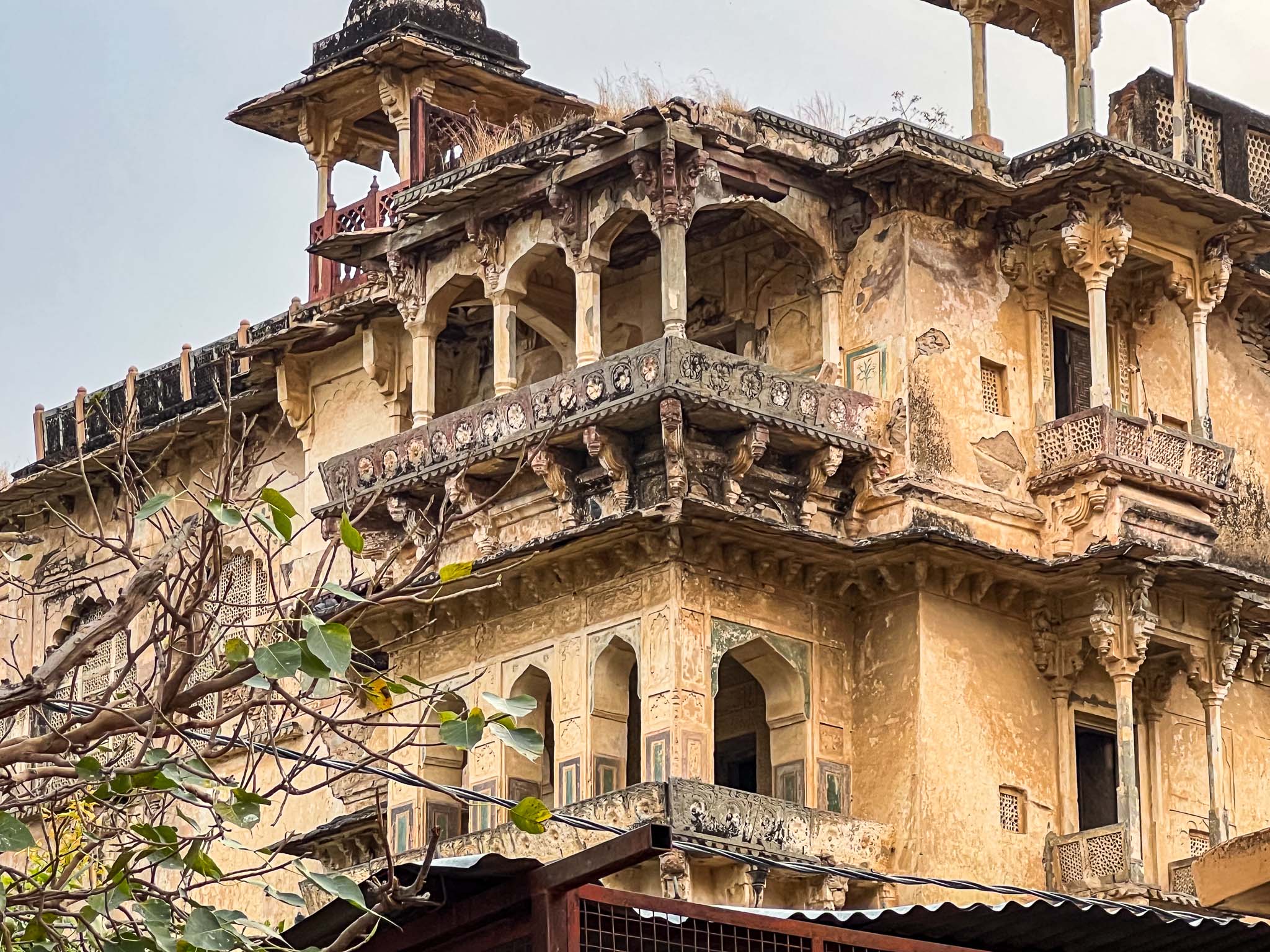
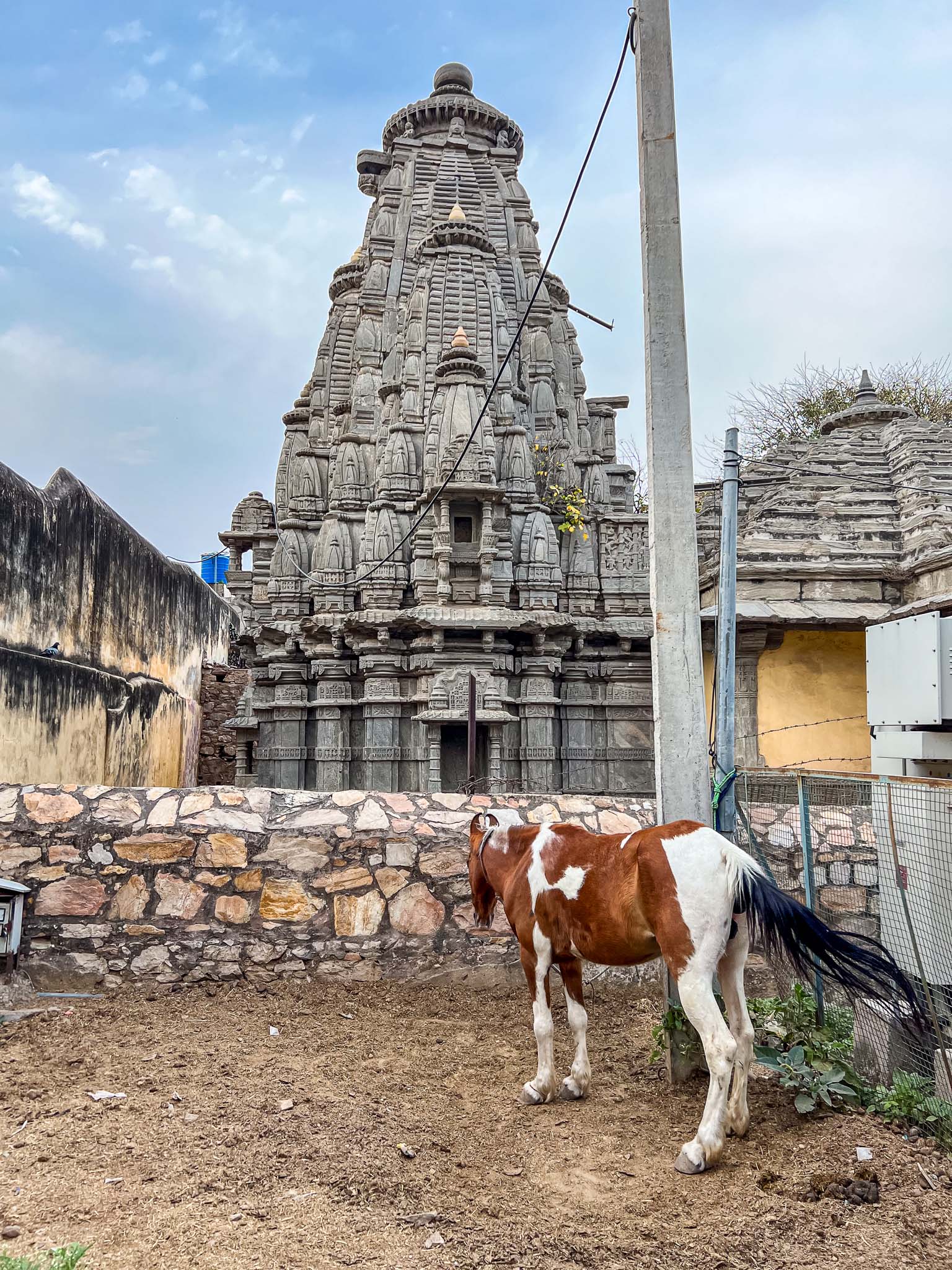
This mix of ceremonial grandeur and everyday function is culturally what sets Jaipur apart. Palaces and forts loom over the city’s skyline, but its identity is equally formed in bazaars, kitchens, workshops, and neighborhood temples.
From the precision of its planning to the pragmatic considerations seen in the city’s architecture, Jaipur embodies an urban experiment that’s still operating centuries later.